Нативная реклама, Реклама в TikTok
6 минавгуста 8, 2026

Наши инструменты отслеживают миллионы TikTok-объявлений из более чем 55 стран. Крупнейшая библиотека TikTok-рекламы в сфере e-commerce и мобильных приложений!
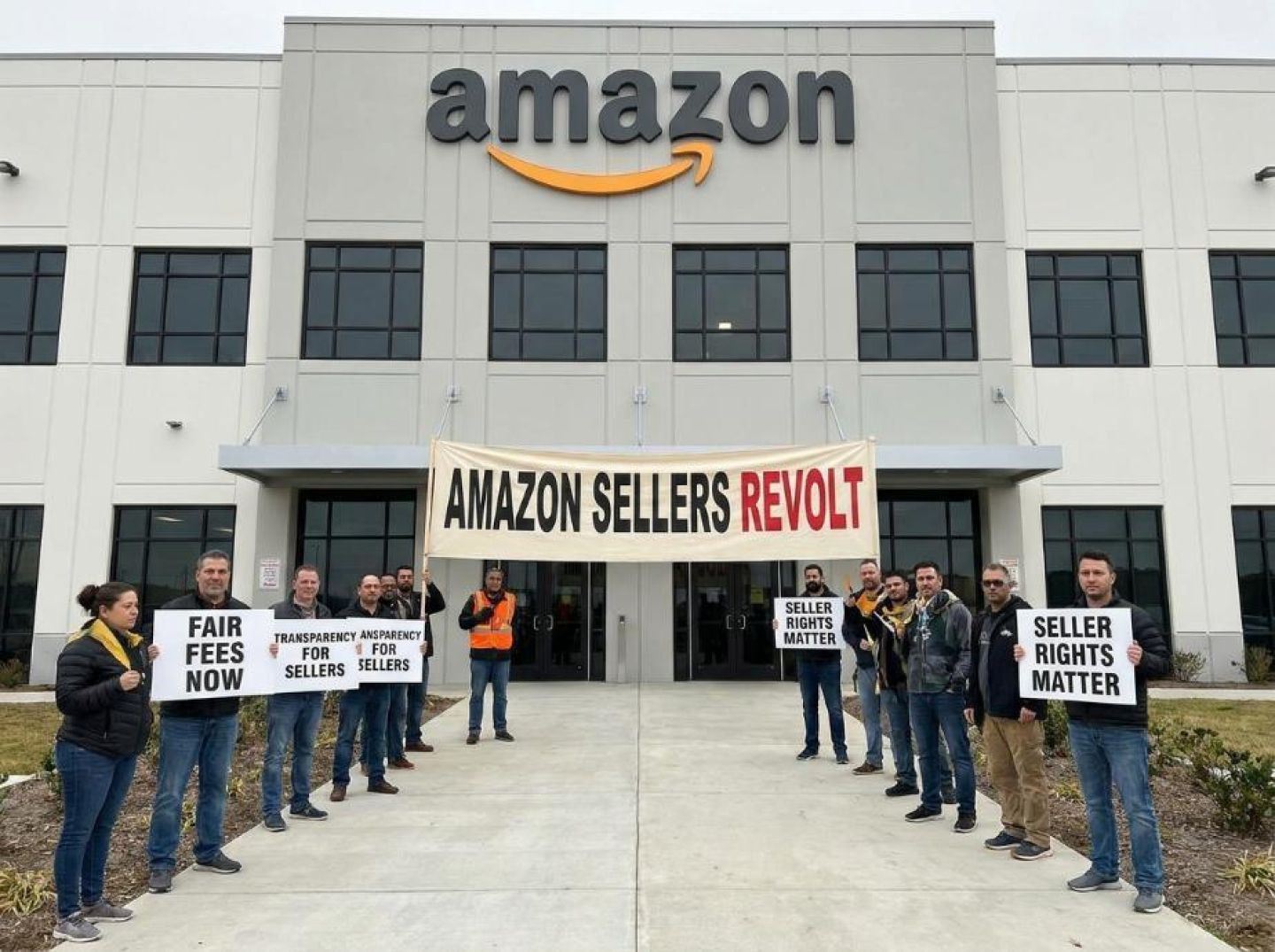
Попробуйте БЕСПЛАТНОВ начале 2026 года сообщество крупных продавцов Amazon, известное как Million Dollar Sellers, совершило поступок, которого мир ad-tech не видел в масштабах со времён бойкота бренда YouTube из соображений безопасности в 2017 году: они коллективно перестали тратить свои рекламные бюджеты на платформу, которая сделала их богатыми. Претензии были конкретными и накапливались. Amazon внедрила DD+7 — изменение политики, которое задерживало выплаты продавцам на целую неделю. Повышались надбавки за топливо. Тихо внедрялись изменения в политике хранения и выполнения заказов, которые перекладывали на продавцов больше расходов на возврат товаров. Однако жалобы, касающиеся именно рекламы, были наиболее острыми — потому что они затрагивали вопрос о том, кто на самом деле контролирует рекламную кампанию.
Продавцы обнаружили, что их реклама показывается на внешней платформе Amazon — сети веб-сайтов, и что платформа позволяет им только "ограничить", но не полностью исключить эти показы. Настройки кампаний включались без согласия, и по умолчанию рекламодатели получали продвигаемые размещения внутри AI-агентов, таких как чат-бот Amazon Rufus. Рекламные объявления, собранные ИИ, продвигали их товары на новые каналы, на которые они никогда не подписывались. Один продавец, эксклюзивный перепродавец брендовой продукции, рассказал AdExchanger, что он «возмущён постоянными экспериментами с рекламной платформой» — человек, тратящий миллионы долларов в год на рекламу, не может с уверенностью сказать, где именно показывается его реклама и как она выглядит в момент показа.
Если вы управляли платной рекламой в любой крупной закрытой экосистеме, этот перечень покажется вам неприятно знакомым. Невозможность исключить нежелательные размещения перекликается с годами разочарования агентств рекламной сетью Facebook. Потеря контроля над креативами отражает то, с чем столкнулись специалисты по performance-маркетингу, когда Google запустил Performance Max — тип кампании, при котором алгоритмически генерируются и распространяются рекламные материалы с минимальным контролем со стороны рекламодателя. И, как задокументировал MarTech, все крупные платформы — Google, Meta и TikTok — постепенно переходят к автоматизации на основе ИИ, предоставляя рекламодателям удобство в обмен на контроль. Креативы больше не являются просто инструментом убеждения; они превратились в сигнал таргетинга, а это значит, что решение платформы изменить ваш креатив носит не косметический характер — оно меняет кому показывается ваша реклама и почему.
Amazon — не исключение. Это ведущий индикатор. Каждая системная жалоба, поднятая миллионерами-продавцами — непрозрачное расширение размещения, изменение креативов без согласия и сжатие маржи под видом «улучшения сервиса» — существует в зачаточной или зрелой форме на каждой платформе, одновременно контролирующей распространение и монетизацию. Разница в том, что MDS обладали коллективным влиянием: сотни продавцов, суммарно тратящие миллионы долларов, достаточно организованные, чтобы согласованно организовать бойкот. У большинства маркетологов-одиночек и небольших агентств такого влияния нет. Когда Google тихо расширяет охват кампании Performance Max или Meta автоматически включает расширение аудитории Advantage+, вашим единственным способом повлиять остаётся обращение в поддержку и молитва.
Именно эта асимметрия делает эмоциональную подоплеку мятежа продавцов Amazon MDS столь значимой за пределами коммерции. После встречи с этой группой Джеймс Херчер из AdExchanger отметил, что проблемы всех в конечном итоге сводятся к одному и тому же чувству: "Нам больше не весело". Это обманчиво мягкое выражение отмечает жесткую границу — момент, когда зависимость от платформы переходит от терпимого неудобства к существованию бизнес-риска, когда то, что построило ваш доход, становится тем, что может разрушить его за одну ночь, не спрашивая разрешения. И если вы ведете рекламу внутри любого закрытого экосистемного пространства, вы находитесь всего в одном обновлении политики от пересечения этой черты.
У продавцов Amazon, которые восстали, по крайней мере, была видимая цель. Они могли указать на размещение чат-бота Rufus, выявить внешние рекламные площадки и точно определить, где их бюджеты расходовались нецелесообразно. Эта ясность — каким бы раздражающим она ни была — давала им рычаги влияния. В TikTok проблему назвать гораздо труднее, потому что почва уходит из-под ног, прежде чем вы успеваете описать, где вы находитесь.
Алгоритмическая рекомендательная система TikTok не просто размещает рекламу рядом с контентом; она является механизмом обнаружения контента, что означает, что у рекламодателей радикально меньше контроля над соседством, чем даже на самых закрытых поисковых или рыночных платформах. Безопасное размещение бренда в 9 утра — например, популярный аудиоклип, используемый в лёгких кулинарных видео — к полудню может превратиться в инструмент политических комментариев или чёрного юмора, полностью исказив все ассоциации, которые ваш креатив должен был вызывать. Как показал анализ SilverPush более восьмидесяти рекламных кампаний в TikTok на девяти рынках Азиатско-Тихоокеанского региона, тренды на платформе обычно достигают пика в течение 48–72 часов, и такой же сжатый временной период применим и к рискам. К тому моменту, как инструмент мониторинга на основе объёма отметит небезопасный контент, воздействие уже произошло — а культурный контекст, из-за которого размещение казалось безопасным, уже исчез.
Это несоответствие скоростей является структурным, а не случайным. Традиционные модели защиты бренда создавались для экосистем, в которых категории контента остаются относительно стабильными между проверками кампаний. TikTok развивается с той скоростью, которую SilverPush точно назвал "культурной скоростью" — на такой скорости общие категории охвата и общие исключения по ключевым словам обеспечивают базовый контроль, но не хватает тонкости для отслеживания изменяющегося тона, настроения и намерений в пределах одного и того же тематического кластера. Популярный челлендж может казаться безобидным при поверхностной классификации, но содержать язык или подтекст, полностью противоречащие ценностям бренда. Решения о безопасности в коротких видео редко бывают однозначными; они глубоко зависят от контекста, а контекст — это то, что изменяется быстрее всего.
Теперь представьте над этим процессом систематическую эрозию ручных настроек таргетинга. Как сообщалось в MarTech, экосистема Meta Advantage+, кампании Google Performance Max и автоматическое расширение аудитории TikTok работают по одному и тому же принципу: укажите широкие параметры аудитории, сильные сигналы конверсии и эффективный креатив, а затем предоставьте машинному обучению определять, кто вступит в взаимодействие. В результате креатив стал одним из важнейших сигналов как для пользователей, так и для алгоритмов — каждый заголовок, изображение и призыв к действию теперь выполняет функцию неофициального параметра таргетинга. Когда креатив становится сигналом таргетинга, вся нагрузка по квалификации смещается с настроек аудитории на само сообщение. Любое изменение алгоритма на стороне платформы в интерпретации этих креативных сигналов может втихую перенаправить ваш бюджет на аудитории, которых вы никогда не собирались охватывать, без каких-либо уведомлений и следов аудита.
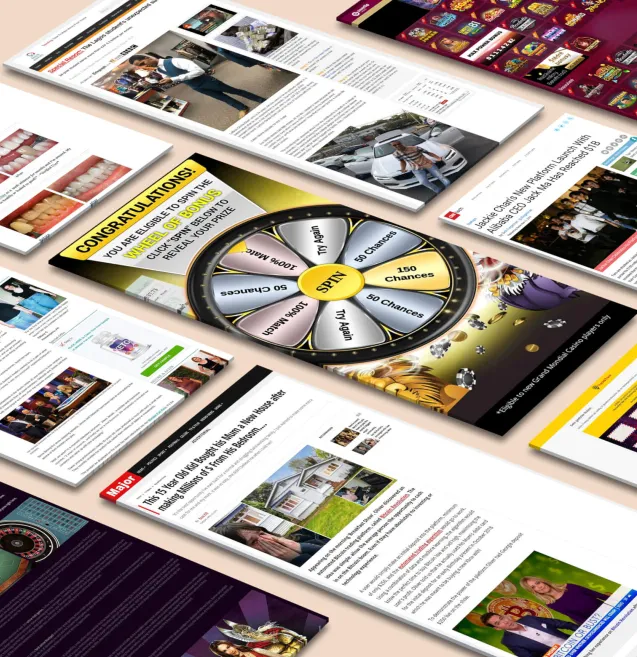
Сети нативной рекламы усиливают каждую из этих уязвимостей. Отчётность на уровне размещения на платформах вроде Taboola и Outbrain изначально была намеренно неясной — рекламодатели знают, что их контент появился «где-то по всей сети», но зачастую не имеют детальной информации о конкретных страницах, на которых были размещены их объявления. Если проблема TikTok заключается в скорости изменения контекста, то проблема нативной рекламы в том, что контекст вы можете вообще никогда не увидеть.
Общая черта, объединяющая бунт продавцов Amazon, контекстную нестабильность TikTok и пробелы в прозрачности нативной рекламы, заключается не только в том, что платформы меняют свои правила. Дело в том, что скорость изменений теперь систематически опережает способность любого маркетолога обнаружить их с помощью собственных инструментов отчётности платформы. Другими словами, хрупкость — это не ошибка отдельной экосистемы, а характерная черта всех экосистем, в которых алгоритмическая автоматизация развивается быстрее, чем видимость для рекламодателей.
Изменения на платформе не возникают из ниоткуда. До любого официального объявления — прежде чем появится блог-пост, обновление документации для разработчиков или слайд из выступления — сначала происходит нечто иное: сдвигается аукцион. Конкуренты, имеющие внутренние связи, ранний доступ к бета-версии или масштабную тестовую инфраструктуру, начинают корректировать свои стратегии, и эти коррективы оставляют следы по всей рекламной экосистеме. Вопрос не в том, существуют ли эти сигналы. Вопрос в том, готовы ли вы их распознать.
Как отмечал AdExchanger в своем анализе данных о конкуренции на аукционах, "Самые ценные сигналы в современной рекламе скрыты в решениях по распределению медиа, тенденциях эффективности, стратегиях размещения и переходах между каналами. Они редко появляются на презентациях результатов компаний, в пресс-релизах или традиционной отчетности. Впервые они возникают именно на аукционе". Это утверждение по-новому определяет, что на самом деле означает конкурентная разведка для маркетологов, ориентированных на эффективность. Речь идет не о том, чтобы отслеживать последнюю рекламу конкурента в Facebook или замечать их новый дизайн целевой страницы. Речь идет о том, чтобы заметить, когда CPM конкурента вдруг снижается — что указывает на обнаружение им арбитража размещения, который остальной рынок еще не нашел, — или когда крупный рекламодатель резко выводит бюджет из определенного географического региона, что может свидетельствовать о предстоящем исключении параметра таргетинга или о грядущей волне усиления политики.
Эти изменения в поведении складываются в своего рода теневой язык. Конкурент начинает тестировать новые форматы креативов за несколько недель до объявления платформой о расширении рекламных блоков. Другой концентрирует расходы на одной вертикали после месяцев широкой диверсификации. Третий полностью отказывается от определённого типа размещения. По отдельности каждый из этих показателей — просто наблюдение. В совокупности они образуют паттерн, указывающий на то, что платформы ещё не озвучили публично.
Речь не идёт о домыслах. Сами платформы вкладывают миллиарды именно в детектирование подобных сигналов в режиме реального времени. В ходе сезона upfront 2026 года Marketing Dive сообщила, что Amazon, Fox и Warner Bros. Discovery представили интерактивные панели измерений в реальном времени, призванные помочь рекламодателям выйти за рамки статичной отчётности задним числом. Эти компании понимают, что ценность теряется именно в промежутке между событием на аукционе и моментом, когда маркетолог узнаёт о нём. Если сторона продаж строит инфраструктуру для мгновенного обнаружения и реагирования на сигналы, то любая операция со стороны покупателя, по-прежнему полагающаяся на еженедельные отчёты об эффективности и квартальные стратегические обзоры, оказывается в структурном проигрыше.
Именно в разрыве между тем, что можно узнать, и тем, что на самом деле знают большинство маркетологов, происходит уничтожение ROI. Рассмотрим хронологию: платформа начинает внутреннее тестирование нового алгоритма. Ее крупнейшие рекламодатели — те, у кого есть персональные менеджеры и доступ к альфа-программам — соответствующим образом корректируют свои стратегии ставок. Меняется их поведение на аукционе. Сдвигаются ставки CPM в определенных размещениях. Нарушаются привычные циклы смены креативов. Все эти данные можно наблюдать. Однако средний специалист по эффективному маркетингу, запускающий кампании в TikTok, Meta или на нативных сетях, узнает об этом только после публикации официального журнала изменений, когда его стоимость привлечения клиента уже значительно выросла.
Это и есть разрыв в конкурентной разведке, и он продолжает расти. По мере того как платформы автоматизируют все больше процессов таргетинга и ставок — тенденция, которую MarTech подробно осветил в контексте превращения креативов в новый сигнал таргетинга — количество переменных, которые специалист по маркетингу может напрямую контролировать, сокращается, тогда как число переменных, за которыми необходимо следить, увеличивается. Аукцион одновременно становится менее прозрачным и более насыщенным информацией. Те рекламодатели, которые преуспевают в таких условиях, не обязательно обладают наибольшими бюджетами. Это те, кто замечает изменения до того, как почва начнет двигаться.
Большинство маркетологов рассматривают инструменты слежения за рекламой так же, как открытый план игры конкурента: нечто, в чём можно полистать в поисках вдохновения, короткий путь к рекламным концепциям, уже подтверждённым чужим бюджетом. Такое понимание не является ошибочным, но оно опасно неполно. Гораздо более ценная стратегическая функция инструмента вроде Anstrex заключается не в ответе на вопрос: «Какая реклама работает прямо сейчас?», а в решении гораздо более срочной задачи: «Что только что перестало работать и почему?»
Рассмотрим, что происходит в дни и недели перед публичным объявлением платформой изменения политики или обновления алгоритма. Как мы уже выяснили в предыдущем разделе, конкуренты, имеющие ранний доступ или лучшую тестовую инфраструктуру, начинают адаптироваться ещё до того, как кто-либо узнаёт, что есть что-то, под требующее адаптации. Эти изменения заметны — не в пресс-релизах или утечках служебных записок, а в самих рекламных объявлениях. Меняются форматы креативов. Отдельные приёмы исчезают из целых вертикалей за одну ночь. Шаблоны расходов в нативных сетях перенаправляются в каналы, которые ранее не были конкурентоспособны. Когда вы отслеживаете базу данных, охватывающую рекламу в TikTok, нативные размещения и кампании с push-уведомлениями одновременно, эти движения перестают выглядеть как случайный шум и начинают превращаться в чёткий сигнал.
Именно эта переформулировка имеет значение: Anstrex, при правильном использовании, работает скорее как сейсмограф, чем как коллекция шаблонов. Исходные данные уже имеются — миллионы рекламных объявлений, проиндексированных по каналам, с указанием времени, сортируемых по продолжительности, сети, рекламодателю и географическому признаку. Инсайт появляется тогда, когда вы ищете нарушения паттернов, а не их совпадения. Например, массовый внезапный уход рекламодателей добавок для здоровья с определённой нативной сети не означает, что все они решили одновременно уйти в отпуск. Это значит, что изменились правила соблюдения требований, и вы видите последствия до того, как причина стала публично известной.
Такой кросс-канальный анализ становится особенно важным по мере того, как платформы все больше автоматизируют выбор аудитории. Как сообщалось на MarTech, Google, Meta и TikTok активно продвигают рекламодателей к более широкой, основанной на ИИ таргетировке, при которой креатив сам становится основным определяющим сигналом, а не ручными настройками аудитории. В таких условиях внезапное изменение креативов у ваших конкурентов — это не просто эстетический выбор, а стратегическая ребалансировка, вызванная тем, как алгоритмы распределяют показы. Если вы заметили, что крупнейшие рекламодатели в TikTok одновременно отказались от определённого стиля зацепки или структуры CTA, вполне вероятно, вы наблюдаете реакцию в реальном времени на изменение распределения, которое пока не затронуло ваши кампании, но еще дойдет.
Та же логика применима к вопросам безопасности бренда. Когда команды по вопросам доверия и безопасности значительно сокращаются на крупных платформах — тенденция, ускорившаяся с 2023 года — соблюдение правил становится непоследовательным и непредсказуемым. Рекламодатели, работающие в чувствительных категориях, узнают о новых ограничениях не из обновлённой документации, а из-за внезапного отклонения, ограничения показов или прямого запрета. Отслеживание того, как конкуренты в вашей нише адаптируются к этим изменениям через их рекламные объявления, даёт вам возможность прогнозировать события, которую ни один официальный канал коммуникации платформы никогда не предоставит.
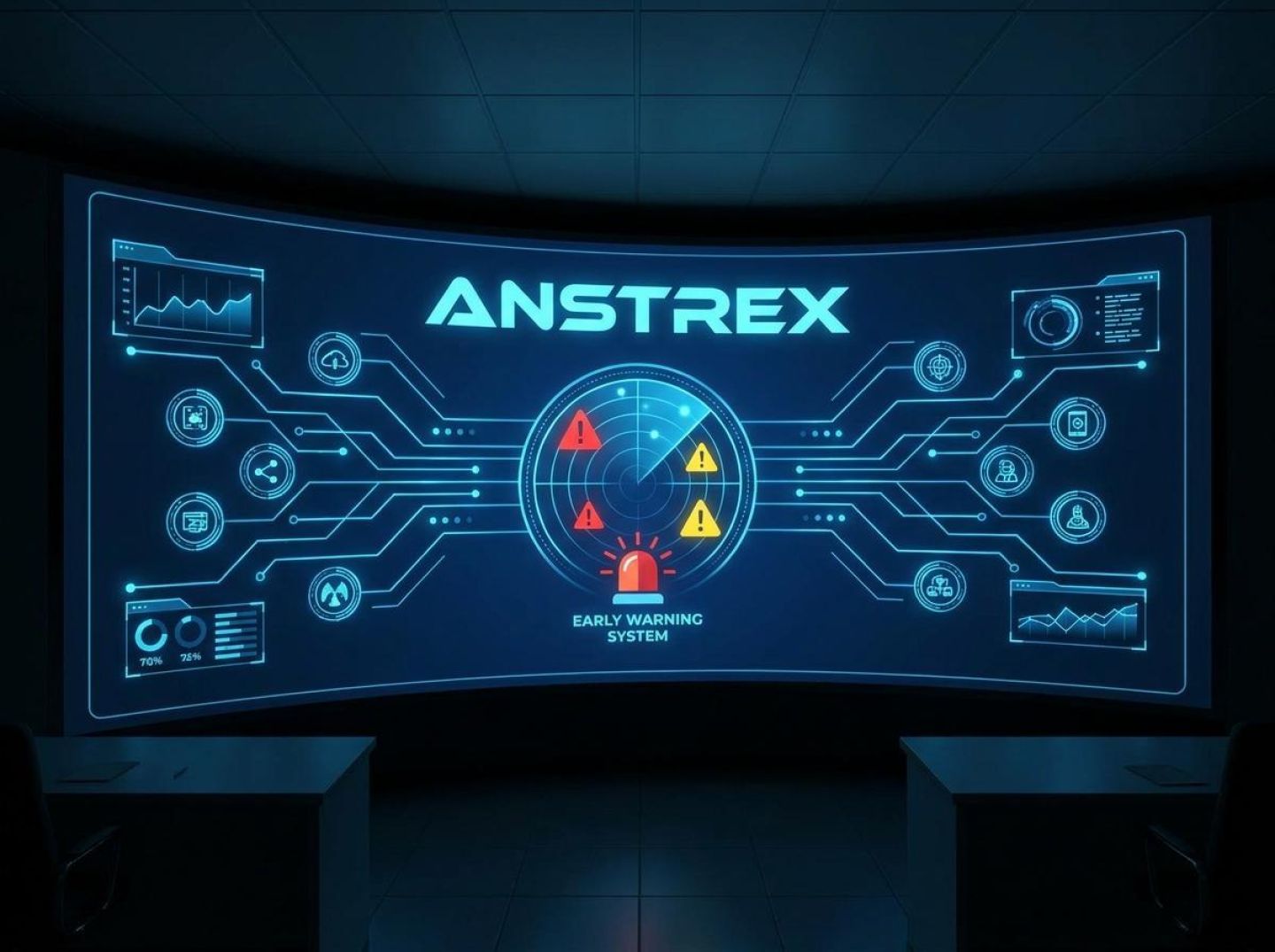
Практическое применение простое, но требует дисциплины. Вместо того чтобы использовать Anstrex исключительно для поиска рекламы, достойной подражания, создайте регулярный рабочий процесс на основе выявления аномалий: еженедельно отслеживайте десятку своих главных конкурентов, отмечайте креативы, которые исчезают до завершения ожидаемого срока жизни, фиксируйте случаи, когда расходы перемещаются с одного канала на другой без очевидного сезонного объяснения. Каждая из этих точек данных по отдельности неоднозначна. В совокупности по рекламодателям, каналам и временным промежуткам они превращаются в систему раннего оповещения, которой коммуникации платформы изначально не предназначались быть, и которую большинство маркетологов даже не задумываются создавать.
Теги
Получайте лучшие конверсионные лендинги каждую неделю на свою почту.
Гайд
Рекламные объявления, удостоенные наград, могут вдохновить на создание результативного креатива, но их необходимо переработать с учётом особенностей алгоритмов, лент и поведения пользователей в Native и TikTok. В этом руководстве показано, как преобразовать масштабируемый креатив высокого уровня в цепляющие зацепки, углы подачи, форматы и системы тестирования с использованием ИИ, способные повысить эффективность.
Elena Morales
7 минсент. 19, 2026
Подробный разбор
Узнайте, как рекламная аналитика на уровне города может помочь маркетологам создавать кампании, которые воспринимаются как местные, но масштабируются глобально. Научитесь использовать Anstrex для выявления географических, языковых, творческих закономерностей и особенных для воронки продаж паттернов на Native, TikTok, Push и Pops, а затем превращайте эти данные в постоянно эффективные локализованные кампании.
Elena Morales
7 минсент. 16, 2026
Самое читаемое
Генерация спроса смещается от одной лишь маркетинговой автоматизации к рыночной аналитике в реальном времени и проверенным креативным сигналам. В этом руководстве показано, как использовать аналитику объявлений из родных источников, пуши, pop-окна и TikTok, чтобы выявить наиболее эффективные зацепки, превратить их в интеллектуальную собственность для генерации спроса и применить эти данные во всей клиентской воронке: рекламе, электронной почте, посадочных страницах и на всех этапах пути клиента.
Elena Morales
7 минсент. 13, 2026