11 минмая 29, 2026

Наши инструменты отслеживают миллионы рекламных кампаний в форматах native, push, pop и TikTok.
НачатьДавайте честно поговорим о том, что происходит, когда компания решает, что ей нужна "стратегия контента". Запускается механизм. Назначаются встречи. Проводятся звонки для сбора информации. В ваш почтовый ящик приходит техническое задание, похожее на план докторской диссертации, но при этом еще ни одного слова контента для клиентов не создано.
Сам процесс не является тайной. Как ясно указано в обзоре TopRank Marketing о востребованных услугах контент-маркетинга для B2B-компаний, типичное сотрудничество с агентством включает по меньшей мере четыре или пять отдельных этапов услуг до того, как кто-либо начнёт писать заголовки. Сначала идёт исследование аудитории — определение ваших целевых покупателей, анализ их проблем и документирование поведения в потреблении контента. Затем проводится аудит контента, когда агентство проверяет всё, что вы уже публиковали, чтобы определить, что работает, а что является бесполезным. После этого идёт стратегическое планирование, результатом которого становится всесторонний план, описывающий типы контента, форматы и бизнес-цели, которым должен служить каждый материал. Далее добавляется интеграция SEO — исследование ключевых слов, анализ пробелов, техническая оптимизация — и вы уже потратили недели рабочего времени. И мы ещё даже не упомянули анализ конкурентного контента, который TopRank описывает как совершенно отдельный уровень услуг, включающий собственные результаты в виде выявления конкурентов, картирования тем и оценки пробелов.
Каждая из этих фаз логически обоснована. Никто разумный не будет утверждать, что изучение своей аудитории — это пустая трата времени, или что проверка уже существующего контента перед созданием нового является иррациональной. Проблема не в логике. Проблема в сроках и в высокой стоимости, а также в неявном предположении, что у вас есть роскошь располагать и тем, и другим.
Это подкрепляется структурой агентств. Обзор агентств по контент-маркетингу от Нила Пателя лучших агентств по контент-маркетингу показывает, насколько глубоко индустрия погрузилась в долгосрочные, ресурсоемкие проекты. Например, Seer Interactive выделяется собственным хранилищем данных объемом 12 000 ГБ, предназначенным для выявления скрытых тенденций поведения клиентов. Другие агентства строят свою репутацию на технических аудитах SEO, ориентированных на конверсию системах создания контента или методологиях отраслевых исследований. Это впечатляющие возможности, созданные для клиентов, которые измеряют успех по итогам квартальных обзоров, а не по результатам рекламной отчетности в четверг.
В этом и заключается проблема, которую никто в индустрии контент-стратегии не хочет признавать. Весь рабочий процесс — от портретов целевой аудитории до редакционных календарей и отчётов об анализе конкурентов — был разработан для бренд-маркетологов, которые работают в рамках 12-месячных планов и имеют шестизначные бюджеты на контент. Он исходит из того, что у вас есть время ошибаться. Он предполагает, что вы можете позволить себе узнать к четвёртому месяцу, что выбранный вами в первом месяце подход не находит отклика.
Но если вы занимаетесь маркетингом эффективности, являетесь медиапокупателем или партнёром, которому нужно проверить привлекательность идеи на этой неделе, то такое предположение смертельно. Вам не нужен аудит контента. Вам не нужен документ с описанием целевой аудитории. Вам нужен сигнал — подтверждающее свидетельство того, что определённое сообщение уже работает на рынке, — и вам нужно это до запуска следующей кампании. Традиционный процесс даёт вам строгость ценой скорости. Он никогда не задаётся вопросом, делал ли кто-то уже дорогостоящую работу по тестированию подходов публично, за реальные деньги и перед настоящей аудиторией. Ответ: делал. Эти сигналы уже находятся в рекламных библиотеках ваших конкурентов, и они бесплатны.
Каждое рекламное объявление, которое продолжает работать в сети нативной или пуш-рекламы завтра утром, является маленьким чудом, выжившим под давлением отбора. Кто-то — медийный покупатель, команда бренда, агентство — потратил реальные деньги, чтобы доставить его туда. Они провели исследование целевой аудитории. Прорабатывали разные подходы. Тестировали заголовки, изображения и призывы к действию, сравнивая их в жестких А/В-тестах. Они анализировали данные, отключали то, что не работало, и продолжали финансировать то, что работало. К тому времени, как вы случайно наткнётесь на это объявление в инструменте шпионажа или ленте контента, перед вами уже не черновик. Перед вами отшлифованный результат исследовательского процесса, который занял бы у вашей команды недели и обошёлся бы в тысячи долларов затрат на рабочую силу и рекламу, если бы вы пытались воссоздать его с нуля.
Это основной рефрейм, который упускают большинство специалистов по контент-стратегии. В отрасли разработку концепции рассматривают как уникальное внутреннее упражнение — и, справедливости ради, это действительно важно. TopRank Marketing отмечает, что 57% специалистов по маркетингу B2B испытывают трудности с созданием правильного контента для своей аудитории, и что эффективная генерация идей требует "прислушивания к реальным людям", поскольку генеративные ИИ-инструменты могут лишь перерабатывать уже существующее. Это справедливое замечание. Но вот что в этом упускается: рекламные объявления конкурентов, на которые по-прежнему выделяются деньги, и есть сигнал от реальных людей. Каждый клик — это голос. Каждая конверсия — подтверждение. Рынок не шепчет о своих предпочтениях на фокус-группах — он орёт о них в данных эффективности, заложенных в том, какие креативы выживают, а какие убирают. Когда объявление работает уже две-три недели, а расходы растут, аудитория уже сделала вашу концептуальную работу за вас. Они сообщили рекламодателю, что им откликается. Рекламодатель отреагировал, оставив объявление активным. Вы читаете краткое изложение.
Теперь рассмотрим сам формат. Нативная реклама не выглядит как баннер или видео до начала контента. Она выглядит как обычный контент. Такая реклама размещается в ленте вместе с новостными заголовками, соответствует визуальному стилю и тону публикаций издателя. Это чрезвычайно важно, что подтверждается одной статистикой, на которую маркетологи ссылаются с удовольствием: 70 процентов людей предпочитают узнавать о компании из статьи, а не из рекламы. Эту статистику обычно используют, чтобы утверждать о преимуществах блогов перед платной рекламой. Но нативная реклама попадает именно в пересечение этих двух категорий. Это реклама, оформленная в виде контента — по тону похожая на журналистскую статью, но имеющая коммерческую цель. Успешный креатив в формате нативной рекламы — это по сути готовая редакционная статья, слегка прикрытая. Она показывает, какая тема заинтересует аудиторию, какой эмоциональный поворот побудит кликнуть и как следует подать материал, чтобы посетитель задержался, а не пролистал мимо.
Вот что делает нативную рекламную аналитику принципиально отличной, например, от парсинга блога конкурента или обратного проектирования его стратегии ключевых слов. Вы не пытаетесь определить, что работает, по позициям в органической выдаче или количеству публикаций в соцсетях – обоим этим запаздывающим показателям мешает множество различных факторов. Вы смотрите на рекламные объявления, на которые ежедневно выделяются значительные бюджеты, – это опережающий показатель, свидетельствующий о том, что кто-то, имеющий реальный интерес в этом деле, считает, что данный подход работает и конвертирует именно сейчас, сегодня. Выжившие объявления уже прошли проверку на разных целевых аудиториях на платформах, которые предоставляют ключевые показатели эффективности, такие как CTR и коэффициенты конверсии, почти в режиме реального времени.
Поэтому, когда вы открываете инструмент конкурентной разведки и видите одну и ту же структуру заголовков, повторяющуюся у пяти разных рекламодателей в вашей нише, вы наблюдаете не совпадение. Вы наблюдаете конвергентную эволюцию — разные команды, тратящие независимые бюджеты, приходят к одному и тому же проверенному сообщению. Это не предположение. Это завершённое исследование. И единственное, что вам это стоило — это любопытство взглянуть.
Применим теорию на практике. Откройте Anstrex и вместо бессистемного просмотра воспринимайте интерфейс как консоль для исследования, в которой случайно хранятся миллионы долларов чужих данных творческих тестов.
Шаг 1: Определите поле битвы. Начните с фильтрации по своей нише — здоровье, финансы, электронная коммерция, SaaS или любой другой сегмент, в котором вы работаете, — и сузьте выбор по рекламной сети (Taboola, Outbrain, MGID или любой из push-сетей, отслеживаемых Anstrex). Затем задайте геопозицию на рынки, которые вам действительно интересны. Уже здесь, в рамках одного фильтрованного поиска, вы выполнили то, что фреймворк анализа конкурентного контента TopRank Marketing называет определением конкурентов — первый шаг, за который агентства берут оплату ещё до предоставления каких-либо аналитических данных. Только вы сделали это за двенадцать секунд.
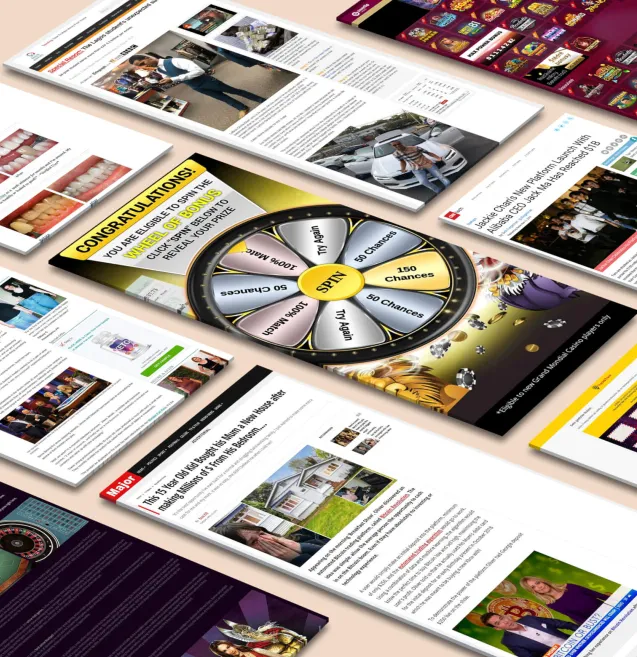
Шаг 2: Создайте перечень контента. Прокручивайте результаты. Каждая карточка — это креатив: заголовок, миниатюра, источник трафика, домен рекламодателя. Это открытый перечень контента ваших конкурентов — не те блог-посты, которые они хотят вам показать, а платные подходы, на которых они зарабатывают. Перейдите по любой рекламе, и вы увидите, куда направлен трафик: рекламная статья, лендинг-список, воронка викторины, продающая страница. Делайте скриншоты. Это самые точные брифы по контенту, которые можно купить за деньги, потому что за них деньги уже заплачены.
Шаг 3: Пусть долговечность определит победителей. Сортируйте по продолжительности показа или силе рекламы. Реклама, которая транслируется шестьдесят или девяносто дней, существует не благодаря надежде — она существует благодаря положительному ROI. Как ясно показывает методология отслеживания эффективности Brax, сравнение ваших собственных результатов с отраслевыми эталонами крайне важно для понимания, действительно ли кампания приносит результаты. Долговечность — это видимый эталон рынка: рекламные объявления, которые продолжают показываться, уже прошли минимальный порог эффективности. Выберите двадцать самых продолжительных по времени показа креативов в вашей нише, и вы получите подборку проверенных рекламных сообщений.
Шаг 4: Выделите шаблоны. Теперь выполните обратный инжиниринг. Из этих двадцати выигрышных объявлений составьте каталог формулировок заголовков ("X вещей, которые ваш врач вам не рассказывает", "Я пробовал Y в течение 30 дней — вот что случилось"), эмоциональных триггеров (страх упустить выгоду, любопытство, социальное подтверждение, срочность), а также визуальных паттернов (изображения до/после, крупные планы продукта, лица с прямым зрительным контактом). Обратите внимание на подходы к контенту: носят ли они обучающий характер? Представляют ли противоположную точку зрения? Написаны в стиле признаний? Каждый шаблон — это универсальный шаблон. Формулировка заголовка, привлекающая клики на Taboola, будет также способствовать открытию писем, если использовать её в теме электронного сообщения. Структура рекламной статьи, конвертирующая «холодный» трафик в покупателей добавок, также сможет превратить «холодный» трафик в запросы на демо-версию программного обеспечения, если адаптировать подтверждающие аргументы.
Шаг 5: Найдите пробелы. Здесь шпионский инструмент становится стратегическим. Обратите внимание на то, чего нет. Если каждый конкурент в вашей нише использует пугающие «предупреждающие» подходы, а никто не рассказывает об inspiring историях успеха, это отсутствие и есть пробел, который вы можете заполнить — в своем блоге, в email-цепочках, в календаре социальных сетей. В рамках TopRank анализ пробелов считается конечным результатом конкурентного аудита контента. В Anstrex это просто пустое пространство между уже запущенными объявлениями.
Пять шагов. Один инструмент. Один день. Вы не заменили стратегическое мышление — вы лишь обеспечили ему самый быстрый и честный относительно рынка ввод данных из первых рук. Тот же результат, который агентство оформляет в виде PDF-презентации с пятизначным счетом, уже лежит внутри фильтруемой панели, ожидая человека с решимостью действовать. Почему бы этим человеком не быть вам.
Более половины специалистов по маркетингу B2B признают, что им трудно создавать подходящий контент для своей аудитории — точно 57%, из-за чего разработка концепций становится самой главной проблемой в этой области. Это число должно шокировать, но оно не шокирует. Оно предсказуемо. Потому что стандартный процесс стратегии контента построен с ног на голову.
Вот как выглядит типичный рабочий процесс: бренд собирает свою команду, формирует портреты покупателей на основе данных CRM и обоснованных предположений, проводит внутренний мозговой штурм для определения "ключевых тем контента" и затем создаёт материалы, основываясь на том, что, по мнению компании, должно услышать её аудитория. Стратегия начинается с позиции бренда и развивается наружу, надеясь где-то столкнуться с реальным спросом. Когда этого не происходит — когда статьи в блоге не получают отклика, белые книги остаются незагруженными, публикации в соцсетях встречают вежливым молчанием — команда возвращается к презентации портретов аудитории и пытается снова. Эти 57% не терпят неудачи из-за нехватки таланта или бюджета. Они терпят неудачу, потому что гадают.
Нил Патель идеально формулирует центральный вопрос: "Какой контент хотят видеть ваши клиенты? Тот же ли это контент, который приносит доход вашему бизнесу?" Это правильный вопрос. Но традиционный ответ — нанять агентство, проанализировать библиотеки контента конкурентов, провести месяцы исследований аудитории — заставляет пройти процесс, который может занять квартал или больше, прежде чем вы опубликуете хоть единственный материал с уверенностью. Тем временем ваши конкуренты уже запускают рекламу, дающую ответы на обе части этого вопроса одновременно. Креатив, который выдерживает недели платного продвижения, и есть тот контент, который хотят клиенты, и он именно тот контент, который приносит доход. Подтверждение заложено в самой экономике: никто не будет долго финансировать неэффективную рекламу.
Интеллектуальный подбор рекламных креативов полностью переворачивает традиционную модель. Вместо того чтобы начинать с бренда и строить догадки, вы начинаете с проверенной рыночной реакции и идете внутрь. Вы не гипотезируете о том, какие болевые точки находят отклик; вы наблюдаете, какие уже находят. Каждая реклама, приносящая прибыль в течение трех, четырех, шести недель, — это гипотеза, выдержавшая взаимодействие с реальной аудиторией — тысячи или миллионы показов, реальные показатели кликабельности, реальная конверсионная экономика, отсеивающая слабые подходы и сохраняющая только то, что работает. Выживающий креатив говорит вам, на какой язык реагирует ваша аудитория, какие эмоциональные триггеры их привлекают и каким обещаниям они доверяют достаточно, чтобы действовать.
Теперь есть законный контраргумент. В анализе TopRank совершенно справедливо отмечается, что генеративные инструменты и конкурентные данные сами по себе не могут сообщить вам, что расстраивает ваших покупателей, что пока никто в вашей категории не затрагивал — и что для настоящего отличия требуется прислушиваться к реальным людям. Это правда. Никакой инструмент слежения не выявит абсолютно неозвученную потребность, скрытое раздражение, которое никто ещё не монетизировал. Но вот контраргумент: данные рекламного шпионажа приближают вас значительно ближе к такому сигналу, чем любая когда-либо созданная палитра персонажей. Палитра персонажей говорит вам, что «менеджеры среднего звена в сфере ИТ ценят эффективность». Реклама конкурента, которая транслируется уже шесть недель, сообщает, что менеджеры среднего звена в сфере ИТ нажимают на заголовки, посвящённые устранению оповещений о техническом обслуживании серверов в выходные дни, — конкретному, вызывающему сильные эмоции раздражению, подтверждённому реальным поведением, а не запиской с мозгового штурма.
Те 57%, которые не могут создавать правильный контент, страдают не от нехватки творчества. Они страдают от нехватки информации. У них полно идей о том, что их аудитории следует интересоваться, но почти нет данных в реальном времени о том, что их аудитория на самом деле считает важным. Реклама конкурентов быстрее сокращает этот разрыв, чем любые краткие инструкции, внедрение в агентство или квартальные циклы планирования. Они вручают вам ответы еще до экзамена, а единственная плата — это интеллектуальная честность признать, что кто-то другой первым обнаружил сигнал.
Если всё вышесказанное звучит слишком хорошо, чтобы быть правдой, это потому что у такого подхода существуют реальные ограничения — и отрицать это значило бы подорвать весь аргумент. Анализ рекламы конкурентов — это мощный способ ускорить генерацию идей контента, проверку концепций и выбор формата. Однако это не замена более глубокой стратегической работе, которая отличает компетентный маркетинг от того, который действительно создаёт защищённый бренд.
Самое очевидное ограничение — причинная «слепота». Инструменты слежения за рекламой показывают вам, что заголовок конкурента работал шесть месяцев подряд; они не могут сказать вам, почему он нашел отклик. Был ли это эмоциональный триггер, конкретика числа, целевая аудитория или опыт взаимодействия с посадочной страницей после клика? Вы видите результат чужих тестов, не имея доступа к их гипотезам, логике сегментации или данным о конверсиях, расположенным дальше по воронке. Вы можете делать предположения, но предположение — не эквивалент понимания.
Команда TopRank по стратегии контента подчеркивает это, предупреждая, что обнаружение возможности в данных и понимание, следует ли действовать, — это два совершенно разных навыка. Они правы, и различие между ними важнее, чем готовы признать большинство маркетологов. Реклама конкурента может показать, что «автоматизация соответствия требованиям» — актуальная тема в вашей нише, но она не скажет вам, устала ли ваша конкретная аудитория от этого сюжета или окно возможностей для участия в этой дискуссии закрылось шесть месяцев назад. Такое решение — касающееся времени, степени насыщения рынка и восприимчивости аудитории — требует глубокого опыта на рынке и понимания аудитории, которое никакой инструмент не может заменить. Игнорирование этого предостережения приводит к тому, что команды создают контент, формально основанный на данных, но стратегически бесполезный.
Второе ограничение — это глубина. Для сложных циклов продаж B2B — тех, которые включают контракты на шестизначные суммы, несколько заинтересованных сторон и комитеты по закупкам — заголовок рекламы не способен отразить нюансированные возражения, возникающие при оценке поставщика на четвертом этапе. Эти сведения содержатся в интервью с клиентами, записях звонков с менеджерами по продажам и в неупорядоченной, неструктурированной обратной связи, поступающей, когда сделка застопоривается на юридической проверке. Интеллект-анализ рекламы сообщает вам, на что кликает рынок. Он не расскажет, что финансовый директор шепчет техническому директору после демонстрации продукта.
В-третьих, такой подход плохо работает в долгосрочной брендинговой позиционировании. Реклама по своей сути тактическая. Она направлена на немедленное вовлечение, а не на постепенное накопление доверия и уникальности, которое формирует ценность бренда в течение многих лет. Вы можете воссоздать наиболее эффективные приёмы конкурента, но вы не можете воссоздать его брендовое обещание — и вам не следует этого делать, потому что весь смысл позиционирования заключается в том, чтобы не быть похожим на всех остальных.
Также существуют структурные причины, по которым существуют эти ограничения. Как ясно показано в разборке ведущих агентств по созданию контента от Нила Пателя, агентства по созданию контента специализируются на разных подмножествах дисциплины — техническое SEO, контент, ориентированный на конверсию, генерация спроса — именно потому, что ни один единственный метод не решает все стратегические потребности. Бизнесы, которые преуспевают, не выбирают один источник данных и не возводят его в закон. Они комбинируют несколько источников информации, и шпионаж за рекламой — это всего лишь один из слоёв.
Ничто из этого не делает подход недействительным. Это просто приводит его к реальным масштабам. Представьте данные о рекламе конкурентов как исходный сигнал, который показывает, куда в данный момент направлено внимание. Он отвечает на вопрос, которого ваш редакционный календарь постоянно избегает: Чем на самом деле хочет заниматься рынок сегодня? Однако преобразовать этот сигнал в контент, который будет служить вашей целевой аудитории, продвигать конкретные бизнес-цели и оставаться актуальным в течение двенадцатимесячного плана, — всё ещё остаётся вашей задачей. Данные открывают дверь. Решение принимаете вы.
Получайте лучшие конверсионные лендинги каждую неделю на свою почту.
Обязательно к прочтению
Узнайте, как нативные рекламодатели могут превращать повседневные моменты в запоминающиеся и эффективные кампании с помощью ивентизации. Научитесь использовать ограниченность, временные предложения, контекстную таргетинг и постоянные микрособытия для вовлечения аудитории, повышения релевантности кампаний и выявления выигрышных стратегий конкурентов с Anstrex.
Priya Kapoor
7 минокт. 11, 2026
Избранное
Узнайте, как превратить рекламные акции и вирусные маркетинговые кампании в кампании с высокой доходностью. Научитесь создавать скрытые воронки с помощью ретаргетинга, посадочных страниц, нативной рекламы, пуш-рекламы, поп-рекламы и кампаний в TikTok, которые преобразуют узнаваемость бренда в измеримые конверсии и прибыль.
Samantha Reed
7 минокт. 10, 2026
Гайд
Узнайте, почему рекомендации знаменитостей и глобальная интеллектуальная собственность не всегда приводят к успеху в рекламе. В этом руководстве с использованием данных рекламного шпионажа рассматриваются такие аспекты, как релевантность аудитории, контекст размещения, тестирование креативов и эффективность после перехода по ссылке, которые помогают рекламодателям создавать кампании с высокой отдачей без дорогостоящего сотрудничества со знаменитостями.
Elena Morales
7 минокт. 9, 2026