9 миниюня 5, 2026

Наши инструменты отслеживают миллионы рекламных кампаний в форматах native, push, pop и TikTok.
НачатьНе так давно «тщательная» программа тестирования рекламы означала запуск трех заголовков с двумя изображениями, ожидание нескольких недель для достижения статистической значимости и определение победителя. Такой процесс устарел не просто морально — он изначально неконкурентоспособен. Бренды, с которыми вы конкурируете в каждой аукционной борьбе, уже перешли на непрерывные циклы оптимизации креативов, где ИИ анализирует сигналы вовлеченности и автоматически совершенствует сообщения практически в режиме реального времени. Если вы до сих пор планируете ежемесячное обновление креативов, вы приходите с карманным ножом на драку с дронами.
Цифры делают разрыв очевидным. Ожидается, что в этом году американские компании потратят 57 миллиардов долларов на рекламу с использованием ИИ, что составит около 12 процентов от общих расходов на рекламу. Это не экспериментальный бюджет, спрятанный в инновационной лаборатории; это основные средства, направляемые на системы, которые создают, тестируют и итеративно улучшают рекламные материалы с такой скоростью, которую невозможно достичь вручную. При этом расходы растут, потому что результаты этого оправдывают: по данным аналогичного анализа MarTech, первые пользователи самонастраивающихся агентов уже сообщают о снижении стоимости привлечения клиентов и сокращении циклов продаж.
Механика платформ усиливает давление. Если вы запускали рекламу в Meta, вы, возможно, заметили, что старый способ создания копии успешной рекламы с незначительным изменением заголовка или цветовой заливки больше не улучшает показатели. Это связано с обновлением Andromeda от Meta, которое теперь расценивает сотни незначительных вариаций одной и той же рекламы как единый креатив, фактически наказывая за ленивое дублирование. Алгоритм требует по-настоящему различных вариантов рекламы — разные подходы, разные визуальные элементы, разные зацепки — прежде чем начать распределять ваш бюджет на значимые аудиторные сегменты. На практике это означает, что требования к объему не просто возросли; вместе с ним поднялась планка качества для каждого отдельного варианта.
Здесь большинство команд наталкиваются на стену. Традиционная экономика производства не поддерживает создание пятидесяти-ста действительно различных креативов в месяц, не говоря уже о неделе. Студийные съемки, циклы фриланс-дизайна и многоэтапные процессы утверждения разрабатывались для мира, где требовалось пять активов, а не пятьсот. Изображения товаров, производство которых раньше стоило сотни или тысячи долларов, сейчас могут быть созданы за несколько центов с помощью генеративного ИИ, что означает, что ваш конкурент — даже небольшой бренд прямых продаж с бюджетом в долю от вашего — может заполнить пространство вариациями профессионального качества, пока ваша команда все еще обсуждает правки второго раунда по одному концепту.
Скорость креативной итерации стала реальным конкурентным преимуществом, а не просто желательным операционным улучшением. Бренды, которые могут быстро тестировать и адаптировать сотни вариантов, способны быстрее реагировать на культурные события, сезонные изменения и действия конкурентов, чем те, кто по-прежнему полагается на традиционные производственные циклы.
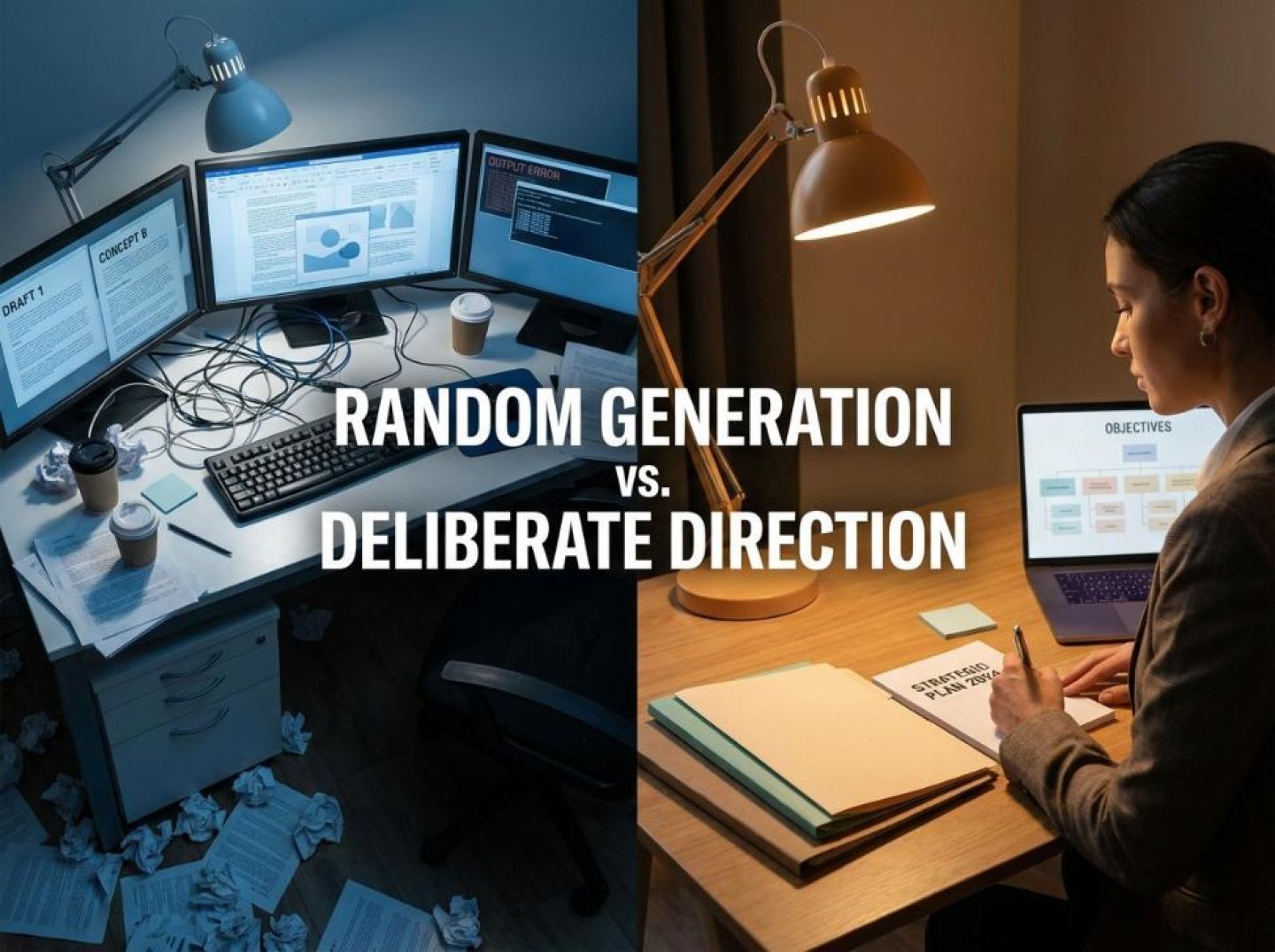
Но вот та часть, которую часто упускают в советах вроде «просто используйте ИИ»: объём без направления — это просто дорогой шум. Создание тысячи посредственных вариантов рекламы не превзойдёт десять отличных. Настоящий прорыв заключается не в генерации — а в том, что вы подаёте машине до того, как она создаст хотя бы одно изображение или заголовок. Те бренды, которые выходят вперёд, не просто быстрее внедряют инструменты ИИ; они вкладывают усилия в стратегические компоненты, которые делают эти инструменты эффективными: брендовый нарратив, архитектуру сообщений, понимание аудитории и структурированные креативные брифинги, дающие генеративным моделям достаточно контекста для создания действительно конвертируемых материалов. Ошибётесь с основой, и всё, что вы получите, — это автоматизированная посредственность в масштабе.
Как только генеративные ИИ-инструменты стали доступны для каждой маркетинговой команды, появилась предсказуемая тенденция: маркетологи начали вводить запросы, собирать результаты и запускать сотни вариантов рекламы в кампании с убеждением, что большое количество выявит победителя. Кажется логичным — больше креативов означает больше данных, а значит, более быструю оптимизацию. На практике это в основном означает более быстрое поражение при более высокой стоимости.
Корень проблемы заключается не в технологии, а в том, чего не хватает до того, как кто-либо начнёт её использовать. Как четко указывает Social Media Examiner: «ИИ настолько хорош, насколько хорош контекст и инструкции, которые вы ему даёте». Уберите контекст — кто на самом деле ваш клиент, какое сообщение находит отклик в вашей конкретной нише, какие приёмы уже были доказаны или исчерпаны конкурентами — и вы останетесь с очень эффективной машиной по производству посредственности. Результат может выглядеть гладким. Современные модели изображений способны генерировать визуальные материалы, почти неотличимые от профессиональных фотографий. Однако эстетическое качество и убедительность — это совершенно разные критерии. Красивая реклама, созданная на основе шаблонного запроса, всё равно производит впечатление просто обоев.
Вот заблуждение, которое нужно развеять: объём — это не стратегия. Это возможность. Стратегия — это знать, что производить в большом объёме, и для этого требуется структурированная информация о том, что действительно работает на вашем рынке прямо сейчас — о конкретных подходах, эмоциональных триггерах, структурах предложения и творческих форматах, на которые реальная аудитория нажимает, смотрит и совершает покупки. Без такой основы вы просто гадаете в масштабах, а это очень дорогое гадание.
Слой конкурентной разведки делает это еще более очевидным. Большинство команд осознают, что их конкуренты запускают рекламу — они просматривают библиотеку рекламы Meta или бегло смотрят на целевую страницу конкурента. Но, как подчеркивается в отчете MarTech об интеллектуальной конкурентной разведке на основе ИИ, отрасль перешла от поверхностного наблюдения. Как отмечается в отчете iSpot по расходам и стратегии видеорекламы, среда 2026 года «характеризуется решительным сдвигом в сторону точности», где «бюджеты все больше концентрируются в каналах, обеспечивающих максимальную подотчетность». Наблюдение за конкурентами и понимание того, что означают их действия на самом деле — какие креативные стратегии приносят прибыль, какие позиции завоевывают популярность, какие предложения снимаются с продажи из-за прекращения конверсии, — это принципиально разные занятия. Первое — слежка. Второе — разведка.
Именно этот интеллект является тем самым компонентом, который чаще всего отсутствует в рекламных материалах, созданных с помощью ИИ. Как отмечается в статье на Social Media Examiner, согласно концепции Фрэйзера Коттрелла, ключевым первым шагом является систематическое создание базы знаний о бренде до начала создания рекламных материалов. Это означает, что вы должны обучить ИИ тому, кто ваши клиенты, за что стоит ваш бренд и, что особенно важно, как выглядит отличная реклама в вашей категории. Пропустите этот шаг, и вы будете кормить мощный двигатель цифровыми аналогами пустых калорий.
Рассмотрим математику. Если вы создадите 500 вариантов рекламы без учёта конкурентной среды, то, возможно, случайно найдёте два или три, которые сработают. Это всего 0,6 процента успешных случаев при огромных потерях в творческой и дистрибутивной деятельности. Если же сначала проанализировать удачные приёмы, форматы и структуры доказательств, которые уже показали эффективность в вашей нише, а затем дать AI чёткое задание с учётом этих данных, стартовый уровень качества резко возрастёт. Вы перестанете надеяться, что алгоритм найдёт иголку в стоге сена, — вы сами создадите меньший, но более острый стог сена.
Вывод не в том, что креативы, созданные AI, плохи. Вывод в том, что креативы, созданные AI без структурированных входных данных, — это просто автоматизация, применённая к не той задаче. Увеличение количества без улучшения качества входных данных не масштабирует результат. Оно масштабирует шум.
Если в предыдущем разделе было установлено, что увеличение объема вывода ИИ без улучшения входных данных приводит лишь к более быстрому провалу, возникает естественный вопрос: откуда на самом деле берутся лучшие входные данные? Ответ для маркетологов, ориентированных на эффективность, тот же, где команды по продвинутой поисковой оптимизации находят их уже много лет — в самых успешных работах ваших конкурентов.
Дисциплина конкурентного анализа не нова, но большинство команд, работающих с контекстной рекламой, по-прежнему подходят к ней несерьезно. Они просматривают библиотеку рекламы в Meta, когда заканчиваются идеи, делают снимки нескольких рекламных объявлений, которые привлекают их внимание, и продолжают работу. Это просмотр, а не исследование. Разница между командами, создающими успешный креатив с помощью ИИ, и теми, кто тонет в посредственных вариантах, заключается в том, что данные о рекламе конкурентов рассматриваются как структурированный входной слой — систематическая исследовательская практика с четко определенными данными, воспроизводимыми методами извлечения и ясной передачей в процесс создания креативов.
Подумайте о том, как уже работают лучшие специалисты по SEO. Методология Semrush по конкурентному анализу рекомендует анализировать успешные страницы конкурентов, изучая их редакционный подход, конкретную целевую аудиторию и структурные решения, благодаря которым эти страницы превосходят все остальные в нише. Данный метод выходит за рамки поверхностного наблюдения: аналитиков просят определить, занимает ли конкурент жесткую позицию или даёт нейтральный обзор и пишет ли он для узкой аудитории — финансового директора, покупателя впервые, разработчика — либо делает контент универсальным. Такой же строгий подход, применяемый к рекламным материалам, а не к блогам, превращает конкурентную разведку из упражнения по сбору визуальных вдохновений в настоящую творческую основу.
Вот как это выглядит на практике. Когда вы систематически анализируете самые эффективные объявления в своей категории — в Meta, Google, TikTok, а также с помощью любых доступных вам инструментов анализа объявлений — вы должны выделять как минимум шесть конкретных показателей: эффективные зацепки и вступления, останавливающие прокрутку, шаблоны заголовков и их синтаксическую структуру, формулировку предложения (способ подачи ценности, а не только её содержание), визуальные форматы и композиции, часто встречающиеся в дорогостоящих креативах, особенности подачи, ориентированные на конкретную аудиторию, указывающие на сегмент, на который нацелено каждое объявление, и эмоциональные триггеры — страх, стремление, срочность, ощущение принадлежности, — которые последовательно встречаются в лучших материалах. Это не субъективные впечатления. Это наблюдаемые и классифицируемые закономерности, которые становятся структурированными запросами и брифами, необходимыми вашим ИИ-инструментам для создания действительно проверяемых вариантов.
Этот подход также выходит за рамки самих объявлений. Анализ целевых страниц показывает, как конкуренты доводят свою коммуникацию от клика до конверсии — с каких элементов доказательств они начинают, как структурируют социальную верификацию и какие возражения устраняют в первую очередь. Как объясняет Social Media Examiner, ни один из рабочих процессов по созданию креативов с помощью ИИ не работает без предварительного создания глубокого контекста: кто такие ваши клиенты, за что стоит ваш бренд и как на самом деле выглядит эффективная реклама. Конкурентная разведка — это то, как вы формируете этот контекст извне, фиксируя предпочтения рынка, а не полагаясь на внутренние предположения, которые могут быть устаревшими на месяцы или годы.
Ключевой пересмотр заключается в следующем: анализ рекламы конкурентов ad intelligence — это не копирование. Речь идет об определении структурных паттернов, которые рынок уже поощряет, а затем использовании этих паттернов как ограничений и источника вдохновения при работе с инструментами ИИ. Без этого входного слоя вы заставляете генеративный ИИ угадывать, что работает. Имея такой слой, вы даете ИИ ту же стратегическую основу, которую лучшие креативные директора всегда требовали, прежде чем будет сделан первый набросок.
Маховик, который разделяет команды, тонущие в непроверенных вариантах, и команды, систематически превосходящие конкурентов, несложен — он просто дисциплинирован. Он объединяет четыре этапа в самоподдерживающийся цикл, и как только каждый этап начинает питать следующий, вся система ускоряется.
Этап 1: Анализ рекламных материалов конкурентов на предмет структурных шаблонов. Прежде чем запускать какой-либо инструмент ИИ, вы должны понимать, что уже работает в вашей категории. Просканируйте рекламу конкурентов в социальных сетях, нативной и push-рекламе — не для того, чтобы просто собрать скриншоты, а чтобы понять, почему определённые варианты получают постоянное финансирование. Какие структуры заголовков повторяются? Какие визуальные композиции преобладают? Привлекают ли лидеры социальным доказательством, срочностью или пробелами в любопытстве? Как объясняет MarTech, настоящий вопрос заключается не в «что они делают?», а в том, что их действия означают для вашего бренда. Вам нужно выявить закономерности за изображениями: языковые конструкции призывов к действию, которые встречаются в высокорелевантной рекламе, соотношения сторон, указывающие на нативность платформе, эмоциональные акценты, постоянно присутствующие в успешных материалах. Фиксируйте заголовки, форматы, стили визуального оформления и предложения в структурированном виде — подойдёт таблица, база данных в Notion подойдёт ещё лучше.
Этап 2: Преобразование результатов анализа в конкурентоспособное креативное задание. Именно этот шаг чаще всего пропускают команды, хотя он является наиболее важным. Ваш аудит шаблонов становится контекстным слоем, который превращает общие ответы ИИ в стратегически продуманный креатив. Трехступенчатая методика Social Media Examiner начинается с создания базы знаний о бренде — ваша позиционирование, язык общения с клиентами, визуальная идентичность, — после чего ИИ обучается на этой базе перед генерацией любых материалов. Конкурентоспособное креативное задание дополняет этот подход слоем рыночной осведомленности: вот что уже доказало свою эффективность в нашей категории, вот где находятся свободные ниши, вот наше уникальное позиционирование бренда в каждом шаблоне. Представьте это как анализ разрыва по командам, который используют SEO-специалисты при сравнении покрытия ключевых слов одного домена с другим, только примененный к рекламным креативам, а не темам контента.
Этап 3: Создание вариаций, основанных на проверенных структурах, с одновременной индивидуализацией вашего бренда. Используя загруженный бриф по конкурентам в качестве контекста, предложите инструменту ИИ создать контент, отражающий выявленные вами структурные шаблоны — формат завлекающего начала, эмоциональную подачу, ритмику призыва к действию, — при этом донесите уникальное торговое предложение вашего бренда. Это не копирование. Это тот же принцип, который используется при обратном проектировании наиболее эффективных страниц конкурентов, чтобы понять их редакционные и структурные решения перед тем, как создать нечто лучшее. Вы используете рыночные данные, чтобы определить архитектуру вашего контента, заполняя её собственными сообщениями.
Этап 4: Развертывание, измерение и возврат результатов в систему. Запустите созданные с помощью ИИ варианты в структурированные тесты, пометьте каждый из них по паттерну конкурентов, на который он ссылается, и отслеживайте результаты по сравнению с базовым показателем. Именно здесь замыкается цикл: успешные варианты показывают, какие конкурентные паттерны находят отклик у вашей аудитории, а не только у аудитории вашего конкурента. Неудачные варианты показывают, где заимствованные структуры терпят неудачу, как правило, из-за того, что базовое предложение или соответствие аудитории не переносятся. Оба сигнала возвращаются на этап 1, уточняя следующий раунд анализа конкурентов и сужая задание для следующего цикла поколения.
Эффект сложности — вот что превращает это в маховик, а не в обычный контрольный список. Каждый оборот приносит более высокий уровень творческого интеллекта, более точные запросы и более четкое позиционирование, именно поэтому команды, использующие этот цикл, постоянно обгоняют те, которые по-прежнему создают варианты на основе пустых запросов, надеясь на лучшее.
Описанный выше цикл конкурентной разведки не просто делает вашу платную рекламу точнее — он тихо создает актив, который становится еще важнее по мере того, как рекламная среда распадается на каналы разговорного искусственного интеллекта. Каждый шаблон, извлеченный из позиционирования конкурентов, каждое расшифрованное утверждение, каждый зафиксированный вами выбор языка способствует другой, все более важной цели: обеспечение появления вашего бренда, когда системы искусственного интеллекта рекомендуют решения потенциальным покупателям.
Сдвиг уже активно происходит. Данные G2 показывают, что 71% B2B-покупателей сегодня используют ИИ-чат-боты для поиска поставщиков еще до заполнения формы демо-запроса, а математика этих разговоров избирательна до жестокости — в любой сформированный ИИ-ботом список попадают лишь четыре-семь брендов. Если ваше позиционирование не соответствует тому, как покупатели формулируют свои задачи в запросах ChatGPT или Perplexity, вы теряете не просто клик. Вы становитесь невидимы в момент самого высокого интереса. Как отмечал MarTech, рекламный мир движется к реальности, в которой «сама рекомендация становится рекламой», и традиционная воронка превращается в единственный разговор, в котором ваш бренд либо присутствует, либо нет.
Здесь двойная ценность конкурентной разведки становится очевидной. Те же исследования, которые показывают, что конкурент делает акцент на утверждениях о возврате инвестиций, а не на списках функций в своей рекламе в Meta, также указывают на то, как этот конкурент, вероятно, описывается большими языковыми моделями, поскольку эти модели используют те же публичные материалы, пресс-релизы и формулировки с сайтов отзывов. Когда вы систематически отслеживаете, как конкуренты позиционируют себя в платных, естественных и собственных каналах, вы одновременно наносите на карту семантическое пространство, которое используют рекомендательные движки ИИ, чтобы определить, кого следует показывать.
Операционные механизмы уже доступны. Например, Инструментарий видимости Semrush на базе ИИ позволяет ввести ваш домен вместе с доменами конкурентов и точно увидеть, какие разговорные запросы отображаются у них, но не у вас, — с фильтрацией по темам и сортировкой по релевантности. Эти «отсутствующие» запросы эквивалентны ключевым словам конкурентов, на которые вы еще не делали ставки, только потери здесь заключаются не в более высокой стоимости за клик, а в полном отсутствии в наборе вариантов, рассматриваемых покупателем.
Уровень аналитики углубляется еще больше, когда вы отслеживаете не только появление конкурентов, но и то, как платформы ИИ описывают их в контексте. Как указывается в анализе ИИ-поисковой аналитики от HubSpot, наблюдение за тем, какие конкуренты появляются вместе с вашим брендом или вместо него в высоконамеренных запросах, представляет собой "новую категорию рыночного сигнала", который традиционный мониторинг СМИ полностью упускает. Та же дисциплина отслеживания конкурентов, которую вы применяете при аудите библиотеки рекламы в Facebook, теперь распространяется на мониторинг видимости на уровне запросов в ChatGPT, Gemini и Perplexity.
И здесь также важен аспект свежести. Исследование Ahrefs показало, что помощники на базе ИИ ссылаются на контент, который на 25,7% свежее, чем то, что появляется в стандартной органической выдаче, с заметным предпочтением недавно обновленных страниц. Анализ конкурентов — это не разовое мероприятие, а постоянная корректировка, которая обеспечивает соответствие как вашего рекламного креатива, так и контента для ИИ тому, как рынок действительно говорит о проблемах, которые вы решаете.
Это эффект сложного процента, который оправдывает инвестиции в исследования, даже для команд, основной KPI которых по-прежнему является ROAS. Вы не создаете две отдельные рабочие цепочки — одну для рекламного креатива, а другую для видимости в ИИ. Вы создаете единую практику интеллектуальной аналитики, которая приносит прибыль на каждом канале, где язык бренда определяет, будет ли он выбран или проигнорирован. Бренды, которые первыми осознают это слияние, будут не просто запускать более эффективную рекламу. Они будут контролировать разговор еще до того, как он достигнет рекламного блока.
В каждой маркетинговой команде, сталкивающейся с этой моделью, наблюдается предсказуемый раскол. С одной стороны, есть энтузиасты ИИ, которые считают, что инструменты думают за них, — они полагают, что стратегия заключается в том, чтобы подавать запросы в генеративную модель и публиковать любой полученный результат. С другой стороны находятся скептики, которые отвергают весь подход как упрощение, снижающее качество работы. Обе стороны ошибаются, и напряжение между ними зачастую становится главным препятствием для построения механизма сбора конкурентной разведки, описанного в этой статье.
Группа людей, говорящих "просто используй ИИ", зачастую пропускает самый сложный и в то же время ценный этап: создание контекста до начала генерации чего-либо. Как объясняет Фрэйзер Коттрелл из Fragell, раскрывая процесс работы своего агентства, чтобы заставить ИИ создавать именно то, что вам нужно, требуется приложить значительные усилия. Эти усилия заключаются не в вводе промптов, а в создании подробных баз знаний о бренде, каталогизации языка клиентов, анализе того, что делает успешным уже существующий креатив, и загрузке всей этой информации в модель до того, как попросить её создать хотя бы один ресурс. Команды, пропускающие эту фундаментальную работу, производят объёмы без разнообразия, заполняя каналы креативами, которые выглядят как сделанные ИИ, потому что человеческий интеллект не участвовал в формировании входных данных. Обновление Andromeda от компании Meta сделало это ещё более затратным, поскольку платформа теперь распознаёт и наказывает поверхностные вариации одной и той же базовой концепции.
Сопротивление со стороны других — членов команды, которые считают креатив с помощью ИИ ленивым или не соответствующим стандартам настоящего маркетинга, — заслуживает более взвешенного ответа. Их стремление защищать качество правильное. Их вывод о том, что ИИ несовместим с качеством, — нет. Заблуждение обычно возникает из-за первоначального опыта взаимодействия с ненаправляемыми результатами ИИ: шаблонные тексты, странная образность, пресные позиционирования, которые могут подойти любой торговой марке. Однако проблема в этих случаях никогда не была в инструменте. Проблема заключалась в отсутствии стратегического звена между человеком и машиной. Когда в брифинге учитываются данные конкурентной разведки — когда вы точно знаете, какие утверждения делают конкуренты, какие эмоциональные триггеры они используют и какие пробелы в позиционировании остаются незанятыми, — ИИ превращается в двигатель исполнения исключительно человеческой стратегии.
Изменение подхода, которое действительно приносит успех, заключается не в слепой вере в автоматизацию и не в импульсивном сопротивлении ей. Речь идет о восприятии ИИ как усилителя суждений, а не замены им. Как ясно показывает анализ MarTech использования ИИ для конкурентной разведки, команды, добивающиеся прогресса, — это не те, кто собирает больше всего данных или создаёт наибольшее количество креативных материалов, а те, кто тратит меньше времени на сбор сигналов и больше — на принятие решений о том, как их использовать. Конкурентное преимущество заключается на уровне интерпретации: понимание того, почему конкурент изменил свои сообщения, какой разрыв создал этот сдвиг и как им воспользоваться до того, как рынок адаптируется.
Организационно это означает изменение структуры взаимодействия креативных и стратегических команд с ИИ. Роль стратега не уменьшается — она усиливается. Стратеги становятся архитекторами баз знаний, кураторами конкурентных паттернов, редакторами, которые преобразуют сырые результаты ИИ в нечто, что обладает реальным отличием. Работа дизайнера также не исчезает — она смещается в сторону художественного руководства и контроля качества, а не ручного создания каждого отдельного варианта. Роль руководства — прекратить рассматривать это как "ИИ против людей" и начать представлять это как "креатив, основанный на интеллекте, в темпах, которые человек в одиночку поддерживать не может".
Команды, которые застревают, почти всегда заняты спорами о том, стоит ли внедрять ИИ, а не о том, как лучше его кормить данными. Сам инструмент теперь базовый минимум. Настоящая конкуренция идет на стратегическом уровне над ним. Если вы ошибаетесь здесь, десять тысяч вариантов объявлений вас не спасут. Если вы всё делаете правильно, каждый вариант несет в себе вес обдуманного решения, подкрепленного аналитикой.
Получайте лучшие конверсионные лендинги каждую неделю на свою почту.
Обязательно к прочтению
Узнайте, как технологии виртуальной примерки, ИИ-ассистенты для покупок и конкурентная рекламная аналитика меняют рекламу в электронной коммерции. Научитесь выявлять перспективные товары, ориентированные на ИИ, с помощью Anstrex, создавать разговорные рекламные материалы, оптимизировать целевые страницы для персонализированного шоппинга и измерять реальное воздействие цепочек взаимодействия с клиентами, управляемых ИИ.
Marcus Chen
7 минокт. 13, 2026
Гайд
Бурно развивающаяся экосистема спортивных создателей контента в TikTok открывает новые возможности для дропшипперов, которые знают, где искать. Отслеживая демонстрации продуктов от создателей контента вместе с рекламой конкурентов, продавцы могут выявлять появляющиеся продукты до того, как рынок станет перенасыщенным. Сочетание органических тенденций от создателей и информации о рекламе позволяет быстрее проверять продукты, создавать более сильный креатив и получать лучшую прибыль в быстро развивающихся спортивных нишах.
Liam O’Connor
7 минавг. 5, 2026
Подробный разбор
Маркетологи эффективности завоевывают более крупные маркетинговые бюджеты, поскольку они могут быстро продемонстрировать рентабельность инвестиций, общаться на языке финансовых показателей, которым доверяют руководители, и использовать конкурентную разведку для принятия более обоснованных инвестиционных решений. В то время как команда бренда сталкивается с проблемами атрибуции и внутреннего влияния, ориентированный на данные маркетинг эффективности продолжает получать организационные преимущества.
Liam O’Connor
7 миниюл. 23, 2026