7 миниюня 9, 2026

Наши инструменты отслеживают миллионы рекламных кампаний в форматах native, push, pop и TikTok.
НачатьНачнем с цифры, которая должна заставить задуматься каждого маркетолога: несмотря на то, что 65% американцев теперь используют поисковые инструменты на основе ИИ, лишь 15% им «очень доверяют». Этот разрыв — между внедрением и доверием — это не трещина. Это каньон. И он расширяется с каждым письмом, постом в соцсетях и описанием товара, созданным с помощью ИИ, которые наводняют цифровой ландшафт.
Данные складываются в нечто, что выглядит не как временная вспышка недоверия потребителей, а скорее как структурное наказание, встроенное в сам рынок. Согласно исследованию SmythOS, упомянутому Джеффом Булласом, примерно 62% потребителей с меньшей вероятностью будут взаимодействовать с контентом в социальных сетях или доверять ему, как только узнают, что он был создан ИИ. Не потому что контент содержал фактические ошибки. Не потому что в нём были грамматические недочеты. Просто потому, что они узнали, что его написала машина.
Одно это уже вызывает обеспокоенность. Но добавьте к этому данные Gartner: половина всех потребителей в США сознательно отдаст предпочтение брендам, которые не используют генеративный ИИ в сообщениях для клиентов. Это не просто слабое предпочтение. Это конкурентное преимущество, которое вы добровольно лишаете свой бренд каждый раз, когда позволяете необработанному ИИ взаимодействовать с путём клиента.
И утрата доверия ограничивается не только сегментом B2C. В сфере B2B, как показало исследование Gartner, представленное на их конференции для руководителей по продажам и CSO, более половины B2B-покупателей сообщили, что получали вводящую в заблуждение информацию от инструментов генеративного ИИ, а 69% по-прежнему полагаются на живых менеджеров по продажам, чтобы проверить найденную информацию. Покупатели используют инструменты, а затем перепроверяют их данными от людей. Это не доверие. Это недоверие, маскирующееся под рабочий процесс.
Здесь парадокс становится чем-то действительно полезным для маркетологов, готовых обращать внимание. Как сообщила MarTech со ссылкой на исследование Bynder, в ходе опроса 2000 потребителей из Великобритании и США участникам показали две статьи без указания авторства — одну, написанную ChatGPT, и другую — профессиональным копирайтером — и на самом деле 56 % из них предпочли версию, созданную ИИ. Текст ИИ побеждал в плане вовлечённости, когда был анонимным. Но когда тем же участникам сообщили, что контент создан ИИ, 52 % заявили, что стали менее вовлечёнными в него. Те же слова. Та же структура. Та же статья. Единственное, что изменилось — это осведомлённость.
Вот как раз этот ключевой момент большинство маркетологов упускают: санкции возникают не из-за качества. Они возникают из-за видимости. Потребители недостаточно искушённы, чтобы надёжно распознавать созданный ИИ контент — лишь 43% потребителей уверены, что могут выявить написанные ИИ письма, а реальные показатели точности ещё ниже. Обрыв доверия не происходит, когда контент пишет ИИ. Он происходит, когда потребители считают, что ваш контент написан ИИ.
Это различие меняет всё. Это означает, что проблема не в производстве, которую можно решить лучшими подсказками или более совершенными моделями. Вы не сможете обойти предвзятость, которая проявляется при восприятии, а не по сути. Исследование Института рыночных решений в Нюрнберге выявило, что лишь 21% потребителей доверяют компаниям, работающим с ИИ, и их обещаниям, в то время как всего 20% доверяют самому ИИ — цифры, которые ближе к институциональному скептицизму, чем к обычному брендинговому противостоянию.
То, на что мы смотрим, — это не проблема восприятия. Это налог на доверие, который автоматически начисляется в тот момент, когда ваша аудитория заподозрит, что говорящий — машина. И, как и любой налог, вопрос не в том, существует ли он, — а в том, достаточно ли вы умны, чтобы выстроить свою деятельность с учётом этого.
Вот противоречие, над которым стоит задуматься: потребители по-настоящему плохо распознают созданный ИИ контент, но при этом резко осуждают его, как только им об этом сообщат. Эта пропасть между способностью обнаружить и реакцией — не каприз методики опроса. Это наиболее уязвимая асимметрия в современном маркетинге.
Начнем со стороны обнаружения. Исследование Baringa за 2025 год показало, что, хотя 43% участников уверены в своей способности распознавать изображения, созданные ИИ, реальная точность составляет лишь 31% — хуже, чем угадывание по результату подбрасывания монетки. Подумайте об этом. Если вы дадите потребителям стопку контента и попросите отделить созданное людьми от созданного машинами, они будут чаще ошибаться, чем угадывать. Их внутренний детектор ИИ, выражаясь деликатно, сломан.
Теперь посмотрим, что происходит, когда вы убираете догадки и просто говорите им напрямую. Исследование Bynder, проведённое среди 2000 потребителей из Великобритании и США, выявило парадокс с почти комической ясностью. Участникам показали две статьи на одну и ту же тему — одну написанную ChatGPT, другую — профессиональным копирайтером. Ни одна из статей не была подписана. Среди тех, кто отдал предпочтение одной из статей, 56% выбрали статью, созданную ИИ, как более увлекательную. Контент, написанный ИИ, победил. Затем исследователи раскрыли авторов. Те же самые участники, читая те же самые слова, изменили своё мнение: 52% заявили, что почувствовали меньше вовлечённости с контентом, как только узнали, что его написал ИИ.
Одна и та же статья. Те же предложения. Та же пунктуация. Полностью иная эмоциональная реакция.
Это говорит нам о чем-то важном в природе штрафа за доверие. Это не детектор качества. Это детектор меток. Потребители не реагируют на неуклюжие формулировки, фактические ошибки или ту неестественную гладкость, которые характерны для самого худшего контента, созданного ИИ. Они реагируют на сигнал происхождения — осознание того, что работу создала машина, а не человек. Когда в отчете VisualGPS от Getty Images выяснилось, что 98% потребителей согласны с тем, что «аутентичные» изображения и видео играют ключевую роль в формировании доверия, речь шла не об экспертной оценке качества пикселей. Речь шла об ощущении — эвристическом ярлыке, который аудитория использует в тот момент, когда заподозривает отсутствие человеческого участия.
Для маркетологов, ориентированных на эффективность, это различие имеет решающее значение. Оно означает, что стратегический вопрос уже не в том, «достаточно ли хорош мой контент, созданный ИИ, чтобы ввести людей в заблуждение?» — поскольку очевидно, что он уже достаточно хорош. Вопрос теперь в другом: «Где в моем рабочем процессе появляется пометка об использовании ИИ?» Аудитория наказывает саму бирку, а не работу. Она делает штраф за раскрытие информации, а не за результат.
Это создает четкое практическое разделение между двумя типами маркетинговых организаций. С одной стороны, есть бренды, выставляющие ИИ напоказ — наносящие на видные места на клиентском контенте соответствующую метку, указывающие на него в метаданных или просто производящие настолько типовой и серый контент, что его происхождение становится очевидным из-за своей посредственности. С другой стороны — маркетологи, которые держат ИИ в тылу: используют его для создания черновиков, тестирования различных вариантов, ускорения исследований и сокращения сроков производства, а затем добавляют человеческую экспертизу, фирменный стиль и редакторскую доработку, прежде чем контент появится на экране потребителя.
Первая группа подвергается полному эффекту наказания за недоверие. Вторая группа получает выгоды от эффективности ИИ, при этом аудитория никогда не сталкивается с триггером, вызывающим подозрение. Результат проходит окончательную обработку человеком, даже если процесс был ускорен машиной. И поскольку потребители и так не могут надежно различить разницу, единственное, что отделяет надежный бренд от подвергшегося санкциям — это дисциплина в работе, то есть четкое понимание, где именно в процессе должно быть заметно вмешательство человека.
Это не лазейка. Это законная стратегическая архитектура. И она доступна каждому, кто готов рассматривать ИИ как инфраструктуру, а не как идентичность.
В индустрии существует проблема с терминологией. Когда маркетологи говорят «AI маркетинг», они объединяют два принципиально разных применения в одну фразу — и эта путаница наносит ущерб тем, кто должен выигрывать.
Первое применение — это ИИ как продукт: чат-бот, приветствующий вашего клиента, статья в блоге, полностью написанная GPT, изображение продукта, созданное Midjourney, текст электронного письма, собранный без участия человека-редактора. Это ИИ, результат которого потребитель видит напрямую, оценивает и — как мы уже выяснили — наказывает, как только заподозрит его искусственное происхождение. Когда исследования Gartner выявляют, что 50% потребителей в США предпочли бы отдать свой бизнес брендам, не использующим генеративный ИИ в сообщениях для клиентов, — именно этот ИИ вызывает такую реакцию. Результат — это сам артефакт ИИ, и потеря доверия прикрепляется к нему как предупреждающая этикетка.
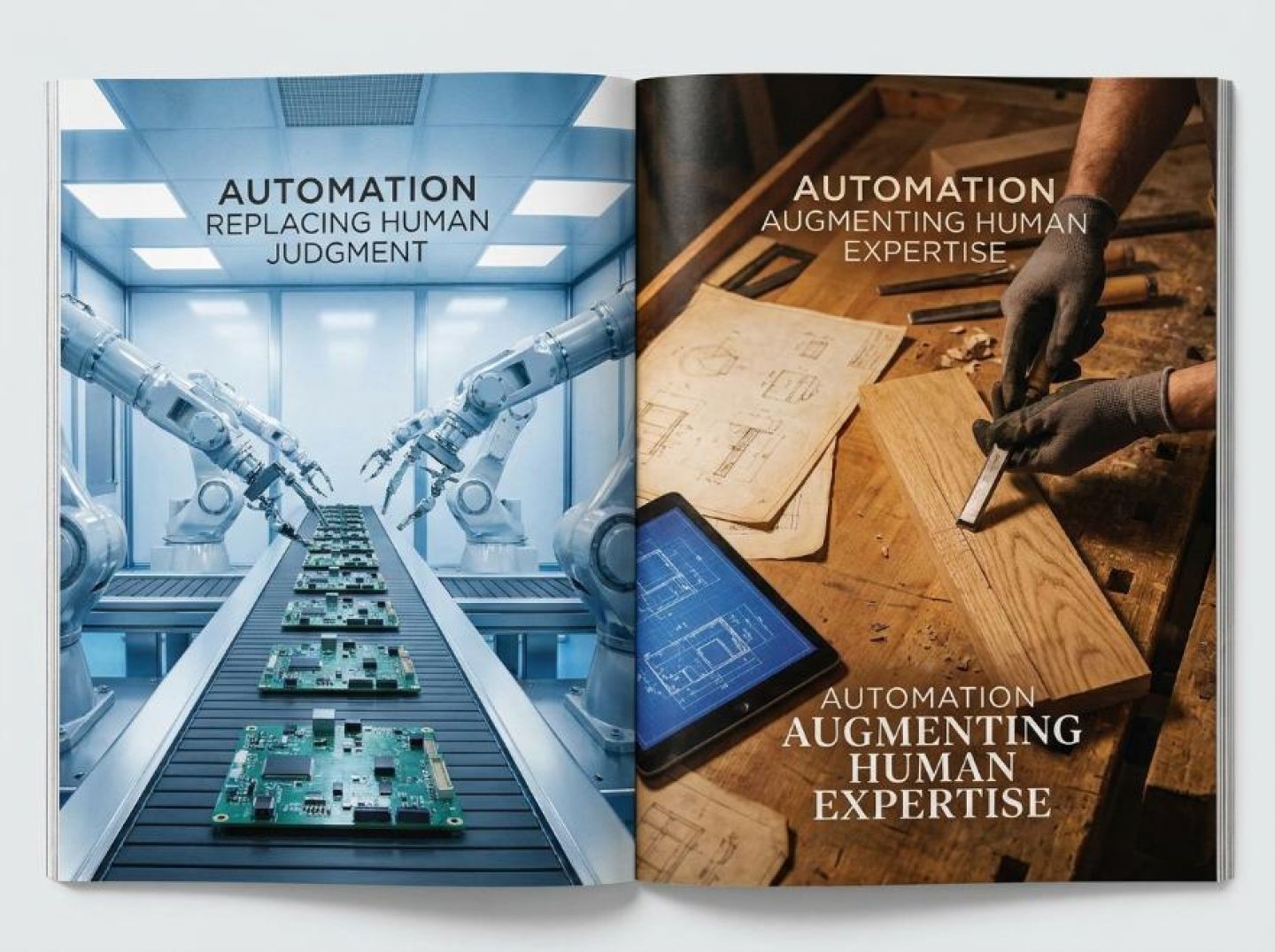
Второе применение — ИИ как процесс: конкурентная разведка, анализ креативов, выявление закономерностей в тысячах кампаний, скорость итераций, сокращающая недели тестирования до дней. Это ИИ, который работает полностью за кулисами. Потребитель никогда не сталкивается с ним, никогда не оценивает его и никогда не наказывает за него — потому что даже не знает о его существовании.
Это различие чрезвычайно важно, и нежелание разграничить его искажает стратегические решения во всей отрасли. Маркетологи слышат «потребители не доверяют ИИ» и полностью отказываются от ИИ, упуская аналитические преимущества, никак не связанные с потерей доверия. Или, что еще хуже, они активно используют ИИ в коммуникации с клиентами, чтобы сократить расходы, создавая именно тот контент, который вызывает скептицизм, и при этом игнорируют варианты применения ИИ на уровне процессов, которые на самом деле укрепили бы их конкурентное преимущество.
Как утверждает Adweek, инфраструктура будущего рекламы принадлежит единым, прозрачным стекам, где "потоки данных легче отслеживать", а "эффективность оценивается по реальному росту бизнеса, а не по показателям охватов, которые хорошо смотрятся на дашборде". Эта концепция не подразумевает отказ от ИИ — речь идёт о его применении там, где создаётся накапливаемый интеллект, а не одноразовый контент. Когда ваш ИИ-уровень анализирует, какие рекламные креативы реально стимулируют рост выручки в вашей отрасли, это процессуальный интеллект. Когда он генерирует пятьдесят вариантов заголовков и публикует их без изменений, это просто демонстрация продукта. Первое создаёт преимущество. Второе — риски.
Ирония настолько остра, что может резать: маркетологи, извлекающие наибольшую выгоду из ИИ прямо сейчас, — это в точности те, чья аудитория никогда не догадалась бы, что ИИ вообще задействован. Они используют машинное обучение, чтобы принять решение, что создавать, — выявляя выигрышные подходы, анализируя стратегии конкурентов, замечая усталость от творческих решений до того, как это начнёт снижать ROAS, — и затем обеспечивают, чтобы то, что аудитория фактически видит, несло отчётливый человеческий сигнал. Инсайт алгоритмический. Исполнение — персональное.
Именно здесь платформы конкурентной аналитики, такие как Anstrex, занимают по-настоящему иную категорию по сравнению с потребительскими ИИ-инструментами. Пользователь Anstrex не создает рекламные тексты для публичного использования. Он анализирует то, что уже работает в тысячах активных кампаний — нативных, пуш-уведомлений, всплывающих окон, электронной коммерции — чтобы выявить структурные закономерности, определяющие собственную креативную стратегию. Потребитель видит рекламу, подготовленную человеком, но основанную на анализе, выполненном со скоростью машины. Он никогда не сталкивается со слоем процесса. И поскольку этот слой процесса невидим, он не вызывает никакого недоверия.
96% идей, которые умирают, прежде чем их увидит кто-либо, погибают не из-за отказа со стороны потребителей. Они гибнут из-за медленного анализа, слабой осведомлённости о конкурентах и неспособности внести итерации до закрытия возможности. ИИ на уровне процесса как раз решает эту проблему — без необходимости требовать от потребителя доверия к машине.
В предыдущем разделе была четко проведена грань между ИИ как продуктом и ИИ как процессом. Теперь поговорим о том, что происходит, когда маркетологи, отвечающие за эффективность, всерьез подходят к процессу и настолько агрессивно сокращают циклы итераций, что конкуренты, действующие исключительно на скорости человека, не успевают за ними.
Окно возможностей для использования успешного подхода никогда ранее не было таким узким. Как сообщается на MarTech, «путь покупателя становится все короче» и «все более ориентированным на принятие решений», причем покупатели все чаще встречают рекомендации, сгенерированные ИИ, еще до того, как увидят маркетинговые материалы самого бренда. Только в сегменте B2B-программного обеспечения покупатели, которым раньше требовались недели, чтобы сравнить поставщиков, теперь могут за минуты анализировать конкурентную среду с помощью чат-бота. Такое сжатие изменяет не только то, как люди совершают покупки, — оно изменяет и то, с какой скоростью должны действовать маркетологи. Когда потенциальный клиент приходит на вашу целевую страницу, уже имея предварительный список, составленный инструментом ИИ, именно маркетолог, который нашел правильный крючок на три дня раньше, получает конверсию. А если на три дня позже — окно арбитража уже закрыто.
Здесь искусственный интеллект в сфере анализа конкурентов становится стратегическим преимуществом. Маркетологи, работающие с производительностью и партнёрскими программами, теперь используют платформы машинного обучения для одновременного наблюдения за тысячами активных кампаний — сканируя креативы конкурентов в Meta, Google, TikTok и сетях нативной рекламы практически в режиме реального времени. Эти инструменты определяют, какие заголовки увеличивают расходы, какие структуры целевых страниц остаются эффективными после первоначальных тестов и какие эмоциональные акценты набирают популярность в различных отраслях. Они расшифровывают креативные шаблоны с такой скоростью, которую ни одна команда аналитиков-людей не в состоянии достичь, даже при неограниченном количестве кофе и очень щедрой таблице.
Но вот в чем заключается принципиальное различие: слой интеллекта работает на базе ИИ, в то время как конечный продукт, ориентированный на потребителя, по-прежнему создается людьми. Объявление, на которое потенциальный клиент нажимает, написано копирайтером, использующим аналитику, сгенерированную машиной, а не созданное самой машиной. Целевую страницу разработал стратег, который увидел закономерность, а не алгоритм. Никаких признаков использования ИИ. Никакого ущерба доверию. Опыт потребителя остается чистым.
Между тем многие рекламодатели со стороны брендов застряли совершенно в другом цикле — не в цикле творческих итераций, а в организационном. Внутренние комитеты обсуждают политики раскрытия информации об использовании ИИ. Юридические проверки замедляют запуск кампаний. Этические советы решают, требуется ли маркировка для потребителей при определённом использовании генеративных инструментов. Каждое из этих обсуждений проходит с благими намерениями. Ни одно из них не является иррациональным. Но в совокупности они приводят к тому, что, как пишет Adweek, называют нарастающей стоимостью лишних переходов: «каждый такой переход приводит к потере сигнала, потому что системы изначально не были созданы для совместной работы». Переход к этическим дебатам, пожалуй, самый дорогостоящий из всех — не потому что дебаты не имеют смысла, а потому что они вызывают организационный паралич, а не технические трудности. Вы можете обойти медленное API. Вы не можете обойти шестинедельную проверку комитета, завершающуюся словами: «отложим это до третьего квартала».
Результатом является растущий разрыв в скорости, который не имеет ничего общего с талантом или бюджетом. Маркетологи, использующие ИИ для конкурентной разведки, могут замечать новую перспективную идею в понедельник, дать задание копирайтеру во вторник, запустить тест в среду и уже к пятнице получить статистически значимые данные. А команды брендов, обсуждающие, нужно ли добавлять сноску о применении ИИ в их рабочем процессе, до сих пор передают задание. Обе команды могут создать одинаково человечные и достоверные материалы. Но только одна из них успевает выйти на рынок, пока идея ещё актуальна.
Таким образом, структурное преимущество заключается не просто в том, что ИИ ускоряет работу. Преимущество в том, что ИИ ускоряет процесс без клейма общественного порицания, которое вызывает недоверие потребителей. Сочетание скорости и соблюдения доверия — это не компромисс; для маркетологов, понимающих эту асимметрию, это комплексное преимущество.
Каждый раз, когда появляется новая регуляторная новость — изменяющаяся позиция FTC по отношению к синтетическим медиа, требования ЕС к прозрачности в Законе об искусственном интеллекте, предлагаемые меры раскрытия информации на уровне штатов — в маркетинговых департаментах поднимается предсказуемая волна тревоги. Вопрос всегда один и тот же: Мы должны сообщать людям, что используем ИИ? Но сама постановка этого вопроса — ловушка. Она сводит к единому состоянию регуляторной паники принципиально разные сценарии использования, и маркетологи, попавшие в эту ловушку, потратят месяцы на споры о формулировках раскрытия информации, в то время как их более проницательные конкуренты уже будут на три тестовых цикла впереди.
Вот в чем заключается принципиальное различие, которое постоянно упускается из виду в дискуссиях о раскрытии информации: регуляторное и потребительское давление, направленное на ИИ, нацелено непосредственно на генерируемый контент, ориентированный на потребителя. Чат-бот, притворяющийся человеком. Отзыв на товар, сфабрикованный языковой моделью. Поддельный отзыв. Рекламный материал, в создании которого не было ни следа участия человека. Именно такие случаи применения вызывают озабоченность, и не без оснований. Как подробно описывает Джефф Буллас в своем анализе кризиса «машинного мусора» ИИ, около 62% потребителей с меньшей вероятностью взаимодействуют с контентом или доверяют ему, если знают, что он был сгенерирован ИИ, а половина потребителей в США вообще предпочитают покупать у брендов, которые полностью избегают использования генеративного ИИ в сообщениях для клиентов. Именно на такую ситуацию реагируют регуляторы. Именно здесь сосредоточен риск, связанный с раскрытием информации.
Но маркетологи, использующие ИИ для конкурентной разведки, анализа аудитории, оптимизации ставок и тестирования креативов? Они находятся в совершенно ином правовом положении. Потребитель никогда напрямую не видит результатов работы ИИ. ИИ не пишет объявление — он определяет, какой вариант следует протестировать дальше, на основе распознавания закономерностей в тысячах точек данных. Он не создает целевую страницу — он выявляет, какое сочетание доказательных элементов ранее давало конверсию у конкретного сегмента. Объявление пишет человек. Решение принимает человек. ИИ лишь ускоряет цикл принятия решений. Здесь нечего раскрывать, поскольку синтетический контент не доходит до потребителя.
Это не лазейка. Это принципиально иная категория использования, и это различие имеет огромное значение.
Теперь рассмотрим эффект второго порядка: пока ваши конкуренты парализованы дискуссией о раскрытии информации — проводят юридические проверки, переписывают политики в отношении контента, полностью отказываются от внедрения ИИ из чрезмерной осторожности — вы сокращаете циклы итераций, которые они не могут повторить исключительно человеческими темпами. Кризис доверия к контенту, созданному с помощью ИИ, вас не замедляет; он замедляет их, потому что они спутали использование ИИ для более быстрого мышления с использованием ИИ для высказывания от их имени.
Разрыв в доверии существует на самом деле, и он увеличивается. Сообщение MarTech об исследовании Gartner показывает, что более половины покупателей в сегменте B2B уже сталкивались с вводящей в заблуждение информацией от инструментов ИИ, и 69% по-прежнему полагаются на живых торговых представителей, чтобы проверить то, что они нашли с помощью поиска на основе генеративного ИИ. Этот уровень проверки — человеческий сигнал достоверности — именно то, что сохраняется благодаря ИИ, работающему на стороне процесса. Вашу рекламу по-прежнему пишут люди, понимающие аудиторию. На ваших посадочных страницах по-прежнему размещаются реальные кейсы, реальные доказательства, живой голос. ИИ никогда не затрагивает основу для доверия. Он лишь делает человеческий уровень быстрее и точнее нацеленным.
Таким образом, дискуссия о раскрытии информации не просто не имеет отношения к маркетологам, ориентированным на процессы, — она дает им активное преимущество. Каждый месяц, который индустрия тратит на споры о том, следует ли помечать созданные ИИ блоги, — это еще один месяц, когда маркетологи, изначально никогда не создававшие контент на основе ИИ для потребителей, отрываются всё дальше, вооружившись аналитикой, которой нет у их конкурентов, и избавившись от разговоров о соблюдении норм, которые никогда не были их проблемой.
Пусть дебаты кипят. Обойдите их. И бегите.
Получайте лучшие конверсионные лендинги каждую неделю на свою почту.
Обязательно к прочтению
Узнайте, как технологии виртуальной примерки, ИИ-ассистенты для покупок и конкурентная рекламная аналитика меняют рекламу в электронной коммерции. Научитесь выявлять перспективные товары, ориентированные на ИИ, с помощью Anstrex, создавать разговорные рекламные материалы, оптимизировать целевые страницы для персонализированного шоппинга и измерять реальное воздействие цепочек взаимодействия с клиентами, управляемых ИИ.
Marcus Chen
7 минокт. 13, 2026
Гайд
Бурно развивающаяся экосистема спортивных создателей контента в TikTok открывает новые возможности для дропшипперов, которые знают, где искать. Отслеживая демонстрации продуктов от создателей контента вместе с рекламой конкурентов, продавцы могут выявлять появляющиеся продукты до того, как рынок станет перенасыщенным. Сочетание органических тенденций от создателей и информации о рекламе позволяет быстрее проверять продукты, создавать более сильный креатив и получать лучшую прибыль в быстро развивающихся спортивных нишах.
Liam O’Connor
7 минавг. 5, 2026
Подробный разбор
Маркетологи эффективности завоевывают более крупные маркетинговые бюджеты, поскольку они могут быстро продемонстрировать рентабельность инвестиций, общаться на языке финансовых показателей, которым доверяют руководители, и использовать конкурентную разведку для принятия более обоснованных инвестиционных решений. В то время как команда бренда сталкивается с проблемами атрибуции и внутреннего влияния, ориентированный на данные маркетинг эффективности продолжает получать организационные преимущества.
Liam O’Connor
7 миниюл. 23, 2026