12 minOctober 13, 2026

Our tools monitor millions of native, push, pop, and TikTok advertising campaigns.
Get StartedMost marketers talk about “vibes” — a mood, an aesthetic, a sense that an idea “feels cultural.” But if you’re trying to build repeatable campaigns that work like Pure Leaf’s quiet-luxury ads or McDonald’s fandom plays, you can’t optimize a vibe. You can only optimize variables.
A cultural hook is that translation layer: the specific, observable variables that turn a vague cultural feeling into something you can brief, buy, test and scale.
At its simplest, a cultural hook is three things working together:
Notice what’s missing: celebrities, slogans, and generic “brand awareness.” Those can sit on top of a hook, but they’re not the hook itself.
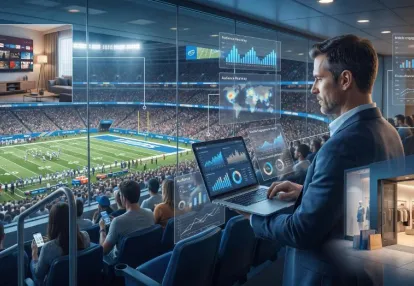
Consider how sports marketers are reframing live games. Instead of thinking of “football fans” as one big vibe, the NFL CTV playbooks break the audience into very specific, targetable behaviors and contexts. Football fandom is described as “inherently local” — teams tied to cities; fans clustering around stadiums, bars, tailgates and watch parties — which makes geographic targeting a core variable rather than an afterthought, as the NFL CTV advertising guide explains. A restaurant chain doesn’t buy “NFL” in the abstract; it promotes game‑day offers inside defined radiuses around relevant teams. An auto brand doesn’t “support sports”; it aligns messaging with specific dealership footprints.
That’s a cultural hook in practice: “local game‑day ritual within 10 miles of X stadium” is a precise, repeatable variable — not a vibe.
The same playbook shows up in hockey. Because NHL teams play 84 regular‑season games, advertisers get a long calendar of discrete cultural moments to test and refine creative. QSRs can pulse game‑night offers around each arena, retailers can bias spend to markets where they actually have stores, and national brands can swap out team‑specific creative by city, according to the NHL CTV advertising analysis. The hook isn’t “hockey passion”; it’s “fans physically orbiting an arena on game night,” which you can define, target and re‑engage.
Location intelligence pushes this idea even further. Instead of “sports fans” as a monolith, illumin breaks them into concrete audience types like stadium visitors, tailgating and fan‑zone attendees, game‑day POI clusters, and live sports streaming audiences, then uses Live Audiences to reconnect with them after the fact across screens, as outlined in both its NFL and NHL playbooks. The hook here is “people who were at this cultural moment, in this place, at this time” — a measurable variable that can drive sequential messaging from awareness (seeing you around the event) to consideration (retargeted offers) to action (conversions).
McDonald’s is doing something similar in culture outside of sports. Its McDonald’s > NEXT plan is explicitly about “co‑creating with fans” and “doubling down on pockets of culture,” from gaming and anime to K‑pop fandoms and cult‑favorite menu items. The social team starts with “fan truths” — specific shared rituals, memories or behaviors — and builds ideas around those, rather than chasing generic celebrity clout, as director Amanda Mulligan explained when discussing the chain’s cultural strategy in a recent interview. The Grimace birthday, Snack Wrap nostalgia, and BTS collaborations weren’t vibes; they were anchored in discrete, observable fan practices that could be surfaced via social listening and then turned into content, offers and formats.
This is the same logic media strategists are applying across the board. In a conversation about cutting through a fragmented landscape, Carat’s Michael Law and Papa John’s Shivram Vaideeswaran emphasized shifting from a neat, linear funnel to a “bowl of spaghetti” of touchpoints, where paid, creators, aggregator platforms and organic social all respond to culture in real time within a clear strategic framework, as described on Adspeak by Adweek. That framework is built on variables — which channels you use for which behaviors, how fast you move, what signals you prioritize — not vibes.
So when you see Pure Leaf tapping into “quiet luxury” or McDonald’s owning fast‑food fandoms, what you’re really seeing is this: they’ve identified a behavior (how fans actually act), a context (where and when that behavior happens), and a system (sequential, targeted messaging) that consistently turns those cultural moments into branded action. The cultural hook is the set of variables that makes that system repeatable.
If you want to “steal like an artist,” you copy the surface. If you want to “steal like a scientist,” you copy the pattern.
The easiest way to start thinking like a scientist is to treat every great ad like a data set. You’re not just admiring Pure Leaf’s quiet-luxury aesthetic or McDonald’s latest fandom play—you’re asking, “What cultural variables are consistently present here, and how do they interact?”
A practical way to do that is to build a simple ad intelligence grid. Pick 10–20 campaigns you admire (or that keep showing up in your feed), then code each one along a few repeatable dimensions:
You’re looking for recurrence, not one-off cleverness. A single McDonald’s stunt could be a fluke. But if, across years, McDonald’s repeatedly orients campaigns around “fan truths” and shared rituals—like the TikTok-fueled Grimace birthday, Snack Wrap nostalgia, and film or music fandom tie-ins—that’s a pattern. As their CMO explains in the company’s new strategy, they deliberately start from “that shared ritual, behavior, memory that all of our fans have that unite them,” and then build the idea outward rather than stapling a logo onto a celebrity moment, as their team describes.
From an ad-intelligence perspective, that gives you at least three recurring variables:
Now zoom out to how those ideas are deployed, not just what they are. McDonald’s “NEXT” and newer marketing model are intentionally shifting toward fewer, bigger, longer-running ideas that can be amplified by fans and creators, instead of a constant churn of short-term promos. Their leadership talks about doubling down on baseline, brand-building programs—things like taste and quality—and using their own IP (World Menu Heist, Grimace, Happy Meal universe) as the core assets that travel globally, as their recent investor briefing outlines.
Scientifically, that’s another repeatable pattern you can mine:
That last point isn’t unique to McDonald’s. When media leaders talk about meeting people “in culture,” they’re really describing a system that connects paid, creators, aggregator platforms, and organic social into one continuous feedback loop. In a fragmented media landscape, marketers like Carat’s Michael Law and Papa John’s Shivram Vaideeswaran argue you need nimble teams, clear decision principles, and a framework for “real-time cultural moments”—but those real-time moves only work if they’re anchored to consistent brand ideas, as they explain in an.
Put differently: cultural hooks aren’t random stunts; they’re modular ideas that can be redeployed across:
When you analyze ads, explicitly tag each appearance of a hook across executions. Does the same “fan ritual” keep showing up in different guises? Does the same “room where culture happens” (group chats, creator content, Discord servers) keep being referenced? That’s your signal that you’ve found a cultural variable, not just a creative flourish.
Finally, don’t confuse “community-driven” with “hands-off.” Word-of-mouth and fan content may look organic, but successful brands treat them as engineered outcomes. As one piece on brand fandom notes, the most lucrative strategy is having a product and story so good people can’t stop talking about it—but actually achieving that requires a thorough understanding of media habits, interests, and opinions so that product launches and messages are designed to spark conversation in the first place, not discovered by accident, as coverage of brand fandom strategies points out.
The scientific move is to reverse that process. Don’t wait to see what “the culture” does with your campaign. Go study the ads and activations that already generate disproportionate chatter, and map the variables they share: the fan truths they tap, the rooms they enter, the linguistic “power words” they repeat, the IP they lean on, the cadence they use. That grid becomes your working library of cultural hooks—assets you can deliberately test, remix, and scale instead of praying your next idea just happens to “catch the vibe.”
If Pure Leaf is a lesson in quiet-luxury mood, McDonald’s is a lab for something more scalable: fandom built on “ownable IP.” And crucially, you don’t need a clown mascot or global jingles to copy the pattern.
When McDonald’s CMO Morgan Flatley talks about “fandom,” she’s not being metaphorical. The brand captures roughly 40% of positive social mentions across leading QSRs—more than its next three competitors combined—by deliberately building campaigns around its own distinctive assets and letting fans do the amplification, as she outlined in an investor-day presentation covered by Marketing Dive. That’s the blueprint: fewer, bigger, globally repeatable ideas anchored in something only McDonald’s can credibly own.
There are three reversable levers here that non-famous brands can use.
McDonald’s doesn’t just sell burgers; it sells the Golden Arches, the Big Mac “build,” the Filet-O-Fish jingle, the McFlurry spoon, the proprietary app experience. Flatley describes a deliberate shift to build campaigns on “its own intellectual property,” making every major push feel distinct and harder to copy, as Marketing Dive notes.
You might not own a global mascot, but you almost certainly have ownable elements hiding in plain sight:
Treat those as IP, not accidents. Give them names. Make them repeatable. Then build campaigns that dramatize the asset, not just the offer. “Tuesday Night Sauce Club” is more ownable than “20% Off Pasta.”
Fandom is not the same as reach. McDonald’s new marketing model is explicitly about “co-creating with fans” and engaging them in “big global moments,” using fan and creator content to reduce reliance on paid media, as outlined in the company’s new three-pronged strategy reported by Marketing Dive. In parallel, broader industry coverage has observed that social feeds have shifted toward creator-led content and brand fandom, where consumers happily remix and circulate brand stories themselves, as noted in AdExchanger’s discussion of “community first” brands like Poppi.
The pattern you can steal:
McDonald’s has always localized menus—McAloo Tikki here, Teriyaki Burgers there—while keeping a global backbone of core items. That same “global idea, local expression” logic now powers its media. On the brand side, its new media network puts ads into app moments, kiosks, and in-restaurant screens, effectively turning McDonald’s physical footprint into an addressable media channel with minimal incremental cost, as Marketing Dive reports.
You can mimic this without owning 450 stores and an ad network by thinking like a geospatial marketer:
Think of it as your own “global menu”: one big cultural hook, systematically remixed by geography, team, or neighborhood.
Reverse-engineering McDonald’s doesn’t mean pretending you’re a global QSR. It means acting like a brand that expects to generate fandom: codify your own IP, invite people to play with it, and deploy it through repeatable, locally tuned moments instead of one-off stunts.
If McDonald’s shows you how to weaponize fandom, sports and live events show you where to aim it. You don’t need the official logo lockup or a multi-million-dollar sponsorship to win game day—you just need to build offers around the fan experience that’s already happening.
The key shift is moving from “buying awareness” to engineering what one panelist described as “memorable moments” that feel like they belong to fans, not to your media plan. As a recent discussion on sports marketing argued, the brands that win are the ones that create their own participatory beats around big events, rather than just chasing impressions during the broadcast window, because the conversation continues in clips, reaction videos, and celebrations long after the game ends, and fans expect a two-way relationship that mirrors the way they already talk in their feeds, group chats, and fan forums, a dynamic that’s only intensified as social feeds tilt toward creator-led content and brand fandom becomes more central to how people interact with culture, a trend that observers have linked to the way “community-first” brands treat marketing as an extension of pop culture itself rather than a separate activity they bolt on after the fact, which is why you’ll see challenger brands leaning into word of mouth and cultural relevance instead of brute-force media buying, and why marketers now talk about “getting into the room” where purchase decisions are really made—Discords, WhatsApp threads, and watch-party group chats—instead of just counting GRPs on a linear TV plan, a trade-off in which they give up some control over brand voice in exchange for proximity to fans’ real conversations and the chance to have those fans carry the message for them, as one analysis of modern fandom-driven marketing has pointed out, noting that this shift toward user-led storytelling is less about fancy tech and more about understanding where your audience already is emotionally and socially, then building products, offers, and creative that feel like natural extensions of that behavior rather than interruptions, which in the context of sports means aligning your message with the rituals that surround the game—pregame hype, in-seat snacking, third-quarter nerves, overtime superstitions—rather than simply slapping your logo on the scoreboard and hoping people care.
You can see this “unofficial but omnipresent” strategy in action when a brand like Kraft Heinz shows up to the World Cup not as a rights-holder, but as the maker of “unofficial stadium ketchup” and TSA-compliant ranch packets that feel designed for real fans’ travel and tailgate realities; that campaign didn’t need an official badge because the product solved a very specific fan friction point and turned it into a sharable in-joke, similar to how Oscar Mayer’s “Wienie 500” at the Indy 500 used its Wienermobile fleet as a piece of ownable IP that literally raced alongside the main event, generating billions of earned impressions and even side bets on DraftKings simply by existing in the same emotional universe as the race, but on its own terms, a vivid example of how distinctive brand assets can anchor a spectacle that piggybacks on, rather than pays for, the official moment and reframes it into something only that brand could have done, which is the same structural pattern you see in McDonald’s fandom work—take a cultural ritual people already care about, then insert your most “ownable” asset into that ritual in a way that feels inevitable once you see it, almost like you’ve discovered a tradition that was always there.
To systematize this, treat sports calendars like a lab schedule. Instead of blowing your budget on one tentpole, use the long season arcs described in the NHL connected TV playbook—84 regular-season games plus pre- and post-game coverage—as a rolling series of experiments: early in the season, test simple “game-night bundle” offers in key markets where your stores or delivery zones overlap with team fandom; as stakes rise toward playoffs, shift creative to higher-intensity emotional triggers (superstitions, “lucky” snacks, rivalry banter) and layer in small, time-boxed rewards like overtime-only discounts or “shutout” bonus sides unlocked when the goalie posts a clean sheet; after big games, retarget fans who streamed the broadcast or were physically near the arena with “morning-after” offers that map to their real behavior (celebration brunches for wins, comfort food for losses), using the sort of location and audience signals—stadium visitors, fan-zone attendees, regional fan cohorts—that CTV platforms now make accessible, as outlined in football-focused guidance on geographic targeting, where advertisers are advised to build campaigns around stadium footprints, tailgate zones, and local watch bars instead of treating “NFL fan” as a single monolithic segment across the country, a mistake that flattens the nuanced, hyper-local nature of fandom and leads to generic, ignorable creative instead of the kind of specific, locally flavored messages that make viewers feel like you actually understand how their city watches the game, right down to which rivalries matter and which neighborhoods host the best unofficial viewing parties.
Notice what all of these plays have in common: they’re anchored in moments, not media buys. They’re built with what one veteran marketer called “ownable, distinctive assets”—your Wienermobile, your signature sauce, your weirdly popular limited-time box—that can be dropped into fan rituals in ways that feel native to the culture rather than bolted on. And they respect the fact that, as one sports marketing panelist put it, the best ads are the ones that capture what it feels like to be a fan: the nerves, the joy, the rituals, the silly superstitions. If you architect your offers around those lived emotions and behaviors—then deliver them through the platforms and local touchpoints where those fans actually move—you can ride the cultural wave of sports and live events without ever cutting a check to the league.
When you look at McDonald’s or Pure Leaf from the outside, it’s easy to think the magic comes from budgets, not strategy. But what actually makes their work “affiliate-ready” is how they translate big, ownable IP into small, shoppable angles—international flavors, limited-time offers (LTOs), and even “unofficial” collabs fans feel like they discovered themselves.
McDonald’s latest plan spells this out in plain language. The company is explicitly moving toward “fewer, bigger” global campaigns powered by its own intellectual property—iconic menu items, mascots, and rituals that fans already talk about, then remixing them into moments that can be amplified by creators and partners instead of just paid media, as executives explained during an investor presentation. That’s your blueprint as an affiliate: you’re not trying to invent IP from scratch; you’re reverse-engineering the same “fan truths” into snackable angles your audience can click on today.
International flavors are the easiest entry point. Look at any global chain’s menu strategy and you’ll see a steady drip of region-specific twists—matcha here, spicy peri-peri there, taro or mango somewhere else. Those aren’t random experiments. They’re cultural hooks designed to win attention in what one group of marketers described as a “fragmented” media world where consumers are scattered across channels and geographies, and relevance is earned by meeting them in their own culture, not just blasting them with generic messaging, as leaders from Papa John’s and Carat argued in an.
As an affiliate, you can translate that same pattern into offers like:
You’re not claiming official status; you’re channeling the same cross-border novelty these brands use, but at the level of recipes, shopping lists, “order it like this” scripts, or bundle suggestions.
LTOs are your next lever. Limited-time flavors and seasonal drops are structurally perfect for affiliate marketing because they build the urgency and emotional “pull” that makes people click. The language around them is essentially a controlled dose of what native-ad strategists call “power words”—emotionally charged hooks that shift passive scrollers into active shoppers by promising something scarce, secret, or time-bound, as one guide to catchy words for marketing points out.
Instead of “Here’s a new coffee syrup,” your affiliate angle becomes:
The LTO itself may be owned by a major brand, but the frame—the way you name the ritual, the season, the fan behavior—is your IP. You can build recurring series (“LTO Watch,” “Drop Calendar,” “International Menu Hacks”) that become predictable, clickable franchises on your site, newsletter, or socials.
Then there’s the most powerful angle of all: “unofficial” status.
McDonald’s has shown how potent it is to treat its fans almost like co-creators—elevating social chatter around items like Snack Wraps and turning it into campaign fuel, while also partnering with fandoms around films, music, and gaming that already love to play in their universe, as its social team emphasized when detailing how they “co-create with fans.” In parallel, brands like Poppi have leaned into a “community first” playbook where the real action happens in Discords and group chats, and marketers knowingly trade some control over voice in exchange for being in “the room where people make their purchase decisions,” as one AdExchanger dispatch put it.
That’s exactly where affiliates thrive. You are, by design, the “unofficial authority”—the friend who breaks it down, the fan who figured out the hack first. You don’t need rights to the logo; you need permissionless angles:
These “almost-but-not-quite” collabs feel dangerous enough to be fun, but safe enough to be shareable. They tap the same human psychology that powers fan forums and group chats: people love discovering the remix, not just consuming the original.
The real move is to formalize this into your own system. Make a spreadsheet with three columns—International Flavors, LTOs, Unofficial Collabs—and, every week, drop in what the major brands are doing. For each row, force yourself to write one affiliate headline and one angle that uses a vivid, emotional hook. Over time, you’ll stop chasing campaigns and start building a catalog of repeatable cultural hooks you can reload every season, regardless of which logo happens to be on the cup or the bag.
Most affiliate marketers stop at “theme.” They’ll say, “Let’s do something football,” or “Let’s do something fandom,” and then jump straight into ad builders. Enterprise brands do the opposite: they start with a cultural hook, then work it through a disciplined testing system until the angle, copy, and placement all sing together.
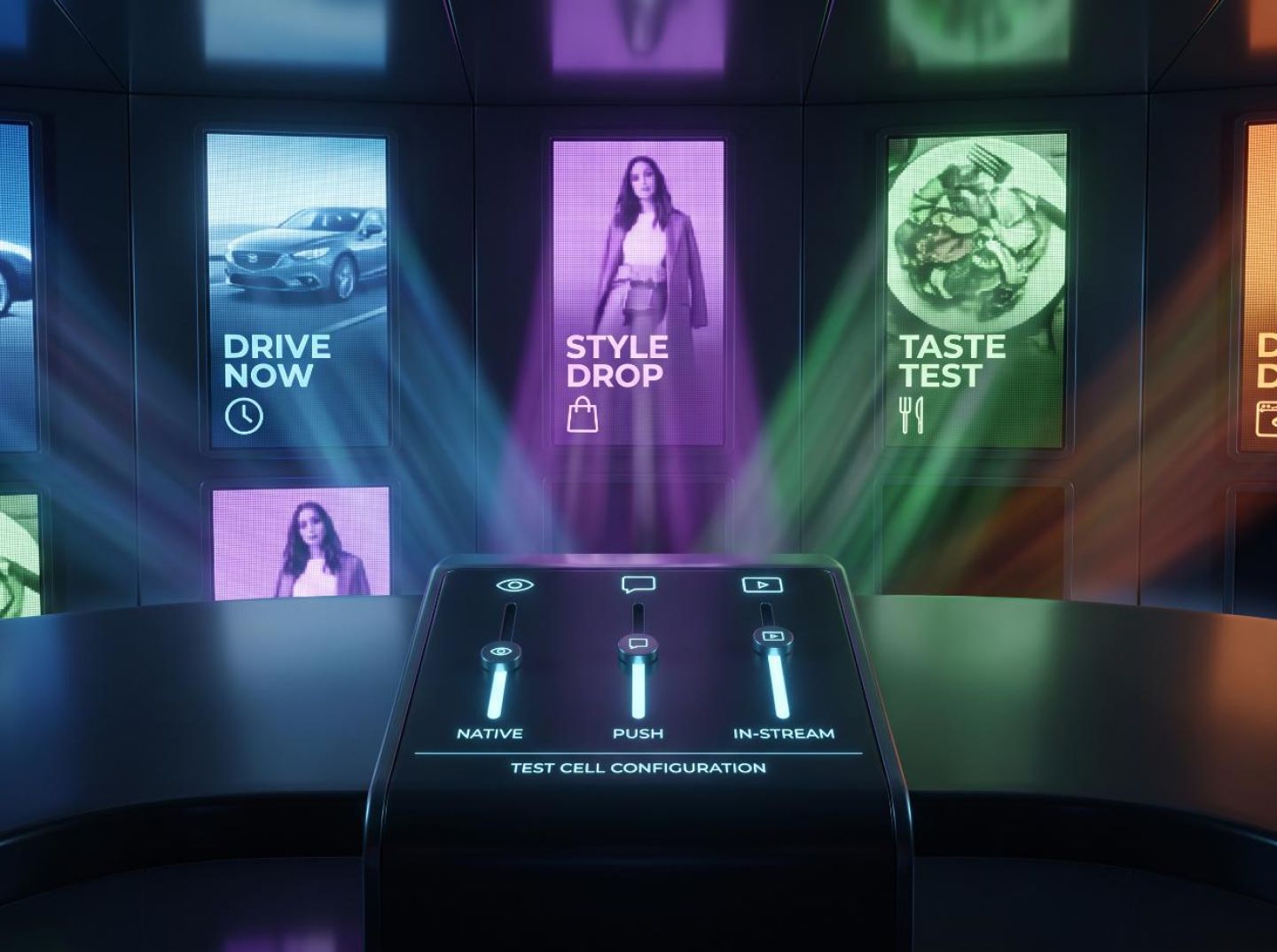
You don’t need their budget to steal that system. You just need a way to turn themes into testable creatives across three surfaces you actually control: native, push, and in‑stream.
“Football” is not a hook. “Free fries if your team scores 3+ touchdowns” is. The goal is to translate cultural energy into discrete, A/B‑able hypotheses.
Use a simple grid:
This is exactly how sports‑adjacent CTV planners think when they customize offers around local markets and fan behaviors instead of running one generic “NFL” or “NHL” message nationwide. Playbooks for connected TV emphasize using geography and fan context to shape creative and promotions by market, not just by demo, so that a QSR might run game‑night offers around specific arenas or stadiums based on real visitor data rather than vague “sports fan” language (illumin’s NFL guide and its NHL counterpart both lean hard into this).
Your version of that grid doesn’t need fancy location graphs. Start with three or four combinations that are:
Each row in that grid becomes a hypothesis: “If we speak to [identity] about [occasion] with [offer], then CTR/lead rate/purchase rate will improve in this placement.”
Now you’re ready to tailor per channel.
Native is where you can most faithfully mirror enterprise “brand‑led content” in an affiliate format. The frame is editorial; your job is to smuggle in the offer through curiosity and emotion.
For each hypothesis, build 3–5 headline/thumbnail pairs that vary:
Think in terms of the “power words” that trigger people to pause and click inside a feed that otherwise feels like a stream of creators and friends. Guidance on native copywriting emphasizes that these high‑impact terms work because they tap emotion and story rather than sounding like ads, helping brands “converse with your audience like you're old friends” while still driving a single conversion goal (Brax’s breakdown of power words is essentially a playbook for this).
Examples of how that looks in practice:
Test groups of 5–10 such creatives per theme. The goal isn’t to crown a winner forever; it’s to learn which emotional framing and fan ritual your audience actually leans into so you can port that learning to other channels.
Push is unforgiving. Where native gives you 50–80 characters and an image, push gives you a notification bar and, if you’re lucky, a small icon. That constraint is useful: it forces you to extract the purest version of your hypothesis.
Start by rewriting your top‑performing native angles into three push variants:
The same psychology that makes power words work in native applies here: concise, emotionally loaded language that feels like it belongs in a personal inbox or notification tray, not a billboard. Push copy should feel like a message from the group chat that’s obsessing over a product, not a brand slogan—very much in line with how “community‑first” products describe their word‑of‑mouth strategy as “pop culture,” where fans and creators do most of the talking in spaces like Discord and WhatsApp instead of in public comments sections (AdExchanger’s look at fandom‑driven marketing highlights this shift).
Key testing rules:
In-stream video (whether it’s social, CTV, or pre-roll) is where affiliates usually overshoot—trying to imitate a 30-second brand spot without the budget, the talent, or the media weight to make it land. You don’t need that. You need a 5- to 15-second “memorable moment” that tees up the exact same hook you already proved in native and push.
Structure each script like this:
For example, a 10-second video for a game-night food offer could open on a group chat message that reads, “Kickoff in 20. Who’s bringing snacks?” Cut to a quick view of the bundle, overlay the specific offer and its valid dates, then finish with “See the game-night picks.” The cultural hook is the last-minute scramble before kickoff; the product is the solution. The concept works because it recognizes a behavior viewers already understand, rather than asking them to care about a generic product montage.
Keep the creative consistent across channels while adapting the execution to each format. Native can tell the story with a curiosity-led headline, push can deliver a short reminder at the right moment, and in-stream can dramatize the same ritual in a few seconds. That consistency helps you learn whether the underlying hook works, instead of confusing the result by changing the audience, message, and offer all at once.
A high click-through rate does not automatically mean a cultural hook is commercially useful. A curiosity-heavy headline may attract attention but fail to produce qualified visits or purchases. Evaluate each test against the outcome that matters for the campaign.
Track a small, consistent scorecard:
Use a baseline and change one major variable at a time. If the identity-led version wins on clicks but loses on conversion rate, the audience may recognize the fan language without finding the offer compelling. If an occasion-led angle produces fewer clicks but more purchases, it may be the stronger commercial hook. The right winner depends on the campaign objective, not on a single metric.
Also account for timing. A campaign tied to a live event can spike briefly and fade quickly, while a nostalgia or community hook may remain useful for weeks. Compare like with like, annotate major event dates, and avoid declaring a winner from a tiny sample or a single unusual day. Where possible, use holdouts or controlled geographic tests to estimate incremental impact rather than assuming every conversion came from the ad.
Once a hook has been tested, return to the ads themselves. Use an ad intelligence platform such as Anstrex to examine how advertisers in related categories express similar cultural ideas: which opening lines recur, what visual patterns are repeated, how offers are framed, and whether creative changes around particular seasons or events. The aim is not to copy a competitor’s execution. It is to find patterns that suggest a new hypothesis worth testing with your own audience and offer.
Build a simple learning log for every test:
| Field | What to record |
|---|---|
| Cultural behavior | The ritual, habit, or shared interest behind the idea |
| Audience and context | Who is likely to recognize it, and when or where it matters |
| Creative variable | The headline, opening visual, emotional frame, or offer being tested |
| Placement | Native, push, in-stream, or another channel |
| Result | Attention, conversion, and efficiency metrics |
| Next test | The single change most likely to explain or improve performance |
Review this log regularly. If several campaigns perform well when they focus on insider knowledge, for example, test whether that effect carries over to another community or product category. If the same theme repeatedly earns clicks but not conversions, revise the offer or landing-page experience before spending more to amplify it. A pattern is useful only when it helps you make a better next decision.
The lesson from Pure Leaf, McDonald’s, and sports-led campaigns is not that every brand needs a celebrity, a fandom partnership, or a viral moment. It is that successful cultural marketing starts with something people already do, care about, or share—and gives that behavior a relevant role in the brand story.
Pure Leaf’s quiet-luxury direction shows how a broader aesthetic can become a recognizable creative territory. McDonald’s demonstrates how distinctive brand assets and fan rituals can support ideas that people want to discuss and remix. Sports and live events reveal how those ideas can be tied to specific places, occasions, and emotional peaks. Each example becomes more useful when you look past the surface and identify the variables underneath it.
For affiliate marketers and performance teams, the process is practical:
One important guardrail: cultural relevance is not permission to imply an official partnership that does not exist. When using sports, entertainment, or fandom references, avoid unauthorized logos, misleading affiliation claims, and creative that infringes another party’s intellectual property. You can build around a broad behavior or occasion without pretending to be the event’s sponsor. And when an offer has limits, make the terms clear rather than manufacturing urgency.
The real advantage comes from turning creative observation into a repeatable system. Instead of asking, “What trend should we jump on?” ask, “What behavior is happening, what makes it meaningful, and what can we test that would make our brand useful in that moment?” Then use competitive ad research to discover how others are answering similar questions, and performance data to decide which ideas deserve another iteration.
That is how you move from vibes to variables. Cultural hooks stop being mysterious creative magic and become testable hypotheses—ones you can study, adapt, measure, and scale without needing a celebrity budget or a global brand name.
Tags
Receive top converting landing pages in your inbox every week from us.
How-To
Learn how to connect out-of-home (OOH) advertising with digital performance campaigns to create measurable cross-channel funnels. Discover how to plan LED truck routes, coordinate search and social ads, optimize mobile landing pages, and track conversions so physical advertising drives measurable business results.
Samantha Reed
7 minOct 13, 2026
How-To
Discover how big-brand sports sponsorships use fan behavior, geographic targeting, and cross-channel advertising to reach high-intent audiences beyond celebrity endorsements. Learn how to reverse-engineer sponsorship strategies, validate audience segments with competitive intelligence, and build cost-effective campaigns around local fandom, CTV, mobile, and creator content.
Dan Smith
7 minOct 12, 2026
Guide
Discover how out-of-home (OOH) advertising can drive measurable conversions by connecting physical placements with digital performance campaigns. Learn how to use location intelligence, competitive insights, mobile OOH, TikTok retargeting, localized landing pages, and attribution to build high-ROI multi-channel funnels.
Rachel Thompson
7 minOct 12, 2026