9 minOctober 3, 2026

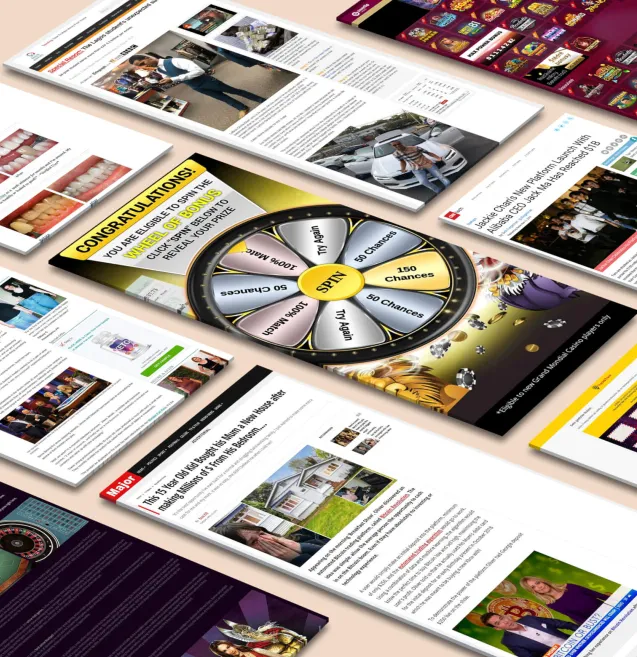
Our spy tools monitor millions of native ads from over 60+ countries and thousands of publishers.
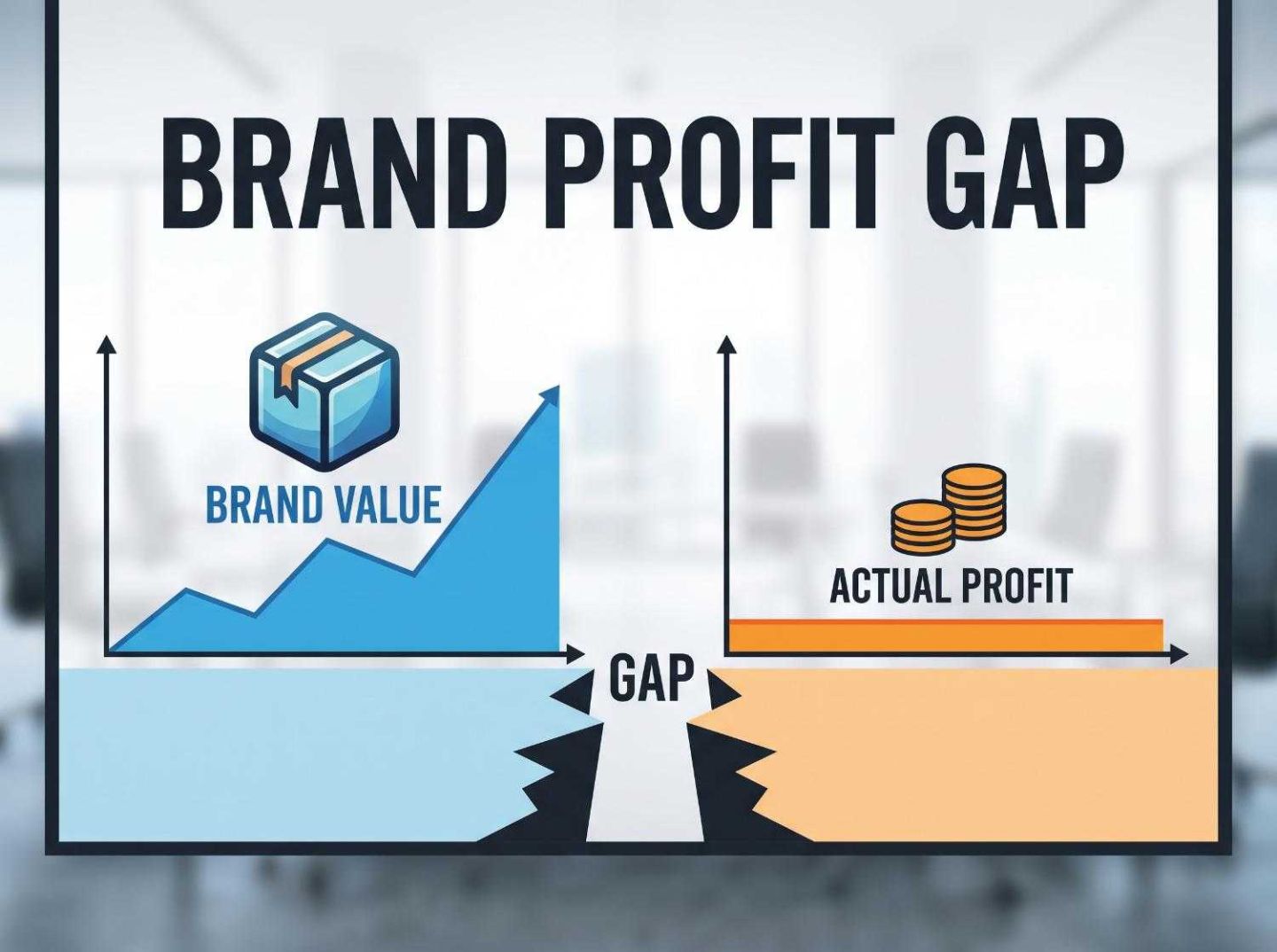
Get StartedIn most marketing orgs, there’s a quiet civil war.
On one side, the brand team is chasing Cannes Lions, TikTok virality and cinematic “platform ideas” that get the CMO a keynote slot. On the other, the performance team is judged on ROAS, CAC and whether this month’s funnel actually scales beyond a lucky spike. Both groups are smart. Both are under pressure. And both are speaking completely different languages.
The gap is widening because the environment is getting noisier. When a company like Unilever can coordinate a 300,000‑creator network producing AI-assisted content across dozens of platforms and hundreds of markets, the old ways of judging “a great idea” don’t hold. Human panels and post‑hoc brand trackers can’t keep up with a world where individual assets are being created, launched, and killed in hours, not quarters. Viral doesn’t necessarily mean viable.
At the same time, performance marketers have retreated into black boxes. Products like Performance Max and Advantage+ make it seductively easy to optimize for short‑term clicks and sales. As one strategist argued in a piece on hyper-personalization’s measurement mess, these systems are phenomenal at harvesting existing demand at the bottom of the funnel—but dangerous when they’re mistaken for a full‑funnel strategy. You end up with billions of AI-tailored ads and no clear story about what’s actually building the brand or driving incremental profit.
So the brand team ships a beautiful hero film, the performance team spins up a hundred variants, the platforms’ algorithms chew through them, and three weeks later everyone is arguing in a dashboard. The creatives point to engagement and press. The growth team points to blended CAC. Leadership is left with a familiar, uneasy question: “If this campaign was such a hit, why didn’t the numbers move?”
The core problem isn’t talent. It’s translation.
As Ian Forrester put it when describing DAIVID’s partnership with ADIN.AI, creative has been “measured in isolation, disconnected from media results”—a gap they’re closing by wiring creative-scoring models directly into activation so that assets can be scored, scaled, or paused in real time and then used as benchmarks for future planning. In parallel, AI “agents” are starting to automate cross‑channel budget decisions, continuously reallocating spend based on real‑time signals and tying results to revenue, CLV and speed‑to‑market.
Those aren’t just shiny tools; they’re early examples of a missing “translation layer” between brand buzz and backend profits. A layer that can:
This article is about building that translation layer.
You’ll see how to take the kind of work that wins social applause and juries’ votes and deliberately architect it into multi‑network, measurement‑tight ecosystems—systems where brand and performance share a scoreboard, where AI augments human judgment instead of replacing it, and where the right creative truths are repeated at scale until they show up not just in your dashboards, but in your P&L.
Brand and performance teams don’t just use different metrics; they operate on different time horizons, incentives, and even definitions of success.
Brand marketers are rewarded for cultural impact: share of conversation, earned media, big creative platforms, and moments that “put the company on the map.” Their dashboards light up when a TikTok concept takes off, a stunt lands in the press, or a glossy film gets applause in the boardroom. Performance marketers, meanwhile, are judged on CAC, ROAS, MER, LTV:CAC ratio, and whether pipelines and carts actually fill. Their dashboards light up when a new audience, creative, or offer scales efficiently beyond a lucky spike.
The tension is structural, not personal. Modern media ecosystems have made it worse by encouraging each side to optimize for its own narrow truth.
On the brand side, platforms like TikTok offer enormous upper‑funnel reach and cultural relevance, but most campaigns are still launched and evaluated in a vacuum. Even when teams follow best practices—building a rich creative supply that blends brand assets with creator content, wiring in pixels and CRM data, and using Smart+ automation as HubSpot’s TikTok integration guide recommends—the focus often stops at in‑platform metrics: views, engagement, and media cost. Without a tight loop into lifecycle data and backend revenue, “impact” gets equated with attention, not profit.
On the performance side, the pendulum has swung hard toward hyper‑personalized, bottom‑funnel efficiency. Black‑box tools like Performance Max and Advantage+ can churn out endless variants and squeeze more conversions from people already in‑market. As one analysis in AdExchanger puts it, these systems are brilliant at harvesting existing demand in strictly short‑term performance campaigns—but disastrous when miscast as full‑funnel “strategies.” Flooding the world with billions of micro‑tailored ads may improve click‑throughs, yet it erodes the shared, macro‑cultural signals that give brands leverage in the first place.
This creates a measurement paradox. Brand teams can point to cultural proof—comments, stitches, PR hits—while performance teams can point to dashboards showing where real revenue is coming from. Both are “right,” but neither can explain how a viral spike (or a long‑running brand platform) truly contributes to the efficiency of down‑funnel acquisition six or twelve months later. So the default compromise is political, not analytical: brand gets a fixed slice of budget for “awareness,” and performance is left to make the spreadsheet work with whatever demand exists.
Channel fragmentation adds even more distance between buzz and backend. Modern campaigns span search, social, native, programmatic, retail media, and email. Each platform has its own reporting logic, optimization levers, and attribution stories. As one omnichannel analysis in AdExchanger notes, agencies now spend the bulk of their time just stitching together data, reconciling reports, and managing workflows across disconnected systems. The more complex the media mix, the harder it becomes to trace a clean line from a breakthrough creative idea on one channel to incremental profit across the whole funnel.
Even channels built to be “native” and non‑intrusive can deepen the gap if they’re treated as isolated toys. A newsletter sponsorship placed through a network like Paved can deliver highly targeted exposure in a trusted inbox, yet it often gets evaluated purely on open and click metrics within that ecosystem. Without a shared conversion framework and CRM connection, performance teams see just another traffic source to squeeze; brand teams see just another logo impression to celebrate.
Underneath the dashboards, the real issue is misaligned North Stars. Brand teams are implicitly optimizing for cultural memory: the right idea for the right population over time. Performance teams are explicitly optimizing for immediate response: the right ad for the right person right now. Until those aims are reconciled inside a single operating model and measurement language, organizations will keep producing work that either wins attention without scaling profit—or hits short‑term targets while quietly starving the brand assets that make those targets achievable at all.
The translation layer is where a Cannes-bait “platform idea” gets rebuilt into something a media buyer can actually scale. It takes the brand’s hero concept and rewrites it into a performance narrative: clear problem, specific audience, concrete promise, measurable next step.
Think of it as a three-part process: narrowing the who, reframing the why, and structuring the how.
1. Narrow the “who”: from “everyone” to a performance-ready avatar
Brand campaigns are engineered for reach. The hero film is designed to feel universal; the tagline could, in theory, speak to anyone with a pulse. Performance campaigns, by contrast, work best when they feel like they were made for one person in one situation.
That’s why strong media operators obsess over the customer avatar. In one breakdown of Facebook ad strategy, a back brace brand that runs “back brace for back pain” competes with the whole world; the version that targets “construction workers who deal with chronic back pain from lifting and bending,” with visuals that look like job sites, consistently reaches a far more qualified audience, as.
The translation layer takes a brand platform like “Move Freely” and asks: move who, from what, to where?
Each becomes a discrete performance narrative, with its own targeting, creative variant, and landing path. The big brand line stays, but it’s now anchored in a specific context and set of constraints the ad platform can actually optimize against.
2. Reframe the “why”: from cultural resonance to problem–solution tension
Brand stories usually orbit around identity, values, or cultural relevance. Performance stories orbit around a knife-edge problem and a believable outcome.
The bridge is a simple but ruthless question: “What concrete struggle is our hero campaign hinting at, and how do we make that struggle explicit?”
For every emotive brand moment, the translation layer teases out:
This is why strong direct-response creatives are often structured as problem–solution ads. The goal is not cleverness; it’s manufacturing “hits” — ads that beat a ROAS target and capture a disproportionate share of spend, as outlined in Social Media Examiner’s discussion of hit-making creative. The hero concept provides the emotional ceiling; the translated narrative tightens it into a tension that makes someone click now.
3. Structure the “how”: from one big story to a modular funnel narrative
A brand film is linear. A performance funnel is modular. The translation layer disassembles the hero story into reusable pieces matched to funnel stages and channel behavior.
Modern platforms and integrations make that modularity much easier to manage. When data from TikTok campaigns can sync directly into a CRM, lifecycle and purchase behavior can inform which creative module a prospect sees next, rather than blasting everyone with the same hero cutdown. For example, a native integration between TikTok and HubSpot’s Marketing Hub allows marketers to use lifecycle stage and deal history to decide whether someone should see a broad brand hook or a narrow conversion ad, with campaign-level insights flowing back to inform both teams, as the.
Behind the scenes, AI-driven tools can now test thousands of combinations of headlines, visuals, and calls to action, continuously reallocating budget toward the narratives that are actually moving revenue, not just generating impressions. That kind of agentic optimization — where systems dynamically adjust creative and spend based on real-time performance signals — is already helping organizations cut cost-per-lead and shorten sales cycles, as MarTech’s coverage of AI agents in media buying details.
The takeaway: the translation layer is not a deck or a “brief rewrite.” It’s a working framework that turns an abstract brand promise into a portfolio of tightly defined, testable performance stories, all aligned to the same hero idea but engineered to win inside the auction.
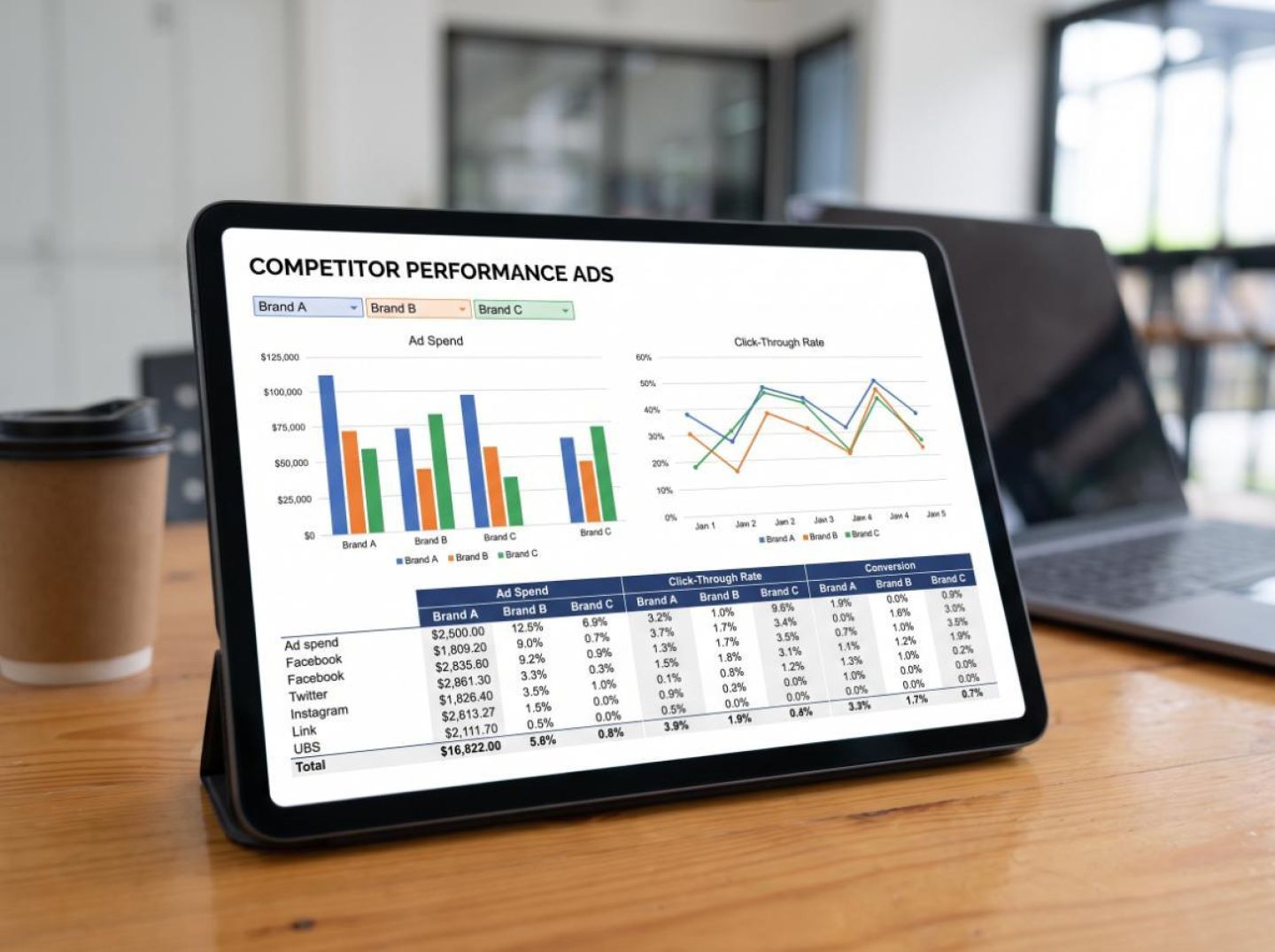
If the translation layer is how you turn a big idea into a performance narrative, competitive intel is how you avoid reinventing the wheel. The goal isn’t to copy your rivals’ cleverest stunts. It’s to reverse‑engineer which of their campaigns actually scale, then steal the underlying mechanics.
The simplest place to start is longevity. When you scan a category in Meta’s Ads Library or TikTok’s Creative Center, ignore the shiny new drops and sort by “running longest” or highest impression counts. As performance strategists quoted in a recent piece on scaling Facebook ads explain, ad longevity is a reliable proxy for profitability because losers get shut off quickly while winners quietly compound over time in the background of the account’s spend mix, a pattern Social Media Examiner highlights as a hallmark of “hits.” If a competitor has been paying to show the same message, angle, and structure for months, assume there is a working unit economics story under the hood.
But don’t stop at the creative itself. The real intel comes from asking: “What funnel does this asset belong to, and what would it take to scale something similar?”
Work backwards from the ad. A punchy, 15‑second UGC testimonial promising fast outcomes with a strong call to action is likely a mid‑ to bottom‑funnel asset: it assumes problem awareness, leans on proof, and drives straight to a purchase or lead form. A longer, story‑driven video with looser CTAs (“Learn more,” “See how it works”) is probably a prospecting or education piece. This distinction matters because, as one AdExchanger column on personalization warned, hyper‑tuned creatives shine only in narrow, bottom‑funnel harvesting campaigns. If your competitor’s hero ad is clearly a broad awareness play, don’t assume you can plug‑and‑play the same structure into a direct‑response campaign and see comparable ROAS.
Next, infer the media and data spine supporting what you see. When a brand is running a large mix of creatives against many small audiences or interest stacks, and you notice frequent rotation, you’re likely looking at an aggressively optimized, algorithm‑first setup. Modern omnichannel advertisers increasingly rely on AI to orchestrate planning, activation, and optimization across platforms, as one piece on AI‑driven workflow orchestration in AdExchanger describes. That means their scalability advantage might not just be “better creative,” but faster learning cycles: more inputs, more structured testing, tighter feedback loops.
To compete, you need your own version of that learning engine, not just better jokes in your ads. That starts with instrumentation. Take TikTok as a case study: brands that connect their pixel, events APIs, and CRM to build closed‑loop signals are the ones that consistently scale spend while maintaining efficiency, according to a recent breakdown of missed opportunities in TikTok campaigns from HubSpot’s marketing team. When you see a rival blanketing TikTok with variations of the same core concept, assume they’re not “spraying and praying”; they’re feeding platform algorithms high‑quality conversion data and reallocating budget to winners in something close to real time.
Competitive intel should also extend beyond walled gardens into native and email placements. If your category leaders consistently appear in newsletter ad slots or sponsored content widgets, you can infer that they’ve validated a CPA there and that the network offers enough inventory to matter. Platforms like Paved are explicitly built to help brands target precise B2B and DTC profiles across large newsletter inventories and then A/B test and scale email‑native creative, a capability AdPushup’s overview of native ad networks points to as a core growth lever. When you see repeated placements in the same environments, you’re looking at proof that those channels can absorb more budget while staying within target economics.
The final piece is pattern recognition across channels. Scalable campaigns often share a “spine”: one or two winning narratives expressed in different formats—short‑form UGC on TikTok, slightly more polished video on Meta, text‑led native placements in newsletters, and maybe an SEO‑driven landing page to catch high‑intent search. When you notice the same angles and promises echoing from social ads to email to sponsored content, you’re not just seeing brand consistency; you’re seeing a performance story that’s portable.
Reverse‑engineering what actually scales means mapping those patterns into a simple framework:
Answer those questions, and you’ll walk away not with a folder of envy‑inducing screenshots, but with a short list of proven narratives, formats, and channels you can adapt, pressure‑test, and ultimately plug into your own scalable funnels.
Start by defining “competitors” more broadly than whoever sells the exact same SKU as you. You’re looking for 3–5 brands that:
Think “analog brands”: the mattress company with a similar price point and buying cycle, the SaaS tool selling to the same operations leader, or the CPG company solving the same daily pain, even if the product is different.
For most consumer brands, start with Meta’s Ads Library, TikTok’s Creative Center, and Google’s Ad Transparency tools. Plug in:
Sort what you find by longevity and breadth, not cleverness. As Social Media Examiner explains about Facebook campaigns that scale, ads that have been running the longest and show high impression counts are your strongest proxy for winners. The brands repeatedly showing up with long‑running creatives are your first batch of performance competitors.
From there, cluster what you see:
You want at least one brand in each major paid channel you care about, so your 3–5‑brand shortlist gives you a cross‑section of performance approaches.
Some of the best learnings come from outside your literal niche but inside your buying motion. A DTC supplement company selling on subscription can learn as much from a high‑performing newsletter sponsor as from another vitamin brand.
Native networks like Paved, which places performance‑driven sponsors inside newsletters from brands like Dropbox and HubSpot, are a good hunting ground for these analogs. Because Paved’s email sponsorship network is designed around CPC and measurable ROI, the advertisers you see there are, by definition, running performance campaigns. If you spot a brand that:
they’re a valuable analog, even if they’re in a different vertical.
Pull 1–2 such analogs into your list. Their funnels may reveal scaling patterns—especially in channels (email, native) your direct competitors are ignoring.
Not every visible advertiser is useful. You’re specifically hunting for brands whose behavior signals a performance mindset:
If a brand looks stunning but never pushes for a measurable next step, deprioritize them. You’re building a lab bench, not a mood board.
Finally, you want to confirm that these 3–5 brands can actually capture and convert the attention they’re buying. Click through:
Brands that check those boxes are your true performance competitors. They’re not just running trendy campaigns; they’re operating scalable funnels. Those are the ones worth reverse‑engineering in the next step.
Once you’ve picked your 3–5 analog brands, your next move is to pull their longest‑running, highest‑impression creatives by channel. You’re not trying to collect everything they’ve ever shipped. You’re building a curated reel of what the market has already proven it will tolerate at scale.
On paid social, longevity is your first filter. In Meta’s Ads Library, plug in each competitor, choose “All ads,” and then sort by “Impressions” or scan for “Active since” dates. Any creative that’s been live for 90+ days and still has spend behind it is almost certainly clearing that brand’s efficiency bar. As performance marketers like Sam Thomas from Social Media Examiner’s guide to blowing up an ecommerce business with Facebook ads point out, brands ruthlessly kill losers; they don’t let weak creative soak budget quarter after quarter. So a six‑month‑old ad isn’t just a “good idea” — it’s a durable economic asset.
On TikTok, apply the same logic with a platform‑specific twist. Use the Creative Center and TikTok’s built‑in ad transparency tools to:
Because TikTok’s auction optimizes so heavily around engagement and post‑click signals, any video that’s able to hold delivery and volume over time is a strong indicator of a creative pattern the algorithm likes. As TikTok’s own case studies and HubSpot’s breakdown of running TikTok campaigns with impact emphasize, the winners are the assets the system keeps rewarding once it has real performance data. Those are the ones you care about.
Do the same exercise channel by channel:
As you collect, enforce a simple discipline: separate brand “films” from performance assets. A glossy 90‑second manifesto that appears only during seasonal pushes is not your benchmark. Instead, prioritize:
This is the pattern you’re hunting: a core idea that survives endless iteration. That’s what creative‑effectiveness platforms like DAIVID and ADIN.AI are trying to algorithmically detect — which assets keep winning even as budgets and contexts change. You’re doing the same thing manually inside your niche.
Finally, tag each saved creative with the metrics you can infer: “running 120+ days,” “shows across 10+ publishers,” “multiple language versions,” “seen on both TikTok and Meta.” The more a single idea shows up across channels and geos, the more confident you can be that you’re staring at a backend profit engine, not a one‑off brand stunt.
By the end of this pass, you should have a lean swipe file per channel: not every ad your competitors have ever tested, but the handful of creatives they’re willing to keep feeding serious money. Those are the inputs you’ll mine in the next step to design campaigns that start with brand buzz and end in scalable, repeatable revenue.
Receive top converting landing pages in your inbox every week from us.
Most Read
Discover how OOH teams can use Native, Push, and TikTok ad intelligence to move beyond location-first planning and build smarter, audience-driven campaigns. This guide shows how to translate digital creative, targeting, and performance signals into OOH ideas, test them in the physical world, and feed the results back into digital campaigns.
David Kim
7 minOct 4, 2026
Must Read
Learn how to bridge the gap between brand buzz and backend profits by turning high-impact campaigns into scalable, measurable performance funnels. This guide shows how to translate hero concepts into performance narratives, reverse-engineer competitors, and identify creative patterns that can scale across channels.
Elena Morales
7 minOct 3, 2026
Guide
Discover how performance marketers can turn award-worthy creative into scalable Native, Push, and Pop campaigns by separating creative fame from measurable performance. This guide shows how to use Anstrex, AI-driven testing, and modular funnel frameworks to reverse-engineer proven creative structures and scale the ones that actually convert.
Priya Kapoor
7 minOct 3, 2026