10 minOctober 3, 2026

Our spy tools monitor millions of native ads from over 60+ countries and thousands of publishers.
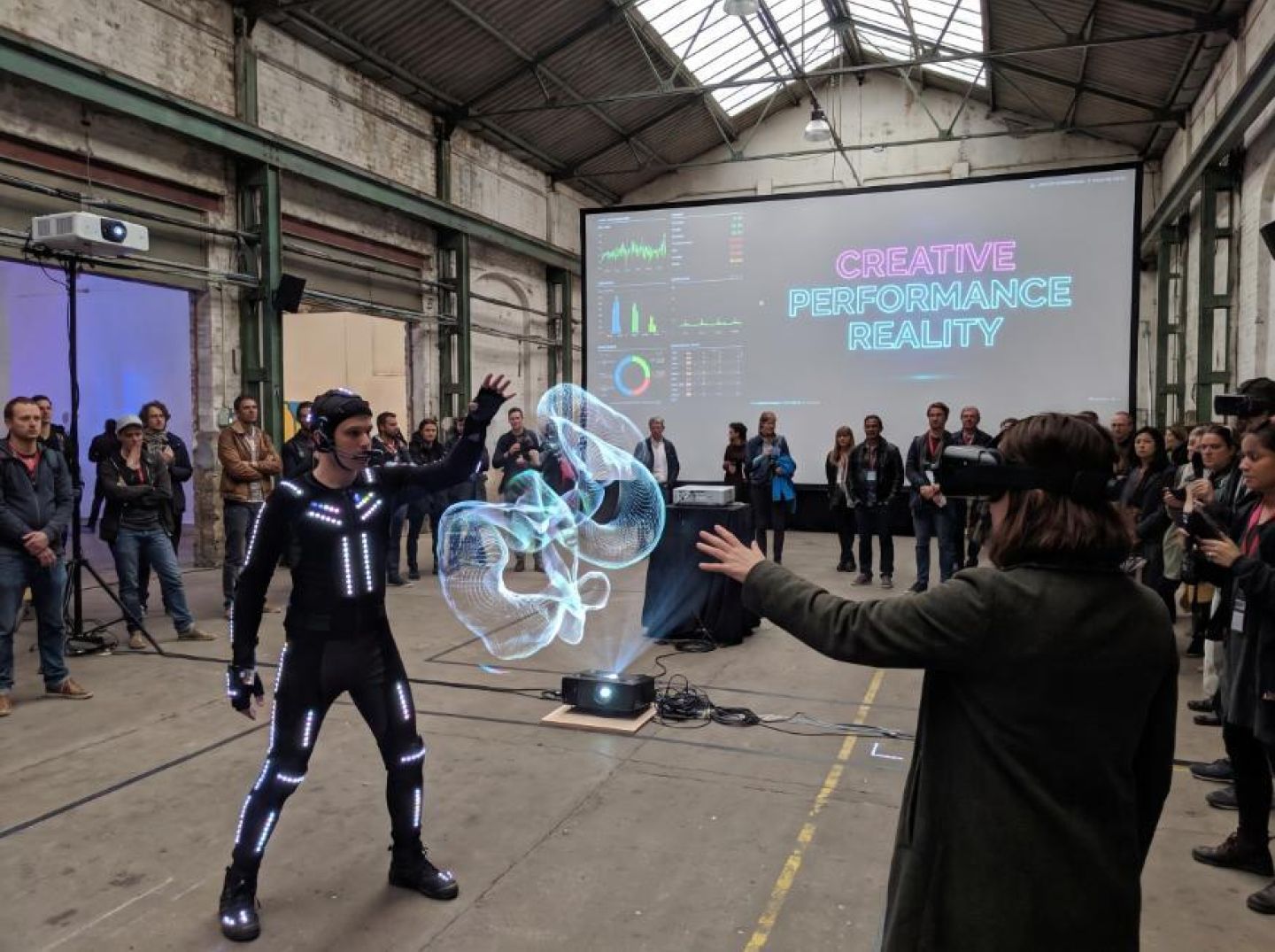
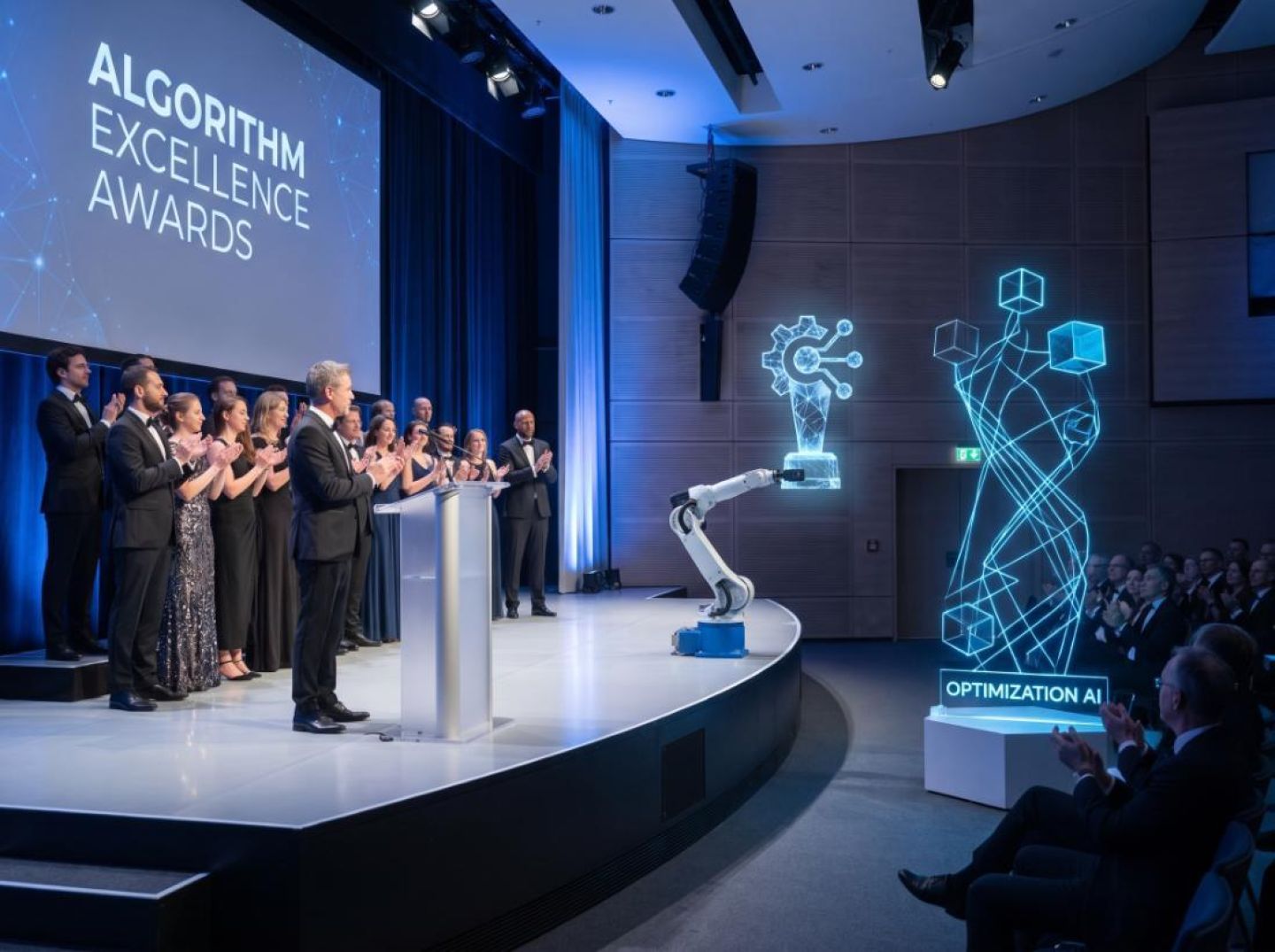
Get StartedEvery June, the same story plays out. A handful of “breakthrough” campaigns walk off the Cannes stage with shiny metal and breathless write‑ups. The industry reposts the director’s cut on LinkedIn, creative teams deconstruct the edit frame by frame, and someone inevitably declares that “great work always works.”
Meanwhile, the real money is being made by ads nobody will ever screenshot for a deck.
Those same big ideas—emotional hooks, problem‑solution narratives, oddball characters, contrarian product claims—are quietly being atomized into thousands of tiny, ruthlessly optimized units: native advertorials, push notifications, pop‑under landers, in‑feed cards, in‑app interstitials. They don’t win Lions, but they do win arbitrage. And performance marketers who understand how to systematically translate award‑bait into testable, scalable creative systems are the ones walking away with the profit.
The gap between creative fame and media data is widening. On one side, you have a culture that still celebrates singular “hero” assets and treats media as an afterthought. On the other, you have AI‑driven, always‑on ecosystems where creative is scored, ranked, and iterated in real time across hundreds of placements. As Ian Forrester put it, creative has long been “measured in isolation, disconnected from media results.” That disconnect is deadly once your campaigns live inside native networks and pop traffic sources where a headline tweak can swing ROI 30% overnight.
Look at what’s happening at the bleeding edge. Platforms like ADIN.AI and DAIVID are wiring creative effectiveness models directly into media execution, creating what they describe as a “live loop” where the system predicts winners before launch, scales top performers while campaigns run, and then feeds historical results back into future planning, as Search Engine Journal explained. At the same time, programmatic creative and DCO are turning banners and video into effectively infinite test beds—“ad factories” where thousands of variants are assembled and optimized automatically, as the.
In other words: the infrastructure to weaponize creative at scale already exists. But most performance marketers still treat award‑winning concepts as inspiration, not as structured input into a data machine.
That’s a missed edge.
AI‑native advertising rewards speed and volume. When execution is automated and agents can spin up and test hundreds of variants, advantage comes from upstream clarity: sharper narratives, more precise messaging hierarchies, and a bench of creative angles ready to be exploded into tests, as MarTech argues. Retail media has already shown that when you plug better creative into high‑intent environments, brand lift and performance move together; P&G’s surge in off‑site retail media spend is a bet on exactly that blend of reach, relevance, and measurable impact, as.
Native and pop are just the less fashionable, more brutally honest cousins of those environments.
The performance marketer’s opportunity is not to become a Cannes‑caliber art director. It’s to systematically reverse‑engineer what makes those “breakthrough” ads work—and then deploy those mechanics across thousands of units, channels, and audiences with cold, unemotional rigor.
That’s where Anstrex comes in.
Instead of guessing how to translate a clever film or viral social clip into native headlines, push angles, and pre‑landers, you can spy on how top affiliates and brands are already doing it—at scale, in the wild, with spend behind them. Anstrex’s competitive intelligence turns creative buzz into a dataset: which angles publishers actually run, which formats survive long enough to indicate profit, how copy, imagery, and offers shift by GEO, device, and traffic type.
This article is about closing that loop. You’ll see how to take the kinds of ideas that win awards and plug them into the same kind of live, feedback‑rich systems powering AI‑native media and programmatic creative—so your “big idea” doesn’t just look good in a case study, it prints money across native, push, and pop long after the trophies have gone back in the cabinet.
The industry loves to believe that if an idea is powerful enough, the media will simply “catch up.” But in performance reality, the causality runs the other way: media decides what survives, and creative either adapts or dies quietly in an A/B test.
Award‑winning work is usually judged in a vacuum. Case studies focus on the story, the craft, and a handful of hand‑picked metrics: a lift in brand love here, a “3x engagement” chart there, maybe a vague nod to “business impact.” What they rarely show is how that creative behaved when it was dropped into the chaos of thousands of impressions, dozens of traffic sources, shifting audiences, and ruthless ROI targets.
This is where the gap opens up. Creative fame is conferred in controlled conditions; performance success is earned in hostile ones.
Historically, creative effectiveness has been measured “in isolation” from media reality. Brand campaigns, especially those extended into native or content‑driven formats, are often planned around soft goals like awareness or “consideration,” with success judged by recall studies and qualitative feedback. Even in channels that are inherently measurable, such as native, many marketers still approach creative like an end in itself. As the team behind Voluum’s guide to native ads tracking points out, treating campaigns without rigorous measurement is “art for art’s sake” — you may have a beautiful execution, but you have no idea whether your headlines, thumbnails, or angles are actually compounding profit over time.
Performance media does not grant that kind of indulgence. On native and pop traffic, every single asset — headline, image, prelander, button color, even the order of bullets — is a variable in a live auction. The “sweet spot” where an ad blends into its environment just enough to be trusted, yet stands out enough to be noticed, is discovered statistically, not aesthetically. According to that same Voluum analysis, this optimization only happens when each change in creative or targeting is tied back to measurable changes in outcomes like purchases, app installs, and long‑term ROI. Anything else is guesswork dressed up as taste.
The scale and speed of today’s media environment make this disconnect worse. A “big idea” used to be sliced into a TV spot, a print ad, some OOH, and maybe a few display banners. Now, a single concept must fragment into hundreds of versions: different headlines for dozens of native widgets, mobile vs. desktop variants, pop landers tuned to different geos, language and compliance variations, and so on. Programmatic environments treat creative as a dynamic input stream. As one overview of programmatic creative notes, modern systems are effectively “ad factories” that can generate and test thousands of unique combinations at once, continually refining toward higher ROI.
Human judgment and traditional “one‑shot” testing simply cannot keep up. A strategist can’t eyeball 50 thumbnails and reliably predict which five will clear the click‑through and conversion thresholds on three different exchanges, at three different bid levels, across five audiences. Nor can a quarterly brand‑lift study tell you which of 30 micro‑variants of a headline is systematically improving ROAS on Thursday evenings in Tier‑2 Android traffic.
Machine‑driven optimization is already filling that gap on the media side. In the broader adtech ecosystem, autonomous and predictive systems are increasingly responsible for deciding where impressions run, how much to bid, and which user segments are worth chasing. As one overview of AI in adtech from illumin explains, platforms now use historical behavior to identify likely converters, shift budget away from deteriorating audiences, and automatically test different creative combinations in real time. Dynamic Creative Optimization takes that even further, assembling and serving the best‑performing creative variants on the fly for each context.
The problem is that while media has become algorithmic, creative decision‑making inside most brands and agencies has not. Ideas are still green‑lit by rooms of humans, validated by slow and expensive research, then pushed into environments where machines — on both the buy and sell sides — treat them as just another variable to be arbitraged.
That structural lag is exactly what media arbitrageurs exploit. They don’t care whether a concept ever trends on LinkedIn. They care that, for a given slice of traffic, one ugly-but-compelling image paired with a blunt, curiosity‑driven headline yields a 27% cheaper acquisition than the client’s polished hero asset. They weaponize the gap between what the industry celebrates and what the numbers reward.
Until creative is engineered to live inside this data‑rich, machine‑mediated reality — instead of sitting on a pedestal outside it — award‑worthy ads will continue to underperform in native and pop, and the quiet, “unsexy” operators will keep mining the spread between fame and performance.
In the old model, creative fame and media performance lived on opposite sides of the wall. Creatives made “the work,” media bought “the eyeballs,” and any connection between the two was retrofitted into a case study after the fact. AI‑native advertising is tearing that wall down.
On the enterprise side, autonomous media systems are already wiring creative quality directly into buying decisions. AI doesn’t just optimize bids; it ingests hundreds or thousands of assets, scores them continuously, and links those scores to performance in real time. As one overview of AI‑native advertising explains, the point isn’t simply faster trafficking—it’s building feedback loops where the system can test “hundreds of creative variants” and surface winners in days, not quarters.
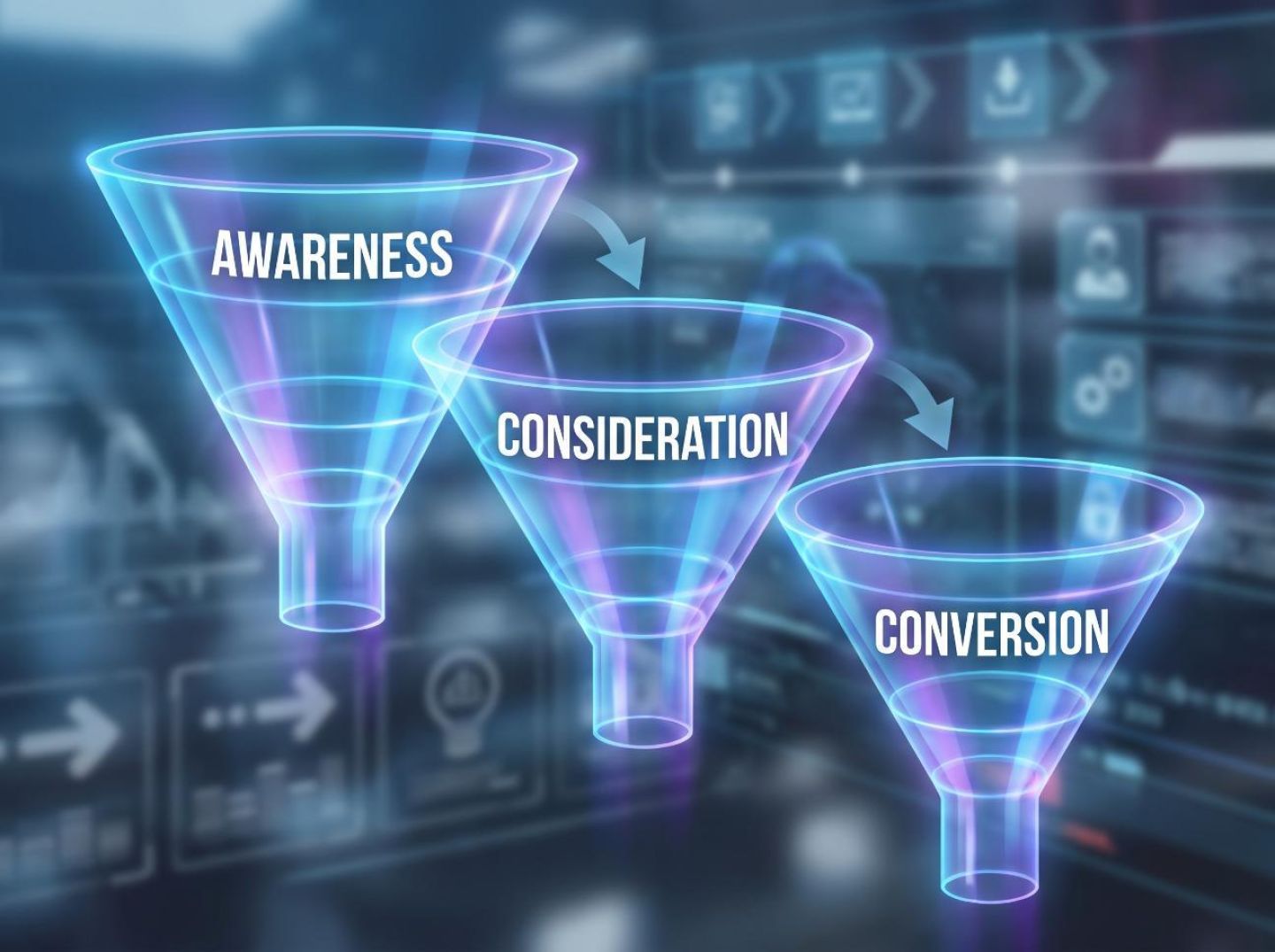
That loop looks like this:
As MarTech describes it, the next phase is “agentic AI”—systems that don’t just follow bidding rules but “experiment continuously, reallocating budget, adjusting targeting, and refining creative without human intervention.” In other words, the machine is not just buying media; it is constantly rewriting the media strategy based on how creative actually performs.
At the same time, creative itself is becoming a targeting signal. When platforms lean into broad or intent‑based audiences, vague messaging is no longer rescued by tight targeting. Instead, algorithms rely on how people interact with the ad to infer who it’s really for. That’s why one analysis argues that AI is effectively making “creative the new targeting”: the copy, imagery, and structure of the ad help users self‑select in or out, giving machine learning “cleaner signals” to optimize against.
Enterprise DCO systems operationalize this by automatically mixing and matching headlines, visuals, and CTAs, then feeding performance data back into the creative model. According to an overview of AI‑driven DCO, these systems can “significantly improve conversion performance” by selecting the best creative combination for each context in real time. The machine learns that certain emotional angles, value props, or story structures tend to pull the right people through the funnel on specific placements—and it doubles down.
For affiliates and performance media buyers, this is the exact same loop you’ve always run—just at an enterprise scale and speed: test, track, kill losers, scale winners. The difference now is that AI is closing the loop between creative quality and media performance so tightly that the boundary between “idea” and “buy” is starting to disappear.
That’s where award‑winning work becomes more than industry gossip; it becomes upstream signal.
In a world where AI systems can “score creative at scale” and tie those scores to outcomes, fame is simply another dataset. Press, juries, and social virality are humans doing early labeling: they’re telling you which concepts feel fresh, distinctive, or emotionally loaded enough to stand out. Autonomous media platforms are already doing this internally with engagement metrics; savvy performance marketers can do it externally with cultural metrics.
Think of creative recognition—awards lists, write‑ups, viral threads—as the top of your manual scoring system:
Enterprise advertisers are trusting autonomous AI to execute that loop continuously across walled gardens and open web inventory. As one analysis of autonomous AI in AdTech notes, these systems are already “reshaping how inventory is bought, optimized, and measured,” with budget flowing in real time to the creative‑placement pairs that actually convert.
For performance marketers, the opportunity is to reverse‑engineer that same blueprint: let creativity’s cultural signals decide what enters your testing machine, then let ruthless, data‑driven experimentation decide what deserves media scale. In that world, awards aren’t the proof of effectiveness; they’re the raw material for it.
Native, push, and pops are where brand storytelling quietly mutates into something much sharper: direct response infrastructure. The same formats global brands use for “soft” awareness are being reverse‑engineered by affiliates and performance teams into hard‑edged funnels optimized for CTR, lead volume, and ROAS.
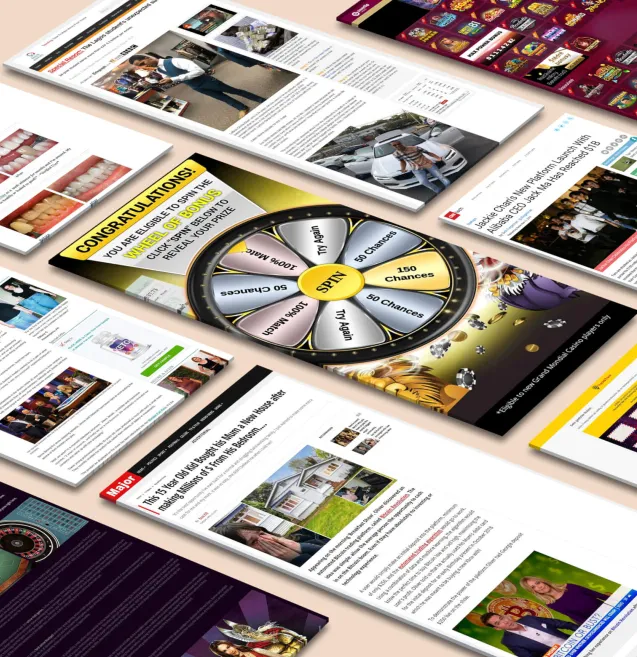
Look at native first. Big advertisers love it because it “feels like editorial” — the in‑feed thumbnail, the curiosity headline, the promise of a story. That structure is gold for brand lift, but it’s even more valuable when you treat every impression as the top of a sales letter. Native widgets on news sites and content portals already train users to expect an article, not an ad. Performance buyers simply finish that thought: they drive the click to an advertorial, a presell, or a survey funnel that behaves exactly like a piece of long‑form content while quietly doing qualification, objection‑handling, and segmentation.
This is where the line between brand and performance starts to blur. Programmatic creative and Dynamic Creative Optimization were built to connect creative variations with granular media outcomes, continuously assembling and refining assets based on what drives engagement and conversion. As the team at MobileAds explains, programmatic creative exists to “fully utilize the data” behind media spend, generating and testing thousands of creative combinations at speed. Native placements become the proving ground: dozens of headlines, hooks, and thumbnails rotate into the same “editorial” frame, and the winners are not the most beautiful, but the ones that push the most people into — and through — the funnel.
On the brand side, this looks like incremental reach and awareness. On the performance side, it’s a live lab where every creative nuance is scored against downstream metrics: lead quality, AOV, LTV. That same collapsing of creative and media evaluation is happening at the enterprise level as well. When platforms like ADIN.AI pipe creative‑effectiveness models directly into media execution, they create the “live loop” that Search Engine Journal describes — the ability to pre‑score concepts, scale only what performs, and kill weak variants in real time. Native, because it already mimics content, becomes the ideal surface for those AI‑driven tests.
Push and pop traffic might feel less “on brand,” but they exploit the same mechanism. A push notification with a headline that smells like breaking news, or a pop that hijacks attention between pages, is just an aggressive version of the native promise: “there’s something important you should see; click here.” Once the user bites, performance marketers route them into the same machinery brands use for “immersive storytelling” — only now that immersion is a quiz that qualifies intent, a multi‑page presell that stacks proof, or a product story that ends in a credit card field instead of a brand film.
The irony is that brands have already validated these structures. Retail media, for example, has shown that context‑rich placements — on‑site content, in‑store screens, off‑site inventory — can both build brands and drive measurable sales, particularly when creative and media are tightly coordinated. As one recent Adweek analysis of retail media noted, higher‑impact placements at the point of need don’t just nudge awareness; they directly introduce new buyers and win customers away from competitors. Native and pop environments function the same way: they catch people mid‑scroll or mid‑task, then immediately reframe that moment as the first step of a buying journey.
This is why native and its cousins sit squarely at the intersection of branding and performance. The features that make them attractive to CMOs — story‑driven layouts, high content density, context that “feels like media” instead of banner spam — are precisely what make them lethal for affiliates. A 1,200‑word advertorial can carry emotional arcs, founder myths, social proof, and FAQ‑style objection handling in ways a 30‑second spot never can. A survey funnel can double as market research while segmenting users into high‑intent cohorts. Each click is both data and revenue.
AI only accelerates this convergence. As autonomous buying systems learn to weigh creative quality alongside bid and audience — much like illumin’s overview of AI in AdTech describes, where generative and predictive models jointly optimize creative and inventory — native, push, and pop campaigns stop being “just another traffic source.” They become programmable canvases where award‑worthy ideas are torn down into components, reassembled into presells and quizzes, and then scaled or discarded based purely on their ability to move product. In that ecosystem, the most valuable brand campaigns are the ones with a narrative spine strong enough to survive the journey from Cannes case study to quiz funnel — and still convert cold traffic on a Tuesday afternoon.
Start by assuming every “famous” idea you see in Anstrex is guilty until proven scalable.
Award-winning and brand‑viral concepts absolutely show up in native, push, and pops — but you need to separate creative fame from performance reality. That means using spy tools and your tracker to answer three boring, unsexy questions:
Everything else is hype.
When you scan Anstrex for your vertical, look for concepts that feel suspiciously familiar:
Because creative is increasingly the new targeting layer, high‑signal ideas tend to echo across channels. As one analysis of AI‑native advertising notes, brands that can spin “hundreds of variations quickly” gain a speed edge, forcing everyone else to react to the same tentpole concepts in real time as.
Your job here is just to tag those ideas mentally: “Ah, this is the ‘X celebrity shock’ angle” or “this is the ‘doctor hates this’ visual logic.” Don’t copy them yet.
Next, switch from vibes to evidence.
In Anstrex, filter by:
What you’re really asking is: “Is this just a clever one‑off, or has someone committed real budget behind this idea?” In an ecosystem where AI‑driven systems continuously reallocate spend toward what works, as illumin describes, weak concepts simply don’t survive at scale for long.
If you see the same structural idea — not pixel‑perfect creative, but the same narrative skeleton — running for months, across multiple publishers and devices, you’ve likely found a repurposed winner.
Now map the evolution of the concept:
In Anstrex, click through variants of that advertiser’s creative set. Ask:
Those constants are the “creative structure” you care about. That structure — not the exact headline or hero image — is what’s being stress‑tested and proven profitable by media buyers who are already wiring creative performance into autonomous optimization loops, much like AI‑powered DCO adapts assets by testing combinations of headlines, visuals, and CTAs as.
Click through from every high‑duration ad into its landing paths:
Chart it out. You’ll typically see that “famous” ideas are just recognizable wrappers on very standard DR funnels: listicles, quizzes, comparison pages, authority‑style articles.
Document:
This is where you really distinguish hype from performance. If the “cool” concept you spotted in one sexy native ad collapses into a weak, generic lander that almost never reappears in your sample, it’s probably a case study, not a cash cow.
By now, you’ve answered:
Only then should you build your own campaigns — mimicking:
Don’t steal the award‑winning headline; steal the way it frames a specific audience, outcome, and tension.
In a world where dynamic creative and autonomous buying ruthlessly reward what works, “creative fame” is just a useful discovery layer. The real edge comes from using tools like Anstrex and your tracker to decode the underlying machine‑fed structure — then rebuilding that skeleton in your own language, offer, and brand context.
The reason award ads so often flop in performance channels is simple: people clone the wrapper instead of the psychology.
What scales on native, push, and pops isn’t the exact visual or tagline; it’s the underlying sequence of promise → tension → proof → payoff rebuilt as modular, testable units across your funnel.
Think of yourself less as a “creative thief” and more as a “creative engineer.”
When you spot a “famous” concept in Anstrex, ignore the polish for a moment and map four pillars:
Award-winning brand work often compresses this into 30–60 seconds. Your job is to stretch it across an entire DR funnel so each component does one job extremely well and can be swapped or optimized like a Lego brick.
This is exactly what programmatic creative systems do when they treat creatives as data objects that can be dynamically assembled and optimized rather than sacred art pieces, a point the MobileAds blog makes about DCO being an “ad factory” for thousands of variations.
Once you’ve decoded the core psychology, rebuild it into four modules you can test independently:
Each traffic type gets its own expression of the same spine.
Native already “feels like editorial,” and its strength is exactly what Voluum’s native tracking guide highlights: visitors arrive with their guard down, ready to consume more content than a normal display ad would allow.
Framework:
Because native funnels are long and multi-step, you need tight instrumentation; proper tracking lets you see which piece is failing, not just whether “campaign X” works, which is exactly why Voluum insists tracking isn’t “art for art’s sake” but the engine of optimization.
Push is brutally constrained: small image, tiny text, fleeting attention. So you compress the same psychological spine into a two-step micro-drama:
The landing page then does the heavy lifting on tension and proof, using the same story architecture as your native presell, but in a more direct, mobile-first layout.
Here’s where AI-driven creative systems shine: as illumin’s analysis of AI in AdTech notes, generative tools can automatically test combinations of headlines, images, and CTAs to find the best-performing versions for different audiences. You’re not reinventing the big idea each time; you’re letting machines iterate the micro-variants of your promise and tension.
With pops, you “own” the screen for a moment, so lead with tension and clarity:
For aggressive geos or verticals (sweepstakes, utilities, antivirus), you can fold the presell into the pop itself: a single-screen hybrid of ad + presell that moves the user straight to the offer while still telling a minimal story.
Instead of “this campaign,” think in modules:
This mirrors how programmatic creative systems and AI-powered DCO work: they treat creatives as interchangeable components that can be recombined and optimized against real-time performance data.
You’re doing the same thing manually (with a tracker and spy tools) across native, push, and pops: decode the brand idea into its psychological chassis, rebuild it as modular DR components, and then let data—not awards—decide which combinations deserve scale.
Receive top converting landing pages in your inbox every week from us.
Most Read
Discover how OOH teams can use Native, Push, and TikTok ad intelligence to move beyond location-first planning and build smarter, audience-driven campaigns. This guide shows how to translate digital creative, targeting, and performance signals into OOH ideas, test them in the physical world, and feed the results back into digital campaigns.
David Kim
7 minOct 4, 2026
Must Read
Learn how to bridge the gap between brand buzz and backend profits by turning high-impact campaigns into scalable, measurable performance funnels. This guide shows how to translate hero concepts into performance narratives, reverse-engineer competitors, and identify creative patterns that can scale across channels.
Elena Morales
7 minOct 3, 2026
Guide
Discover how performance marketers can turn award-worthy creative into scalable Native, Push, and Pop campaigns by separating creative fame from measurable performance. This guide shows how to use Anstrex, AI-driven testing, and modular funnel frameworks to reverse-engineer proven creative structures and scale the ones that actually convert.
Priya Kapoor
7 minOct 3, 2026