Our tools monitor millions of native, push, pop, and TikTok advertising campaigns.
Get StartedAre you having trouble managing all your native ads in various traffic platforms? Let’s say you have a specific image, title and text combination and you are trying it across networks, how can you determine what placement, website and traffic network it’s working best in? Which network offers the best price? If you are switching from one browser tab to the next just to check this information, you are using up a lot of your time and effort. There is one solution for this though, and that is by using a DSP.
DSP, short for Demand Side Platform, is a software that allows you to monitor and buy ad placements from various sources in real-time. This platform lets you manage your banner, video, search, native ads and more from various networks by integrating all these sources and ad exchanges in one place. Arguably, many ad networks already offer a similar feature in order to compete with DSPs; however, the main advantage of using a DSP is that their coverage is wider. This is the reason why agencies and advertisers with bigger budgets opt for DSP.
If you are thinking of using DSP to advertise your business and offers, here are the top ones to choose from:
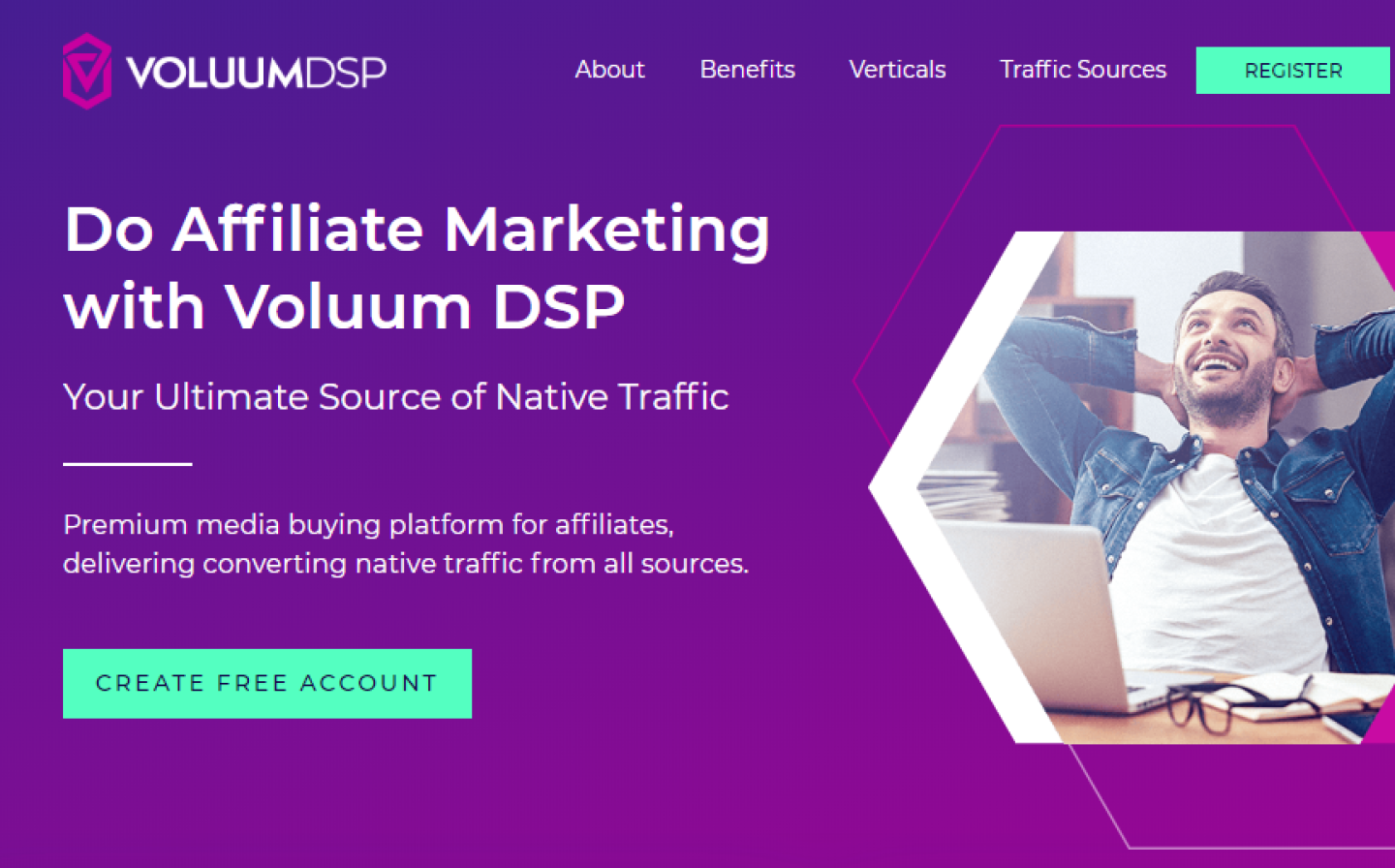
One of the newest native advertising DSPs, Voluum is already a popular name in the affiliate marketing space because of their top performing tracker of the same name. This native advertising DSP platform is affiliate-friendly as its minimum funding amount is only $500. You can top up using a credit card, wire transfer or Paypal.
Voluum DSP is integrated with more than 30 ad exchanges and native ads traffic providers such as Outbrain, Powerinbox, My6Sense, Polymorph, RevContent, and LiveIntent. There is no need for you to have an account with each of these sources to buy traffic from them if you use this platform. However, it’s important to learn the regulations from each source to prevent your ads from getting rejected.
The three main advantages of using Voluum DSP are:
Their traffic is said to work for lead generation, gaming, anti-virus, e-commerce, finance, and health & beauty.
This DSP is integrated with 35 native supply partners, which includes 800 plus premium publishers. Some of their websites are BBC, CNN, Washington Examiner, and CoinDesk. Earnify brings forth more than 400 billion monthly ad impressions globally.
The top three features of Earnify are:
Minimum deposit is only $100, so it’s perfect for newbie affiliates wanting to try Native Advertising with DSPs.
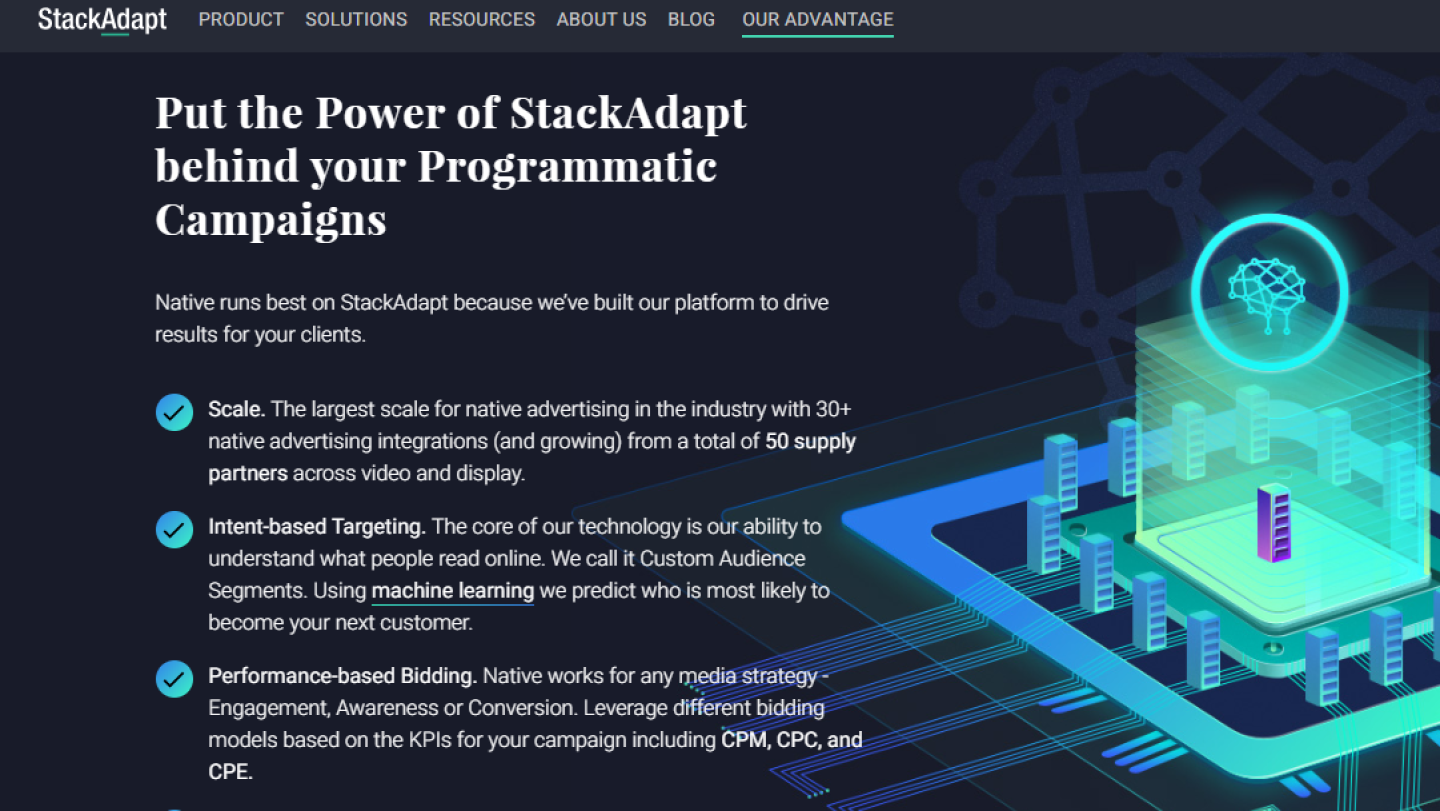
One of the most highly recommended native ads DSPs by actual advertisers who have used the platform, StackAdapt has been in the industry since 2013. They are integrated with more than 30 native advertising platforms with a combined 50 SSPs (Supply Side Platforms).
This DSP utilizes Engagement Pricing, which means you are only required to pay for visitors who stay on your page at least 15 seconds. You can even track the time they have stayed on your website. They also offer several types of native ads such as native video, native outstream, native in-ad, content recommendation widgets and more.
Main features of StackAdapt are as follows:
If you’re new to native advertising DSP, it would be a problem if you’re having trouble with a self-service platform. Thankfully, StackAdapts customer service is easy to reach out to (and they say the best in the industry), giving you one less thing to worry about.
Zemanta is a native advertising DSP that is officially linked to Outbrain. The platform’s programmatic channels include social, mobile and of course native ads. They are integrated with more than 35 ad exchanges and traffic sources, including Outbrain and Yahoo Gemini.
They offer more than a billion unique impressions a month, encompassing 250 thousand publishers. A few of advertisers’ and ad agencies’ favorite features of Zemanta are as follows:
You can also integrate Google Analytics into Zemanta to help you get more information about your audience post-click. If you find one website that is not working for you, pausing it across all your campaigns is also possible.
If you’d like to be able to easily promote your brand or content and reach millions (even billions) of people, using a DSP would be a great idea. Keep in mind though that since DSP is considered a large-scale traffic option, you would also need a large budget to keep your campaigns running and to gather enough data to make your native advertisements profitable.
Receive top converting landing pages in your inbox every week from us.
In-Depth
This article explores how AI is rapidly transforming performance marketing workflows across native, push, and pop advertising by collapsing creative testing, landing page optimization, and campaign iteration cycles from days into hours. It explains why the real competitive advantage is no longer access to AI-powered ad platforms, but how effectively marketers integrate AI into their own operational workflows and decision-making processes. The article also highlights how tools like Anstrex help media buyers combine competitive intelligence with AI-assisted testing to scale campaigns faster and uncover profitable opportunities before competitors react.
Dan Smith
7 minMay 23, 2026
In-Depth
This article explores how Google Ads is abandoning keyword-centric advertising and moving toward the same AI-driven, context-based targeting model that native advertising has used for years. It explains why creative quality, audience-pattern recognition, and contextual relevance are replacing keyword optimization as the core competitive advantages in performance marketing. The article also highlights how tools like Anstrex help marketers study winning creatives, analyze competitor campaigns, and adapt to the growing convergence between search, native, and AI-powered advertising ecosystems.
Rachel Thompson
7 minMay 22, 2026
In-Depth
This article explores why short-term ROAS metrics often mislead advertisers running native advertising campaigns by ignoring the delayed, compounding value native traffic can generate over time. It explains how sophisticated advertisers optimize for cohort revenue, repeat purchases, and long-term customer value instead of immediate conversion returns. The article also highlights how tools like Anstrex Native help marketers identify long-running profitable campaigns, reverse-engineer LTV-focused funnels, and uncover the competitive strategies hidden behind ad longevity.
David Kim
7 minMay 22, 2026