12 minOctober 7, 2026

Our spy tools monitor millions of popup and pop-under from over 90+ countries and thousands of publishers.
Get StartedHigh-concept campaigns aren’t just “fun ideas with a big costume budget.” They’ve become one of the only reliable ways to punch through a world where attention is splintered, feeds are saturated, and every channel feels like a crowded airport loudspeaker.
Three big shifts make these concepts disproportionately powerful right now.
First, culture is more fragmented and faster than ever—which paradoxically makes a single, sharp cultural hook more valuable. Media leaders at Papa John’s and Carat argue that the job now is to “meet consumers in culture,” not just push more impressions into an already noisy feed, and that means designing ideas that can live across paid, creator, aggregator, and organic channels at once, what they call a “bowl of spaghetti” media plan rather than a tidy linear funnel, as discussed on Adspeak by Adweek. A high-concept campaign—like staging a faux “celebrity court” or orchestrating a global “menu heist”—gives you a central story that can be sliced into TikTok reactions, creator riffs, PR angles, OOH extensions, and even sales enablement decks without losing the plot.
Second, nostalgia, spectacle, and participation now travel further than media dollars. When Beefeater decided to relaunch Jamiroquai’s iconic “Virtual Insanity” set for its 0.0% gin, the brand wasn’t buying reach so much as manufacturing talk value. The spot literally lifts Jay Kay back into a moving-floor room, then spins him through surreal “hat rooms,” gyms, pottery studios, and saunas to dramatize how alcohol-free gin lets you “wear many hats” in life, as Marketing Dive explains. That’s a textbook high concept: instantly legible, culturally rooted, and weird enough that people want to describe it to someone else. The earned conversation around an idea like this routinely dwarfs the paid media line item that launched it.
Layer on top of that the way conferences and live events have turned into temporary stages for these ideas. Modern marketing gatherings function as pop‑up environments where your brand can manifest as something “zany, sophisticated, or understated” in three dimensions, as one marketer notes in MarTech’s exploration of why conferences still matter. A high-concept activation—say, a mock courtroom cross‑examining bad creative briefs, or a clandestine “menu heist HQ” lounge—gives attendees a story to carry back into their networks, complete with photos, in‑jokes, and panel chatter.
Put simply: high-concept campaigns are leverage. They give you a single, memorable idea that can move at cultural speed, flex across chaotic channel mixes, ride on other people’s audiences, and spin out into live experiences, all while staying cheap enough for scrappy teams to pull off. In an environment where mediocre content is perfectly optimized but instantly forgotten, a bold, copyable concept is one of the few multipliers you still control.
If you strip away the glossy case film and CMO soundbites, “World Menu Heist” is a masterclass in how to architect a high‑concept stunt that scales, sells, and self‑propagates.
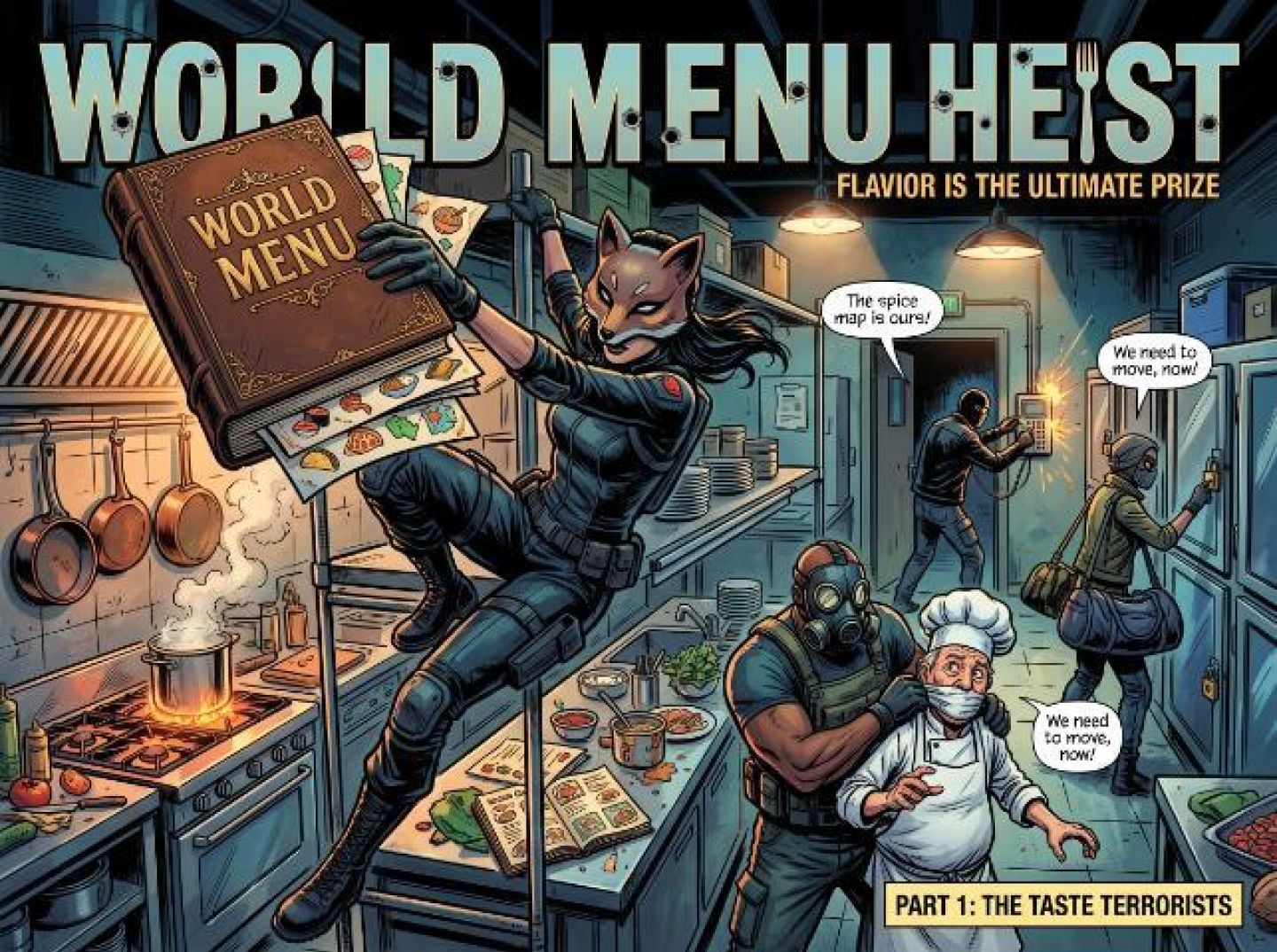
First, the idea is deceptively simple and instantly legible: “steal” beloved local items from McDonald’s menus around the world and drop them into other markets for a limited time. That’s the high concept in a sentence—no deck required. It taps a universal itch (we all want what we can’t have) and adds a playful crime‑caper frame that makes every touchpoint—visuals, copy, social, PR—feel like part of the same movie.
Under the hood, it’s also exactly the type of globally scaled, ownable platform McDonald’s is reorganizing its entire marketing model around. As Marketing Dive reported, the company is shifting to “fewer but bigger ideas,” built on its own IP and designed to be amplified by fans and creators rather than overfunded with paid media. World Menu Heist checks every box: the “IP” is literally its menu; the scale is global; and the storytelling is easy for creators to pick up, parody, or localize.
The scale part isn’t just about how many countries ran it; it’s about how it was executed. Instead of every market inventing its own version, McDonald’s centralized creative and partnership execution. Manu Steijaert, who oversees international operated markets, explained that they worked with around 10 major partners for Menu Heist versus the 40 they would have used if each country ran its own campaign, which meant more coherent creative and far greater media leverage than any single market could have achieved on its own, according to his breakdown. In other words: same global “movie,” localized casting.
Critically, the stunt wasn’t just a big burst; it was engineered for ongoing performance. McDonald’s is intentionally “doubling” its investment in longer‑running, baseline‑building programs that reinforce core ideas like taste and quality, and reducing the number of quick‑hit promos, as its leadership outlined. World Menu Heist sits in that sweet spot: it delivers an immediate spike in curiosity and trial while subtly telling a larger story—“our menu is a global cultural asset, not just fast food.”
That structural choice mirrors what attention‑driven strategists have been arguing in broader media conversations. In a recent Brandweek session, Papa John’s SVP of marketing and Carat’s CEO walked through how modern campaigns need to be architected as “bowl of spaghetti” systems—fewer anchor ideas that can stretch across paid, creators, aggregators, and organic social, meeting consumers “in culture” instead of shouting at them, as they described on Adweek’s Adspeak series. World Menu Heist is built exactly that way: a single idea, designed to show up as a TikTok trend, a local PR story, an app carousel, and an in‑restaurant surprise without splintering into 50 disjointed promotions.
There’s also a clever data and infrastructure play hiding inside the theatrics. McDonald’s has spent three years unifying ordering, loyalty, marketing, and data into a single global backbone that can ship new digital features monthly and plug into conversational commerce, as executives detailed when they unveiled their GMA One platform in the same investor presentation. A stunt like World Menu Heist becomes a live‑fire test: it pushes app adoption, drives experimentation with localized offers, and generates a stream of intent signals (which “stolen” items people tap, search, and share) that the brand can feed back into product and marketing decisions.
Finally, the campaign is purpose‑built for amplification rather than interruption. The “heist” narrative gives fans a reason to document their own “evidence”—unboxings, taste tests, reaction videos—similar to the way low‑cost viral stunts like the Ice Bucket Challenge spread by encouraging people to create and tag their own content, as a guide to budget‑friendly viral tactics on the Brax blog points out. Instead of paying to tell everyone the story, McDonald’s engineered a premise people would want to tell on its behalf.
Put together, World Menu Heist didn’t win because it was weird or expensive. It won because it was ruthlessly clear, globally modular, natively social, and plugged into a backbone designed to turn one big idea into lasting brand and data equity.
“Fake events” work because they don’t feel like ads. They feel like places.
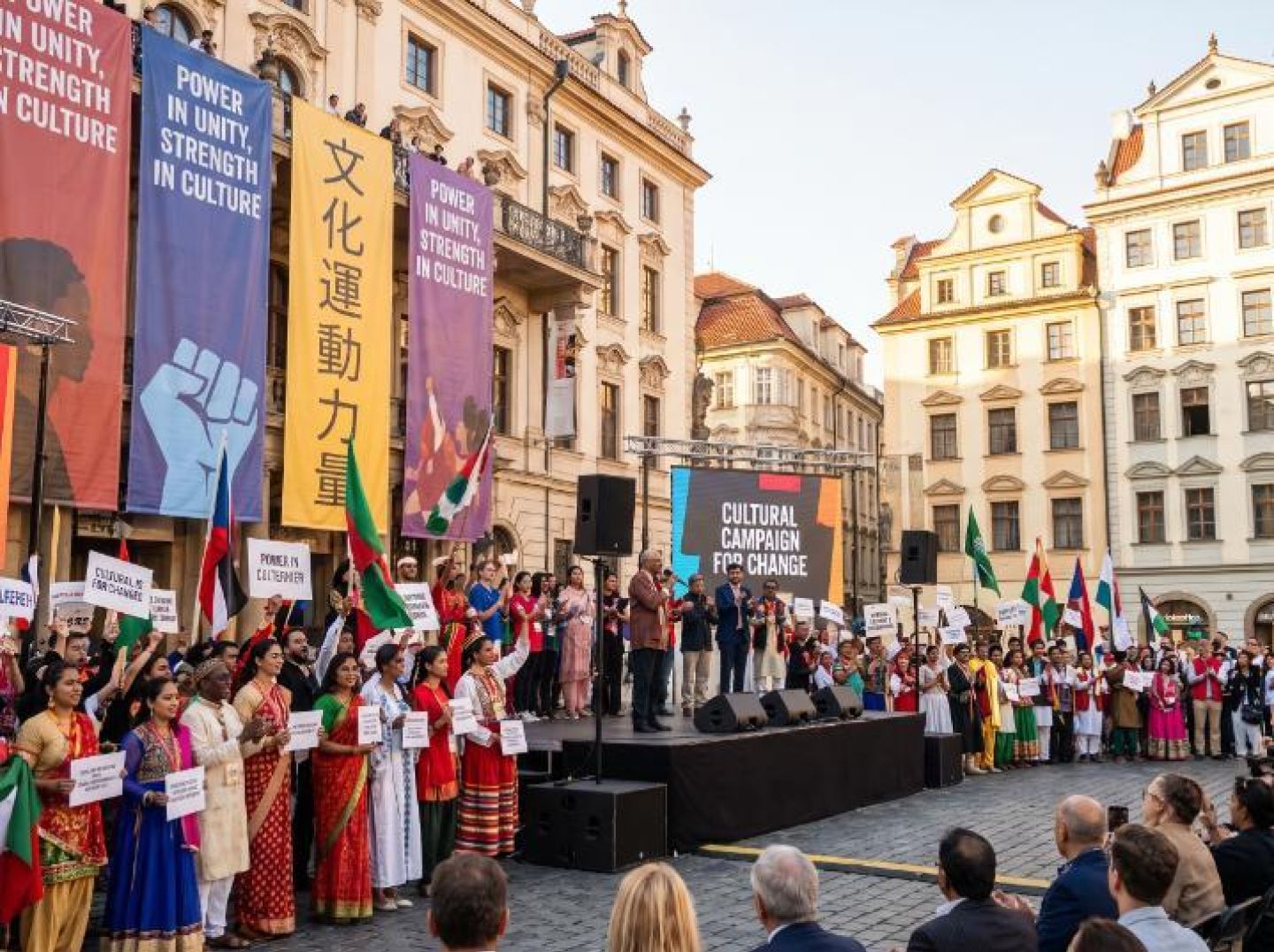
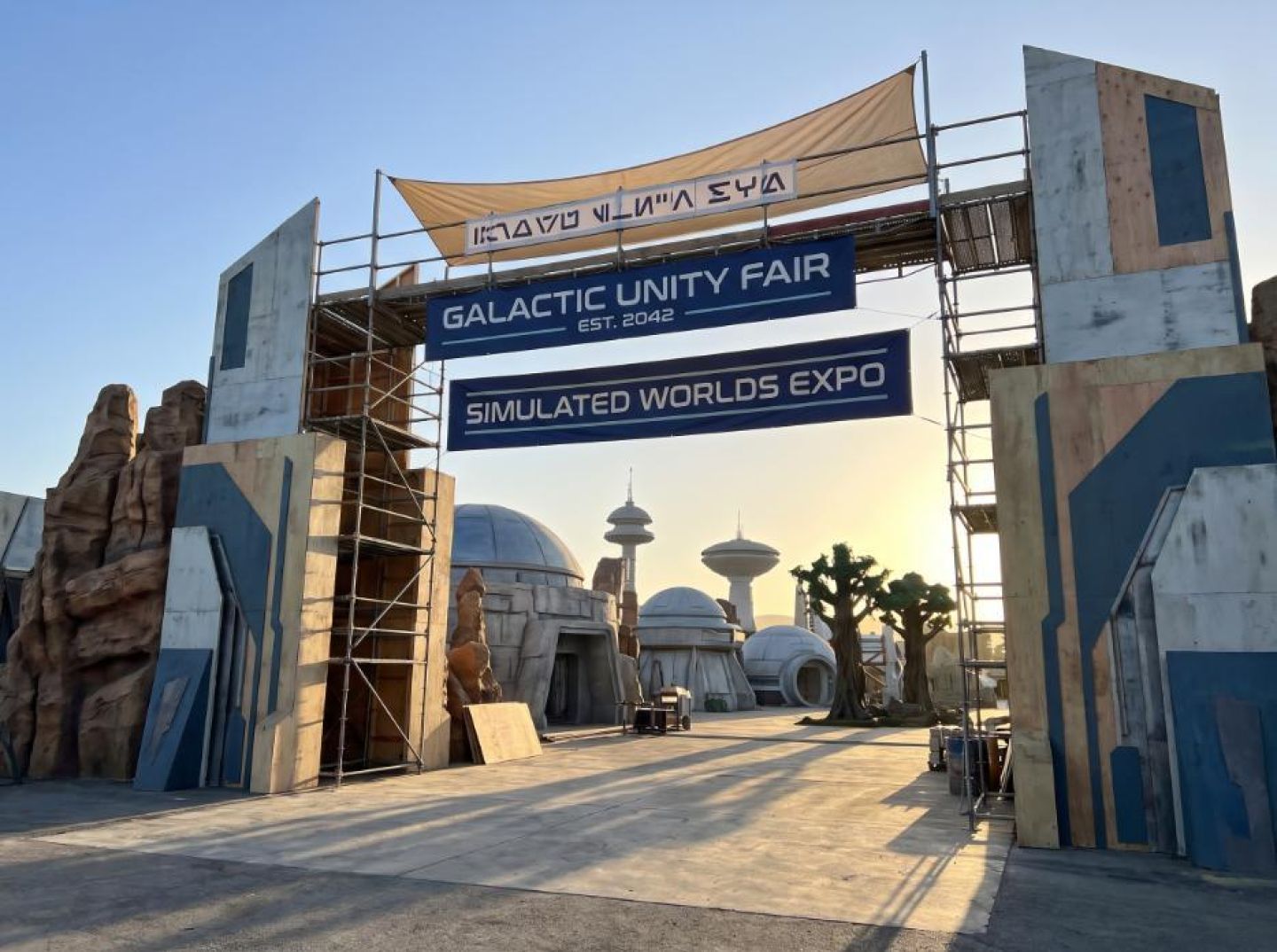
Whether it’s a celebrity courtroom, a “break conference” inside a pizza chain, or a World Cup “world menu heist,” these stunts all do the same thing: they temporarily turn a brand into a living, limited‑time world you can walk into, talk about, and signal you were there for.
Underneath the theatrics, there are three reasons this format hits so hard right now.
First, conferences and big cultural tentpoles have quietly trained us to crave pop‑up worlds. Marketing conferences are effectively sanctioned “fake events” already: casinos turned into SaaS carnivals, beachfront hotels transformed into brand villages. As one observer noted in a piece on why marketing conferences are still worth it, the real action isn’t just on stage—you’re “always talking” in hallways, lobby bars, and ad‑hoc meetups, turning the whole city into a temporary networking game where you collect gossip, contacts, and intel about who’s hiring, selling, or secretly struggling, according to this analysis from.
Fake trials, spoof summits, and “world tours” borrow that same logic: the event is an excuse to gather, but the value is the ambient conversation and social signaling around it. A stunt that looks like a three‑day “break conference” for office workers or a courthouse spectacle for fans creates the same effect as a real industry gathering: people want to be in the room, or at least in the discourse.
Second, pop‑up worlds naturally meet people “in culture,” not in media buys. What Cannes, SXSW, or Brandweek really sell is the chance to be in whatever the industry is currently obsessed with. That’s exactly the muscle high‑concept brand worlds are flexing when they stage a fake summit, a mock trial, or an invented global celebration.
Modern media strategy is shifting in that direction anyway. In a live conversation at Brandweek, executives from Papa John’s and media agency Carat argued that winning attention now depends on meeting consumers inside cultural moments and then stitching together paid, creator, and organic touchpoints around those moments, rather than just pushing isolated messages at them, as recounted in Adweek’s coverage of the session. A “fake event” is basically that advice turned into a set: build a world people already want to talk about, then let your media, creators, and PR orbit it.
Third, pop‑up worlds travel exceptionally well across channels because they’re structurally designed for remixing. A stunt that looks like a real conference or pseudo‑sporting event comes with built‑in content formats: keynotes, panels, badges, “attendee” interviews, memes, leaks, and “you had to be there” photos. One activation around the World Cup, for example, used physical experiences like a branded “Sweat Club” to fuel social content and creator‑led storytelling that spread far beyond the people who walked through the doors, helping Unilever test a scalable, social‑first model across 120 markets, as detailed in Marketing Dive’s recap of the tournament’s biggest winners.
Fake events do the same thing on a smaller canvas. They’re architected to generate artifacts—screenshots, clips, in‑jokes—that can be sliced for TikTok, reframed as news in the trade press, and turned into search demand minutes after they hit. As one analysis of World Cup advertising effectiveness pointed out, high‑impact creative predictably sends people searching for more the moment it lands, making it critical to plan search and video as a single system that’s ready to capture that spillover curiosity, according to a breakdown from MarTech. A strong fake event does this instinctively: the “show” drives conversation, and the rest of your ecosystem is set up to catch it.
Put simply: “fake events” work because they mimic the social physics of real events—scarcity, shared experience, and status—without needing the budget or bureaucracy of an actual tentpole. They’re flexible enough for a mid‑market brand to spin up in a parking lot and big enough in concept to justify an integrated plan. And in a fragmented, culture‑drunk media environment, anything that can behave like its own little Cannes, even for 48 hours, has an unfair advantage.
You don’t need a celebrity, a World Cup, or a billion‑dollar media budget to run a high‑concept stunt.
You do need a blueprint.
Whether you’re “hosting” a fake break conference in your lobby, staging a courtroom for your product, or hijacking your own menu like McDonald’s did with its World Menu Heist, the same six steps repeat underneath.
Here’s the cloneable version.
High concept means “I get it in one line, and it paints a movie in my head.”
If you can’t pitch your stunt in one breath, you don’t have a high concept; you have a complicated promotion.
A good test: say it out loud to someone who doesn’t know your category. If they immediately start brainstorming selfies or jokes they’d make about it, you’re close.
This is exactly why McDonald’s is prioritizing “fewer but bigger ideas” that can be understood (and repeated) instantly, instead of a rapid‑fire calendar of disconnected promos, as.
“Fake events” work because they feel like somewhere you go, not something you scroll past.
Your job is to architect a pop‑up world:
Marketers instinctively understand this at real industry gatherings. A conference becomes a temporary stage where brands build “zany, sophisticated, or understated” experiences that express their voice in a unique, time‑boxed way, as one MarTech analysis on events pointed out. You’re just building your own version, tuned to your customers instead of CMOs.
The physicality matters, even if it’s small. It gives people something to photograph, walk through, and tell stories about later.
Every compelling fake event has one canonical action—your “Ice Bucket” moment.
According to a breakdown of low‑cost viral tactics on the Brax blog, challenges spread when there’s a simple, repeatable behavior people can copy, personalize, and film.
So decide: what’s the thing people do in your world?
Make that ritual:
Everything else is decor.
The point of a high‑concept activation is not the number of people who physically show up; it’s how many people feel like they were there through content.
This is where you steal from both conferences and flash‑mob culture. Event activations become “pop‑up experiences for your company,” and the smartest teams treat the hallway chats, bar meetups, and random moments as their best content engine, as the same MarTech piece argued. Likewise, street performances and flash mobs work because bystanders can’t help but film and share, generating word of mouth and social reach on a tiny budget, as the Brax guide emphasized.
So you:
Your fake event should look crowded long before it actually is.
A high concept without a commercial spine is just theater.
McDonald’s explicitly built World Menu Heist to both “generate millions of views” and drive incremental guest counts and sales, leveraging its own IP instead of paying for someone else’s, as.
Before you build anything, decide:
Influencer research summarized by MarTech warns that brands often chase “aspirational billboard” metrics like views when they actually need purchase signals. Don’t make that mistake with your stunt: if the goal is sales, wire in a measurable action (unique menu items, event‑only bundles, QR‑driven offers, or time‑boxed discounts).
The final unlock: design your high concept so you can re‑run and remix it without reinventing the wheel.
That’s the real genius behind global, IP‑driven campaigns. McDonald’s is moving toward “globally scaled campaigns that can be amplified by fans and creators” on a simplified calendar, so each idea can run longer, in more places, with local twists, as.
You can do the same by:
If a new hire in a small market can read a one‑page doc and launch their own mini “world” next month, you don’t just have a clever idea—you have
Before you can invent a “celebrity court” for your SaaS or a “world menu heist” for your DTC brand, you have to answer a more basic question:
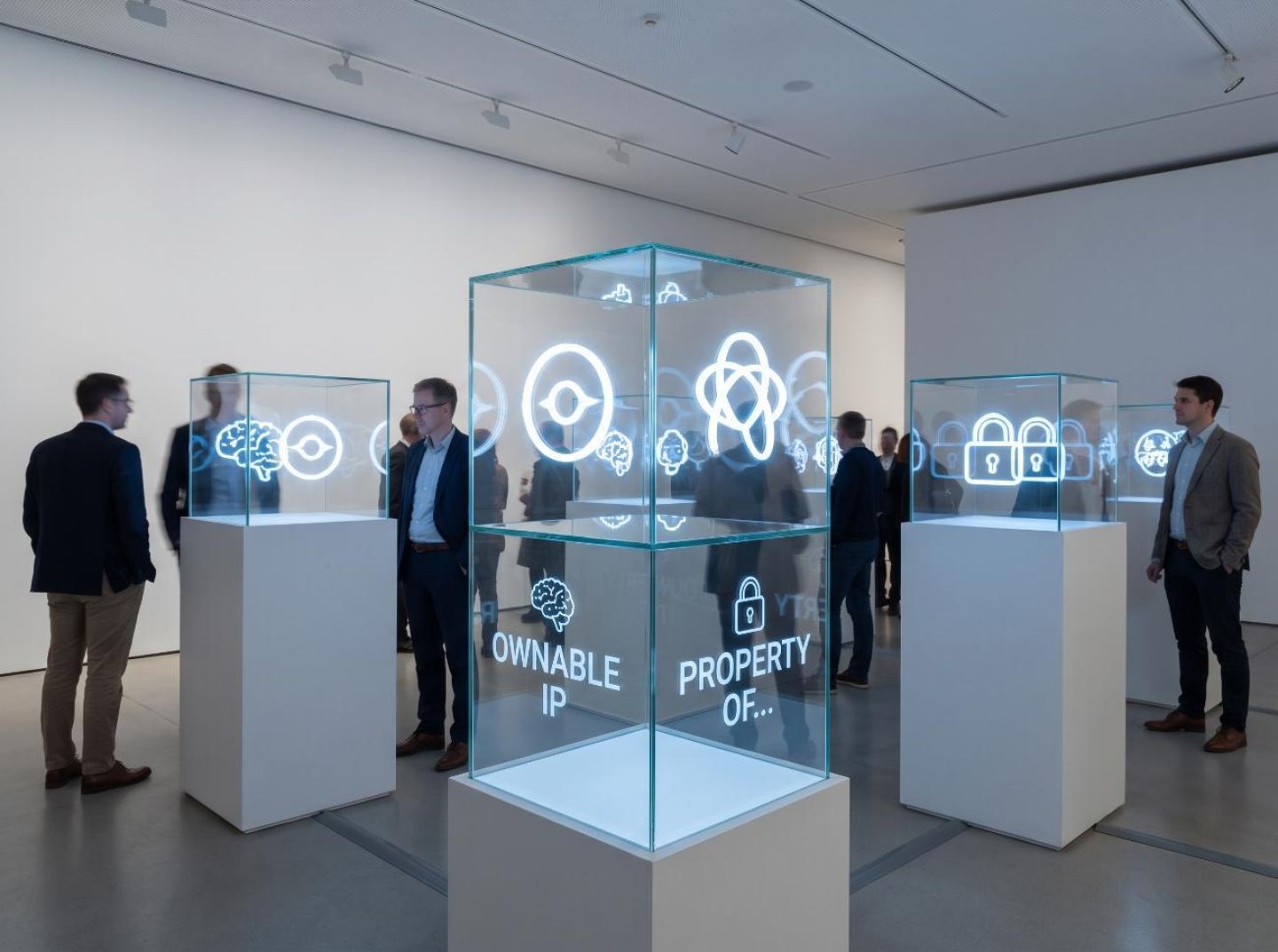
What about you is actually ownable?
McDonald’s new global model is built around that answer. Instead of hopping from World Cup tie‑in to anime collaboration to value promo, the company is shifting to fewer, bigger ideas anchored in its own IP—things like Grimace, Adult Happy Meals, Famous Orders and, most recently, the World Menu Heist. As McDonald’s leaders pointed out during their investor presentation, this approach makes their marketing distinct and repeatable and makes them less dependent on “having the right movie property this month” to generate buzz.
That’s your goal too: identify 1–2 unique, repeatable building blocks you can come back to again and again, instead of renting someone else’s.
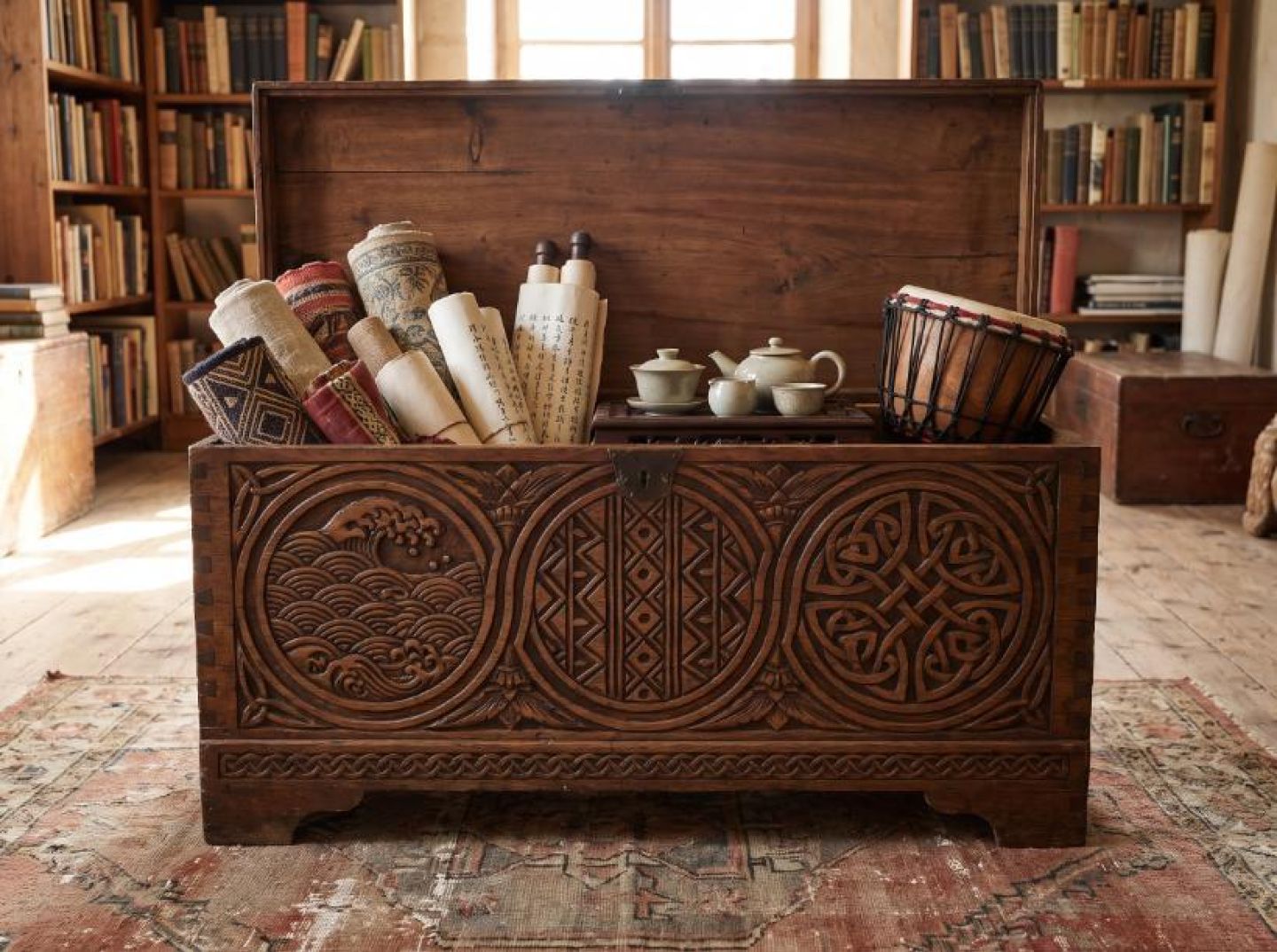
Think of “ownable IP” in three buckets:
McDonald’s realized fan obsession with local menu oddities—like region‑specific burgers and desserts—was itself a global asset, so it built the World Menu Heist around “stealing” those local favorites and dropping them into new markets. They didn’t import a movie; they exported their own in‑jokes.
To find your version, look for anything customers constantly photograph, share, or mention in reviews. If strangers are already turning it into content, you’re staring at campaign IP.
2. Founder or origin stories that feel like a movie scene.
Not every bio is IP. “We’re passionate about quality” is generic. But the oddly specific scenes in your backstory—the ones your friends ask you to re‑tell—can be assets you own outright.
These are the details you can exaggerate into a courtroom, a heist, a “break conference.” When marketers talk about “meeting consumers in culture, not just pushing messages at them,” as one conversation with Papa John’s and Carat framed it, what they really mean is taking something human and culturally legible and building experiences around it, instead of abstract brand values wrapped in ad copy. That’s exactly what a vivid founder story lets you do.
3. Audience in‑jokes and subculture truths.
Sometimes your most powerful IP isn’t about you at all—it’s about what your people endlessly laugh or complain about.
The same way low‑budget stunts like flash mobs or viral challenges work best when they tap into a familiar feeling or shared annoyance, as one breakdown of low‑cost viral campaigns explained, your high‑concept stunt should lean into something your audience already riffs on:
Those recurring jokes are raw material for worlds you can build: a “Complaint Court” where designers prosecute bad briefs; a “5‑Minute Lunch Lab” pop‑up for healthcare workers; a “Slack Panic Room” live show where founders read their worst messages.
Once you’ve surfaced contenders across those three buckets, apply three filters:
You don’t need a dozen ideas. McDonald’s is “roughly doubling” its investment into a smaller set of long‑running, IP‑driven platforms and cutting back on scattered promos, precisely because a tight core of ownable concepts is easier to scale, remix and remember than a new gimmick every quarter.
Your job in this step is to pick one or two of those cores. Name them. Protect them. Then, in the next steps, you’ll stretch them into a full‑blown world people actually want to step into.
Once you’ve picked your ownable IP, the next move is deceptively simple: put it in a cultural container people already understand.
That’s what the smartest high‑concept campaigns are really doing. “Celebrity courts,” “world menu heists,” and hyper‑theatrical launch events feel original, but structurally they’re just riding on pre‑loaded formats your audience has been trained to binge: the conference, the heist, the trial, the reality show, the music video.
A cultural container is a familiar, high‑status format you can pour your IP into so people “get” the idea in one mental hop. It gives your campaign an automatic frame:
You’re not just making content; you’re borrowing a whole piece of cultural scaffolding.
Think about global sports. When Fox Sports launched its World Cup promo “Miracle,” it wasn’t asking viewers to learn a new format. It was layering a story onto the pre‑existing World Cup mythos—national pride, underdogs, last‑minute miracles—which is why the spot generated the strongest positive emotional response among tested World Cup ads, according to creative intelligence firm DAIVID’s analysis of tournament campaigns reported by MarTech. The campaign rode the World Cup container; search and video teams just had to be ready to catch the demand the format unlocked.
McDonald’s understood this when it staged its World Menu Heist. The idea itself—bringing beloved local items to new markets—could have been a dry “international favorites” LTO. Instead, they wrapped it in a heist narrative: thieves, planning, global intrigue. The heist is a Hollywood‑grade cultural container; people immediately know what a “heist” does, so they lean in to see what’s being stolen. Crucially, the loot was their own IP (McSpicy, Chicken Tatsuta and friends), not someone else’s movie property.
You can do the same thing on a smaller stage.
According to a piece on why industry events still matter from MarTech, marketing conferences naturally become “pop‑up experiences” where brands express their voice in temporary, high‑intensity ways—zany hotel suites, speakeasy‑style lounges, improvised panels at the Gutter Bar. That’s your blueprint for a “Break Conference” around your product: you’re not inventing a new content universe, you’re re‑skinning the conference container with your own IP.
Instead of “Q4 Product Update Webinar,” imagine:
Notice what’s happening: the container (conference, court) does the cognitive heavy lifting. Your IP—broken dashboards, a notorious onboarding flow, a beloved SKU—becomes the star of the show inside that frame.
This is how you “meet consumers in culture” rather than just shout at them. In a conversation about cutting through fragmented attention, Papa John’s and Carat describe using creators, aggregators, and live moments to show up where people are already engaging, not where you wish they were, as outlined in an Adweek discussion on winning attention in a fragmented world. Cultural containers are your structural version of that advice: you’re joining a format people already watch, imitate, and meme.
A few practical rules for choosing your container:
3. Honor the rules of the format.
The fastest way to make a cultural container flop is to ignore its grammar. A heist needs setup, a plan, complications, and a payoff. A trial needs evidence, witnesses, cross‑examination, and a verdict. A conference needs a keynote, breakouts, hallways, and some form of after‑hours lore. Follow the beats, then subvert one or two of them with your IP.
4. Design for search and spillover.
As emotionally resonant campaigns like “Miracle” demonstrate, big cultural containers reliably send people searching for more, often moments after they see an ad, a pattern explored in the World Cup case study from MarTech. Name and structure your container so it’s easy to search, binge, and clip: “Break Conference Day 1,” “Episode 3: The Attribution Trial,” “Menu Heist: The Spicy File.”
Your goal isn’t to cosplay as Hollywood or Cannes. It’s to steal just enough cultural scaffolding—conference, heist, trial, reality show—that when you drop your very specific, very ownable IP into the frame, it feels bigger than your media budget has any right to make it.
Receive top converting landing pages in your inbox every week from us.
Guide
Discover how OOH professionals can turn traditional billboard roles into high-ROI performance marketing careers. This guide shows how to reframe OOH work around measurable outcomes, competitor intelligence, landing-page optimization, and data-backed offers.
Liam O’Connor
7 minOct 8, 2026
Guide
Discover why OOH job boards are struggling to keep pace with the rise of data-driven media buying. This guide explores the modern skills OOH partners need, from audience intelligence and programmatic workflows to cross-channel measurement and performance strategy.
Priya Kapoor
7 minOct 8, 2026
Guide
Discover why high-concept campaigns like “Break Conferences” and “World Menu Heists” can generate outsized attention without requiring massive media budgets. This guide breaks down how to build ownable campaign IP, use familiar cultural formats, and turn a simple idea into a scalable, social-first marketing world.
Samantha Reed
7 minOct 7, 2026