7 minSeptember 6, 2026

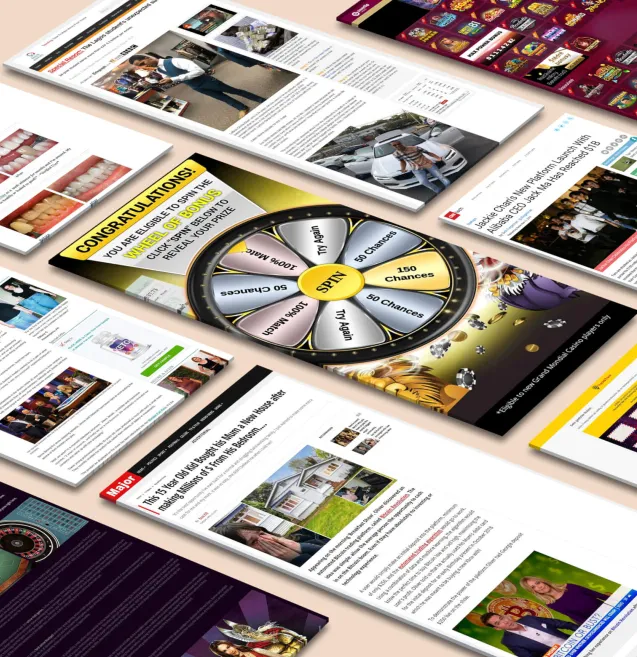
Our tools monitor millions of native, push, pop, and TikTok advertising campaigns.
Get StartedMost B2B growth machines are built like a relay race to a single moment: “Closed‑Won” lights up in the CRM, marketing claims victory, sales rings the gong, and the buyer is quietly shuffled to onboarding while everyone sprints back to chasing the next deal. It’s the same lower‑funnel obsession that, as AdExchanger observed, has made performance marketing brilliant at capturing existing demand while blinding teams to everything that happens before and after the conversion.
But if you wire ad spy intelligence into the post‑sale experience, the story doesn’t stop at Closed‑Won — it compounds. Every customer’s journey becomes an always‑on experiment, a live testing ground where you can see which creatives, funnels, and offers they encounter in the wild long after they buy from you, and then fold those insights back into campaigns in real time. Instead of treating the marketing‑to‑sales handoff as the place “where revenue leaks,” as MarTech warns, you turn every account you’ve already won into a 24/7 performance lab that continuously sharpens what you put in market next.
B2B teams love to talk about “full‑funnel,” but most operating models are still built around a hard psychological stop: the handoff. Pre‑sale, everyone is maniacally instrumented. Every click is tagged, every webinar is scored, every intent signal is triaged. Post‑sale, the same buyer basically drops off the map. They go from being the center of a finely tuned measurement universe to a line item in a QBR deck.
That blind spot is not an accident; it’s baked into how we’ve defined “performance.” Most marketing ops stacks were architected to qualify and route leads, not to continuously learn from customers. Lead scoring, signal orchestration, and pipeline dashboards are optimized to decide “Who should sales call next?” rather than “What should we learn from the customers we already won?” Even as predictive models get smarter and start functioning more like decision engines, as one analysis on AI‑driven lead scoring argues, the decision boundary is still the same: pre‑sale versus everything else.
Meanwhile, the market is quietly moving in the opposite direction. On the media side, networks are racing to offer “always‑on” visibility and optimization. Warner Bros. Discovery’s new Always‑On Measurement & Attribution Dashboard gives brands real‑time performance views so they can tweak campaigns in flight. NBCU’s planned Performance Insights Hub promises integrated, cross‑partner measurement that evolves as data flows in. In parallel, Amazon Ads is rolling out Dynamic TV Creative that automatically personalizes interactive video units based on where a shopper is in their journey, using its own signals plus AI‑driven optimization to adapt format, offer, and CTA in real time.
Those capabilities are built on a simple premise: every impression is a test. Every exposure throws off data that should make the next exposure smarter. Yet when you flip from media buying to B2B customer management, that premise evaporates. Once a prospect converts, most organizations stop treating that account as an experiment and start treating it as a static revenue block.
You can see just how much value is being left on the table by looking at sectors that can’t afford to guess. In automotive, where buyers can spend up to 100 days researching and compare dozens of options, brands like AutoTrader and Kelley Blue Book hinge their success on continuous consumer tracking and competitive intelligence. Trent Thacker describes Cox Automotive’s campaign development as explicitly research‑first: multi‑stage testing, iterative creative refinement, and AI‑assisted personas are used to de‑risk decisions and protect brand equity while still staying aggressive competitively. Crucially, that learning loop doesn’t stop once someone visits a dealership. Post‑decision behavior feeds the next wave of messaging.
Compare that to the typical B2B “handoff.” Marketing optimizes messaging and channels based on anonymous traffic and pre‑sale engagement. Sales captures rich, unstructured intelligence during discovery and evaluation. But once the deal is signed, most of that signal gets locked inside call recordings and CRM notes. Customer success takes over with a different tooling stack, a different set of KPIs, and almost no mandate to pipe live behavioral insight back into marketing. The system that orchestrated signals to detect buyer readiness, as some practitioners of signal orchestration describe it, effectively goes dark at the exact moment it could become most predictive.
This is the paradox: the moment a prospect becomes a customer is when your data gets exponentially richer and your measurement discipline usually collapses. Post‑sale you finally have permissioned access, product usage telemetry, support history, renewal cycles, and expansion conversations—an “always‑on lab” of real‑world reactions to your value proposition. But because your operating model is built around a handoff instead of a loop, you don’t treat that lab like a lab. You treat it like an afterthought.
Fixing this isn’t about adding another dashboard. It’s about changing the core question your go‑to‑market system is designed to answer. Pre‑sale, the question is “Who will buy?” Post‑sale, it should become “What can this customer teach us about the next 10,000 buyers?” Until you tear down the handoff and build for that second question, “Closed‑Won” will remain the point where your most valuable intelligence simply disappears.
Most CRMs are glorified filing cabinets with a forecast view. They’re built to answer “Where’s the deal?” not “What is this customer teaching us about the market?” That’s why almost every “post‑sale data strategy” bottoms out in generic fields: industry, employee count, ARR, NPS, maybe a usage score stitched in from product analytics. It’s enough for renewals and QBR decks. It is nowhere near enough to run an always‑on ad intelligence engine.
The core problem: CRM data is static, self‑reported and inward‑looking. It captures who the buyer is to you, not how they behave in the wild or how the rest of the category is fighting for their attention. Your closed‑won record will tell you the customer is a “Global 2000 retailer” with 12-month contract value. It will not tell you that the same account is currently drowning in CTV retargeting from three competitors, being hammered with LinkedIn lead gen from a new entrant, and quietly engaging with thought leadership from an adjacent category you haven’t even put on your battlecard.
Look at how sophisticated marketers behave when they’re forced to care about causality and competition. Incrementality platforms like Measured have evolved specifically because performance teams were tired of dashboards that “just tally clicks and impressions” and wanted tools that surface what a campaign actually contributed, how results stack against peers and which tactics to test next, as AdExchanger explained. That’s an intelligence engine: it speaks the CFO’s language, understands the competitive set and constantly suggests new experiments. Your CRM, by contrast, is still arguing about whether “marketing sourced” or “sales sourced” should be the default value on an opportunity field.
You can see the same divide in media. Streaming giants are racing to build “always‑on” measurement layers because episodic, rear‑view reporting doesn’t cut it when billions are on the line. Warner Bros. Discovery’s new Always‑On Measurement & Attribution Dashboard promises real‑time visibility into campaign performance and in‑flight optimization, while NBCU’s upcoming Performance Insights Hub integrates outcomes data from players like iSpot and VideoAmp, according to Marketing Dive’s coverage. These aren’t glorified exports; they’re live, adaptive systems built to answer “What is working right now, for whom, and against which alternatives?”
Meanwhile, your “post‑sale view” is a contact record last updated three quarters ago.
Even on the creative side, the most advanced advertisers don’t trust static profiles; they want dynamic, behavioral intelligence. Cox Automotive’s research team, for example, uses continuous consumer tracking and multi‑stage testing to build and refine campaigns for brands like AutoTrader and Kelley Blue Book, treating competitive intelligence as a core input to creative development, as Adweek’s deep dive makes clear. They’re not just logging who bought a car; they’re monitoring how people research, which messages resonate at each stage and how rival brands are jockeying for attention across a 100‑day decision window. That mentality is worlds apart from a CRM note that says “Champion: likes webinars.”
Spy‑style ad intelligence beats generic post‑sale data because it is:
A CRM can tell you who bought. Generic post‑sale data can hint at why. But only an always‑on spy layer turns every customer into a live feed of how your category is evolving, which narratives are winning and where your next campaign should probe. In a world where media owners are wiring real‑time intelligence into their ad stacks and leading brands are treating every campaign as a rolling experiment, treating “closed‑won” as the end of your data story isn’t just a blind spot. It’s a strategic liability.
If you accept that “closed‑won” isn’t the finish line but the start of a new research lab, the obvious next step is to design post‑sale journeys the way you design campaigns: with hypotheses, treatments, controls and live optimization.
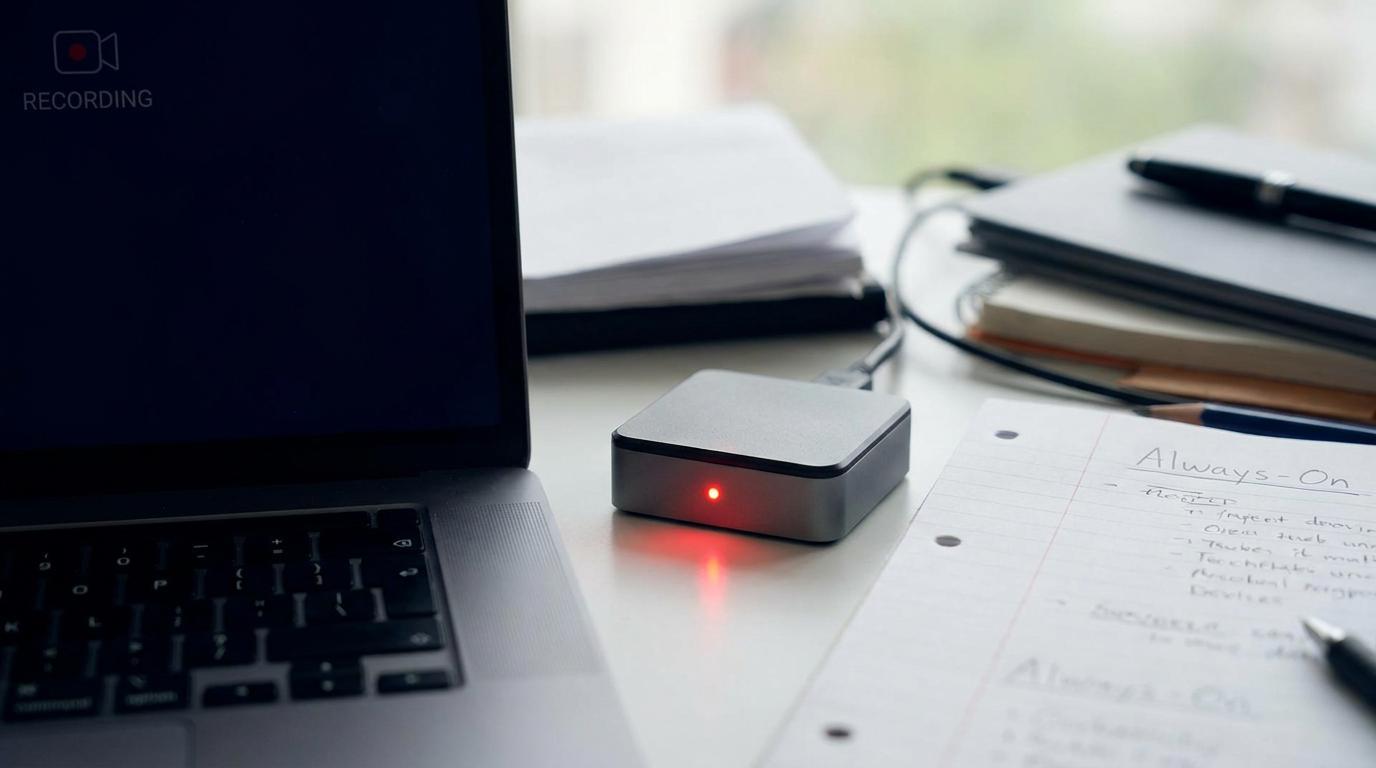
The mental flip is this: every customer isn’t just a renewal risk or an upsell target; they’re an always‑on test cell. Their media consumption, product usage and messaging response are a stream of creative and positioning intel about your entire category, not just your own funnel.
Performance marketers already think this way pre‑sale. They live in a world where AI agents spin up thousands of headline, visual and CTA combinations and continuously reallocate budget to winners. Post‑sale, you want the same discipline, but with a different optimization goal: not just more immediate revenue, but better market intelligence.
Most onboarding flows are glorified checklists. Instead, build them as experimental tracks.
Automotive marketers have learned that buyers in long, complex journeys crave useful information; Cox Automotive’s research‑first process uses multi‑stage creative testing to dial in what level of detail actually moves people along a 100‑day consideration cycle. You can mirror that logic post‑sale: systematically vary how much specificity, proof and depth you put into onboarding content, then watch which version creates not just happier customers, but clearer signals about the information profile your category really wants.
Those insights don’t stay in “Customer Success.” They feed straight back into pre‑sale copy, landing page architecture and even product marketing narratives.
Your lifecycle touches — QBR invites, roadmap updates, customer webinars, expansion offers — are effectively remarketing impressions. They’re ideal slots for creative experimentation.
Think in terms of “always‑on spy” campaigns:
Modern AI platforms already auto‑configure and trigger tests, generate creative variants and dynamically adjust variables based on feedback in paid channels. There’s no reason you can’t apply the same orchestration to owned, post‑sale channels. Let an agent continuously experiment with subject lines, hero messages and CTAs across your customer email, in‑product messaging and even post‑sale retargeting — with the explicit objective of learning which stories deepen product engagement and which simply generate clicks.
Over time, you get a living library of “messages that actually change behavior among real buyers,” segmented by persona, use case and maturity stage. That is pure gold for pre‑sale media.
The broader ad ecosystem is waking up to the dangers of optimizing solely for last‑touch conversions. When lower‑funnel performance dominates, brands hit a growth ceiling and neglect systematic demand creation, as one analysis of performance marketing’s blind spots puts it. Post‑sale journeys can help fill that measurement gap.
Your existing customers are a naturally engaged audience. Instead of sporadic NPS surveys, treat them as a continuous tracking panel:
This mirrors the move from episodic brand studies to ongoing consumer intelligence that continuously tracks sentiment and intent. The twist is that your panel is composed of paying customers, so their reactions are closer to the reality your sales team faces in the field.
Designing post‑sale journeys like campaigns only matters if insights loop back into media and creative decisions.
Here’s how to operationalize the loop:
You end up with a single, disciplined system: acquisition campaigns that are continuously informed by how real buyers behave after they sign, and post‑sale journeys that are treated as a live testing ground rather than a dead‑end drip. Your customer base becomes a permanent, privacy‑safe research engine — and every renewal cycle, feature launch or upsell motion becomes another A/B test that sharpens your entire go‑to‑market.
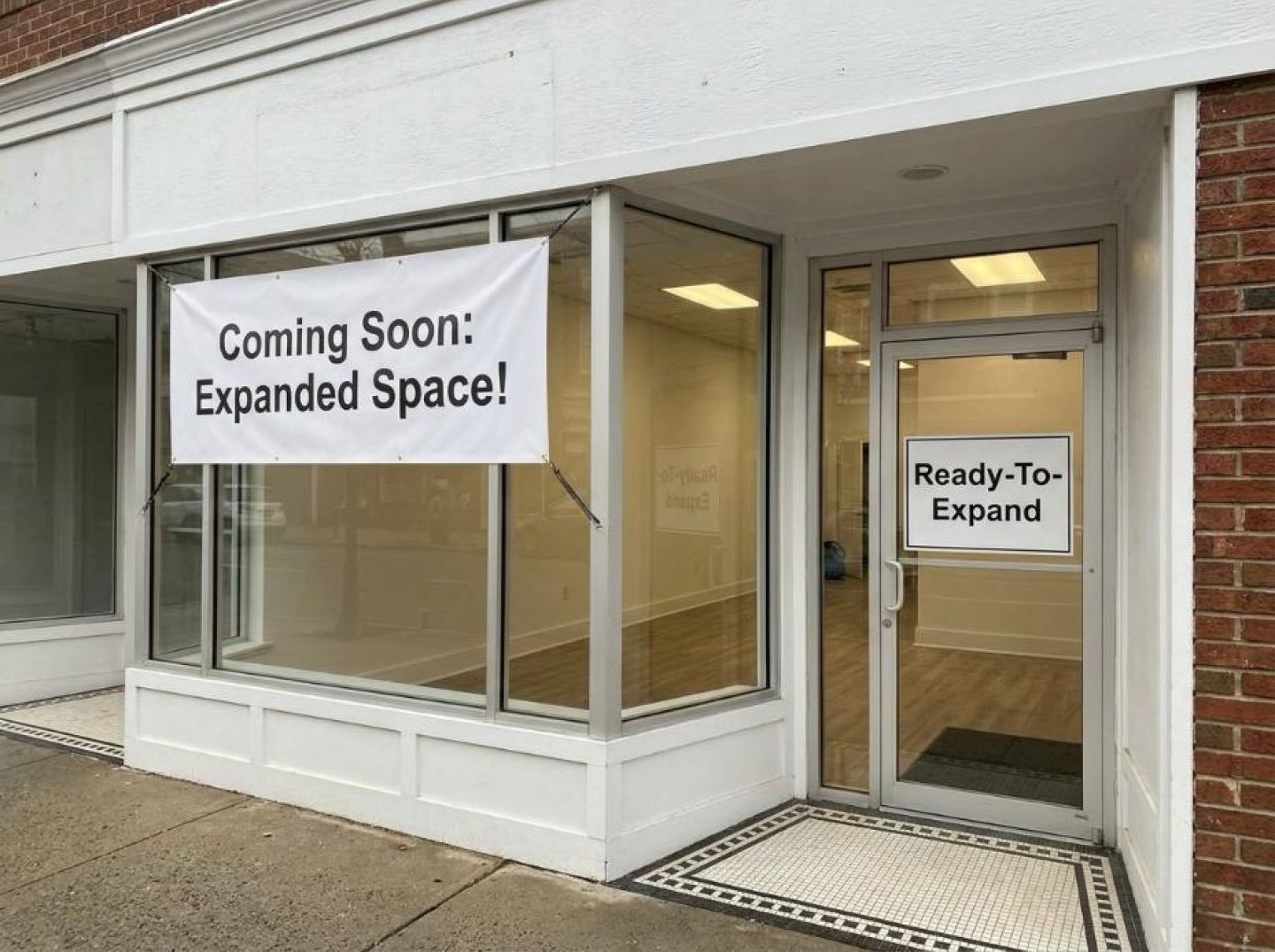
Marketing’s current scoring machinery was built for a world where the only question was, “Is this lead ready for sales?” Post‑sale, that question is too small. If every customer is now an always‑on test cell, the job isn’t to keep re‑labeling them “MQL” or “upsell target.” It’s to orchestrate their signals into a living “ready‑to‑expand” score that tells you which customers are teaching you the most about the market — and where to push next.
Most B2B teams already practice some version of signal orchestration on the pre‑sale side. They blend intent, engagement and firmographic data to decide which accounts are in‑market and who should call them, when, and with what message. As one overview of signal orchestration put it, the leaders aggregate behavioral, firmographic and third‑party intent into account‑level readiness, layer in buying‑committee context and then update scores in real time as new signals arrive. The opportunity now is to steal that exact playbook — but aim it at existing customers, not just prospects.
A “ready‑to‑expand” score isn’t a health score with better branding. Health asks, “Will they churn?” Expansion asks, “Where are they proving a new growth hypothesis?” That means you don’t just count logins and NPS; you orchestrate signals across three dimensions:
Think of it as moving from a yes/no lead funnel to a portfolio of always‑running experiments, ranked by how much upside each customer represents as a test cell.
On the pre‑sale side, sophisticated teams already know that basic lead scoring and firmographic filters are table stakes. The separation comes when they adopt capabilities like AI‑driven predictive models, account‑level engagement and real‑time scoring updates that react to combinations of signals (“pricing page + executive visit + third‑party intent spike”). Your post‑sale system should use similar mechanics — but the triggers are different:
This is where treating customers as “always‑on spies” becomes concrete. If your automotive customers, for example, consistently gravitate toward high‑information explainers and comparison content, they’re broadcasting a preference that should reshape both your product and your media strategy. That’s exactly the kind of insight Cox Automotive surfaces by combining consumer tracking, competitive intelligence and multi‑stage testing to derisk creative development, as described in a conversation on how they balance brand equity and innovation in automotive advertising. Post‑sale, you can run the same play: score customers higher when they reliably validate (or invalidate) specific creative hypotheses.
The handoff mechanics also need to change. Today, most scoring architectures terminate at “send to sales.” It’s a brittle breakpoint where valuable context disappears — the exact problem described in an analysis of how the marketing‑to‑sales handoff becomes a revenue leak when speed and context drop out. For post‑sale signal orchestration, you don’t want a handoff; you want a loop. Expansion scores should flow into:
Finally, your scoring logic must be built to decay. Just as pre‑sale scoring models rot when markets shift, the patterns that predicted expansion in 2024 may mislead you in 2026. Incrementality‑focused practitioners are already moving away from static, correlation‑based models toward live experiments that answer, in plain language, “What did this treatment actually contribute?” One measurement provider even lets marketers chat with their incrementality data, explore lift across channels and discover what to test next. Bring that same mindset into your post‑sale framework: treat expansion scores as hypotheses, not truths, and continuously re‑train them on the latest experimental outcomes.
When you do, “ready‑to‑expand” stops being a vanity column in Salesforce and becomes a portfolio signal: a ranked list of customers whose behavior is actively rewriting your playbook. The real value isn’t which account is “hot.” It’s which ones are quietly future‑proofing your entire go‑to‑market.
Turn your post‑sale operations into a performance lab and the org chart has to change with it. You can’t run “always‑on tests” off the side of someone’s desk; you have to rewire who owns what, how signals flow, and how fast decisions get made.
The first move is structural: fuse support, success, and media into a single experimentation loop. In most companies, support is measured on case closure, success on NRR, and media on CAC. None of those metrics, alone, reward post‑sale learning. You need an explicit mandate and a small cross‑functional pod whose job is to treat customers as live test cells: success and support bring the “what customers are saying and doing,” media brings “what we’re showing them and where,” and RevOps or marketing ops glues the data together.
Think of this pod as your in‑house performance lab, modeled less on a help desk and more on the kind of research‑first creative process that brands like AutoTrader and Kelley Blue Book use to de‑risk campaigns. Trent Thacker describes how Cox Automotive leans on consumer tracking, competitive intelligence, and multi‑stage testing to guide creative decisions and protect brand equity, rather than guessing and hoping something lands with shoppers over a 100‑day research cycle, as detailed in an Adweek conversation. Your post‑sale lab should behave the same way: start with hypotheses about what messages, channels, and formats accelerate expansion; design structured tests; and let customer behavior adjudicate.
Operationally, that means three systems have to be wired together:
2. Always‑on measurement and attribution. Your post‑sale ad program can’t be a quarterly retro. It needs the same real‑time instrumentation that TV networks are now promising brand advertisers. When Warner Bros. Discovery launched its Always‑On Measurement & Attribution Dashboard, the point was to give marketers live, outcome‑level visibility so they could optimize in flight rather than waiting for a post‑mortem, as reported in a Marketing Dive breakdown. Your performance lab needs a comparable view that sits inside the CRM: for any given account, you can see which post‑sale ads, sequences, and content touches were in market at the moment usage spiked, additional seats were added, or a new product line was adopted.
3. Creative and budget automation. Once you’ve defined your test cells and wired in measurement, the bottleneck becomes execution. You cannot hand‑craft a new creative variant every time a segment of 150 customers shows early expansion signals. This is where autonomous optimization has to move from “experimental” to “standard operating procedure.” In describing how AI agents continuously test thousands of creative combinations and reallocate budgets in real time, MarTech’s analysis of autonomous media platforms makes it clear that the winning pattern is to let software manage configuration, testing, and allocation decisions while humans set guardrails and interpret insights. Post‑sale, that might mean giving an AI agent a library of modular headlines, proof points, and visual treatments specifically designed for current customers; defining your constraints (e.g., never discount messaging for enterprise accounts; always prioritize cross‑sell over price promotions); and then letting the agent run micro‑tests across your customer base as new signals flow in.
Culturally, you have to redefine “support” as a growth function. That starts with incentives. If your support leaders are measured purely on handle time and CSAT, they’ll never invest energy into the extra instrumentation or tagging discipline you need. Tie a portion of their variable comp to expansion influenced or to the velocity of “signal capture” (for instance, percentage of tickets with accurately tagged topics that feed your models). Likewise, equip them with dashboards where they can see, in plain language, which recurring issues or feature requests are most associated with later expansion, mirroring how media teams now use performance hubs to understand the real business impact of placements, as described in the same.
Finally, guardrails matter. As you industrialize this lab, you’ll produce a torrent of learnings: which hooks trigger upgrades, which frustrations precede churn, which competitor mentions correlate with aggressive buying. Treat those insights the way Cox Automotive treats its AI‑generated animatics and personas—as accelerants, not substitutes, for human judgment about what’s on‑brand and customer‑centric, a balance Trent Thacker emphasized in his Adweek interview. The organizations that win won’t just be the ones with more tests; they’ll be the ones that operationalize post‑sale intelligence without turning their customers into lab rats.
Receive top converting landing pages in your inbox every week from us.
Most Read
Discover how performance marketers can build cross-channel verification journeys that turn skeptical prospects into confident buyers across TikTok, native, push, and pop advertising. Learn how to coordinate creative messaging, reinforce trust at every touchpoint, and measure the hidden influence of fragmented customer journeys using competitive ad intelligence.
Elena Morales
7 minOct 20, 2026
Recently Updated
Discover how creepy out-of-home advertising, TikTok micro-stories, and AI-powered creative tools can turn isolated ads into high-performing serialized campaigns. Learn how to map competitor ad sequences with Anstrex, build story-driven funnels, measure performance across multiple touchpoints, and optimize creative for stronger conversions and ROI.
Samantha Reed
7 minOct 18, 2026
Most Read
Discover why viral TikTok ads don't always translate into profitable, sustainable campaigns. Learn how performance marketers can use Anstrex ad intelligence to identify winning hooks, map audience motivations, manage brand-safety risks, and turn cultural trends into repeatable advertising strategies.
David Kim
7 minOct 17, 2026