6 minSeptember 19, 2026

Our spy tools monitor millions of TikTok ads from over 55+ countries. Biggest TikTok Ad Library in E-commerce and Mobile Apps!
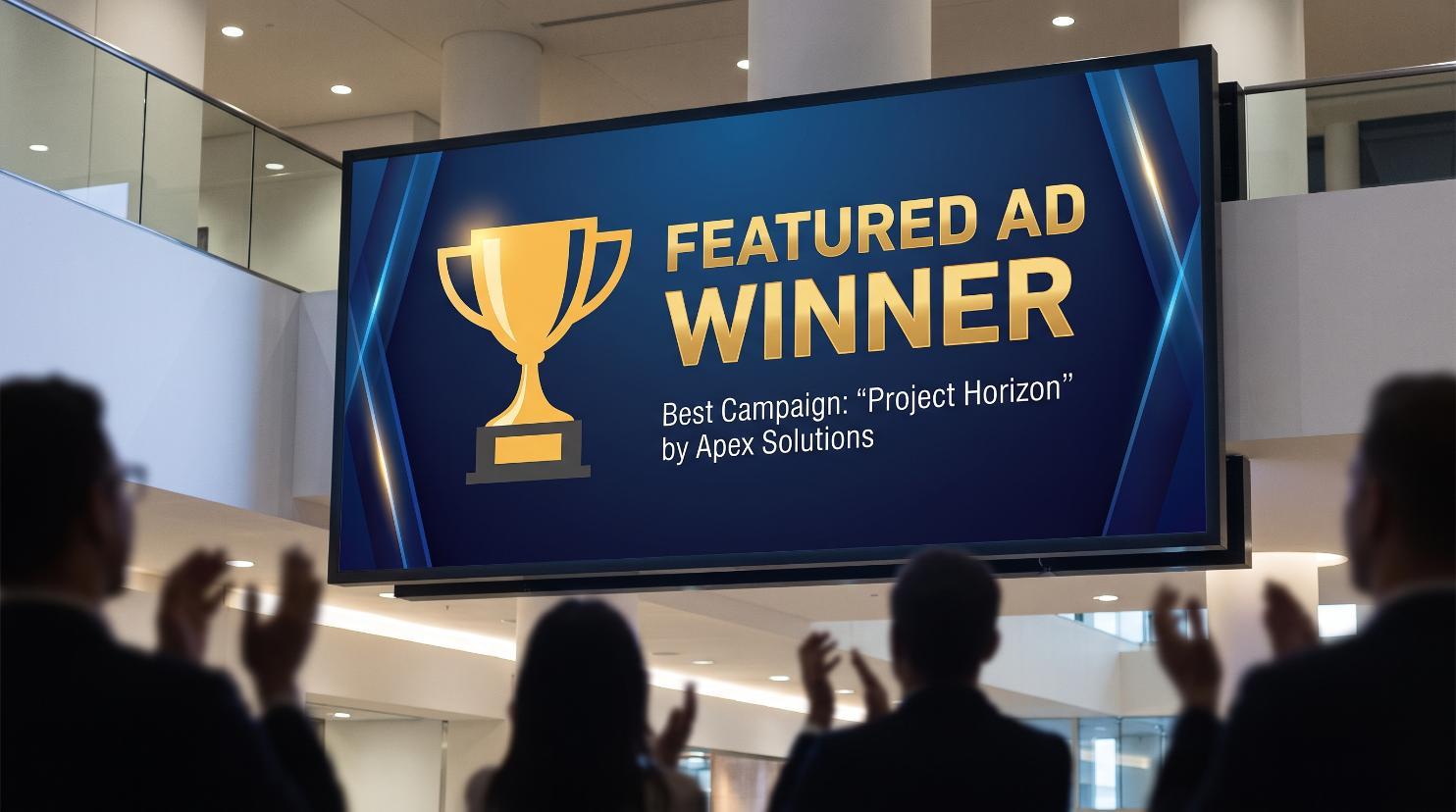
Try It FREEMost “great ads” are designed to win hearts, not auctions. They’re built for juries, brand decks, and sizzle reels—polished storytelling, big emotional arcs, a single clever line. But in today’s paid media environment, the ad that wins awards is rarely the ad that wins your MER dashboard. It only becomes a performance engine once you rebuild it around how algorithms actually decide who sees what, and how users consume content in-feed.
The first shift is brutal but non‑negotiable: creative is no longer just persuasion; it’s targeting. As platforms push you into broad, AI-led setups—Google’s Performance Max, Meta’s Advantage+, TikTok’s Smart+ and automated expansion—your headlines, visuals, and video structure become the primary signals that tell the system who this ad is for and what it should optimize toward. As one analysis of this trend put it, as audience controls shrink, “creative has become one of the most important signals” for platform algorithms to interpret and qualify the right viewers, effectively making your ad the new targeting layer itself within these.
That’s where most “featured” or award-winning ads break. They’re written as if tight audience targeting will do the qualification for them. Broad, universal lines like “rethink what’s possible” or “for life, uninterrupted” look beautiful in a brand book, but they tell a machine almost nothing about who should see the ad—or what outcome matters. When you hand that kind of creative to an algorithm that’s exploring wide audiences by design, you’re effectively asking it to guess. As audience inputs get looser, every frame, line, and on‑screen cue has to carry more intent: who is this for, what problem are we solving, and what action should happen now, not after three more brand touchpoints.
TikTok exposes this gap more clearly than almost any other channel. The platform’s best-performing ads “look and feel like the content people are already watching,” and its algorithm rewards content quality and relevance over account size, meaning even a small brand can massively outperform a big spender with the right creative native to TikTok’s environment. That’s great news for performance marketers—but it also means you cannot simply drop a beautiful TVC or a glossy brand film into in‑feed and expect it to work. Research highlighted by TikTok itself shows that formats built around native behaviors, like Spark Ads that piggyback on creator-style content, drive materially higher conversions than standard in‑feed units, precisely because they’ve been rebuilt to match how people actually use the platform and how the algorithm learns.
The same pattern is emerging across automated TikTok tooling. TikTok’s Symphony Creative Studio can now spit out near-finished videos from a brief—scripts, storyboards, avatars, edited clips pulled from trend data and top-performing ad patterns. But practitioners who’ve gone deep into these tools are clear that AI can only get you “about 70% of where [your creative] needs to be”; the final 30% comes from humans reshaping the AI output to call out specific benefits, sharpen hooks, and reflect real product proof tailored to a precise audience and offer within the Symphony pipeline. In other words, the machine can mimic vibe and structure, but performance comes from how intentionally you qualify and direct demand inside each scene.
Native and TikTok ads that scale don’t outperform because they’re more beautiful; they outperform because they’re built like instruments for algorithms and humans at the same time. They use creative to encode audience, intent, and outcome so clearly that platform AI can find likely converters fast, and real people instantly recognize “this is for me” without feeling like they’re being dragged through a brand anthem. Award-worthy concepts are often a strong starting point—but if you don’t rebuild them to act as targeting, testing, and sales collateral all at once, you’re left with expensive art in a performance auction.
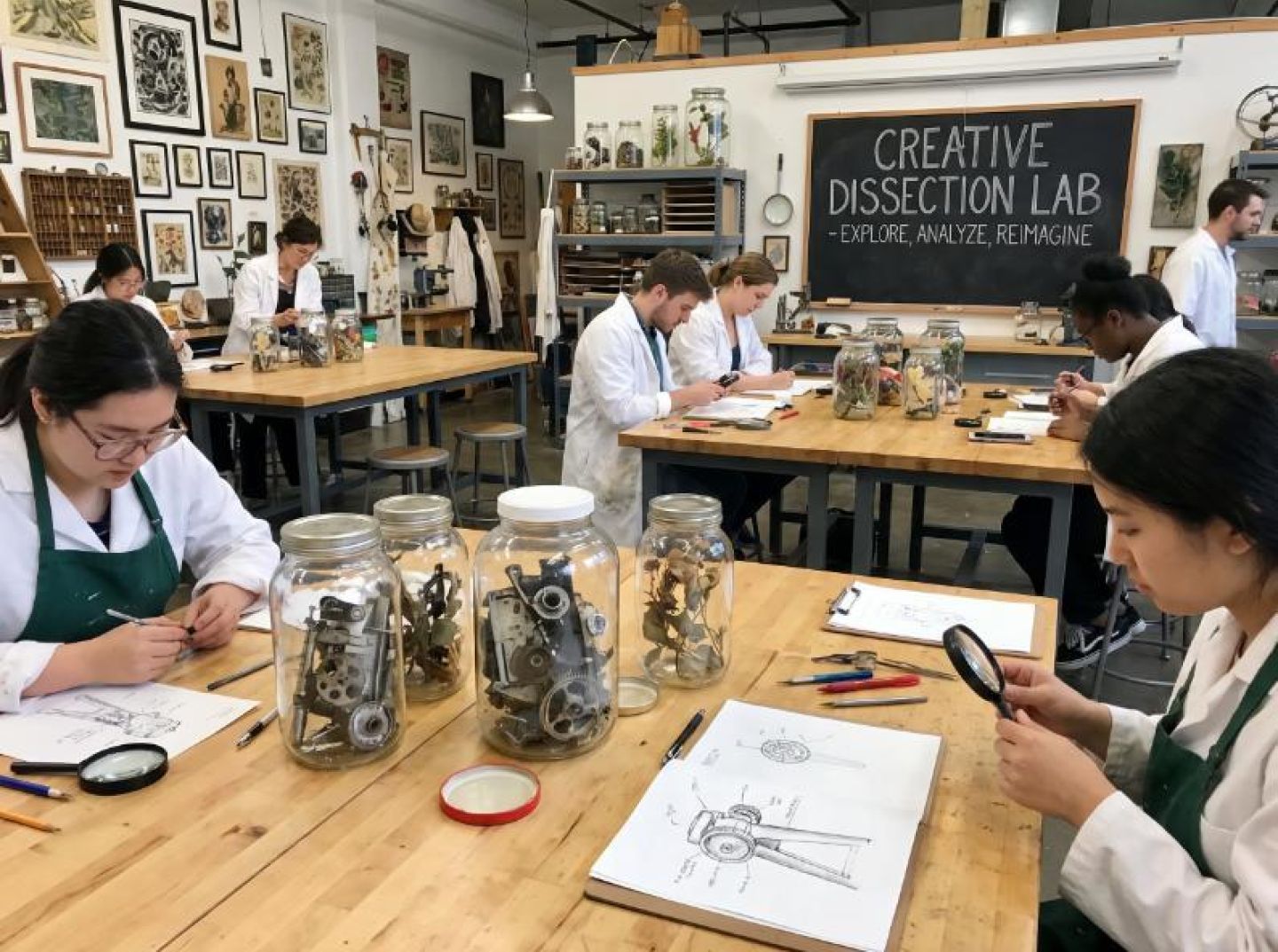
Before you can rebuild a gorgeous brand film into a performance workhorse, you have to put it on the table and take it apart—scene by scene, frame by frame, line by line. Think of this like running a forensic lab on a “Featured Ad.” You’re not judging whether it’s “good.” You’re extracting what’s useful for algorithms, feeds, and thumb‑scrolling humans.
Here’s a practical teardown process you can run on any Cannes case study, TikTok showcase, or big-budget TVC.
Watch the spot three times with different lenses:
Think of this like the TikTok “three‑act” pattern many top creators follow—attention, development, payoff—which WordStream’s guide to TikTok ads notes is critical for keeping users from swiping away.
Document this in a simple grid. You’re building a “beat sheet” that will later translate into TikTok scripts and native ad copy variants.
Award spots usually bundle multiple assets into one cinematic package: product demos, social proof, education, lifestyle fantasy, even micro‑UGC moments. Your job is to unbundle.
Go through the spot with these filters:
Tag each moment with a label—HOOK, PROOF, DEMO, REACTION, CTA—so you can later recombine them into short, native-feeling units.
Performance platforms don’t buy “big idea”; they buy angles.
From your notes, pull out every distinct angle the spot touches:
Each angle will later map to a different TikTok ad variant or native campaign line. Native advertisers who scale—whether it’s personal styling services turning blog content into high‑converting placements or ecommerce brands expanding beyond search—win by testing angles systematically, not just exporting a single hero video, as case studies on native expansion shared by Voluum’s Taboola guide make clear.
For each angle, answer three questions:
You’ve just created the raw ingredients for hooks, subtitles, and thumb‑stopping thumbnails.
Finally, document the “rules of the world” that the brand film establishes:
This is the same type of creative blueprint TikTok is now trying to automate with its AI studio, where tools like Symphony generate scripts and storyboards based on proven patterns before humans refine the specifics, as described in Social Media Examiner’s breakdown of TikTok’s AI creative tools. You’re doing that process manually: extracting patterns so you can brief creators, editors, or AI generators to replicate the feel without copying the exact execution.
When you’re done, you shouldn’t just “like” the ad more. You should have a living worksheet: beat sheet, angle list, hooks, proof points, and stylistic rules. That’s the lab report you’ll use in the next step—rebuilding this beautiful brand spot into dozens of native and TikTok units that algorithms can actually scale.
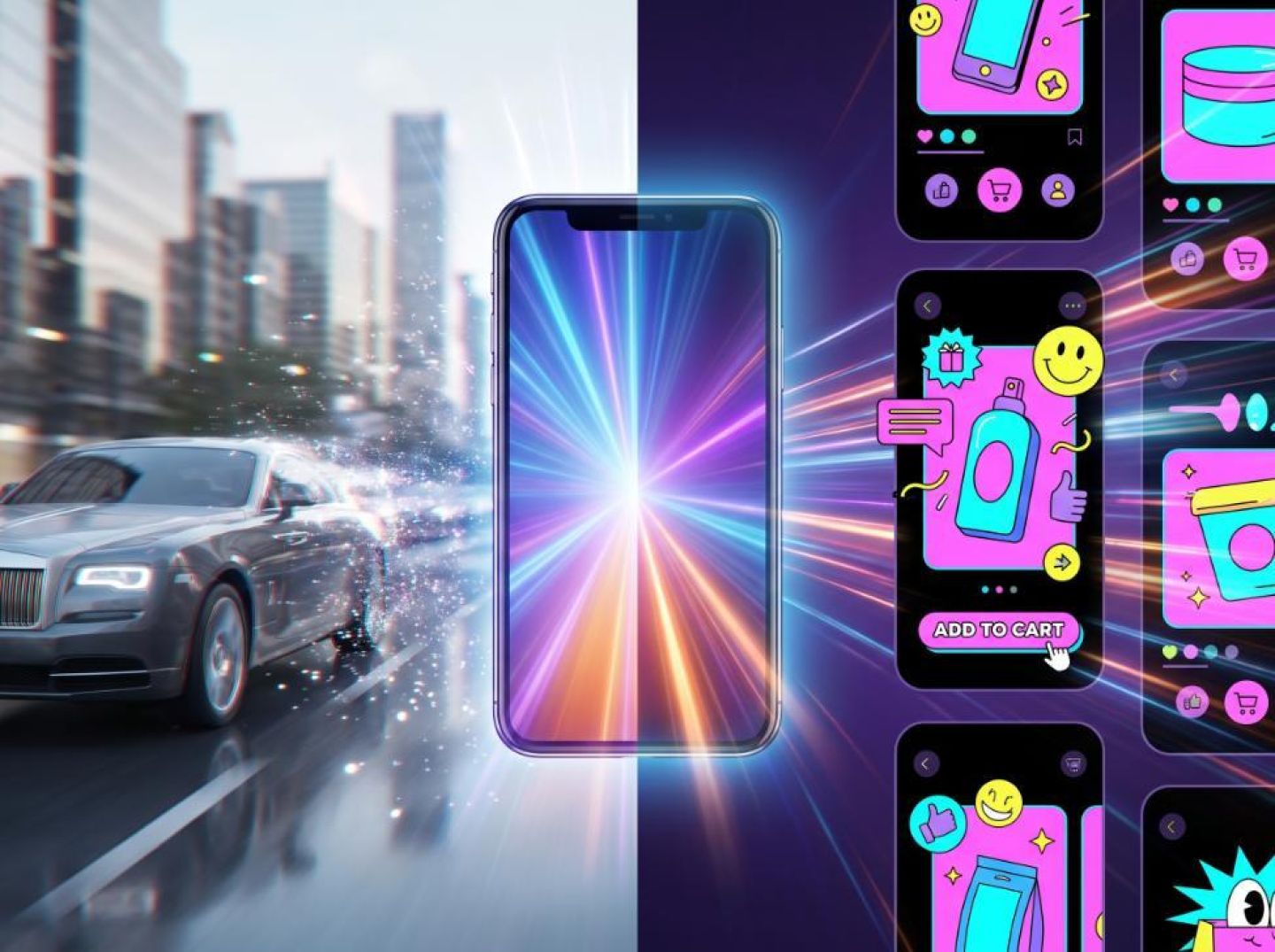
Award spots are built for a captive audience; TikTok ads are built for the “decide in 0.3 seconds or die” feed. Translating big‑brand cues into TikTok means keeping the emotional spine and visual DNA, but rebuilding everything else around hooks, watch time, and conversion signals.
The first shift is philosophical: your creative is your targeting. As platforms move toward broad, AI‑driven distribution, headlines, visuals, and on‑screen copy are now key signals for who should see your ad, not just how they should feel about it. As one analysis of performance campaigns puts it, “creative has become one of the most important signals” as Google, Meta, and TikTok automate audience settings, effectively making creative the new targeting. On TikTok, that means your opening 1–3 seconds must both hook the thumb and qualify the viewer: call out the use case, pain point, or identity so the algorithm learns who this is for.
Start by collapsing the brand film’s narrative into a TikTok‑native structure: hook → tension → proof → action. Big‑brand cues—cinematic imagery, a clever line, a hero visual—can still live here, but they’re rearranged for feed logic:
Production value is the next trap. Award‑winning work is polished; TikTok is “native or nothing.” High‑end brand cues still matter—consistent color, logo, product hero shots—but they should be wrapped in native behaviors: selfie angles, jump cuts, lo‑fi B‑roll, creator‑style voiceover. As one breakdown of TikTok’s ad ecosystem notes, the formats that perform best “look and feel like the content people are already watching,” which is precisely why the platform’s native quality drives higher engagement and conversion. Instead of reshooting the brand film at full gloss, extract recognizable motifs (a recurring prop, a location, a sound bed) and let creators reinterpret them in their own style.
To make these cues actually convert, you have to engineer them for scale, not just aesthetics. That means:
Finally, build every ad as a testable object. Your job isn’t to faithfully “port” the award film; it’s to mine it for repeatable cues—visual signatures, lines, emotional beats—that you can plug into dozens of TikTok‑native variations. Let the brand spot give you the spine, then let the algorithm and your testing framework decide which version actually deserves to be called the winner.
Most award-winning spots are still built around a hero TVC or glossy brand film. That’s fine for the case-study reel; it’s lethal for performance if you treat that 30‑second masterpiece as a finished product instead of raw material.
The job in this stage is to break that hero creative apart and reassemble it for three very different realities: native “Tab Under” placements, interruption‑driven push, and aggressively direct pop. Same story, same brand codes—new hooks, pacing, and offers.
Start by tagging every element of the TVC with a job:
You’re creating a library of building blocks you can recombine into short, modular units. This is critical in environments where creative itself is the primary targeting signal and the first three seconds determine distribution, as.
Once you have your map, you’re ready to adapt.
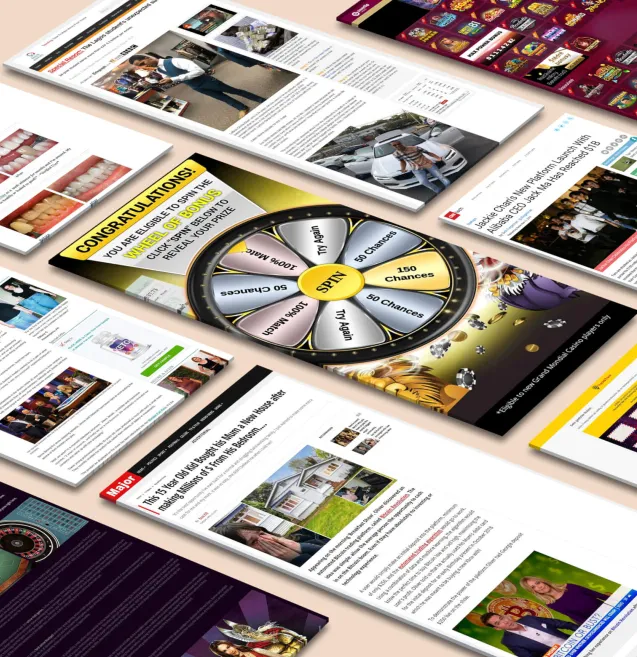
Native placements live under headlines and thumbnails on publisher sites. Nobody is “watching an ad”; they’re skimming a feed of article cards. Your TVC has to become a clickable promise.
2. Lead with education or utility. High‑performing native campaigns often hinge on informative, not purely promotional, content. Adidas boosted CTR by 50% by using native placements to share “informative videos” explaining new BOOST technology rather than just shouting “buy now,” as Voluum’s Taboola guide notes. Your TVC’s explanatory beats—product in use, benefits visualized—become “why this works” content snippets for pre‑sell pages.
3. Match the publisher environment. On premium news or lifestyle sites, “TVC‑style” images can feel like banner ads and get ignored. Re‑cut footage into more editorial‑looking thumbnails: screenshots that resemble a testimonial, a how‑to, or a newsy “breakthrough,” while staying truthful.
4. Wire in performance from day one. As you set up campaigns on platforms like Taboola or Outbrain, you’re not just uploading a pretty thumbnail. You’re choosing objectives, CPC bids, and brand safety settings, and building lookalike and suppression lists—decisions that directly impact scale and CPA, as the Voluum guide to starting native campaigns details. Your creative variants should map to those objectives: softer, curiosity‑driven headlines for upper‑funnel traffic; more explicit benefit and urgency for retargeting.
Push (browser and app notifications) is pure headline warfare. You get an icon, a few words of text, and sometimes a tiny image. All the lush cinematography in your TVC collapses into three constraints:
Pop traffic is brutally direct‑response. Users are yanked from whatever they were doing into a full‑page experience. There’s no time to “build atmosphere” like a TVC; you need to compress the entire arc into the first screen:
Critically, your pop doesn’t have to look like the TVC. It just has to carry the same emotional truth and core promise, translated into direct‑response structure: bold headline, agitating the problem, showcasing the solution, and driving a clear, singular CTA.
The through‑line across native, push, and pop is simple: keep the hero creative’s story and proof, but remake every surface for the way people actually encounter it today—scrolling feeds, skimming notifications, and bouncing into new tabs—while giving algorithms the clear, early signals they need to find the right buyers.
Once you’ve translated your award‑bait spot into native and TikTok formats, the real game starts: wiring the system so the best ideas reliably rise to the top and keep evolving.
Think of this layer as a feedback nervous system: tracking → signals → AI‑driven iteration. If any of the three is missing or noisy, scale becomes guesswork.
First, you need clean, conversion‑aligned tracking. On native, that means doing more than just pasting in a URL and thumbnail. Platforms like Taboola or Outbrain let you set a clear marketing objective (lead gen, site engagement, purchases) and optimize against it, not just clicks. As one native walkthrough on the Voluum blog breaks down, you’re explicitly choosing objectives, setting CPC bids or SmartBid rules tied to CPA, and wiring in brand‑safety, device, and geo filters before you ever upload creative. That structure is what makes every impression and click legible later: the platform knows what “good” looks like.
On TikTok, the same principle applies, but the signals are richer and faster. When you set up In‑Feed campaigns in TikTok Ads Manager, you’re choosing outcomes like conversions or sales and letting the algorithm chase them across broad audiences. Because TikTok rewards authentic, “native‑feeling” creative over polish, as the team at WordStream notes in their TikTok guide, your tracking setup and your creative choices are inseparable. If the tag, events, and post‑click funnel aren’t clean, the algorithm can’t tell which scrappy UGC variant is actually driving incremental revenue versus vanity engagement.
From there, you design a signal stack that goes deeper than ROAS by campaign. Your hero‑derived concepts become hypotheses embedded in creative: different hooks, problem framings, social proof devices, and visual codes. Every video, thumbnail, and headline is tagged or grouped by those ingredients. That gives you two levels of feedback:
2. Pattern‑level signals: which types of hooks keep winning? Which emotional territories (relief, aspiration, fear of missing out) correlate with profitable cohorts? Native case studies, like Adidas boosting CTR 50% and Bombfell increasing mobile conversions by 960% through specific content angles, only became clear because those advertisers tracked performance back to creative structure, not just creative file names, as the Voluum native advertising breakdown explains.
Once you’re capturing those signals, AI stops being a buzzword and becomes a production engine. TikTok’s own ecosystem is quietly pushing this future: its Agentic Hub now includes creative‑analysis skills that can automatically surface which hooks, beats, and CTAs are over‑ or under‑performing. According to an overview on Social Media Examiner, marketers are already using these skills to identify their strongest hooks, monitor fatigue, and even auto‑assemble daily performance reports. The key shift: you’re not asking “which ad won?” but “what did the winners have in common, and how do we manufacture more of that tomorrow?”
Symphony Creative Studio then closes the loop. You feed in your brand guardrails, top‑performing angles, and campaign objectives; Symphony returns scripts, storyboards, even avatar‑driven videos in bulk, as Social Media Examiner describes in its coverage of Symphony’s upgraded Agent. But you don’t accept its output as finished work; you treat it as 70% prototypes, then layer in human nuance—precise claims, new demo sequences, sharper offers—based on what your signal stack is teaching you.
This is where creator content fits naturally. When brands like Gana Energia pitted creator‑led TikTok ads against their own polished explainers, the creator content crushed lead volume and cut CPL by nearly two‑thirds, according to a case study on the HubSpot marketing blog. You can systematize that advantage: brief creators on the business problem, tag their outputs by hook and narrative angle, and run them through the same AI‑driven analysis as your brand ads. The platform’s algorithms don’t care whose face is on screen; they care which creative constructs keep people watching and buying.
When you wire tracking, signals, and AI together this way, that glossy “Featured Ad” stops being a one‑off trophy. It becomes the creative seed for a living system that tests dozens of permutations, scales the winners, and keeps evolving as fast as the feed itself.
Receive top converting landing pages in your inbox every week from us.
Guide
Award-winning ads can inspire powerful performance creative, but they need to be rebuilt for the way algorithms, feeds, and users behave across Native and TikTok. This guide shows how to reverse-engineer high-profile creative into scalable hooks, angles, formats, and AI-driven testing systems that can improve performance.
Elena Morales
7 minSep 19, 2026
In-Depth
Discover how city-level ad intelligence can help marketers build campaigns that feel local while scaling globally. Learn how to use Anstrex to uncover geographic, language, creative, and funnel patterns across Native, TikTok, Push, and Pops, then turn those insights into repeatable localized campaigns.
Elena Morales
7 minSep 16, 2026
Most Read
Demand generation is shifting from marketing automation alone toward real-time market intelligence and proven creative signals. This guide shows how to use native, push, pop, and TikTok ad intelligence to uncover winning hooks, turn them into demand gen IP, and connect those insights across ads, email, landing pages, and the full customer journey.
Elena Morales
7 minSep 13, 2026