11 minJuly 21, 2026

Our spy tools monitor millions of native ads from over 60+ countries and thousands of publishers.
Get StartedThere's a quiet contradiction at the heart of how most marketers build native ads. They know — intellectually, at least — that buying decisions unfold over time, that trust is earned in stages, and that a stranger scrolling through an article about weekend hiking trails is not in the same headspace as someone who visited a product page yesterday. And yet, when it comes time to create an ad, they design it as if this one creative unit has to do everything: grab attention, establish credibility, present the value proposition, overcome objections, and compel a click — all within a single scroll-stopping moment.
This is the single-moment fallacy, and it's quietly bleeding budgets dry across the native advertising ecosystem.
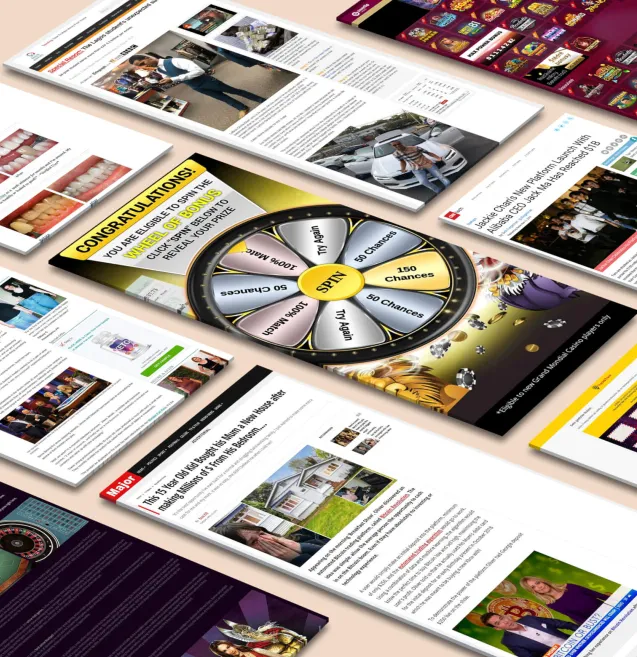
The problem is partly structural. Native advertising is designed to mimic the look, feel, and function of its editorial environment, blending so seamlessly into the browsing experience that consumers often don't even realize they're engaging with an ad. That chameleon-like quality is its superpower — it sidesteps the banner blindness that has made traditional display a graveyard of ignored impressions. But it also creates a dangerous illusion for the advertiser. Because each native ad looks like a single organic piece of content, marketers start thinking of it as a single organic piece of content. One shot. One chance. Cram everything in.
The result is creative that tries to be all things to all people and ends up being nothing to anyone. A headline that teases curiosity gets bolted to body copy that hard-sells a discount, landing on a page that assumes a level of product knowledge the reader never had. The ad "blends in" visually, sure — but it delivers the wrong message to the wrong mindset, and the audience scrolls past without a second thought.
Meanwhile, the most sophisticated advertisers in the space have moved far beyond this approach. Consider the scale: native programmatic advertising now constitutes 95% of all native display ad spending, and total native ad spend accounts for nearly 60% of all display investment in the United States. Those numbers don't emerge from brands lovingly hand-crafting one-off creatives and hoping for the best. They emerge from systems — layered, sequenced, audience-aware systems that serve different messages at different stages.
Yet most marketers studying their competitors never see those systems. They open a spy tool, screenshot a winning ad, and reverse-engineer it in isolation, completely divorced from the sequenced context that made it work. They're inheriting the single-moment fallacy by default, because the tools they use can only show them snapshots.
This gap between individual creative quality and strategic sequencing is precisely the blind spot the industry needs to confront. As AdPushup has noted, the demand for quality and innovative ad content continues to rise, but many native campaigns still rely on personalized creatives built manually in consultation between publishers and advertisers — a process where scaling and long-term automation remain an unsolved challenge. The pressure to make each individual ad brilliant has, ironically, distracted marketers from the more fundamental question: brilliant for whom, and at what stage of the decision?
The answer isn't to stop caring about creative quality. It's to stop pretending that a single ad — no matter how beautifully it blends into the feed — can replace an entire persuasion architecture. Native advertising's gift is that it feels like a natural moment. But your strategy behind it should never be just one.
Most marketers have heard the phrase "match your creative to your funnel." They nod, file it away as a best practice, and go back to producing ads that treat every impression as if it exists in a vacuum. But when you actually dissect what top Facebook advertisers are doing — and why it works — you realize that matching creative to funnel position isn't a tip buried in a listicle. It's the entire architecture that makes profitable scaling possible.
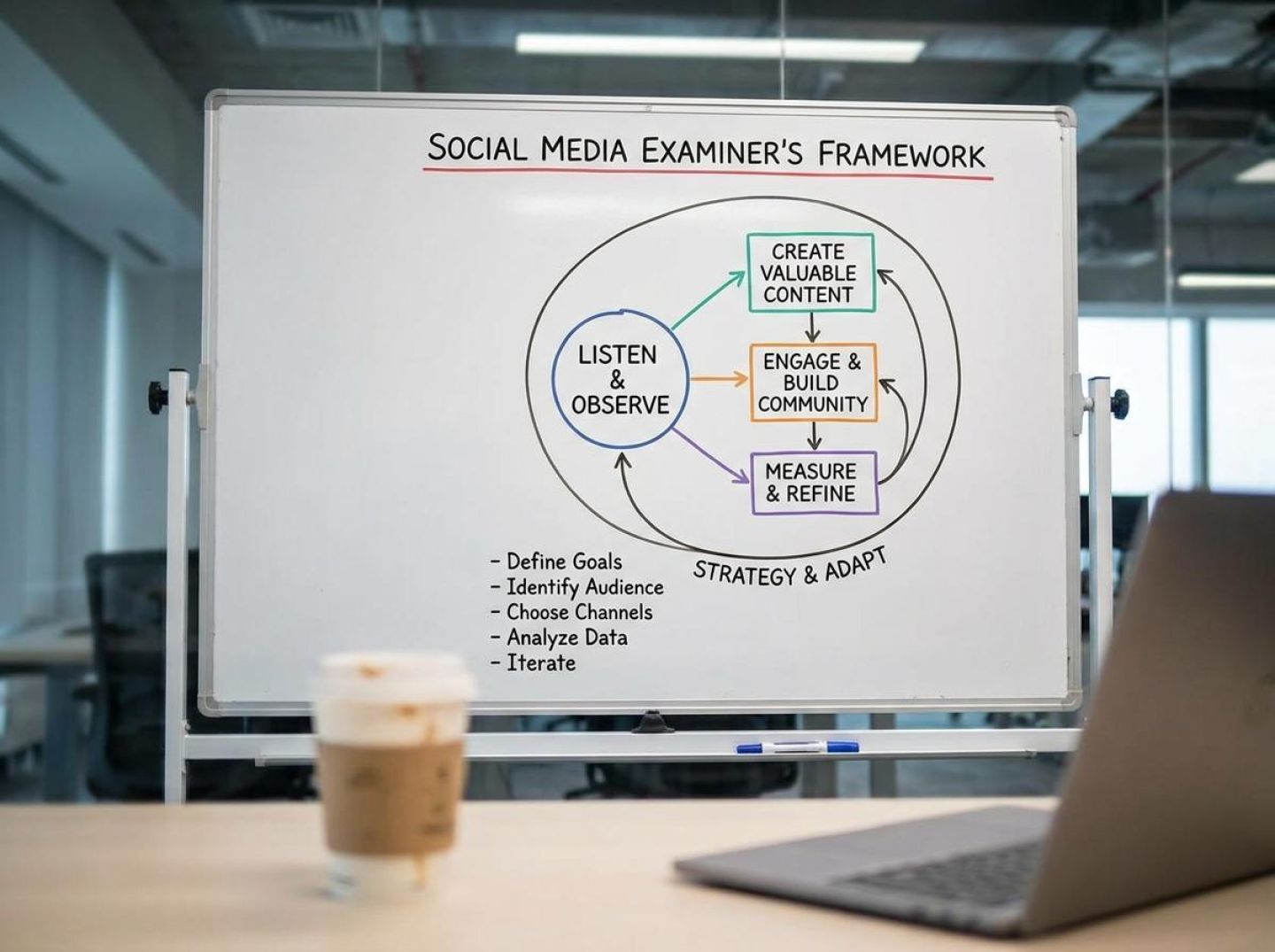
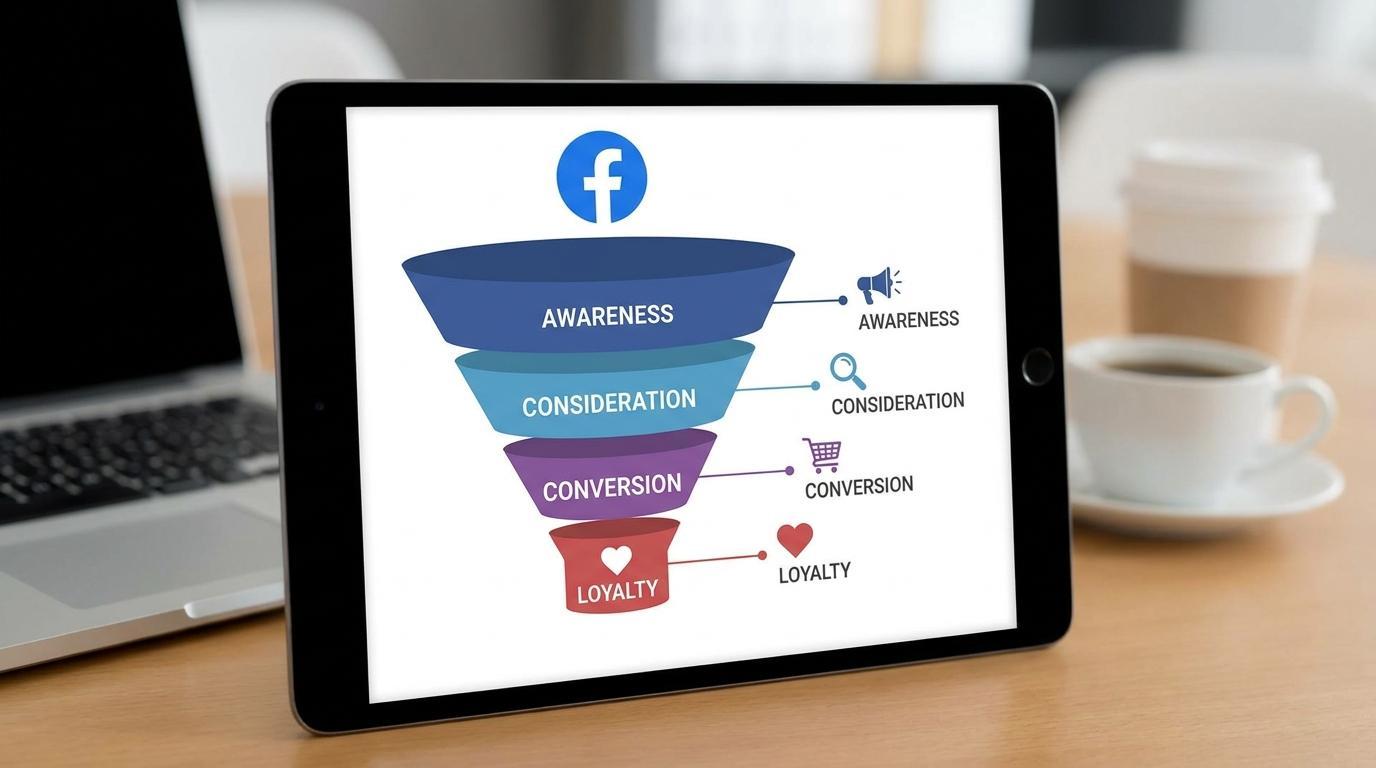
The system runs in four stages, each demanding something fundamentally different from your creative. At the top of the funnel, you're prospecting — reaching people who have never heard of you, don't know they have a problem worth solving, or haven't yet connected your category to their life. This is where, as Sam's framework in Social Media Examiner makes clear, video outperforms other formats because it can arrest attention and create an emotional entry point before the scroll reflex kicks in. The job of a top-of-funnel ad is not to sell. It's to make a stranger pause long enough to become a prospect.
Mid-funnel is where the emphasis shifts, as Sam describes it, "from attention-grabbing to solution-focused." Here you're speaking to people who've watched your video, visited your page, or otherwise signaled awareness. The creative pivots from "here's a problem you didn't know you had" to "here's why this problem is costing you more than you think." Both images and video work at this stage, but the messaging angle changes entirely — you're educating, building credibility, and deepening the problem narrative so the eventual solution feels inevitable rather than imposed.
Bottom-of-funnel creative does the closing. This is where you position your product as the specific answer, deploy offers, and remove friction. And this is where avatar specificity becomes non-negotiable. The back brace example illustrates this perfectly: a generic "back brace for back pain" ad competes for everyone and converts almost no one, while an ad showing construction workers dealing with chronic pain from lifting and bending reaches a far more qualified audience. That level of specificity only works at the bottom of the funnel because the audience has already been filtered through awareness and engagement stages above it.
The fourth stage — post-purchase retention — runs as a separate campaign targeting existing customers, and Sam insists on that structural separation so you can see exactly where your money flows rather than letting everything blur together. Retention creative speaks a different language altogether: it reinforces the buying decision, introduces complementary products, and turns customers into advocates.
This four-stage architecture mirrors what WordStream recommends when advising that your Meta Ads account structure should resemble a typical marketing funnel, with upper-funnel campaigns devoted to prospecting, mid-funnel campaigns built around lookalike and mid-tier audiences, and lower-funnel campaigns reserved for highly refined remarketing audiences — each with campaign objectives calibrated to its specific goal.
Now consider the "hit rate" methodology through this lens. Sam defines a hit as any ad exceeding your ROAS target while capturing at least ten percent of total account spend, and he's blunt that most advertisers' hit rates are poor. The standard advice is to manufacture volume — produce more creative to increase the odds of finding a winner. That's sound, but only if each piece of creative is mapped to the correct funnel stage. An exceptional bottom-of-funnel ad, tested cold against a prospecting audience, isn't a bad ad. It's a misplaced one. You've written a beautiful second act and shown it to an audience that never saw act one. The hit rate doesn't improve by making more creative. It improves by making the right creative for each stage and letting the four-part system do what a single ad never can: build belief incrementally, one impression at a time.
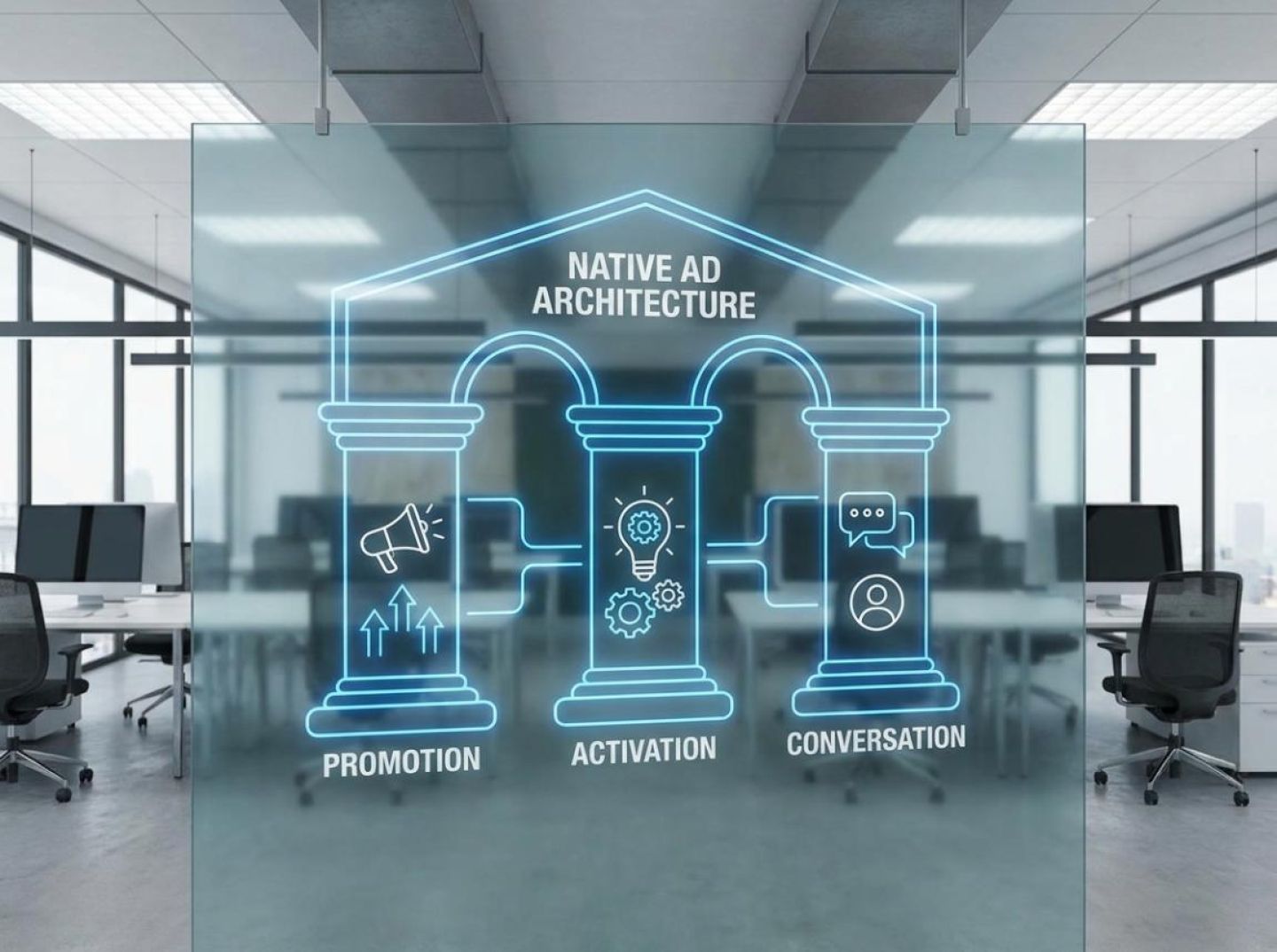
Seth Godin has long argued that marketing unfolds in three distinct phases — promotion, activation, and conversation — and this framework adds a psychological dimension that pure funnel mechanics tend to flatten. Promotion is the act of making someone aware that something exists. Activation gives them a reason to care right now, a trigger that converts passive awareness into active interest. Conversation is the ongoing relationship where trust compounds and a purchase begins to feel like a natural continuation of dialogue rather than a pitch from a stranger. When you layer this lens over the four-stage Facebook system, something important clicks into place: the quality of attention your audience gives you is fundamentally different at each phase, and the ad format you choose must honor that difference or break the spell.
Start with promotion. At this stage, the person scrolling through their feed or browsing an article has no relationship with your brand and no reason to want one. The native ad that wins here is the one that's almost indistinguishable from the editorial content surrounding it — not because you're trying to trick anyone, but because you're earning attention on the strength of the content itself. The fact that consumers often don't realize they're engaging with a native ad until they're well into the experience isn't a flaw in the format; it's the mechanism that makes it work. This is where format choice matters enormously. As Basis has documented, the native landscape now extends far beyond static images to include animated GIFs, click-to-watch video, instant play video, and carousel formats — each suited to different objectives. A travel brand running a short-form video that showcases a destination's allure is doing promotion-stage work: creating desire without demanding action, building familiarity without forcing a brand name into the headline. The CTA at this stage should be soft or nonexistent. You're planting a seed, not harvesting a crop.
Activation shifts the dynamic. The audience now has some context — they've seen your content before, maybe engaged with a video or clicked through an article. They know you exist. Now you need to give them a reason to care today. This is where your brand can afford to be more visible, where a B2B company might deploy a click-to-watch video ad with an embedded call-to-action to drive leads, or where a retail brand uses a carousel to showcase specific products. The format gets more overtly branded because the psychological groundwork has already been laid. Your account structure should reflect this shift, with mid-funnel campaigns targeting lookalike audiences and warm segments who have enough familiarity to process a more direct message without flinching.
Conversation is where the sale lives — but only because everything before it made the sale feel inevitable. Retargeting campaigns, email-driven content, community engagement: these are conversation-stage touchpoints where you can be directly solution-focused, address objections, and present offers. The ad creative here is naturally the most "salesy" because it's speaking to people who are already in dialogue with you.
And this is precisely where competitive intelligence tools become dangerous without context. When you spot a competitor's high-performing ad through a platform like Anstrex, the creative you're seeing is almost always a conversation-stage asset — the final touchpoint in a multi-part sequence. It looks like it's converting because it's a brilliantly written ad with a compelling offer. But the truth is more humbling: it's converting because of everything the audience experienced before they ever saw it. Copy that ad and run it cold, and you're delivering a punchline to an audience that never heard the setup. The format is right, the copy might even be right, but the context is entirely wrong — and context, as Godin's framework makes clear, is not a nice-to-have. It's the architecture.
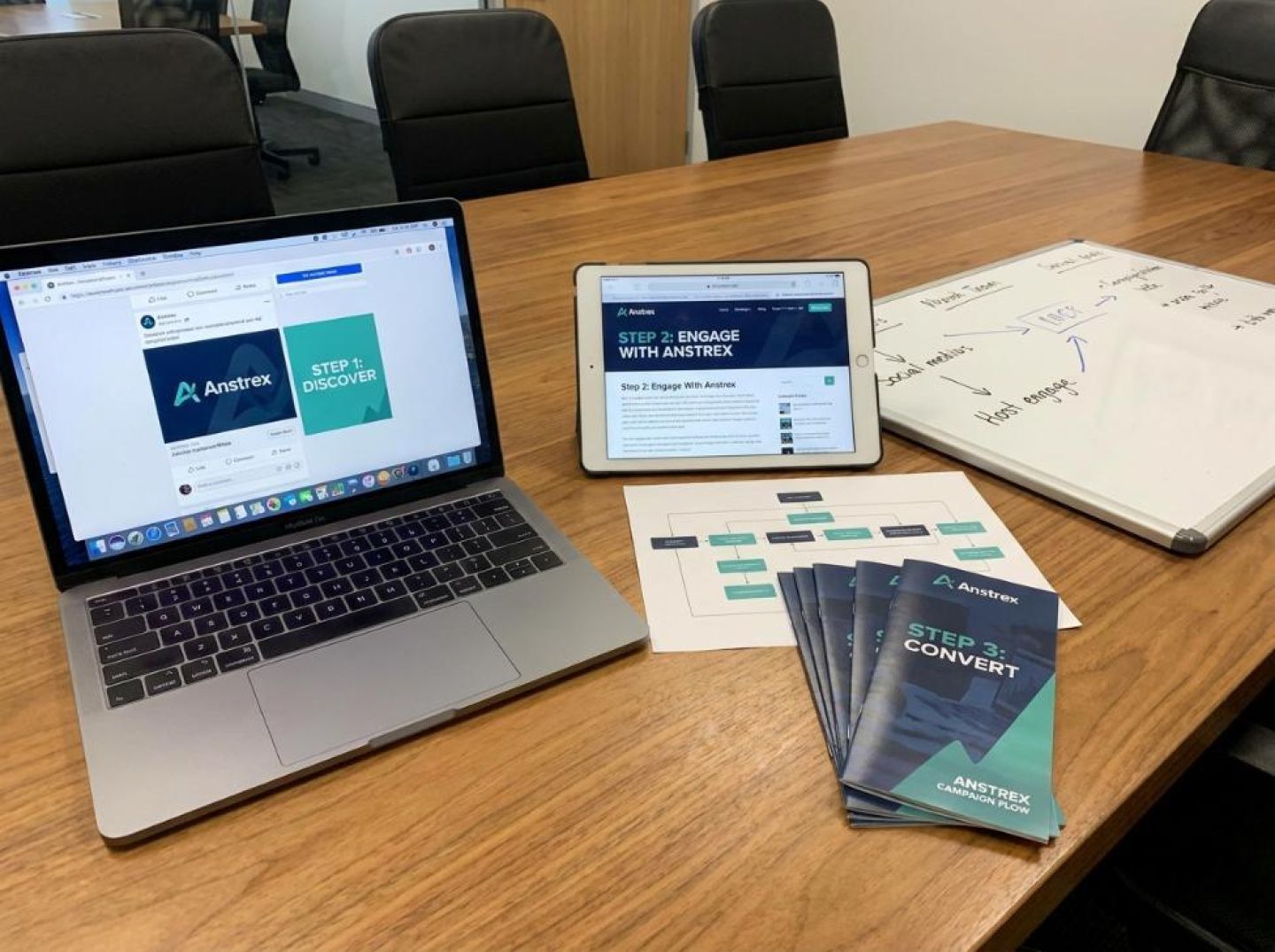
Most marketers open Anstrex, find a high-performing ad creative, screenshot it, and close the tab — treating the platform like a mood board rather than an intelligence tool. That approach misses the entire point. If you accept that the Facebook funnel operates across four stages, then reverse-engineering a competitor's strategy means tracing the full arc of their campaign architecture, not cherry-picking a single thumbnail that caught your eye.
Start by isolating a single advertiser. Use Anstrex's search and filter functions to pull every active creative from one brand or affiliate rather than browsing by vertical. What you're looking for is the portfolio — the complete set of ads running simultaneously. When you see a brand operating five or six creatives at once, the odds are high that each one maps to a different funnel position. One ad might be a curiosity-driven editorial headline designed purely for awareness. Another might retarget with a product comparison or a testimonial. A third might hit with urgency-based direct-response copy. The fact that they're all live at the same time isn't redundant; it's architectural. As WordStream has detailed, an effective Meta Ads account structure should resemble a typical marketing funnel, with upper-funnel campaigns devoted to prospecting, mid-funnel campaigns built around lookalike and engagement-based audiences, and lower-funnel campaigns devoted to highly refined remarketing audiences. Seeing those layers reflected in an advertiser's creative portfolio inside Anstrex tells you that you're looking at a sequenced system, not a collection of isolated tests.
Next, sort for longevity. Ads that have been running for sixty, ninety, or a hundred-plus days are almost certainly profitable — nobody burns budget on a loser for three months. When you identify those long-running creatives, click through to the landing pages and categorize what you find. Awareness-stage creatives typically drive to editorial-style content, advertorials, or quiz funnels. Mid-funnel creatives often land on pages with stronger product framing, comparison tables, or lead capture forms. Bottom-funnel creatives skip the preamble entirely and push directly toward a checkout or booking page. Mapping these landing page types against the ad creatives that drive to them reveals the messaging arc from first touch to conversion — something a single-ad swipe can never show you.
Then pay attention to the messaging progression. The best native advertisers understand that effective native ads provide the same kind of value to users as organic content, which means the top-of-funnel creative will read like editorial while the bottom-of-funnel creative will read like a pitch. Track how tone, specificity, and call-to-action intensity shift across a single advertiser's portfolio. You'll often find that the early-stage ads never mention a product name. The mid-stage ads introduce the brand through social proof or a story. The late-stage ads assume familiarity and lead with price, scarcity, or a direct offer. That gradient is the funnel made visible.
Finally, build a simple spreadsheet with columns for advertiser name, creative thumbnail, headline, estimated funnel stage, landing page type, and run duration. Populate it with three to five competitors in your niche. Within an hour, you'll have a structural map of how the smartest operators in your space are sequencing their campaigns — and you'll see exactly where your own funnel has gaps. This is the difference between using Anstrex as a swipe file and using it as a strategic decoder. The creative is just the surface. The sequence is the strategy.
Receive top converting landing pages in your inbox every week from us.
Recently Updated
Discover how TikTok, YouTube, and LinkedIn are turning creator content into performance marketing opportunities, and why brands should look beyond influencer fit and engagement metrics. Learn how to evaluate creator campaigns using earnings per click (EPC), marketing efficiency ratio (MER), and arbitrage margins to identify profitable creative, improve campaign decisions, and scale what works.
Dan Smith
7 minOct 16, 2026
Featured
Discover how performance marketers can turn the post-holiday advertising period, known as Q5, into an opportunity for lower-cost testing and smarter campaign optimization. Learn how to use Anstrex ad spy data to identify winning creatives, analyze competitor funnels, launch original landing pages, and turn Q5 insights into scalable Q1 campaigns.
Elena Morales
7 minOct 14, 2026
In-Depth
Explore what Pure Leaf’s “Break Conference” reveals about the gap between polished brand marketing and measurable performance. This guide breaks down how Native, Push, TikTok, and affiliate-style funnels use creative testing, clear offers, first-party data, and hard performance metrics to turn cultural moments into revenue.
Rachel Thompson
7 minOct 1, 2026