12 minAugust 21, 2026

Our spy tools monitor millions of TikTok ads from over 55+ countries. Biggest TikTok Ad Library in E-commerce and Mobile Apps!
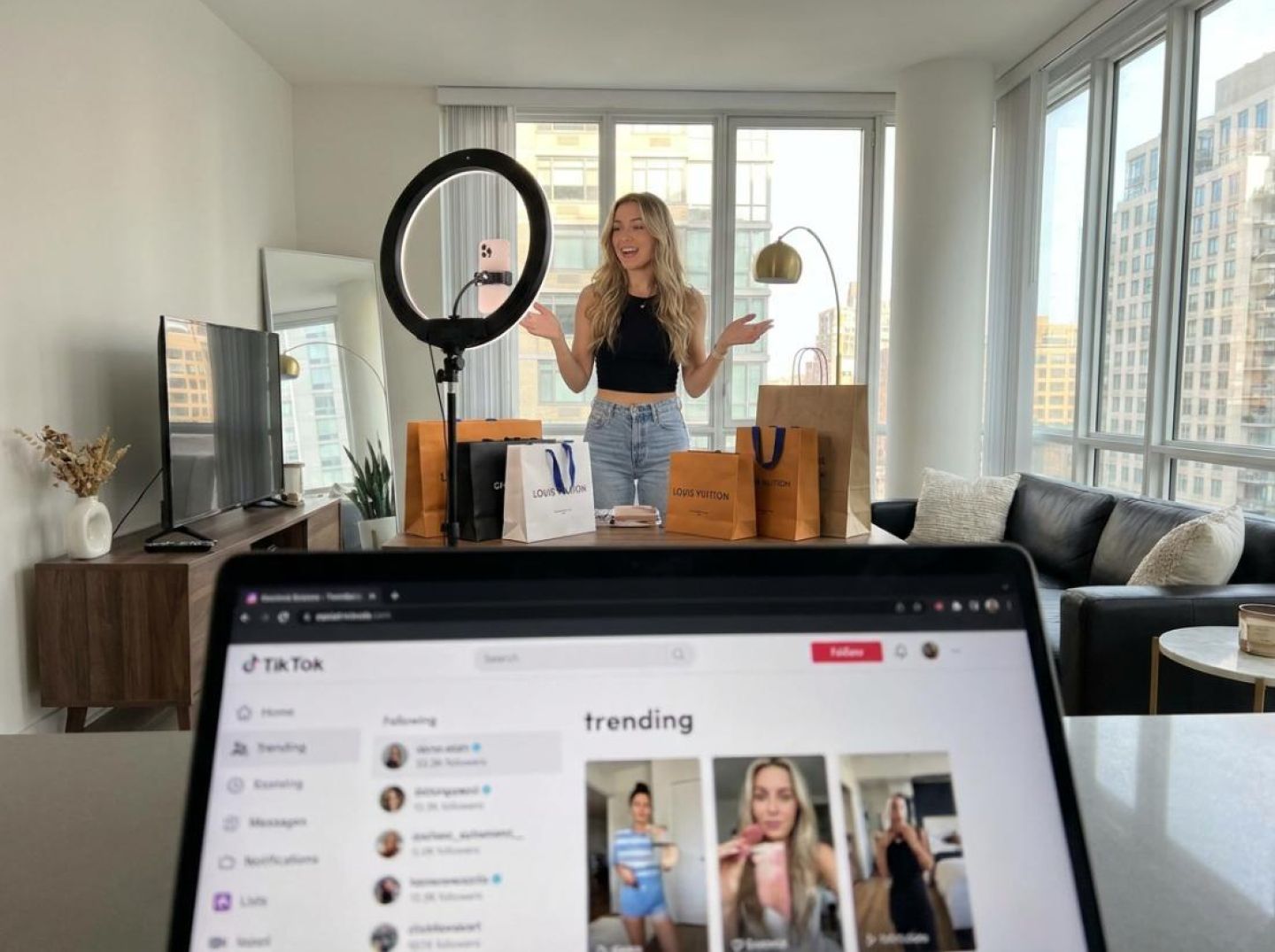
Try It FREEEvery week, the cycle repeats. A creator posts a TikTok — maybe it's a whispered ASMR unboxing, a chaotic "get ready with me" monologue, or a deadpan product review filmed in a car — and it racks up millions of views overnight. Within days, brand Slack channels light up. Marketing teams dissect the video frame by frame: the casual hook, the shaky handheld camera, the abrupt cut to a product shot, the off-the-cuff call to action. By the following Monday, a brief lands on a creative team's desk that reads, essentially, "make it look like this." The format gets cloned, a media budget gets attached, and the campaign goes live with the assumption that what earned attention organically will earn revenue when pushed as a paid ad.
The instinct is understandable, and it's not entirely unfounded. As platforms like TikTok, Meta, and Google increasingly automate audience selection through AI-driven tools, creative has become one of the most important signals determining who sees an ad and whether they engage with it. The old playbook of meticulously layering demographic filters and interest-based targeting is losing its grip. Performance Max, Advantage+, and TikTok's own recommendation engine all operate on the same principle: give the algorithm broad audience parameters, feed it strong conversion data, and let the creative itself do the qualifying. In that environment, what your ad looks like, sounds like, and feels like matters more than it ever has. So when a specific influencer format appears to be resonating with an audience, the logic of cloning it seems airtight.
Adding fuel to the fire, widely read advertising guidance actively encourages brands to adopt creator aesthetics. WordStream, for instance, advises brands to replicate the UGC style by filming simple videos on a smartphone even when they don't have organic customer content to draw from. That's sound advice in principle — polished, overproduced ads consistently underperform native-feeling content on TikTok. But many marketers hear "replicate the UGC style" and interpret it as carte blanche to wholesale copy whatever influencer format happens to be trending that week. They lift the hook structure, the pacing cadence, the green-screen effect, the exact text overlay timing — everything except the one element that actually made the original video work: the creator's authentic relationship with their audience.
This is where the copycat trap snaps shut. Virality is not a conversion signal. A video that earns ten million views, a flood of shares, and thousands of comments has proven exactly one thing: it captured attention within TikTok's entertainment ecosystem. It tells you nothing about whether that format, stripped from its original creator and repurposed with a brand's logo and landing page, will generate clicks that turn into purchases. Views measure distribution. Shares measure social currency. Comments measure emotional reaction. None of these metrics reliably predict whether a cold audience, served that same format as a paid In-Feed ad, will pull out a credit card.
The confusion between engagement and intent is expensive. When creative serves as the primary targeting lever — when the algorithm reads your ad's visual language, pacing, and messaging to decide who should see it — copying the wrong format doesn't just waste spend. It actively teaches the platform to find the wrong audience: people who want to be entertained, not people who want to buy. And because TikTok's algorithm is extraordinarily efficient at finding more of whatever audience your creative attracts, a misaligned format compounds its own failure at scale, burning through budget while delivering metrics that look deceptively healthy on a dashboard but hollow in a revenue report.
Consider, for a moment, what a marketing team would have seen if they'd been monitoring TikTok livestreams from a warehouse in Rotherham, South Yorkshire, in early 2026. They would have found creators with engaged audiences, rapid-fire product showcases, direct camera addresses dripping with confidence, and enthusiastic endorsements of branded trainers and socks — all delivered with the kind of unpolished energy that TikTok's algorithm rewards. The metrics would have looked promising. The format would have screamed "worth copying." And then police raided the operation, arrested six people, and seized more than 26,000 counterfeit items valued at over £1.1 million.
The collapse was total and instantaneous. Officers literally interrupted one creator mid-livestream while he was promoting fake goods to his audience. Investigators uncovered "commission cheat sheets" incentivizing creators to push as many counterfeit items as possible, and found that the influencers had been reassuring viewers on camera — "Everything we sell is authentic guys. We wouldn't be able to sell here if it wasn't" — while knowingly peddling fakes. One creator had been operating on the platform for nine months, long enough to build a following, develop a recognizable style, and produce dozens of videos that any ad spy tool would have flagged as high-performing content worth emulating.
Here is where the danger metastasizes beyond the individual scandal. The format itself — the enthusiastic livestream product endorsement with boxes stacked behind the presenter, the direct-to-camera assurance of authenticity, the casual urgency — is now contaminated by association. Any brand running creative that mirrors that style risks triggering the same skepticism viewers now carry after watching the arrest coverage circulate across social media and news outlets. You don't just lose an influencer in these moments. You lose a template.
And on TikTok, contamination spreads at a speed that legacy media crises never approached. As SilverPush's research on platform-level brand safety makes clear, brand damage on social platforms "escalates instantly," and at TikTok's scale of more than 1.9 billion monthly active users, "even a single unsafe adjacency can travel fast." The same algorithmic machinery that makes a product go viral in hours can attach your brand to a scandal just as quickly. SilverPush frames brand safety not as a defensive afterthought but as foundational infrastructure — and for good reason. When your campaign creative is modeled after a person rather than proven performance data, you are building on a foundation you cannot inspect, reinforce, or control.
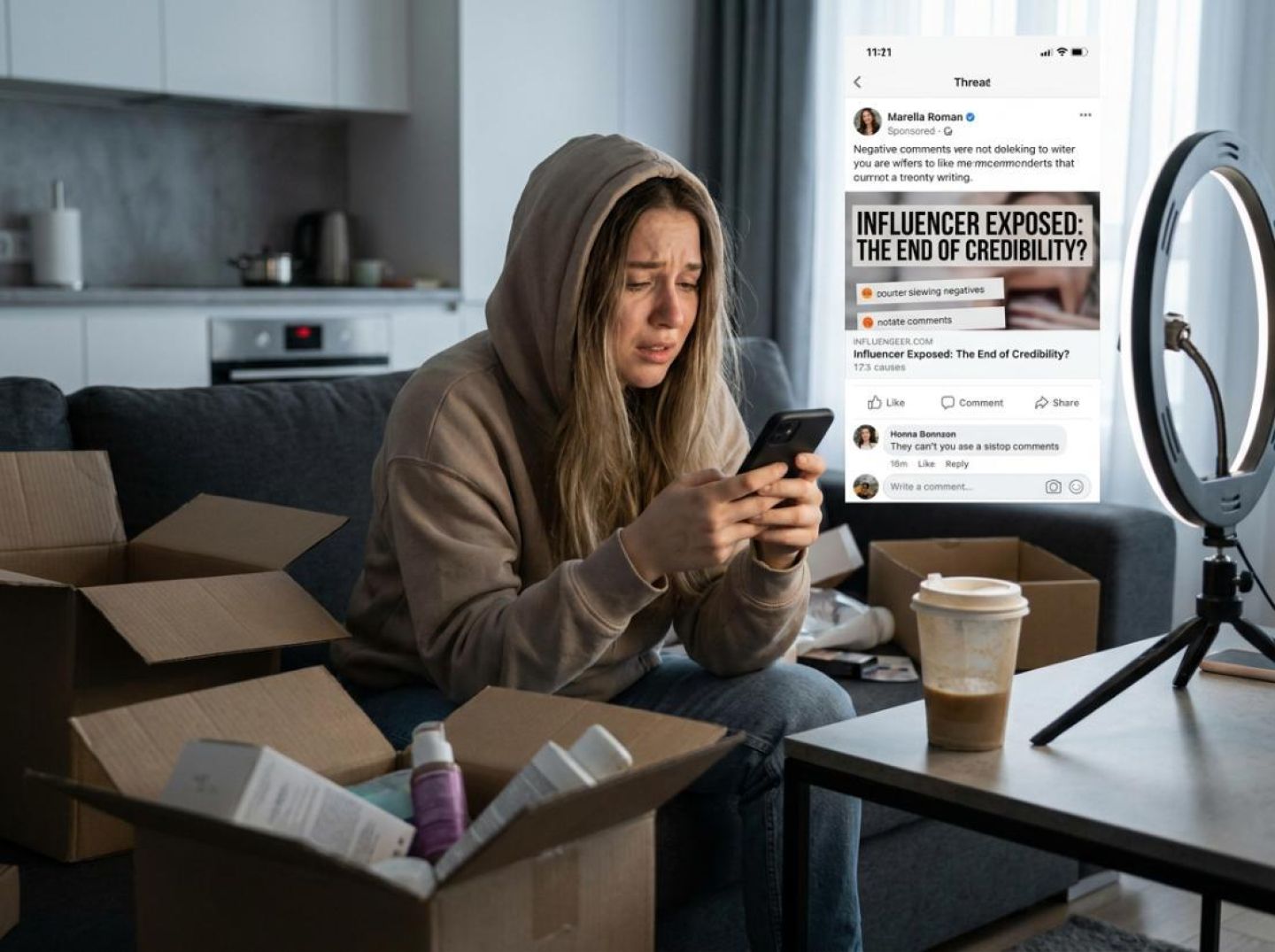
This is the asymmetry that makes influencer-derived creative so treacherous. When a format works, the brand gets a fraction of the credit — TikTok users attribute the appeal to the creator, not the product. But when that creator implodes, the brand absorbs the full blast of reputational shrapnel. The Rotherham case is extreme, but the principle scales down to every smaller controversy: undisclosed sponsorships, offensive comments surfaced from old accounts, public feuds, accusations of inauthenticity. Each one degrades the format the creator popularized, and every brand still running creative that echoes that format inherits a portion of the distrust.
The lesson is structural, not anecdotal. When you copy an influencer's style, you are not borrowing a tactic. You are borrowing a reputation — one that can evaporate between one livestream and the next.
After watching influencer partnerships implode — whether through exploitation scandals or simple credibility collapse — some marketing teams reached what felt like a logical conclusion: remove the human element entirely. If real creators are unpredictable, why not generate synthetic ones? AI-produced "influencers," deepfake-style testimonials, and algorithmically assembled UGC promised all the aesthetic authenticity of a creator-driven campaign with none of the reputational liability. It was a clean, scalable solution. It was also exactly the kind of content TikTok is now actively treating as spam.
The numbers behind TikTok's crackdown are staggering. The platform has labelled more than 3 billion AI-generated videos to date using a combination of Content Credentials, creator disclosures, and watermarking technology, while simultaneously joining the C2PA Steering Committee to push industry-wide transparency standards. In the first three months of 2026 alone, TikTok purged more than 86 million fake accounts — many of them automated operations flooding the feed with formulaic, AI-generated clips. And the platform's enforcement is overwhelmingly preemptive: 99% of violating content is removed proactively, most of it before a single user ever sees it. If your brand is investing in synthetic creative at scale, there's a meaningful chance your content is being filtered before it reaches anyone at all.
This isn't a moral crusade. As Billo CEO Donatas Smailys argues plainly, "Platforms don't spend money fighting content that works. They fight content that makes people scroll past, and feeds full of AI videos are doing exactly that." TikTok's ad business depends on keeping users engaged. When synthetic content drives scroll-through rather than watch time, it doesn't just underperform for the advertiser — it degrades the entire ecosystem that TikTok monetizes. The platform's economic incentives and its enforcement actions are perfectly aligned.
The implications go deeper than content moderation. As platforms like TikTok, Meta, and Google automate audience targeting and push advertisers toward broader reach, creative quality has become one of the most important signals algorithms use to determine who sees an ad. Every headline, image, and video provides context about the intended audience and desired action — meaning creative is no longer just a persuasion tool but a targeting signal in its own right. Synthetic content that triggers TikTok's spam detection doesn't just get suppressed; it sends weak signals to the recommendation engine, effectively telling the algorithm that your ad belongs nowhere in particular. You're not just losing impressions — you're poisoning the data loop that determines your future campaign performance.
Then there's the regulatory dimension. New York already requires disclosure of synthetic performers in advertisements, with penalties for noncompliance. More states are expected to follow. Smailys captures the deeper risk: "Once your audience feels tricked, no disclosure label wins them back." Brands deploying AI-generated creators face a triple threat — algorithmic suppression, legal exposure, and the kind of trust erosion that no retargeting campaign can repair.
This leaves marketers caught in a genuine paradox. Real influencers carry reputational risk that can metastasize overnight. Synthetic influencers are being actively penalized by the platforms, flagged by regulators, and ignored by audiences. Both paths lead to diminishing returns. But the binary framing itself is the trap. There's a third path — one that neither outsources credibility to an unpredictable personality nor tries to manufacture it from pixels — and it starts with understanding what ad spy data actually reveals about the creative patterns that convert.
So influencer partnerships carry reputational landmines, and AI-generated content is being actively throttled. Where does that leave the performance marketer who needs reliable, repeatable creative intelligence for TikTok — without staking their brand on either a creator's personal conduct or a platform's tolerance for synthetic media?
The answer is hiding in plain sight, buried in the ad libraries and intelligence platforms that most marketers treat as competitive curiosity rather than strategic infrastructure. The core argument is simple: when an advertiser runs a paid TikTok campaign and keeps spending on it — week after week, refresh after refresh — that sustained investment is the closest thing the market produces to an objective conversion signal. Unlike an organic video that racks up millions of views because it triggered outrage or rode a lucky algorithmic wave, a paid ad that survives ongoing spend scrutiny has passed an economic test. Someone reviewed the return on ad spend, decided the creative was generating actual revenue, and authorized more budget. That is not opinion. That is revealed preference, denominated in real money.
The structural reason this signal is growing stronger, not weaker, lies in how the platforms themselves are evolving. As MarTech's analysis of the creative-as-targeting shift makes clear, platforms like Meta, Google, and TikTok are steadily automating audience selection — pushing advertisers toward broad targeting and letting machine learning decide who sees what. In this environment, conversion data remains the strongest signal the algorithm has to work with, but creative is becoming the primary mechanism through which that signal is shaped. Every headline, hook, visual treatment, and call to action now functions as a targeting input, telling the algorithm who should engage and what action they should take. This means the creative choices visible in sustained paid campaigns are not incidental stylistic preferences; they are the load-bearing elements the algorithm has validated through real conversion feedback loops.
This is what makes ad intelligence fundamentally different from influencer trend-watching. When you monitor which ad creatives, formats, hooks, and CTAs are running consistently across multiple advertisers in the same vertical, you are reading a dataset that has already been filtered by the harshest editor in marketing: profitability. You are not betting on a person's reputation, which can collapse overnight into a counterfeiting arrest or a brand-safety crisis. You are not guessing whether a trending sound or format will translate from entertainment context to purchase intent. You are observing what the market — collectively, across hundreds of advertisers making independent spend decisions — has determined actually works.
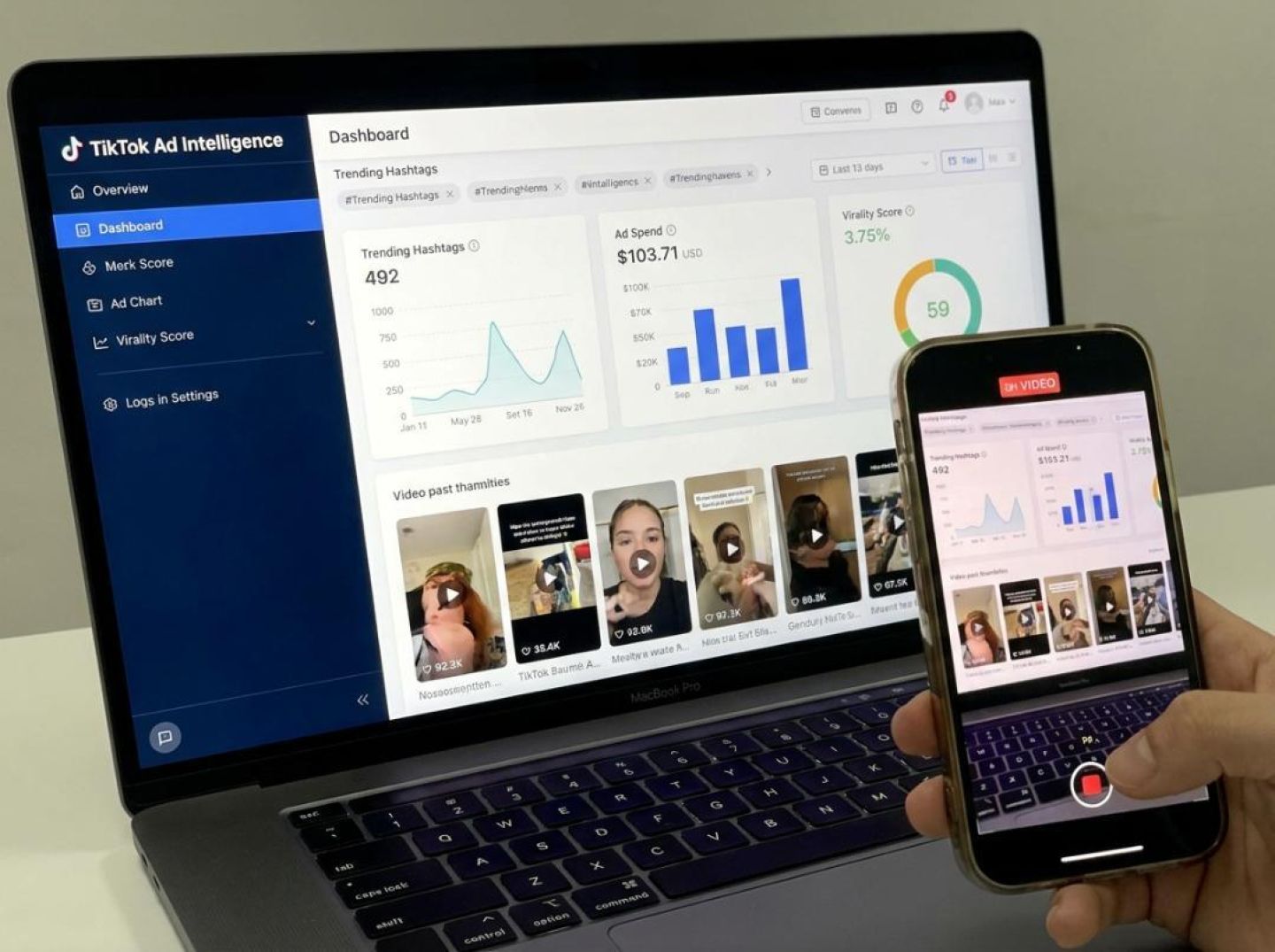
The practical implications extend beyond creative inspiration. As WordStream's guide to TikTok advertising notes, the most successful TikTok ads feel native to the platform while still guiding viewers toward a specific action — and the distinction between a hook that entertains and a hook that converts is often invisible to anyone simply watching organic content. Ad spy tools surface that distinction by revealing duration of spend, creative iteration patterns, and which variations an advertiser killed versus which they scaled. A three-second hook that a competitor tested for two days and abandoned tells you one thing. The same competitor running a different opening frame for six consecutive weeks tells you something categorically more useful.
This is the third path: neither parasitic dependence on a creator's audience nor synthetic fabrication of authenticity, but systematic observation of where real money flows and why it keeps flowing. It is brand-safe by design — no single personality to scandal-proof, no synthetic content to trigger detection penalties. It is also self-correcting: the moment a creative pattern stops converting, advertisers stop spending, and the signal disappears from the dataset. What remains is a continuously refreshed map of proven performance, available to anyone willing to look.
Most marketers open an ad spy tool the same way they open TikTok itself — scrolling for what looks good, saving what has big numbers, and trying to reverse-engineer the vibe. That instinct is understandable, but it produces the exact problem we've been dissecting throughout this article: a creative strategy built on mimicry rather than evidence. Reading ad intelligence data like a conversion strategist requires a fundamentally different lens, one that treats every element of a competitor's ad not as a template to copy but as a signal to decode.
Start with longevity, not impressions. The first filter most people apply — sorting by view count or estimated spend — is the least useful one. A high-spend ad might be burning budget on broad awareness with no measurable return. What matters more is how long an ad has been running. An ad that has been live for sixty or ninety days almost certainly clears internal ROAS thresholds; no competent media buyer lets a loser run that long. When you spot a creative that has survived multiple refresh cycles, you're looking at a conversion signal, not a vanity metric.
Next, dissect the creative as an audience-qualification device. This is where most trend chasers go wrong — they see the hook, the music, the visual style, and assume those surface elements are what's driving performance. But as MarTech has argued, the shift toward broad, AI-driven targeting on platforms like TikTok, Meta, and Google means that every headline, image, video, and call to action now functions as a targeting signal. The algorithm uses your creative to decide who sees the ad, which means the specific language in a headline isn't just persuasion copy — it's an audience filter. When you analyze a long-running competitor ad, ask yourself: who does this headline exclude? What does the opening frame promise that only a qualified buyer would care about? A trend chaser copies the format. A conversion strategist reverse-engineers the qualification layer embedded in the message.
Build a pattern library, not a swipe file. Instead of saving individual ads, track clusters. Look for recurring structures across multiple advertisers in your vertical: Do the top performers lead with a problem statement or a result? Do they use text overlays in the first second or wait until the midpoint? Do their CTAs push to a landing page, a lead form, or a product page? These structural patterns reveal what the platform's algorithm is rewarding at a category level, which is far more durable intelligence than any single creative execution.
Finally, layer in your own first-party data to pressure-test what you find. Ad spy tools tell you what competitors are doing; they cannot tell you whether those strategies will work for your specific customer base. As AdExchanger detailed in a recent analysis of precision prospecting, advertisers who build models on their own organic converter patterns can identify 24 percent more converters at a 2.6x higher conversion rate than those relying on broad segment-based audiences. The implication is clear: competitive intelligence should inform your hypothesis, but your own conversion data should validate it. Competitors can buy the same spy tools and the same inventory. They cannot buy your customer intelligence.
The framework, then, is straightforward: filter for durability, decode creative as audience qualification, map structural patterns across advertisers, and validate against your own data. That discipline is what separates the strategist who extracts lasting insight from ad intelligence and the trend chaser who ends up in an endless cycle of copying whatever looked exciting last Tuesday.
Receive top converting landing pages in your inbox every week from us.
Most Read
Discover how OOH teams can use Native, Push, and TikTok ad intelligence to move beyond location-first planning and build smarter, audience-driven campaigns. This guide shows how to translate digital creative, targeting, and performance signals into OOH ideas, test them in the physical world, and feed the results back into digital campaigns.
David Kim
7 minOct 4, 2026
Most Read
Learn how OOH employers can move beyond selling billboard inventory and start monetizing the full funnel impact of every outdoor impression. This guide shows how to connect OOH with Native and TikTok-style funnels using competitive intelligence, creative research, tracking, retargeting, and performance-focused roles.
Rachel Thompson
7 minSep 28, 2026
Must Read
Learn how to transform one powerful brand moment into scalable Native, Push, and Pop funnels instead of relying on a single hero ad. This guide covers modular creative, TikTok funnel thinking, competitive intelligence with Anstrex, cross-channel testing, and a repeatable creative supply chain.
Dan Smith
7 minSep 26, 2026