7 minJuly 31, 2025

Our spy tools monitor millions of native ads from over 60+ countries and thousands of publishers.
Get StartedNative advertising has changed the game in digital marketing. It's a powerful tool that seamlessly integrates promotional content into users' natural browsing experiences. These sophisticated ads appear across various platforms - from social media feeds to news websites - matching the look and feel of the surrounding content.
The popularity of native ads continues to surge, with brands investing heavily in this format to capture audience attention. Research shows that consumers engage with native ads 32% more than traditional display advertising, making it an attractive choice for marketers seeking meaningful connections with their target audience.
Yet, this effectiveness comes with responsibility. Brand trust hangs in the balance when it comes to native advertising practices. Clear disclosure of sponsored content isn't just a regulatory requirement - it's a fundamental element of building lasting relationships with consumers.
Transparent native advertising practices help you:
The success of your native advertising strategy depends on striking the right balance between engaging content and honest disclosure. This is particularly important when considering the broader implications of marketing strategies, such as sustainable dropshipping practices, which are increasingly becoming a part of responsible digital marketing.
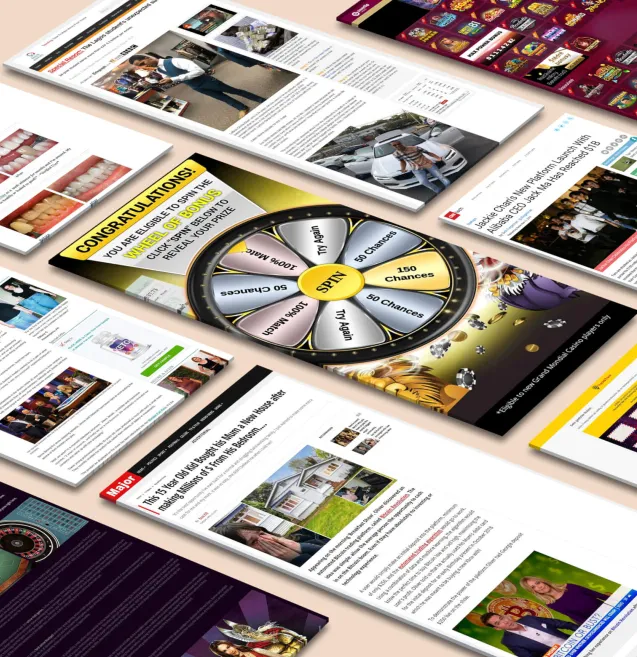
Native advertising is an advanced form of digital marketing that is different from traditional advertising methods. Unlike banner ads or pop-ups that are clearly separate from website content, native ads blend in with their surroundings.
You can build winning native advertising campaigns today by spying on your competition and getting more for your advertising spend.
Native ads come in different types across various digital platforms:
The blending of native ads with editorial content creates challenges for consumer perception. When you scroll through a news website, sponsored articles often look similar to regular news stories with their headlines, images, and formatting. This makes it hard to tell apart paid content from organic posts.
Research shows that 86% of consumers have felt deceived by undisclosed native advertising. The challenge is to keep native ads looking natural and non-disruptive while being transparent about their commercial intent.
The effectiveness of native advertising comes from its ability to provide value while matching user experience. However, this also requires careful consideration of disclosure practices to protect consumer interests and maintain integrity in digital advertising.
The Federal Trade Commission (FTC) is the main regulatory authority overseeing native advertising practices in the United States. The agency enforces strict guidelines to protect consumers from deceptive advertising practices and ensure transparency in digital marketing.
The FTC's guidelines go beyond basic labeling requirements. Advertisers must consider the net impression their content creates - how an average consumer perceives the message in its entirety. This includes evaluating:
"Would reasonable consumers recognize this content as an ad?"
The FTC actively monitors compliance and can impose significant penalties for violations:
Recent FTC enforcement actions have targeted major brands and publishers who failed to properly disclose sponsored content. These cases often result in substantial settlements and serve as precedents for industry-wide compliance standards.
The agency regularly updates its guidelines to address emerging technologies and new advertising formats. Publishers and advertisers must stay current with these evolving requirements to maintain compliance and protect consumer interests.
The Interactive Advertising Bureau (IAB) sets comprehensive guidelines for native advertising disclosure through its Native Advertising Playbook. These standards establish six core types of native ad formats:
The IAB principles emphasize clear visual and textual cues to distinguish sponsored content. Publishers must implement specific disclosure markers:
Publishers face practical challenges in implementing these standards while maintaining aesthetic appeal. Common balancing strategies include:
The IAB transparency framework recommends a "reasonable consumer" standard - disclosures should be clear to average users at first glance. Publishers must consider:
Leading publishers have developed innovative approaches to maintain transparency without compromising user experience. The New York Times uses distinct blue labels for sponsored content, while BuzzFeed implements consistent "Promoted by" tags across their native content.
Brand trust is essential for successful native advertising campaigns. Research shows that 83% of consumers need to trust a brand before making purchasing decisions, highlighting the critical relationship between transparency and business success.
Native advertising effectiveness relies heavily on three trust-building pillars:
Ethical considerations in native advertising extend beyond legal compliance. Advertisers must evaluate:
Poor disclosure practices can trigger significant negative consequences:
A Nielsen study revealed that 71% of consumers lose trust in brands that prioritize profits over transparency. This loss of trust directly impacts purchasing decisions and brand loyalty.
Successful native advertising requires balancing commercial interests with ethical practices. Brands like Netflix and The New York Times demonstrate how transparent native advertising can enhance reader experience while maintaining trust. Their sponsored content clearly indicates paid partnerships while delivering valuable, engaging material that resonates with audiences.
The investment in transparent native advertising practices pays dividends through:
Native Ad Transparency and Disclosure is a key element of successful digital advertising. Brands that prioritize clear, honest communication with their audience through effective disclosure practices create lasting relationships built on trust and authenticity.
The world of digital advertising requires a careful balance between captivating content and open communication. By committing to proper disclosure, you not only protect your brand from legal issues but also show respect for your audience's right to make informed decisions.
Key takeaways for maintaining brand trust through native advertising:
The future of native advertising lies in the hands of brands willing to embrace transparency as a fundamental value. Your dedication to ethical advertising practices today shapes the trust your audience places in your brand tomorrow.
Receive top converting landing pages in your inbox every week from us.
Most Read
This article explores why competitor advertising campaigns often provide more actionable content strategy insights than traditional audience research, content audits, and multi-month planning processes. It explains how live ads represent market-tested messaging that has already survived real-world optimization, making competitor campaigns a powerful source of validated customer intelligence. The article also highlights how tools like Anstrex help marketers uncover these high-value signals, analyze competitor spend patterns, and build content strategies based on proven market demand rather than theoretical assumptions.
Dan Smith
7 minMay 29, 2026
Featured
This article explores the cold-start problem faced by marketers entering new verticals, traffic sources, or geographic markets without any first-party data to guide decision-making. It explains why industry benchmarks and average performance metrics often fail to provide actionable insights, leaving advertisers to make expensive guesses during their earliest campaign tests. The article also highlights how tools like Anstrex help marketers bridge the data gap by uncovering competitor creatives, campaign patterns, and market-proven strategies that can serve as a practical substitute for missing first-party data.
Samantha Reed
7 minMay 29, 2026
Trending
This article explores how zero-click search experiences powered by AI Overviews, featured snippets, and answer engines are steadily eroding traditional landing page traffic from organic search. It explains why channels like native advertising and push notifications remain structurally resilient because they generate demand proactively instead of relying on search engines to pass users downstream. The article also highlights how tools like Anstrex help marketers uncover profitable native and push ad angles, identify audience attention patterns, and build traffic acquisition systems independent of increasingly closed AI search ecosystems.
David Kim
7 minMay 28, 2026