12 minJuly 26, 2026

Our spy tools monitor millions of native ads from over 60+ countries and thousands of publishers.
Get StartedLet's get the obvious out of the way: the newsletter resurgence isn't really about email. It never was. If you reduce this moment to a channel-level story — "email is back!" — you miss the structural shift happening underneath it. What's actually driving readers back to their inboxes has almost nothing to do with the inbox itself and everything to do with a specific kind of content experience that has become vanishingly rare across the modern web.
For years, consumers tolerated the trade-off. They handed over attention in exchange for free content, and platforms served them an algorithmically optimized stream of whatever maximized engagement. But as MarTech has observed, that patience is wearing thin. People are exhausted by the thousands of similar posts and videos filling their feeds every day, and they're actively seeking out something more meaningful and relevant. The newsletter isn't winning because it arrives via SMTP protocol. It's winning because it delivers what algorithmic feeds structurally cannot: an editorially curated, personality-driven experience that feels chosen rather than served.
This distinction matters enormously, and most marketers are sleepwalking past it.
Think about what a good newsletter actually provides. There's a human voice behind it — often a specific person with a recognizable point of view. The content is selected and sequenced with intention, not assembled by a recommendation engine optimizing for click probability. The reader opted in deliberately, which means every open carries a baseline of trust that no social feed can replicate. These aren't email-specific dynamics. They're trust architecture dynamics — the foundational conditions under which audiences lower their defenses and actually engage with what's in front of them.
The web, as MarTech puts it, used to revolve around communities built for niche interests and a friendly exchange of ideas. Newsletters are reconstructing that experience inside a format that sidesteps the algorithmic middleman entirely. No feed ranking. No pay-to-play visibility throttling. Just a writer and a reader in a closed environment where attention is granted, not hijacked.
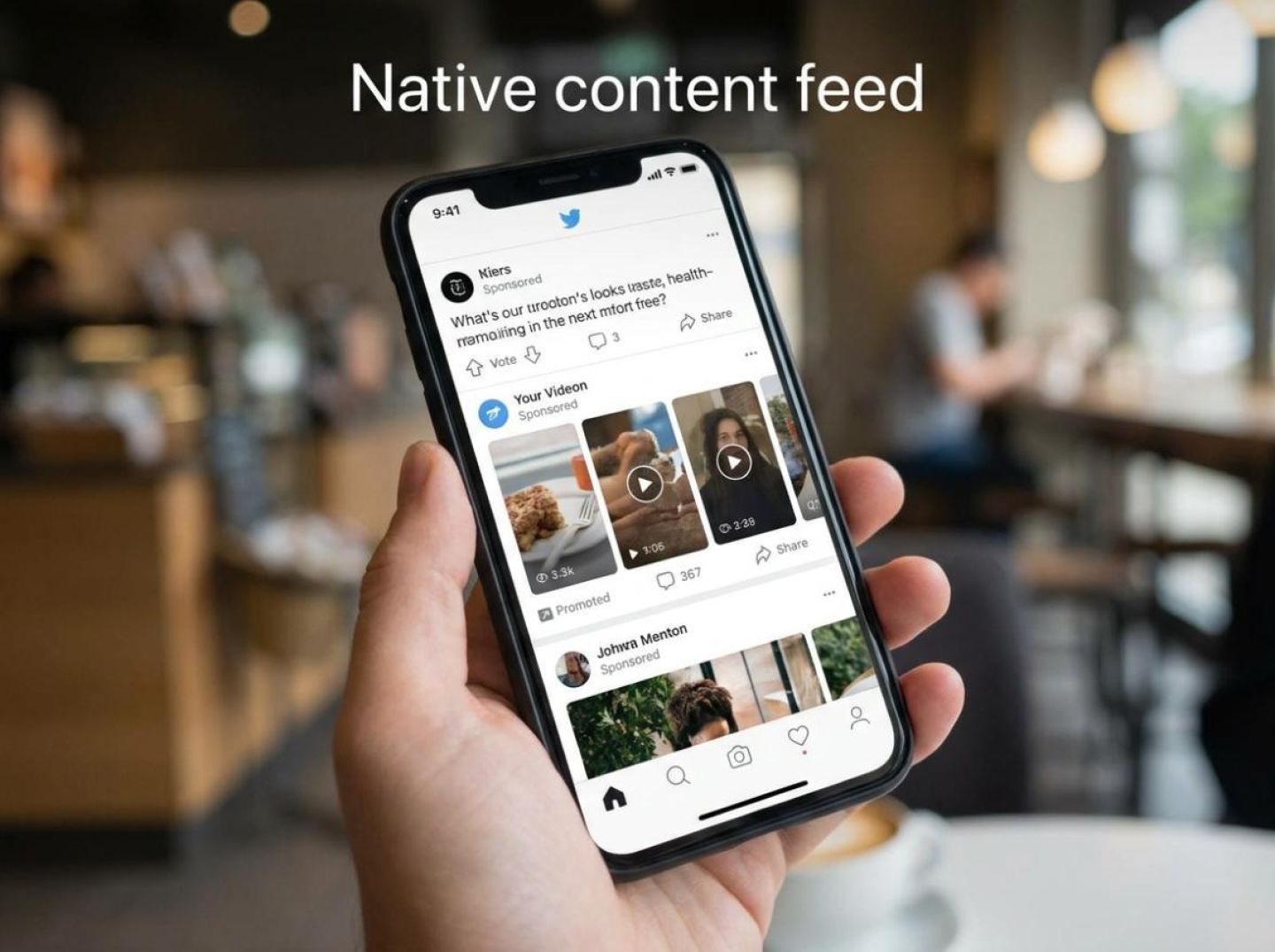
Now here's where this connects to something bigger than content strategy. The psychological conditions that make newsletters work — contextual relevance, tonal consistency, editorial trust — are the same conditions that make native advertising effective. As Voluum's analysis of native branding makes clear, digital users are normally averse to explicit promotion, and native formats succeed precisely because they combine seamlessly with the fabric of the surrounding content. The mechanism is identical: when commercial messaging matches the voice, cadence, and editorial standards of the environment it inhabits, audiences engage with it rather than flinching away.
This is the insight hiding in plain sight. The newsletter comeback isn't validating email as a distribution pipe. It's validating a content architecture — one built on curation, personality, contextual fit, and earned attention. Those four pillars happen to be the exact same pillars that define high-performing native advertising. The format that readers are flocking to and the advertising model that consistently outperforms display are driven by the same underlying behavioral truth: people engage with content that respects their intelligence and matches the context they've chosen to inhabit.
Once you see newsletters through that lens, the strategic implications change completely. You stop asking "should we start a newsletter?" and start asking a far more productive question: "How do we build the trust architecture that makes newsletters work — and how do we activate it commercially?" That question is where native advertising enters the conversation, and where most brands have yet to arrive.
Strip a high-performing newsletter down to its bones and lay it next to a high-performing native ad. What you'll find isn't a family resemblance — it's an identical skeleton. The structural DNA that makes each format work is so closely matched that the only meaningful difference is the distribution model: one is owned media cultivated over months of relationship-building, the other is paid media deployable in days through a publisher's existing audience. Everything else — the editorial framing, the contextual fit, the value-first sequencing — is shared architecture.
Start with the most foundational element: non-disruption. As Basis defines it, the prime differentiator of native advertising is that the best examples "blend naturally into the form and function of the editorial habitat in which they live." Now think about what happens when a subscriber opens a newsletter they've opted into. There's no interstitial. No autoplay video hijacking the screen. The content arrives in a format — plain text or lightly designed HTML — that mirrors the personal emails surrounding it in the inbox. The newsletter doesn't interrupt a content experience; it is the content experience. The same non-disruptive principle that separates a native ad from a banner ad is the principle that separates a newsletter from a broadcast marketing email. Both formats succeed precisely because they refuse to feel like advertising at all.
Next, consider trusted editorial framing. A native ad on a news site works because it reads in the same editorial voice as surrounding coverage, as AdPushup explains — a product recommendation that "feels like an authentic suggestion, not a sales pitch." Newsletters operate on the same mechanic, except the editorial trust isn't borrowed from a publisher; it's built firsthand by the writer. When a newsletter creator recommends a tool, shares a resource, or introduces a sponsor, that recommendation carries weight because it flows from the same voice the reader subscribed to hear. The framing is editorial, the tone is consistent, and the commercial element inherits credibility from its surroundings rather than having to manufacture its own.
Then there's curated context — the idea that what surrounds a message matters as much as the message itself. Top-performing native campaigns, as AdPushup notes, work because they match user context so the content "feels relevant and useful instead of disruptive." Newsletters are context engines by design. Every edition is a curated environment where the creator controls what sits above, below, and beside any commercial placement. A sponsor mention nested between a sharp industry analysis and a handpicked resource list absorbs the editorial gravity of that context. There's no ad tech algorithm deciding adjacency; the creator is the algorithm.
Finally, both formats share a ruthlessly effective persuasion sequence: deliver value before asking for action. The most compelling native advertising offers "hyper-relevant content" that provides "education and entertainment all at once," leading the audience through insight before introducing any commercial intent. Newsletters follow the same arc in every edition — lead with analysis, offer utility, and only then surface a CTA or sponsor integration. This value-first architecture is why a ShareThrough and IPG Media Lab study cited by Basis found that native ads registered an 18% higher lift in purchase intent compared to banner ads. Newsletter operators see strikingly similar engagement premiums — open rates, click-throughs, and conversion metrics that dwarf those of standard display and programmatic campaigns — because the underlying psychological mechanism is identical. The audience feels served before they feel sold to.
Once you see this shared architecture, the strategic implication becomes unavoidable: brands don't need to choose between building a newsletter audience and running native advertising. They need to recognize that both are expressions of the same persuasion system — and that fluency in one unlocks fluency in the other.
The best newsletter operators have figured out something that most media buyers haven't even started to wrestle with: trust isn't a byproduct of good targeting. It's an editorial product, built deliberately through a set of craft choices that are almost embarrassingly simple to describe and maddeningly difficult to replicate inside a paid media workflow.
Start with voice. The newsletters that command the highest open rates and the deepest reader loyalty almost always come from a recognizable human being, not a brand account. As MarTech notes, a newsletter written by a prominent company figure adds credibility, especially when the tone and content are more personal. That personal voice does real structural work: it creates a sense of accountability. When a named author curates five links and says "these are the only things worth your time this week," the reader understands that a specific person's reputation is on the line. That implicit contract — I will not waste your attention — is what transforms a routine email into a trusted appointment.
Then there's curation. Great newsletters are defined as much by what they exclude as by what they include. A subscriber doesn't want exhaustive coverage; they want the feeling that someone with good judgment has already done the filtering. This is the opposite of what most content recommendation widgets deliver. When a native ad sits inside a widget alongside nine other sponsored headlines, all competing for the loudest curiosity gap, no one is curating anything. The environment screams volume, not judgment.
Cadence matters, too. Showing up at the same time every Tuesday or every morning at 6 a.m. teaches the reader's brain to expect you, which lowers the cognitive cost of engagement. Paid native placements, by contrast, appear when a bid wins — there's no relationship rhythm, no accumulated expectation, no sense that the content earned its place in the reader's day.
Now consider how most native campaigns violate every one of these principles. The creative is written by a copywriter optimizing for click-through rate, not by a credible figure with a byline and a point of view. The content is comprehensive to a fault — a 2,000-word advertorial trying to cover every product benefit — rather than curated and opinionated. The placement appears once, driven by auction dynamics, with no recurring presence that would let the reader develop familiarity. And the relevance is often approximate at best, calibrated to broad demographic segments rather than to the editorial expectations of the specific publication's audience. As Voluum's analysis of native ad strategy makes clear, native advertisements will only succeed if they share the same flow, concept, and voice as the website they appear on — a standard that most programmatic native buys quietly ignore.
The result is a format that looks editorial on the surface but feels transactional the moment someone clicks. The advertorial reads like a landing page wearing editorial clothing: the headline promises insight, but the body delivers a product pitch structured around features and calls to action. Readers aren't fooled. They recognize the bait-and-switch instantly, and the backlash isn't always visible in campaign dashboards — it shows up as eroded brand perception and a quiet decision never to click that publisher's recommendations again.
Media buyers who want native to perform like a newsletter need to start thinking like newsletter editors. That means asking a fundamentally different question before every campaign: not "what headline will get the highest CTR?" but "what would this publisher's audience genuinely want to read right now, and can my brand credibly deliver it?" The advertorial angles that actually win long-term engagement are the ones that could plausibly be an edition of the newsletter they sit beside — opinionated, curated, authored by someone real, and respectful enough of the reader's time to leave something out.
Here's the good news for performance marketers who don't have twelve months to build a subscriber list: the newsletter renaissance has already done the hardest research for you. Every vertical — finance, health, SaaS, DTC — now has dozens of newsletter operators who have publicly stress-tested which editorial angles earn opens, which content hooks drive clicks, and which framing devices build the kind of trust that converts. That corpus of winning formulas isn't locked behind private dashboards. It's sitting in public archives, social proof metrics, and the native ad ecosystem itself, waiting to be reverse-engineered.
The methodology is straightforward, and it compresses the newsletter operator's slow-burn audience development into a paid testing cycle measured in weeks rather than quarters.
Step one: Map the editorial winners in your vertical. Subscribe to the top ten newsletters your audience actually reads. Catalog the recurring structures — the personal anecdotes that open each issue, the curated link roundups, the contrarian takes on industry consensus, the "here's what I'd do" advisory framings. You're not copying content. You're extracting the editorial architecture that earns trust at scale: the voice patterns, the value sequencing, the way a recommendation is nested inside genuine insight rather than dropped in cold.
Step two: Cross-reference with native ad intelligence. Use competitive spy tools to identify which advertorial angles are already converting on publisher sites across platforms like Taboola, Outbrain, and programmatic native exchanges. Native advertising now accounts for 62% of all display spend, which means there's an enormous, data-rich ecosystem to mine. Look for the sponsored content pieces that have run longest — longevity is a proxy for performance. Note the headline structures, the editorial framings, and the landing page formats that mirror newsletter conventions: personal voice, curated insight, problem-solution arcs. The overlap between what newsletters use to earn loyalty and what top-performing native ads use to earn clicks is not coincidental. It's the same trust architecture deployed through different distribution pipes.
Step three: Build native creatives that mirror the newsletter editorial formula. The most effective native campaigns offer hyper-relevant content that exudes authenticity, providing education and entertainment simultaneously — precisely the balance that successful newsletters strike every morning. Structure your advertorial landing pages the way a newsletter issue reads: lead with a genuine insight or a surprising data point, layer in context that demonstrates expertise, and let the product recommendation emerge organically from the editorial logic rather than interrupting it.
Step four: Deploy and iterate at paid-media speed. This is where the compression happens. A newsletter operator needs months of list-building just to reach statistical significance on open rate and click behavior. A performance marketer running native placements can test five editorial angles in a single week, kill the losers in days, and scale the winners immediately. The feedback loop that native provides is especially potent on mobile, where native ads achieve click-through rates exceeding 1% compared to roughly 0.15% for standard desktop display — giving you both the volume and the signal quality to optimize fast.
The core insight here isn't that newsletters are a nice content marketing tactic. It's that the newsletter boom has generated the largest public dataset of trust-earning editorial approaches the digital advertising industry has ever seen. Smart performance marketers don't need to build their own newsletter to benefit from that dataset. They need to study it, translate its patterns into native ad creatives, and deploy those creatives into an ecosystem that already rewards exactly the kind of non-disruptive, editorially integrated advertising that newsletter readers have trained themselves to engage with. The playbook is hiding in plain sight — inside every inbox your audience already opens.
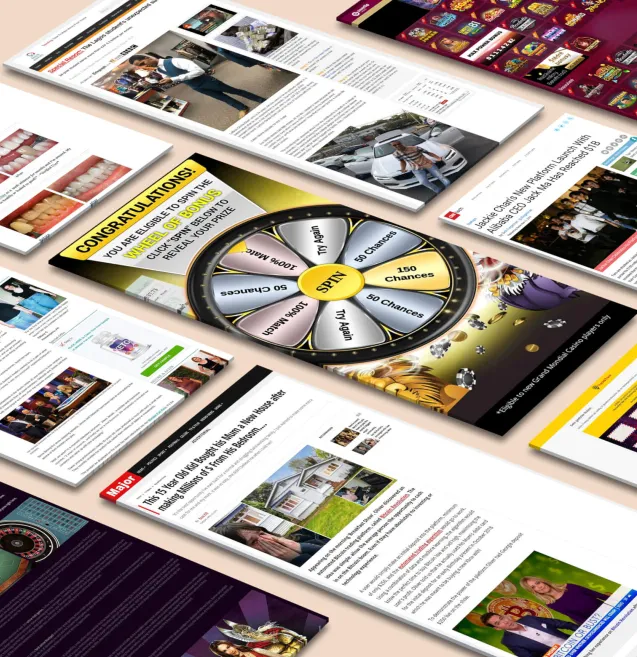
Most performance marketers obsess over two things: the ad creative and the landing page. But in native advertising, there's a third asset sitting between them that almost nobody treats with the seriousness it deserves — the advertorial. This is the content-led page a reader lands on after clicking a native ad unit, and it may be the single most undervalued asset in the entire performance marketing stack.
Here's why. A banner ad interrupts. A cold email intrudes. But an advertorial, when built correctly, does something neither of those formats can: it continues a conversation the reader already opted into by clicking. The reader arrived because a headline promised insight, not because a retargeting pixel stalked them across three websites. That distinction matters enormously, because it means the advertorial inherits a sliver of the editorial trust that surrounded the native placement. As Voluum's analysis of native branding makes clear, native advertisements succeed precisely because they combine with the fabric of the website — they look and feel like another piece of content, which makes them more user-friendly than banner or display ads and opens the door to passing genuine value. The advertorial is where that value gets delivered or squandered.
Yet most brands treat the advertorial like a glorified product page with a longer headline. They dump in feature lists, hero shots, and a CTA button above the fold, then wonder why their cost-per-acquisition looks identical to their display campaigns. The problem isn't the traffic source. The problem is that the page behind the click violates the implicit promise the native ad made. The reader clicked for content. They landed on a sales pitch. Trust evaporates in the gap between expectation and experience.
The best-performing advertorials borrow directly from the newsletter playbook discussed earlier in this article. They lead with a narrative hook — a problem statement, a counterintuitive data point, a personal anecdote — and they delay the product reveal until the reader has been given enough context to understand why the product matters. They read like editorial because they are editorial, just editorial with a commercial point of view. Research highlighted by Basis found that native ads registered an 18% higher lift in purchase intent and a 9% lift in brand affinity compared to banner ads, and the campaigns that drove those numbers weren't minimalist landing pages — they were rich, story-driven content experiences that blended naturally into the editorial habitat in which they lived.
This is exactly what makes the advertorial a playbook-level opportunity for brands willing to invest in content craft. The ad unit gets you the click. The advertorial earns you the conversion. And unlike a homepage or a product detail page, the advertorial can be endlessly iterated — different angles, different proof points, different narrative structures — without touching a single pixel of your core site. It's a sandbox for editorial experimentation that feeds directly into revenue data.
The brands that understand this are already running five, ten, sometimes twenty advertorial variants per campaign, testing not just headlines but entire storytelling arcs. They're measuring scroll depth, time on page, and mid-article engagement alongside conversion rate, because they've learned that a reader who spends ninety seconds with a well-crafted advertorial converts at multiples of one who bounces after eight. The advertorial isn't a waypoint between the ad and the checkout. It is the ad — the only one that earns attention instead of demanding it. And as MarTech has observed, consumers are actively seeking curated, meaningful content rather than tolerating yet another algorithmic interruption. The advertorial, done right, is the rare paid format that delivers exactly that.
Receive top converting landing pages in your inbox every week from us.
Must Read
Learn how to build a responsible competitive ad intelligence workflow for an advertising landscape increasingly shaped by AI-generated creatives, disclosure labels, and digital watermarks. Discover how to analyze competitors’ AI usage, identify creative patterns, and develop ethical guardrails that support transparent, compliant, and differentiated campaigns.
Dan Smith
7 minOct 23, 2026
Most Read
Discover how performance marketers can build cross-channel verification journeys that turn skeptical prospects into confident buyers across TikTok, native, push, and pop advertising. Learn how to coordinate creative messaging, reinforce trust at every touchpoint, and measure the hidden influence of fragmented customer journeys using competitive ad intelligence.
Elena Morales
7 minOct 20, 2026
Most Read
Discover how performance marketers can combine AI-generated content and competitive ad intelligence to build effective campaigns across native, pop, and push advertising networks without sacrificing originality or consumer trust. Learn how to analyze competitor funnels ethically, develop distinctive landing pages with AI, and establish practical guardrails for transparent, compliant, and sustainable campaign optimization.
Priya Kapoor
7 minOct 19, 2026