11 minDecember 17, 2020

Our tools monitor millions of native, push, pop, and TikTok advertising campaigns.
Get StartedLet’s continue where we left off on the 7 Popular Principles of Marketing Psychology.
We’re back to discussing the psychology of marketing, which can increase your ad clicks and conversions. If you haven’t yet, visit the first part here.
And let’s continue where we left off on the 7 Popular Principles of Marketing Psychology.
Content that has been liked, viewed, or shared hundreds or even thousands of times will make anyone curious as to what the fuss is about. Social proofing uses a combination of the principles of curiosity and fear of missing out to encourage people to participate or click.
Viral content utilizes social proofing to tease people into viewing the content and sharing it themselves to show that they are part of a pack.
Also, the more people who like your content and use your product, the more likely it will convince others to follow suit. If a lot of people use it, then it must be good, yes?
Here are some examples:


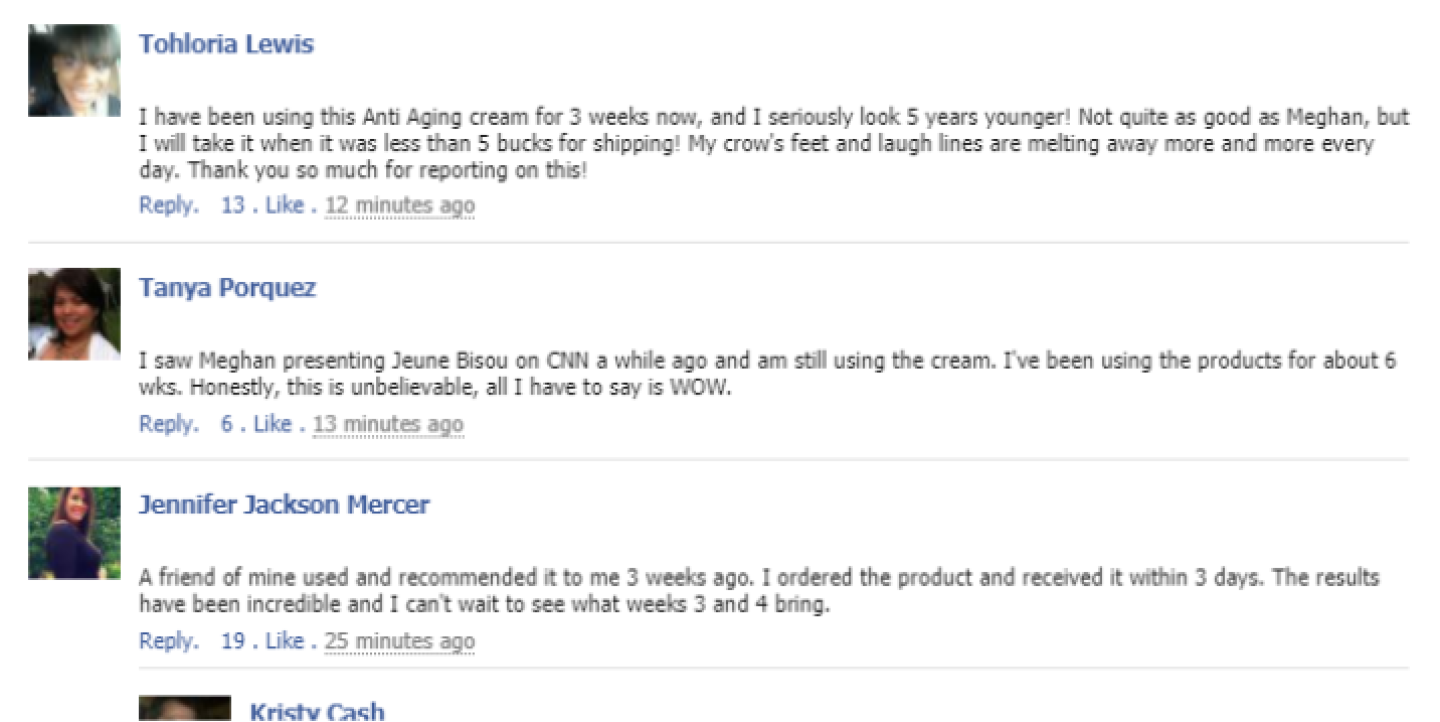
Adding a comments section at the bottom of your landing page is another great way to heighten social proofing:
In social media, social proofing is done by showing the engagement count (likes and reactions), share count, and view count (for videos). They also include user rating and UGC (user-generated content) to show that real people are using the products or services in real life.
This can also be done in native ads and push ads by using UGC in ad images, or by displaying social media share counts.
Being familiar with something means already knowing its existence. It is also called the “mere exposure effect”, and this causes people to have a favorable response to the brand, company, product, or ad.
For instance, you are given a choice between Coca-Cola and some local carbonated beverage. 9 out of 10 times, the customer will choose the popular cola brand.
Now, this concept applies to ads as well. And there’s no need for the actual product to be well-known. The promotion only needs to be linked to something familiar, like a celebrity or a well-known brand, in order for the audience to attach some familiarity to it.
Here are some examples of ads using the familiarity concept:


Being able to have access to something others don’t can drive people to buy impulsively, which is why marketing experts from hither and yon go out of their way to create an exclusive offer.
People want to set themselves apart from others, making them feel that they are important, of higher stature, or on a VIP list. They expect better services and offers and are willing to pay higher for it. So although exclusive offers mean fewer slots, it also means higher return.
When using this concept in marketing, you can mention the words “exclusive” or “VIP”. You can also say a specific count, like “first 10 people only”. You can make it even more compelling by using the principles of urgency (ex. “Today only”) and scarcity (ex. “Limited availability”).
Here are some examples of ads that milk the value of exclusivity:


The concepts we mentioned above can actually be mixed and matched according to your offer and marketing style. You can test the combinations to find a sweet spot.
If you don’t have the time and money to test ads, best look at your rival’s ad strategies and follow their lead. Oh, and you might have noticed that we used real ads as examples in the past two posts.
We were able to do that using our own spy program. Sign up with Anstrex and find out how your competitors are using these principles to promote their offers.
Tags
Receive top converting landing pages in your inbox every week from us.
Must Read
Discover how AI-generated ad fatigue is making native, push, and TikTok campaigns increasingly look alike, weakening engagement and reducing competitive advantage. Learn how to use competitive ad intelligence tools to identify repetitive creative patterns, develop more distinctive ads, and stand out in AI-driven advertising auctions.
Liam O’Connor
7 minOct 14, 2026
How-To
Learn how to connect out-of-home (OOH) advertising with digital performance campaigns to create measurable cross-channel funnels. Discover how to plan LED truck routes, coordinate search and social ads, optimize mobile landing pages, and track conversions so physical advertising drives measurable business results.
Samantha Reed
7 minOct 13, 2026
How-To
Discover how big-brand sports sponsorships use fan behavior, geographic targeting, and cross-channel advertising to reach high-intent audiences beyond celebrity endorsements. Learn how to reverse-engineer sponsorship strategies, validate audience segments with competitive intelligence, and build cost-effective campaigns around local fandom, CTV, mobile, and creator content.
Dan Smith
7 minOct 12, 2026