11 минавгуста 31, 2026

Наши инструменты отслеживают миллионы рекламных кампаний в форматах native, push, pop и TikTok.
НачатьСамый важный рекламный рассказ года — это не реклама знаменитости во время Суперкубка. Это проблема с электронной таблицей.
Когда Unilever тихо перешел от нескольких глобальных агентств к сети из 300 000 создателей контента — 71% из которых используют ИИ для массового создания контента с промышленной скоростью — старые правила «качественного креатива» просто перестали работать. Как сообщает Search Engine Journal, как только вы начинаете распространять созданные при помощи ИИ материалы по десяткам платформ и сотням рынков, инфраструктура оценки, которая раньше отличала хорошие идеи от плохих, просто рушится. Человеческие группы слишком медленны. Классические индикаторы бренда слишком запаздывают. А A/B-тестирование через такой объем — это фантазия.
Это не просто любопытный феномен экономики создателей; это предварительный взгляд на то, куда движется маркетинг на основе эффективности. Алгоритм Meta теперь ожидает постоянного потока действительно уникальных материалов, а не бесконечных «незначительных корректировок» одного и того же рекламного объявления. Фактически, обновление Andromeda от Meta фактически рассматривает сотни почти идентичных копий как один креатив, что означает более быстрое наступление усталости от креативов и усложнение поиска дополнительных улучшений. Как отмечает Social Media Examiner, выигрывают в таких условиях не те бренды, у которых самый красивый главный ролик; выигрывают те, у кого есть операционная система для создания и обновления высококачественных вариаций в масштабах.
Разрыв очевиден. С одной стороны вы наблюдаете команды брендов, преследующих «областающие рекорды события» — вирусные трюки, поражающие воображение акции вне дома (OOH), видео, захватывающие культуру. С другой стороны — команды по эффективности, работающие внутри «чёрных ящиков» платформ, которые автоматически миллионы раз смешивают и подбирают тексты, изображения и форматы. Как объясняет MarTech, такие инструменты, как Performance Max, берут ваши заголовки и исходные материалы и создают бесчисленные комбинации, затем оптимизируют их в режиме реального времени. Это дешево, быстро и чрезвычайно эффективно.
Но это также выявляет основное противоречие, на которое указывает AdExchanger: когда вы заполоняете мир миллиардами микроперсонализированных материалов, вы рискуете уничтожить тот макросигнал, который придаёт ценность брендам. Гиперперсонализация отлично работает в узком нижнем сегменте воронки. Но если превратить эту логику в всю свою стратегию, в итоге получится хаос в измерениях и размытый бренд — статистический шум вместо культурного значения.
Именно в эту ловушку прямо сейчас попадают маркетологи, ориентированные на эффективность. Мы создали сложные системы, способные бесконечно перерабатывать и нацеливать рекламные материалы, однако так и не разработали столь же сложный способ определения того, что именно стоит масштабировать изначально.
Вот почему партнёрство DAIVID–ADIN.AI — это не просто ещё одна интеграция martech-решений. Подключая модели эффективности креативов напрямую к медиаплатформе, они пытаются создать то, что описывает Search Engine Journal, как “живой цикл” между креативным интеллектом и его исполнением: прогнозировать, какие идеи сработают, до запуска расходов, продвигать победителей и отключать проигравшие объявления в процессе, а затем возвращать эти данные в следующую волну идей. Это попытка сделать вселенную создателей в стиле Unilever управляемой.
Другими словами, границы развития находятся не в “большей креативности” или “лучшем таргетировании”. Речь идёт о системах, превращающих креативы из набора разрозненных акций в накопительный актив — цикл обратной связи, при котором каждый показ делает следующую идею умнее.
Если вы маркетолог, ориентированный на эффективность, вам следует изменить свой вопрос. Теперь он звучит не “Как сделать, чтобы моё следующее объявление превзошло контрольное?”, а “Как создать креативную систему, которая выдержит — и на самом деле станет лучше — при стремительном росте объёмов, скорости и изменчивости моей рекламы?”
Маркетологи, ориентированные на эффективность, привыкли игнорировать зрелищность.
Вирусные рекламные акции в местах с высокой проходимостью, сотрудничество с известными личностями и доминирующие рекламные ролики во время Суперкубка кажутся чьей-то другой работой — хорошими кейсами, мимо которых пролистывают в LinkedIn, чтобы вернуться к своим панелям данных по стоимости привлечения клиентов и маркетинговой эффективности. Но в мире, где Unilever может перейти от нескольких агентств к сотням тысяч постоянных создателей контента, разрыв между «брендовым моментом» и «рекламой, ориентированной на результат», быстро исчезает.
То, что на поверхности выглядит как одноразовое культурное событие, обычно скрывает за собой целую систему.
Посмотрите, как ведущие бренды сейчас подходят к культурным явлениям в outdoor-рекламе. Команды, стоящие за самыми обсуждаемыми кампаниями на рекламных щитах, не импровизируют; они соблюдают строгую процедуру в отношении того, когда входить в разговор, насколько быстро можно подготовить креатив и какие внутренние узкие места могут убить момент до его запуска. Как выразил один специалист по outdoor-рекламе, вопрос в цифровом outdoor-формате заключается не в том, можете ли вы отреагировать — вы можете подготовить креатив «в течение нескольких часов», — а в том, насколько момент актуален, значим и соответствует бренду, чтобы вообще предпринимать действия, и способна ли ваша система согласований успевать за той культурой, к которой вы пытаетесь присоединиться, согласно этой точке зрения о аутентичности вместо вирусности.
Это не мышление ради эффектных трюков. Это ориентация на эффективность, направленная на культуру, а не просто на события, ведущие к конверсии.
То же самое изменение влияет на формирование платформ брендов с "глобальной идеей". Классическая модель размещает центральным элементом грандиозный видеоролик для телевидения, а затем "дробит" его на укороченные версии и форматы для соцсетей. Теоретически это обеспечивает эффективность. На практике же, как объяснил один стратег в статье о новой креативной парадигме, в результате приходится использовать лишь одно измерение идеи, искусственно подгоняя его под каждый канал, вместо создания креативов, которые "соответствуют цели и ощущаются уместными в каждый момент" на протяжении всей связанной системы, как указано в данном анализе связанного контента.
Команды, отвечающие за эффективность, уже знают, что использование одного и того же материала повсеместно — это кошмар с точки зрения оптимизации. Вы сталкиваетесь с этим, когда главное видео, отлично работающее в ленте, проваливается в Историях, или когда статичное изображение, приносящее низкий ROAS при ретаргетинге, не масштабируется при привлечении новых клиентов. То, о чём теперь заявляют руководители брендов на вершине воронки продаж, по сути, является тем же уроком: брендовая платформа — это уже не один фильм, это система обучения.
В этой модели взаимосвязанного контента создание креативов больше не является конечной точкой, где файлы просто “передаются” в медиа и забываются. Вместо этого креативы, медиа и инструменты ИИ функционируют как цикл, который “живет, дышит, постоянно адаптируется и развивается”, исходя из реального поведения людей, как описывает та же рамочная модель взаимосвязанного контента. Это должно быть знакомо любому маркетологу, ориентированному на эффективность, который наблюдал, как кампания CBO перераспределяет бюджет в пользу неожиданных победителей, в то время как ранее лидер теряет эффективность.
Реальное предупреждение для маркетологов, ориентированных на эффективность, заключается в следующем: если вы будете рассматривать каждый элемент контента как микро-персонализированный одноразовый актив, вы потеряете именно то, что делает крупные брендовые события настолько сильными — общий культурный сигнал. Как утверждал один стратег в статье о “парадоксе персонализации”, когда вы дробите своё сообщение на миллиарды вариантов, адаптированных ИИ, вы уничтожаете макросигнал, придающий бренду авторитет, и сводите свою историю к “статистическому шуму”, подрывая способность формировать долгосрочную структуру воспоминаний, как указано в этой критике сверхперсонализированных рекламных потоков.
То, что демонстрируют рекордные брендовые кейсы, — это противоположная тенденция: несколько целостных, запоминающихся историй, выраженных через множество исполнений, а не бесчисленные разрозненные объявления.
Для маркетологов эффективности забота об этих моментах — это не гонка за престижем Cannes Lions. Речь идет о понимании того, что те же механизмы, которые заставляют билборд стать вирусным (тесные циклы обратной связи, культурный контекст, совместная работа креативов и медиа, а также система быстрой итерации), — именно то, что нужно, чтобы вырваться из бесконечного цикла «усталости и замены» в современных платных социальных сетях.
Новые правила очевидны: относитесь к креативам как к инфраструктуре, а не как к активам. Создавайте процессы, способные с такой же тщательностью анализировать культурные инсайты, как они отслеживают ROAS. Используйте ИИ и автоматизацию не для заполнения лент шумом, а чтобы тестировать и масштабировать целостные истории. Крупные брендовые моменты — это просто видимая вершина этой инфраструктуры. Настоящая возможность для маркетологов эффективности — в заимствовании системы, лежащей под поверхностью.
Бренды, бьющие рекорды прямо сейчас, не имеют «одной грандиозной идеи» — у них есть живой цикл.
Вместо того чтобы рассматривать главное рекламное место, вирусную наружную рекламу или масштабную кампанию как финишную прямую, они воспринимают это как первую точку данных в постоянно обновляющейся системе. Креатив — это не файл, который вы передаете для размещения. Это организм, который вы подключаете к обратной связи, учит адаптироваться и масштабируете только тогда, когда он доказывает, что заслуживает дополнительного бюджета.
Вот что на самом деле DAIVID и ADIN.AI создают со своей инфраструктурой масштаба Unilever: «живой цикл между креативным интеллектом и исполнением медиа». До запуска креативные варианты оцениваются на предполагаемую эффективность. Во время проведения кампаний система автоматически перераспределяет расходы на те активы, которые реально работают, и сворачивает неэффективные. После завершения прошлые результаты не теряются в презентации квартального отчета; они становятся ориентиром, формирующим следующие задания на разработку.
Для маркетологов, ориентированных на эффективность, установка на “живой цикл” является связующим звеном между разовыми бренд-шоу и масштабируемым креативным движком.
Большинство креативных процессов по-прежнему ориентированы на воронкообразную модель: сначала грандиозная идея, затем главный ролик, после чего “упрощённые версии” распространяются по всем каналам. Как однажды выразил стратег в недавнем анализе Marketing Dive, посвящённом кросс-платформенному контенту, мы, по сути, разбиваем основной рекламный ролик на мелкие фрагменты для TikTok, Amazon и розничной торговли, но всё ещё рассматриваем разработку креативов как конечный этап. В модели живого цикла последовательность действий изменяется на обратную. Вы начинаете с нескольких отдельных форм выражения идеи, каждая из которых создана под конкретный контекст и гипотезу, и предполагаете, что система изменит их, как только появятся реальные данные.
На практике это означает три изменения в том, как вы создаёте и оцениваете “хороший” креатив:
2. Объедините креатив и медиа в один цикл обратной связи.
Как отмечает Айн Форрестер из DAIVID, креатив «слишком долго измерялся отдельно от результатов медиа». Модель живого цикла исправляет это, напрямую связывая оценку креативов с решениями по распределению бюджета. Вместо того чтобы ждать ежеквартальных отчетов по бренду, вы рассматриваете производительность каждого актива как постоянный референдум: привела ли эта комбинация идеи, исполнения и размещения к более дешевой привлечению, более глубокому вовлечению или более высокой LTV для этой аудитории в данный момент? Именно так в рамках пилотного проекта Ajinomoto используется модель эффективности DAIVID в ADIN.AI — креатив оценивается в одном временном интервале с медиа в режиме реального времени.
3. Рассматривайте производство как постоянную систему, а не как редкие спринты.
Живой цикл работает только в том случае, если вы можете постоянно снабжать его новыми переменными для тестирования. Здесь важны процессы не меньше, чем воображение. Как утверждается в одном руководстве MarTech по поддержанию тестирования креативов, способ продолжать эксперименты без увеличения штата — это построить конвейер: заранее проверенные фрилансеры, владеющие ИИ, модульные брифы и автоматизированные рабочие процессы контроля качества, позволяющие внутренней команде сосредоточиться на стратегии, а не гоняться за техническими требованиями к файлам. Другими словами, вы не нанимаете больше спринтеров; вы создаете беговую дорожку, систему хронометража и эстафетную структуру, позволяющую многим участникам поддерживать гонку.
Смена мышления незаметна, но глубока: переход от “запуска кампании” к “поддержанию живой, дышащей системы”. Креатив и медиа брифицируются одновременно, а не последовательно. Идеи оцениваются не по внутреннему консенсусу, а по тому, насколько быстро они дают знания, которые можно внедрить обратно в систему. Ваши крупнейшие брендовые события по-прежнему важны — но в цикле реального времени их истинная ценность заключается в том тестовом полигоне, который они создают для всего последующего.
Шоу бесполезно в масштабе, если вы не знаете, как его разделить на части.
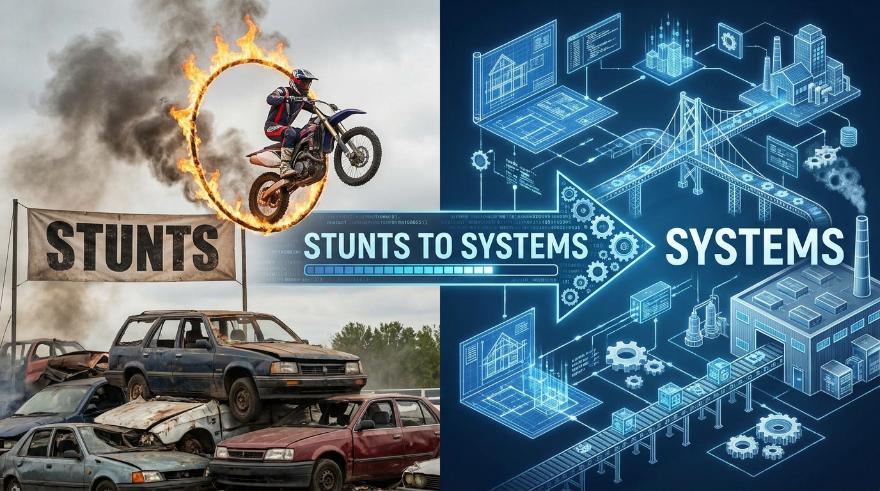
Если вы воспринимаете Red Bull Stratos лишь как “безумный прыжок в космос”, команда по эффективности не сможет ничего с этим сделать, кроме создания слайда с кейсом. Но если посмотреть на него так, как должен смотреть маркетолог, ориентированный на результат, — как на набор повторно используемых, поддающихся тестированию креативных компонентов, — то вы начнёте видеть прыжок с парашютом так же, как свайп: как комбинацию модульных элементов, которые можно бесконечно переиспользовать.
Подумайте о любом рекордном бренде: прыжке в космосе, захвате площади Таймс-сквер, вирусной акции. На самом деле они состоят из знакомого набора ингредиентов:
Вот ваши строительные блоки. Акция — это лишь наиболее концентрированное их выражение.
Старый подход к брендингу предполагал использование концентрированного контента – главного ролика – который затем “дробился” на укороченные версии и адаптировался под разные каналы. Как заметил один из лидеров креативной индустрии в обсуждении связанного контента, большинство систем всё ещё построены вокруг единого основного материала, который разрезают на мелкие фрагменты для TikTok, розничной торговли и всего промежуточного. Это лучше, чем ничего, но по сути это просто постоянное утоньшение одного и того же куска мяса. Вы получаете охват, а не обучение.
Маркетологам, ориентированным на результат, нужно противоположное: способ превратить шоу в модульную систему, генерирующую абсолютно новые варианты, предназначенные для тестирования, а не просто для распространения.
Вот практический способ, как этого добиться.
Это та же логика, лежащая в основе модульных брифов и компонентного производства, которую некоторые маркетологи используют для поддержания креативного тестирования без увеличения штата. Вместо того чтобы заказывать «одно видео», вы описываете набор взаимозаменяемых элементов: типы вступительных зацепок, формулировки выгод, призывы к действию, визуальные мотивы и наложения пользовательского контента.
2. Воссоздавайте в виде шаблонов, а не активов.
После того, как вы определили структурные элементы, вопрос уже не в том, “Как мы можем повторно использовать трюк?”, а в том, “Какие шаблоны он выявил?” Например:
Каждый шаблон можно использовать в виде коротких роликов продолжительностью 5–15 секунд в стиле UGC-рекламы, каруселей или вертикальных видео. Трюк теперь превращается в библиотеку шаблонов, а не в единичный дорогостоящий артефакт.
AI-инструменты становятся всё эффективнее в заполнении таких шаблонов, как только они определены. Творческие платформы типа Ad Studio могут интерполировать на основе текущих брендовых указаний, каталогов и юридических норм для создания соответствующих брифу вариантов в разных каналах, как описано в статье о рекламе в Таймс-сквер, созданной с помощью ИИ. Но ценность заключается не в том, что “ад был сделан ИИ”, а в том, что ваши шаблоны настолько чётки, что машина может безопасно их перерабатывать.
3. Отделяйте макросигнал от микровариаций.
Самая большая опасность при модульном творческом подходе — растворить свой бренд в бульоне случайных тестов. Когда каждый элемент отличается, вы можете оптимизировать CTR и при этом разрушить культурный сигнал, который изначально придавал акции силу.
Поэтому заранее решите, какие элементы священны (макросигнал), а какие можно тестировать (микровариации). К священным элементам могут относиться цветовая система, подача логотипа, основной слоган и 1–2 постоянно используемых визуальных метафоры. Всё остальное — стартовые кадры, вспомогательные утверждения, тип исполнителя, пользовательский или профессиональный видеоматериал — находится в свободном доступе.
Это различие перекликается с предупреждением о том, что чрезмерный уход в гиперперсонализированную, индивидуальную рекламу на основе ИИ приводит к тому, что вы “разрушаете макрокультурный сигнал” и сводите бренд к статистическому шуму, как утверждал один стратег в критике чрезмерного наполнения рекламой, адаптированной под ИИ. Другими словами: модульность — это не хаотичность. Система гибка по краям, но не в центре.
4. Создавайте контент массово, а не стремитесь к безупречности.
Рекордные трюки выглядят безупречно, когда попадают в рекламные ролики, однако для эффективности рекламы редко требуется кинематографическое качество. Важнее скорость и уникальность. Специалисты по социальным рекламам отмечают, что изображения, созданные с помощью ИИ, уже неотличимы от профессиональной фотографии в статичной рекламе, и основное ограничение заключается не в качестве, а в контексте и инструкциях, как подчеркивается в руководстве по рекламным материалам на основе ИИ.
Отсюда следует: как только вы определите основные элементы и шаблоны, вы можете передать их сочетанию инструментов ИИ, проверенных фрилансеров и сотрудников компании, чтобы еженедельно генерировать десятки вариантов, соответствующих бренду. Ваш “прыжок в космос” превращается в постоянный источник привлекательных зацепок, а не в редкий объект восхищения раз в год.
На практике переход от прыжка с парашютом к простому свайпу означает, что вы прекращаете обожать трюк и начинаете его эксплуатировать. Момент — это лишь подтверждение концепции. А система — то, что приносит доход.
Если в разделе 3 речь шла о том, как разрезать зрелище на пригодные для использования части, то здесь вы подключаете эти части к машине.
Ошибку, которую допускают большинство команд, составляет обращение с ИИ либо как с ярлыком к «еще большему количеству рекламы», либо как с каким-то мистическим творческим оракулом. На самом деле это не так. При правильном использовании ИИ — это младший арт-директор: быстрый, продуктивный, временами странный и абсолютно зависящий от сильной идеи и сильного руководителя.
Задача заключается не в том, чтобы «заставить ИИ создать 500 реклам». Задача состоит в следующем: взять основную идентичную идее производительности, извлеченную из большой акции, и использовать ИИ для изучения дисциплинированных вариаций вокруг неё, не разбавляя то, что делает её эффективной.
Это начинается с контекста, а не с запросов. Как отмечается в одном из анализов рабочих процессов с рекламой на основе ИИ, генеративные модели эффективно работают только тогда, когда они обучены на данных о том, кто ваши клиенты, что означает ваш бренд и как выглядит выигрышная реклама для вас; технологии становятся мощными после создания базы знаний о бренде и четких критериев творческих материалов, соответствующих стилю бренда, а не тогда, когда вы ожидаете чуда из пустого поля ввода запроса, как объясняет Social Media Examiner. Другими словами: вы не просите незнакомца создать вашу кампанию; вы принимаете на работу очень быстрого младшего сотрудника.
На практике это означает, что перед тем, как просить ИИ создать контент, необходимо предоставить ему три элемента:
Как только такая основа существует, вы перестаете использовать ИИ для случайных новшеств и начинаете применять его для систематических вариаций. Вместо 100 почти идентичных снимков продукта, которые современные платформы все равно объединят в один креатив, вы можете генерировать действительно разные ракурсы — различные зацепки, сюжеты и контексты, — которые дают алгоритмам реальную пищу для оптимизации, как раз переход Andromeda от Meta превратил тонкие различия в необходимость, а не просто в желательное дополнение, как указано.
Здесь мысль о связанном контенте сталкивается с реальностью эффективности. Возникающая модель “звездного всплеска” креатива — при которой центральная идея расходится на множество форматов и каналов, а затем данные возвращаются к ядру — не может быть эффективно управляемой вручную в сколько-нибудь значимом масштабе. Именно поэтому лидеры, выступающие за более гибкую, основанную на обратной связи, “живую” креативную систему, утверждают, что непрерывное обучение и адаптация попросту невозможны без ИИ как связующего элемента между разработкой креатива и медиа, как обозначено в.
С точки зрения эффективности это означает, что ваш младший арт-директор не просто создает больше контента; он встроен в цикл:
Здесь дисциплина такая же идеологическая, как и техническая. ИИ никогда не должен подрывать ту концепцию, которая сделала ваш трюк — или ваш первоначальный креатив героя — мощным. Он должен увеличивать количество ярких, четких реализаций, которые вы можете представить миру, и обеспечивать ваши медийные системы более насыщенными входными данными для обучения.
Относитесь к этому соответствующим образом, и ИИ перестанет быть прихотливым «движком контента» и начнёт работать так, как на самом деле нужно эффективному маркетингу: как младший арт-директор, способный угнаться за современными каналами распространения, в то время как ваши старшие креативщики сосредоточены на единственной задаче, которую машины пока ещё не могут выполнить, — поиске следующей идеи, достаточно масштабной, чтобы её было стоит развивать.
Команды по эффективности не изобрели ловушку персонализации, но мы определённо довели её до промышленных масштабов.
Когда вы можете запустить тысячи вариантов, созданных ИИ, за считанные минуты, очень хочется позволить машине гнаться за максимальной релевантностью везде и всюду: отдельная фраза для каждого интереса, отдельный фон для каждого почтового индекса, отдельное предложение для каждого паттерна просмотра. В нижней части воронки это может быть чрезвычайно эффективным. Как отмечается в одном из анализов «чёрных ящиков», таких как Performance Max и Advantage+, такие движки отлично справляются с удовлетворением уже существующего спроса с помощью сверхточных зацепок.
Проблема начинается тогда, когда эта логика вырывается за пределы аквариума ретаргетинга и затопляет океан бренда.
Крупные бренды работают, потому что являются макросигналами. Они создают общую историю, о которой вы можете говорить со своими друзьями, узнавать в реальной жизни и чувствовать свою принадлежность к ней с течением времени. Когда вы разбиваете эту историю на миллионы разовых, адаптированных ИИ исполнений, вы рискуете в точности тем, что один из наблюдателей назвал “уничтожением макрокультурного сигнала”, который придаёт бренду авторитет. Вы больше не чувствуете, что входите в Nike, Coke или Apple; вы чувствуете, что находитесь внутри рекламного сервера.
Так как же использовать персонализацию как инструмент повышения эффективности, не убивая ощущение крупного бренда?
Перемены начинаются с вашей ментальной модели. Большинство компаний по-прежнему рассматривают креатив как ограниченный пакет “геройский ролик плюс производные”: снимается большой ролик, разрезается на более мелкие фрагменты, отправляется в разные каналы, затем в конце делаются отчёты. Как отметил один CMO в статье о связанном контенте, эта модель предполагает, что разработка креативов — это заключительный этап, на котором медиа передаются активы. В таком мире персонализация естественно становится второстепенной: пристёгнутые баннеры и бесконечные варианты прямых откликов, слабо связанные с основным роликом и никогда не влияющие на него обратно.
Альтернатива заключается в том, чтобы рассматривать платформу бренда как живую систему. Вместо «героя, а затем фрагментов» вы разрабатываете небольшой набор логичных, уникальных строительных блоков — визуальных кодов, правил тона, повторяющихся персонажей, фирменных приёмов, — которые предназначены для постоянного микширования как людьми, так и машинами. В связанной модели эти элементы интегрируются в «живые, дышащие, постоянно адаптирующиеся» системы, которые учатся на основе реального поведения: какие комбинации повышают кликабельность, какие версии делают скриншоты и делятся ими, какие фразы люди цитируют в комментариях.
Персонализация тогда становится вопросом акцента, а не изобретения заново. Вы не создаёте полностью новые мини-бренды для каждой аудитории; вы выбираете, какие аспекты одного и того же бренда нужно усилить.
Несколько практических рекомендаций помогут избежать проблем с эффективностью:
Если персонализация сделана хорошо, она должна ощущаться не как тысяча разных брендов, шепчущих на ухо тысяче разных людей, а скорее как один уверенный бренд, меняющий свою позицию в зависимости от собеседника и контекста. Задача команды по эффективности — не максимизировать различия, а выстраивать разнообразие в рамках сильного, последовательного сигнала.
Получайте лучшие конверсионные лендинги каждую неделю на свою почту.
Обязательно к прочтению
Узнайте, как усталость от рекламы, созданной ИИ, делает нативные, пуш-кампании и кампании TikTok все более похожими, ослабляя вовлеченность и сокращая конкурентные преимущества. Научитесь использовать инструменты анализа конкурентной рекламы для выявления повторяющихся творческих шаблонов, разработки более оригинальной рекламы и выделения среди аукционов рекламы с использованием ИИ.
Liam O’Connor
7 минокт. 14, 2026
Инструкция
Узнайте, как связать рекламу вне дома (OOH) с цифровыми рекламными кампаниями для создания измеримых многоканальных воронок. Откройте для себя, как планировать маршруты светодиодных грузовиков, синхронизировать рекламу в поиске и социальных сетях, оптимизировать мобильные посадочные страницы и отслеживать конверсии, чтобы оффлайн-реклама приносила измеримые бизнес-результаты.
Samantha Reed
7 минокт. 13, 2026
Гайд
Узнайте, как реклама на открытом воздухе (OOH) может обеспечить измеримые конверсии, сочетая физические размещения с цифровыми рекламными кампаниями. Освойте использование геолокационной аналитики, данных о конкурентах, мобильной OOH-рекламы, ретаргетинга в TikTok, локализованных промостраниц и аналитики атрибуции для построения многоканальных воронок с высокой рентабельностью инвестиций.
Rachel Thompson
7 минокт. 12, 2026