11 миниюня 21, 2026

Наши инструменты отслеживают миллионы рекламных кампаний в форматах native, push, pop и TikTok.
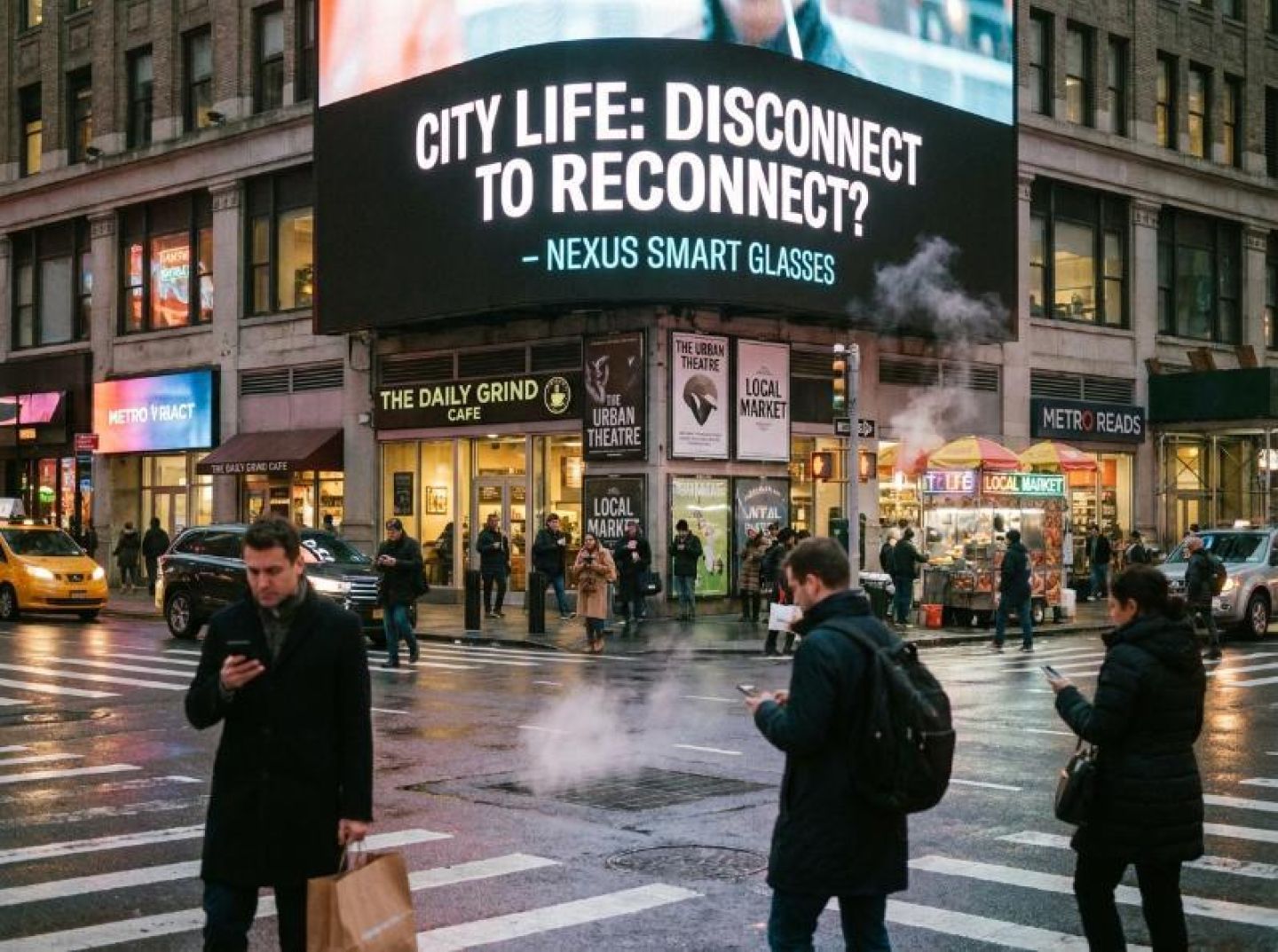
НачатьЕсли вы профессионально занимаетесь рекламными кампаниями в формате нативной рекламы, вы, вероятно, редко задумываетесь о рекламных щитах. Вы отслеживаете процент переходов, оптимизируете целевые страницы и внимательно анализируете стоимость привлечения клиента на различных платформах контент-рекламы. Но в то время как вы сосредоточены на программной аналитике, снаружи происходит масштабная переброска капитала, которая вот-вот изменит конкурентную ситуацию в вашей рекламной ленте.
Реклама вне дома только что показала двадцатый квартал подряд роста, достигнув рекордного значения в первом квартале — 2,12 миллиарда долларов дохода. Этот рубеж стал продолжением рекордного показателя за весь год — 9,46 миллиарда долларов в 2025 году, и эти цифры должны сказать гораздо больше, чем просто быть интересным фактом для специалистов, конкурирующих за внимание потребителей в цифровых каналах. Форматы цифровой рекламы вне дома ускоряют эту тенденцию, вырастая на 12,9% по сравнению с прошлым годом, и теперь составляют 36% всей выручки от OOH. Форматы рекламы в транспорте выросли на 18%, реклама на уличной мебели — на 11,5%, и каждая категория цифровой OOH-рекламы показала рост.
Категории, стоящие за этим ростом, рассказывают историю, на которую маркетологам, ориентированным на результат, следует обратить особое внимание. Рекламодатели из сферы технологий стали одними из главных двигателей роста в этом квартале, увеличив расходы на 139% — в основном благодаря стартапам в области ИИ, которые стремятся укрепить узнаваемость своего бренда в физическом пространстве. Финансовые услуги и крупные потребительские бренды также активизируют инвестиции. Это не малоизвестные рекламодатели. Это те самые бренды, которые участвуют в размещении спонсируемого контента, финансируют программатик-кампании в нативном формате и заполняют виджеты рекомендаций контента на премиальных издательских площадках. Когда они увеличивают бюджеты на OOH-рекламу, они не сокращают расходы на цифровую рекламу — они синхронизируют их.
Президент OAAA Анна Багер охарактеризовала этот импульс как свидетельство того, что маркетологи теперь рассматривают наружную рекламу как «медийный канал, ориентированный на результат», который «обеспечивает вдвое большее повышение эффективности по сравнению с телевидением», ссылаясь на совместные исследования с Kochava. Такая формулировка — ориентированная на результат, измеримые бизнес-результаты — выбрана сознательно. Она сигнализирует о том, что бренды, направляющие капитал в наружную рекламу, видят в ней не альтернативу цифровым каналам, а скорее средство подготовки к ним.
Эта тенденция, судя по всему, только ускоряется. Исследование OAAA и Winterberry Group показало, что 86% маркетологов планируют увеличить инвестиции в наружную рекламу в ближайшие два года, в то время как 98% сейчас считают наружную рекламу ключевой или вспомогательной частью своих стратегий подключенной торговли. В то же время только расходы на адресную наружную рекламу (programmatic DOOH) к 2026 году, как ожидается, достигнут 1,35 миллиарда долларов, увеличиваясь более чем на 22% год к году. Эти показатели указывают на направление движения координированных средств в рамках омниканальных бюджетов, и нативная реклама находится прямо на пути следования этих расходов.
Вот следствие, которое редко обсуждается в кругах performance-маркетинга: оффлайн-реклама (OOH) не работает в изоляции. Когда бренд насыщает рынок креативами в физическом мире — рекламой на транспорте, цифровыми билбордами, экранами в местах пребывания людей — он создает базовый уровень осведомленности, который меняет реакцию потребителей на все последующие цифровые точки контакта. Реклама в ленте контента, появляющаяся после того, как человек уже видел бренд во время поездки на работу, воспринимается психологически иначе, чем объявление, приходящее «на холодную». Как отмечает AdQuick, 80% потребителей говорят, что, скорее всего, предпримут действия после просмотра креативной OOH-рекламы, и почти половина из них ищут рекламодателя позже.
Это поведение поиска, этот заранее сформированный интерес, не исчезает, когда человек открывает приложение с новостями или пролистывает главную страницу издателя. Оно напрямую перетекает в каналы, где работают специалисты по performance-маркетингу, и меняет структуру затрат для всех участников аукциона.
Существует причина, по которой профессиональные медиа-команды не размещают билборд и просто уходят. Реклама вне дома сама по себе не завершает цикл взаимодействия — она, наоборот, полностью его раскрывает. Стратегия проста: контакт с рекламой в физическом мире вызывает всплеск потребительских намерений, который исчезает за считанные минуты, если в дальнейшем нет ничего, что могло бы его зафиксировать. Поэтому за практически каждой крупной кампанией OOH стоит синхронное использование нативной рекламы, спонсируемого контента, push-уведомлений и контекстной рекламы, предназначенных для перехвата пользователей в цифровом пространстве сразу после их реального взаимодействия с брендом.
Нейронаука практически сама за себя говорит. Цифровая реклама вне дома вызывает в 3,2 раза более сильную нейрологическую реакцию и активность памяти, чем традиционные статические цифровые форматы, — это вывод, основанный на исследованиях нейровизуализации, а не на самоотчетах. Такое усиленное кодирование памяти превращает пятисекундный взгляд на рекламу на шоссе в поисковый запрос с брендом спустя двадцать минут. И последующее поведение впечатляет: почти половина потребителей ищет рекламодателя после просмотра рекламы на рекламных щитах, и почти четверть совершает покупку. Ни один маркетолог, ориентированный на результат, не увидит эти сигналы конверсии и не предпримет действий. Рекламный щит — это спичка; нативная реклама — тлеющие угли.
Вот почему многоканальное усиление стало стандартной операционной моделью. Бренд DTC запускает оформление общественного транспорта в Чикаго, и в тот же день спонсируемые статьи о бренде начинают появляться в лентах Taboola и Outbrain, ориентированных на тот же городской район. Сеть общественного питания берет под контроль цифровую рекламу на Таймс-сквер, и в течение часа гео-таргетированные push-уведомления из его приложения приходят на телефоны в радиусе трех кварталов. Офлайн-реклама создает осведомленность, а native- и контент-кампании извлекают из нее выгоду. Без такой цифровой основы вы, по сути, платите по высоким ставкам, чтобы создать спрос, который никогда не конвертируете — маркетинговый эквивалент наполнения ведра без дна.
То, что делает эту конвергенцию еще более мощной, — это стирающаяся граница между наружной рекламой, ритейл-медийностью и цифровой рекламой. Как показал OOH Today в своём анализе незаметной трансформации Walmart в медиакомпанию, экраны внутри продуктового магазина, сеть дисплеев в сети магазина у дома и цифровые вывески в магазине товаров для дома имеют больше общего с наружной рекламой, чем готовы признать большинство людей. Когда вы соединяете данные о лояльности, мобильные технологии и физические локации, сам магазин превращается в медиаресурс, и каждое показанное сообщение в этом физическом пространстве запускает ту же последовательную цепочку намерений, что и билборд у дороги. Проходы становятся проспектами; кассовая линия превращается в ленту контента, ожидающего своего часа.
Это размывание границ означает, что реклама в физическом пространстве теперь выполняет функцию инициатора спроса для всего цифрового воронки. Бренды уже не выбирают между наружной рекламой и нативной. Они используют наружную рекламу, чтобы усилить эффект от нативной. Рост количества поисковых запросов, узнаваемость бренда, импульс к прямому отклику — всё это исходит из физического мира и попадает в программную экосистему, где работают нативные кампании. Если вы нативный рекламодатель и замечаете, что ваши CPC растут, а конкуренция усиливается, то одна из движущих сил этого процесса — именно она. Каждый щит, размещённый на вашем целевом рынке, по сути, является нативной рекламной кампанией, готовой стартовать за ним. Бренды, инвестирующие в оба направления, не тратят бюджет впустую из-за дублирования — они создают замкнутую систему, в которой внимание, полученное в физическом мире, превращается в цифровые действия, а цифровые действия — в выручку. Вопрос для операторов, использующих исключительно нативную рекламу, заключается не в том, влияет ли это на них, а в том, насколько быстро они адаптируются.
Вам не нужен внутренний доступ, чтобы узнать, когда конкурент запускает многоканальную рекламную кампанию. Вам нужен список наблюдения, инструмент для слежки и терпение, чтобы сопоставить три сигнала, которые почти всегда появляются последовательно.
Начните со самого списка наблюдения. Крупнейшие рекламодатели в сфере наружной рекламы публично отчитываются каждый квартал — Morgan & Morgan, Apple, McDonald's, Verizon, Dunkin' и T-Mobile доминируют в рейтинге годами. Более интересны стремительно растущие новички: OpenAI, Genspark и Lambda активно осваивают оффлайн-медиа, сражаясь за внимание потребителей на рынке искусственного интеллекта. Это не те бренды, которые традиционно ассоциируются с рекламными щитами, и именно поэтому их переход от наружной рекламы к native-форматам так заметен. Когда бренд, ранее существовавший исключительно в цифровых каналах, вдруг начинает приобретать оффлайн-рекламу, последующий цифровой всплеск неизбежен — и он почти всегда проявляется в native-рекламных каналах в течение нескольких дней.
Вот тактический процесс. Настройте мониторинг ключевых слов и названий брендов в инструменте для шпионажа за native-рекламой по вашему выбору — такие платформы, как Anstrex, PowerAdSpy или AdPlexity, позволяют отслеживать конкретных рекламодателей в сетях контент-рекомендаций, например Taboola и Outbrain. Как отмечал Brax, для отслеживания эффективности кампаний сначала необходимо определить четкие цели, и конкурентная разведка здесь не исключение: вы должны определить, что именно вы ищете, прежде чем данные станут полезными. В данном случае вы ищете три конкретных сигнала, возникающих одновременно.
Сигнал первый: соответствие креативной теме. Когда бренд запускает кампанию наружной рекламы, нативные объявления, следующие за ней, почти всегда повторяют одни и те же сообщения на этапе повышения осведомленности — слоганы бренда, визуальные элементы, специфичные для кампании, и формулировки для начала воронки продаж, направленные на закрепление, а не на конверсию. Если вы видите внезапное появление множества новых креативов от отслеживаемого бренда с одинаковой визуальной идентичностью или слоганом на щитах у дорог, вы застали этот рывок в действии.
Сигнал второй: географические кластеры таргетинга. Здесь начинается более детальный анализ. Кампании наружной рекламы концентрируют расходы в определённых городах, и особенно показатели транзитной наружной рекламы — которая выросла на 18% — завышены для таких городов, как Нью-Йорк, Чикаго, Лос-Анджелес и Вашингтон, округ Колумбия. Когда креативы нативной рекламы от отслеживаемого бренда вдруг демонстрируют высокий объём показов именно в этих городах, перед вами географическое зеркалирование. Рекламная волна наружной рекламы определяет радиус действия; нативная кампания заполняет его контентом, напоминающим ретаргетинг.
Третий сигнал: корреляция по времени. Внеэкранные кампании (OOH) проводятся по графику полётов — обычно блоками по четыре недели. Запуски нативной рекламы, сосредоточенные в первую неделю известной даты размещения OOH, не являются случайными. Они скоординированы. Недавно появившаяся дисциплина прогнозирования потребительской аналитики в OOH — анализ исторических паттернов для выявления вероятного времени старта кампании и её географического расширения — теперь используется не только владельцами медиа, но и квалифицированными аналитиками конкуренции, которые стремятся предвосхитить мультиканальные кампании, а не просто реагировать на них.
Когда все три сигнала пересекаются — новые креативы, повторяющие сообщения OOH, гео-таргетинг, соответствующий маршрутам транспорта и местам размещения рекламных щитов, и время запуска, совпадающее со стандартными периодами размещения, — вы замечаете не просто кампанию конкурента. Вы воссоздаёте её архитектуру. Эта схема чётко показывает, какую историю о бренде они формируют, какие рынки выбраны приоритетными и насколько активно тратят средства, чтобы сблизить физическую видимость и цифровое вовлечение. Бренды, которые будут воспринимать это как обычную разведывательную деятельность, постоянно будут обходить тех, кто продолжает смотреть только на собственные внутренние отчёты, отгороженные от внешнего мира.
Каждый крупный бренд, который заполоняет метро рекламными щитами, а затем преследует потенциальных потребителей в лентах native-рекламы, делает нечто исключительно щедрое: он сам за свой счёт формирует заинтересованную аудиторию. Вопрос для маркетологов, ориентированных на эффективность, заключается не в том, следует ли конкурировать с этими расходами. Речь идет о том, как использовать попутный поток — перехватывая намерения потребителей, которые создаёт рекламодатель бренда, но сам не может полностью реализовать.
Сценарий начинается с разведки, которую вы уже провели, если следовали процессу использования шпионских инструментов из предыдущего раздела. Как только вы подтвердили, что конкурент или смежный бренд запускает скоординированную кампанию офлайн-рекламы с переходом на нативную рекламу в определённых городах, вы переключаетесь с режима сбора разведданных на наступательный. Цель — запустить собственные нативные кампании, ориентированные на конверсию, направленные на ту же аудиторию, на тех же рынках и в тот же период размещения, используя волну узнаваемости, которую построил кто-то другой.
Представьте это на практике. Национальный страховой бренд охватывает Даллас рекламой на транспорте и цифровых щитах, а затем усиливает этот креатив на Taboola и Outbrain. Потребители в метрополии Далласа/Форт-Уэрта вдруг начинают думать о страховании как о приоритете; они ищут в Google ответы на вопросы о покрытии, проводят больше времени на статьях о личных финансах и активнее взаимодействуют с виджетами рекомендаций, чем обычно. Если вы являетесь конкурирующим страховщиком — или даже дополняющим финтех-продуктом, — вы можете воспользоваться всем этим всплеском внимания. Рекламодатель уже подготовил аудиторию. Вам нужно лишь войти с чётким предложением.
Фреймворк выполнения должен основываться на SMART-целях кампании, которые напрямую соответствуют периоду проведения рекламной кампании конкурента. Если их OOH-реклама транслируется восемь недель в трех городах, ваши native-кампании в этих городах также должны иметь временные цели, привязанные к тем же восьми неделям: конкретная целевая величина улучшения CTR, максимальный порог стоимости привлечения клиента, целевой объем конверсий. Установка этих целей до запуска кампании обязательна — как подчеркивает система отслеживания эффективности Brax, понимание конечных целей обеспечивает метрики, необходимые для оценки успеха, и гарантирует, что каждый потраченный доллар направлен на достижение значимых результатов. Без такой конкретики вы никогда не отделите прирост, который субсидируется расходами конкурента на повышение узнаваемости.
Гео-таргетинг — ключевой элемент. Платформы, такие как AdQuick, показали, что OOH-реклама сейчас создает измеримый эффект ореола для смежных цифровых кампаний, а значит, рост эффективности — не теоретический, а поддающийся количественной оценке и локализации. Вы можете использовать тот же эффект ореола, не покупая ни одного рекламного щита. Ограничьте закупки native-рекламы теми DMA, где активны наружные рекламные носители конкурента, сымитируйте таргетинг по демографическим характеристикам, который подразумевает их креатив, и показывайте сообщения, ориентированные на нижнюю часть воронки, — сравнительные руководства, специальные предложения за ограниченное время, призывы к бесплатному пробному периоду, — чтобы превратить интерес, вызванный рекламой их бренда, в конверсии.
Как только кампания запущена, оптимизируйте ее в режиме реального времени по установленным вами SMART-показателям. Отслеживайте показатели CTR и конверсии по городам еженедельно. Если Даллас показывает лучшие результаты, чем Хьюстон, перераспределите бюджет соответствующим образом — вероятно, плотность наружной рекламы конкурентов там выше. Если в шестую неделю вовлеченность падает, кампания, возможно, завершается — сократите расходы до того, как исчезнет эффект от повышения узнаваемости.
Главное понимание касается асимметрии. Вам не нужен бюджет на наружную рекламу. Вам даже не нужен бюджет на бренд. Вам нужно читать бюджет на наружную рекламу компаний, которые обучают вашу целевую аудиторию, а затем размещать свою рекламу с призывом к конверсии именно там, где это обучение достигает аудитории. Их миллионы, потраченные на повышение узнаваемости, становятся верхней частью вашей воронки. Их билборд — ваш двигатель генерации спроса. И каждый показ, за который они платят, но который не приводит к конверсии на их собственных платформах, остается в игре — ожидая того, кто появится следующим с более четким предложением и призывом к действию. Этим кем-то должны быть вы.
Разница между командами, которые время от времени случайно наталкиваются на конкурентное преимущество, и теми, которые систематически его используют, заключается в инфраструктуре. Все, что описано в предыдущих разделах — список наблюдения, инструменты разведки, стратегия подбора персонала — превращается в разовую уловку, если не оформить это в виде повторяющегося цикла. Это должно быть операционной возможностью, а не удачным досугом одного дня.
Фонд является бесплатным и общедоступным. OAAA публикует ежеквартальные данные о расходах на наружную рекламу, включая списки 100 крупнейших рекламодателей, разбивку по категориям и темпы роста по отдельным форматам. Когда в первом квартале 2026 года было объявлено, что доходы от наружной рекламы достигли 2,12 миллиарда долларов — двадцатый квартал подряд роста — истинная ценность данных заключалась не в общей цифре. Дело было в деталях: расходы рекламодателей из сферы технологий выросли на 139%, форматы, размещаемые в транспорте, увеличились на 18%, а цифровая наружная реклама составила 36% от общих расходов. Если вы работаете в технологическом секторе или ориентируетесь на пассажиров городского транспорта, то один этот отчет только что показал вам, какие бренды вскоре заполонят нативные ленты с кампаниями переадресации и повышения узнаваемости. Это ваша система раннего оповещения.
Постройте свою деятельность, ориентируясь на ежеквартальный ритм. Рабочий процесс состоит из четырех этапов, каждый из которых связан с последующим.
Этап первый: анализ отчета. В течение недели после ежеквартальной публикации OAAA получите данные о крупнейших рекламодателях в вашей отрасли и обратите внимание на любой бренд, который либо впервые вошел в топ-100 OOH, либо значительно увеличил свои инвестиции. Особое внимание уделяйте всплескам на уровне категории — когда вся вертикаль усиливает расходы на OOH, как это сделали технологические и AI-бренды в начале 2026 года, это сигнализирует о сдвиге в масштабах всей отрасли, который уже через несколько недель отразится на всех цифровых каналах.
Этап второй: запуск инструментов слежения. Возьмите выявленные бренды и настройте оповещения по ключевым словам и рекламодателям на специализированных платформах рекламной аналитики. Вам нужно засечь момент, когда их рекламные материалы начнут появляться на Taboola, Outbrain или программных нативных сетях. Задержка между появлением рекламы на билбордах и запуском нативных объявлений обычно составляет от двух до шести недель. Ваши оповещения должны быть готовы еще до запуска нативных кампаний.
Этап третий: запуск кампании. Когда срабатывают оповещения, вы действуете. Создавайте рекламные кампании, используя импульс бренда, и применяйте стратегии перехвата, описанные в разделе 4 — геотаргетирование, контент, ориентированный на осознание проблемы, и таргетирование смежных ключевых слов. Здесь важна скорость. Окно самого высокого интереса аудитории ограничено.
Этап четвёртый: измерение эффективности. Именно на этом этапе большинство команд расслабляются, и именно здесь вся система либо преуспевает, либо гибнет. Как документировал Brax, отслеживание эффективности нативной рекламы требует чётко определённых целей, установленных до запуска, а не присвоенных задним числом после расходования бюджета. Для каждой кампании, запущенной на основе данных об OOH, установите цели по методу SMART, привязанные к конкретной возможности: целевое улучшение CTR по сравнению с вашей базовой линией для этой ниши, максимальный порог стоимости привлечения клиента, сопоставимый с кампаниями, в которых не использовалась аудитория, разогретая брендом, и окно атрибуции, учитывающее отложенный интерес, генерируемый OOH. Фиксируйте, какие OOH-сигналы коррелировали с наилучшей производительностью вашей нативной рекламы, и используйте эти данные на первом этапе в следующем квартале.
Эффект сложного процента как раз и делает эту дисциплину стоящей. После двух или трех квартальных циклов у вас появится собственный набор данных, показывающий, какие модели расходов на наружную рекламу надежно прогнозируют возможности для native-рекламы в вашей нише — в каких категориях, в каких городах, с какими форматами креативов. У конкурентов, запускающих разрозненные кампании, этого не будет. Бренды, тратящие миллиарды на билборды, будут постоянно пополнять вашу воронку, а вы будете появляться в ленте точно в нужный момент, потому что создали систему, которая сообщила вам о их приближении.
Теги
Получайте лучшие конверсионные лендинги каждую неделю на свою почту.
Подробный разбор
Узнайте, как рекламная аналитика на уровне города может помочь маркетологам создавать кампании, которые воспринимаются как местные, но масштабируются глобально. Научитесь использовать Anstrex для выявления географических, языковых, творческих закономерностей и особенных для воронки продаж паттернов на Native, TikTok, Push и Pops, а затем превращайте эти данные в постоянно эффективные локализованные кампании.
Elena Morales
7 минсент. 16, 2026
Самое читаемое
Генерация спроса смещается от одной лишь маркетинговой автоматизации к рыночной аналитике в реальном времени и проверенным креативным сигналам. В этом руководстве показано, как использовать аналитику объявлений из родных источников, пуши, pop-окна и TikTok, чтобы выявить наиболее эффективные зацепки, превратить их в интеллектуальную собственность для генерации спроса и применить эти данные во всей клиентской воронке: рекламе, электронной почте, посадочных страницах и на всех этапах пути клиента.
Elena Morales
7 минсент. 13, 2026
Самое читаемое
Узнайте, как связать данные рекламного шпиона с поведением на сайте, информацией из CRM и результатами выручки, чтобы выявить реальные факторы рентабельности инвестиций. Узнайте, как превратить Anstrex из инструмента копирования креативов в замкнутую систему для тестирования выигрышных рекламных подходов, воронок и клиентских путей.
Dan Smith
7 минсент. 9, 2026