7 миниюня 14, 2026

Наши инструменты отслеживают миллионы рекламных кампаний в форматах native, push, pop и TikTok.
НачатьКаждый июнь рекламная индустрия съезжается на Лазурный берег Франции, чтобы отпраздновать свои лучшие работы. Раздаются премии Cannes Lions. Вручаются карандаши D&AD. Поднимаются кубки One Club. Работы, которые побеждают, по любым субъективным меркам, выдающиеся — визуально потрясающие, эмоционально глубокие, концептуально смелые. И при этом, по любым объективным меркам, они не поддаются оценке. Ни одно жюри на крупных креативных наградах никогда не задавало ни одного вопроса о показателях кликабельности, конверсии или рентабельности рекламных вложений. Работы оцениваются в просмотрном зале, вне зависимости от медиа-среды, в которой они транслировались, без учёта параметров таргетинга, с помощью которых они доставлялись, и полностью на основе мастерства, новизны и эмоционального отклика, который они вызывают у аудитории из других специалистов рекламной индустрии.
Это не незначительная методологическая особенность. Это базовая логика всей системы: креативное превосходство — это то, что оценивают изолированно, как отдельный объект, независимо от того, произвело ли оно реальное воздействие на бизнес. И на протяжении десятилетий у кого-либо не было необходимой инфраструктуры, чтобы массово поставить это утверждение под сомнение.
Это начинает меняться. Как выразился генеральный директор DAIVID Ян Форрестер, описывая проблему, которую призван решить партнерский проект его компании с ADIN.AI: «Креатив является ключевым фактором результатов рекламы, но слишком долго он измерялся обособленно, без связи с результатами медийной кампании». Форрестер говорил о сложности оценки созданного ИИ контента инфлюенсеров в крупных масштабах, но его замечание особенно актуально, если применить его к наиболее престижным творческим институтам индустрии. Оценка работ на наградных шоу — это не просто пример обособленного анализа креатива — это наиболее яркий пример. Речь идет о системе, которая на протяжении более чем семидесяти лет признает «лучшую» рекламу, ни разу не сопоставив свои решения с данными о медийной эффективности.
Последствия ощутимы и поддаются измерению. Маркетологи, ориентированные на эффективность, которые пытались адаптировать креативы высшего уровня для кампаний прямого отклика, прекрасно знают эту закономерность: красиво снятый брендинговый ролик, который получает массовое внимание в органических каналах, но приводит к стоимости привлечения клиента, в три раза превышающей стоимость, полученную с помощью неказистого, но функционального статичного изображения. Остроумная концептуальная кампания, заслуживающая признания индустрии, но не способная превзойти простое рекламное видео с отзывами при сравнении с стандартными отраслевыми показателями CTR и конверсии. Шестидесятисекундный эмоциональный рассказ, заставляющий жюри плакать, но не способный выжить в культуре безжалостного пролистывания новостной ленты, где у вас есть менее двух секунд, чтобы заработать внимание.
Это не случайная ситуация. Награды присуждаются за признание коллегами. Каналы продвижения ориентированы на действия потребителей. Это принципиально разные цели, и они поощряют совершенно разные творческие решения. Признание коллегами благоприятствует неоднозначности, тонкости и нарушению ожиданий. Действия потребителей благоприятствуют ясности, конкретике и непосредственной актуальности. Признание коллегами вознаграждает творца за создание чего-то, чего никто раньше не видел. Действия потребителей вознаграждают творца за создание чего-то, что кажется достаточно знакомым, чтобы вызывать доверие.
Это вовсе не означает, что лауреаты наград создают «плохие» работы. Это означает, что индустрия построила целую иерархию престижа вокруг определения успеха, которое никогда не было привязано к конкретным бизнес-результатам. Креативный директор, чья полка ломится от «Львов», прославляется как гений. Маркетолог по росту, чьи скромные объявления принесли доход в восемь цифр, остаётся незамеченным. Один из этих людей может доказать, что его работа изменила поведение потребителей. У другого есть трофей, говорящий, что его коллеги были впечатлены. Рекламная индустрия десятилетиями путала эти два понятия, и маркетинг эффективности — это та дисциплина, которая, наконец, разделила их.
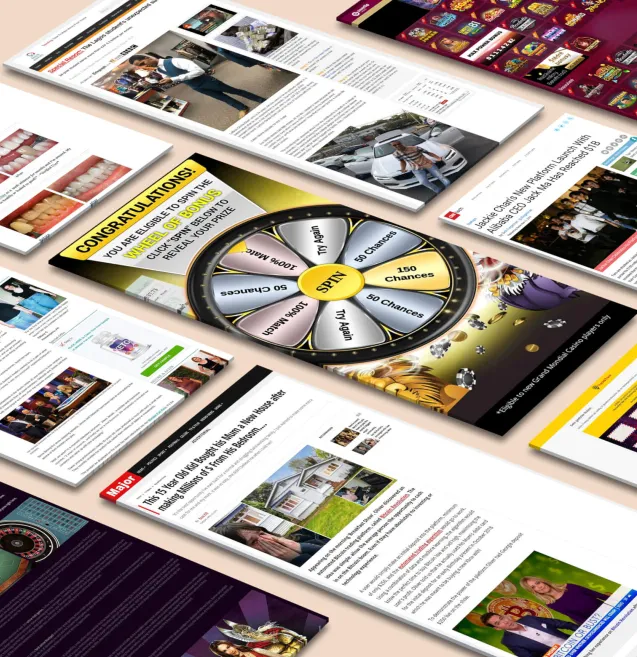
Если вы достаточно долго используете инструменты конкурентной разведки, изучая креативы, которые транслируются на Taboola, Outbrain или MGID в течение нескольких недель или месяцев, вы замечаете закономерность, которая вызывает физический дискомфорт у любого жюри Канн. Миниатюры зернистые, зачастую снятые на телефон или скопированные из стоковых библиотек без художественного руководства. Заголовки используют провокационные пробелы в информации настолько агрессивно, что это граничит с пародией: «Врачи поражены молчанием», «Вы не поверите, что случилось дальше», «Один простой трюк, который всё изменил». Целевые страницы выглядят так, будто их создали в 2009 году — длинные рекламные статьи без навигации, без фирменного заголовка и с текстом, напоминающим письмо обеспокоенного друга, а не отполированный рекламный материал. С точки зрения традиционных креативных стандартов, это уродливо.
И тем не менее они существуют. В этом и заключается то, что элитный мир не может объяснить.
Креатив, который был активен в течение шестидесяти дней подряд и набрал миллионы показов в сети нативной рекламы, остается в эфире не потому, что кто-то забыл его отключить. Он продолжает работать, потому что этого требуют экономические показатели. Маркетологи эффективности быстро избавляются от неудачников — зачастую в течение нескольких часов. Если реклама продолжает расходовать бюджет спустя два месяца, значит, она прошла испытание жесткими порогами CPC в реальном времени, CTR, и конечными показателями конверсии, которые не способны воспроизвести ни одна фокус-группа и ни одно жюри премии. Рынок уже проголосовал, и выиграла уродливая реклама.
Это не должно удивлять, если подумать о том, насколько серьезно маркетологи эффективности относятся к успеху. Как указано в руководстве Brax по отслеживанию эффективности нативной рекламы, измерение результатов по отраслевым KPI — средние CTR, конверсии, нормы CPC — лежит в основе оценки кампаний. Никто в этой сфере не спрашивает, является ли реклама "смелой" или "креативно ориентированной". Важно лишь, превысила ли она медианный показатель CPC своей вертикали настолько, чтобы продолжать вложения. Вся система оценки — дарвиновская: вы тестируете варианты с небольшими бюджетами, безжалостно отсекаете слабые, и масштабируете те, что подтвердились данными. То, что в итоге остается, — не вопрос эстетики, а результат эволюции.
Закономерности поразительно согласованы. Контент в стиле пользовательского (UGC) превосходит студийную фотографию, потому что запускает процесс сопоставления образов в мозге: это выглядит как контент, опубликованный моим другом, а не как реклама. Заголовки, вызывающие любопытство, превосходят заголовки, основанные на выгоде, в начальном этапе встраиваемой рекламы, поскольку контекст пользователя — пролистывание редакционного контента — поощряет стремление заполнить информационный пробел, а не прямые предложения ценности. "Уродливые" целевые страницы без навигации для выхода превосходят стильные фирменные решения, поскольку они снижают утомление от принятия решений и сосредотачивают внимание на одном действии. Эти форматы сохраняются не потому что маркетологи ленивы или неопытны, а потому что миллиарды показов проверили их надежность против всех мыслимых альтернатив, и они продолжают побеждать.
Масштаб, в котором происходит такой отбор, как раз и делает традиционные методы оценки практически бесполезными. Как сообщал Search Engine Journal в своём анализе сетей создателей контента на основе ИИ, группы для ручного просмотра контента слишком медленны, а сплит-тестирование отдельных элементов контента в масштабных сетях распространения «логистически невозможно». Инфраструктура, необходимая для отделения сигнала от шума при таком объёме, требует автоматизированных систем с обратной связью в реальном времени — именно таких систем, которые сети нативной рекламы уже по умолчанию поддерживают благодаря своим аукционным механизмам и скорости расходования бюджета.
Когда креативный директор морщит нос при виде зернистого миниатюрного изображения в паре с сенсационным заголовком, он, безусловно, прав, говоря, что это эстетически неотполировано. Просто он оценивает по неправильной шкале. Эффективная, но некрасивая реклама — это не ошибка в системе. Это система, функционирующая именно так, как задумано, — рынок говорит вам, самым дорогим и честным способом обратной связи, что действительно работает, когда единственным решающим голосом является клик.
Рекламная индустрия начала создавать инфраструктуру для решения проблемы измерения креативов сверху вниз. Как сообщал Search Engine Journal, партнерство DAIVID с ADIN.AI направлено на массовую оценку эффективности креативов и связывание этих оценок с результатами размещения медиа в реальном времени — системой, призванной сообщить маркетологам, какие активы, вероятно, будут успешными, еще до того, как будет потрачена хотя бы одна копейка. Это амбициозный технический проект, и для корпоративных брендов, управляющих одновременно сотнями тысяч активов создателей, он восполняет реальный пробел в управлении.
Но существует более простой, грубый и, возможно, более надежный сигнал, который уже много лет находится на виду: продолжительность расходов.
Никакой рекламодатель — неважно, насколько у него много средств и насколько он неорганизован — не станет продолжать платить за креатив, который не приносит конверсий. Если нативная реклама была включена на Taboola в течение 90 дней и охватывала несколько источников трафика, значит, она прошла десятки внутренних проверок, встреч по перераспределению бюджета и аудитов эффективности. Её одобрило не жюри креативных директоров, а финансовый отдел, который продолжает утверждать счёт. Длительность работы — это «Львиный розыгрыш» для маркетолога по эффективности, только жюри — это отчёт о прибылях и убытках.
Именно здесь конкурентная разведка перестаёт быть чем-то желательным и становится операционной необходимостью. Как поясняет блог Brax, ориентация на общие отраслевые данные — это стратегически важный шаг: «по сути, анализ конкурентов, только вы сравниваете себя со всей отраслью целиком», — при этом признавая, что наличие реальных данных о конкретных конкурентах было бы ещё полезнее. При этом подразумевается, что такие детальные данные практически невозможно получить. Но это не так.
Anstrex существует именно в этом пробеле. Вместо использования приблизительных отраслевых показателей — средних значений CTR, медианных значений CPA по вертикалям, обобщённых рекомендаций, которые могут подойти к любой кампании или не подходить ни к одной — Anstrex позволяет увидеть конкретные креативы, которые запускают ваши конкуренты, целевые страницы, на которые ведут эти креативы, рекламные сети, по которым они транслируются, и как долго каждая из этих комбинаций остаётся в эфире. Вам не нужно гадать, что работает, опираясь на ориентировочные данные опроса. Вы видите, что работает, на основе постоянных подтверждённых расходов.
Это меняет весь процесс разработки креативов. Традиционный рабочий процесс начинается с брифа, проходит через этапы создания концепций и дизайна, переходит к запуску и лишь затем — зачастую спустя несколько недель — приходит к выводу. Конкурентная разведка меняет последовательность. Вы начинаете с вывода. Вы изучаете то, что уже прошло проверку рынка. Затем вы воссоздаёте паттерны: структуры зацепок, обработки изображений, архитектуру целевых страниц, формулировки предложения. Вы не копируете. Вы смотрите счёт перед тем, как выйти на поле.
Это различие имеет значение, потому что модели оценки креативов до запуска, какими бы сложными они ни были, всё ещё носят прогнозирующий характер. Они оценивают вероятные результаты на основе исторических корреляций. Креатив, который приносит прибыль уже три месяца, — это не прогноз. Это результат. А результат всегда важнее прогноза.
Вот настоящий конкурс, который проходит 24 часа в сутки, семь дней в неделю, во всех нативных рекламных сетях и на всех платформах push-уведомлений в интернете. Взнос за участие не взимается. Нет торжественной церемонии. Единственное требование для участия — где-то, кому-то было достаточно верить в креатив, чтобы продолжать тратить на него деньги. Призы — не хрустальные. Они измеряются в ROI, и, в отличие от Cannes Lion, обесцениваются с самого момента изменения рынка, а значит, конкурс никогда не заканчивается, и победителей вчерашнего дня всегда можно пересмотреть.
Технология действительно впечатляет. ИИ DAIVID может анализировать креатив по 39 отдельным эмоциональным параметрам — от ощущения веселья до ностальгии и тревожности — и генерировать прогнозные показатели внимания, запоминания и узнаваемости бренда за считанные секунды. Их сотрудничество с ADIN.AI замыкает так называемый «живой цикл», соединяя прогнозные оценки эмоций с фактическими данными эффективности медиа, благодаря чему модель постоянно учится определять, какие эмоциональные характеристики обеспечивают результат. Для компаний вроде Unilever, которая масштабирует создание контента через сеть из 300 000 авторов, привлекательность решения очевидна: вы не можете задействовать команду людей для проверки каждого креатива, созданного с помощью ИИ, перед его публикацией. Прогнозная оценка в таком объеме — не роскошь, а операционная необходимость.
Но здесь наступает момент реальности. Прогнозные модели, какими бы сложными они ни были, обучаются на исторических паттернах реакции людей. Они сообщают вам, как должен работать креатив, основываясь на том, что сработало раньше. Они не говорят вам, что на самом деле работает прямо сейчас в вашей конкретной нише, на ваших конкретных источниках трафика, против ваших конкретных конкурентов. Это принципиально разные вопросы, и путаница между ними — одна из самых дорогостоящих ошибок, которую может совершить маркетолог, ориентированный на эффективность.
Рассмотрим разницу на конкретном примере. Инструмент оценки с ИИ может отметить, что ваше миниатюрное изображение обладает высокой степенью «неожиданности» и сильным «потенциалом запоминания» — оба показателя исторически коррелируют с высоким показателем кликабельности. Но если у трёх ваших главных конкурентов на Taboola уже запущены практически идентичные миниатюрные изображения, основанные на неожиданности, в той же геолокации, вы не получите роста, прогнозируемого моделью. Вы потеряетесь в шуме. Модель не видит конкурентную среду, в которой вы реально действуете. Она оценивает ваш креатив в вакууме, а маркетинг эффективности никогда не происходит в вакууме.
Именно поэтому сравнение ваших результатов с тем, что действительно работает на рынке, является незаменимым. Как отмечает Brax, понимание того, как вы сопоставляетесь с конкурентами и отраслевыми стандартами, даёт контекст, который сами по себе сырые метрики эффективности предоставить не могут. Без этого конкурентного фундамента даже самая передовая предсказательная модель генерирует гипотезы, не имея механизма для их опровержения.
Наиболее дальновидные специалисты будут рассматривать эти системы как дополняющие, а не взаимозаменяемые. Используйте оценку креативов с помощью ИИ для быстрой генерации гипотез — чтобы сузить пакет из 200 вариантов изображений до 20, достойных тестирования, или чтобы выявить, какой эмоциональный посыл скорее всего найдёт отклик у определённой целевой аудитории. Затем используйте конкурентную разведку на основе реальных кампаний — рекламу, на которую тратятся реальные деньги, которая проходит реальные аукционные процессы и конвертирует реальных пользователей — чтобы проверить эти гипотезы на соответствие рыночной реальности. Предсказательная модель подскажет, что может сработать. Конкурентные данные покажут, что действительно работает.
Задача масштабирования Unilever делает это особенно очевидным. При 300 000 создателей, выпускающих контент с помощью ИИ, даже лучшая модель оценки эмоций будет выявлять ложноположительные результаты — креативы, которые хорошо выглядят на бумаге, но плохо работают на практике, потому что рынок уже насыщен этой концепцией, потому что конкуренты занимают эту позицию или потому что алгоритм платформы изменил свои предпочтения в сторону совершенно другого формата. Непрерывная связь между DAIVID и ADIN.AI — это важный шаг в устранении этого разрыва на корпоративном уровне. Но для подавляющего большинства маркетологов, работающих без специализированной ИИ-инфраструктуры, наиболее важной остаётся обратная связь, основанная на реальной конкурентной обстановке: что запускается, что остаётся в топе и что масштабируется прямо сейчас в тех сетях, где вы реально тратите деньги.
Прогнозирующий интеллект — это будущее. Конкурентный интеллект — это настоящее. Вам нужно и то, и другое.
Итак, если креативы, удостоенные наград, не гарантируют конверсию, а оценка ИИ пока не подтверждена на практике и не может быть полностью достоверной, чем же на самом деле занимается маркетолог, ориентированный на результат, в понедельник утром? Ответ менее эффектен, чем победа на Каннском фестивале, и более систематичен, чем просто один прогнозный показатель, но он работает. Вот пошаговый план.
Шаг 1: Используйте анализ конкурентов, чтобы выявить уже успешные решения.
Прежде чем писать заголовок или давать задание дизайнеру, изучите креативы, уже демонстрирующие хорошие результаты в вашей нише. Речь идет не о копировании конкурентов. Речь о выявлении типовых моделей — эффективных способов привлечь внимание, форматов, визуальных решений и подходов к подаче сообщений, на которые аудитория вашей категории стабильно реагирует. Каждая крупная рекламная платформа предоставляет ту или иную версию медиатеки, а сторонние инструменты помогут определить, какие объявления работают дольше всего (надежный косвенный показатель эффективности, ведь никто не будет масштабировать объявление, которое не приносит конверсии). Цель — сформировать ряд гипотез, основанных на реальных рыночных данных, а не на внутренних мозговых штурмах, оторванных от того, на что покупатели действительно нажимают. Как отмечал Brax в руководстве по отслеживанию эффективности нативной рекламы, сравнение ваших результатов со стандартами отрасли даёт более полное представление о конкурентной среде и помогает установить реалистичные и достижимые ориентиры, а не оптимизировать показатели в вакууме.
Шаг 2: Выявите основные механизмы с помощью обратного анализа.
После того как вы определили эффективные креативные шаблоны, разложите их на составные части. Удачная реклама редко бывает успешной из-за одного фактора. Обычно это сочетание элементов, которые работают вместе: конкретность заявления, форма доказательства (скриншот, отзыв, факт), визуальный контраст, останавливающий прокрутку, эмоциональный триггер, заложенный в первые три секунды. Проанализируйте как минимум дюжину лучших примеров у трёх-четырёх конкурентов, и вы начнёте замечать повторяющуюся структуру, лежащую в основе внешних различий. Именно здесь эффективный креатив наиболее резко отличается от креатива, ориентированного на награды: вы ищете не новизну, а структурную надёжность.
Шаг 3: Создавайте вариации на основе этих гипотез и быстро их тестируйте.
Создавайте свой креатив на основе выявленных вами закономерностей, но подготовьте несколько вариантов, в которых будет изолирована разная переменная. Тестируйте заголовки отдельно от визуальных элементов. Тестируйте форматы подтверждения отдельно от призывов к действию. Инфраструктура для проведения таких масштабных тестов становится всё более доступной, однако дисциплина важнее инструментов. Установите четкие критерии успеха до запуска — стоимость привлечения клиента, возврат на расходы на рекламу, соотношение кликов к конверсиям — и быстро отключайте неэффективные варианты. Данные об исторической эффективности, полученные по итогам каждого раунда тестирования, становятся эталоном, который направляет ваш следующий креативный цикл, — это принцип, лежащий в основе системы live-loop, которую создают DAIVID и ADIN.AI, где результаты после завершения кампании напрямую влияют на планирование будущего креатива и медиа.
Шаг 4: Масштабируйте то, что работает, а затем следите за усталостью аудитории.
Когда вы находите выигрышный вариант, постепенно увеличивайте расходы, отслеживая частоту показов и снижение вовлечённости. У каждого эффективного объявления есть свой срок годности. Лучшие команды не празднуют победу одного креатива — они немедленно начинают создавать его замену, используя тот же процесс обратного инжиниринга, чтобы понять, почему он сработал, и как можно использовать это понимание в следующей итерации. Стратегия представляет собой цикл, а не прямую линию. И те команды, которые наиболее жёстко придерживаются этого подхода, стабильно превосходят конкурентов, тратящих вдвое больше бюджета на креативы, которые выглядят красиво, но конвертируют как рекламный щит в метель.
Получайте лучшие конверсионные лендинги каждую неделю на свою почту.
Самое читаемое
Узнайте, как связать данные рекламного шпиона с поведением на сайте, информацией из CRM и результатами выручки, чтобы выявить реальные факторы рентабельности инвестиций. Узнайте, как превратить Anstrex из инструмента копирования креативов в замкнутую систему для тестирования выигрышных рекламных подходов, воронок и клиентских путей.
Dan Smith
7 минсент. 9, 2026
Обязательно к прочтению
Агентный ИИ перемещает исследование и сравнение продуктов на более ранний этап, часто до того, как покупатели нажмут на нативную или пуш-рекламу. В этой статье объясняется, как маркетологи могут адаптироваться к этим изменениям, делая фиды продуктов, предложения, креативные подходы, доказательства и пользовательский опыт на целевых страницах более понятными для систем ИИ и легкими для рекомендаций. Также рассматриваются изменения в кликах с высокой покупательской активностью, причины того, как рекомендации, сгенерированные ИИ, трансформируют креативные подходы, и способы оптимизации для решений, принятых с помощью ИИ, и для действий конечных пользователей.
Samantha Reed
7 минавг. 30, 2026
Выбор редакции
По мере снижения органических кликов и роста конкуренции в платном привлечении рекламодателям необходимо выйти за рамки CTR и CPC и сосредоточиться на архитектуре конверсии, которая связывает рекламные объявления, целевые страницы, предложения и опыт после клика. В этой статье объясняется, как деанализировать воронки конкурентов, выявить закономерности, прошедшие проверку в реальных условиях, и использовать эти знания для создания более сильных и оригинальных систем конверсии.
Dan Smith
7 минавг. 29, 2026