
10 миниюня 3, 2026

Наши инструменты отслеживают миллионы рекламных кампаний в форматах native, push, pop и TikTok.
НачатьЦифры впечатляют, и это задумано именно так. Компания Unilever запускает самое масштабное спортивное партнёрство в своей истории ко Всемирному кубку FIFA 2026 — участие более чем 35 брендов, команда блогеров, центр оперативного создания социального контента в реальном времени под названием Locker Room, выпускающий видео на YouTube и TikTok, а также временные мероприятия «Дом свежести» в Мехико, Нью-Йорке и Майами, призванные стимулировать социальное деление. Coca-Cola, Adidas и прочие официальные спонсоры также реализуют маркетинговые кампании, подготовка к которым велась месяцами, а иногда и годами. Это, пожалуй, впервые, когда крупнейшие маркетологи делают ставку на Кубок мира столь масштабно, причём некоторые делают крупнейшие в своей истории инвестиции в футбол. И показатели окупаемости выглядят обнадёживающе: данные YouGov свидетельствуют, что на некоторых рынках более четырёх из пяти болельщиков говорят, что стали благосклоннее относиться к спонсорам, и что спонсорство повышает доверие к бренду, его актуальность и вероятность покупки.
Так почему же это ощущается как пролог перед неожиданной развязкой?
Потому что благосклонность — это не то же самое, что запоминаемость. Быть «воспринятым более благосклонно» — это ответ в опросе; так происходит, когда вы спрашиваете кого-то, кто только что посмотрел девяносто минут футбола, кажется ли ему нормальным логотип на светодиодных табло. Это не измеряет, прочно ли кампания засела в чьём-то сознании, была ли сделана фотография экрана и переслана в чат, или изменила ли она восприятие бренда у человека. Именно в этом разрыве — между благоприятными впечатлениями и реальным культурным влиянием — целая волна брендов, не являющихся спонсорами, незаметно выигрывает.
Структурная проблема для официальных спонсоров изначально заложена в самой сделке. Партнерские соглашения с ФИФА включают юридические ограничения, определяющие, как можно использовать товарные знаки, что можно говорить и когда контент может быть запущен. Процессы корпоративного одобрения охватывают разные континенты и часовые пояса. Творческая концепция фиксируется за несколько месяцев до первого свистка судьи. Вице-президент Unilever по комплексному опыту бренда говорил о том, что компании должны «присутствовать в тех пространствах, где живет фанатская культура, и делать это аутентично, органично для социальных сетей», однако аутентичность трудно создать с помощью контент-центра, в котором десятки заинтересованных сторон имеют право вето. Та самая инфраструктура, которая гарантирует масштаб — парки блогеров, коворкинги в нескольких городах, заранее спланированные контент-календари — одновременно гарантирует и определённую корпоративную гладкость, мимо которой аудитория научилась пролистывать.
Неспонсоры не сталкиваются ни с одним из этих ограничений. Они могут быть быстрее, необычнее, более актуальны. Они могут отвечать на культурный диалог вокруг турнира, а не просто освещать его. Подумайте, как Air Transat воспользовалась резким ростом цен на билеты — болезненной темой, которую признал даже президент Трамп — и запустила остроумную кампанию, сравнивающую стоимость билета на матч со стоимостью перелёта в родную страну этой сборной. Лицензия FIFA не требуется. Нет необходимости в месячной юридической проверке. Всего лишь острое замечание о раздражении болельщиков, реализованное с игривой простотой, которая заставляет людей остановиться и поделиться.
Вот парадокс спонсорства 2026 года: бренды, платящие многомиллионные суммы за официальный статус, создают сложные, безопасные для бренда медиасреды, в то время как бренды, ничего не платящие за логотип FIFA, свободны в творческих рисках, которые действительно привлекают внимание. Как отмечал один анализ медийной стратегии чемпионата мира по футболу, слишком многие бренды до сих пор подходят к глобальным спортивным событиям с массовым подходом — одна кампания, одно креативное направление, одна общая стратегия, ориентированная на максимальную видимость, — тогда как то, что действительно побуждает к действию, это релевантность. А выясняется, что для релевантности не нужен значок спонсора. Нужна смелость.
Pepsi не может сказать «Чемпионат мира по футболу». И ей не нужно. Кампания бренда «Soccer Deserves Pepsi» — это образцовый пример того, как захватить культурный момент, даже не упоминая его по имени, и методичный подход, который она демонстрирует, должен быть обязательным к изучению каждым маркетологом, лишенным официального спонсорства.
Механика выглядит обманчиво простой. Как сообщало издание Marketing Dive, Pepsi собрала команду из четырёх звёзд футбола — Дэвида Бекхэма, Мемо Очоа, Кристиана Пулисица и Вини-младшего, представляющих Англию, Мексику, США и Бразилию. Эти страны выбраны не случайно. Это четыре самые популярные национальные сборные, участвующие в турнире, каждая из которых имеет огромные диаспоры по всей Северной Америке. Сделав ставку на игроков, а не на соревнование, Pepsi обходит периметр интеллектуальной собственности FIFA, при этом задействуя все значимые ассоциации в сознании болельщиков.
Но настоящий гений заключается не в таланте. Он в той области, которую выбрала для себя Pepsi: еда. Два ролика по 30 секунд не сосредоточены на голах, кубках или турнирных сетках. Они показывают болельщиков дома, наслаждающихся крылышками и тако, пьют Pepsi, тем самым подчёркивая, что кола поднимает настроение за столом в день матча. «В день матча еда, которую вы подаёте, имеет не меньшее значение, чем сам матч», — сказал Густаво Рейна, вице-президент по маркетингу Pepsi, позиционируя бренд не просто как спонсора спортивных событий, а как неотъемлемого спутника ритуала просмотра. Это важное различие. Официальные спонсоры покупают близость к событию; Pepsi приобрела близость к поведению — диван, застолье, прокрутка на втором экране — и для этого поведения не требуется разрешения кого-либо.
Время выбора стратегии было определено точно. Вместо запуска параллельно чемпионату мира, где официальный статус спонсора Coca-Cola заглушил бы сообщения конкурентов, Pepsi начала рекламную кампанию до финала Лиги чемпионов УЕФА. Лига чемпионов — это другое главное футбольное событие, и, используя её импульс в июне, Pepsi обеспечила преемственность своих креативов задолго до того, как начались защищённые рекламные окна ФИФА. Как отмечалось в публикации Marketing Dive, кампания будет продолжаться в течение всего летнего турнира — это постоянное присутствие, которое постепенно укрепляет ассоциацию в течение недель, а не покупается одномоментно.
То, что превращает усилия в нечто большее, чем просто продвижение бренда, — это выход в измеряемую сферу коммерции. Партнёрство с DoorDash создаёт точку присутствия Pepsi, где поклонники могут заказать еду, связанную с креативной концепцией кампании, — превращая повышение узнаваемости в активность с возможностью покупки и измеримыми конверсиями. Ограниченная упаковка делает то же самое в розничной торговле, обеспечивая кампании физическое присутствие на полках супермаркетов, чего не может повторить ни один 30-секундный ролик. Для маркетологов, ориентированных на результат, эта часть особенно важна для изучения: флешмоб-маркетинг традиционно был игрой на повышение узнаваемости бренда, но Pepsi добавил инфраструктуру прямого отклика, позволяющую связать последующие действия потребителей с этой кампанией.
Более широкий урок соответствует тому, что в анализе OOH Today маркетинга чемпионата мира названо разрывом между массовым охватом и культурной значимостью. Pepsi не стремится перекричать Coca-Cola на всех точках взаимодействия. Компания нацелена на конкретный универсальный момент — болельщиков, собравшихся за едой и перед экраном — и делает себя неотъемлемой частью этого ритуала. Вам нет необходимости ссылаться на чемпионат мира, если вы владеете диваном, с которого его смотрят. Шаблон ясен: определите поведение, связанное с событием, выберите талантов, которые намекают на это событие, не называя его напрямую, запустите кампанию в смежный временной промежуток, избегая юридических подводных камней, и создайте коммерческие уровни, позволяющие измерить, что именно принесла эта кампания-захват. Это не обходное решение. Это стратегия.
Чемпионат мира 2026 года — самый масштабный и структурно раздробленный турнир в истории: 48 команд, три страны-хозяйки и 16 стадионов, разбросанных по часовыми поясам от Гвадалахары до Торонто. Для любого бренда, составляющего медийные планы на основе широких демографических групп — мужчин 18–34 лет, которые «любят спорт», — такая модель является ловушкой. Аудитория — это не нечто единое. Перед нами kaleidoscope национальных идентичностей, лояльности диаспор и сверхлокальных обрядов сбора, которые меняются от города к городу, от матча к матчу и от часа к часу. И наибольших успехов добиваются те бренды, которые осознали это ещё до стартового свистка.
Как отмечает генеральный операционный директор AdOmni Луба Джиджлия в убедительной статье для OOH Today, "матч Бразилии в Майами создает совсем другую атмосферу, чем матч Мексики в Лос-Анджелесе или матч Англии в Нью-Йорке". По ее словам, самые сильные маркетинговые кампании учитывают, что преданность командам сконцентрирована, а не равномерно распределена, и что культура является более точным предиктором, чем демография, когда речь идет о понимании того, как люди на самом деле взаимодействуют во время зрелищных событий. Вывод напрашивается очевидный: традиционное медийное планирование, построенное на охвате и частоте с учетом лишь одного определенного аудиторного сегмента, принципиально искажает суть события. Чемпионат мира — это не одна аудитория. Это тысячи фрагментированных, насыщенных высокой вовлеченностью микро-моментов, определяемых национальностью, географией и ритуалами сбора болельщиков. И бренды, которые рассчитывают на единого монолитного "зрителя чемпионата мира", проиграют брендам, ориентирующимся на колумбийскую общину, смотрящую матч в баре в районе Джексон-Хайтс, или на вечеринку сенегальцев в центре харлемской общины, или на семью мексиканцев-американцев, устроившую барбекю в Восточном Лос-Анджелесе.
Именно здесь у брендов, не являющихся спонсорами, есть структурное преимущество. Официальные партнеры, такие как Unilever, привязаны к масштабным глобальным структурам — им необходимо одновременно координировать более 35 брендов, сети инфлюенсеров и центры контента в режиме реального времени на своих крупнейших рынках. Эта инфраструктура впечатляет, но именно её масштаб создаёт жёсткость. Одна креативная платформа должна охватить Мехико, Нью-Йорк и Майами, и в результате контент неизбежно выравнивается в сторону максимальной широкой привлекательности.
Мелкие бренды не испытывают такого ограничения. Рассмотрим Air Transat, канадскую авиакомпанию, которая заметила, что резко возросшие цены на билеты доминируют в разговорах болельщиков, и создала кампанию, сравнивающую стоимость билетов на матчи с ценой перелета в саму страну-соперницу. Как заявил вице-президент по маркетингу бренда Гарси Иниго, цель заключалась в создании такого контента, который "не прерывает культурный контекст, а естественно в нем существует". Это не глобальная кампания. Это культурно уместное вмешательство — привязанное к статусу Канады как со-хозяйки, к моменту негативной реакции на цены и к тому типу болельщиков, которые мечтают не просто о матче, а о культуре, стоящей за эмблемой.
Урок для маркетологов, отслеживающих эти кампании с помощью нативных инструментов рекламной аналитики, состоит не в том, чтобы отслеживать, какой креатив запускается чаще всего. Важно отслеживать, какой креатив наиболее часто меняется на разных рынках. Разнообразие креативов — это сигнал, который показывает, где бренд нашел подлинные культурные рычаги, вместо того чтобы прибегать к единому глобальному материалу, используемому повсеместно. Когда вы видите, что бренд использует разные изображения, тексты и эмоциональные акценты в Майами, Торонто и Мехико, это не неэффективность. Это означает, что команда понимает истинную структуру турнира: не одну гигантскую сцену, а совокупность ярко выраженных локальных площадок, у каждой из которых свой язык, свои герои и свои ритуалы вокруг свистка рефери.
Освещение в СМИ расскажет вам, кто размещает рекламу вокруг чемпионата мира по футболу. данные по нативной рекламе покажут вам как — и, что более важно, как их подход развивается в режиме реального времени. Это различие имеет решающее значение для специалистов по performance-маркетингу, которые стремятся получить применимые стратегии, а не просто любоваться зрелищем со стороны.
Разрыв между тем, что пишут в отраслевых изданиях, и тем, что на самом деле транслируется в рекламных библиотеках, огромен. Такая кампания, как у Air Transat, — которую создала Courage Montreal, основываясь на изящно простой идее, что перелёт в страну стоит дешевле, чем билет на матч этой страны, — породит несколько статей в профильных изданиях. Но настоящая история — в платных вариантах: сколько версий запущено, какие сравнения цен на билеты и перелёты тестируются, делается ли акцент в текстах на юмор или на раздражение в зависимости от платформы и какие направления появляются и исчезают по мере продвижения турнира. Именно этот уровень могут раскрыть только шпионские инструменты и платформы креативной аналитики.
Маркетологам, ориентированным на эффективность, прямо сейчас следует создавать структурированные шаблоны, организованные не по брендам, а по стратегическим параметрам, которые на самом деле определяют креативную эффективность. Начните с эмоционального триггера: национальная гордость, история про аутсайдера, коллективная радость и — как демонстрирует Air Transat — раздражение потребителей. Затем систематизируйте структуру призыва к действию. Реклама снаряжения для просмотра матчей опирается на совершенно иную психологию покупки, чем реклама доставки еды, приуроченная к перерыву, даже если оба объявления используют одну и ту же культурную волну. В-третьих, отслеживайте признаки локализации — переключение языка, выбор игрока, упоминания конкретных городов — потому что те бренды, которые извлекают наибольшую выгоду из турнира, рассматривают каждый рынок как отдельную креативную задачу. В-четвёртых, анализируйте сроки запуска объявлений относительно расписания матчей. Запускаются ли объявления за несколько часов до начала, сразу после сенсационного поражения или в периоды затишья между матчами группового этапа, когда внимание рассеяно, а CPM ниже?
Причина, по которой важен такой детальный мониторинг, заключается в том, что самые эффективные кампании не являются статичными. Как утверждает концепция OOH Today, успешные бренды «работают скорее как команды активации в реальном времени, а не как традиционные кампании», создавая структуры, способные реагировать на культурные изменения по мере развития соревнований. Такой операционный подход напрямую применим к нативной и платной социальной рекламе. Бренды, которые остаются незамеченными в библиотеке объявлений Meta или в Центре креативов TikTok, зачастую используют наиболее агрессивные и поддающиеся тестированию креативные стратегии — запуская десять вариантов в понедельник, отменяя шесть к среде и масштабируя выжившие версии на новые рынки уже к пятнице.
Взгляните на подход Unilever: компания создала целый круглосуточный контент-хаб с участием создателей контента и экспертов в области спорта, специально предназначенный для оперативной реакции на события чемпионата мира в реальном времени, после чего успешный контент усиливается с помощью платной медиа-рекламы на TikTok и YouTube. Это не просто рекламная кампания. Это постоянный механизм тестирования креативов с прикреплённым культурным триггером. И результат — десятки вариантов, созданных авторами для нескольких брендов, — именно такой материал появляется в рекламных библиотеках, но редко попадает в прессу.
Вывод из вышесказанного прост: перестаньте читать о кампаниях чемпионата мира и начните их анализировать. Скачивайте рекламу. Делайте снимки целевых страниц. Отмечайте, как меняется подача текста после неожиданного результата. Отслеживайте, какие главные изображения меняются в зависимости от региона. Бренды, не являющиеся официальными спонсорами, зачастую работают более оперативно, быстро и креативно, чем официальные партнёры, — именно потому, что они не ограничены руководствами по стилю бренда от ФИФА. Их рекламные коллекции по сути являются открытыми примерами маркетинга на культурных событиях. Остаётся лишь вопрос, систематически ли вы их фиксируете, чтобы использовать полученные открытия.
Существует явная напряженность в языке, который используют официальные спонсоры, описывая свою деятельность на Чемпионате мира. Они говорят об аутентичности, культурной значимости и о том, чтобы встречаться с болельщиками там, где они есть, — но механизмы, которые они используют для достижения этих целей, зачастую дают прямо противоположный эффект. Именно в разрыве между заявленными целями и творческими результатами не-спонсоры продолжают находить для себя возможности.
Рассмотрим подход Unilever. Афке ван де Класхорст, вице-президент компании по интегрированному опыту бренда, описала цель брендов — присутствовать «теми способами, которые являются подлинными, естественными для социальных сетей и значимыми» — формулировка, которая звучит так, будто её составил человек, действительно понимающий, как развивается культура в интернете. Но затем взгляните на механизм, созданный для реализации этой цели: более 35 брендов, координируемых в рамках единой активационной стратегии, централизованный хаб контента в реальном времени под названием «раздевалка» ("the Locker Room"), поставляющий материалы на такие платформы, как YouTube и TikTok, и временные пространства House of Fresh в Мехико, Нью-Йорке и Майами, разработанные специально для «поощрения социального обмена». Это поведение не харизматичного создателя, реагирующего на момент. Это компания из списка Fortune 500, создающая инфраструктуру, которая имитирует культурную гибкость в огромных масштабах. Креатив, возможно, окажется вполне приличным, даже хорошим — но организационный вес, стоящий за ним, почти наверняка гарантирует, что каждый фрагмент контента проходит через достаточное количество уровней утверждения, чтобы сгладить любую остроту, с которой он мог начаться.
Теперь сравните это с тоном, который Air Transat выбрала в своей кампании от Courage Montreal, которая просто сравнила резко выросшие цены на билеты на матчи со стоимостью перелета в страну-участницу. Ни эмблемы спонсора, ни контент-хаба, ни орды влиятельных блогеров. Только один едва ироничный посыл — чемпионат мира отпугнул обычных болельщиков — превратился в креатив, который казался частью реального разговора, который люди уже вели. Вице-президент Air Transat по маркетингу Гарси Иниго описал цель как создание «работы, которая не прерывает культуру, а естественно в ней существует». Разница в том, что из-за структурной простоты Air Transat это утверждение звучит убедительнее, чем любая синхронизированная активность из 35 брендов.
Вот так в действии проявляется творческий разрыв на эмоциональном уровне. Официальные спонсоры по договору обязаны защищать ценность своих партнёрских отношений, а это значит, что их творческие разработки должны быть безопасными для бренда, иметь единый тон в десятках рынков и соответствовать брендовым рекомендациям самой FIFA. У не-спонсоров нет такой ноши. Они могут быть ироничными, затрагивать актуальные темы и быть эмоционально конкретными, поскольку им не нужно ограждаться от спонсорских вложений на сотни миллионов.
Рамки, изложенные вице-президентом AdOmni Любой Джилией — согласно которым в период чемпионата мира именно релевантность, а не охват, побуждает к действиям, объясняют, почему сохраняется этот разрыв. Официальные спонсоры по умолчанию стремятся максимизировать охват, поскольку этого требует экономика их спонсорства. Они заплатили за доступ к максимально большой аудитории, поэтому креатив должен оправдать эти вложения, нравясь всем. Неспонсоры, не скованные таким подходом, могут вместо этого оптимизировать релевантность — нацеливаясь на конкретную эмоциональную струну, определённое раздражение болельщиков, конкретный культурный момент — и в итоге создавать контент, который находит более глубокий отклик у более узкой, но значительно более вовлечённой аудитории.
Ирония здесь структурная: чем больше денег бренд тратит на то, чтобы быть внутри Чемпионата мира по футболу, тем сложнее создать креатив, который действительно чувствует себя частью культурной дискуссии вокруг Чемпионата мира. Корпоративная согласованность и эмоциональная специфика тянут в противоположные стороны. И в живом культурном моменте, где внимание измеряется секундами, а настроения меняются после каждого матча, те бренды, которые пойдут на небольшое пренебрежение правилами, небольшой риск и останутся свободными от излишней структурной нагрузки, будут опережать тех, чьи креативы должны были пройти цепочку утверждения из сорока человек, прежде чем дойти хоть до одного болельщика.
Получайте лучшие конверсионные лендинги каждую неделю на свою почту.
Обязательно к прочтению
Узнайте, как технологии виртуальной примерки, ИИ-ассистенты для покупок и конкурентная рекламная аналитика меняют рекламу в электронной коммерции. Научитесь выявлять перспективные товары, ориентированные на ИИ, с помощью Anstrex, создавать разговорные рекламные материалы, оптимизировать целевые страницы для персонализированного шоппинга и измерять реальное воздействие цепочек взаимодействия с клиентами, управляемых ИИ.
Marcus Chen
7 минокт. 13, 2026
Гайд
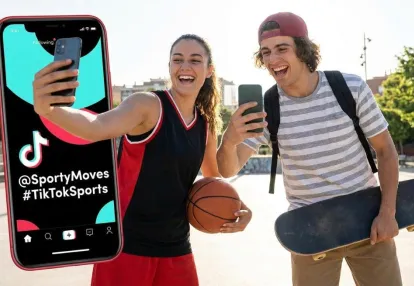
Бурно развивающаяся экосистема спортивных создателей контента в TikTok открывает новые возможности для дропшипперов, которые знают, где искать. Отслеживая демонстрации продуктов от создателей контента вместе с рекламой конкурентов, продавцы могут выявлять появляющиеся продукты до того, как рынок станет перенасыщенным. Сочетание органических тенденций от создателей и информации о рекламе позволяет быстрее проверять продукты, создавать более сильный креатив и получать лучшую прибыль в быстро развивающихся спортивных нишах.
Liam O’Connor
7 минавг. 5, 2026
Подробный разбор
Маркетологи эффективности завоевывают более крупные маркетинговые бюджеты, поскольку они могут быстро продемонстрировать рентабельность инвестиций, общаться на языке финансовых показателей, которым доверяют руководители, и использовать конкурентную разведку для принятия более обоснованных инвестиционных решений. В то время как команда бренда сталкивается с проблемами атрибуции и внутреннего влияния, ориентированный на данные маркетинг эффективности продолжает получать организационные преимущества.
Liam O’Connor
7 миниюл. 23, 2026




)