

12 минмая 31, 2026

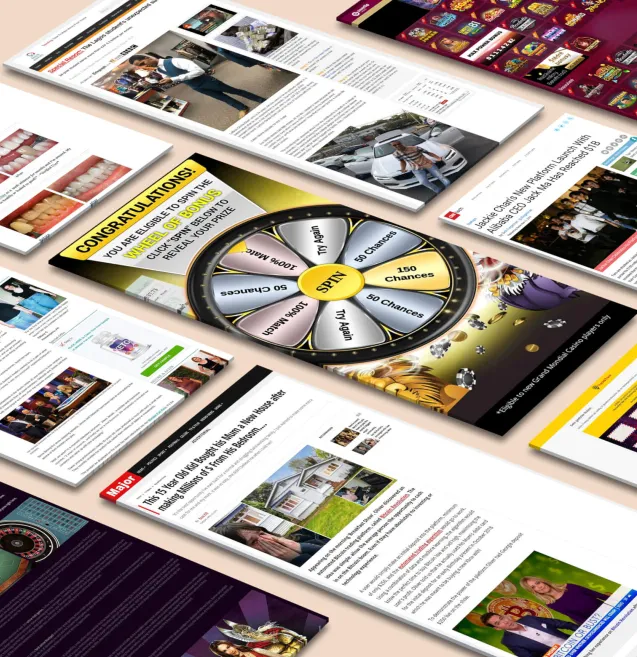
Наши инструменты отслеживают миллионы рекламных кампаний в форматах native, push, pop и TikTok.
НачатьСейчас, где-то в вашей категории, потенциальный клиент задаёт вопрос помощнику на основе искусственного интеллекта, который должен сразу привести его к вашему бренду. Возможно, вопрос звучит как «Какая CRM-система лучше всего подходит для небольшой продажной команды?» или «Какой инструмент управления проектами подходит для рекламных агентств с числом сотрудников до 50 человек?». Но вот в чём дело: когда на этот вопрос даётся ответ, перед пользователем не появляется список из десяти синих ссылок, которые нужно пролистывать. Как указал Нил Пател, для ответов ИИ не существует второй страницы. Либо ваш бренд вплетён в ответ, либо в этот момент он просто не существует. Здесь нет места для второго призёра. Невозможно быть «почти видимым».
Это принципиально иная конкурентная среда по сравнению с той, в которой большинство специалистов по performance-маркетингу получали свою подготовку. Традиционная конкурентная разведка всегда строилась вокруг предсказуемой архитектуры: размещение рекламы, позиции по ключевым словам, позиции в выдаче SERP, доля охвата в платных медиа. Ваши инструменты слежения за рекламой могут показать каждый баннер, каждую вариацию целевой страницы, каждую последовательность ретаргетинга, которую использует ваш конкурент. Но они совершенно не говорят вам о том, рекомендует ли ChatGPT этого конкурента, когда покупатель просит помощи в выборе поставщика. Они не могут сообщить, ссылается ли Perplexity на блог вашего соперника как на окончательный ответ на вопрос, которым должно владеть ваше содержание. Они не замечают, позиционирует ли Gemini конкурента как лидера категории в сформированном ответе, который формирует восприятие покупателя задолго до посещения какого-либо веб-сайта.
Эта слепая зона обходится дорого — и с каждым кварталом становится всё дороже. Данные Adobe за второй квартал 2026 года показали, что трафик, приходящий через ИИ, вырос на 393% в годовом исчислении и обеспечивает конверсию на 42% выше, чем традиционный поисковый трафик. Перечитайте ещё раз: речь идёт не о немногочисленных любопытных первопроходцах, которые просто исследуют новинку. Это пользователи, приходящие с чёткими ожиданиями и сильным намерением купить, причём объём этого канала увеличивается почти вчетверо каждый год. Если вы игнорируете видимость в ответных системах на основе ИИ, вы игнорируете то, что стремительно становится вашим самым конвертируемым каналом привлечения клиентов.
Сдвиг парадигмы здесь тонкий, но разрушительный. В старой модели поиск представлял собой спектр — вы могли занимать третье, пятое или пятнадцатое место и всё равно привлекать какую-то долю внимания. Вы могли платить за размещение на странице. Вы могли оптимизировать фрагмент и вернуть себе несколько процентных пунктов процента переходов. Но ответы ИИ носят бинарный характер. Как объяснила маркетинговая команда HubSpot, когда поисковая система, использующая ИИ, ссылается на контент бренда, она выдаёт алгоритмическую рекомендацию — представляет этот бренд как доверенный источник и одновременно влияет на решение покупателя ещё до того, как он перейдёт на веб-сайт. Если вашего бренда нет в этом ответе, конкурент займёт освободившееся место, и вы даже не узнаете, что эта ситуация произошла.
Это проблема незаметного конкурента. Ваши соперники могут уже выигрывать гонку, в которой вы даже не участвуете, не потому что они предложили больше, чем вы, или обошли вас в рейтинге, а потому что они оптимизировали канал обнаружения, который ваша панель мониторинга даже не отслеживает. Ваши отчёты Google Ads выглядят нормально. Ваши органические позиции устойчивы. А между тем всё большая доля потенциальных клиентов с максимальным интересом принимает решения на основе ответов, созданных искусственным интеллектом, где о вашем бренде и речи не идёт.
Остальная часть этой статьи посвящена устранению этого разрыва: как проверить видимость вашего бренда в ИИ, понять, почему упоминаются конкуренты, и создать такую архитектуру контента, которая позволит вашему бренду появляться в самых важных ответах.
Если вы хоть немного занимались маркетингом на основе эффективности, вы уже мыслите показателем охвата аудитории. Вы отслеживаете долю показов в контекстной рекламе, чтобы определить, как часто ваши объявления появляются по сравнению с конкурентами. Вы контролируете долю охвата бренда в социальных сетях, чтобы измерить объём обсуждений о бренде. Эти метрики работают, потому что позволяют количественно оценить видимость в условиях конкуренции — не просто «появляемся ли мы?», а «появляемся ли мы чаще, чем они?». Доля упоминаний бренда в ИИ — это логическое продолжение такого подхода, однако она требует принципиально иного метода измерения, потому что сама среда ведёт себя иначе, чем любой из ранее измерявшихся маркетологами каналов.
Основная проблема — изменчивость. Задайте один и тот же вопрос ChatGPT или Perplexity дважды, и вы можете получить разные ответы, упоминания разных брендов или разный уровень детализации. Это не ошибка — так работают генеративные модели. Именно поэтому проверка одного единственного запроса в определенный день ничего полезного вам не даст. Как объясняет команда Нила Пателя, агрегирование данных по сотням повторяющихся запросов — единственный способ получить достоверные результаты, поскольку один ответ ИИ — это отдельная точка данных, а сотни ответов раскрывают определённую закономерность. Любая конкурентная разведка, основанная на чем-то меньшем, представляет собой шум, маскирующийся под сигнал.
Так что же именно следует измерять? Релевантная система показателей включает четыре уровня.
Процент видимости бренда — это ваш основной показатель: как часто ваш бренд появляется в агрегированных ответах ИИ по запросам, важным для вашей категории. Функция видимости поиска ИИ в Ubersuggest рассчитывает этот показатель, выполняя повторяющиеся запросы на платформах ИИ и возвращая одно значение в процентах, отражающее реальные тенденции, а не единичный срез. Думайте об этом как о доле показов в ИИ.
Динамика доли цитирований с течением времени важнее любого статичного показателя. Результат в 22% по шкале видимости бренда не имеет смысла без контекста. Это рост с 14% за прошлый квартал или снижение с 30%? Ваши конкуренты набирают обороты, а вы застываете на месте? График динамики видимости конкурентов, встроенный в такие инструменты, как Ubersuggest, как раз показывает эту тенденцию, позволяя увидеть, сокращается или расширяется разрыв между вами и вашими соперниками месяц за месяцем.
Анализ разрыва с конкурентами превращает измерения в действия. Самый ценный результат — это не ваш собственный балл, а конкретные запросы, по которым упоминаются конкуренты, а вас — нет. Эти пробелы фактически представляют собой краткое руководство по созданию контента, четко показывая, на какие вопросы вам нужно ответить лучше, полнее или впервые.
Точность анализа настроений — это метрика, которую упускают из виду большинство команд, хотя она может быть самой важной. Упоминание, которое искажает ваши цены, неправильно описывает ваши функции или неверно позиционирует ваш продукт, может напрямую снизить конверсию. Как подчёркивается в рамках измерения эффективности от Semrush, крайне важно, насколько корректно ИИ-платформы описывают ваш бренд и его отличительные особенности: упоминание с неправильным позиционированием может нанести больше вреда, чем отсутствие упоминания вообще. Вам необходимо проверять не только упоминают ли вас, но и что именно говорят, когда упоминают.
Эти четыре метрики вместе образуют уровень измерения, который делает возможным всё остальное в этой статье. Вы не сможете реализовать стратегию по преодолению разрыва с конкурентами, если не знаете, где находятся эти разрывы. Вы не сможете определить приоритеты инвестиций в контент, не зная, какие запросы обеспечивают видимость в вашей категории. И уж точно вы не сможете перехватить трафик, который не видите. Прежде чем оптимизировать одну страницу или предлагать одну публикацию, создайте эту измерительную базу, потому что без нее вы соревнуетесь вслепую в гонке, которую ваши конкуренты, возможно, уже выигрывают.
Вы определили, какие конкуренты получают упоминания в ИИ. Вы измерили свою долю охвата по сравнению с их долей. Теперь пришло время сделать то, что сделал бы любой опытный покупатель медийной рекламы: разобрать стратегию победителей и точно выяснить, что именно они делают, а вы — нет.
Мышление здесь не новое — это та же дисциплина конкурентной разведки, которую вы применяете при использовании инструментов слежения за рекламой для анализа целевых страниц конкурентов, их творческих материалов и сообщений. Разница заключается в том, что вы ищете. Вместо анализа заголовков и размещения кнопок призыва к действию вы фиксируете структурные элементы, которые делают контент понятным и авторитетным для крупных языковых моделей.
Ниже приведена пятиступенчатая методика реверс-инжиниринга, которая связывает анализ конкурентов в платной рекламе с оптимизацией видимости в ИИ.
Шаг 1: Определите своих наиболее цитируемых конкурентов. Используя инструменты видимости ИИ, рассмотренные в предыдущем разделе, получите список брендов и доменов, которые регулярно появляются в ответах на ваши приоритетные запросы. Обратите особое внимание на конкурентов, которые появляются на нескольких платформах ИИ одновременно — ChatGPT, Perplexity и Gemini, — поскольку Ahrefs выяснил, что упоминания брендов в вебе являются фактором, наиболее сильно коррелирующим с появлением бренда в ответах ИИ, с коэффициентом Спирмена 0,664. Если конкурент везде, то этому есть структурная причина.
Шаг 2: Получите страницы, на которые они ссылаются. Подходите к этому так же, как к сбору данных о рекламе конкурентов. Заберите точные ссылки, на которые ссылаются, — не только их главную страницу, но и конкретные блоги, страницы сравнения, руководства по продуктам и разделы часто задаваемых вопросов, на которые ссылаются модели ИИ. Именно эти материалы приносят результат.
Шаг 3: Каталогизация структурных элементов. Здесь сосредоточен настоящий интеллект. Откройте каждую указанную страницу и задокументируйте найденное: типы разметки schema (Product, FAQ, HowTo, Organization), иерархию контента (как используются теги H2 и H3 для создания удобных для сканирования определений сущностей), шаблоны внутренних ссылок, форматы представления данных (таблицы, нумерованные списки, структурированные сравнения) и наличие семантически насыщенных разделов часто задаваемых вопросов, отражающих запросы на естественном языке. Как объясняет Real FiG Advertising & Marketing, доступность данных, разметка schema и контент, пригодный для обработки машинами, становятся необходимыми для видимости в экосистемах, работающих на основе ИИ. Это уже не просто дополнительные возможности, а основа, определяющая, смогут ли системы ИИ вообще интерпретировать и ссылаться на ваш контент.
Шаг 4: Сопоставьте структуры с запросами. Сопоставьте задокументированные структурные шаблоны с конкретными запросами, в которых упоминается каждый конкурент. Вы начнете замечать взаимосвязи. Запросы, предполагающие сравнение, чаще ссылаются на страницы со структурированными таблицами. Запросы вида "Лучшее для X" предпочитают контент с четкими определениями объектов и категориальными разбивками. Запросы "Как сделать" берут данные со страниц со ступенчатыми иерархиями. Эти закономерности показывают, что именно анализируют модели.
Шаг 5: Выявите разрыв. Далее проанализируйте собственные материалы по тем же структурным критериям. Используют ли ваши целевые страницы те же типы схем? Настолько ли четка архитектура вашего контента? Отвечают ли разделы ЧАВ на именно те вопросы, по которым вы не видны? Выявленные пробелы становятся вашей дорожной картой оптимизации — не размытое перечисление "что-то улучшить", а точный, информированный рекомендации конкурентов план по перестройке архитектуры контента, который наиболее вероятно добудет цитирований.
Этот процесс превращает то, что многие команды считают проверкой в области технического SEO, в действенный процесс сбора информации о конкурентах. Вы не догадываетесь о том, что предпочитают модели искусственного интеллекта. Вы наблюдаете за тем, что уже завоевает — и создаете более лучшую версию.
Большинство маркетологов рассматривают посадочные страницы как активы с единственной целью — привлечение конверсий от человека, перешедшего по рекламе. Но та же страница, на которую ведет клик в Google Ads, может также стать страницей, которую сканирует, анализирует и цитирует система искусственного интеллекта, когда пользователь спрашивает: "какой инструмент управления проектами лучше всего подходит для удаленных команд" или "у какой CRM самая низкая цена за место". Возможность заключается не в выборе между конверсиями" target="_blank" rel="noreferrer noopener">оптимизацией конверсий и цитируемостью ИИ. Речь идет о создании страниц, которые делают и то, и другое одновременно, — и формируют структурный ров, который конкуренты не смогут скопировать, просто сделав скриншот вашей рекламы.
Начните с основы, необходимой для чтения системами ИИ: структурированных данных. Как подчеркивает Real FiG Advertising & Marketing, доступность данных, разметка схемы и содержимое, пригодное для чтения машиной, стали необходимыми для видимости в экосистемах, основанных на ИИ, и теперь брендам требуется техническая оптимизация в сочетании с их созданием контента и рекламными усилиями. Для ваших целевых страниц это означает внедрение полной схемы — как минимум, разметки Product, FAQ, Review, PriceSpecification и Organization. Каждый отличительный признак продукта, ценовая категория и сравнение свойств, которые в настоящее время представлены в виде стилизованного текста в основной секции, должны также существовать в виде структурированных данных в коде страницы. Роботы ИИ не видят вашу прекрасно оформленную сравнительную таблицу так, как видит человек. Они видят базовую разметку — или вообще ничего не видят.
Далее преобразуйте содержание вашей веб-страницы в четкие форматы вопросов и ответов, отражающие, как пользователи на самом деле задают запросы ИИ-инструментам. Это не означает, что нужно просто добавить стандартную аккордеонную секцию с часто задаваемыми вопросами в нижнюю часть страницы. Нужно интегрировать пары вопрос-ответ непосредственно в основной контент страницы — отвечать на те конкретные вопросы о покупке, которые задает ваша аудитория в ChatGPT и Perplexity. Вопрос вроде "Чем [ваш продукт] отличается от [конкурента]?" должен быть видимым и доступным для поисковых систем разделом с прямым и фактическим ответом. Таблицы сравнений должны использовать семантический HTML — настоящие элементы <table> с правильными заголовками — а не div-ы со стилями CSS или компоненты, отображаемые с помощью JavaScript, которые не могут обработать ИИ-роботы. Ясно укажите свою цену. Четко обозначьте свои преимущества. Любая информация, доступ к которой закрыт формой, спрятана во вкладке с динамическим содержанием или отображается исключительно через клиентский JavaScript, по сути является невидимой для систем, которые решают, следует ли вас цитировать.
Вот почему это важно и для ваших показателей конверсии: исследование компании Semrush по измерению видимости в ИИ делает важный вывод — если брендированный трафик из систем ИИ растёт, а конверсии не успевают за ним, значит, видимость работает, а вот пользовательский опыт на странице — нет. Это диагностический сигнал о том, что ваши страницы находят, но они не справляются с обслуживанием посетителей, которых присылает ИИ. Эти посетители приходят с высокой заинтересованностью и конкретными ожиданиями, сформированными на основе того, что сообщил им ИИ. Если ваша целевая страница противоречит, скрывает или просто не подтверждает информацию, побудившую к переходу, вы теряете конверсию. Согласование содержимого вашей страницы со структурированными фактами и утверждениями, на которые ссылаются системы ИИ, обеспечивает непрерывность от упоминания до конверсии.
Компаундное преимущество здесь незаметно для конкурентов, использующих традиционные методы анализа. Конкурент, применяющий инструменты для шпионажа за рекламой, получит ваш заголовок, текст призыва к действию и форматы креативов. Они скопируют поверхностный уровень. Однако они не увидят и не скопируют разметку схемы, питающую AI-пауков, семантическую структуру HTML, организующую ваши сравнительные данные, или продуманную архитектуру контента, соответствующую разговорным запросам. Именно этот структурный уровень обеспечивает упоминания в AI и превращает посадочную страницу из конечной точки платного медиа в актив, привлекающий трафик по двум каналам — из вашего рекламного бюджета и из потока рекомендаций AI, оптимизацию под который ваши конкуренты ещё даже не начали настраивать.
Большинство маркетологов, ориентированных на эффективность, рассматривают видимость в ИИ и платную рекламу как отдельные статьи расходов — одна относится к бюджету контента, другая — к бюджету генерации спроса, и они оказываются на одной информационной панели лишь случайно. Это ошибка. Настоящая сила постоянных упоминаний в ИИ заключается не только в органическом трафике; она проявляется в эффекте накопления, который оказывает видимость на каждый уже потраченный вами доллар на платное привлечение.
Механизм прост, как только вы его увидите. Когда платформа ИИ постоянно упоминает ваш бренд в ответ на запросы с высоким намерением — «лучший CRM для небольших продажных команд», «наиболее доступное программное обеспечение для управления проектами» — происходит нечто еще до запуска ваших рекламных кампаний: все больше людей начинают искать вас по названию. Как указано в анализе Semrush по измерению видимости ИИ, цепочка прямая и документируемая. Видимость в ИИ повышается, объем поиска по брендированным запросам растет, и пользователи, ищущие по брендированному запросу, приходят на ваш сайт с более высоким намерением и конвертируются значительно лучше, чем трафик по небрендированным запросам. Это не теория — это наблюдаемая закономерность, которую можно отслеживать в течение квартальных отчетных циклов.
Теперь подумайте, что это означает для экономики вашей платной рекламы. Кампании брендового поиска уже имеют самые низкие значения CPC и самые высокие показатели конверсии в большинстве аккаунтов. Когда ссылки ИИ направляют больше пользователей на поиск вашего бренда, вы эффективно расширяете наиболее эффективную часть своего рекламного портфеля, не увеличивая расходы. Средневзвешенная стоимость привлечения клиента снижается. Ваш ROAS растёт. И что особенно важно, ваши базы для ретаргетинга увеличиваются за счёт посетителей, которые уже изначально заинтересованы в вашем бренде, поскольку система ИИ назвала вас достоверным вариантом ещё до того, как они увидели рекламу.
Это и есть замкнутый цикл: видимость в ИИ стимулирует брендовый спрос, брендовый спрос снижает стоимость привлечения, снижение стоимости привлечения освобождает бюджет для инвестиций в контент и структурированные данные, которые поддерживают видимость в ИИ. Каждый новый цикл усиливает предыдущий.
Проблема, с которой сталкиваются большинство команд, заключается не в понимании концепции воронки на практике, а в демонстрации её руководству с помощью конкретных цифр. Ни один отдельный показатель не может четко связать конверсию с цитированием ИИ так же, как параметр UTM учитывает оплачиваемый клик. Вот почему самые продвинутые команды используют метод триангуляции. Как рекомендует Semrush, сочетание данных о доле цитирований с тенденциями объема брендового поиска и показателями конверсии создает гораздо более убедительный аргумент для заинтересованных сторон, чем любой отдельный показатель, представленный изолированно. Рост доли цитирований с 18% до 26% за квартал, совпадающий с увеличением объема брендового поиска на 12%, рассказывает историю, которую сможет понять финансовый директор.
Инструменты, предназначенные для выявления этих закономерностей, быстро совершенствуются. Например, функция AI Search Visibility в Ubersuggest агрегирует результаты сотен повторяющихся AI-запросов, чтобы определить надежный показатель видимости бренда в процентах и индекс позиции в отрасли — это даёт вам числитель и знаменатель, необходимые для расчета доли конкуренции и отслеживания её с течением времени. График динамики видимости конкурентов — это не просто входные данные для стратегии контента; это сигнал для медиа-планирования. Когда доля упоминаний конкурента резко возрастает в категории, в которой вы доминируете в платном поиске, это раннее предупреждение о том, что ваше преимущество в брендированном поиске может снизиться за один-два квартала.
Бренды, которые выиграют в ближайшие три года цифровой аквизации, — это не те, кто выбирает между видимостью в ИИ и платной рекламой. Это те, кто создает систему, в которой каждый канал постоянно усиливает другой — где каждое упоминание в ИИ снижает стоимость следующего клика, а каждый конвертируемый клик оправдывает инвестиции, обеспечившие это упоминание. Создайте эффект маховика, честно измеряйте его и остальное сделает прогрессирующая математика.
Получайте лучшие конверсионные лендинги каждую неделю на свою почту.
Обязательно к прочтению
Узнайте, как нативные рекламодатели могут превращать повседневные моменты в запоминающиеся и эффективные кампании с помощью ивентизации. Научитесь использовать ограниченность, временные предложения, контекстную таргетинг и постоянные микрособытия для вовлечения аудитории, повышения релевантности кампаний и выявления выигрышных стратегий конкурентов с Anstrex.
Priya Kapoor
7 минокт. 11, 2026
Избранное
Узнайте, как превратить рекламные акции и вирусные маркетинговые кампании в кампании с высокой доходностью. Научитесь создавать скрытые воронки с помощью ретаргетинга, посадочных страниц, нативной рекламы, пуш-рекламы, поп-рекламы и кампаний в TikTok, которые преобразуют узнаваемость бренда в измеримые конверсии и прибыль.
Samantha Reed
7 минокт. 10, 2026
Гайд
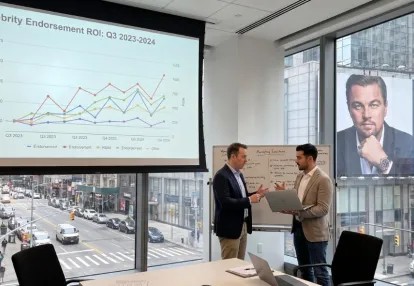
Узнайте, почему рекомендации знаменитостей и глобальная интеллектуальная собственность не всегда приводят к успеху в рекламе. В этом руководстве с использованием данных рекламного шпионажа рассматриваются такие аспекты, как релевантность аудитории, контекст размещения, тестирование креативов и эффективность после перехода по ссылке, которые помогают рекламодателям создавать кампании с высокой отдачей без дорогостоящего сотрудничества со знаменитостями.
Elena Morales
7 минокт. 9, 2026










)