11 минавгуста 4, 2026

Наши инструменты отслеживают миллионы рекламных кампаний в форматах native, push, pop и TikTok.
НачатьСуществует особый вид дисфункции, характерный для современных платных медиа: разрыв между тем, что маркетологи знают, работает, и тем, что они действительно делают. Это не загадка, завернутая в неоднозначность. Данные лежат прямо перед глазами, ясные и неловкие, и большинство команд проходят мимо них каждый квартал.
Взгляните на иерархию того, что действительно влияет на результат. Когда маркетологов просят определить наиболее эффективные способы оптимизации расходов на платные медиа, они ставят на первое место таргетинг на аудиторию, а на второе — оптимизацию целевой страницы — опережая сокращение неэффективных каналов, смену платформ или установку лимитов на расходы. Они чётко и публично признают, что то, куда вы направляете клик, имеет почти такое же значение, как и то, как вы его получили.
Теперь посмотрим, на что уходят усилия. Более половины маркетологов говорят, что наибольшую долю своих ресурсов на оптимизацию они тратят на таргетирование аудитории, за которым следуют креативы рекламы и стратегия ставок. А вот посадочные страницы и пользовательский путь после конверсии? Они стоят на последнем месте в списке приоритетов, хотя широко признаны важными факторами для увеличения ROI. Второй по значимости инструмент с точки зрения эффективности получает наименьшее внимание на практике.
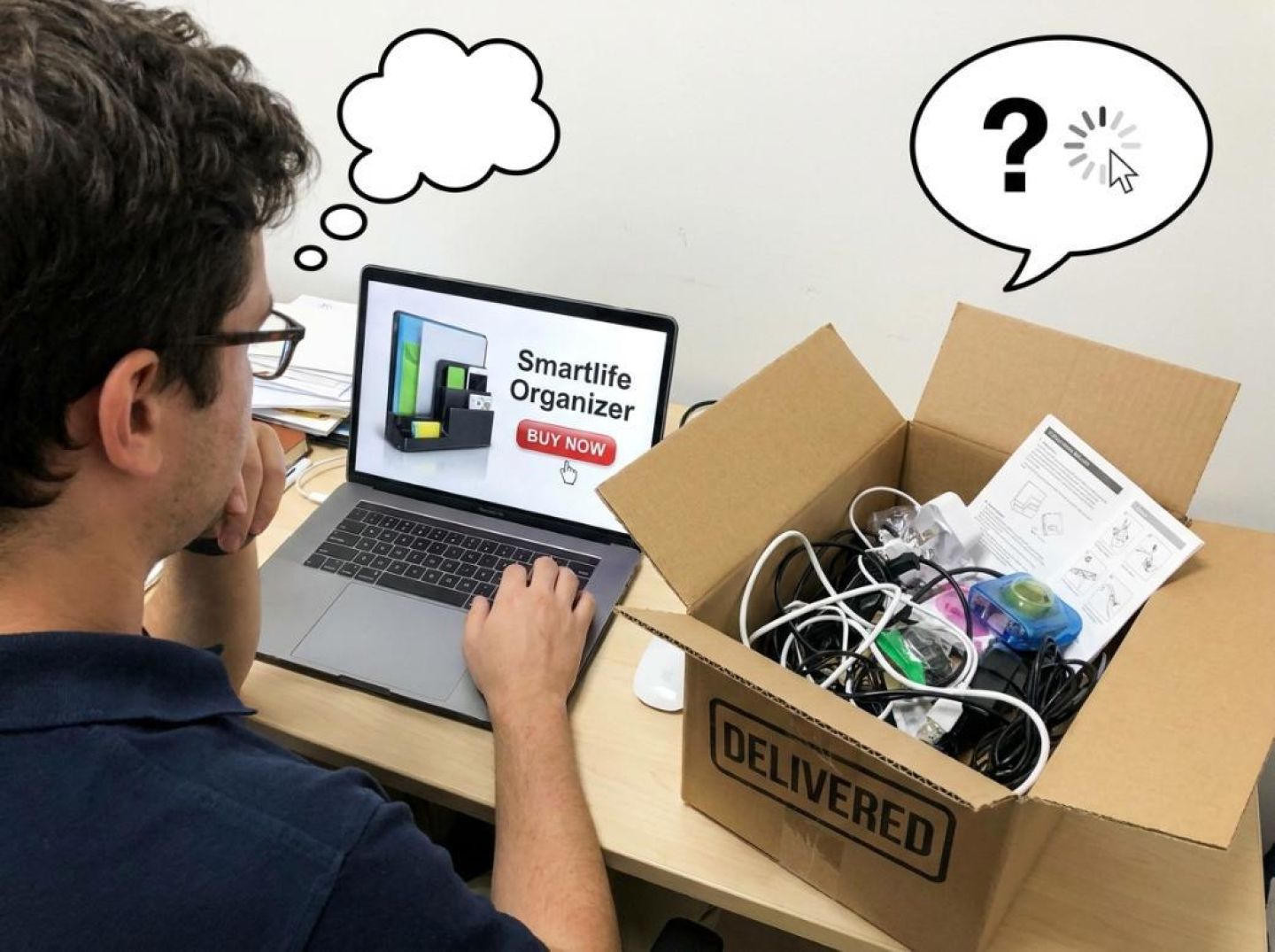
Последствия этого вполне предсказуемы. Более половины респондентов направляют платный трафик на общие страницы сайта, а не на специальные целевые страницы кампаний. Двадцать восемь процентов направляют посетителей на существующие страницы продукта или категории. Еще двадцать пять процентов отправляют их прямо на главную страницу. Всего лишь двадцать четыре процента в основном используют выделенные посадочные страницы, созданные для отдельных кампаний. И цена за такое несоответствие измерима: почти две трети маркетологов, которые в основном направляют платный трафик на главную страницу, сообщают, что не достигают целевых показателей ROI.
Это не исключение. Это — преобладающее состояние дел.
Эта закономерность наблюдается и в реальных кампаниях. Как описал один руководитель по маркетингу в кейсе HubSpot, его команда поняла, что «все они направляли посетителей на одну и ту же обобщённуюlanding-страницу», независимо от того, на какую рекламу перешёл потенциальный клиент. Тот, кто интересовался узким техническим предложением, попадал на общую домашнюю страницу и вынужден был искать соответствующую информацию — трение, из-за которого рос процент отказов и стоимость привлечения клиента, пока команда не перешла к вариантам landing-страниц, соответствующим намерениям пользователей.
Если все согласны, что пользовательский опыт после клика важен, почему же он остаётся самой заметной, но нерешённой утечкой в воронке платного маркетинга? Ответ не в разногласиях по стратегии. Проблема в неправильном распределении ресурсов. Ограниченность команды, заторы в дизайне и разработке, пробелы в экспертизе, накладные расходы на обслуживание и бюджеты на программное обеспечение были названы главными препятствиями, мешающими более широкому использованию landing-страниц. Маркетологи не игнорируют проблему из-за недостатка осведомлённости. Они не решают её, потому что создание, тестирование и поддержка специализированных landing-страниц для каждой кампании представляется операционно невозможным при имеющейся численности сотрудников и инструментах.
Тем временем команды, которые действительно превосходят свои целевые показатели ROI, выглядят совершенно иначе. Они рассматривают платный маркетинг как систему «от начала до конца» — вкладывая средства в посадочные страницы, атрибуцию, тестирование и улучшения после конверсии наряду с таргетингом и креативами, а не вкладывая все в получение кликов и надеясь, что сайт сам всё сделает.
Вывод сложно игнорировать. Самый большой разрыв в эффективности платного маркетинга скрывается не в каком-то алгоритмическом «чёрном ящике». Он находится прямо перед нами — по ту сторону клика, на страницах, которые изначально не создавались для тех задач, которые на них возложены. И устранение этого разрыва не требует большего знания. Оно требует принципиально иного подхода к созданию посадочных страниц с самого начала.
Стандартная методика CRO выглядит безупречно логичной на бумаге: генерировать гипотезы, разрабатывать варианты, передавать их в команду разработки, проводить тесты, анализировать результаты, вносить правки. Повторять цикл, пока показатель конверсии не начнёт расти. Эту рекомендацию можно найти в каждом руководстве по оптимизации, на каждой конференции, в каждой презентации агентства. И в общем направлении это верно — никто не оспаривает тот факт, что лучше посадочные страницы дают лучшие результаты. Проблема в том, что такой рабочий процесс предполагает определённые операционные условия, которые просто не существуют для большинства маркетинговых команд.
Начните с самого базового ограничения: люди. Как сообщалось на MarTech, нехватка командных ресурсов, дизайнеров и разработчиков, пробелы в знаниях, нагрузка на сопровождение и ограниченные бюджеты на программное обеспечение стали основными препятствиями, мешающими маркетологам вкладываться в посадочные страницы. Это не экзотические проблемы. Это повседневные, рутинные реалии работы отдела маркетинга, где каждый дизайнер уже занят на три спринта вперед, команда разработчиков ставит приоритетом функции продукта, а не промостраницы, и где у сотрудников нет глубоких знаний в области CRO. Согласно теории, для выполнения одного цикла тестирования необходимо задействовать четыре или пять различных дисциплин: стратегию, копирайтинг, дизайн, фронтенд-разработку и аналитику. Большинству команд с трудом удается на постоянной основе укомплектовать даже две из этих позиций.
Это создает так называемый разрыв в активации, который выходит далеко за рамки посадочных страниц. Опрос от eClerx показал, что 78% руководителей маркетинга заявляют, что их маркетинговые технологии не способствуют достижению бизнес-целей, несмотря на значительные инвестиции, и лишь 25% описывают свои организации как полностью управляемые данными. Паттерн очевиден: маркетологи могут генерировать идеи, но не могут действовать на их основе. Три четверти респондентов признались, что принимают решения об инвестициях, опираясь лишь на частичные данные, и только 24% используют моделирование медиа-микса для перераспределения бюджетов на основе текущих результатов. Индустрии удалось решить проблему сбора информации. Ей не удалось решить проблему исполнения.
Именно эта динамика в точности воспроизводится и со целевыми страницами. Маркетологи отлично понимают, что работает. Они называют оптимизацию целевых страниц одним из самых эффективных инструментов повышения отдачи от рекламы. Но если посмотреть, куда на самом деле направлены их повседневные усилия, окажется, что целевые страницы и пользовательский опыт после конверсии находятся в самом низу списка. Проблема заключается не в недостатке знаний, а в нехватке возможностей. Приказать команде роста из двух человек "просто создавайте лучшие целевые страницы" — всё равно что посоветовать человеку в автомобильной пробке "просто полетите". Конечная точка ясна, но транспортного средства не существует.
То, что усугубляет ситуацию, — это накопительный характер проблемы. Каждой новой кампании требуются отдельные страницы. Каждый новый сегмент аудитории требует особого послания. Как задокументировано в HubSpot, команды, реорганизующие кампании вокруг кластеров намерений и создающие варианты посадочных страниц, соответствующие конкретным обещаниям рекламы, могут уже через несколько недель добиться роста коэффициента конверсии на 31% и более. Однако в этом кейсе также иллюстрируется необходимость значительных ресурсов: создание специализированных страниц для каждой мотивации покупателя, каждой рекламной группы, каждого сигнала срочности. Умножьте это на весь портфель кампаний, и вы получите объем работы, который погребет под собой большинство команд задолго до запуска первого теста.
Сама концепция создания всего с нуля становится узким местом. Не стратегия. Не аналитические данные. Не готовность. Сам процесс требует слишком много циклов первоначального создания, слишком много передачи задач между специалистами и слишком много постоянного обслуживания для и без того перегруженных команд. Когда 76% маркетологов не имеют в распоряжении выделенных ресурсов для посадочных страниц, совет «вкладываться больше» — не решение, а лишь повторение проблемы в форме команды, которую никто не может выполнить.
Каждая крупная рекламная платформа теперь предлагает тот или иной вариант библиотеки прозрачности, и большинство инструментов конкурентного анализа позволяют извлечь не только рекламный креатив, который запускает конкурент, но и конкретные ключевые слова, запускающие каждую рекламу. В руководстве Semrush по стратегии PPC четко описывается следующий логичный шаг: задается вопрос "", потому что реклама — это лишь половина дела. Страница, на которую попадает посетитель после клика, должна подтверждать обещание, данное в рекламе, иначе все расходы будут потрачены впустую. Этот принцип хорошо понятен при собственных кампаниях. Что недооценивается — это насколько эффективно он работает наоборот — как инструмент изучения деятельности всех остальных.
Задумайтесь о том, что означает, когда реклама конкурента показывается по высокочастотному ключевому слову шесть, восемь, двенадцать недель подряд. Эта реклама ежедневно тратит реальный бюджет. Если бы посадочная страница не конвертировала, кампания была бы приостановлена или перестроена. Выживание в платных каналах — не случайность; это результат эффективности. Страница, остающаяся в сети месяцами по конкурентным запросам, прошла стресс-тестирование тысячами реальных кликов, решений об уходе и фактических конверсий. По сути, это предварительно проверенная гипотеза о том, что работает, — полностью профинансированная чужим бюджетом на тестирование.
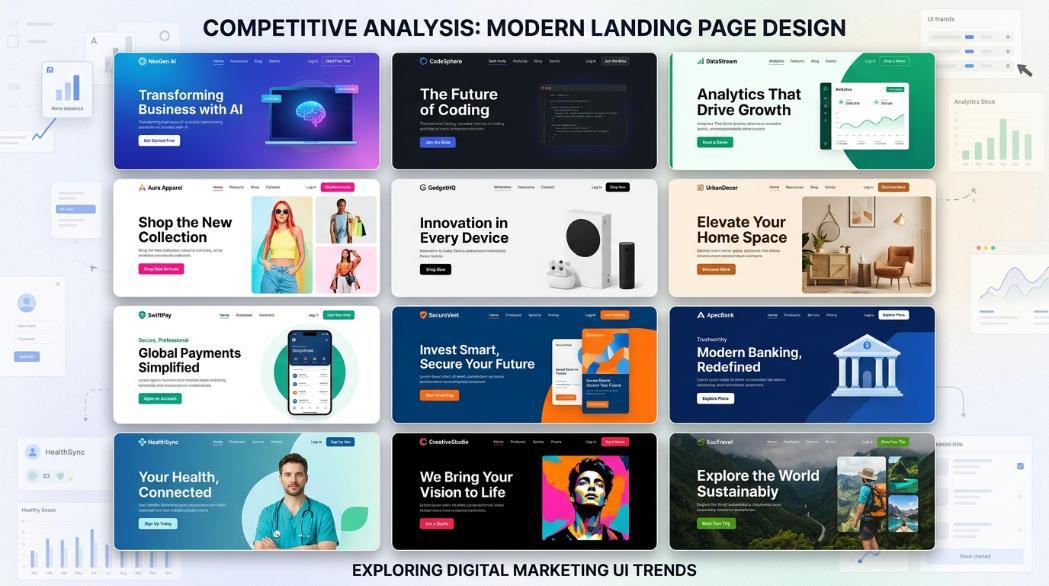
Это меняет суть конкурентного анализа рекламы, превращая его из источника творческого вдохновения в инструмент разработки посадочных страниц. Вместо того чтобы проводить пятьдесят внутренних А/В тестов, чтобы выяснить, работает ли заголовок, ориентированный на выгоду, лучше, чем ориентированный на функции, или должны ли социальные доказательства находиться выше или ниже сгиба, вы можете расшифровать структурные паттерны страниц, которые уже конвертируют в большом масштабе. Обратите внимание на формулировку заголовка: дублирует ли он обещание из рекламы дословно или усиливает его? Изучите иерархию доказательств: идут ли отзывы до или после описания продукта? Обратите внимание на размещение призыва к действию, тексты для преодоления возражений, визуальный акцент на цене или на ценности предложения. Эти решения не являются произвольными в случае страниц, поддерживаемых постоянными расходами, — это результаты итеративной оптимизации, которые оказались успешными.
Данные подтверждают этот подход с неожиданной стороны. MarTech сообщили, что более половины маркетологов по-прежнему направляют платный трафик на общие страницы сайта, а не на конкретные целевые страницы кампаний, и почти две трети тех, кто в основном полагается на главную страницу, заявили, что не превышают целевые показатели ROI. В то же время маркетологи, превосходящие свои цели, чаще создают специализированные целевые страницы — именно такого рода страницы уже используют ваши наиболее продвинутые конкуренты. Если большинство вашей аудитории по-прежнему направляет переходы на обобщённые страницы товаров или на главные страницы, конкуренты, которые так не делают, демонстрируют структурное преимущество, которое вы можете изучить и применить.
Ключевое слово — адаптировать, а не копировать. Прямое копирование страницы конкурента является как неэтичным, так и стратегически бессмысленным — у них другой голос бренда, иные ожидания аудитории и иная механика предложения. Однако базовую структуру можно перенять. Если каждый успешный конкурент в вашей нише использует определённую модель — например, результативный заголовок, короткое видео, три подтверждающих пункта и одну кнопку призыва к действию с микротекстом, снижающим барьер, — эта модель не случайна. Это сигнал консенсуса, извлечённый из совокупных расходов, и игнорирование его означает, что вы выбираете тот путь, чтобы усвоить тот же урок за свой собственный счёт.
Практическое изменение здесь небольшое, но существенное: прежде чем готовить задание на следующую посадочную страницу, потратьте час на изучение того, куда на самом деле ведут клики ваших конкурентов. Проанализируйте структурные решения. Обратите внимание, как посадочные страницы конкурентов повторяют или развивают язык их рекламы. Вы войдете в это задание, опираясь на базовые данные, основанные на реальных рыночных данных, а не на внутренних предположениях, и сократите недели тестирования до одного послеобеденного наблюдения.
Представленная далее методика заключается не в копировании страницы одного-единственного конкурента. Речь идет о выявлении структурных схем у нескольких конкурентов, их синтезе в проект схемы конверсии и последующем применении собственного стиля изложения и позиционирования поверх основы, которая уже была проверена на рынке реальными деньгами.
Начните с намерений, а не с конкурентов. Прежде чем открывать одну посадочную страницу, вы должны знать, какие страницы того стоят. Нил Пател убедительно утверждает, что SEO работает как источник разведданных, который делает каждый другой канал умнее, и это начинается с ключевых данных о намерениях. Выберите запросы с наивысшим коммерческим потенциалом, те, при которых пользователи активно пытаются решить проблему или сравнить решения, и используйте эти термины, чтобы определить, какие страницы конкурентов привлекают самый ценный трафик. Посадочную страницу конкурента, нацеленную на "лучшее программное обеспечение для расчета заработной платы в корпорациях", стоит изучить гораздо тщательнее, чем ту, что нацелена на брендинговый показной термин. Данные о намерениях говорят вам, где сосредоточена покупательская активность, и этот сигнал определяет, какие страницы вы ставите в приоритет при анализе.
Систематически каталогизируйте структурные элементы. Для каждой целевой страницы конкурента, достойной изучения, зафиксируйте следующее в общей электронной таблице или шаблоне анализа:
Синтезируйте шаблоны, не копируйте страницы. Как только вы проанализируете от пяти до восьми страниц конкурентов, нацеленных на схожие кластеры запросов, начнут проявляться закономерности: большинство успешных страниц могут использовать заголовок, ориентированный на результат, размещать логотипы выше складки и ограничивать формы тремя полями. Эти повторяющиеся структурные решения становятся вашим планом для повышения конверсии — набором гипотез, подкреплённых данными, которые можно сразу проверить, вместо того чтобы тратить месяцы на их самостоятельное выявление.
Ключевой аспект здесь — человеческое суждение. Как описывает Патель, побеждают те бренды, в которых люди распознают сигналы и действуют, пока окно возможностей ещё открыто. Инструменты могут предоставить данные. Электронные таблицы способны систематизировать закономерности. Но именно решение о том, какое структурное наблюдение соответствует психологии вашей аудитории, уникальному преимуществу вашего продукта и текущему этапу воронки продаж — этот интерпретационный шаг превращает таблицу с конкурентным анализом в гипотезы для проверки целевых страниц. Пропустите его — и вы просто создадите похожую страницу. Используйте — и вы превратите месяцы первоначальных экспериментов в отправную точку, уже основанную на рыночной реальности.
Есть одна статистика, которая должна заставить задуматься каждого маркетолога: только 19% используют ИИ для создания или оптимизации посадочных страниц, хотя у маркетологов, превзошедших свои цели по ROI, вероятность использования ИИ именно в этих областях была примерно вдвое выше. Большинство команд внедрили ИИ для отчетности, таргетирования аудитории и создания рекламных текстов — видимых верхних этапов воронки продаж, — оставив послекликовый опыт практически полностью ручным. Этот дисбаланс во многом объясняет, почему так много кампаний теряют ценность после того, как реклама получает клик.
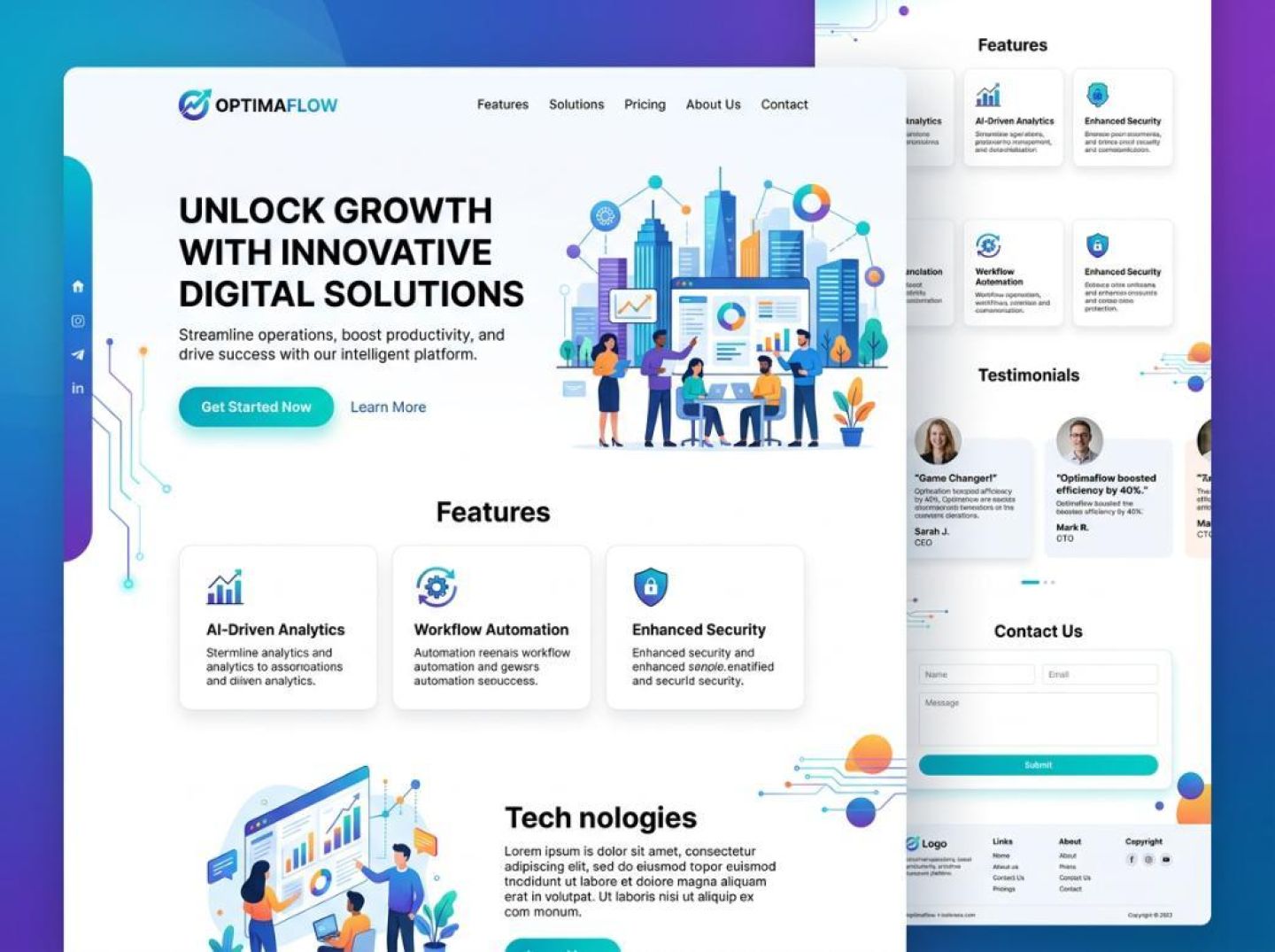
Но вот нюанс, который большинство энтузиастов ИИ упускают: включение генеративного инструмента и просьба «создай мне конверсионную промо-страницу» не приводит к созданию высококонверсионных промо-страниц. Вместо этого получаются посредственные варианты. Без стратегического слоя входных данных — чёткого структурного шаблона, основанного на том, что уже работает на вашем рынке — ИИ автоматически использует одни и те же предсказуемые шаблоны, заложенные в его обучающих данных. Вы получаете главное изображение, сетку из трёх элементов, блок с отзывами и кнопку призыва к действию в фирменных цветах. Это компетентно. Но также это невозможно отличить от тысяч других страниц, которые та же модель создаст для ваших конкурентов.
Это именно то предупреждение, которое высказала MarTech, заявив, что ИИ превратил информационный слой — тот самый, на котором до сих пор строятся большинство маркетинговых бюджетов — в товарный. Примените эту мысль непосредственно к промо-страницам, и последствия станут очевидными: ИИ может сгенерировать пятьдесят вариантов промо-страниц за час, но без проверенного шаблона структуры, лежащего в основе этих вариантов, вы лишь увеличиваете количество контента, а не доверия. А на рынке, где каждый конкурент может создать ту же самую типовую страницу с помощью того же типового инструмента, увеличение объёма контента — это самый быстрый путь к тому, чтобы звучать точно так же, как машина, которая работает бесплатно.
Масштабирующий фактор — это не просто ИИ. Это ИИ, которому подаются данные о выявленных конкурентных закономерностях — той структурной информации, которую вы извлекли в предыдущем разделе. Когда вы даёте генеративному инструменту задание вроде: «три лучших конкурента в этой группе ключевых слов используют в заголовке H1 конкретный измеримый результат, размещают подтверждение со стороны общества выше складки и применяют форму с одним полем», — результат кардинально меняется. Вместо шаблонного текста вы получаете страницу, архитектурно соответствующую тому, что рынок уже подтвердил реальными расходами на рекламу, но оформленную в стиле вашего бренда, с вашей позицией и сигналами доверия.
Именно здесь цикл создания, тестирования и улучшения наконец становится достаточно быстрым даже для команд с ограниченными ресурсами. Традиционным узким местом никогда не была генерация идей — проблема была в производстве. Разработка дизайна страницы, написание текста, согласование со стейкхолдерами, программирование варианта, проведение теста, ожидание статистической значимости и повтор всего цикла заново. Этот цикл мог занимать от шести до восьми недель до появления первого результата. Когда ИИ берёт на себя производственный этап, а конкурентная разведка — стратегический, тот же цикл сокращается до нескольких дней.
Команда Нила Пателя рассматривает эту конвергенцию с точки зрения SEO, отмечая, что программы, создающие накапливаемую ценность, возглавляются человеком, который понимает как данные, так и бизнес-контекст, и который самостоятельно принимает решения, а не делегирует суждения инструментам. То же самое применимо к оптимизации целевых страниц. ИИ — это двигатель исполнения; конкурентная разведка — это слой принятия решений. Один без другого приводит либо к медленной и дорогостоящей ручной работе, либо к быстрому, шаблонному результату, который конвертируется не лучше, чем то, что у вас уже есть.
Успешные команды не выбирают между ИИ и стратегией. Они комбинируют их — используют шаблоны конкурентов как задание, а ИИ — как исполнителя — и циклически улучшают результат с такой скоростью, что "передовая практика" прошлого квартала кажется устаревшей.
Получайте лучшие конверсионные лендинги каждую неделю на свою почту.
Обязательно к прочтению
Платформы для рекламы на основе ИИ могут эффективно оптимизировать кампании, незаметно направляя бюджеты на узкие результаты, определенные платформой. Узнайте, как использовать Anstrex в качестве внешнего аудиторского уровня, чтобы выявить предвзятость алгоритмов, сравнить реальное поведение рынка и создавать планы медийной рекламы с ИИ, имеющие более надежные ограничения, циклы аудита и возможность ручного управления.
Liam O’Connor
7 минсент. 16, 2026
Недавно обновлено
Агентный ИИ меняет то, как специалисты по маркетинговой эффективности управляют ставками, бюджетами, креативами и новыми рекламными площадками, такими как ChatGPT и нативными для ИИ медиа. В этом руководстве показано, как использовать конкурентную разведку, тестирование в песочнице и исследования в стиле Anstrex для изучения таких систем без ненужного риска для сегодняшнего рекламного бюджета.
Marcus Chen
7 минсент. 15, 2026
Самое читаемое
Массовое охват может генерировать впечатляющие показатели, не принося при этом значимой выручки. В этом руководстве показано, как конкурентная разведка может выявить микроаудитории с высоким намерением и помочь маркетологам создавать целенаправленные кампании, ориентированные на конверсию, релевантность и возврат инвестиций, а не на показатели ради показателей.
Samantha Reed
7 минсент. 12, 2026