10 minJuly 22, 2019

Our spy tools monitor millions of push notification ads from over 90+ countries and thousands of publishers.
Get StartedPush notifications traffic is so hot everybody’s jumping on the opportunity to use it and profit from it. However, not many are experiencing success, and it’s not surprising. It’s a fresh source of traffic and only a handful of people are able to master it.
If you’d like to turn your push campaigns from red to green, here are five techniques you can implement:
Show your ad at a time when people are most likely to have time and mindset to have a look at what you are offering. For instance, the best time for sending content or ads for an article is after work or before they go to sleep. Why? Because this is a person’s “downtime” – he’s not busy with work and has nothing to think about at the moment.
For best practices, the following are the best times to send push ads for content articles and offers that contain images that are not safe for work:
Push notification ads allow a limited number of characters for title and ad text. The title must have 30 characters, while the ad text can have between 35 to 45 characters, depending on the push traffic provider. With this limited ad real estate, you have to be able to catch your audience’s attention quickly. Help them decide to click on your ad to find out more by sending a clear purpose.
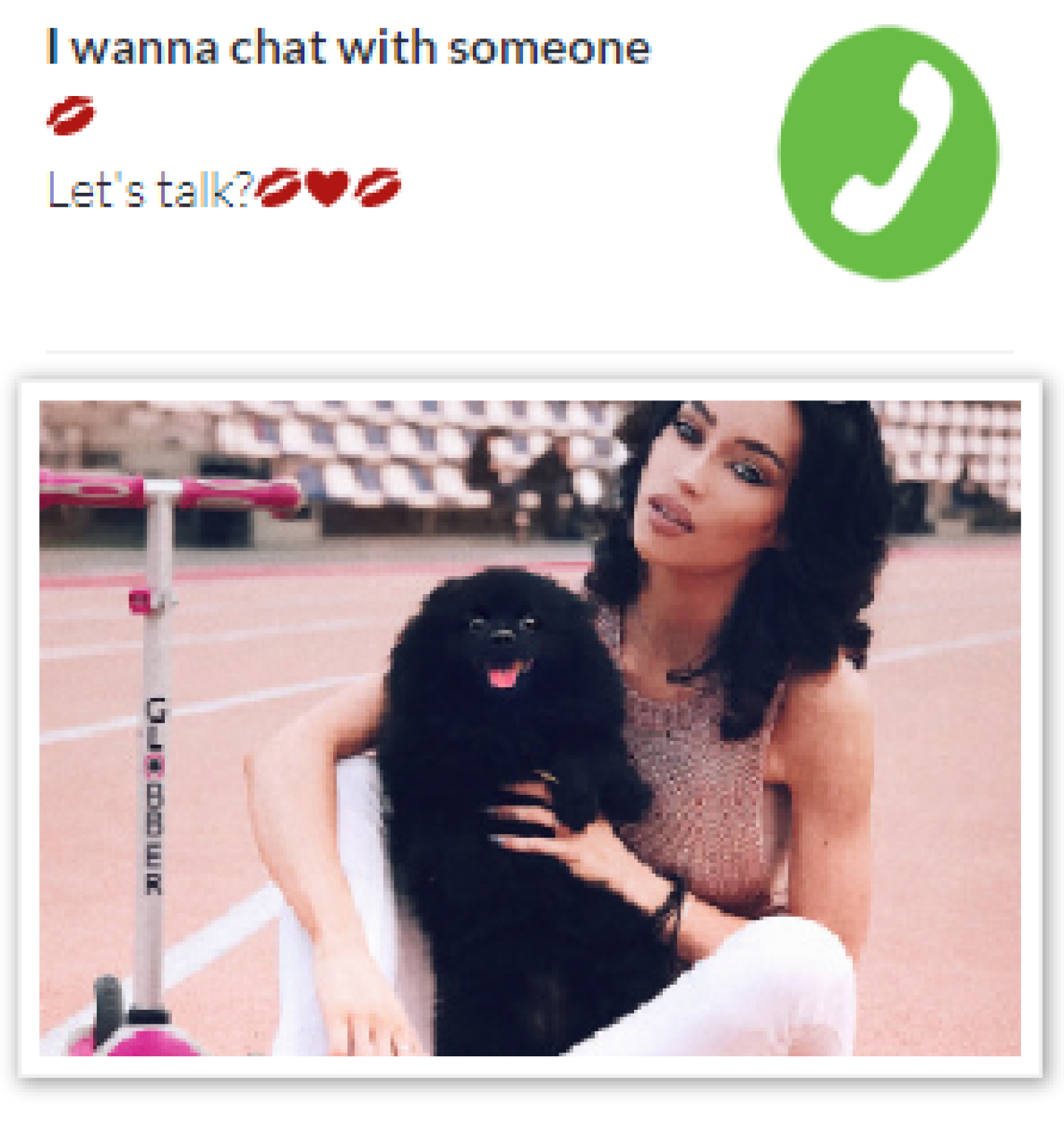
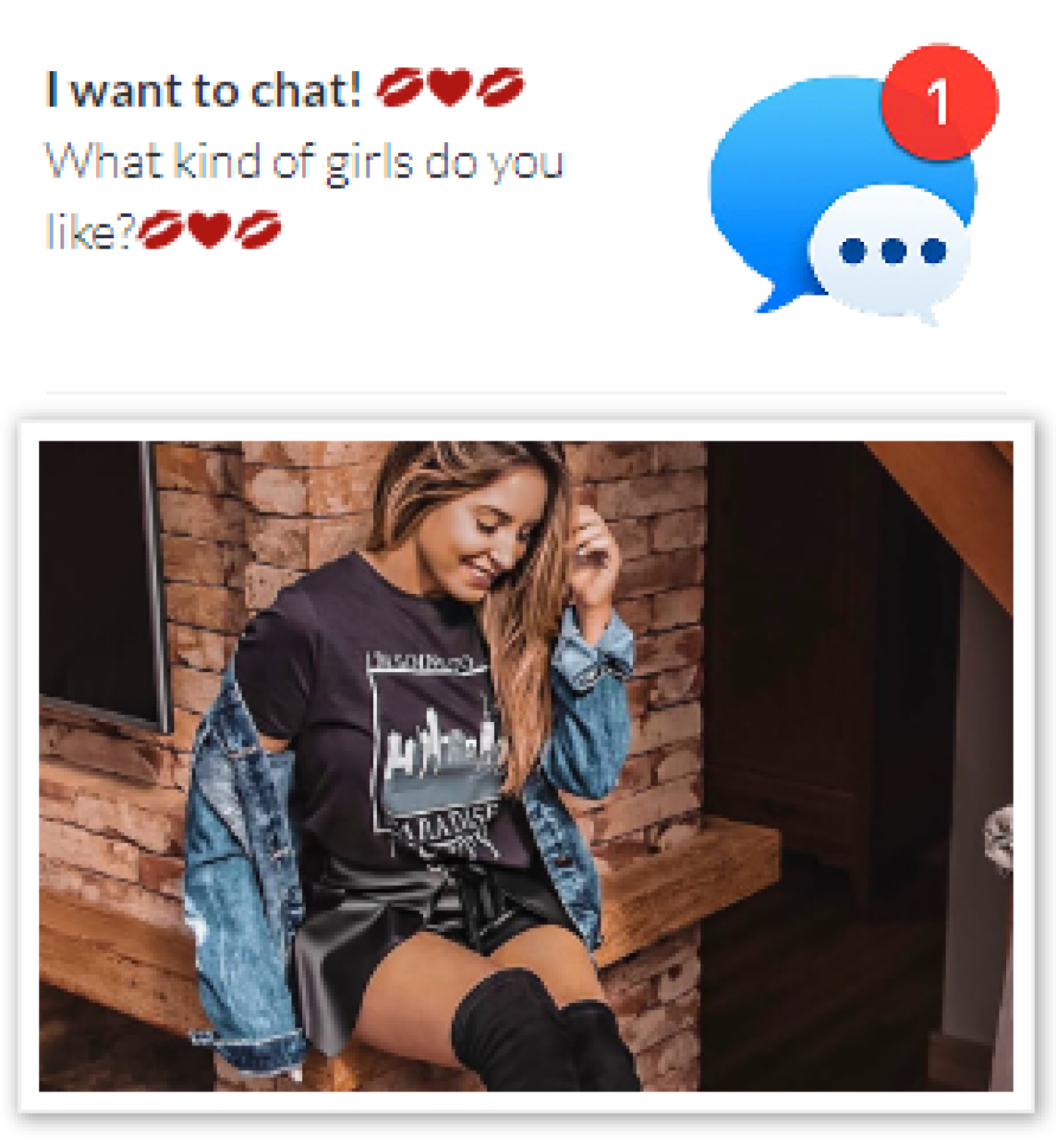
One great example of an ad that shows a clear purpose are dating ads that tell the user that someone wants to chat with him or her. The landing page then instructs the user to sign up to be able to chat with interested people nearby.
Many people use emojis in their status and messages in social media. If you have an emoji in the text of your push ads, users are more likely to believe that the ad came from a real person. This intrigues users enough to click the ad and see what it’s about. Of course, make sure you use emojis only if it matches your offer’s content. For instance, emojis would work great for dating offers since you are giving the user the impression that a real person is trying to contact them. Emojis also work great for sweepstakes; app installs and work from home offers.
Know when it’s right to use stock images, and when it’s not. Some offers need professional-looking photos to make people believe that your offer is legitimate. This is important for finance and marketing, sweepstakes offers, business offers, and e-commerce. But don’t make the mistake using the wrong stock image for your ad. Some stock images are too bland and generic that they don’t really relate to your offer, while other stock images are too extreme that they turn the user off. Take a look at this list of the worst stock images to use in an ad.
Still, sometimes images that look like they were taken by a regular person can also catch attention. This works best for dating ads to make it look as if the person posed for a selfie for his or her profile in a social media platform. This can also be effective for work from home offers that uses a testimonial.
Some push notification ads will only show the icon and completely disregard the banner image. In such cases, you have to rely on just the ad text and icon. To encourage the user to click on the ad, use an icon that is familiar to them.
For instance, use the message or email icon depicting one message received. However, be careful not to use logos of famous brands and browsers as some push notification traffic providers do not allow this. Make sure to read your traffic source’s rules to verify.
With a push spy tool, you can skip the testing part and find out what other advertisers are doing. Here at Anstrex, we can even show you the different creatives a specific affiliate or advertiser is split-testing for the offer.
Other important parameters that will help you decide about the ad’s effectiveness include how long the ad has been running, how high the advertiser is bidding to achieve the top rank, ad gravity and ad strength.
Receive top converting landing pages in your inbox every week from us.
Most Read
Discover how digital ad intelligence is reshaping OOH by connecting proven digital creative, audience signals, and performance data with physical media. This guide explores how ad-spy insights, mobile billboards, and intelligence layers can turn OOH into a measurable, iterative performance channel.
David Kim
7 minSep 22, 2026
Featured
AI-driven ad intelligence is changing how brands evaluate creative, shifting the focus from individual creative leaders to scalable, data-driven systems. This guide explores how competitive ad intelligence, automated testing, and large-scale advertiser data can help teams generate, evaluate, and optimize creative faster.
Samantha Reed
7 minSep 21, 2026
Quick Read
OOH is increasingly becoming a measurable performance channel, but many industry roles are still built around selling inventory rather than outcomes. This guide explores how OOH careers can evolve toward performance marketing through attribution, ad intelligence, funnel design, landing-page data, and measurable campaign optimization.
David Kim
7 minSep 20, 2026