7 minSeptember 11, 2026

Our tools monitor millions of native, push, pop, and TikTok advertising campaigns.
Get StartedMost performance marketers don’t have a conversion problem. They have a definition problem.
On paper, your funnel looks efficient: decent click‑through rates, rising conversion volume, a stable CAC. But look a layer deeper and the “conversions” propping up those dashboards often have little to do with real buying intent.
The root issue is that most performance programs are still wired around shallow, activity‑based signals. Someone downloads a whitepaper, spends three minutes on a landing page, or taps a “Get Offer” button and they’re instantly transformed into an MQL, added to remarketing pools, and routed to sales. In reality, you’ve captured a behavioral blip, not a buying decision.
You can see this most clearly in B2B. Many organizations are still routing leads based on individual contact actions—one person visits a pricing page, fills out a demo form, or clicks an email—and that event alone triggers a hand‑off to sales. Meanwhile, a completely different account where an entire buying committee has been researching you for weeks never hits the arbitrary score threshold and gets ignored. As MarTech describes in its coverage of signal orchestration, this is what happens when marketing optimizes for activity instead of account readiness: sales ends up calling ghosts while real demand sits untouched.
The same illusion plays out in digital channels branded as “performance.” We celebrate last‑click conversions from branded search or retargeting without asking whether those users were already going to buy. Foundational analytics guidance from teams like Stream Companies shows that last‑touch models inevitably over‑credit whatever happened right before the sale and under‑credit the upstream signals that actually created intent. When you build your KPI stack on top of that bias, you start confusing easy harvest for true performance.
AI‑mediated discovery is making this even trickier. As more buyers arrive at your site only after doing extensive research through assistants and recommendation engines, raw traffic and top‑funnel clicks become almost meaningless as intent proxies. A shrinking volume of visits can coexist with rising purchase readiness. That’s why recent analysis from MarTech on measuring marketing when AI owns discovery argues that marketers must shift away from superficial metrics—simple page hits, generic form fills—and toward downstream behaviors like pricing tool interactions, integration doc downloads, and repeat deep visits. Those are the actions that signal real evaluation, not casual curiosity.
Even sophisticated scoring models can lull you into a false sense of confidence. Rule‑based point systems—+5 for a webinar, +10 for a demo request, +2 for a pricing page—feel scientific but are usually tuned to what correlated with conversion in the past, under different conditions. As MarTech’s signal orchestration piece points out, these models decay quickly as market dynamics, buying cycles, and content mix evolve. The result: a steadily growing volume of “qualified” leads that look great in your CRM and terrible in your pipeline close rates.
The irony is that performance marketing’s greatest strength—its ability to tie spend to measurable outcomes—has also created its biggest blind spot. As one AdExchanger analysis of performance marketing’s saturation problem notes, teams have become so good at optimizing for immediately measurable actions that they systematically undervalue the harder‑to‑track signals of future demand. You get addicted to cheap, trackable conversions (coupon downloads, low‑intent leads, vanity signups) and slowly erode both margins and brand equity chasing them.
The pattern across all of this is the same: clicks, form fills, and last‑touch “wins” are easy to count, so we pretend they represent intent. They don’t. Until you separate what’s merely measurable from what actually indicates readiness to buy, your performance program will keep optimizing for the illusion—and leaving real revenue on the table.
“Intent” has been co‑opted by dashboards and ad platforms to mean “someone clicked a thing and didn’t bounce immediately.” That’s not intent. That’s activity.
For performance marketers, “real intent” has a much narrower and more operationally useful definition: observable behaviors that reliably predict commercial outcomes you actually care about — revenue, margin, retention — not just form fills and add‑to‑carts.
You can think about real intent in three layers.
1. Stated curiosity vs. commercial intent
Most of what performance channels capture is curiosity, not commitment. A click or video view shows that your creative intersected with a moment of attention, but even deeper engagement can be misleading. As the team at Brax points out, clicks are “indispensable” for gauging engagement, yet they are only “strong indicators” of potential customers. They are a starting point, not proof of readiness to buy.
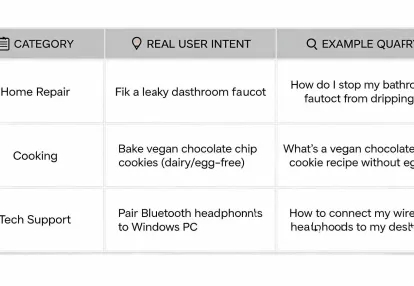
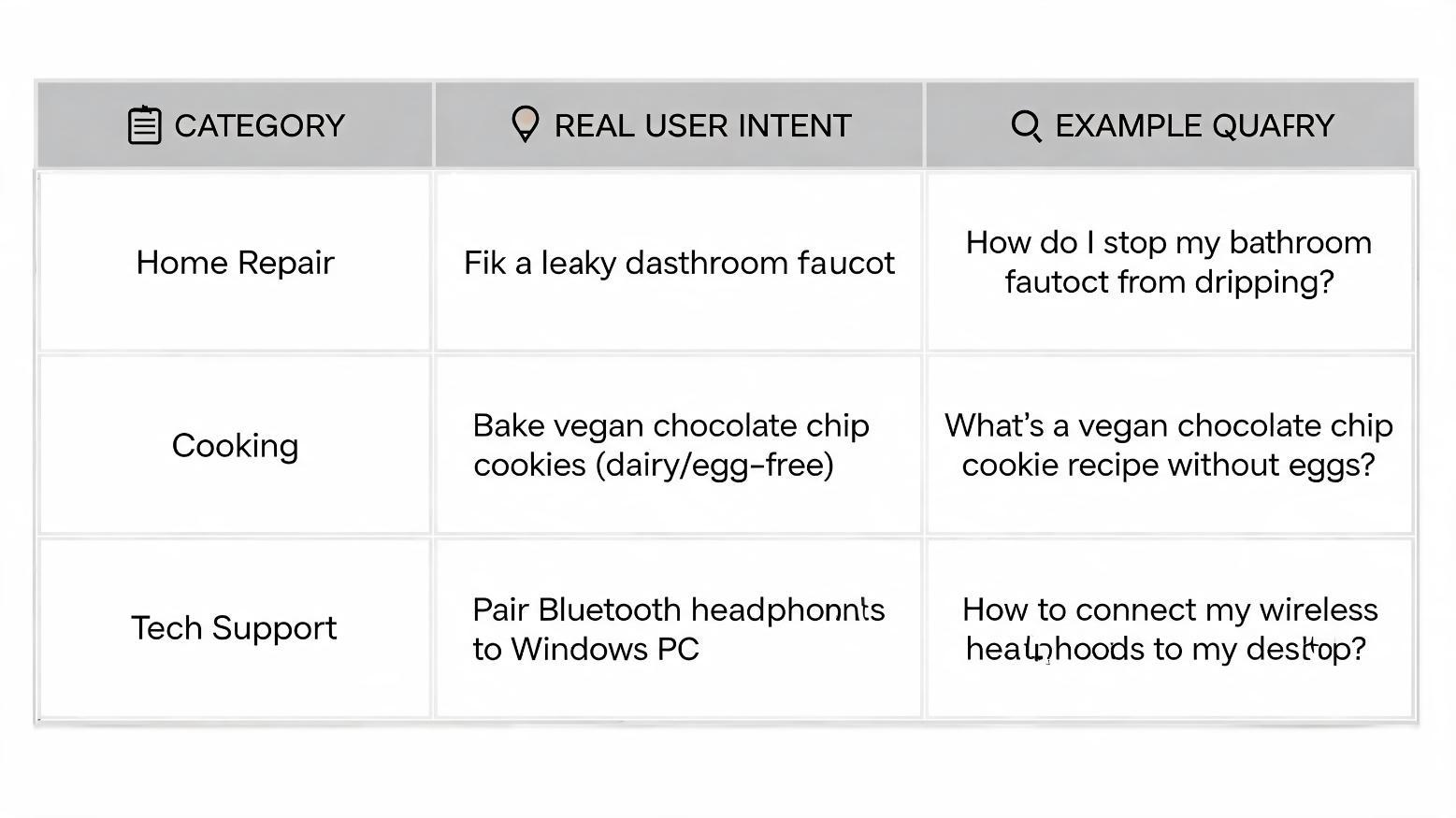
Real intent starts when the user explicitly signals a commercial problem (not just an information need) and anchors that signal to your category or solution type. In search, that’s the difference between:
SEO teams already formalize this distinction using intent‑filtered keyword research, separating informational, comparative, and conversion queries. Performance marketers need the same discipline for paid search, social, programmatic and retail media: map every keyword, audience, and placement to an intent tier, and stop lumping them together as “conversions.”
2. Behavioral depth and recency
Real intent is also about depth and recency of behavior, not just the presence of a single signal. A lone click on a bottom‑funnel ad is weaker than a cluster of behaviors across properties: multiple high‑intent searches, repeat site visits to pricing or integration pages, saving items to a wishlist, returning to an abandoned cart within 24 hours, or initiating a configurator or calculator.
This is where most attribution‑heavy stacks get lazy. As one AdExchanger analysis argues, today’s platforms over‑credit channels “closest to observable conversion activity” — search, retail media, retargeting — because they’re already pointed at people with strong underlying purchase propensity. The machine doesn’t know if the ad persuaded the user or merely intercepted someone who was going to buy anyway.
Real intent, for performance teams, isn’t “this channel grabbed the last click.” It’s “this user has accumulated a pattern of signals — across channels and time — that historically correlates with incremental revenue, not just inevitable revenue getting misattributed.”
3. Connected to revenue, not just form fills
The final test of real intent is whether you can link those signals to money, not just marketing KPIs. That’s why B2B SEO tools increasingly emphasize CRM integration and pipeline attribution: without a pipe into the CRM, teams are “guessing at which content is actually driving opportunities.” The same goes for performance channels. Until your ad clicks and “conversions” resolve to opportunities, pipeline stages, and closed‑won deals, you’re optimizing for the wrong end state.
Multi‑touch models, when used carefully, help here. As one breakdown from Stream Companies notes, last‑touch shows what closes deals, while multi‑touch “distributes credit across all touchpoints based on influence.” Influence is exactly what you’re after: which upstream behaviors and combinations of touches tend to precede profitable customers, as opposed to cheap leads that die in qualification.
So for performance marketers, “real intent” isn’t a fluffy brand metric or a B2B ops fetish. It’s a working data definition:
Once you define intent that way, clicks and coupons become what they always should have been: ingredients in an intent score, not endpoints your program is built around.
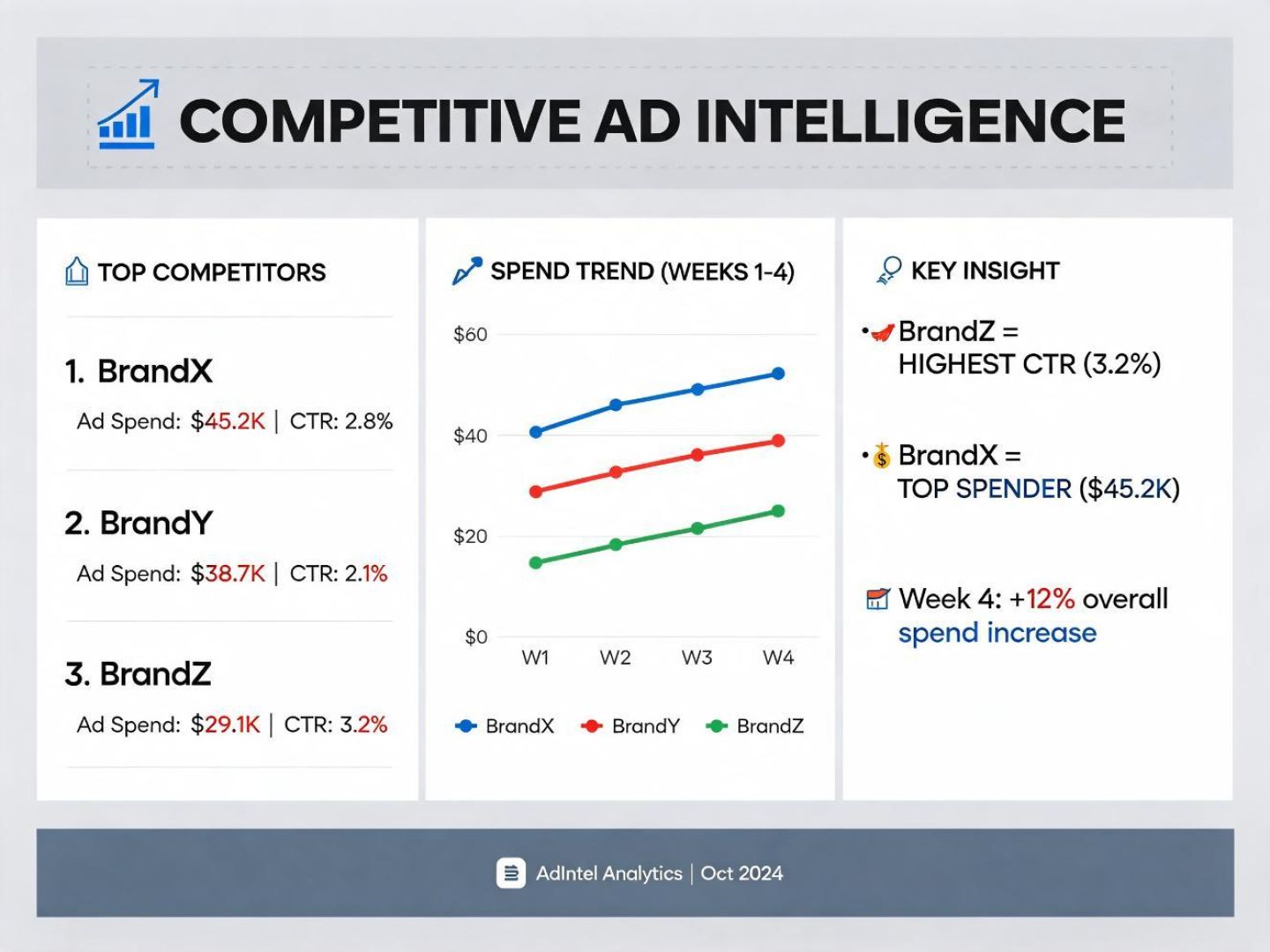
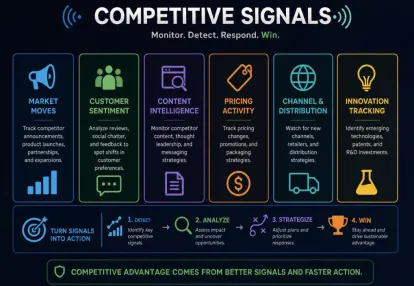
If you want to build a “real intent” data layer, your competitors’ media plans are a good place to steal from.
Not their audiences — their signals.
Most mature advertisers have already done the hard work of figuring out which behaviors actually precede revenue for their category. The trick is to reverse‑engineer that logic from their visible activity and fold it into your own performance setup.
Start with search, because it’s the one channel where intent is fully exposed. When a rival is willing to pay $30 a click to show up on “{competitor} pricing” or “{competitor} vs {brand},” they’re telling you which queries they believe correlate with pipeline, not just traffic. Modern SEO tools now surface these “conversion queries” explicitly, separating them from fluffy top‑funnel terms by mapping whether a keyword is informational, comparative, or purchase‑driven, as the HubSpot Marketing Blog explains. If your competitors are consistently bidding on, ranking for, and building landing pages around specific comparative and pricing terms, treat those terms as validated intent signals. Wire them into your reporting: a visit from a “vs” or “pricing” query should be scored very differently than a visit from “what is…” content.
But don’t stop at the keyword. Competitive ad intel on the landing experiences those keywords resolve to will tell you which downstream actions your category believes matter. If three competing SaaS brands all route “pricing” traffic to calculators, ROI tools, or detailed plan comparison pages, that’s a strong cue that interactions with those assets are high‑value events. This mirrors the way advanced teams are re‑weighting “downstream intent signals” like pricing tools, integration guides, and comparison content as leading indicators of pipeline, not just pageviews, as described by MarTech’s coverage of AI‑era analytics. Steal that weighting: treat “calculator used” or “plan comparison viewed” as primary intent events in your own performance dashboards and optimization loops.
Display and paid social offer another layer of competitive clues. Look at what your peers are willing to personalize around. If a competitor is running creative variants specifically tailored to “switching from X,” “for CFOs,” or “for multi‑location retailers,” they’re implicitly declaring those situations and roles as high‑conversion micro‑segments. Use ad libraries, impression estimates, and frequency trends to identify the segments they’re over‑serving. Then, instead of blindly copying their targeting, translate that into your own behavioral criteria: “visited integration docs + viewed comparison page” might be your proxy for “switching,” while “engaged with ROI content + pricing page” could be your proxy for “CFO buyer.” That translation step — converting someone else’s creative hypothesis into concrete behaviors your data team can validate — is exactly the kind of “translation layer” that closes the gap between campaign ideas and executable segments, as a recent.
SEO is especially powerful here because it makes an entire competitive intelligence layer visible and stable. When a rival invests in long‑form guides, comparison hubs, or solution‑specific clusters, they’re broadcasting which problems, use cases, and stages of the journey they believe drive money. The most sophisticated programs treat this organic landscape as the upstream “intelligence layer” for every other channel, using search‑backed intent to sharpen media, email, and CRO decisions, as Neil Patel’s blog on human‑led SEO notes. If three competitors have built deep content around “implementation timelines,” you should be logging interactions with that topic as a mid‑funnel readiness signal in paid, not just an SEO success metric.
The last step is to quantify which of these copied signals actually predict revenue for you. Use your attribution system to track how users who trigger competitor‑inspired events — integration docs, pricing tools, brand‑vs‑brand pages, implementation content — flow into opportunities and closed‑won deals over 30–90 days, similar to how sophisticated teams analyze assisted conversions and downstream behavior to get beyond surface‑level clicks, as Stream Companies’ performance framework recommends. Signals that reliably show up in the path to revenue get promoted into your “real intent” layer; the rest go back into the experimental bucket.
Competitive ad intel isn’t about copying what others run. It’s about decoding what they’ve already learned the hard way about intent — and then rebuilding those lessons as precise, testable behaviors inside your own performance machine.
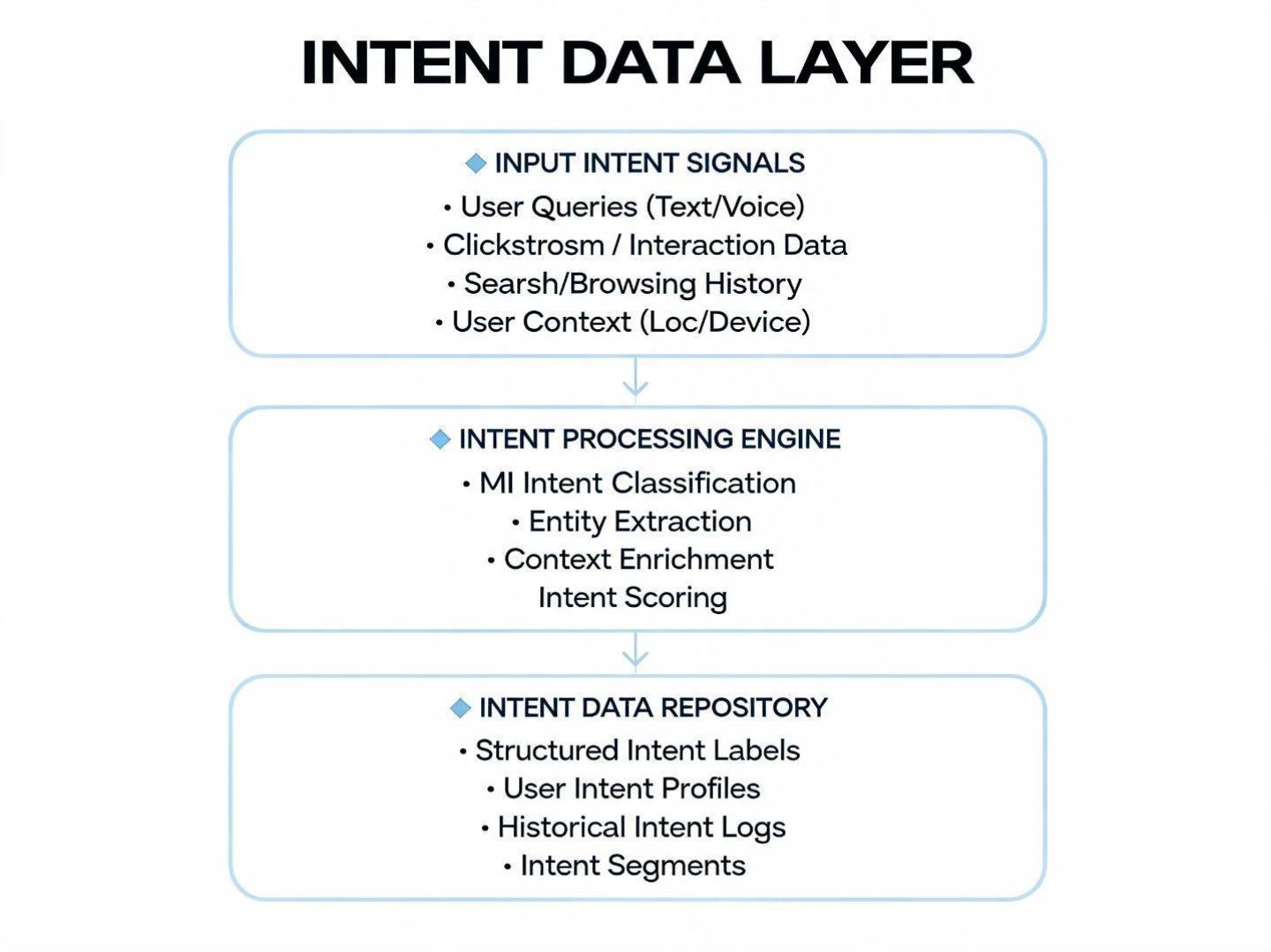
You don’t “have” a real intent data layer just because you’re tracking a bunch of events. You have it when you can take a raw click, run it through a set of ranked signals, and say with reasonable confidence: this person is likely, unlikely, or unknown in terms of real commercial value.
Think of this as an assembly line: collect → normalize → enrich → rank → connect to revenue.
Start by logging everything that could plausibly indicate commercial progress, not just vanity engagement. That goes beyond “clicked ad” into:
This is where search and SEO act as the intent “radar.” Keyword and SERP data already encode where a buyer is in their journey. Mature B2B teams distinguish between informational, comparative, and conversion queries and map content and tracking accordingly, because intent‑filtered keywords reliably tell you whether a visitor is researching the problem, weighing vendors, or ready to buy, as the HubSpot Marketing Blog explains. Your tracking should mirror these layers: log which query type drove the click, and which page archetype they landed on.
Raw clickstream data is messy. “Viewed /pricing-enterprise,” “visited price,” and “plans.html” are all the same thing: pricing intent.
You need a translation layer that normalizes heterogeneous behaviors into a small, opinionated event taxonomy, such as:
Treat this taxonomy as a product, not a one‑off tagging exercise. It needs an owner who understands both the data and the business context and is empowered to make judgment calls, much like the human‑led SEO programs that put someone in charge of reading signals and acting on them rather than delegating everything to tools, as Neil Patel’s team describes. The same principle applies here: your taxonomy will only be as good as the strategic thinking behind it.
A click on “pricing” from a first‑time visitor on mobile doesn’t mean the same thing as the same click from a known opportunity on desktop who came in from a branded query.
To avoid flat, context‑free scores, enrich events with:
Connecting your intent events to CRM isn’t optional. Without that link, you’re just guessing which behaviors translate into pipeline. B2B teams that integrate their SEO and web data directly into a Smart CRM are able to see exactly which intents correlate with opportunities and closed‑won deals, which is the same loop‑closing benefit the.
Now you have a stream of normalized, enriched events. The “real intent” layer is the scoring logic that ranks them by how predictive they are of revenue, margin, or retention.
You build this by:
At this stage, you can produce a per‑user or per‑account “intent score” that updates as new events stream in. That score isn’t abstract; it is calibrated to actual revenue patterns you’ve observed in your CRM and attribution systems, similar to how multi‑touch models surface which touchpoints truly move the needle on ROI, as.
A ranked intent layer is only useful if it changes what your media does:
At that point, you’re no longer optimizing for raw clicks or coupon redemptions. You’re optimizing toward a live, ranked model of who is actually likely to drive the commercial outcomes the business cares about.
Most “data layers” don’t die from bad models. They die from entropy.
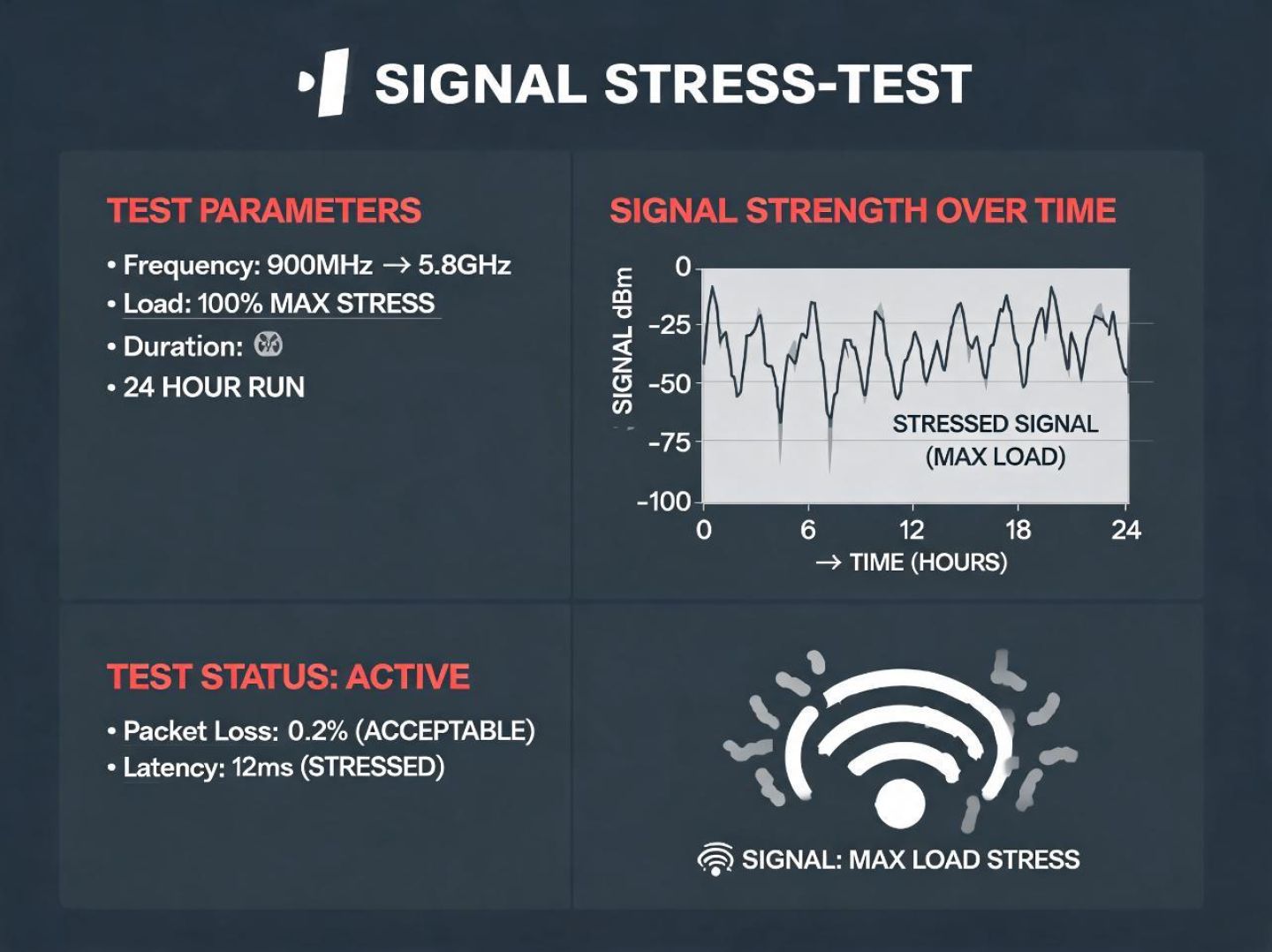
Sales processes change. Product lines expand. Targeting rules drift. Pixels break. If you don’t assume your real‑intent signal set will decay, it absolutely will. The only durable posture is permanent skepticism: audit, stress‑test, repeat.
The good news is you can institutionalize that skepticism.
Start by locking in a signal review cadence that’s as routine as budget pacing. Just as performance teams set monthly or bi‑weekly “reallocation checkpoints” to catch waste before it metastasizes, as one Stream Companies playbook recommends, you need equivalent checkpoints for the signals themselves. Every cycle, you’re not just checking whether campaigns hit CPA; you’re interrogating whether the behaviors you’re optimizing toward still precede revenue with the strength you think they do.
That means three distinct passes:
3. Business fit: Have sales processes or pricing changed? Did you launch a PLG motion, add usage‑based billing, or change trial rules? A demo request might be less predictive in a world where self‑serve onboarding dominates. Your signal weights must adapt to go‑to‑market reality, not the other way around.
Once the basics are audited, you stress‑test. The goal isn’t to prove your model “works”; it’s to find the edges where it breaks.
One powerful way to do this borrows from how modern B2B SEO teams validate “intent‑filtered” keyword tools. When a platform claims it can separate informational from comparative and conversion queries, practitioners don’t just take it on faith; they tie those clusters back to CRM stages and closed‑won deals to see what actually predicts pipeline, as the HubSpot marketing team recommends for SEO tools with CRM integration. Apply that same discipline to your paid signals: pipe them into your CRM, label cohorts by dominant signal, and track opportunity creation, win rates, sales cycle length, and expansion revenue.
Then deliberately push your models off balance:
Finally, formalize governance. Real‑intent signals are too important to live only in one practitioner’s head or one DSP seat. Treat them like you would a pricing model or brand guidelines:
This is the same kind of continuous, decision‑grade measurement that next‑generation brand intelligence platforms use to track sentiment and purchase intent over time, shifting focus from merely explaining yesterday’s performance to anticipating tomorrow’s demand, as one AdExchanger analysis describes. Your real‑intent layer should operate with that same forward‑looking rigor.
If you do this well, “intent” stops being a static list of events and becomes a living contract between your data, your media, and your market reality—constantly tested, occasionally humbled, and always getting closer to the truth.
Attribution used to be the finish line. You wired up pixels, assigned credit to channels, and reallocated spend toward whatever your model said “won.” In a world of third‑party cookies, cheap IDs, and deterministic paths, that was at least directionally useful.
In an AI‑mediated, privacy‑first world, that mindset is actively dangerous.
Platforms now decide who sees what, when, and at what price based on opaque, rapidly changing models. You’re no longer optimizing levers as much as you’re negotiating with black boxes. At the same time, signal loss from tracking restrictions makes any path‑level story you tell about “this click caused that sale” far more speculative than most dashboards admit.
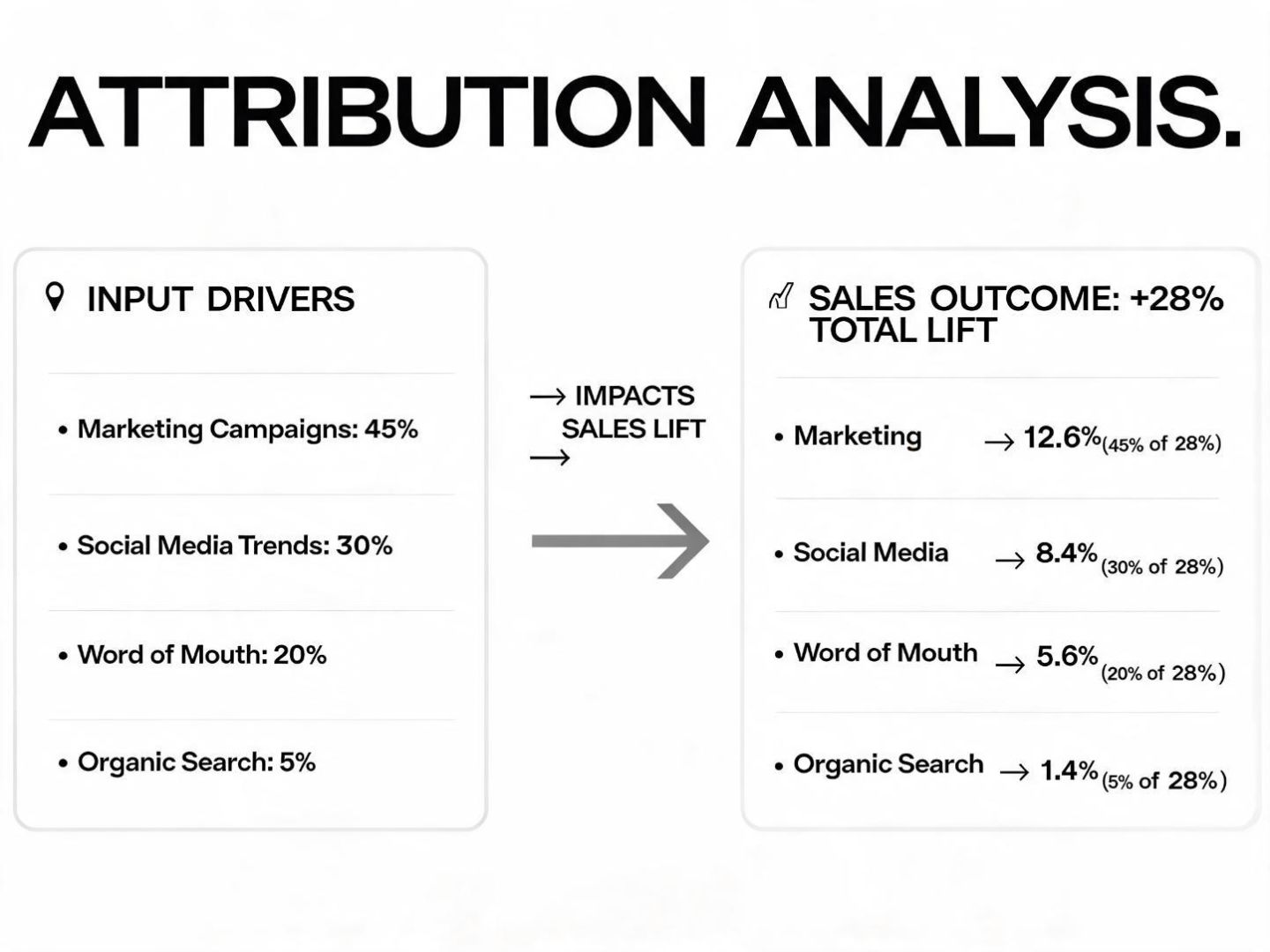
So the center of gravity has to move: away from attribution as the end state, toward analysis as an ongoing discipline. The job isn’t to prove where every dollar came from; it’s to understand which patterns of real intent systematically produce revenue, and then feed those patterns back into both platforms and your own programs.
Multi‑touch attribution is a good example of this shift. Done well, it gives a more realistic picture of how channels share credit across a journey, and vendors will rightly tell you that spreading credit across touchpoints enables more precise budget allocation. But if you treat the model output as truth instead of as a hypothesis generator, you’ll still end up chasing the wrong ghosts.
The more productive stance is: “Given what we know about our real‑intent signals, does this attribution pattern make sense?” If your data layer says high‑fit prospects reliably start on informational queries, interact with a couple of ungated tools, then convert off branded search, a model that over‑rewards last‑click retargeting is telling you more about its own blind spots than about your customers.
That’s why your optimization loop needs to be built around intent analysis, not channel credit.
Consider how strong SEO programs operate when they’re treated as an intelligence layer rather than a support channel. Teams that read search demand deeply and continuously can surface what customers are actually trying to solve, then cascade that knowledge into paid media, email, and CRO. When search‑backed intent data shapes audience definitions and creative direction, paid campaigns clean up—even if the attribution model never gives organic search much formal credit. The win comes from feeding better intent signals into the whole system, not from proving SEO “drove” X percent of revenue.
The same principle applies to AI‑driven ad platforms that promise to do the targeting and bidding for you. Their models optimize whatever outcome you specify, on whatever signals they can see. If all they can observe are cheap proxies like clicks and installs, they’ll happily maximize those—even when, as performance practitioners have pointed out, clicks are often a weak or misleading indicator of commercial value.
Your leverage is upstream: define, collect, and consistently send back signals that correlate with real revenue. That might include:
Once those signals are in place, attribution becomes one input into a broader analysis stack. You’re less interested in “Did Facebook or search get the sale?” and more focused on questions like:
This is also where your real‑intent layer becomes a hedge against platform opacity. If your internal scoring and downstream CRM data say a campaign is generating junk, but the ad network’s modeled conversions look amazing, you believe your own instrumentation—not the black box. You then adapt: tightening audience definitions, changing optimization events, or even switching bidding strategies so the platform is forced to hunt for higher‑quality intent.
The practical outcome of moving from attribution to analysis is that optimization becomes less about arguing over slices of credit and more about running a continuous research program. You’re testing hypotheses about which signals matter, validating them against revenue, and then encoding what you learn into three surfaces:
In a privacy‑first, AI‑mediated world, you will never have perfect visibility into paths. But if your real‑intent data layer is robust, you don’t need perfection. You need enough truth about how value is created to keep teaching both your team and the machines what “good” really looks like—and to keep optimizing toward that, even as everything around you keeps changing.
Receive top converting landing pages in your inbox every week from us.
Most Read
Clicks, coupons, and last-touch conversions can create the illusion of performance while hiding whether customers actually intend to buy. This guide shows how to build a real-intent data layer using behavioral signals, competitive ad intelligence, revenue-linked scoring, and continuous validation to improve performance optimization.
Rachel Thompson
7 minSep 11, 2026
Recently Updated
AI-driven media buying is becoming increasingly autonomous, making it harder for marketers to understand why platforms make certain bidding, placement, and creative decisions. This guide shows how competitive ad intelligence can act as an external audit layer, helping teams benchmark AI decisions, detect market shifts, and build smarter guardrails for automated media buying.
Elena Morales
7 minSep 11, 2026
Must Read
Brand and performance marketing don’t have to compete for budget—they can work together to create demand, capture demand, and build long-term enterprise value. Learn how to measure brand lift, map campaigns using the Hybrid Performance-Brand Matrix, and build campaigns that drive revenue today while strengthening future growth.
Liam O’Connor
7 minSep 10, 2026