6 minSeptember 9, 2026

Our tools monitor millions of native, push, pop, and TikTok advertising campaigns.
Get StartedAI search didn’t just “steal” a slice of your organic traffic. It quietly moved the entire buying journey into a different room—and most performance marketers are still optimizing the old hallway.
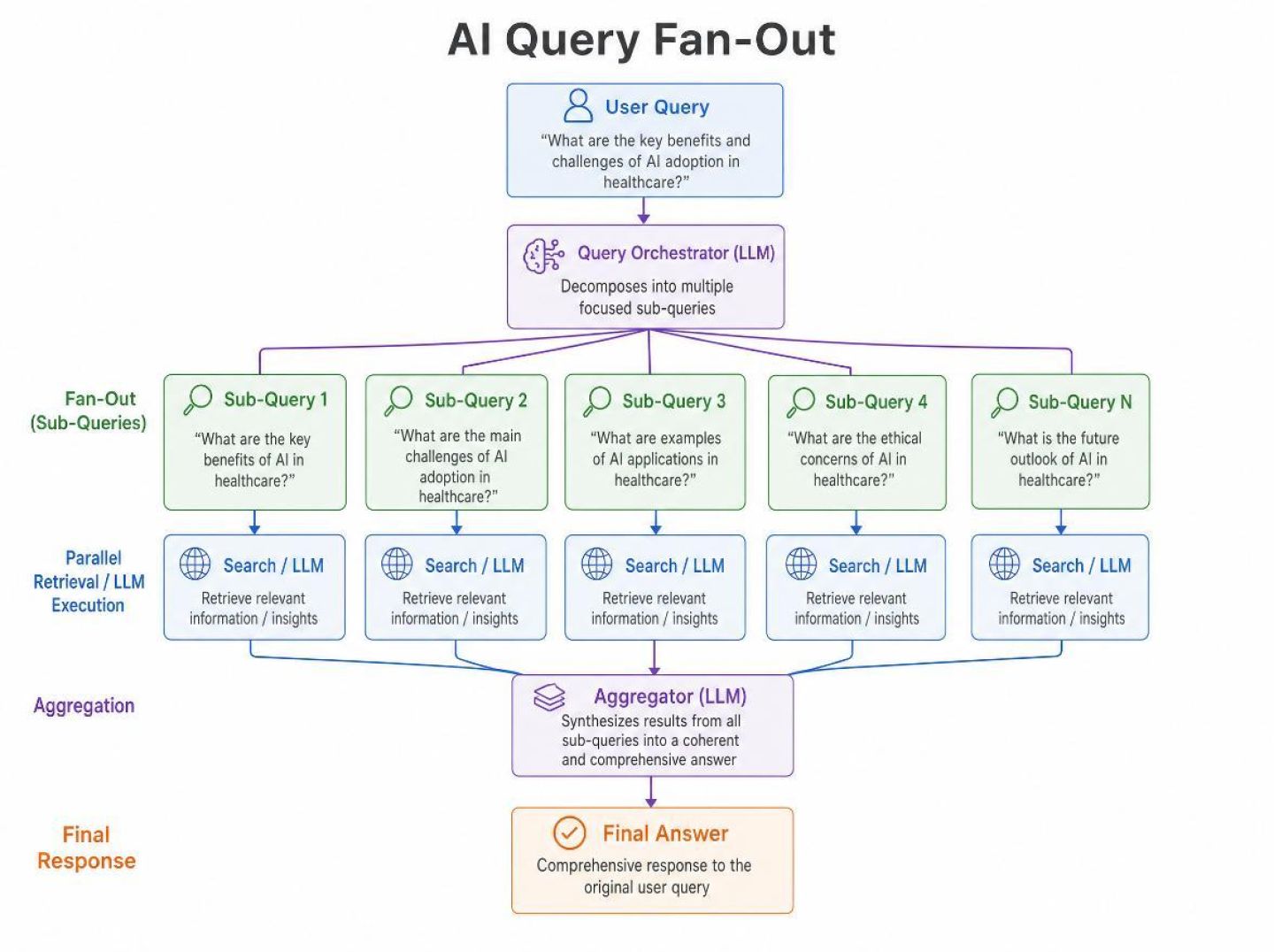
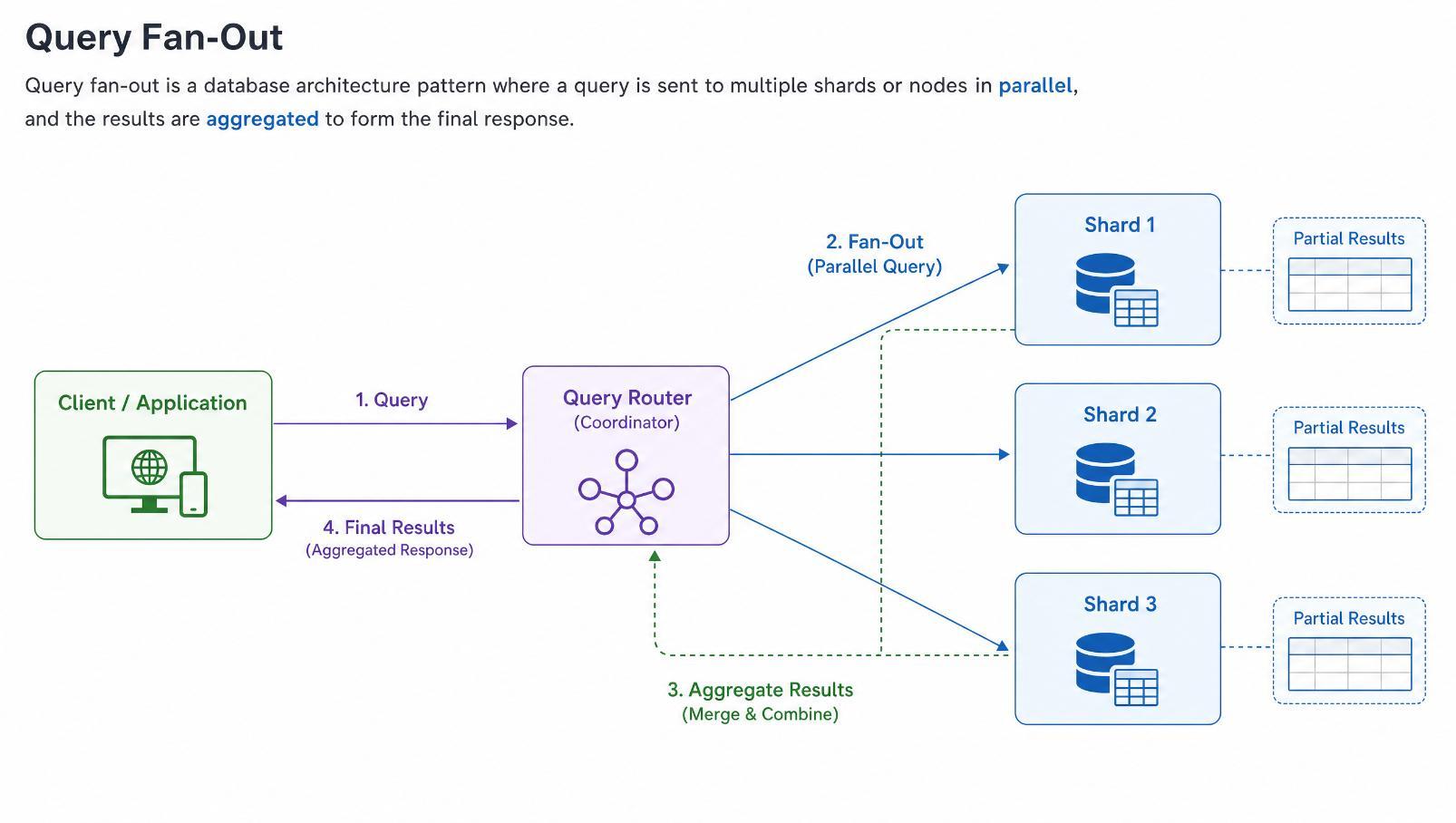
When a buyer types “best B2B email platform for a 5‑person marketing team with strict security requirements” into Gemini or ChatGPT, they’re not running a single search anymore. Behind the scenes, the engine explodes that one query into a dozen sub-queries—things like “B2B email marketing tools,” “SOC 2 compliant email platforms,” “email automation for small teams,” and “compare HubSpot vs. Klaviyo for B2B”—and pulls results for all of them at once. That’s query fan-out.
As both Semrush’s breakdown of query fan-out and Contently’s analysis of AI Overviews explain, this fan-out model powers how Google’s AI Overviews and LLM-style search experiences actually work. The system identifies all the intents buried in a prompt, runs a cluster of related searches in parallel, scores which pages best satisfy each micro-intent, then fuses the winning snippets into a single synthetic “answer.” The buyer sees one smooth response; under the hood, the engine just ran your whole funnel for you.
That’s the real threat—and opportunity. Your paid and organic strategies are still built around discrete keywords and linear journeys: awareness keyword → consideration keyword → branded keyword → click → landing page → funnel. But users are now running the entire progression inside the chat box. According to HubSpot’s research into AI search behavior, AI-powered experiences resolve the “easy” questions themselves, and the users who do click through arrive much later in the decision cycle—with conversion rates up to 3x higher than other channels.
So your metrics are lying to you. Lower organic clicks don’t mean lower demand; they mean the discovery, education, and comparison stages are being compressed into multi-intent fan-out queries that never touch your site. By the time someone lands on your page from ChatGPT or Gemini, they’ve already validated their problem, scanned a synthesized comparison, and subconsciously absorbed which brands the AI trusts enough to cite. That’s not “top of funnel” traffic anymore—that’s a buyer with a short list.
And while SEO teams scramble to adapt content for this new reality, performance marketers are sleepwalking. Your search campaigns still assume a one-to-one match between keyword, ad, and landing page. Meanwhile, Google is already repurposing those same search ads as creative fuel for Gemini experiments; as Search Engine Journal’s enterprise AI search report notes, the platform will happily remix your existing assets to see what works inside its AI experiences. You think you’re just optimizing RSA performance; Google thinks it’s training an answer engine.
The marketers who win the next wave won’t be the ones writing slightly better ad copy for “best project management software.” They’ll be the ones who learn to spy on query fan-out itself: mapping how AI decomposes their core commercial terms into comparison, risk, feature, use-case, and “next step” sub-queries—and then mirroring those angles in their ad strategy.
Instead of guessing what a “research phase” or “consideration phase” looks like, you can reverse-engineer the real thing: the actual cluster of sub-queries the AI runs when someone is on the verge of buying. Once you see that shape, you can build ad groups, creative, and landing pages that line up with the intents the engine is already privileging and recombining in its answers.
In other words, stop optimizing for a linear journey that users abandoned the moment AI became their default research assistant. The game now is to eavesdrop on how the assistant thinks—how it fans out a single question into a network of micro-intents—and then make your ads the obvious fit at every node in that hidden map.
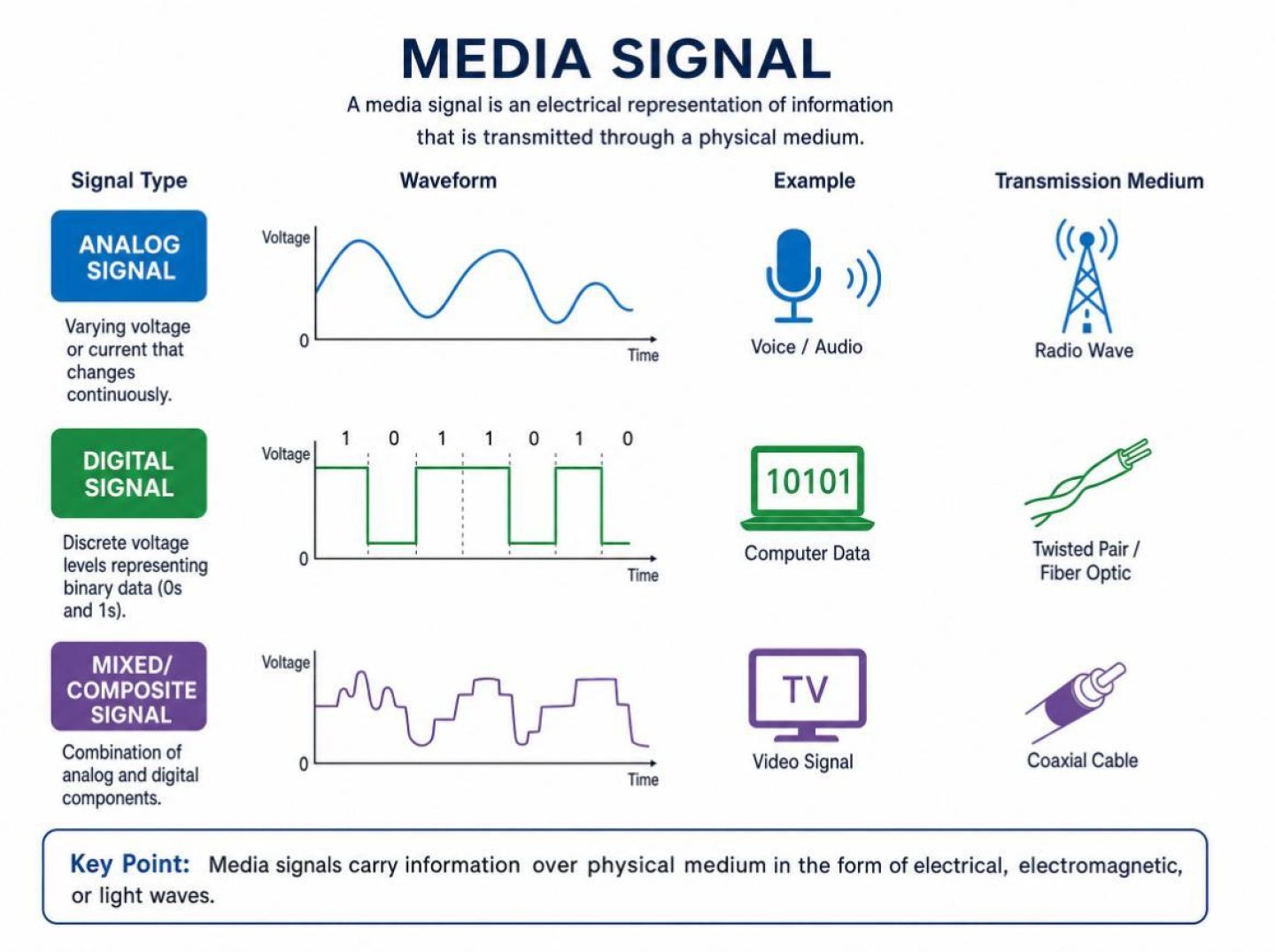
Most teams are still treating query fan-out like an exotic SEO concept. It isn’t. It’s a media signal that now shapes where your paid dollars actually show up—whether you’re buying search, social, or programmatic.
AI search systems don’t “answer questions.” They run media plans in microseconds.
When someone types “best B2B email platform for a 5‑person marketing team with strict security requirements” into an AI assistant, the model doesn’t hit the web once. It explodes that prompt into a cluster of intent-lensed searches—pricing, reviews, security frameworks, integration checklists, and comparison angles—and then runs retrieval across all of them at scale. As the teams at Ahrefs explain in their breakdown of retrieval-augmented generation, the assistant decomposes the query, fires off multiple searches at once, scores the results, and then fuses overlapping winners into the final answer.
That “fan-out” step used to live squarely in the SEO world: which pages get retrieved, cited, or summarized. But once Gemini, Copilot, and ChatGPT started sitting on top of ad-funded ecosystems, those same fan-out signals began to bleed into your paid media reality.
If you think of query fan-out as a glorified keyword-research feature, you’ll miss the shift. The better mental model is: fan-out is the intent graph that governs both organic and paid exposure.
Several things make this a media signal, not just an SEO one:
1. AI fan-out changes which auctions you even enter.
In a classic search world, your keywords are the choke point. If you weren’t bidding on “SOC 2 compliant email provider,” you’d never show for it. In an AI-first world, the user might never type “SOC 2” at all. The assistant infers security intent and runs sub-queries like “SOC 2 email marketing platform” and “email vendor HIPAA compliant” behind the scenes, as frameworks from Semrush’s overview of fan-out make clear. That hidden lattice of sub-queries is now the pre-auction filter: if your content or brand doesn’t exist in the surfaces those sub-queries hit, your ads never get a chance to compete—even on broad match or audience-based campaigns.
2. “AI visibility” is not just an organic KPI.
Most marketers chasing AI visibility obsess over citations: “Did we get mentioned in the answer box?” But as Neil Patel’s breakdown of ChatGPT’s source preferences points out, the real power sits upstream in the fan-out corpus—what the model chooses to search in the first place. Once AI assistants become the default starting point for research, that upstream corpus is the same pool feeding sponsored units, affiliate slots, and whatever monetized formats these platforms roll out next. If you’re only measuring organic citations, you’re blind to where your paid reach is quietly constrained.
3. Fan-out is reclaiming the “mid-funnel” you thought you’d lost.
Smaller publishers are already feeling the squeeze: referral traffic is down more than half in some segments as AI overviews answer questions in-line, according to Neil Patel’s analysis of declining referral traffic. Yet the same analysis shows transactional and high-intent content still gets clicked because AI can’t close every loop. That’s the new bridge between AI and paid media: fan-out leans heavily on deeper, niche content for synthesis, then hands off to ads and product pages once purchase intent spikes. If your brand doesn’t show up across those decomposed intents, your retargeting lists, match rates, and in-platform audiences all shrink.
4. You no longer need to “win the SERP” to win the impression.
One of the most important patterns uncovered in fan-out research is that top-10 rankings are optional. AI systems retrieve passages, not pages, and frequently pull from URLs buried deep in traditional results. Backlinko reports that ChatGPT pulls from URLs in positions 21+ in nearly 90% of responses, and that a disproportionate share of citations come from the first 30% of a page because the model is skimming for fast, extractable answers, according to their study of query fan-out and AI visibility. For a performance marketer, that’s a radical reframing: content that would never justify an SEO budget line can still be the decisive “source of truth” that informs both AI answers and the contextual and audience signals your media platforms use.
5. Fan-out is now a planning input, not just a ranking artifact.
Tools like Ahrefs’ Brand Radar and the experimental platforms showcased in WordStream’s fan-out roundup are already exposing the sub-queries AI systems generate. That data is structurally closer to a media brief than an SEO report: it tells you how real buyers describe their pains, what modifiers AI injects (like “best,” “2026,” “reviews,” or “Reddit”), and which adjacent categories get pulled into the same research path. Those are seeds for audience construction, creative copy, and landing-page angles—not just page-title tweaks.
The takeaway: query fan-out is the new connective tissue between how people think, how AI interprets that thinking, and where your ads can logically appear. If you silo it as “SEO stuff,” you’re optimizing the hallway while the buying journey, and the auctions that matter, have already moved into another room.
Behind that long-tail Gemini or ChatGPT query, you’re not seeing a “search result.” You’re seeing a planning process.
When a buyer types “best B2B email platform for a 5‑person marketing team with strict security requirements,” the AI doesn’t just look for that exact phrase and grab a few blue links. It explodes the request into a network of related searches—what Google’s Robby Stein has described as one query expanding into “dozens to hundreds” of background searches in Deep Search, a mechanism the WordStream team documents as the core of modern query fan‑out.
In practical terms, here’s what happens across AI search systems:
Research summarized by Ahrefs on retrieval‑augmented generation makes clear that ChatGPT, Perplexity, Gemini, and Copilot all run these as real web searches, then feed the results into the model as grounding.
3. Retrieval and re‑ranking.
Each sub‑query returns its own mini SERP. The AI then looks for pages that show up consistently across many of those lists and appear to satisfy the cluster of intents better than alternatives. As Semrush’s analysis of fan‑out behavior notes, the systems tend to reward content that covers the constellation of related sub‑questions, not just the headline keyword.
4. Synthesis and citation.
Only after that retrieval pass does the LLM “write” an answer. It pulls facts, claims, and examples from the short‑listed URLs and weaves them into a narrative. The sources you see cited—or the brands named without a link—are the survivors of this multi‑query tournament.
That’s query fan‑out. And it is fundamentally different from the linear buyer journeys most performance teams still map.
Traditional journey mapping assumes a sequence of discrete steps: awareness keyword → consideration keyword → comparison keyword → branded keyword. You plan media like a funnel of ordered searches and touchpoints. But query fan‑out collapses that funnel into one high‑resolution moment.
In a single prompt, the AI explores:
Instead of waiting for the buyer to progress across multiple searches and channels, the assistant pre‑runs that whole discovery arc for them. As enterprise marketers in a Search Engine Journal study on AI search have started to recognize, this shift means “where” a buyer is in the funnel is now encoded inside a single, high‑intent AI prompt.
For performance marketers, the implications are blunt:
The bottom line: query fan‑out turns every serious AI prompt into a compressed, multi‑touch buying journey. Your old buyer journey map isn’t wrong because customers changed their minds; it’s wrong because the interface doing the searching now runs all of those “steps” in parallel, before you ever enter the auction.
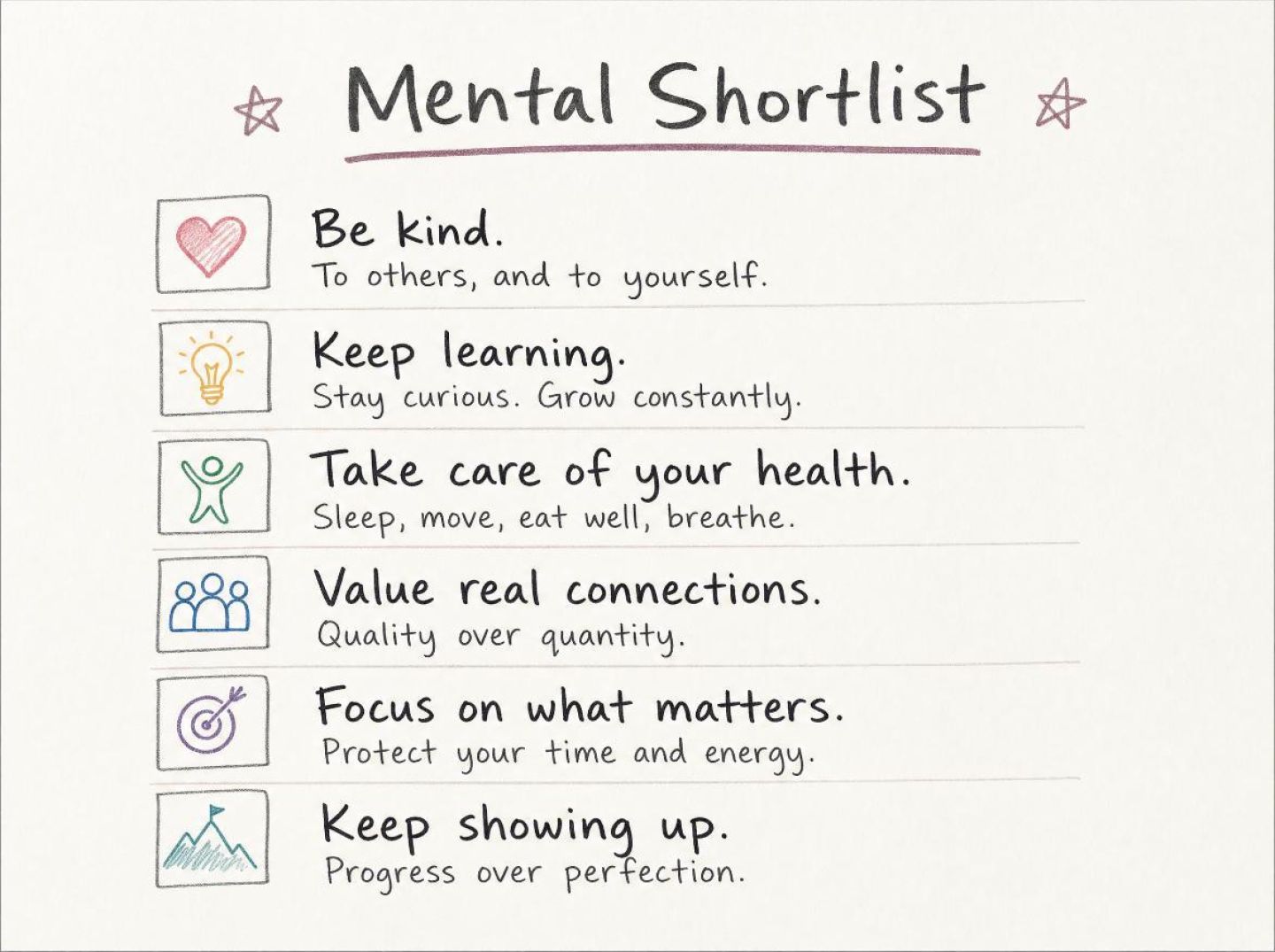
AI doesn’t just change which pages rank. It reshapes how buyers build their “mental shortlist” before they ever hit your site or see your ad.
In the old world, that shortlist formed through a sequence you could sketch on a whiteboard: search → skim results → click a few → maybe bounce to social → come back via retargeting. Now, the shortlist is pre‑assembled inside AI search and social feeds—then handed to the buyer as if they discovered it themselves.
When someone asks an AI search, “best B2B email platform for a 5‑person marketing team with strict security requirements,” the system fans that one query out into dozens of sub‑queries, pulls results, then distills them into a single answer. As the team at Ahrefs explains in their breakdown of retrieval-augmented generation, the model doesn’t read the entire web; it reads the subset of pages that surfaced consistently across those hidden sub‑searches and uses them to write the answer.
That AI answer is not neutral. It:
By the time the buyer finishes reading, they have an implicit comparison set in their head—even if they only clicked one link. As HubSpot’s analysis of AI search behavior found, AI-sourced visitors are often “past the initial discovery phase” because they’ve already validated the problem and seen which vendors show up in the summary.
If your brand isn’t cited in that initial AI overview—even if you rank well for related keywords—your odds of making the mental shortlist plummet. As Contently notes in their piece on why your best-ranked page can be invisible to Google’s AI, ranking first for a query doesn’t guarantee you’ll appear in the fan-out that actually powers the answer. Visibility inside the answer engine, not just the SERP, is what now determines whether you’re “in the room” when the shortlist is formed.
The feedback loop doesn’t stop there. Each AI answer subtly scripts the buyer’s next moves.
When AI gives a structured response—“Here are three platforms to consider,” followed by pros, cons, and next steps—it generates the next set of ideas the user will search or ask about:
Those follow-up searches look like independent intent, but they are downstream of the AI’s framing and citations. And because Google’s AI experiences and tools like ChatGPT or Perplexity run their own fan-out on each new query, your chance to be seen narrows or widens based on whether you keep showing up across that evolving cluster of sub‑queries.
WordStream’s deep dive into query fan-out highlights this compounding effect: pages that surface repeatedly across related sub‑queries get cited more often, which in turn teaches the models that those brands are “safe” to recommend again in future answers. That’s how a handful of vendors become the default recommendations across thousands of slightly different prompts.
Meanwhile, social platforms are running their own version of intent shaping.
Your buyer hops from an AI result to LinkedIn, X, or YouTube to “sanity check” what they just saw. But the feed isn’t a neutral sample of what the market thinks—it’s an engagement-trained echo of the same brands and framings AI already elevated.
By the time your prospect has bounced between an AI overview, a couple of comparison posts, and a handful of creator videos, their mental shortlist feels self‑authored—but it’s largely pre‑fabricated by the interaction between fan‑out-driven search and engagement-optimized feeds.
Enterprise marketers are already feeling the effects. In a survey of 300 executives on AI search adoption, Search Engine Journal’s report on AI search in 2026 found that many are committing substantial budget to AI surfaces precisely because they see how heavily these experiences steer discovery and consideration, even when attribution is murky.
For performance marketers, this means your “true” competitive set is defined upstream of your campaigns:
Your ads, landing pages, and retargeting don’t operate on a blank slate; they operate on top of that AI-shaped mental model. If you’re not present in the fan-out that drives both AI summaries and the SERPs beneath them, you’re fighting to dislodge competitors who were written into the narrative before your first impression ever loaded.
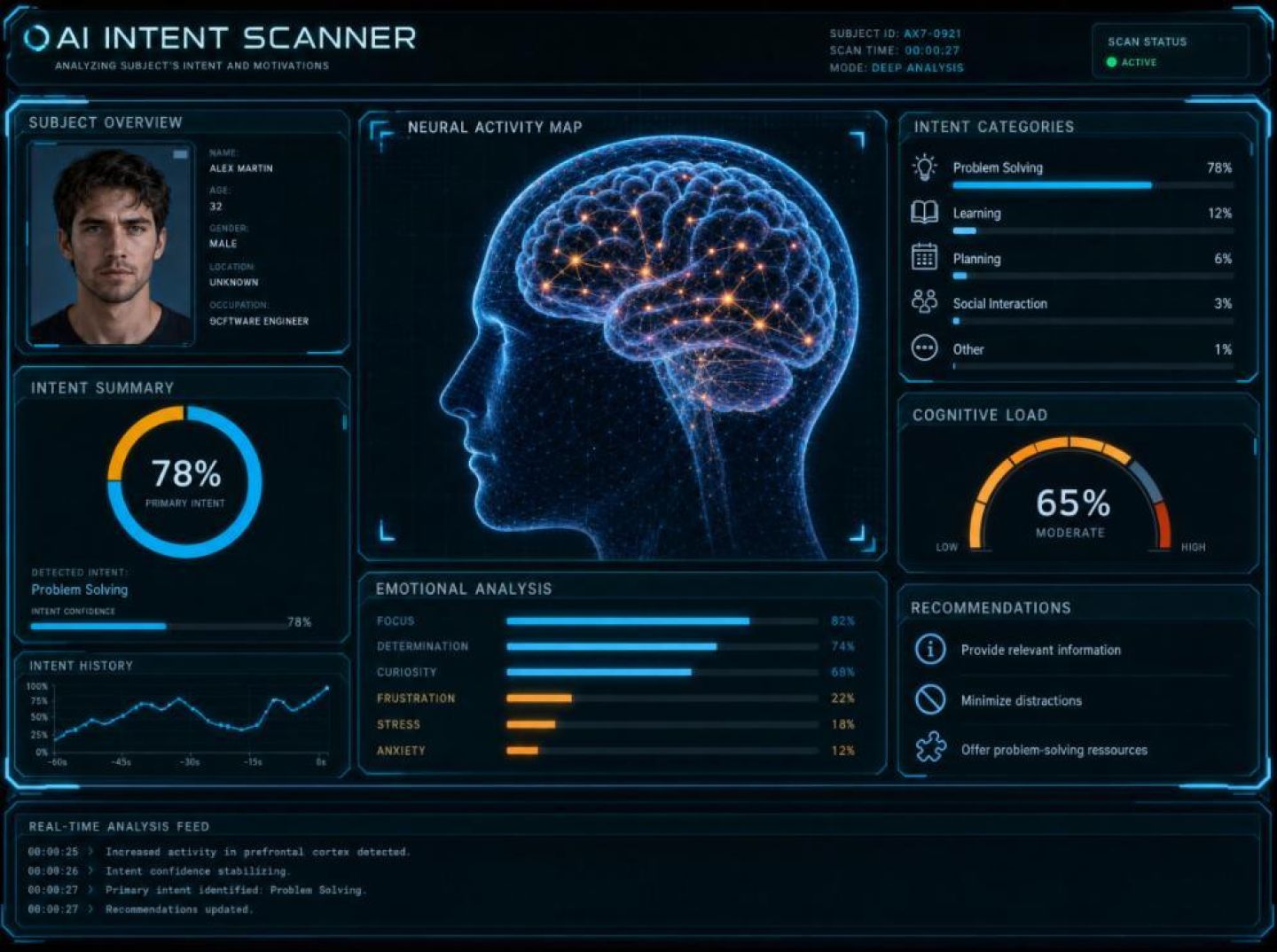
Anstrex isn’t “just” a competitive intelligence tool anymore. Used correctly, it becomes your AI intent scanner—your way to reverse-engineer the probabilistic map of queries, angles, and funnels that large language models are implicitly reinforcing at scale.
Remember how query fan-out works: one natural-language question explodes into dozens of background searches, and AI assistants then merge the overlapping winners into a single answer. As the team at Ahrefs explains in their breakdown of retrieval‑augmented generation, the final answer is built from the pages that keep surfacing across multiple sub‑queries, not the one page that happens to rank #1 for a single phrasing. That same pattern is now playing out in paid channels: Gemini, Meta’s Advantage+ systems, and TikTok’s AI optimizers are all running their own internal “fan-outs” on user behavior to decide which ad, which angle, and which landing page gets a shot at the click.
You’ll never see those hidden sub-queries directly. But you can see the footprints they leave in the market—by watching which creative, hooks, and funnels get disproportionate scale across networks, verticals, and geos. That is what makes Anstrex so powerful for performance marketers. Its ad spy features let you scan thousands of live campaigns and filter by duration, frequency, country, device, and traffic source. When you treat those filters as “intent lenses” instead of vanity filters, you’re effectively building a probabilistic map of the user intent graph that AI systems are amplifying.
Start with broad, AI-relevant contexts. For example, queries that AIs like ChatGPT tend to rewrite with modifiers such as “best,” “reviews,” “2026,” or even “reddit,” according to an analysis of five million fanouts on Neil Patel’s blog. In Anstrex, that means looking for ad creatives and landers that lean into those same modifiers in their copy and pre‑sell pages—”best B2B email tool,” “honest reviews,” “found on Reddit,” “updated for 2026,” and so on. When you see the same motifs repeatedly winning across advertisers and placements, you’re not just spotting trends; you’re glimpsing the sub‑queries the AI is favoring and the psychological frames buyers are being conditioned to expect.
Then, layer on funnel depth. Enterprise marketers who are already treating AI search referrals as “late‑funnel, high‑intent” users are seeing better performance, as a recent survey of 300 executives documented in Search Engine Journal’s enterprise AI search report makes clear. You can mirror that logic in Anstrex by separating creatives that clearly target early education (problem‑aware explainer angles) from those that assume heavy pre‑framing (comparison grids, ROI calculators, migration offers). When you map which funnels sustain spend over long time windows, you’re effectively charting how AI‑shaped discovery journeys compress or elongate the path to purchase.
Over time, your Anstrex workflow should look less like “find cool ads to copy” and more like “train a mental model of the current AI‑conditioned buyer.” For instance:
Taken together, these clusters become your working graph of how intent is encoded and recombined across the funnel. You won’t know the exact background searches any given AI is running, but you don’t need to. Your goal is a probabilistic map: a living, continuously updated picture of which problem framings, benefit stacks, and decision criteria are being over‑represented in the feeds and AI answers your buyers actually see.
Once you have that, Anstrex stops being a way to chase what competitors did yesterday. It becomes a forward-looking sensor for where AI‑mediated intent is drifting next—so you can align your own angles, creatives, and funnels with the patterns the machines are already nudging your prospects toward.
Receive top converting landing pages in your inbox every week from us.
Must Read
Learn how to build a responsible competitive ad intelligence workflow for an advertising landscape increasingly shaped by AI-generated creatives, disclosure labels, and digital watermarks. Discover how to analyze competitors’ AI usage, identify creative patterns, and develop ethical guardrails that support transparent, compliant, and differentiated campaigns.
Dan Smith
7 minOct 23, 2026
Most Read
Discover how performance marketers can build cross-channel verification journeys that turn skeptical prospects into confident buyers across TikTok, native, push, and pop advertising. Learn how to coordinate creative messaging, reinforce trust at every touchpoint, and measure the hidden influence of fragmented customer journeys using competitive ad intelligence.
Elena Morales
7 minOct 20, 2026
Recently Updated
Discover how creepy out-of-home advertising, TikTok micro-stories, and AI-powered creative tools can turn isolated ads into high-performing serialized campaigns. Learn how to map competitor ad sequences with Anstrex, build story-driven funnels, measure performance across multiple touchpoints, and optimize creative for stronger conversions and ROI.
Samantha Reed
7 minOct 18, 2026