9 minOctober 10, 2026

Our spy tools monitor millions of native ads from over 60+ countries and thousands of publishers.
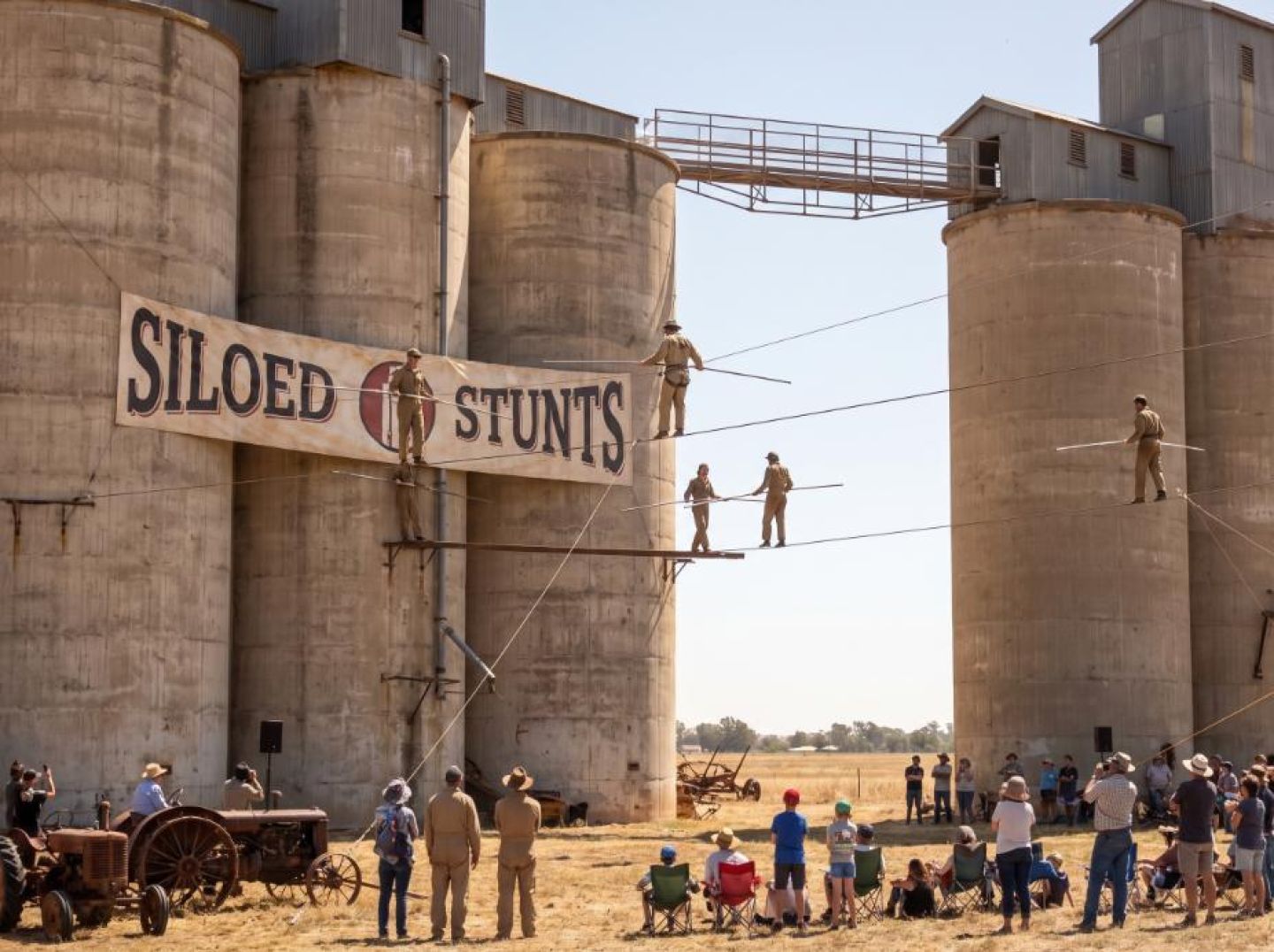
Get StartedPure Leaf tells you to literally “Take a Break from Fake” by filing for a paid-leave grant. Heinz dares you to pull off a “World Menu Heist” and smuggle their ketchup into restaurants that don’t serve it. Social feeds light up. Trade press calls them “breakthrough.” The case study deck proudly flashes 120 million impressions and a “brand love” quote from a random tweet.
And then?
Then…nothing. The industry closes the book at the view count and moves on to the next shiny stunt.
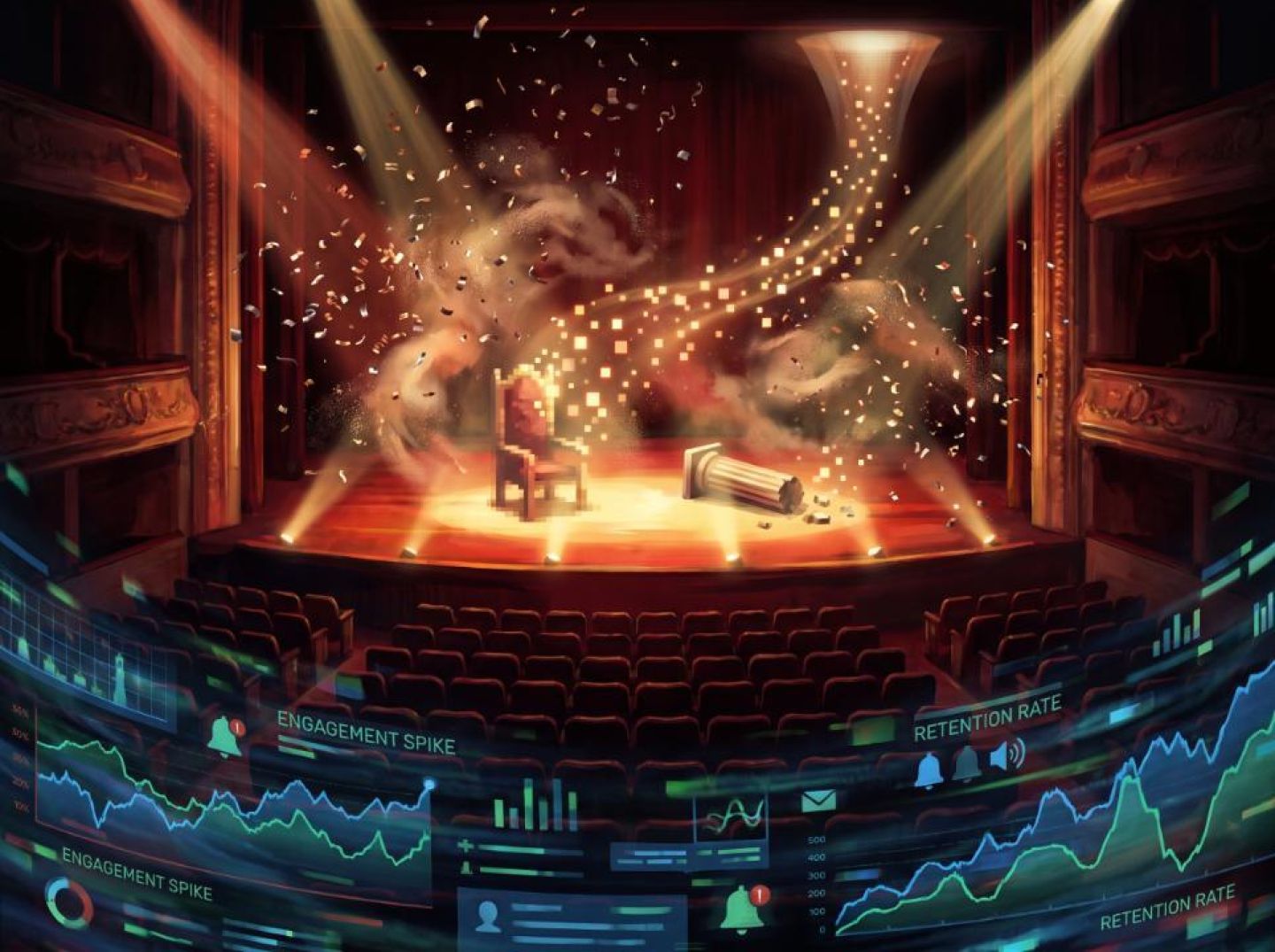
This is the quiet scandal of modern brand marketing: we treat these big, culture-chasing moments as if they are the campaign, instead of the top of a much larger, mostly invisible revenue engine.
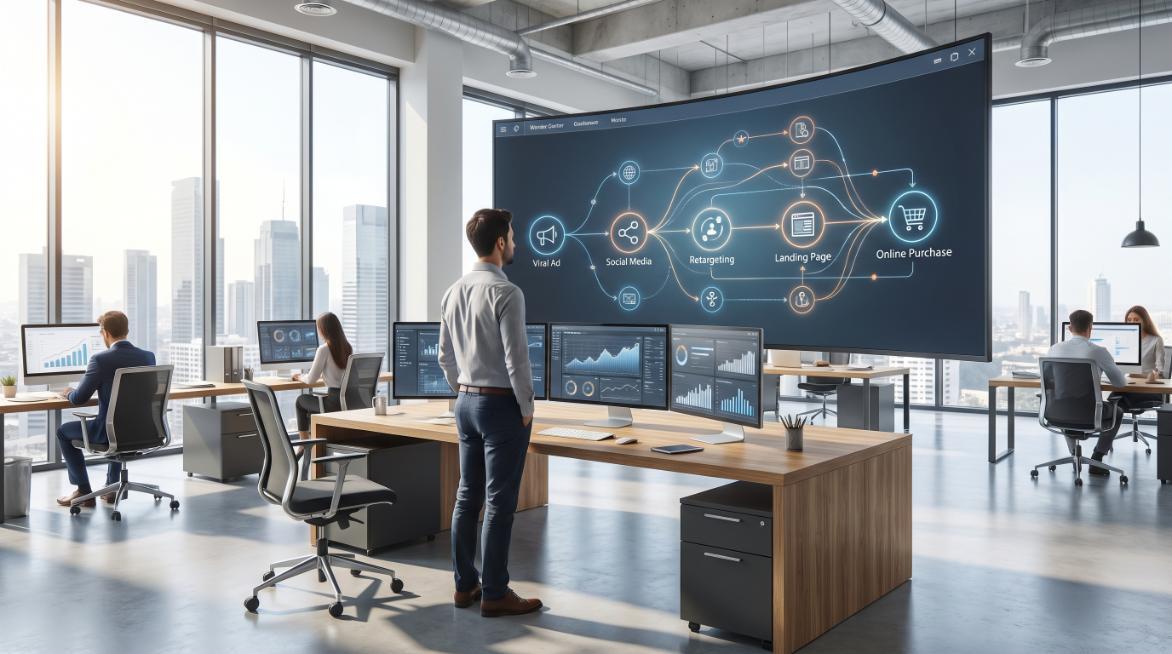
In real life, nobody sees a stunt once and sprints straight to checkout. People do what Search Engine Journal describes every day: they discover a product in one place, validate it somewhere else, and only act when the timing and offer finally click. They might first see Pure Leaf in a stunt recap on TikTok, later search “Pure Leaf tea caffeine,” then eventually add it to a grocery cart weeks down the line. That whole chain started with the “famous” moment. The stunt was just the first touch in a hidden funnel.
The problem is that most brands don’t build the rest of that funnel.
They’ll pour millions into a tentpole activation, then hand measurement over to a generic brand-lift study and a dashboard of impressions, views, and social Anstrex.com/blog/bayashis-tiktok-ad-stuns-the-world-heres-why" target="_blank" rel="noreferrer noopener">engagement. Meanwhile, the actual business impact is playing out in places they rarely look: branded search lift, new site visitors, retargeting pools, and the mid-funnel clicks that signal real intent.
As multi-channel research shows, upper-funnel channels are fantastic at creating demand, but terrible at being judged like a bottom-funnel workhorse. When your “World Menu Heist” is evaluated on immediate cost per acquisition, of course it will look weak next to branded search. So leadership cuts this year’s stunt budget—then quietly wonders six months later why branded demand has stalled.
It doesn’t have to work that way.
When you treat a stunt as the top of a designed journey, the creative fireworks become a performance asset. The same people who watched, shared, and joked about the campaign can be retargeted with mid-funnel and bottom-funnel creative that actually pushes them toward purchase. Clicks in those remarketing sequences become, as the Brax team puts it, “headlights in the dark” for mid- and lower-funnel customers—evidence that your buzz is converting into serious consideration and, eventually, revenue.
You can see the early shape of this thinking in brands that are already collapsing the traditional funnel. A recent Sulwhasoo campaign, covered by AdExchanger, launched as an “upper-funnel play” on CTV but baked in shoppable elements and coordinated retargeting across mobile and desktop. It was still about storytelling and awareness—but engineered so that those impressions flowed into measurable site interactions and incremental conversions.
That’s the shift this article is about.
If you’re going to bet big on brand—whether that’s a one-day PR spectacle or a global “heist”—you can’t afford to let the story end at impressions. The smart play is to design the hidden funnel underneath: the retargeting logic, landing experiences, and cross-channel measurement that quietly transform fleeting buzz into scalable ROAS.
The stunt is the spark. The funnel is the fire. This is how you build it.
“Great” stunts fail for a simple reason: they’re built to win culture, not customers.
Most brand-led activations are conceived and judged inside a silo. Creative teams are tasked with “breakthrough,” not “break-even.” Success gets defined as a Cannes case study reel: earned media, social chatter, some vague uplift in “brand love.” The KPIs are almost entirely upper-funnel, and the brief rarely includes a hard requirement to move product, leads, or revenue in any measurable way.
This isn’t just a creative problem; it’s a structural one. The organization itself is split into brand and performance camps, each with different incentives, tech stacks, and success metrics. Brand owns the stunts; performance owns the dashboards. Brand is optimizing for impressions, PR mentions, and qualitative sentiment. Performance is optimizing for cost per acquisition, return on ad spend, and conversion rate. No one is actually accountable for what happens between “we went viral” and “we hit the sales target.”
When a stunt is quarantined as “pure brand,” leadership unconsciously exempts it from scrutiny. Nobody asks, “What did it do to search demand? To foot traffic? To our remarketing pools?” As one analysis of cross-channel strategy pointed out, when upper-funnel campaigns aren’t given clear expectations and linked to downstream signals like branded search lift, direct traffic, and assisted conversions, they’re the first thing cut when budgets tighten, and a few months later everyone wonders why demand has stalled, as one practitioner noted. That same logic applies to stunts: if they’re not wired into the rest of the funnel, they become easy line items to slash and impossible to defend.
Meanwhile, the media reality has moved on. The idea that brand work “lives” up top and performance “lives” at the bottom is increasingly indefensible. Streaming platforms like Tubi are already proving that so-called upper-funnel channels can deliver full-funnel impact when they’re measured properly. In campaigns where ad placements are aligned to contextual “moments” and backed by interoperable attribution—tying exposure to foot traffic, sales, and loyalty—retailers have seen incremental sales lift and auto brands have seen double-digit lifts in sales outcomes, as one recent case study on streaming ads effectiveness found. The channel isn’t the limitation; the measurement mindset is.
Siloed stunts ignore that new reality. They run on channels that could be measured end-to-end, but nobody bothers to plug them into the attribution stack or performance reporting. Instead, the team retrofits a narrative around vanity stats after the fact. That’s how you end up with decks celebrating 120 million impressions while paid search is quietly starving for incremental demand and sales is complaining that lead quality is flat.
It gets worse when you look at budget allocation. Many brands have already inverted the classic 60/40 brand-to-performance mix and are running closer to 80/20 in favor of performance, according to marketers arguing for a rebalancing of spend in their discussion of why performance-first brands hit a ceiling. When the lion’s share of budget is under ruthless ROI scrutiny, stunts become one of the only “safe” places to hide unaccountable spend. The irony is brutal: the very campaigns positioned as brand builders rarely get held to the standard that true brand-building deserves—measurable impact on future demand.
Performance teams aren’t blameless either. Because their dashboards are tuned to last-click or lower-funnel metrics, they often can’t even see when a big splashy stunt nudges the numbers. Sophisticated multi-touch models routinely reveal that search and other lower-funnel channels harvest demand that was actually created upstream, as analysts focused on multi-touch attribution and budget reallocation have highlighted in their discussion of how search closes, while social and other channels open, the deal. But if you never connect the dots, every stunt looks like a cost center and every conversion looks like a win for whatever channel happened to touch the user last.
The result: “great ads” that don’t pay the bills. Not because they lacked creativity or reach, but because they were never designed—or instrumented—to participate in a funnel. They’re spectacular, self-contained moments floating above an ecosystem that runs on incremental lifts, compounding audiences, and accountable revenue. Until stunts stop living in that silo, they’ll keep winning awards and losing money.
The only way a stunt pays off is if you stop treating it like fireworks and start treating it like infrastructure.
A stunt is not the campaign. It’s a top-of-funnel asset that should feed an entire performance system for weeks or months.
Most teams instinctively do the opposite. They pour months of thinking into a hero idea, launch it, ride a week of PR, then go straight back to bidding on the same tired brand terms and remarketing lists. The stunt “worked” in culture, but the business never got a chance to capture that demand.
Reframing starts with one mental shift: your stunt is not a moment; it’s a demand-generation layer.
Top-of-funnel work exists to do one thing performance media can’t: create new, future buyers. As OOH Today explains through the 60/40 rule, brands that consistently invest in broad-reach, fame-building activity grow because they keep their “share of voice” above their “share of market.” When that balance flips, growth stalls and performance metrics suddenly get expensive.
Your stunt, by definition, is one of the few moments each year when you genuinely expand share of voice. Treat it accordingly:
Once you see the stunt as a reach engine rather than a self-contained “idea,” it becomes obvious that you need a downstream plan before it ever launches.
Even low-budget “guerrilla” ideas can be engineered as persistent TOFU assets. The same way a startup might use a street performance or flash mob to generate ongoing user-generated content and social chatter, as described in this Brax breakdown of low-cost stunts, brand teams can build their big bet to supply the rest of the funnel with raw material.
Three design principles help:
3. Pre-wire measurement like a performance campaign. Treat the stunt as a media input you intend to trace down the funnel. Streaming platforms show how this can work: when Tubi positions itself as a “full-funnel” partner, it doesn’t rely on vanity metrics; it aligns exposure with foot traffic, sales and loyalty through an interoperable measurement stack that links impressions to outcomes, as described in this Marketing Dive analysis of Tubi’s closed-loop model. Your stunt won’t have that level of sophistication on day one, but the principle is the same: plan how you’ll connect awareness to behavior before you go live.
When you reframe stunts as TOFU infrastructure, the creative brief changes:
This is the hidden funnel: the machinery that turns a splashy idea into a durable source of efficient conversions. In the next section, we’ll get concrete about how to wire that machinery—so the next time you engineer a “World Menu Heist,” it doesn’t end when the headlines do.
If you want a stunt to behave like a performance channel, you have to stop admiring the fireworks and start reverse‑engineering the funnel they actually set in motion.
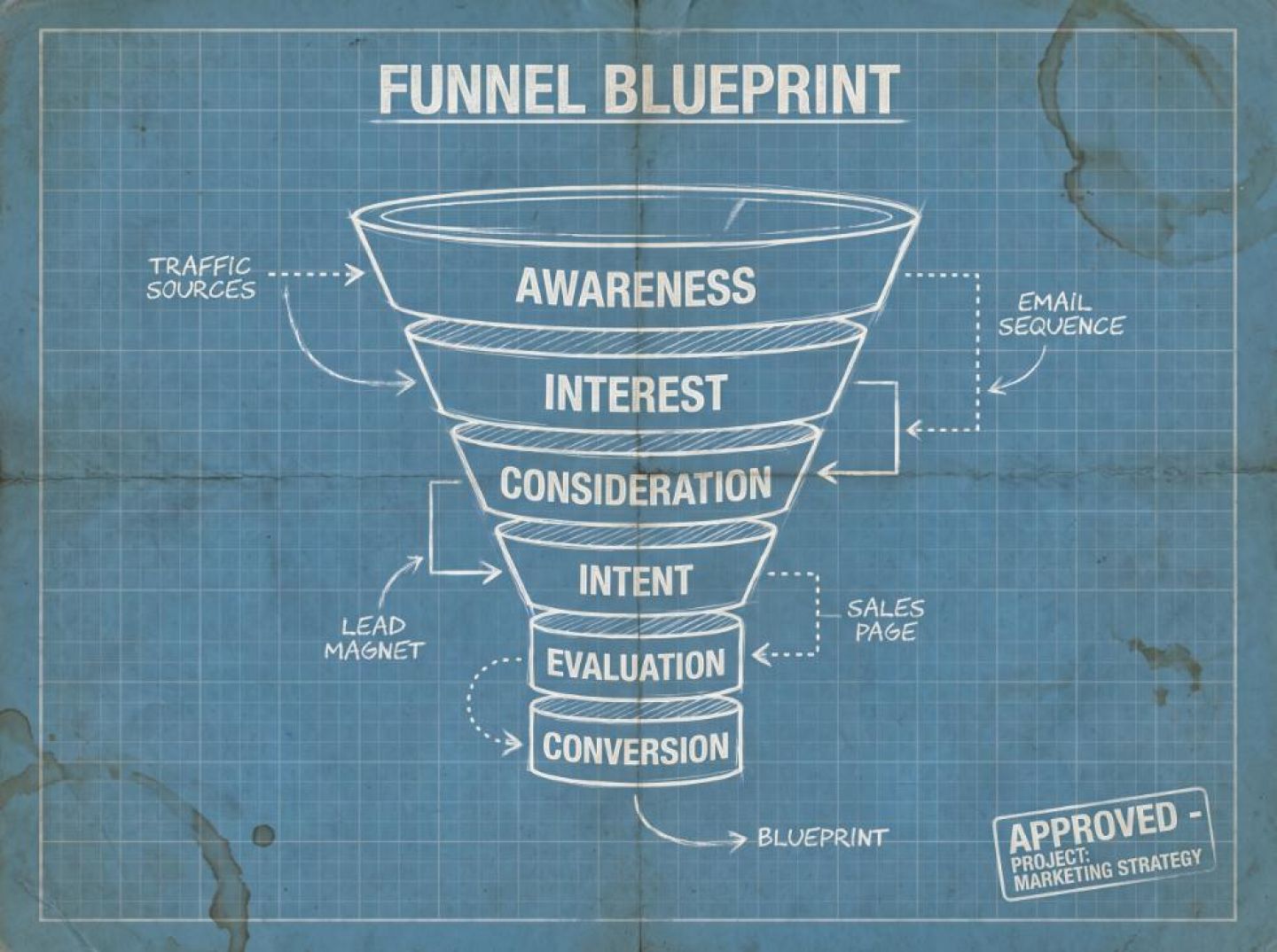
Every big activation leaves behind a trail of micro‑behaviors: people watch, search, scroll, screenshot, share, click, visit, compare, and eventually buy. “The hidden funnel” is simply the discipline of mapping that trail — from first exposure to measurable revenue — and then building media, creative, and measurement around it so you can scale the parts that work.
The first step is assigning roles, not channels. As one analysis of cross‑channel orchestration puts it, some touchpoints are built to create demand, some to nurture it, and some to capture it. Your stunt is squarely in the “create demand” bucket, but it doesn’t live there alone. You should be asking: once someone has seen or heard about this activation, what are the very next places they’re likely to go — physically and digitally — and what do we want each of those environments to do?
Start at the top: exposure and discovery. A stunt in a high‑traffic urban area or on a mobile OOH canvas behaves a lot like the LED truck campaigns described in a piece on rebalancing brand vs. performance investment. It gives you mass, real‑world reach and social “spectacle value” at the same time. That’s your reach engine. So the first job of your blueprint is to quantify that: impressions (onsite and via content capture), social reach around stunt‑related assets, and awareness proxies like branded search lift and direct traffic trends — exactly the kind of signals multi‑channel strategists recommend for upper‑funnel evaluation.
Then, anticipate intent. The moment someone snaps a photo or hears about the activation from a friend, they’re primed to look you up. This is where you map — and instrument — the “search and scroll” layer. According to a recent breakdown of campaign optimization by funnel stage, click‑through rate on search and engagement rate on social are the critical early signals of relevance. Your hidden funnel plan should assume a spike in:
Each of those becomes a node in the blueprint, with a defined job: capture the interest the stunt sparked, qualify it, and push people one step deeper.
From there, you design the middle of the funnel to turn curiosity into consideration. That might mean a CTV spot built from stunt footage driving to a shoppable experience, similar to how a K‑beauty brand used a CTV‑first activation with shoppable elements baked in so upper‑funnel impressions also moved cost per acquisition. Or it might be retargeted social and display that recognizes visitors who engaged with stunt‑related content and serves them education, social proof, or offers.
Crucially, every middle‑funnel touchpoint in your map should be tagged with both its behavioral trigger (what did the person just do?) and its performance expectation (what do we need them to do next?). That mirrors the way streaming players like Tubi act as “measurement orchestrators,” aligning media, goals, and third‑party partners into a closed loop that connects exposure to outcomes. Your stunt blueprint should aspire to the same: not just a list of placements, but a coherent, measured journey.
Finally, you define the conversion and revenue layer. Here your map gets specific about:
As one performance consultancy argues in a guide to reinvesting for higher ROI, multi‑touch attribution often reveals that “upper‑funnel” sources generate the awareness and interest that lower‑funnel channels close. Your hidden funnel map should be built to expose that relationship: the stunt drives branded search and retargetable audiences; those audiences drive cheaper conversions and higher incremental ROAS in your core performance campaigns.
Once this blueprint exists, your activation stops being a one‑week spectacle and becomes a structured acquisition engine. You’re no longer asking, “Did we get buzz?” You’re asking, “Where did stunt‑exposed audiences go, which sequences turned them into customers, and how do we pour more media into those exact paths?”
If you want a sobering reality check on how brand‑led ideas actually get monetized, spend an afternoon inside Anstrex.
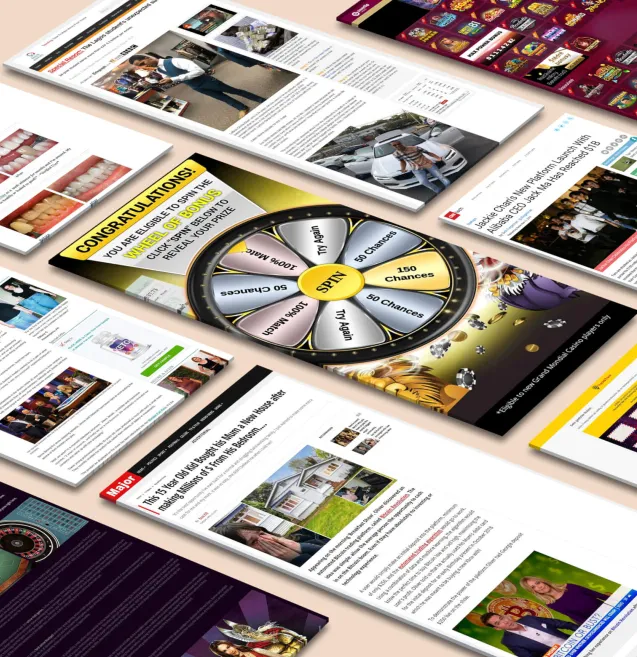
Behind every “pure brand” activation you admire on LinkedIn, you’ll find a mess of very real, very pragmatic funnels: pre‑landers, listicle pages, quiz flows, retargeting paths, and ugly-but-effective checkout sequences that look nothing like the glossy stunt that kicked everything off.
Anstrex’s creative spy tools make this visible at scale. You plug in a brand or an offer, and suddenly the façade disappears. That clever experiential pop‑up you saw on Instagram? In Anstrex, it resolves into a cluster of display and native ads driving to a long‑form comparison page, then to a stripped‑down checkout or retailer PDP. That emotional CTV hero film? Under the hood, you see it feeding dozens of variations of shoppable video units, remarketing banners, and syndicated landing pages tuned for very specific audience segments.
This is the hidden pattern: the bigger the “brand” idea, the more industrial the direct‑response machinery sitting behind it.
You can see the same full‑funnel logic at work in channels that are supposed to be “just awareness.” Streaming platforms like Tubi have been busy proving that high‑impact video can behave like a performance channel when the measurement and funnel assets are in place. As one streaming case study shows, formats such as contextual “moment” placements and carousels don’t just boost reach — they’ve driven measurable lifts in incremental sales and even big‑ticket outcomes like auto purchases, because those upper‑funnel impressions are orchestrated into a closed loop with site visits, retargeting and sales attribution baked in from day one, as Marketing Dive’s coverage of Tubi’s approach makes clear.
Spy tools like Anstrex simply let you see that same discipline playing out in display and native. When a brand runs a splashy OOH or experiential stunt, performance teams almost never stop there. They immediately:
If you compare that to how most marketers treat their own stunts — one hero film, one generic homepage, a hope and a prayer — you start to see the gap.
The attribution side tells the same story. Performance shops that know how to squeeze ROI from brand traffic don’t guess; they build measurement infrastructure that can follow a user from the first impression all the way through to revenue. As one breakdown of multi‑touch attribution explains, when you actually connect top‑funnel exposures to downstream conversions, you almost always see a pattern: “brand” channels drive early engagement while search and other “performance” levers close the deal, which is what enables precise budget reallocation across the journey, as the.
That’s exactly what Anstrex exposes at the creative layer. You witness brands doing the unglamorous work of turning a spark of attention into a controlled testing environment: dozens of ad/landing page combinations, clearly differentiated roles for each step, and obvious signals that someone is watching the numbers closely enough to cut losers and scale winners.
And crucially, it’s not just “DR brands” behaving this way. When a prestige beauty label runs an upper‑funnel CTV campaign with interactive elements and store‑level measurement, it’s collapsing the old awareness/response divide on purpose — designing big, cinematic ideas that still carry shoppable units, pixels, and retailer integrations that make conversions traceable, as recent coverage of Sulwhasoo’s U.S. expansion strategy on AdExchanger illustrates.
Anstrex is simply your x‑ray machine for this new reality. It proves that the brands winning the performance game aren’t the ones with the loudest stunts; they’re the ones quietly surrounding those stunts with real funnels and landing pages designed to do one job: turn that fleeting burst of attention into a durable, optimizable system of revenue.
When you zoom in on the “hidden funnel,” the stunt itself is just the inciting incident. The real work is translating that burst of attention into channel‑specific journeys that feel native, not forced. That means taking the same core idea and letting it express differently in native ads, push, pops, and TikTok — each with a clear role in the funnel and a measurement plan that respects that role.
Think of your channels the way cross‑channel strategists at places like Google or Meta do: some are meant to create demand, some to shape and de‑risk it, and some to capture it. As one breakdown of channel orchestration argues, your first move is defining what each channel should contribute — awareness, proof, or conversion — and then measuring it against that role rather than asking which one “won” the conversion in isolation, a trap that often distorts multi‑channel performance.
Native is where you turn spectacle into story and story into structured problem‑solution.
If your stunt created a conversation — people Googling “what was that pink blimp?” or “brand X subway takeover” — your native placements should show up as the helpful explainer that meets that curiosity. Instead of recycling the hero video, build article‑style landers and listicles that:
On the media side, you treat native as mid‑funnel glue: it catches all that fuzzy interest the stunt created and organizes it into narratives that can be retargeted via paid social, search, and email. This is exactly the stage where, as one cross‑channel framework notes, messaging should shift from simple problem awareness into proof, differentiation, and objection handling rather than repeating your intro pitch over and over, or you risk losing the people your stunt just warmed up in the first place, a dynamic mid‑funnel experts keep warning about.
Push and pop traffic (whether from affiliates, ad networks, or owned apps) are your “don’t let the buzz go cold” channels. Their job isn’t to re‑explain the stunt; it’s to cash in on the micro‑commitments it already created.
For push, timing and segmentation matter more than clever copy. Trigger sequences off behaviors the activation sparked: branded search visits, product page views, tool downloads, or store locates that happened within 3–7 days of the stunt going live. You’re not asking, “Remember our cool billboard?” You’re saying, “You were looking at [this exact product or outcome] — here’s what to do next.”
Pops are even more ruthlessly transactional. They should land on pre‑qualified intent, not cold prospects. Route stunt‑influenced audiences into controlled environments (quiz funnels, “pick your problem” flows, one‑time offers) where pops nudge them into finishing what they started: adding to cart, joining a list, booking a visit. This is where attribution discipline pays off. When you’re reallocating money from blunt awareness into these sharper lower‑funnel plays, you want an infrastructure that makes it obvious which pushes and pops are actually closing incremental revenue so you can double down instead of guessing — the kind of closed‑loop reallocation engine performance shops describe when they talk about building multi‑touch dashboards and moving budget to the highest‑ROI paths.
TikTok is not the place to dump your stunt sizzle reel. It’s the place to atomize the idea into hundreds of native‑feeling angles that keep the conversation — and your funnel — alive long after the physical activation ends.
Treat TikTok as both upper and mid‑funnel:
Your call‑to‑action strategy should reflect this dual role. Front‑line TikToks focus on watch time, follows, and saves — the awareness signals that correlate with later performance in other channels. Retargeting TikToks earn their keep by driving clicks into your native content and pre‑landers, where your more aggressive conversion mechanics live.
Underneath all of this, the hidden funnel is the same: a stunt generates attention; native organizes it; push and pops monetize it; TikTok compounds and redistributes it. The brands that win aren’t the ones with the loudest activation, but the ones whose channel‑by‑channel choreography quietly turns that spectacle into a measurable, repeatable revenue machine.
Receive top converting landing pages in your inbox every week from us.
Must Read
Discover how native advertisers can transform everyday moments into memorable, high-performing campaigns through eventization. Learn to use scarcity, time-sensitive offers, contextual targeting, and always-on micro-events to engage audiences, improve campaign relevance, and uncover winning competitor strategies with Anstrex.
Priya Kapoor
7 minOct 11, 2026
Featured
Discover how to turn brand-led stunts and viral marketing campaigns into high-ROI performance campaigns. Learn how to build hidden funnels with retargeting, landing pages, native ads, push ads, pop ads, and TikTok campaigns that transform brand awareness into measurable conversions and revenue.
Samantha Reed
7 minOct 10, 2026
Guide
Discover why celebrity endorsements and global intellectual property don’t automatically translate into advertising success. This guide uses ad spy intelligence to explore how audience relevance, placement context, creative testing, and post-click performance help advertisers build high-ROI campaigns without expensive celebrity partnerships.
Elena Morales
7 minOct 9, 2026