10 minOctober 11, 2026

Our spy tools monitor millions of native ads from over 60+ countries and thousands of publishers.
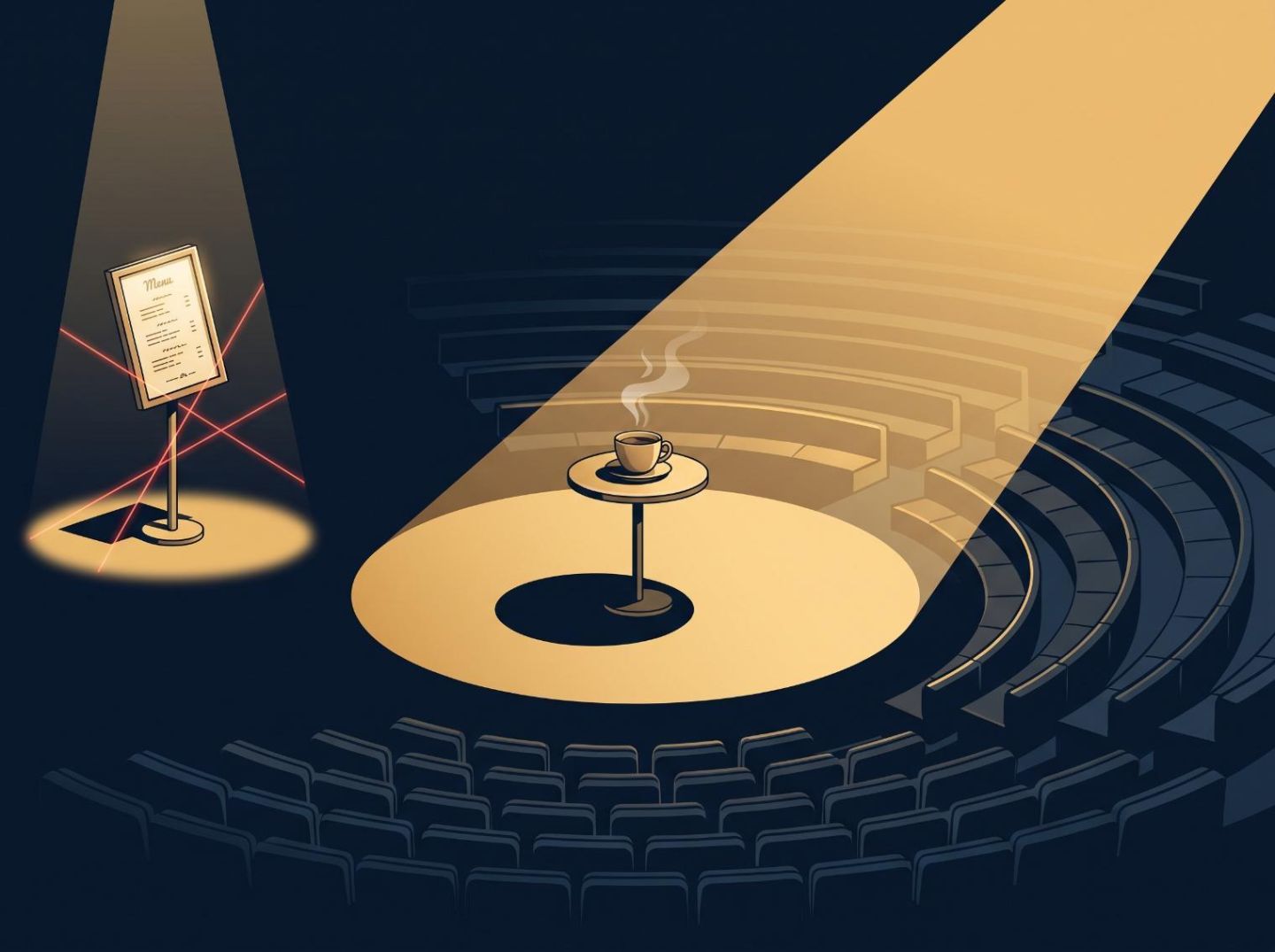
Get StartedTurn a coffee break into a “conference.” Turn a menu launch into a “heist.” That’s the quiet superpower of modern brands: they don’t wait for big cultural tentpoles anymore—they manufacture their own, out of everyday consumption.
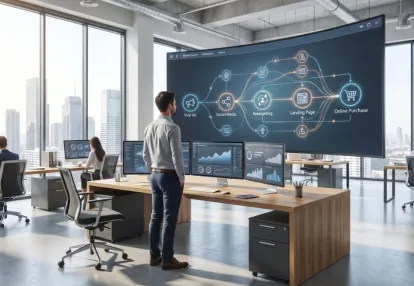
When Papa John’s and Carat talk about winning attention by meeting people “in culture, not just pushing messages at them,” they’re really talking about eventization at scale—turning a routine pizza order into a shared cultural moment. In an environment where the consumer journey looks less like a funnel and more like a “bowl of spaghetti,” these invented moments give marketers something far more valuable than reach: a reason for people to care, remember, and share.
Big brands have figured out that the product is rarely the story. As the restaurant world showed at the NRA Show, the real innovation wasn’t on the menu board; it was in how operators turned small interactions into memorable experiences that competitors couldn’t easily copy. The most talked‑about concepts weren’t just launching new dishes; they were using every touchpoint—loyalty, personalization, community—to create experiences surrounding the product that felt like events in their own right. A “new flavor” is imitably fast; a “launch night” that feels like a mission, a challenge, or a social ritual is not.
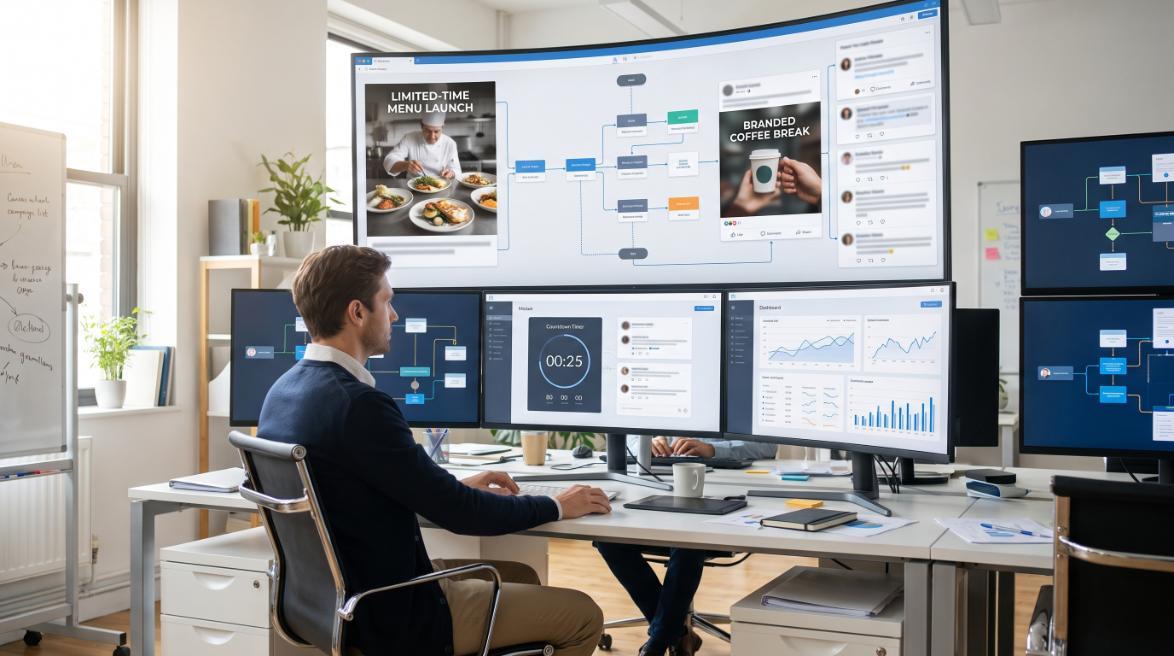
This is where native and Anstrex.com/blog/what-billboard-campaigns-from-ally-primark-and-purito-can-teach-performance-marketers-about-native-ad-creative" target="_blank" rel="noreferrer noopener">performance marketers should be leaning in hardest. A “break conference” is just a coffee break that’s been rebranded as an occasion—with an agenda, a name, a hashtag, maybe even a tongue‑in‑cheek “keynote” from a creator who joins your Zoom‑adjacent ad unit. A “menu heist” is just trying the new LTO—but framed as a limited‑time operation, with a countdown, a map to participating locations, and a social proof mechanic that rewards people for “getting in” before it’s gone. These aren’t one‑off stunts; they’re programmable, repeatable formats you can wire directly into ad platforms.
Eventizing everyday consumption also closes the gap between where intent lives and where your brand shows up. In travel marketing, for example, creators wandering through Lisbon or Tokyo have already earned the audience’s attention; the smartest brands don’t try to out‑produce them. They build alongside them, using contextual tools to place messages and offers inside those exact viewing moments, borrowing the credibility those creators have already earned. That’s eventization at the feed level: the “event” isn’t a conference hall, it’s the moment the viewer is dreaming, planning, or craving—and you turn that moment into a mini experience instead of a generic pre‑roll.
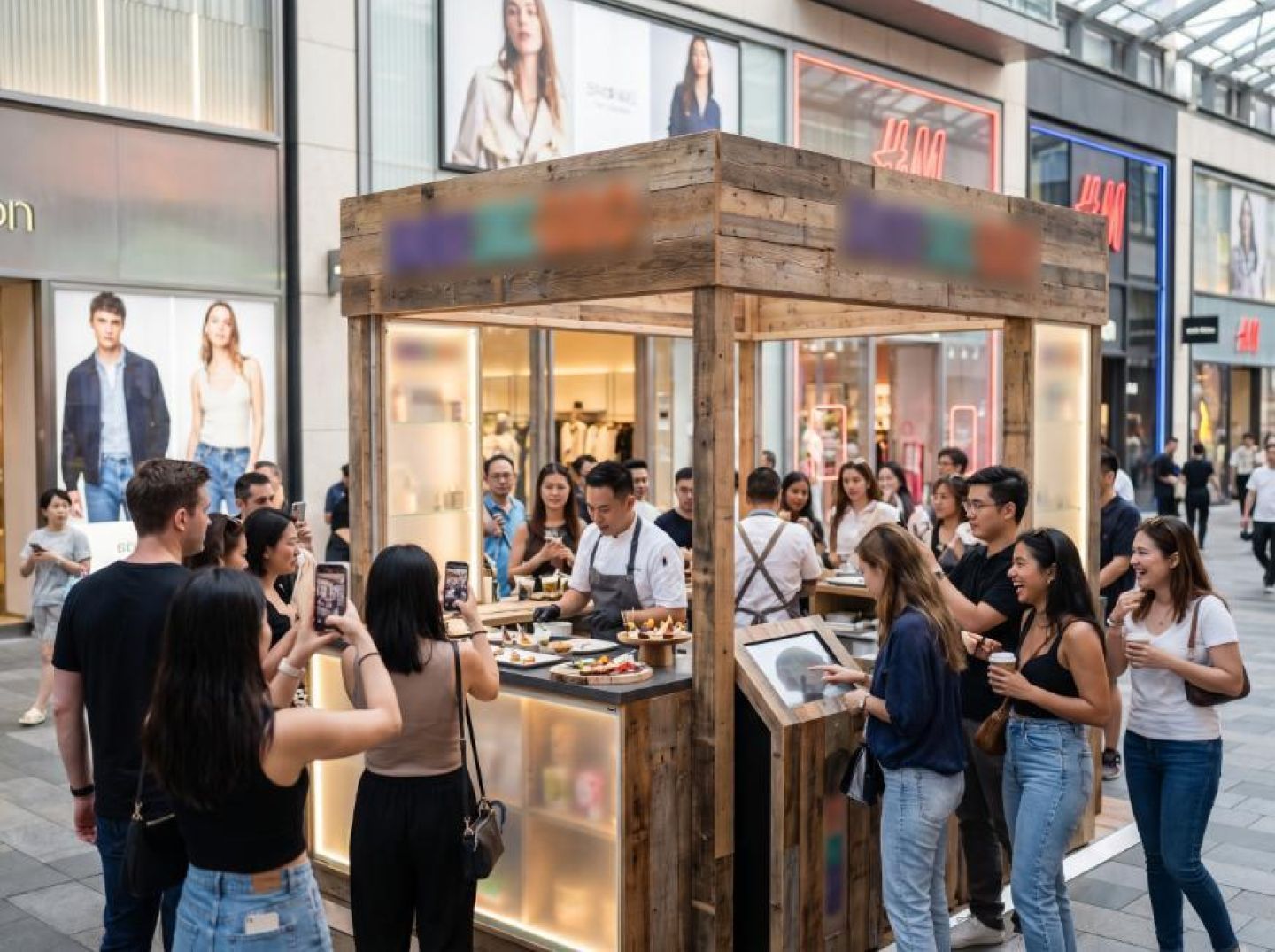
Out‑of‑home has been quietly proving this logic in the physical world. Advertisers are flocking to mobile billboards precisely because they can orbit conventions, festivals, and stadiums, stitching themselves into the movement of crowds rather than shouting from a static board. The most effective of those campaigns don’t just rack up impressions; they deliberately design creative that invites photos, jokes, and social posts, creating in‑person impressions that spill into online amplification. The “event” becomes a content engine.
The opportunity for native advertisers is to treat every micro‑occasion—afternoon slump, rage‑quit gaming session, late‑night snack run—as a programmable event with its own rituals, language, and creative system. Gaming marketers, for instance, can read real‑time signals like a player losing four matches in a row and infer that they “may need something right in that moment,” using play as a language to deliver context‑perfect offers or relief content inside the experience itself, as one Cannes Lions panel on mindset marketing argued.
In a fragmented, algorithmic world, reach is cheap and forgettable. What’s scarce is relevance that feels like it belongs to a specific moment in someone’s day. Big brands are no longer just buying into cultural events—they’re minting their own micro‑events from the raw material of everyday life. For native and performance marketers, the real unlock isn’t another targeting hack. It’s learning to design “break conferences” and “menu heists” that platforms can distribute like ads, but audiences experience like culture.
Eventization matters because attention is no longer a big, continuous stream you can cheaply rent; it’s a million tiny, overlapping moments you have to earn.
In the old model, you bought the “busiest corner” or the biggest TV audience and assumed sheer volume would do the work. But as one analysis of smarter DOOH planning points out, “busy isn’t the same as relevant”—the best sites aren’t the ones with the most traffic, they’re the ones with your audience in it, at the right moment of intent, and in the right mindset to act, as Marketing Dive’s coverage of DOOH audience strategy makes clear. In other words: attention is contextual, not generic.
Eventization leans directly into that reality. When you turn a coffee break into a “conference” or a menu launch into a “heist,” you aren’t just pushing a product—you’re staging a moment people can enter, share, remember, and revisit. You’re manufacturing context.
That’s why eventized campaigns consistently outperform plain product pushes on key metrics. When JOLT wrapped EV charging stations in Lemonade’s hot pink, offered free charging, and synchronized the physical takeover with app messaging, the DOOH network became the centerpiece of a connected brand experience, not just background media. Globally, campaigns tapping this kind of contextual build-out have driven up to 89% lifts in foot traffic and double‑digit gains in product preference and brand consideration, according to results summarized by Marketing Dive. Those aren’t banner-ad numbers; they’re “this feels like something happening” numbers.
The same pattern shows up in content-led campaigns. Uber Eats’ World Cup platform, framed around the line “Who can cook at a time like this?”, didn’t harp on delivery features. It tapped into a universal, time‑bound tension: everyone wants to watch the match, no one wants to cook. By recognizing that fans were juggling work, family, and social viewing and positioning itself as the obvious release valve, Uber Eats joined an existing cultural moment instead of yelling over it. A breakdown from Real FiG Advertising + Marketing notes that the campaign extended far beyond TV into social and digital, with every touchpoint reinforcing the same simple idea: stop cooking, keep watching. The “event” wasn’t just the commercial; it was the shared experience of the tournament, with Uber Eats woven into how people actually lived it.
That integration is the core advantage of eventization in a fragmented attention economy: it creates connected experiences rather than isolated impressions. Instead of a one‑off boost, you get a narrative that can show up wherever people already are—at home, in transit, in apps, at the point of sale—and feel coherent every time. NBCUniversal has shown that when advertisers don’t just appear in big moments but sustain consistent, contextual messaging around them, they see 54% higher mid‑funnel engagement than brands that treat tentpoles as isolated spikes, as their presentation on premium video’s role in marketing mix modeling explains. Eventization is how you build that continuity without relying solely on expensive, legacy tentpoles.
Critically, eventization also shifts the competitive battlefield. Product innovations and clever offers are increasingly easy to copy; the experience architecture around them is not. Restaurant leaders at NRA Show 2026 kept returning to this theme: the real innovation wasn’t on the plate, it was in how brands used new products to create guest experiences, deepen loyalty, and forge memories competitors would struggle to duplicate, as The Loomis Agency’s recap of the show observes. A limited-time flavor can be cloned in weeks; a ritualized “drop,” in‑store theater, or participatory challenge that turns that flavor into an event is much harder to steal.
For native advertisers, the lesson is blunt. In an attention landscape where reach is commoditized and relevance is scarce, plain product pitches are table stakes. Eventization transforms the same media, the same placements, and even the same products into something people feel they’re showing up for—and that’s what gets remembered when everything else is just scrolling past.
Eventization isn’t a vibe; it’s a system. The brands doing it best are quietly running the same three mechanics over and over: make it scarce, make it time‑boxed, and make it feel like a world you step into—not just a message you scroll past.
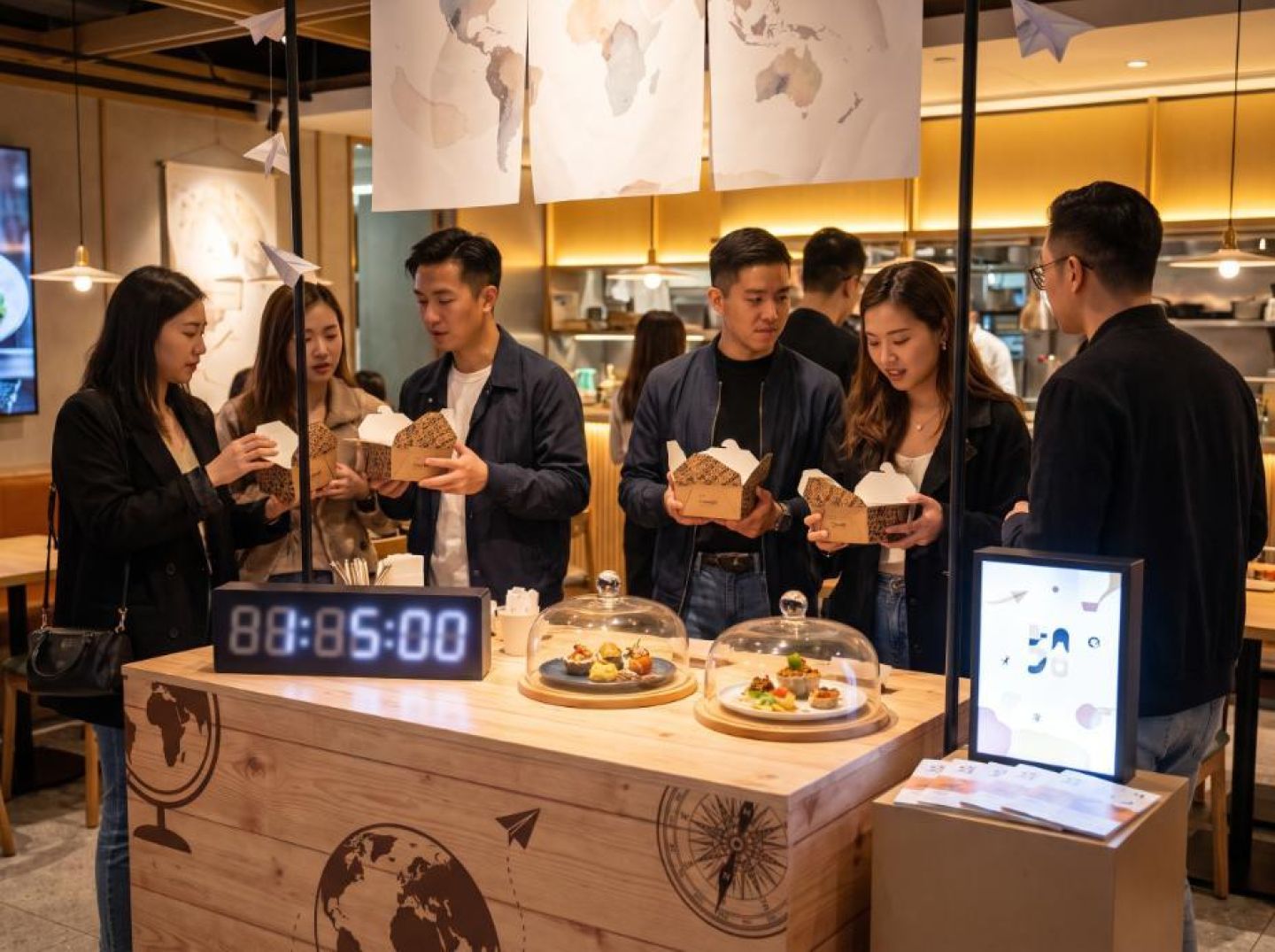
Start with scarcity. McDonald’s new “World Menu Heist” was not just another LTO; it was a deliberate exercise in manufactured rarity. By “stealing” beloved local items from different countries and dropping them into other markets for a short run, the brand turned a routine menu update into a global chase for items fans knew they couldn’t get any other time or place. As the company explained in its investor presentation, that heist framing helped generate millions of views, thousands of comments, and incremental guest counts off the back of its own IP, not a borrowed entertainment property, as Marketing Dive detailed. Limitation was the feature, not the bug: the harder it was to get, the more people felt compelled to talk about it, post it, and “catch it” before it disappeared.
Scarcity alone, though, doesn’t create events—time-boxing does. McDonald’s broader shift away from a rapid-fire run of overlapping campaigns (World Cup, K‑Pop tie-ins, value pushes) toward “fewer but bigger ideas” is really about focusing attention into clear, finite windows. The company is “roughly doubling” investment in longer-running, baseline-building programs and simplifying its calendar so each big idea can own the moment instead of cannibalizing the one before it, according to their new model breakdown. An event only feels like an event if people can tell when it starts, when it ends, and what will be different if they miss it.
Time-boxing is equally core in media. When NBCUniversal talks about premium video as the “foundational” layer of a plan, the real power is in pairing big, scheduled cultural moments with always-on follow‑through. In its analysis of advertiser performance around these tentpoles, NBCU and Gain Theory found that brands who showed up in the big moment and stayed consistent with targeted messaging afterward drove 54% higher mid‑funnel engagement than those who only showed up for the event itself, as their presentation coverage explains. The tentpole is a time-boxed spike; the continuing storyline turns that spike into a sustained, ownable chapter in the brand’s narrative.
The final mechanic—and where native advertisers often have the most room to grow—is themed experience design. Eventized brands aren’t just buying slots around other people’s parties; they’re building self-contained worlds that invite participation. The “World Menu Heist” wasn’t a static menu board—it was a heist film premise with clues, reveals, and fan theories. Similarly, Papa John’s and Carat talk about meeting people “in culture” by merging paid, creator, and social components into a single orchestrated moment, rather than isolated placements, as Adweek’s conversation outlines. The event isn’t just the ad; it’s the game you’re invited to play, the content you’re nudged to create, the joke you’re in on.
Out-of-home marketers have quietly been doing this for years. Analysis of 2,500+ DOOH truck campaigns found that the fastest-growing use case is “event-focused advertising”: custom routes built around conventions, festivals, and games so trucks move with the crowd, turning the media itself into part of the live experience, as OOH specialists have observed. Crucially, those trucks are programmed with creative that begs to be photographed or interacted with, creating a bridge between physical presence and social amplification.
For native advertisers, the lesson is simple: “content” on its own rarely rises to the level of an event. But the same asset, wrapped in manufactured scarcity, a clear temporal arc, and a coherent theme that people can enter and extend, can. The mechanics are transferable—whether you’re launching a podcast series, a sponsored newsletter, or a branded editorial package, the real question isn’t “What are we publishing?” It’s “What world are we opening, for whom, for how long, and what will they miss if they don’t walk in right now?”
Most “tentpole” planning still looks like a Gantt chart: a handful of big spikes (launches, sales, seasonal pushes), separated by long stretches of forgettable filler. But audiences don’t experience your brand in spikes—they experience you in streams. To make eventization work for native and performance, you have to break the tentpole apart and turn it into a series of always‑on micro‑events that live inside your funnel.
Think of a tentpole as the narrative spine, and micro‑events as the vertebrae: discrete, time‑boxed moments that carry the same theme from awareness all the way down to conversion.
Most performance journeys are defined as steps: impression → click → view → add to cart. Eventized funnels are defined as episodes.
At the top, you might “premiere” the idea with a hero moment tied to a cultural or calendar spike—World Cup, Black Friday, a genre convention, or even a niche “break conference” your category obsesses over. But instead of letting that hero creative carry all the weight, you script what comes next:
This is how Uber Eats extended its World Cup work beyond a single funny spot. As one analysis of their campaign noted, the TV and video creative was just the opening act; social content and digital extensions kept reinforcing the same “skip cooking, watch the match” promise in ways that felt like part of the event, not an unrelated sales push, letting them ride the World Cup conversation over multiple weeks rather than one media flight, as a creative agency breakdown pointed out.
Always‑on does not mean always identical. The smartest advertisers are using real‑time trend and intent signals to spin up micro‑events on the fly.
Contextual intelligence engines are already doing this on platforms like YouTube, where tools like Silverpush listen for the moments when a specific destination, activity, or creator narrative is heating up, then dynamically align travel brands to those videos as the wave is building, not after it has peaked, as their travel “Destination YouTube 2026” playbook explains. The mechanism is pure eventization: you are not buying “YouTube” broadly, you are dropping a pop‑up booth into the exact corridor of content where intent is surging this week.
For native, the same logic applies:
These are not just optimizations; they are micro‑events keyed to actual behavior. They borrow the same philosophy as modern brand‑safety systems on fast‑moving platforms, which have had to move from static blocklists to content‑level interpretation that adapts as narratives shift, because TikTok “moves at cultural velocity” and safety decisions must be contextual, not categorical, as a recent TikTok brand‑safety analysis argued. If you can identify emerging risk patterns in near‑real time, you can also identify emerging opportunity patterns—and turn them into pop‑up experiences inside your funnel.
Micro‑events only matter if you can both move people through them and prove they did something. That’s where you can borrow from how event‑focused OOH behaves.
Mobile billboard operators have learned that the value of circling a festival or convention is not just raw impressions; it is being physically present where highly engaged clusters are forming, and instrumenting that presence with GPS, time‑and‑location breakdowns, and proof‑of‑performance so brands know exactly when and where impact occurred, as a review of more than 2,500 campaigns in the mobile billboard category highlighted, noting that “event‑based campaigns frequently create opportunities for both in‑person impressions and social media amplification,” especially when the creative invites interaction, according to their campaign lessons.
Translating that mindset into native and performance means:
This is exactly the shift content strategists are trying to drive in broader marketing: away from a doom loop where only the last click gets credit, toward models that show how early‑journey content shapes the final shortlist, a dynamic that research on modern B2B buyer journeys has documented by showing buyers are two‑thirds of the way through their decision before they talk to a seller and 95% buy from the four vendors on their initial shortlist, as one content marketing analysis summarized.
When you start treating your funnel like a series of staged, themed micro‑events—each with its own hook, timeframe, and instrumentation—you stop asking native and performance to do the impossible one‑and‑done sale. Instead, you create a rhythm of anticipation, participation, and follow‑through that feels more like how people already experience the brands they care about: not as isolated ads, but as a chain of connected moments they chose to show up for.
Most native campaigns still behave like static billboards in a world that now expects live theater. You buy an audience, drop a creative, and hope the algorithm finds your people. Eventized advertising flips that logic: you don’t just target a person; you target a moment. That means designing journeys that respond to real‑time context and specific “occasions” the way big brands already do around sports, festivals, and menu drops.
The starting point is mindset, not martech. Identity graphs and past purchases tell you who someone is, but they rarely tell you what they’re doing or feeling right now. As one Cannes panel on contextual marketing argued, knowing a profile isn’t the same thing as understanding a real‑time mindset; the real unlock is the “fleeting emotions, immediate motivations, and environmental context driving consumer decisions,” as discussed in an ADWEEK House session with Seedtag. Eventized ad journeys build around those live signals and treat each impression as an entrance into a scene, not a slot in a funnel.
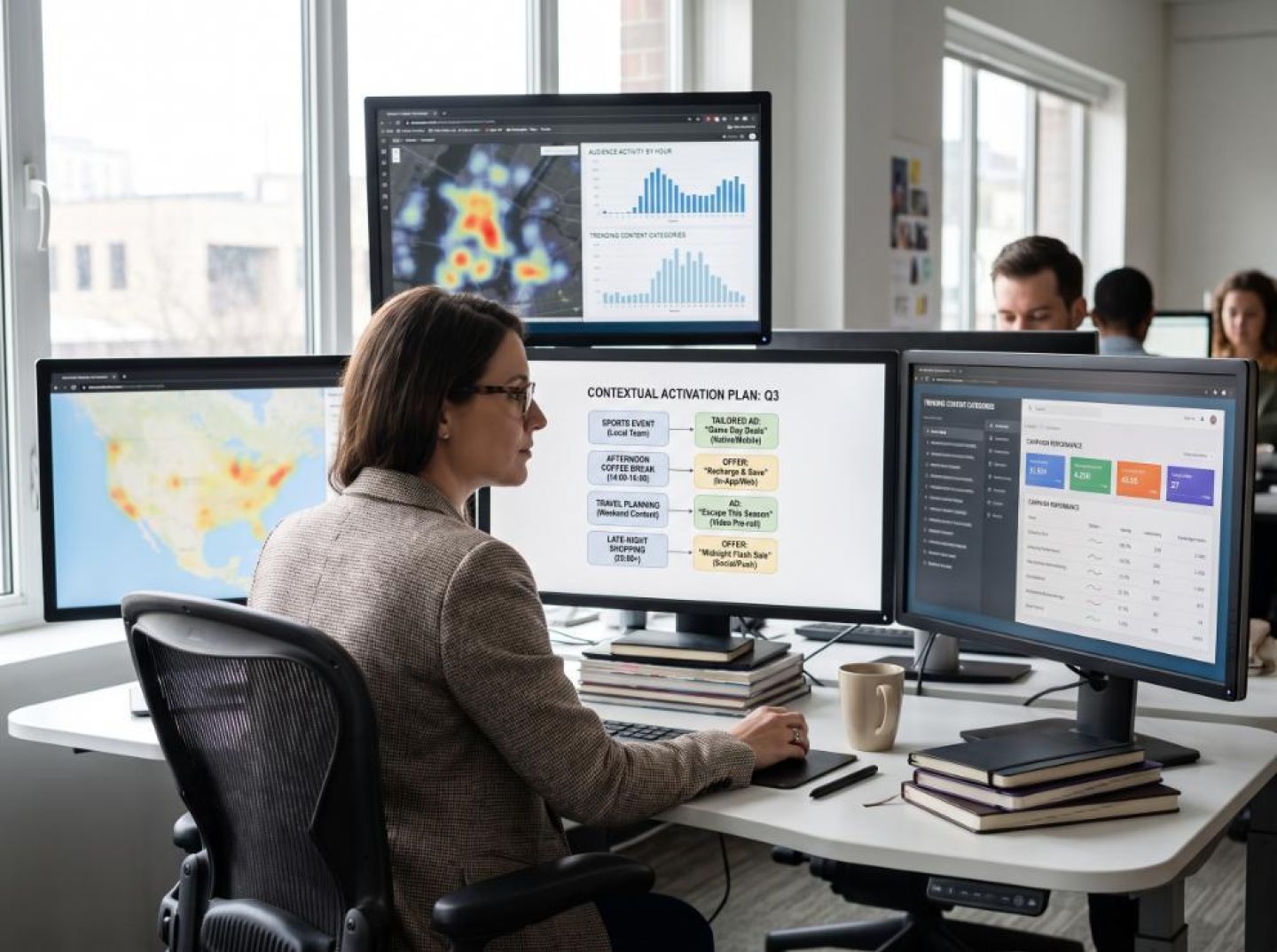
To make that practical, you need to define your “occasion triggers” before you brief a single piece of creative. Food‑delivery platforms already do this. DoorDash, for example, doesn’t just segment by “coffee lovers”; it models behaviors like “afternoon slump iced coffee” versus “late‑night weekend recovery,” recognizing that iced coffee spikes later in the day and that late‑night orders often bundle items like toothbrushes and pet treats, as DoorDash’s Peter Giordano explained. The lesson for native advertisers: don’t optimize to “people who like tech” or “parents with kids.” Optimize to “parents stuck at the field between games,” “commuters killing 12 minutes on the platform,” “night‑shift workers at 2:30 a.m.” or “managers in pre‑presentation panic at 8:55 a.m.”
Once you’ve named those occasions, your media plan has to move from linear to improvisational. In a fragmented landscape, smart brands are already treating the journey less like a funnel and more like a “bowl of spaghetti,” intersecting consumers wherever they’re active across paid, creators, platforms, and organic social, as a recent conversation between Papa John’s and Carat’s leadership described on Adweek’s Adspeak series. That same logic applies to native. Instead of a fixed sequence of placements, you orchestrate a loose network of ad experiences, each designed for a specific contextual beat:
Out‑of‑home marketers are already doing this physically. Mobile digital billboard fleets tailor routes to venue traffic patterns, following attendee flows from arenas to entertainment districts and hotels so messages hit when crowds are moving, not when planners hoped they might be, according to a review of event‑based campaigns from a national truck operator in OOH Today’s analysis of 2,500+ activations. Native can mirror that same choreography in digital space, shadowing real‑world journeys with context‑aware creative that evolves as the moment changes.
Critically, the “event” doesn’t have to be a tentpole on the calendar. It can be as small as a behavior spike (rage‑quitting a game, opening a budgeting app at 11 p.m.), a shared environment (rainy commute, heat wave, city‑wide transit delay), or an emotional cue (scrolling job‑search content at midnight). Gaming marketers talk about “play as a language” because a player who has lost four matches in a row is broadcasting frustration and a need state in real time, which opens the door for highly specific offers that feel helpful rather than random, as EA’s marketing leadership noted in discussions of live in‑game signals in that same ADWEEK coverage. Eventized native should similarly listen for the “language” of intent in content patterns and on‑page interactions, then adapt the experience on the fly.
But context alone isn’t enough; you also have to design the micro‑events as experiences, not just placements. Restaurant innovators are discovering that the durable advantage is rarely the product itself; it’s the way the product is wrapped in hospitality, loyalty, community, and surprise, creating moments competitors can’t easily copy, as observers at NRA Show 2026 argued on The Loomis Agency’s blog. Native creatives should steal that playbook. Don’t just serve a time‑boxed discount; stage a mini “break conference” for burned‑out knowledge workers inside a sponsored article, or a “menu heist”‑style scavenger hunt that unfolds across a publisher’s sections over a single weekend. Give the user something to do, see, and unlock that only exists in that context and that moment.
Finally, measure these journeys like events, not just impressions. Event‑focused OOH campaigns now routinely provide GPS traces, time‑of‑day breakdowns, and proof‑of‑performance to prove the media actually followed the crowd, as those mobile billboard case studies in OOH Today’s report highlight. Your native stack should do the same: attribute engagement and conversion not just to audience segments and creatives, but to the occasions they were paired with. When you can show that “Afternoon Slump” or “Post‑Conference Brain Melt” journeys outperform generic retargeting, you’re no longer just buying media—you’re programming a calendar of moments your brand can reliably own.
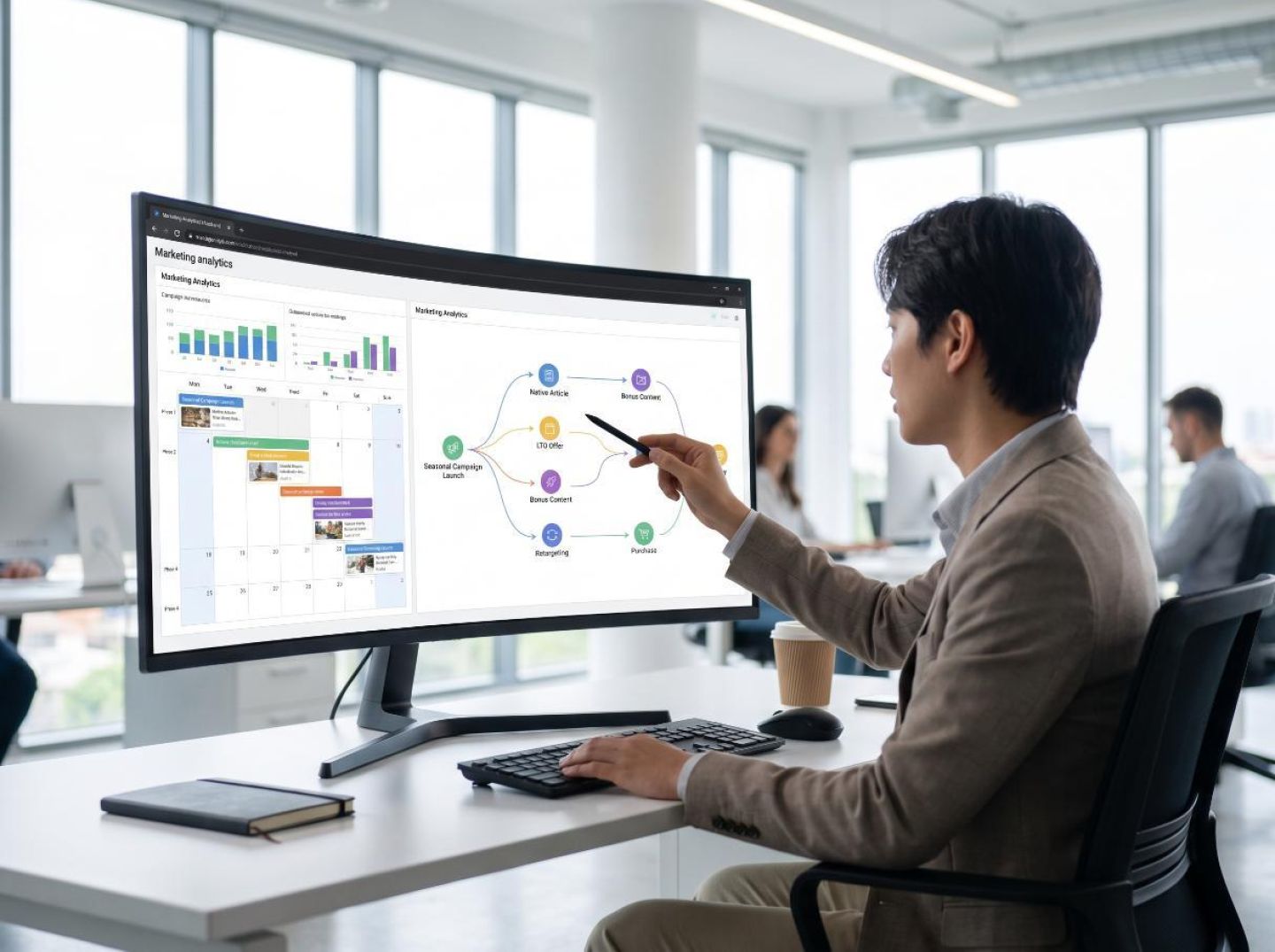
Big brands don’t just “do cool events.” They run playbooks. And those playbooks are built on patterns: how occasions get framed, how stories arc across channels, how measurement is wired from the start. If you’re a native advertiser, this is where Anstrex stops being a spy tool and starts becoming your eventization lab.
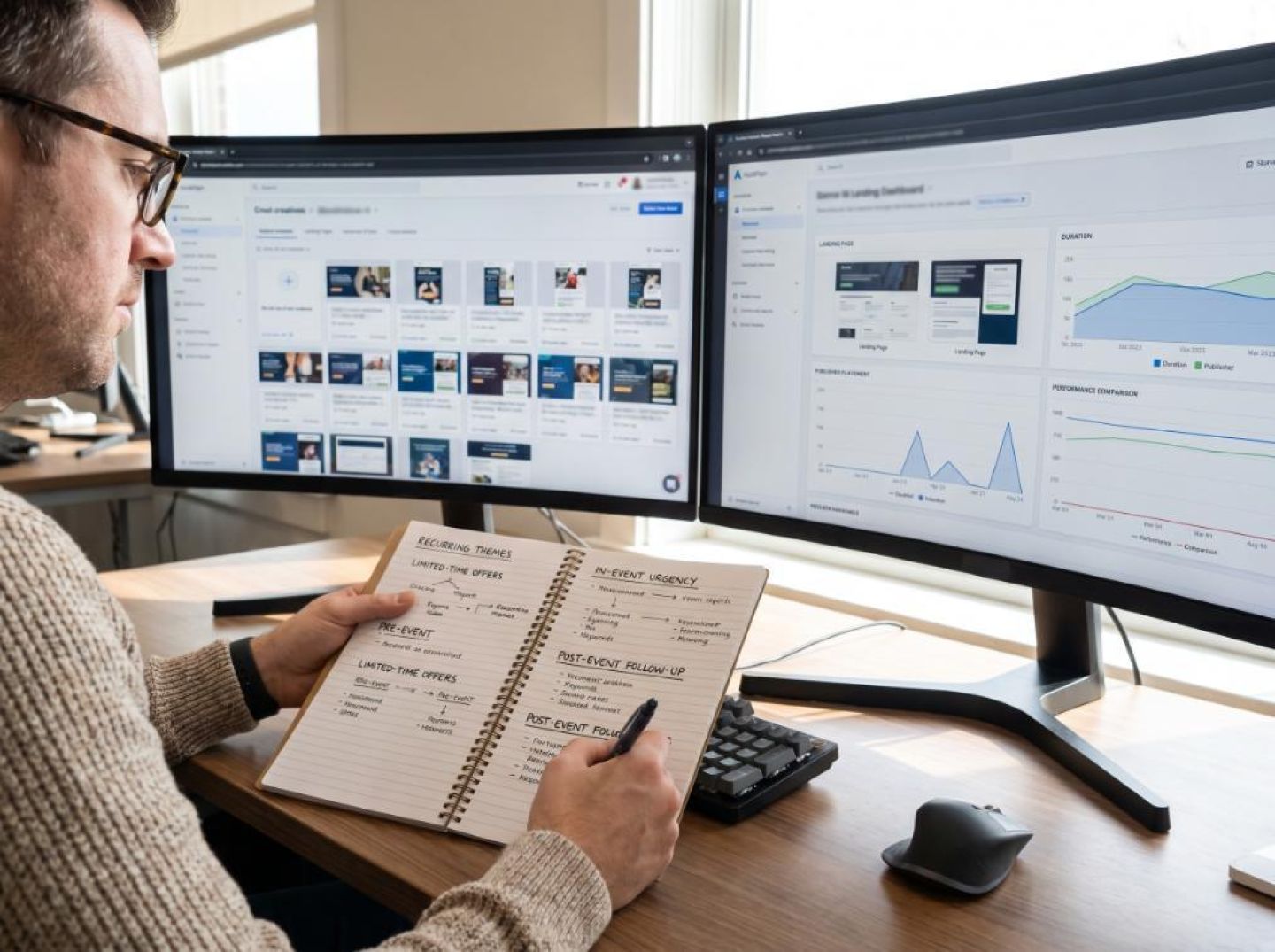
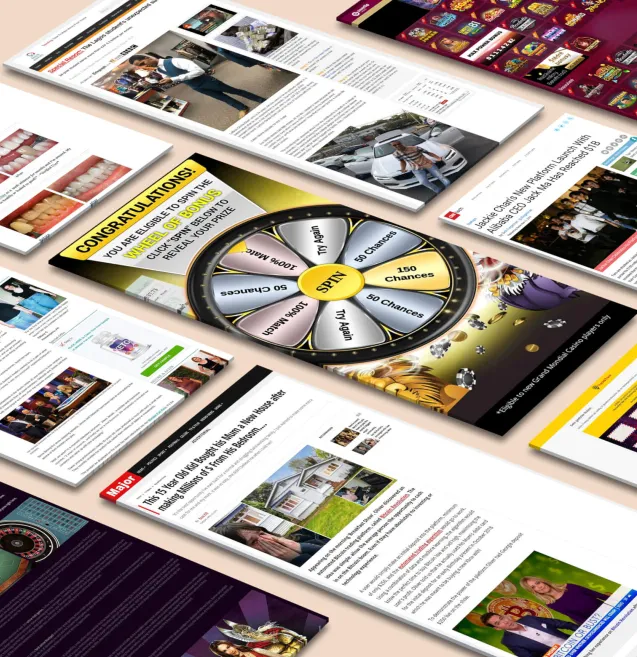
The mistake most media buyers make in a tool like Anstrex is zooming all the way in on the thumbnail: “That headline slaps,” “Those colors pop,” “Let’s knock this off for our vertical.” That’s the equivalent of walking the NRA Show floor and thinking the innovation was the new dipping sauce. As the team at The Loomis Agency observed, the real differentiation wasn’t on the menu — it was in the guest experience wrapped around it. In native, the “guest experience” is the pattern of ads, angles, and placements someone sees as they move from scroll to story to signup.
So when you open Anstrex, your first job isn’t to bookmark creatives — it’s to reverse‑engineer the event.
Pick a dominant brand in a conversion‑heavy vertical (travel, insurance, weight loss, fintech). Filter by country and network. Then, instead of sorting by “newest,” sort by “longest running” and “most placements.”
Now you’re looking for arcs:
This is exactly how big brands turn a simple message like “don’t cook during the World Cup” into an umbrella idea that can live everywhere. When Real FiG breaks down Uber Eats’ World Cup work, they point out that the line stayed simple, but the executions stretched across TV, social, and digital — every touchpoint reinforcing one moment‑based promise: spend less time cooking, more time watching. In Anstrex, those stretch plays show up as clusters of related creatives, not one viral ad.
Big brands don’t treat channels as silos; they treat them as stages in the same show. You can approximate that choreography with Anstrex’s placement and duration data:
In travel, for instance, performance teams increasingly plug into the same “live moments” their brand teams chase on video. As SilverPush notes in its travel playbook, the advantage comes from showing up inside the cultural and intent moments people are already watching — creators walking Lisbon, live trip planning, destination guides. Your native placements can be the direct‑response flank to that same moment: quizzes, calculators, and “deal breakdown” advertorials that echo the destination and timing the brand is already eventizing on video.
In Anstrex terms, you’re asking: when this advertiser clearly has a tentpole (major sale, sporting event, seasonal surge), how does their native mix expand or pivot? Do new landers appear? Do “soft” stories (checklists, myths, expert tips) suddenly spike right before the hard‑sell pages?
At NRA, the brands creating the most buzz weren’t the ones with the wildest flavors — they were the ones using those flavors to deepen loyalty, community, and identity. The NRA recap from Loomis is blunt: product innovation is easy to copy; experience innovation is not. The same is true for your pages.
Inside Anstrex, that means scrutinizing:
When you start seeing these patterns, you realize you’re not just looking at ads; you’re looking at how brands manufacture reasons to talk to the same person multiple times in a short span without feeling repetitive.
Once you’ve reverse‑engineered a few mature advertisers, build your own Anstrex‑driven playbook:
You’re not stealing copy; you’re stealing sequencing, pacing, and role‑definition. That’s what big brands do when they plan a World Cup or summer‑travel platform years out: they define the roles each touchpoint will play, then let execution fill in the blanks.
Eventization at native scale isn’t about finding the one perfect winning ad. It’s about recognizing that your best competitors are running campaigns like mobile billboard fleets — always moving, clustering around hotspots, measuring every route. Platforms like Can’t Miss US describe how route planning, reporting, and multi‑market coordination turn “one truck” into a national system. Anstrex lets you study the same system in native.
Use it to see the system, not the screenshot — and your “menu heists” start to look a lot more like strategy than theft.
Receive top converting landing pages in your inbox every week from us.
Must Read
Discover how native advertisers can transform everyday moments into memorable, high-performing campaigns through eventization. Learn to use scarcity, time-sensitive offers, contextual targeting, and always-on micro-events to engage audiences, improve campaign relevance, and uncover winning competitor strategies with Anstrex.
Priya Kapoor
7 minOct 11, 2026
Featured
Discover how to turn brand-led stunts and viral marketing campaigns into high-ROI performance campaigns. Learn how to build hidden funnels with retargeting, landing pages, native ads, push ads, pop ads, and TikTok campaigns that transform brand awareness into measurable conversions and revenue.
Samantha Reed
7 minOct 10, 2026
Guide
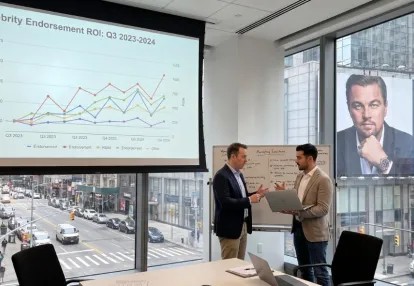
Discover why celebrity endorsements and global intellectual property don’t automatically translate into advertising success. This guide uses ad spy intelligence to explore how audience relevance, placement context, creative testing, and post-click performance help advertisers build high-ROI campaigns without expensive celebrity partnerships.
Elena Morales
7 minOct 9, 2026