

7 minOctober 6, 2026

Our spy tools monitor millions of native ads from over 60+ countries and thousands of publishers.
Get Started“Great ad” has quietly become table stakes, not a winning strategy.
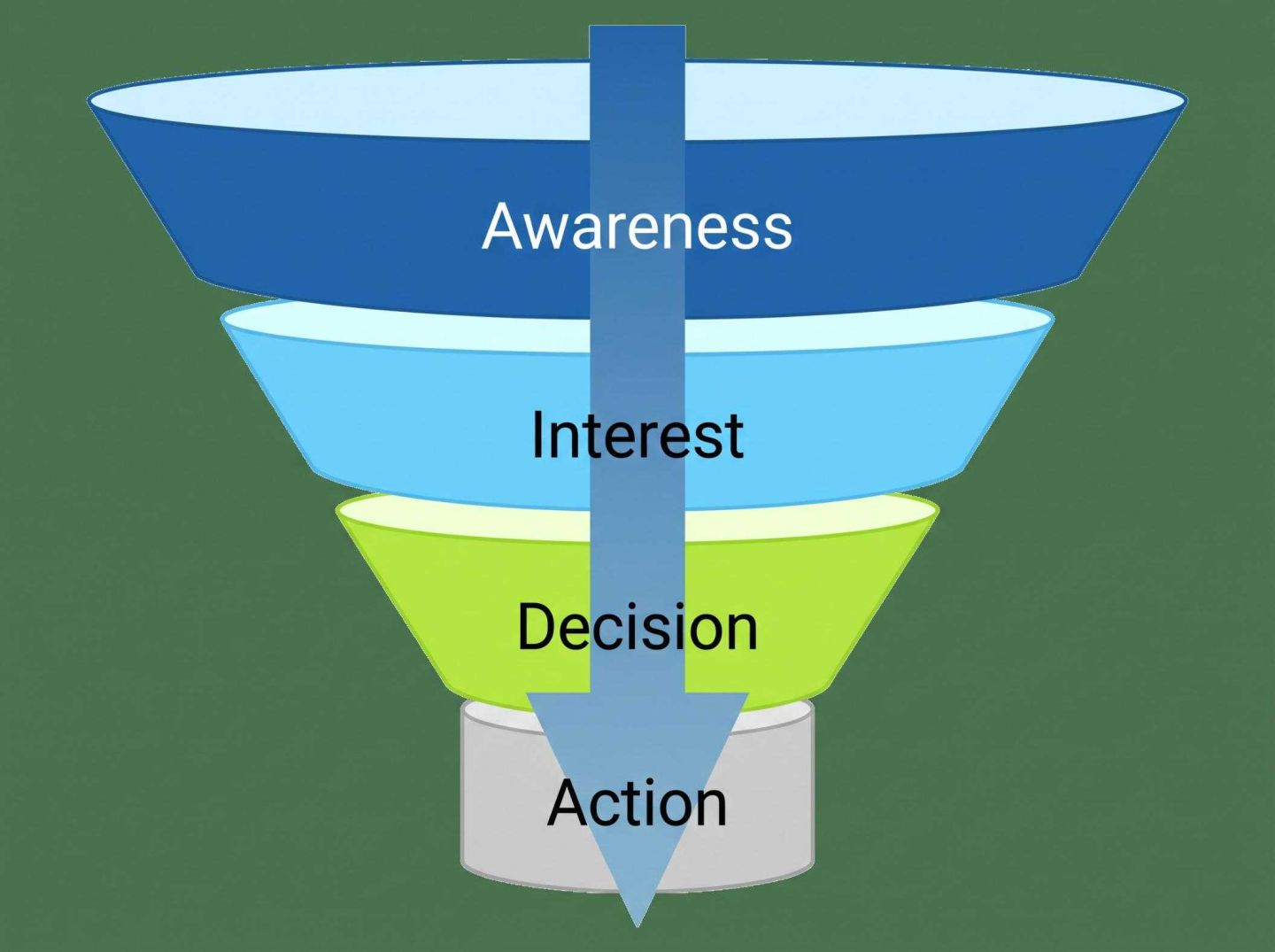
The reason isn’t that creativity stopped working. It’s that the context around creative has changed faster than most marketing organizations have. Consumers don’t walk a neat, linear path from awareness to consideration to conversion anymore. As Digitas’ Liane Nadeau argued at Cannes, the classic channel-by-channel media plan simply doesn’t reflect how people actually move through the world: they discover, consider, and buy in a blur, bouncing across platforms that don’t care where your TV budget stops and your social budget begins, a reality she describes as the “fluid funnel” in her conversation with.
In this environment, the TV spot is no longer the campaign; it’s merely a spark. The value is created in the invisible layer wrapped around that spark: search capture, retargeting, native and social amplification, auction tactics, and outcome measurement that all kick in the second attention spikes.
You can see this in how high-impact video really performs. When a big broadcast or online film lands, viewers don’t just smile and move on; they immediately open Google, YouTube, and retail sites to learn more or to buy. As one analysis of Fox Sports’ emotionally dominant World Cup film “Miracle” showed, the spot’s success wasn’t just an artistic victory; it created a surge of active demand that only paid off for a brand ready with tightly synced SEO, PPC, and video extensions, rather than siloed “search” and “video” teams, as MarTech has argued. A rival with weaker creative but a better search and marketplace footprint can quietly siphon off a large share of that demand.
At the same time, your competitors are using the ad auction itself as a real-time intelligence surface. Modern competitive platforms ingest thousands of micro-signals—CPM shifts, placement patterns, geographic concentration—and translate them into hypotheses about where rivals are winning and why. When an insurer like Progressive consistently shows lower acquisition costs across both social and programmatic auctions, that’s a clue that they’ve built a more precise, diversified buying system, not just a bigger budget, as a recent analysis of social auction data on AdExchanger illustrates. The “great ad” may be visible in a press release; the real edge is hidden in how aggressively and efficiently it’s being distributed and optimized.
The shift is just as stark in so‑called “offline” channels. Digital out‑of‑home used to mean buying the biggest, flashiest screens and trusting that raw traffic equaled value. Under pressure to prove business outcomes and cut waste, marketers are discarding that assumption. Audience-led planning tools now start by pinpointing where a brand’s most valuable segments actually move and then match those flows to specific screens, often prioritizing proximity to moments of intent over sheer impressions, a change chronicled in a deep dive on DOOH evolution from Marketing Dive. Two brands can run similarly strong creative on billboards; the one that maps exposure to likely care seekers, shoppers, or commuters near purchase moments will look like the better storyteller, when in reality it’s the better systems thinker.
And even once you’ve won the click, the question is whether your spend is truly driving incremental behavior or just harvesting demand that would have materialized anyway. Around peak shopping events like Black Friday and Cyber Monday, the brands that win aren’t those with the loudest hero film but those that treat the entire shopping journey as a connected experience across CTV, online video, display, native, audio, digital out‑of‑home, and social—then rigorously measure incrementality to separate real lift from noise, a dynamic explored in a recent holiday trends analysis by illumin. In other words, your “great ad” doesn’t just compete with other commercials; it competes with other brands’ ability to orchestrate and prove impact across an increasingly tangled path to purchase.
Meanwhile, your audience is being conditioned to expect that discovery feels like content, not interruption. Native formats—sponsored articles, in‑feed recommendations, creator‑style units—are designed to blend with their surroundings and routinely outperform banners in engagement and recall, which is why so many major brands now lean on networks where native ads behave more like “undercover marketers,” as one overview of high‑performing formats from AdPushup put it. A beautifully crafted TV spot that isn’t followed by contextually relevant, native-like extensions across the web is effectively leaving money—and mindshare—on the table.
All of this creates a harsh truth many creative‑led teams haven’t fully internalized: in 2026, a “great ad” is just the visible artifact of a much larger system. Your competitors aren’t winning because their films are always better. They’re winning because they’ve wired an invisible, monetization-focused layer around those films that turns fleeting attention into compounding advantage, long after the spot itself has left the screen.
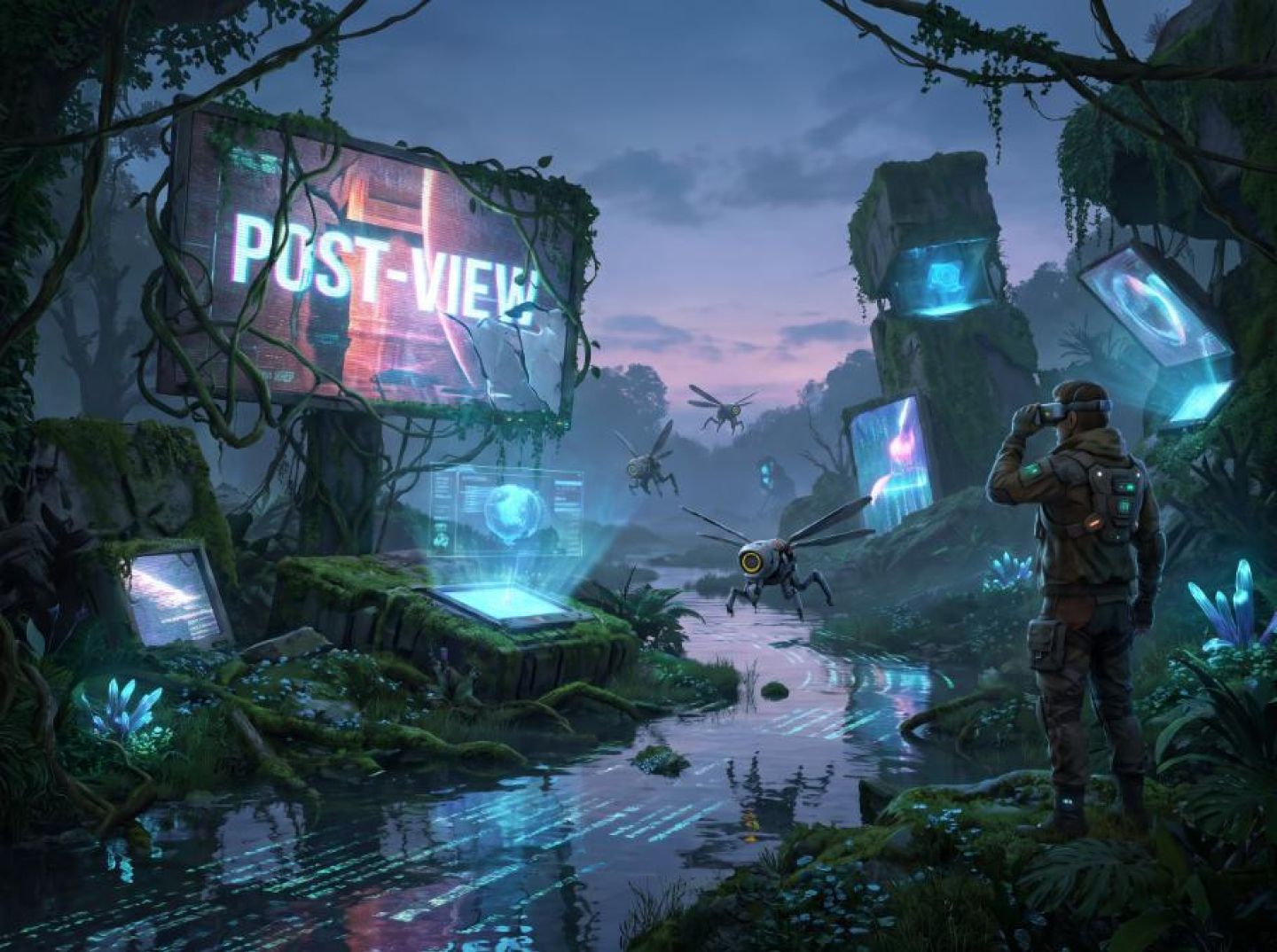
Behind every big-brand TV spot that “seems to be everywhere” sits a far larger, largely invisible machine: the post-view ecosystem. It’s the interconnected web of search, video, native, social, retail media, DOOH, and measurement infrastructure that wakes up the instant a TV impression lands. Competitors who consistently monetize “great ads” have stopped thinking in terms of isolated channels and started building exactly this kind of networked, always-on back end.
The first layer is intent capture, especially in search and video. When a high-impact TV campaign drops, people don’t write down URLs anymore — they pick up their phones and type the brand, tagline, or problem into Google and YouTube. As one analysis of Fox Sports’ emotionally dominant World Cup spot “Miracle” showed, that initial burst of emotion translated directly into a surge of related searches and video views, turning DAIVID’s creative ranking table into a kind of real-time demand map rather than just an awards scoreboard, as MarTech explained. The brands that profit from that spike don’t wait to see what happens; they pre-build mirrored keyword lists, sit on top of those queries with paid search, sequence YouTube and short-form video follow-ups, and make sure organic results are optimized so the path from “I just saw that ad” to “I’m on the product page” is only a couple of taps long.
Crucially, those brands don’t organize teams the way media plans used to be organized. The idea that TV is an “awareness channel” and search is a “performance channel” is being replaced by what Digitas’ Liane Nadeau calls a “fluid funnel,” where people discover, consider, and buy in seconds across screens that don’t care about your budget silos, as she outlined in an interview covered by AdExchanger. In that model, your TV buy isn’t just a line item; it’s the ignition source for a cross-channel demand system designed to catch every spark, whether it appears as a branded query, a related YouTube watch, or a visit to a retailer’s app.
The second layer is continuation — giving people something to do and somewhere to go once they’ve reacted to the TV creative. Native and content-led formats do a lot of this heavy lifting. Instead of hammering viewers with the same 30-second spot in banners, sophisticated advertisers use native networks like Outbrain, Taboola, or Nativo to tuck explainer articles, reviews, and “how to choose” guides into the feeds and publishers their new audience is already browsing, a tactic many large brands have leaned into as AdPushup has documented. Because native units match the surrounding content and feel editorial, they’re ideal for the middle of the journey: the curious shopper who won’t click a hard-sell display ad, but will happily read “5 things to know before upgrading your TV” or “How to pick the right running shoe for your first marathon.”
The third layer is physical-world reinforcement, particularly through digital out-of-home. Big TV campaigns often aim to shift mental availability — to make a brand the obvious choice when a need arises. DOOH extends that effect into the real world by placing reminders close to actual moments of intent. Audience-led platforms like JOLT’s Spark Intelligence start with behavioral and movement data to identify where target segments actually concentrate, then map those audiences to specific screens across cities, rather than just buying “the busiest billboard,” as a recent profile in Marketing Dive explained. That means your TV message about a quick clinic visit can be echoed on DOOH screens near pharmacies and medical centers, or your CPG launch ad can be reinforced on digital panels in grocery corridors within hours of airing.
Finally, the ecosystem is wired for business outcomes, not just impressions. During high-stakes periods like Black Friday and Cyber Monday, advanced advertisers design journeys that deliberately blend CTV, online video, display, native, audio, DOOH, and social, then measure whether those exposures drive incremental sales that wouldn’t have happened anyway. That focus on understanding “what happened because of the ad, not just after the ad” is central to how omnichannel platforms like illumin describe effective peak-season strategy, emphasizing incrementality and cross-channel sequencing as core design principles rather than afterthoughts, as they outlined in a recent overview of holiday trends on their site.
Put together, this is what really sits behind a “great” TV ad when it belongs to a category leader. The spot is only the visible tip. Underneath is a tightly orchestrated system that assumes every TV impression can trigger a search, a scroll, a walk past a screen, or a tap on a retailer’s app — and is engineered to turn each of those tiny reactions into measurable revenue.
Most “great ads” don’t make money because they’re great. They make money because the brand has built a system that catches and compounds the attention those ads generate across channels.
Think of the TV spot as a match. Competitors who monetize it best have already soaked the rest of their media stack in lighter fluid.
First, they wire TV to search and video before the campaign ever airs. When a high-impact spot hits, people don’t scribble down URLs; they grab their phone and type whatever they remember into Google or YouTube. As one analysis of World Cup campaigns argued, the best TV ads are deliberately designed to “generate searches,” and the brands behind them plan SEO, PPC, and YouTube programming as a single demand engine, not as separate teams fighting for credit, which is exactly the shift MarTech described in its breakdown of search and video integration. In practice, that means:
Second, they treat CTV as the programmable backbone of their video ecosystem, not a silo. Streaming budgets are increasingly controlled by integrated “total TV” teams who manage reach, frequency, and performance holistically across linear and CTV, rather than buying shows and streams in isolation. Recent industry coverage has emphasized how CTV is becoming more signal‑driven and omnichannel by default: targeting is evolving from broad age/gender demos to predictive models based on viewing behavior, contextual relevance, and intent signals. That lets your “big” creative show up:
Third, they build an always‑on post‑view layer spanning native, display, and social. Native placements, in particular, give them a way to continue the story in environments that look like editorial, not advertising. Leading brands lean on high‑performing native networks like Outbrain, Taboola, Revcontent, and others cited in AdPushup’s overview of native platforms to distribute articles, listicles, and advertorials that feel like organic content but are engineered to convert. This “undercover marketer” layer does three things a TV spot can’t:
Fourth, they extend the campaign into physical movement with modern DOOH. Rather than simply buying the biggest highway billboards, sophisticated advertisers start with who they want to reach and then work backward to where that audience actually is. New audience‑intelligence platforms for DOOH, like JOLT’s Spark Intelligence, use behavioral and movement data to identify the screens most likely to reach specific segments, shifting planning from location‑led to audience‑informed, as a recent Marketing Dive piece explained. When tied back to your TV and digital video schedules, this lets you:
Fifth, they don’t just chase clicks; they engineer journeys and measure incrementality. The best teams map the whole path from first exposure to sale across CTV, online video, display, native, audio, DOOH, social, and retail media, then orchestrate touchpoints over time rather than blasting everything at once. Platforms built around journey visualization and cross‑channel activation are emerging to support precisely this model, enabling marketers to connect strategy, activation, and outcomes in a single interface and extend live audiences from programmatic into social, as illumin has highlighted in its work on omnichannel shopping journeys. Those same teams are also ruthless about incrementality testing—proving that the campaign generated lift beyond demand that would have happened anyway, not just capturing branded searches that TV created.
When you put these pieces together, a “great ad” is only step one. The real monetization happens in the invisible layer that:
Your competitors aren’t beating you with prettier 30‑seconds. They’re beating you with a system that refuses to let any impression—TV, CTV, native, DOOH, or social—be the end of the story.
The uncomfortable truth about “great ads” is that you’re often the last to know whether yours are working. The first to know are the platforms and tools watching every auction, impression and query in real time. Your job in this section isn’t to guess what competitors are doing behind the scenes. It’s to interrogate the traces they leave in the market and rebuild their funnel from those traces.
Think about the signals your rivals can’t hide. They can’t run a TV spot without leaving search trails. They can’t lean into a CTV-heavy strategy without their budgets and placements showing up in auctions. They can’t scale native or DOOH without creating consistent patterns across publishers and screens. That is the “invisible layer” you’re trying to see.
Start where every great TV spot leaves a footprint: intent. When a high-impact campaign lands, people start typing brand names, taglines and product promises into Google and YouTube. That’s exactly what happened when Fox Sports’ emotionally charged World Cup promo “Miracle” topped DAIVID’s rankings for positive response; the creative wasn’t just a film, it was a demand map waiting to be harvested. Use search and video intelligence tools to monitor which queries spike after a competitor’s tentpole campaign, which YouTube thumbnails suddenly dominate for those terms, and how quickly paid search and video units appear. This tells you how they connect broadcast to performance: which messages they defend with PPC, which they hand off to organic, and where they’re willing to pay for view-through conversion.
Next, move from intent to auctions. Competitive ad intelligence platforms tuned to social and programmatic environments can surface what one such system calls the “hidden” signals: CPM trends, sudden budget shifts into new placements, concentration in specific geos, and changes in share of voice. If you see a brand’s CPMs declining even as impression volume grows, that’s a tell that they’ve sharpened their audience definition or creative relevance. If their spend abruptly tilts toward Reels, in-feed video or responsive display the week a TV spot launches, that’s not random; it’s the retargeting and prospecting layer designed to monetize the awareness TV just bought. Plot those shifts on a timeline against campaign launches and you’ll start to see the sequence of their funnel.
Do the same with native and content discovery. Brands that lean into networks like Outbrain, Taboola or MGID leave a distinctive pattern of “undercover” placements that mimic editorial and social posts. As one overview of high-performing native ad networks points out, these units are engineered to blend into feeds and articles while quietly driving traffic and conversions. Track where competitor native units appear (top-of-funnel lifestyle articles vs. bottom-of-funnel comparison pages), how aggressively they rotate creatives after a new brand campaign, and which headlines or thumbnails survive. That pattern exposes how they extend TV storytelling into long-form content, which audiences they’re renting from publishers, and what they believe actually converts.
Then, widen your lens to out-of-home and retail-adjacent environments. Smarter DOOH today starts with audience intelligence rather than high-traffic locations, using behavioral and movement data to pick the exact screens that index for a desired segment. When a platform like JOLT’s Spark Intelligence can pinpoint where “likely care seekers” or frequent shoppers cluster, your competitors can build OOH waves that mirror their digital targeting. By monitoring creative on key digital screens, correlating it with local search lift and following which geos suddenly see heavier mobile and social reinvestment, you can infer how they fuse DOOH with mobile retargeting, local search and retail media to create a location-aware funnel.
Layer in journey-level intelligence, not just channel snapshots. Leading omnichannel platforms now encourage brands to design campaigns as a connected path across CTV, online video, display, native, audio, DOOH and social, with retargeting and location-based tactics woven in from the start. When you see a competitor repeatedly reappearing at each of those touchpoints—CTV pre-roll, followed by YouTube, followed by native content, followed by social, followed by personalized offers—you’re not just looking at an aggressive media budget. You’re looking at an orchestrated journey map. Catalog that map: which formats kick off the journey, which carry education, which push urgency, and which close.
Finally, don’t stop at describing what they do; turn it into hypotheses you can test. If their CPMs are consistently lower, assume it’s not “better deals” but more precise audiences and broader placement diversification, as one auction-focused analysis argues. If native is always the bridge between video and search, design your own tests that recreate that bridge with your creative and your offers. If DOOH concentrates around specific retail corridors, mirror the tactic in one region with clear incrementality measurement.
Reverse-engineering a rival’s funnel isn’t about copying their media plan line by line. It’s about using ad intelligence to see the structure of the machine behind their “great ads,” then deciding which parts of that structure you can adapt, improve or leapfrog in your own ecosystem.
Start with the obvious question: whose “great ads” are actually moving money in your category right now?
You’re not going to guess that from a Super Bowl sizzle reel. You’re going to steal it from the public exhaust those ads leave behind: reels, YouTube channels, social feeds and ad libraries that quietly document which spots brands care enough to scale.
Begin with the biggest brands in your niche and work asset‑first, not channel‑first.
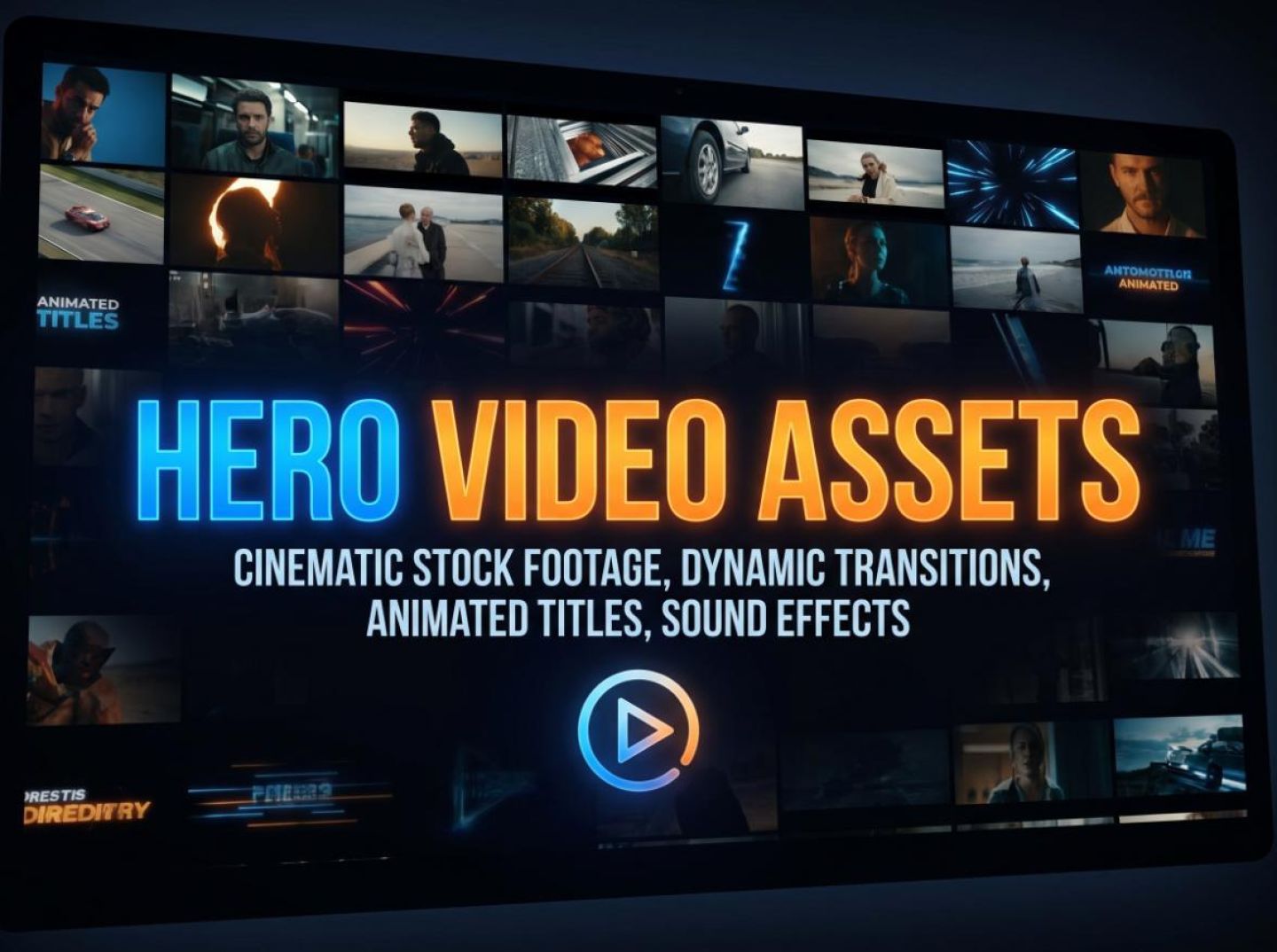
Most large advertisers treat their YouTube and Vimeo channels as de facto archives of their hero video work. They’ll often create dedicated playlists like “TV commercials,” “Campaigns,” or “Brand films” where the flagship assets live.
Look for:
When creative intelligence platform DAIVID ranked emotionally resonant World Cup campaigns, Fox Sports’ promo “Miracle” topped the chart of 31 tested spots for intense positive responses, with other heavyweights like Lay’s and Coca‑Cola close behind, as MarTech’s analysis of the rankings pointed out. Lists like that tell you which specific films brands rallied around globally. Your job is to find the equivalents in your own vertical: the few pieces of video creative everyone else is betting the quarter on.
Practical move: dump the last 12 months of uploads from each competitor into a simple spreadsheet. Flag any asset that:
Those are your probable “hero” assets.
2. Use public ad libraries as campaign X‑rays
Your next stop is the platforms that must, by policy, show you what’s live.
Here you’re not just looking for standalone TV edits, but for the connective tissue: how the TV/CTV spot is being repurposed across feeds, stories, and in‑stream. One reason CTV has become a core plank of performance strategies on the open web is that brands can take social‑native vertical videos and redeploy them as streaming units, introducing a subtle “context switch” that snaps attention, as one performance marketer described in an interview about using CTV within open‑web programmatic. When you see the same raw footage show up in a broadcast‑style 30s and a vertical 15s in Reels, you’ve likely found that hero asset’s broader family.
Pattern‑match:
Those are signals that this is not “just another ad” but the spine of an entire funnel.
3. Cross‑check against tentpole moments
Big money moves around moments, not channels. If you’re in retail or ecommerce, pay attention to how competitors behave around peak periods like Black Friday and Cyber Monday. Brands that take the shopping journey seriously orchestrate CTV, online video, display, native and social into a single path, reaching audiences before, during and after the event, as one analysis of omnichannel holiday strategies underscores.
Reverse‑engineer that orchestration:
The recurring creative language — the same talent, soundtrack, mnemonic devices, or framing — tells you which video asset is carrying the load across the journey.
4. Use public reels as proxy for what the industry admired enough to buy
Finally, scan agency and production‑company reels. While these are curated to impress prospects, they are also revealing: nobody fills a reel with work that died in testing. If you see the same car brand’s launch film in a director’s reel, on the brand’s global YouTube, and chopped up across ad libraries, assume it was heavily invested in.
You’re not collecting ads for inspiration mood boards. You’re building a shortlist of 5–10 hero TV/CTV/online video assets that your competitors have:
Those are the matches. In the next steps, you’ll trace the lighter fluid: the search, native, DOOH and open‑web systems wrapped around them to convert attention into revenue.
The moment a big TV or CTV spot drops, your competitors’ real work moves to a different screen: the search box.
Every emotionally charged hero film you identified in the last section is, in practice, a demand-generation engine for Google, YouTube and retail search. As one World Cup case study showed, highly engaging spots like Fox Sports’ “Miracle” didn’t just win creative accolades — they created a visible spike in related searches and online exploration, turning the creative leaderboard into a live “demand map” that performance teams could monetize in real time.
Your job now is to read that map.
Start by pinning down when each hero asset actually runs at scale: upfront premiere, ramp period, sustain. Then bracket those windows with search data.
Use Google Trends to track:
Instead of looking at vague long-term curves, zoom into a 30–60 day window around each TV/CTV push. Look for:
Those patterns tell you which spots actually move intent and how long that intent stays monetizable. In more signal-driven CTV environments, the industry is already using nuanced behavioral and contextual signals from viewing to shape targeting across channels; search spikes are the public, low-friction version of that same intent signal, and they’re only getting more important as streaming becomes more “signal-driven”.
Volume tells you the campaign worked. Query composition tells you how competitors are wiring their funnel.
In your keyword tools, break out:
Now compare how each cluster moves during the flight:
This is where native and content-driven tactics matter. When users search “backyard legends ad song” or “football nation watch party ideas,” competitors don’t just bid on the keyword — they surface advertorials, listicles and social posts that look like organic content. Native networks are built for this kind of “undercover” capture, with ad units that visually blend into articles, feeds and recommendation widgets, functioning as “undercover marketers” that harvest TV-created curiosity without feeling like hard-sell ads.
Once you have search volume and query mix by day, overlay:
Put together, this lets you sketch not just whether they’re capitalizing on TV-driven search, but how:
The end goal: when your next competitor spot drops, you don’t just admire the film. Within 48 hours, you’re watching the query graph redraw itself, reading the hidden media plan encoded in those searches, and making surgical decisions about where to mirror, where to outbid, and where to build a better invisible layer than the one they just launched.
Receive top converting landing pages in your inbox every week from us.
How-To
Discover how competitors turn “great ads” into full-funnel revenue by building an invisible layer of search, native, CTV, social, DOOH, and measurement around their hero creative. Learn how to reverse-engineer these systems using ad intelligence and uncover the signals that reveal how campaigns are actually monetized.
David Kim
7 minOct 6, 2026
How-To
Learn how to turn big brand-building stunts into measurable performance funnels across Native, Push, Pop, and TikTok. This guide breaks down how to repurpose stunt assets, build channel-specific sequences, design story-led landers, and measure their impact on conversions and revenue.
Priya Kapoor
7 minOct 5, 2026
Most Read
Learn how to turn OOH inventory into a measurable performance media machine using digital ad spy data. This guide shows how to borrow proven offers, funnels, and creatives from digital advertising, build hybrid OOH-to-online journeys, and connect physical exposure to measurable revenue.
Dan Smith
7 minOct 4, 2026






)