12 minJuly 11, 2026

Our spy tools monitor millions of TikTok ads from over 55+ countries. Biggest TikTok Ad Library in E-commerce and Mobile Apps!
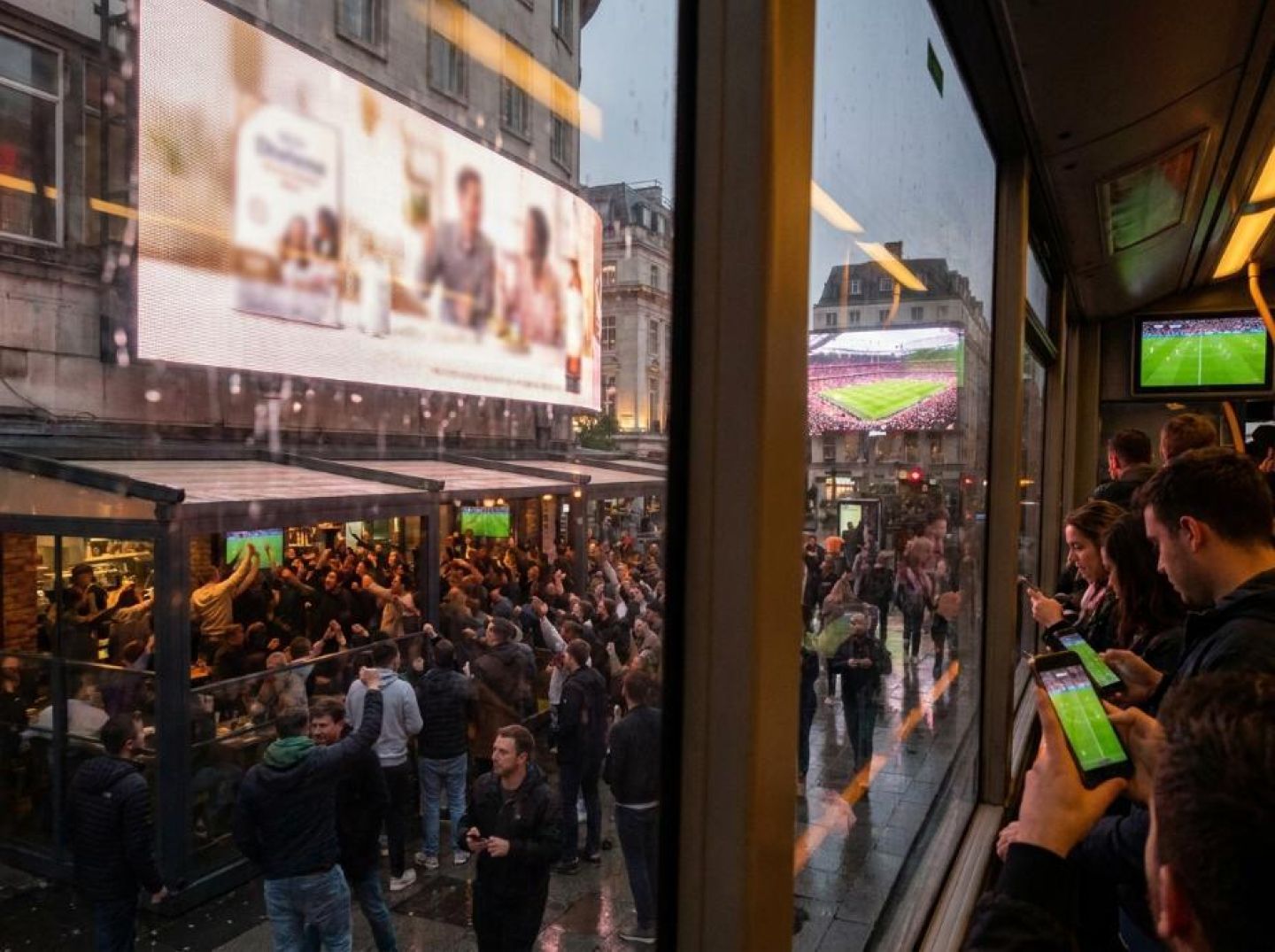
Try It FREEThe 2026 FIFA World Cup will deliver something the fragmented digital landscape almost never does: sustained, concentrated, emotionally charged attention at a scale that no algorithm can replicate. Across 104 matches spread over weeks, billions of viewers will lock in with an intensity that makes the average scroll-past-an-ad moment on social media look negligible by comparison. And yet, most brands will show up to this moment armed with the same playbook they use every other day of the year — hyper-targeted, personalization-driven campaigns engineered for precision but designed for a media environment where nobody is actually paying attention.
That contradiction sits at the heart of what Gartner VP analyst Nicole Greene identified in a recent piece arguing that precision has improved, but impact has not kept pace. The industry's years-long migration toward digital channels and AI-fueled personalization rested on an assumption that better targeting would inevitably produce better outcomes. But consumers have adapted. They skip, block, mute, and scroll past ads with a fluency that makes much of that targeting investment functionally invisible. The result, as Greene frames it, is a growing disconnect between where brands invest and where attention is actually available. The World Cup is the clearest test case for that disconnect because it inverts the normal rules: attention is not the scarce resource. Creative relevance is.
When every brand defaults to the same data-driven segmentation approach, visibility becomes a baseline rather than a differentiator. Logo placements and programmatic reach buys blur together into a wash of forgettable impressions. The campaigns that break through during moments like this are the ones that build creative around how audiences actually behave, not just who they are demographically.
Fox One's "The FIFA World Cup Comes First" campaign is a sharp example of what that looks like in practice. As Marketing Dive reported, the streaming service's creative — developed with agency Anomaly — was built around a specific behavioral insight: most weekday matches during the tournament start during U.S. working hours. Rather than simply targeting soccer fans with standard pre-roll or banner ads, the campaign leaned into absurd humor, showing a driving instructor and a lifeguard neglecting their duties to catch matches on their phones. The spots ran across connected TV, online video, paid social, and out-of-home in New York and Los Angeles — a media mix designed around context and cultural timing, not just audience segmentation.
What makes the Fox One approach instructive is not its production budget or its media weight. It is the fact that the creative was inseparable from the cultural moment it was made for. The insight — people will watch at work — is not something a DMP or a lookalike model surfaces. It comes from understanding the rituals and tensions that a global tournament creates in everyday life. That understanding is a creative problem, not a targeting problem.
This is the paradox most performance-oriented marketers will struggle with during the World Cup. The event concentrates attention so powerfully that the marginal value of better targeting shrinks, while the marginal value of better creative explodes. Brands that optimize for precision in a moment defined by mass emotion are optimizing the wrong variable entirely. The World Cup does not reward the most sophisticated audience graph. It rewards the brands that understand why people are watching and build something worth noticing while they do.
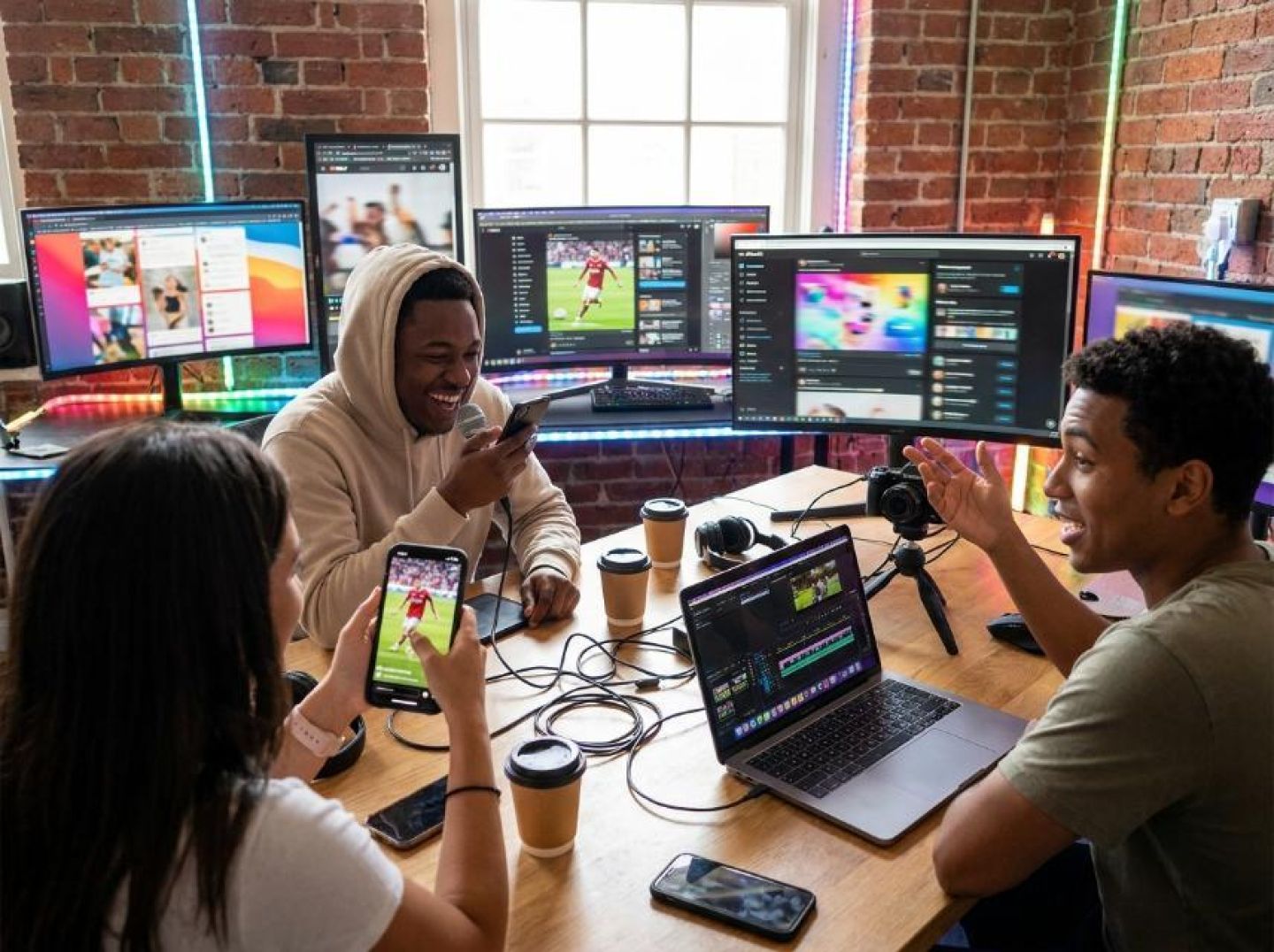
While brands like Degree spend months choreographing their World Cup media plans — locking in inventory eighteen months out and debating the balance between proactive and reactive spending — an entirely different class of content operator is already dominating the conversation on TikTok. They're the creators: the fan accounts, the football meme pages, the tactical breakdown artists, the reaction video specialists who turn every VAR controversy and last-minute goal into a piece of shareable culture within minutes. They don't have media budgets. They don't have agency teams. And right now, they're winning the World Cup attention war by a comfortable margin.
The reason is structural, not just stylistic. Creators operate within a production model that is fundamentally incompatible with how most advertising teams work. As VideoWeek observed in its analysis of what traditional broadcasters can learn from creator-native operations, creators "learn what does and doesn't work on YouTube and TikTok through testing. They create videos, iterate at speed, and find formats which land with audiences. That model only works when content is created quickly and cheaply." The lesson was directed at TV companies clinging to broadcast-grade polish for social platforms, but it applies with equal force — arguably more — to performance advertisers trying to ride a real-time cultural moment like the World Cup.
Consider what a typical World Cup moment looks like on TikTok's For You Page. Within sixty seconds of a dramatic match event, creators are posting split-screen reactions, stitching official broadcast clips with running commentary, layering trending audio over meme templates, and riffing on inside jokes that only the platform's native audience fully decodes. These videos don't look like ads. They don't look like branded content. They look like culture talking to itself. And the algorithm rewards them precisely because they match the visual grammar and emotional tempo that TikTok users expect.
Now compare that to the typical brand campaign workflow. Creative briefs are written weeks in advance. Concepts pass through legal review, brand safety checks, and multi-stakeholder approvals. The final asset is polished, on-brand, and utterly irrelevant by the time it ships — because the moment it was designed around has already been replaced by three newer ones. The insight VideoWeek surfaced about broadcasters applies here with brutal clarity: if you try to stick to broadcasting production values on social media, you'll never publish anything fast enough to matter.
What makes this gap particularly painful for advertisers is that TikTok's own data confirms that creator-native aesthetics aren't just an organic phenomenon — they're a paid performance advantage. Neil Patel's analysis of TikTok's premium ad formats highlights that Spark Ads, which amplify existing organic creator content as paid placements, deliver 34 percent higher conversions than standard in-feed ads. The implication is stark: the creative patterns generating organic virality during the World Cup — raw, fast, emotionally immediate, platform-native — are the same patterns that would drive paid performance if advertisers could identify and deploy them quickly enough.
This is the central tension. The market is actively rewarding the aesthetics of speed and authenticity. Creator-led content doesn't just feel more native; it converts better. But most ad operations are designed for control, not velocity. They optimize for brand consistency when the algorithm is optimizing for cultural relevance. And during a World Cup, where the emotional landscape shifts with every match, every red card, every underdog upset, the brands that can't match creator speed aren't just missing engagement — they're leaving measurable conversion value on the table.
TikTok hasn't just been sitting on its existing ad stack while cultural tentpole moments like the World Cup approach. The platform has been aggressively expanding its premium advertising formats, rolling out tools specifically designed to capture the kind of concentrated, high-emotion attention that live global events generate. The Pulse Suite, TopReach, and sequential Takeover formats represent a fundamentally different proposition from standard in-feed ads — they're built for the kind of reach and sequential storytelling that TV has historically owned, giving advertisers the ability to dominate a user's first moments on the platform, sustain narrative arcs across multiple touchpoints, and align brand messaging with trending content clusters in real time. On paper, these are exactly the tools a World Cup advertiser needs.
The economics reinforce the case. TikTok ads average a CPM of around $9, compared to Meta's average Facebook CPM of roughly $15. Combine that cost advantage with engagement rates averaging 3.7 percent — significantly higher than what most competing platforms deliver — and you have a platform where each dollar generates meaningfully more interaction. For a performance marketer evaluating cost-per-engagement or cost-per-completed-view during a high-traffic event window, the math is hard to argue with.
And yet, almost nobody on the performance side is doing the math at all.
The adoption numbers tell a stark story: only 26 percent of marketers run TikTok campaigns in any capacity. The conversation around these premium formats — Pulse, TopReach, Takeover sequences — is almost exclusively a brand marketing conversation, focused on awareness, sentiment lift, and share of voice. Performance buyers, the people obsessed with ROAS, CPA, and incremental revenue, are largely absent from the room. They're still allocating the bulk of their budgets to Meta, Google, and increasingly Amazon, treating TikTok as an experimental channel rather than a serious contender for lower-funnel dollars.
This isn't because the platform can't deliver. Commerce capabilities on TikTok have matured to the point where lower-funnel performance is genuinely measurable, and creator-led content has shown its ability to drive purchase behavior. The disconnect is more practical than strategic. Performance marketers operate on speed and pattern recognition — they need to see what's working, isolate the variables, and scale winning creative before the window closes. During a cultural moment like the World Cup, that window might last hours, not days.
The challenge compounds when you consider how quickly content velocity accelerates during a tentpole event. As Fox One's campaign strategy illustrates, modern fandom is dynamic and real-time — fans are watching on phones during work hours, reacting instantly, and generating waves of derivative content that shift the cultural conversation match by match. The creators dissected in the previous section are already riding those waves. But performance advertisers lack a systematic mechanism to monitor which creator-driven creative approaches are gaining traction, decode why they're resonating, and translate those patterns into paid assets fast enough to capitalize on the moment.
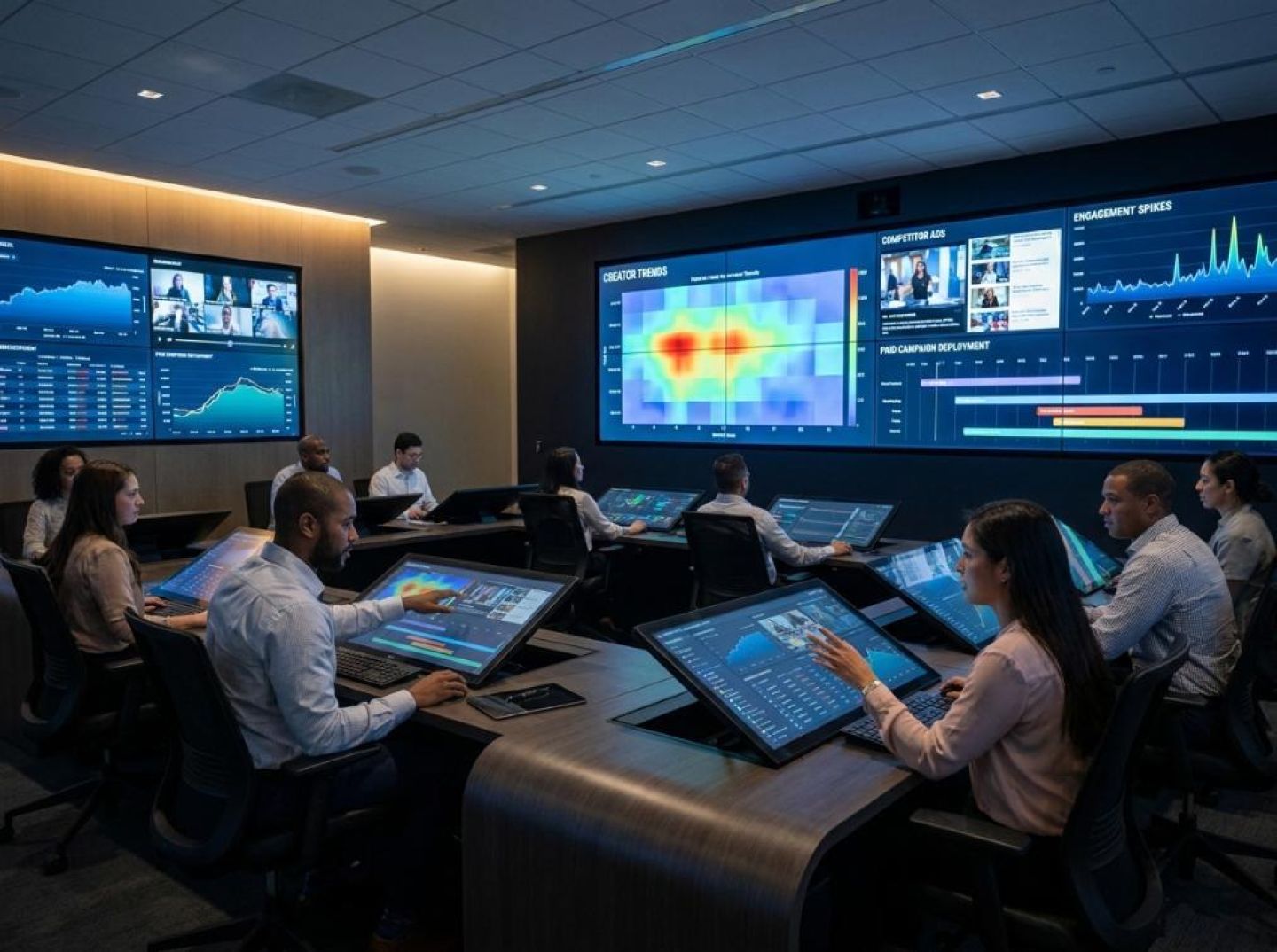
The formats exist. The cost advantage exists. The audience is there, engaged at levels that dwarf other platforms. What's missing is the connective tissue between organic creative intelligence and paid execution — a way for performance teams to watch the cultural conversation unfold, identify the creative patterns that are actually driving engagement, and deploy paid versions of those patterns within the premium ad formats TikTok has built for exactly this kind of moment. That gap between capability and adoption is precisely where competitive advantage lives, and it's the gap that tools like Anstrex Instream are engineered to close.
The previous section laid out TikTok's premium ad formats and the structural challenge performance marketers face in deploying them effectively during fast-moving cultural moments. But understanding that a gap exists between organic trend velocity and paid campaign execution is only half the problem. The other half is closing it — and that requires a different kind of intelligence infrastructure altogether.
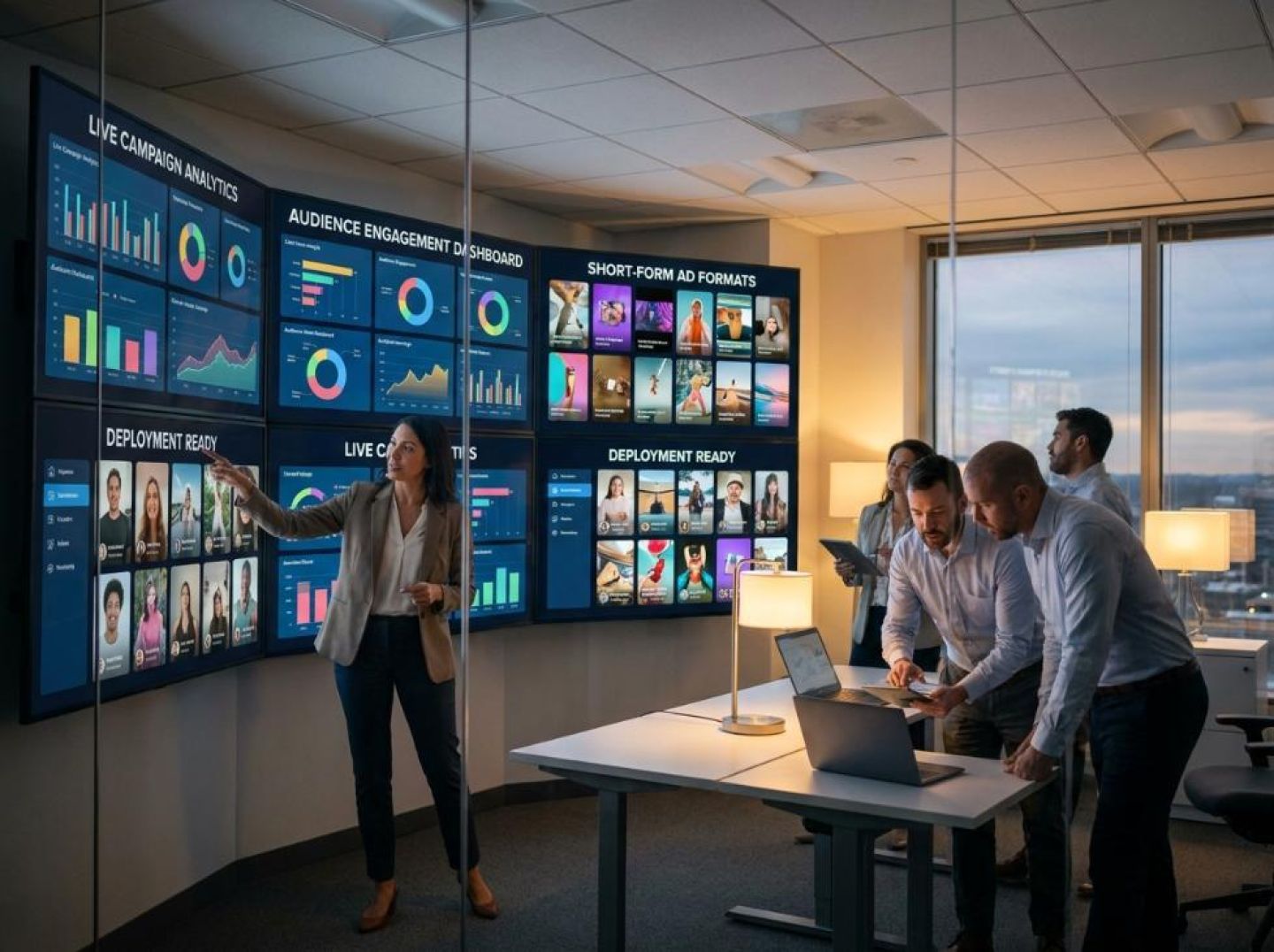
This is where competitive intelligence tools like Anstrex Instream become essential. Rather than asking performance marketers to become cultural forecasters — scrolling through creator feeds, guessing which trends have staying power, and hoping their creative instincts are right — Anstrex Instream provides a systematic bridge between what's happening organically and what's already working in paid placements. The tool monitors in-stream ad creative running across platforms in near real-time, letting advertisers see exactly which visual formats, hooks, and narrative structures competitors are scaling with actual media spend behind them.
Consider a practical workflow during the World Cup. A performance team notices a surge in creator content using a particular editing style — say, rapid-cut reaction videos layered with match footage and text overlays. The organic signal is clear, but the question remains: is this format translating into paid performance, or is it just viral noise? With Anstrex Instream, the team can pull up in-stream ads running across TikTok, YouTube, and other video platforms, filter by category or keyword, and identify which advertisers are deploying that same format in their paid creative. More importantly, the tool reveals how long those creatives have been running — a reliable proxy for performance, since advertisers rarely sustain spend on ads that aren't delivering. If a competitor's World Cup-themed Spark Ad using creator-style footage has been live for two weeks and counting, that's a data point worth acting on.
This capability directly operationalizes a principle that Gartner vice president analyst Nicole Greene articulated in a recent piece for Marketing Dive: sponsorship and campaign value now depends on contributing to the cultural experience rather than simply buying visibility. Greene argues that when every brand shows up in the same way, visibility becomes a baseline rather than a differentiator, and that the campaigns standing out are those that participate in the fan experience itself. The challenge for performance marketers has always been translating that principle from strategic abstraction into executable creative decisions. Competitive intelligence makes it concrete. Instead of theorizing about what "cultural participation" looks like in a fifteen-second pre-roll, you can see the actual ads that competitors are betting real budgets on — and reverse-engineer their patterns into your own campaigns before the moment passes.
The speed advantage compounds when you layer in format-level analysis. As Adweek has reported, advertisers and media companies are increasingly focused on outcomes-based measurement and audience-specific targeting rather than broad demographic buys. That shift toward precision makes creative format selection even more consequential — the wrong hook or narrative structure doesn't just waste impressions, it actively degrades the audience signal your optimization algorithms depend on. By using Anstrex Instream to identify which creative patterns are emerging before they saturate, performance teams can move from reactive mimicry to proactive deployment, entering the trend cycle while CPMs are still favorable and audience fatigue hasn't set in.
The broader argument here is structural, not just tactical. Cultural intuition is valuable, but it doesn't scale, and it certainly doesn't survive a planning meeting where stakeholders want evidence before approving creative pivots. Competitive intelligence turns that intuition into a repeatable, data-informed process — one where the gap between "a creator just went viral with this format" and "we're running paid creative using the same pattern" shrinks from weeks to hours.
The framework that follows translates competitive intelligence into creative execution within a window tight enough to matter. It assumes you have access to a tool like Anstrex Instream — or any platform that surfaces in-stream ad creatives running across native and social placements — and that you're willing to treat cultural tentpole moments the way creators already do: as live laboratories rather than fixed media plans.
Step 1: Monitor trending in-stream ad creatives daily during the event. Beginning the week before kickoff and running through the knockout rounds, pull daily snapshots of TikTok in-stream creatives that reference the World Cup, soccer culture, or adjacent lifestyle moments. Filter by recency and estimated spend to separate signal from noise. You're looking for creatives that appeared in the last 24–48 hours and are already scaling — evidenced by increasing impression proxies, longer observed run times, or expansion across multiple ad accounts. This daily cadence is non-negotiable; as Degree's head of marketing described it when discussing the brand's World Cup strategy, the entire game is finding the balance between being proactive and reactive.
Step 2: Categorize by format type. Sort every creative you flag into one of four buckets: reaction videos (someone responding to a match moment), UGC-style testimonials (a person using a product in a World Cup context), meme formats (text overlays, trending audio, visual punchlines), and sequential narratives (multi-part stories or before/after arcs). These categories map to distinct user behaviors on TikTok and will help you identify which emotional register the audience is rewarding at any given stage of the tournament.
Step 3: Identify which formats are scaling fastest with the longest run times. A creative that has been live for five or more days and is still receiving spend is a strong signal of positive return. Cross-reference format type with longevity. If reaction-style creatives are dying after two days but meme formats are running for a week, the algorithm and the audience are telling you something. Follow the data, not your assumptions.
Step 4: Produce three to five creative variants that adapt those patterns to your brand or offer. This is where the creator mindset becomes essential. As VideoWeek observed, creators iterate at speed and find formats which land with audiences — a model that only works when content is created quickly and cheaply. Your variants should be lo-fi by design: shot on a phone, using native TikTok editing tools, with real people rather than polished talent. Each variant should test a different hook, a different format from your Step 2 categories, or a different angle on the same trending moment.
Step 5: Deploy via Spark Ads or Pulse placements while the trend is still ascending. Spark Ads are the deployment vehicle of choice here because they deliver 34 percent higher conversions than standard in-feed ads while preserving the native feel that makes TikTok creative work. If your budget supports it, Pulse Mentions placements can position your creative adjacent to the exact World Cup conversations your variants reference. The critical constraint is timing: deploy within 48 hours of identifying the pattern. A trend that peaked during the group stage will not carry you through the quarterfinals.
This entire process replaces intuition with evidence. You are not guessing what might resonate — you are observing what is already working, reverse-engineering its structure, and adapting it to your offer before the moment passes. The competitive data does not eliminate creative judgment; it compresses the feedback loop that creators have spent years building through trial and error into something a performance team can execute on a tournament's timeline.
Receive top converting landing pages in your inbox every week from us.
How-To
Learn how to turn big brand-building stunts into measurable performance funnels across Native, Push, Pop, and TikTok. This guide breaks down how to repurpose stunt assets, build channel-specific sequences, design story-led landers, and measure their impact on conversions and revenue.
Priya Kapoor
7 minOct 5, 2026
Most Read
Discover how OOH teams can use Native, Push, and TikTok ad intelligence to move beyond location-first planning and build smarter, audience-driven campaigns. This guide shows how to translate digital creative, targeting, and performance signals into OOH ideas, test them in the physical world, and feed the results back into digital campaigns.
David Kim
7 minOct 4, 2026
Most Read
Learn how OOH employers can move beyond selling billboard inventory and start monetizing the full funnel impact of every outdoor impression. This guide shows how to connect OOH with Native and TikTok-style funnels using competitive intelligence, creative research, tracking, retargeting, and performance-focused roles.
Rachel Thompson
7 minSep 28, 2026