6 minSeptember 23, 2026

Our spy tools monitor millions of native ads from over 60+ countries and thousands of publishers.
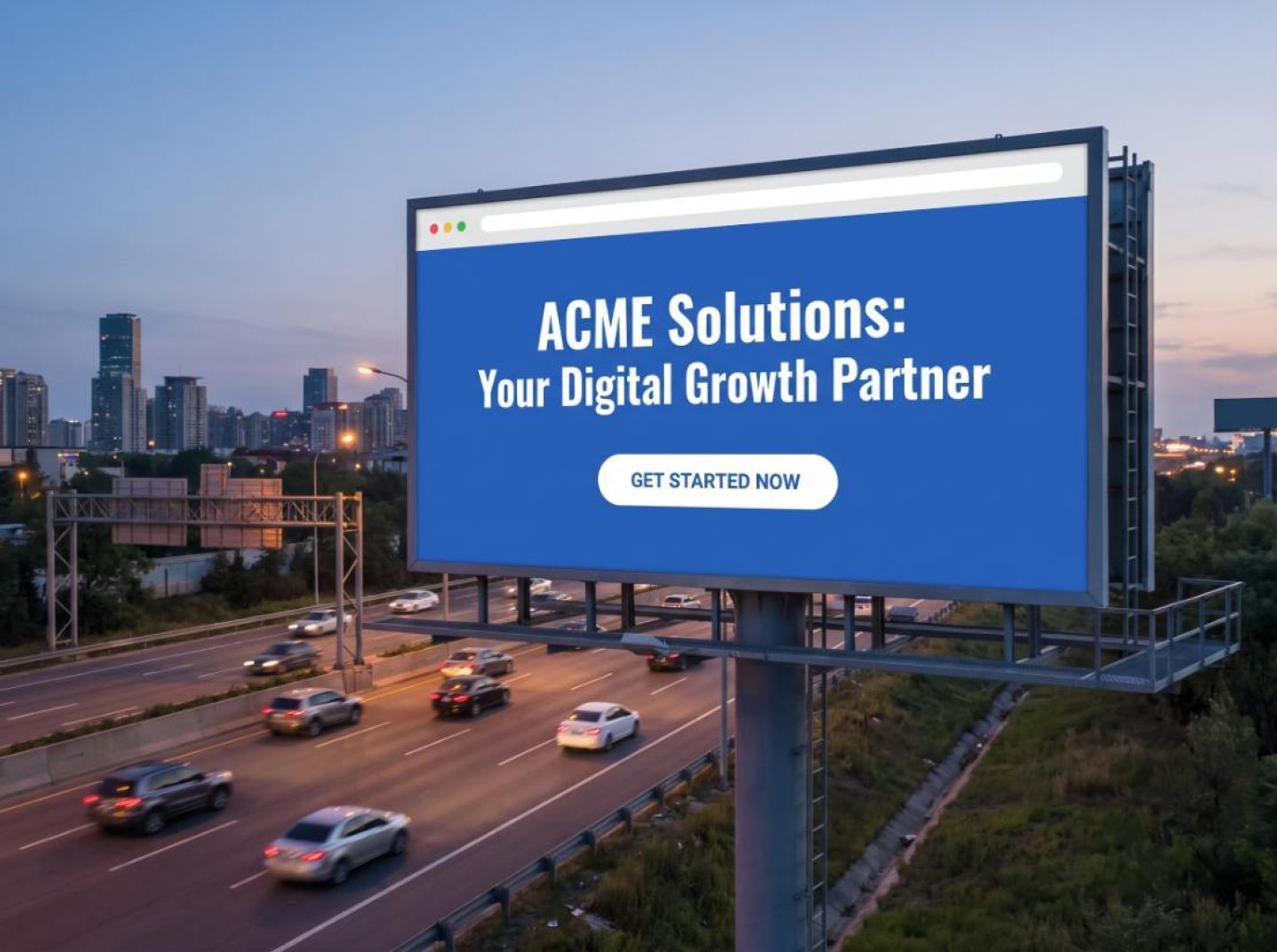
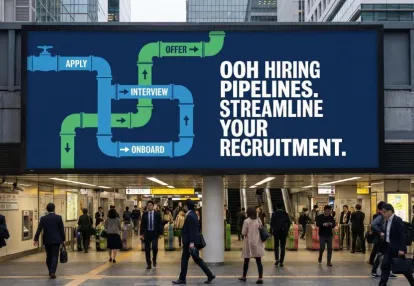
Get StartedOut-of-home likes to talk about innovation, but its own job ads read like time capsules. Scroll through a typical OOH classifieds column and you’ll see the same pattern: “Account Executive – Billboard Ad Sales,” “Business Development Representative (Media Sales),” “LED Video Screen Service & Installation Tech.” The recent “New Sales Opportunity — OOH Classifieds Today” roundup on OOH Today is textbook. It promises “career opportunities in out-of-home, including printing, mobile billboards, photos, truck sides, and experiential,” then lists roles at Liquid Outdoor, Daktronics, SILVERCAST, Formetco and others.
What’s missing is as revealing as what’s there. You can find Sales, Real Estate, Operations, Creative, Administrative. You can find installers, designers, and brilliant people who know how to sell a static board or hang an LED face on a structure. You cannot find a single line that sounds like “Landing Page Optimization Strategist,” “Attribution Product Manager,” or “Conversion Architect for Programmatic OOH.”
The one detailed description in that same OOH Today listing — a Business Development Representative at Liquid Outdoor Media — proudly notes a “national portfolio of digital and static out-of-home media assets,” from kiosks to spectaculars to traditional billboards. It talks about sponsorships, experiential activations, open-air lifestyle centers. It does not mention what happens after someone sees the ad. No responsibility for driving a specific landing experience. No mandate to translate impressions into attributable revenue. The job is to sell locations, not outcomes.
This is the blind spot: OOH’s own hiring language assumes that the medium’s job ends at exposure. Meanwhile, the rest of digital advertising has spent a decade reorganizing around the next click, the next page, the next measurable action. The irony is that the tools to fuse physical impressions with digital outcomes are already proving themselves inside the OOH universe.
As the AdQuick team has documented, companies like GOOD TRAFFIC (formerly mobilads) run static vinyl car wraps across hundreds of cities and then track first-party GPS data every few seconds, merge it with mobile location data, and measure foot-traffic lift and online conversions via pixel. Nothing about the physical format is “digital” in the way a billboard operator would use the word; the wrap doesn’t change, the car is just a car. But the campaign is architected as if the wrap were a pre-roll ad and the landing page were the product. The surface is static. The data — and the destination — are not.
Contrast that with a typical “Account Executive – Billboard Ad Sales” role promoted through OOH Today’s classifieds. Success is framed as filling avails, managing relationships, and hitting quarterly revenue targets on boards and faces. There is no reference to pixel-based measurement, no responsibility for collaborating on mobile experiences or in-car creative that picks up where the billboard leaves off, no expectation that this seller can speak credibly about conversion rate, multi-touch attribution, or incrementality.
That might have been a forgivable oversight when OOH could assume a captive, windshield-based audience. But as one forward-looking piece in OOH Today points out, autonomous vehicles represent a fundamentally different risk: they remove the driver’s gaze. When cars drive themselves, the foundational OOH assumption — that a significant share of people will be looking out the window at the roadscape — begins to collapse.
In that world, in-car and mobile screens will dominate the commute, capturing top-of-funnel attention, serving personalized, data-fed ads, and handing users frictionless conversion paths without anyone ever glancing up at a poster. If OOH job descriptions continue to center on selling square footage and installing faces while ignoring the design and ownership of those digital destinations, the medium is effectively training its own workforce to abdicate the one battlefield where it can still compete: the bridge between public impression and private action.
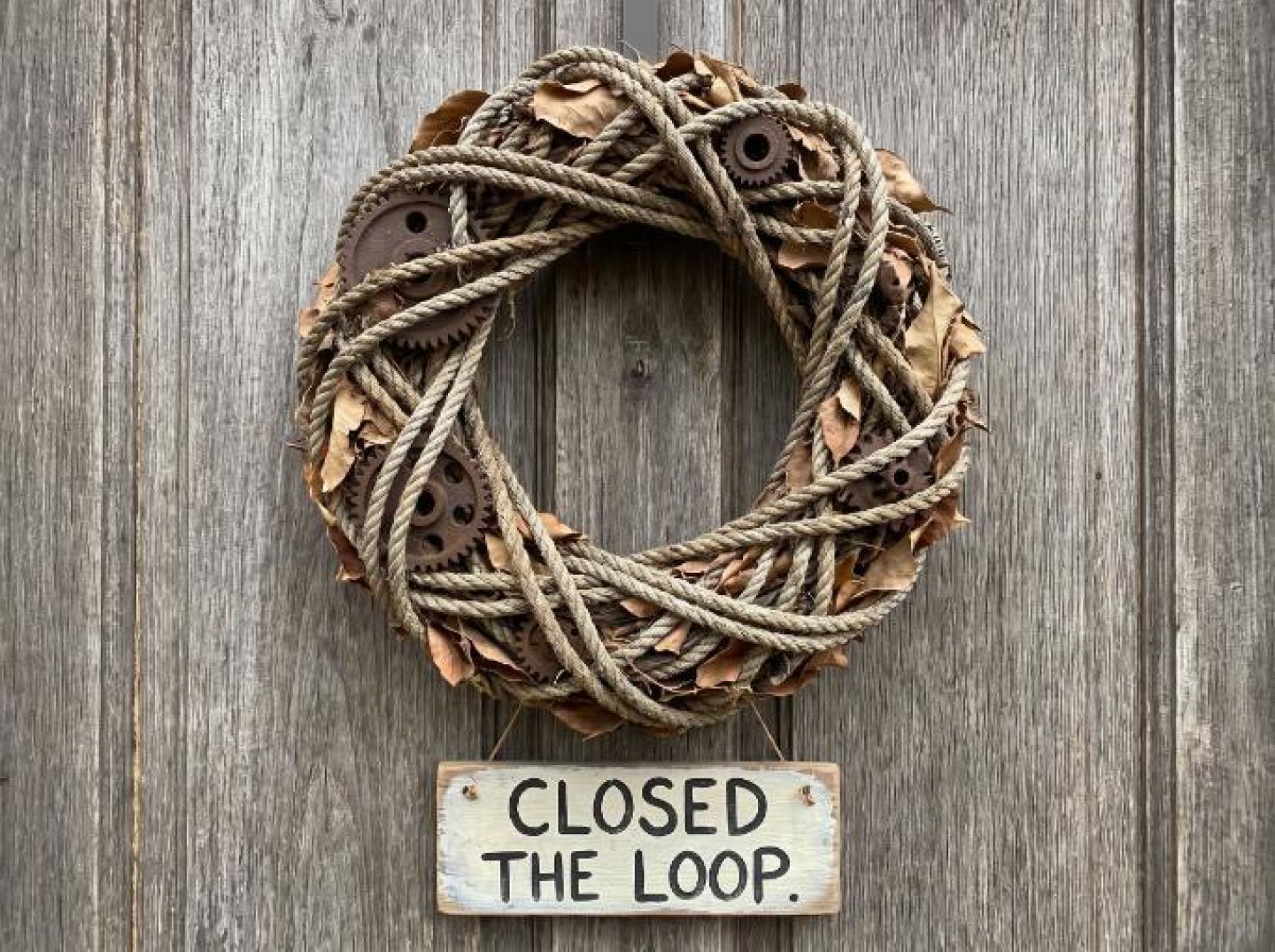
By any reasonable definition, out-of-home has “closed the loop.” The industry can finally point from a moving asset in the real world to a specific, measurable action in the digital one. Mobile OOH vendors routinely stitch together first-party GPS, third‑party location, pixels, and geofencing to prove that people who were near an ad actually did something afterward. GOOD TRAFFIC’s rideshare car‑wrap network is the canonical example: it collects GPS pings every few seconds, fuses them with mobile location data to model who was within viewing distance of the vinyl, then measures both foot‑traffic lift and online conversions via pixel, all exposed in a real‑time reporting dashboard, as the.
In other words, the medium has solved the “did anyone see this and did it work?” question that haunted OOH for decades. Campaigns like Lime Media’s San Jose Earthquakes activation show what this looks like in practice: a single LED truck follows GPS‑traced routes across a market, mobile IDs inside the impression radius are captured, and post‑exposure ticket purchases are matched back to that cohort, giving the club “actual, verified, traceable ticket purchases,” as OOH Today’s case study explains. That is full‑funnel attribution by any performance marketer’s standard.
And yet, look at how the industry talks about this progress. The headline promise is almost always “physical scale, digital proof,” not “physical scale, digital product.” The loop is celebrated at the point of the click, the visit, the swipe‑up—then the story just ends. The measurement stack is treated as validation for a media buy rather than the start of a designed journey.
That mindset shows up in the way these capabilities are sold. Vendors pitch dashboards that can “prove ROI” on billboard trucks, car wraps, and in‑store screens. They highlight the ability to show foot‑traffic lift, to map heat zones, to export audience segments that can be retargeted elsewhere. GOOD TRAFFIC explicitly positions its format as “moment‑based OOH” that supplements existing strategy, not as the front door to a persistent, living experience, according to the AdQuick analysis of DSP/SSP convergence. It is optimization technology bolted onto a physical poster, not a product team thinking, “What happens in the next five seconds after someone engages?”
Meanwhile, the channels OOH likes to compare itself to have quietly made the post‑click moment their core business. Retail media is the clearest example. When a shopper taps a promoted item in a grocery app or scans a code on a shelf, the retailer doesn’t just measure that interaction; it drags the customer into a logged‑in, loyalty‑driven environment where every subsequent action is interpretable and actionable. As one OOH Today column on Walmart’s media ambitions notes, retailers know “what that shopper bought yesterday, what they’re buying today, and what they may buy tomorrow,” and they use that spine of loyalty data and in‑store screens to turn the store itself into a media property.
OOH, by contrast, has largely stopped at proving that its impressions nudge people into someone else’s ecosystem. The click still points away—from the truck to a Ticketmaster page, from the wrapped car to a brand’s generic homepage, from the in‑store screen to a manufacturer’s site. The landing experience belongs to another team, another budget, another tech stack. OOH companies have accepted measurement as their remit and ceded experience design at the exact moment their media has finally earned the right to demand it.
This is why OOH classifieds continue to commoditize “selling space” instead of “owning journeys.” If your value story ends at “we can show a lift in visits,” your hiring will tilt toward sales reps who can talk CPMs, not product thinkers who can architect what the visit becomes. The irony is that the same tools that let a single Earthquakes truck tie impressions to ticket sales, or let a rideshare wrap prove online conversions, could just as easily power a proprietary, OOH‑native landing layer. But as long as the industry mentality is that closing the loop means closing the attribution gap, not opening a new surface for interaction, the job descriptions will keep ignoring the landing‑page advantage that’s sitting right behind the click.
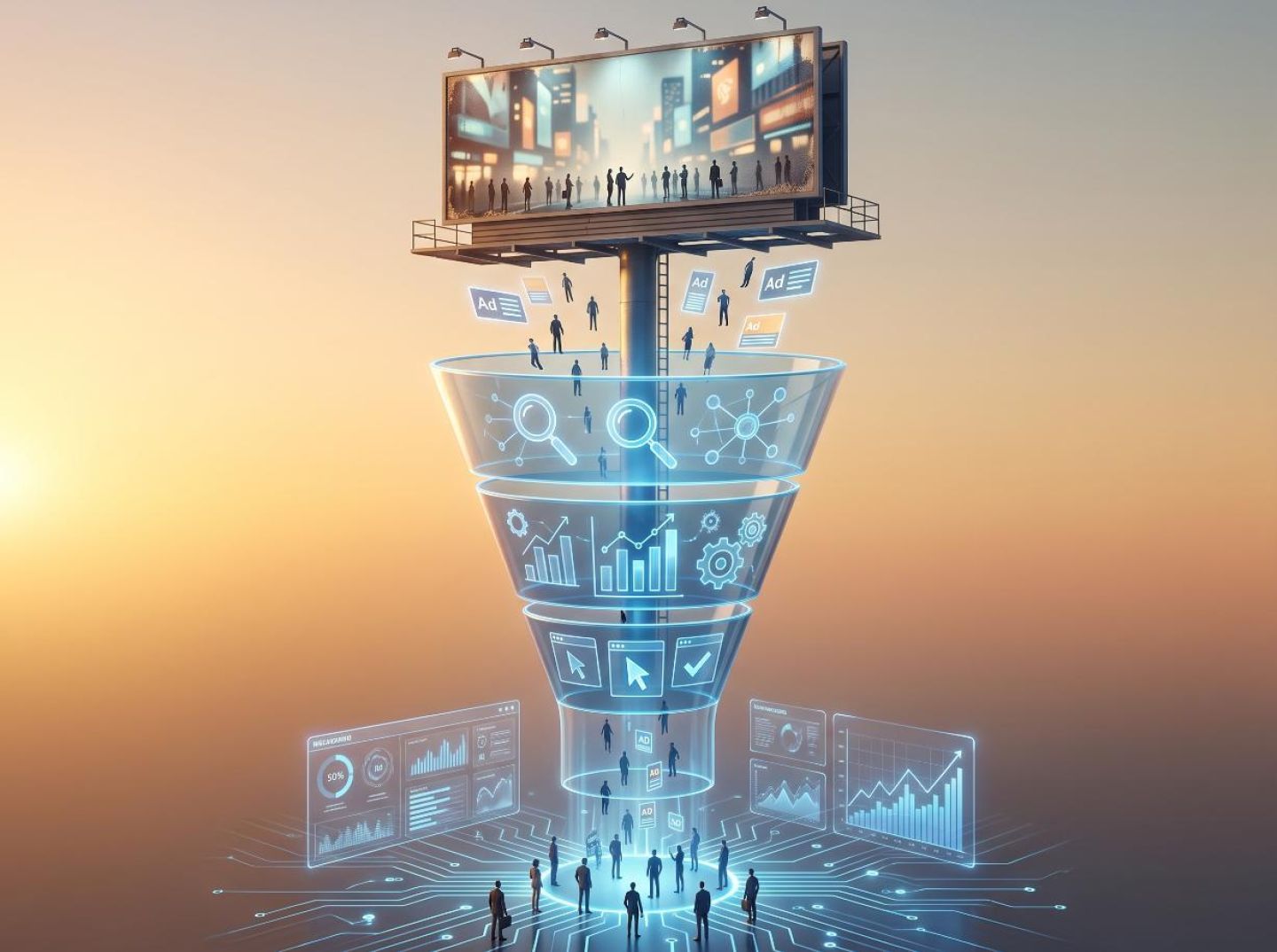
In a world where cars drive themselves and in‑car screens compete for every spare second of attention, the billboard is no longer the endpoint of the journey. It’s the on‑ramp. The real destination—the place where persuasion, proof, and purchase live—is the landing page.
Autonomous vehicles don’t just remove the driver’s gaze; they rewire the attention stack of the entire trip. As one analysis of the self‑driving future of out‑of‑home put it, when no one is looking at the road, static boards risk becoming “silent actors performing in a theater where the audience has left the room,” while in‑car interfaces capture impressions, personalize ads, and convert instantly without requiring anyone to look outside at all, as OOH Today argued. In that scenario, the OOH asset you “own” isn’t the metal and vinyl in the landscape; it’s the owned digital surface that loads after a scan, tap, or voice command.
That shifts the center of gravity from the structure to the screen you control.
For decades, OOH has organized around physical scarcity. Premium boards in high‑traffic corridors have always been booked solid, and the arrival of digital has only intensified that constraint. Programmatic DOOH now sells flexible access to those limited spots at a meaningful “flexibility premium” over traditional direct buys—up to fifty percent more—because you’re buying the right moment on a sold‑out screen, not just raw tonnage, as the AdQuick analysis of DSP/SSP convergence explains. But in a self‑driving context, that moment is only as valuable as the next step it triggers. The asset that actually scales is not the board; it’s the post‑click environment.
Landing pages don’t care how many miles of frontage road zoning will allow. They can be spun up, versioned, and personalized at software speed. And in a commute dominated by phones and in‑car displays, that is exactly where the fight for value will move. When cars are “networked, sensor‑driven, data‑rich, and fully aware of [their] passengers,” as the self‑driving forecast from OOH Today lays out, the most powerful media surface isn’t the one your passengers drive past; it’s the one that can respond to who they are, where they’re going, and what they do next.
Suddenly, the OOH operator with the most “inventory” is not the one with the tallest spectacular—it’s the one whose call‑to‑action consistently takes travelers to high‑performing, context‑aware landing experiences.
In that environment, treating the landing page as an afterthought—something the brand or agency will “handle”—isn’t just leaving money on the table. It’s ceding the very portion of the journey that can’t be commoditized. The steel and LEDs are subject to the same scarcity economics every other operator faces. The post‑click experience is where an OOH company can differentiate, wrap its hardware in proprietary software, and participate directly in the value it helps create.
This isn’t abstract. As programmatic and AI‑driven agents begin to transact DOOH at machine speed under emerging agent‑to‑agent standards, which the IAB Tech Lab’s Agentic Roadmap extends to out‑of‑home via OpenRTB and related protocols, the optimization loop will inevitably move downstream. The systems deciding which impression to buy on a roadside screen won’t just ask, “What’s the CPM and footfall?” They’ll ask, “What happens after the scan?” Surfaces that consistently drive high post‑exposure value—measured in on‑site engagement, sign‑ups, or sales—will command a premium. Surfaces that don’t will clear at a discount, no matter how good their traffic stats look on paper.
Viewed through that lens, the landing page is no longer a digital appendix to an analog buy. It is the billboard’s nervous system—the place where data flows in, creative decisions get tested, and revenue is actually realized. In a self‑driving world, the OOH players who design, own, and iterate that system will still matter. The ones who only own metal will watch as cars, phones, and agents quietly route around them.
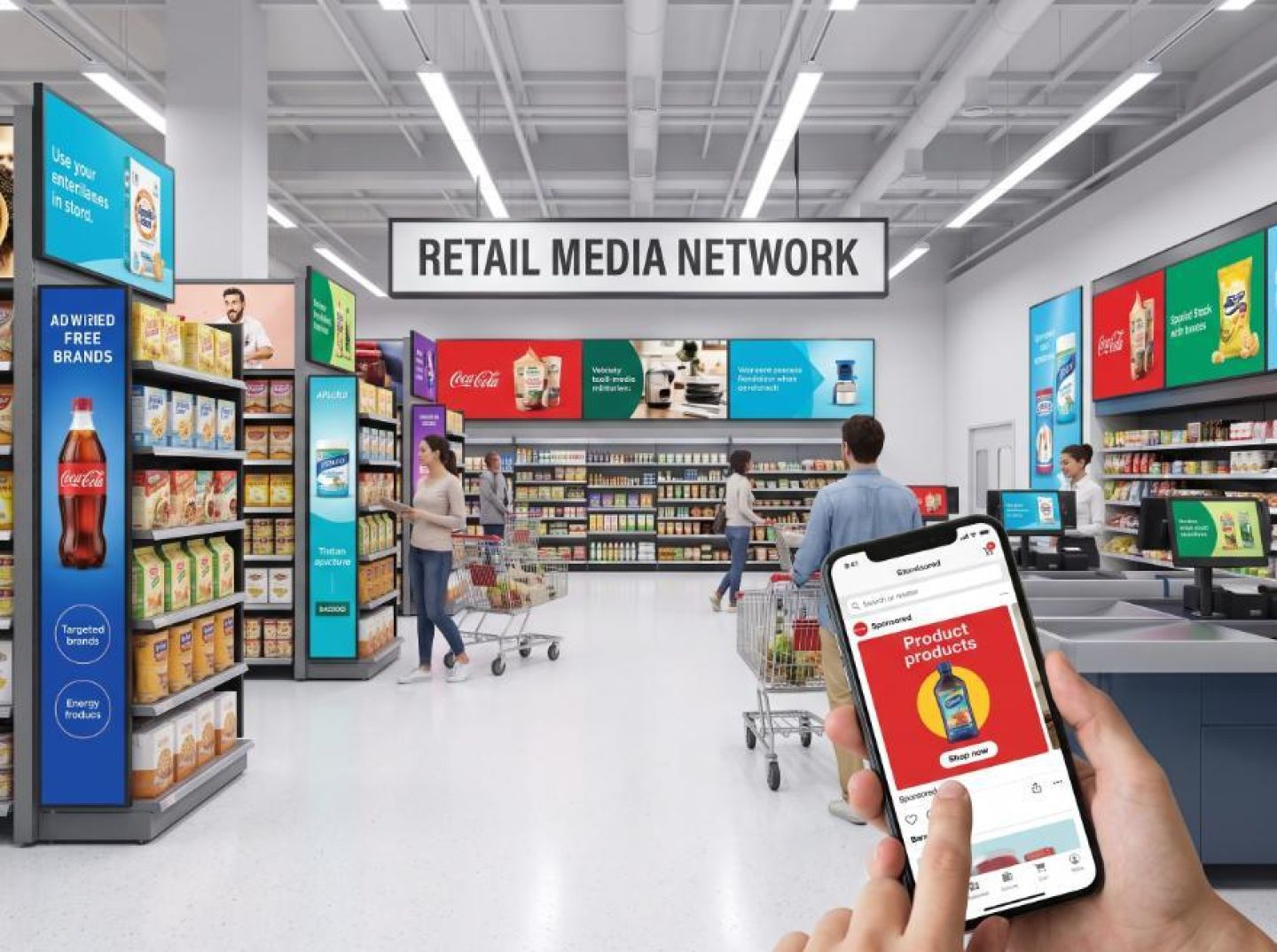
Retail media is already living in the future OOH keeps talking about: a world where physical reach is powered by a digital brain.
Walk into a Walmart, Kroger, or Home Depot and you’re not just in a store; you’re standing inside a media network that knows who you are, what you’ve bought, and what you’re likely to buy next. As one analysis of Walmart’s transformation put it, retailers are blending loyalty data, mobile tech, digital screens, and physical locations so completely that “the aisles become avenues” and “the store becomes a media property,” collapsing the line between retail media and OOH into something almost indistinguishable from each other in practice, if not in org charts yet, as.
That hybrid reality is exactly what traditional OOH classifieds still refuse to recognize.
Look at how the OOH sales ecosystem still represents itself publicly. Classifieds pages list job after job in “printing,” “truck sides,” “mobile billboards,” and “experiential,” all framed as formats and placements rather than as data-rich products in a connected stack, a mindset you can see in the way roles are pitched across the employment listings in OOH Today’s classifieds feed. The core promise is still surface area: more boards, more LEDs, more coverage. The landing page—the place where all that attention is supposed to convert into something measurable and optimizable—barely shows up in the story.
Retail media does the opposite. It treats the “surface” as a node in a graph. An in‑aisle screen is not just an impression; it’s a dynamic entry point into a product detail page, an add‑to‑cart button, a loyalty offer, or a retargeting pool. When a shopper taps a QR code or scans a shelf tag, the landing experience that follows is not a generic homepage—it’s a precision‑built, SKU‑level, audience‑aware destination that can be tested, iterated, and attributed in near real time. The physical touchpoint is the trigger; the digital experience is the engine.
OOH already has proof that this model works in its own backyard. Rideshare wraps from companies like GOOD TRAFFIC are literally vinyl panels moving through cities, yet they behave like high‑resolution data sensors. By combining first‑party GPS signals from every car with third‑party mobile location and pixel‑based tracking, they can show who was in viewing distance, whether they visited a store, and whether they converted online, all visualized in real time as heat maps and dashboards, an approach detailed on the AdQuick blog. The wrap doesn’t change, but the data and the landing‑page journeys it unlocks do. That’s retail‑media logic applied to pure OOH inventory.
Now put those two pictures next to each other: Walmart’s in‑store network behaving like a programmatic marketplace with deterministic purchase data, and a rideshare car wrap generating attribution that would make many social platforms jealous. They share a core assumption: every physical exposure should resolve to a specific digital action—a product page, a signup flow, an app install, a coupon wallet, a configurator. The landing page is not an afterthought; it is the product.
Traditional OOH sales culture hasn’t internalized that shift. The roles promoted in industry classifieds are still optimized for dialing for dollars and filling faces on a map, not for collaborating with product managers on post‑click funnels, negotiating pixels and server‑to‑server integrations, or selling “OOH + landing‑page optimization” as a single solution, which is evident when you scan the responsibilities and framing of positions like Business Development Representative or National Account Executive in current OOH job postings.
Retail media’s explosive growth is not just a budget threat; it is a blueprint. It shows what happens when you treat physical presence as the front end of a digital performance funnel instead of a disconnected awareness layer. The OOH companies that win the next decade won’t be the ones with the most square feet of inventory; they’ll be the ones that treat every board, car, kiosk, and wallscape as the first step in a landing‑page journey—and then build the digital brain to prove it.
Native and push advertisers live and die by the landing page. That’s the quiet, structural difference between their world and most OOH classifieds—and it explains why they think about creative, targeting, and measurement in a completely different way.
If you run native ads on Taboola, Outbrain, or a push network, the unit itself is intentionally weak as a standalone message. A 40-character headline and a thumbnail are never going to do the heavy lifting of education, proof, and conversion. The clic
That’s why native and push teams obsess over pre-sell pages, advertorials, and quiz funnels. They know a blunt “Buy now” landing page will underperform a structured narrative that warms the user up across multiple scrolls. They test whether a long-form story, a three-step quiz, or a “case study” format gets more people to the cart. They do creative arbitrage—cheap attention at the network level, expensive persuasion on the landing page.
And crucially, they measure the whole chain.
These advertisers don’t grade an ad solely on CPM or CTR. They grade it on revenue per click, earnings per mille, and, ultimately, customer lifetime value. If a headline generates half the clickthrough rate but 2x the conversion rate downstream, the “worse” ad is the winner. The unit is judged by what it drives into and through the landing experience.
Now compare that to how most OOH classifieds are sold.
The unit is still treated as a self-contained deliverable: a listing, a panel, a spot. Success is defined in isolation—impressions, plays, “coverage”—instead of post-view behavior. The assumption is that if you drop a brand, a rate, and a phone number into a static rectangle, you’ve done your job. In a world where the landing page is the real sales floor, this is like judging an ecommerce program by how many people loaded the homepage, not how many added to cart.
The irony is that the OOH world already has proof that what happens after the impression is where the money is. When Saatva first added OOH into a performance-heavy mix, a narrow attribution model made the campaign look like a loser. It was only when the team expanded measurement to include factors like organic search lift, brand-direct traffic, and delayed conversions that OOH emerged as their highest-performing channel, a shift chronicled in an analysis of how mismeasurement can “kill your best channel” in OOH Today. In other words: when they treated the billboard as the on-ramp to a broader funnel instead of a closed system, the economics flipped.
Some of the most innovative OOH-adjacent players are already behaving like native and push marketers—they just don’t describe it that way. GOOD TRAFFIC’s rideshare car-wrap campaigns collect first-party GPS data, fuse it with mobile location signals, and then tie those exposures to outcomes like foot-traffic lift and online conversions via pixel, as detailed in AdQuick’s overview of DSP/SSP convergence. The vinyl doesn’t rotate creative every second, but the measurement stack looks remarkably like a performance marketer’s: who saw, who visited, who bought.
Retail media is even closer to the native mindset. When a Walmart or Kroger turns its store into a media network and combines loyalty data, mobile IDs, and digital screens, something subtle happens: the aisle ad is no longer judged in isolation, but by what it does to basket size, repeat purchase, and category share, an evolution traced in a piece asking when Walmart became an OOH company. Again, the unit is only as valuable as the landing environment it accelerates—except here, the “landing page” is the shelf.
Native and push advertisers already act on three assumptions OOH classifieds still mostly ignore:
Until OOH classifieds internalize those same assumptions—and start building, packaging, and pricing their inventory around the landing-page advantage—they’ll keep treating the on-ramp like the destination, while performance-native channels quietly capture the value of the journey.
Most OOH classified marketplaces still define success in the most primitive possible terms: “We sold a board.” An operator posts inventory. A buyer calls or emails. The space is booked; the invoice goes out; the listing is marked as filled. From the marketplace’s perspective, that’s the entire story.
But to any performance marketer, that’s barely the opening scene. In native and push, the impression is just a cost of goods; the real product is the funnel that happens after the click. OOH classifieds, by contrast, almost never claim or design any ownership of what happens beyond the booking. They monetize the transaction, then surrender the relationship.
You can see this worldview everywhere from job listings to media classifieds. When an outlet like OOH Today promotes “New Sales Opportunity — OOH Classifieds Today,” the call to action is: email a human, place your ad, fill a role, move on. The platform is a bulletin board, not a performance system. There’s no expectation that the classified environment should track applications, score candidates, nurture talent, or retarget relevant employers. Once the listing runs, the funnel lives somewhere else—inside inboxes, spreadsheets, applicant-tracking systems, and sales pipelines the marketplace never sees.
That’s exactly how traditional OOH inventory is still traded. A lot of the industry “still runs on phone calls,” as AdQuick’s analysis of DSP/SSP convergence puts it. The infrastructure is optimized to clear supply, not to understand or influence the downstream journey of the advertiser’s customer. As long as the board is sold, the system is working.
The problem is that every other high-growth channel now assumes the opposite. Retail media networks don’t brag about “selling endcap space”; they brag about closed-loop measurement and audience ownership. When a rideshare-wrap operator like GOOD TRAFFIC stitches first‑party GPS with mobile location data to show who was in viewing distance, which stores they walked into, and which conversions fired via pixel, they’re not just selling vinyl on a car—they’re claiming a piece of the funnel. The creative is static; the data and outcomes are not.
OOH classifieds could do exactly the same thing, but for the buyers and sellers that use them.
Imagine a classifieds platform that doesn’t stop at “unit sold,” but operates like a performance network. Every listing—whether it’s a billboard in Dallas or a national account executive role in Los Angeles—clicks into a native-style landing environment the marketplace controls. That environment can:
At that point, the marketplace is no longer just matching inventory to demand; it’s mediating the entire buyer journey.
The conversion moment is especially strategic in a world where out-of-home competes with personalized, instantly clickable surfaces. As an analysis of autonomous-vehicle advertising pointed out, in‑car and mobile screens will increasingly “deliver personalized ads, respond to behavior, routes, and user profiles, and convert instantly, without looking outside.” If OOH classifieds remain blind bulletin boards—offline, disconnected from those data-rich environments—they will watch more and more budget migrate to channels that can prove they own the funnel.
Owning the landing page is the simplest leverage point to change that trajectory. It’s the place where the offline impression meets the online decision; where the abstract idea of “reach” turns into the concrete reality of form fills, calls, store visits, and sales. A classifieds marketplace that claims that territory can evolve from “we sold a board” to “we orchestrated and measured the entire path from impression to outcome.”
The ad is not the product. The funnel is. Until OOH classifieds recognize that—and build landing‑page‑centric experiences accordingly—they’ll keep getting paid like space brokers in a market that’s increasingly rewarding funnel owners.
Receive top converting landing pages in your inbox every week from us.
Quick Read
Ad-spy tools and performance marketing are helping reshape OOH from a traditional media channel into a data-driven, programmable performance environment. This guide explores how competitive intelligence can influence OOH hiring, talent requirements, funnel strategy, measurement, and agentic AI workflows.
Dan Smith
7 minSep 23, 2026
In-Depth
OOH is getting better at measuring impressions, but many classifieds and job descriptions still stop short of owning the post-click experience. This guide explains how landing pages, attribution, retail media, and performance marketing can help OOH evolve from selling physical inventory to owning the full funnel.
Rachel Thompson
7 minSep 23, 2026
How-To
Learn how to replicate the strategic value of big-budget sports tie-ins without relying on celebrity deals or massive media spend. This guide shows how to use Anstrex, micro-targeted sports creative, modular landing pages, and a unified spy-to-scale workflow to turn sports moments into repeatable performance campaigns.
Liam O’Connor
7 minSep 22, 2026