10 minOctober 4, 2026

Our spy tools monitor millions of native ads from over 60+ countries and thousands of publishers.
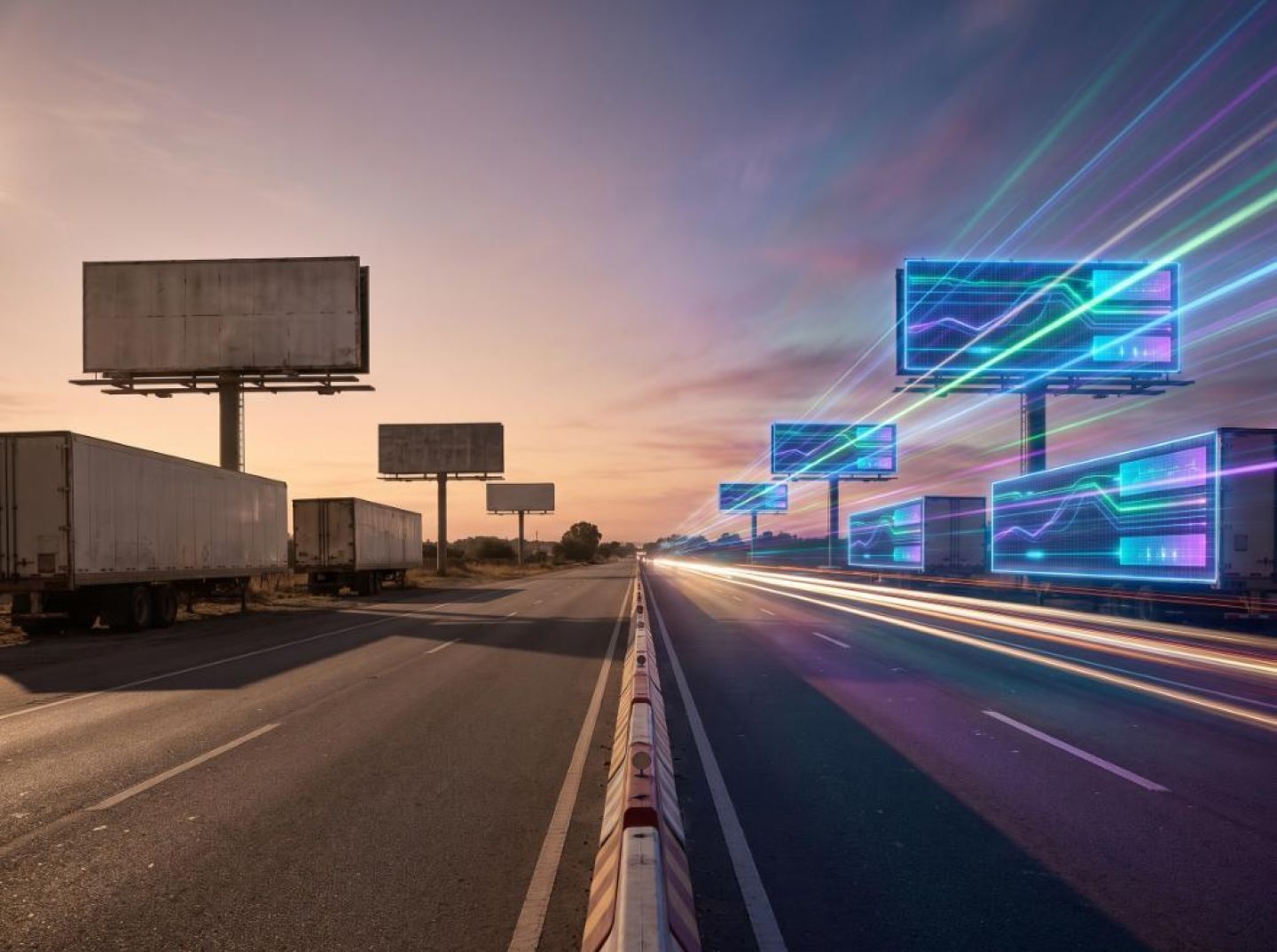
Get StartedScan the latest OOH job boards and you’ll see the same pitch on repeat: sell more billboards in Southern Illinois, truck-side wraps in Miami, spectaculars in Los Angeles, or experiential tours for national brands. The roles are framed around territory and inventory, from Sales Manager postings focused on “high-impact billboard and digital display solutions” to National Account Executive listings promising access to premium urban walls and digital screens as highlighted across recent.
But while the classifieds still celebrate “location, location, location,” the brands hiring those OOH campaigns are quietly buying something very different: measurable outcomes—qualified leads, incremental sales, and provable lift at every stage of the funnel. This article shows how any OOH seller, planner, or operator can use Anstrex’s ad intelligence across Native, Push, Pops, and In-Stream to transcend a placement-first job description and become a revenue architect who designs, optimizes, and proves full-funnel performance.
Scroll through the latest OOH employment listings and you can see exactly how the industry still defines success. Jobs are carved up by geography and metal: sell more billboards in Southern Illinois, more truck sides in Miami, more spectaculars in Los Angeles. The “Sales Manager – Outdoor Advertising” role in Southern Illinois, for example, is described as leading a team to grow “local and regional sales efforts,” with an emphasis on building relationships and closing deals across the region, not owning a customer’s end‑to‑end funnel performance as the OOH Today listing makes clear.
The pattern repeats across the board. A Miami “Ad Sales Account Executive” is hired to move more impressions on truck sides and mobile inventory. A Los Angeles National Account Executive at SILVERCAST is responsible for selling high‑impact spectaculars in premium locations. A Denver “Local Media Sales Executive” is charged with bringing in bar, restroom, or venue‑based campaigns. None of these roles, as they’re framed in recent classifieds, are accountable for what happens after someone sees the ad: the clicks, the leads, the e‑commerce revenue, or the CRM records that should follow.
Even outside sales, the same mindset holds. Real estate listings for “VP/Director/Associate” roles focus on securing locations and negotiating leases. Operations directors are tasked with installs, uptime, and service, like the “LED Video Screen Service & Installation Tech” and sign installer roles described in Formetco‑related postings. Graphic designers and brand specialists are scoped to resize assets and keep campaigns on spec, not to advise on offers or landing page strategies that will turn those impressions into measurable downstream revenue.
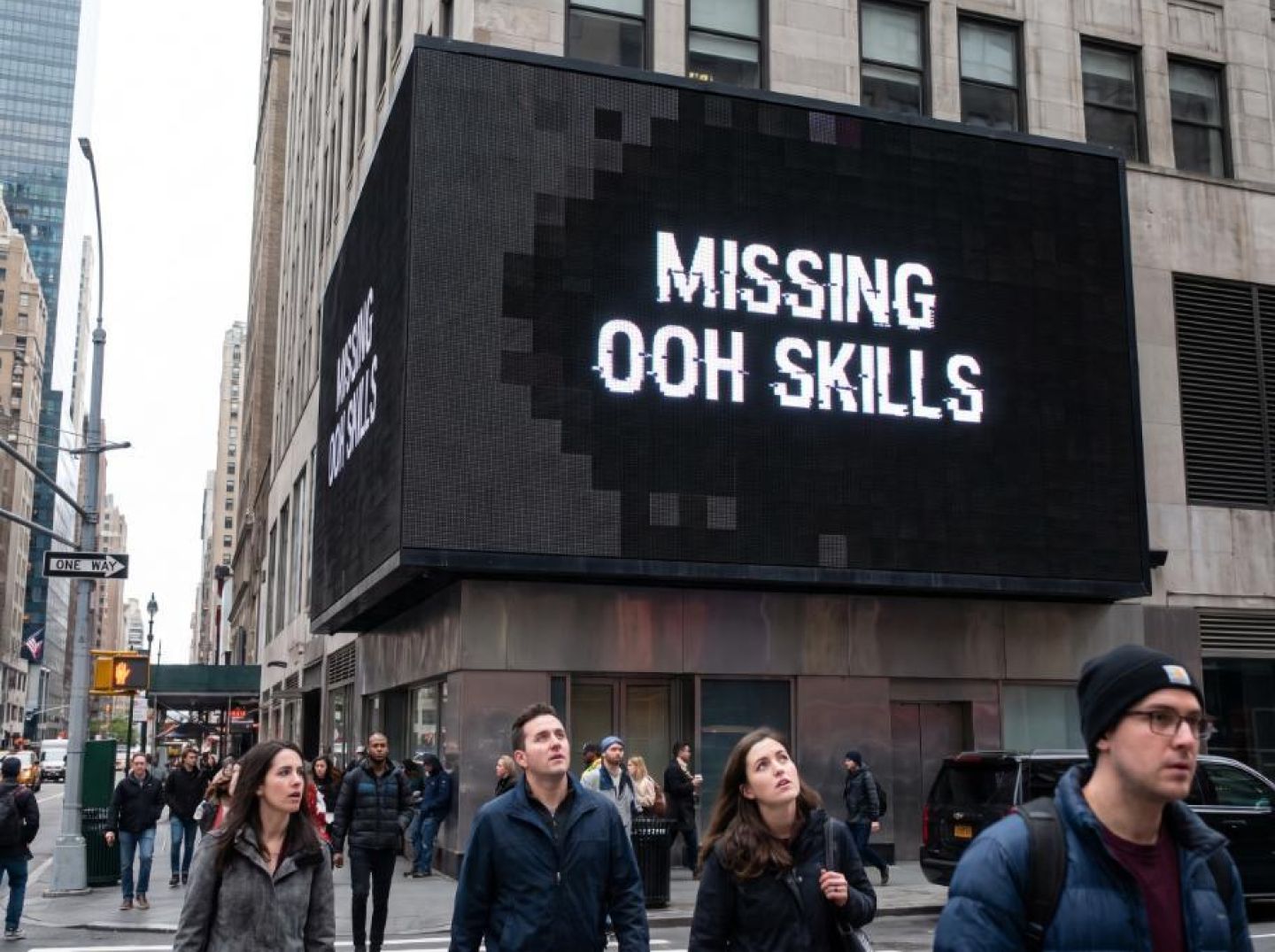
In other words, the org chart is still built for a “billboard seller” economy: territory‑defined sales reps, format‑defined ops teams, and relationship‑defined success metrics. That made sense when advertisers judged OOH on gut feel and GRPs. It’s dangerously limiting in a world where every CMO is under pressure to prove incremental revenue and every paid‑media team is optimizing creative, offers, and funnels in near real time.
The opportunity is not to tear down these roles, but to upgrade them.
The same people who know which side of the highway gets the commuter traffic and which bar screens actually get watched can become full‑funnel strategists if they’re equipped with the right intelligence. Instead of stopping at “We’ll get you 1.2 million weekly impressions on this digital unit,” they could say, “We’ve analyzed thousands of winning Facebook, TikTok, and YouTube ads in your category. The concepts that consistently drive low CPA online are X, Y, and Z. Let’s build your boards, trucks, and experiential around those proven winners—and align your landing pages and offers to match before anything goes live.”
Ad spy data is the bridge that makes this shift possible. When an OOH sales manager can walk into a local car dealer and show which finance offers, creative angles, and hooks (“$0 down,” “90 days no payments,” “trade‑in bonuses”) are already dominating search and social ads in that market, their value jumps from “media peddler” to “performance architect.” A real estate director, instead of only bringing a heatmap of traffic counts, can overlay which competitor creatives are scaling hardest online in that ZIP code—and suggest panel orientations, copy lengths, and contextual placements that play to those proven patterns.
Operations and install teams, too, can move from being cost centers to revenue enablers. If they know which creative variants are winning in A/B tests online, they can prioritize quicker swaps and rotations for high‑potential concepts, and advise clients to avoid dead‑on‑arrival formats or layouts that historically underperform.
This is the reframing the industry needs: every “account executive,” “real estate associate,” and “operations director” becomes a strategic, data‑enabled partner who doesn’t just fill inventory, but connects that offline inventory to digital performance that can be tracked all the way through to ROAS and pipeline. The job is no longer just to sell the board or hang the screen; it’s to help the client choose the concept, offer, and landing experience that’s already winning online—so when the first impression hits a commuter, a shopper, or a festival crowd, the rest of the funnel is ready to turn that glance into revenue.
Read the current batch of OOH classifieds and you can see, line by line, how roles are still scoped for a pre-measurement world. Titles like “Sales Manager – Outdoor Advertising,” “Business Development Representative,” and “National Account Executive” are framed around selling more metal in more places, not engineering campaigns that can be optimized, attributed, and scaled.
Take the Southern Illinois “Sales Manager – Outdoor Advertising” role featured in recent OOH employment listings. The posting emphasizes leading a team “to grow revenue and market share,” “develop and execute sales strategies,” and “build and maintain relationships with local businesses, agencies, and regional advertisers.” The ideal candidate is a “driven leader” who “thrives on building relationships and closing deals.” It is classic territory-sales language: market share, relationships, key accounts, hustle.
Now scan the rest of the sales roles aggregated alongside that listing. A “Business Development Representative” in New York, a “National Account Executive” in Los Angeles, local media sellers in Denver — the throughline is the same. The mission is to “expand local and regional sales efforts,” “identify new business opportunities,” and bring in more advertisers across markets. Phrases like “grow revenue,” “drive new business,” and “manage key relationships” dominate. The work is about coverage: more meetings, more proposals, more boards filled.
What’s striking is not what’s there, but what’s absent. Across these job descriptions, there is almost no language about:
You see “results-driven” in the company overview for the Southern Illinois operator, which describes “high-impact billboard and digital display solutions” and “results-driven advertising campaigns across the region,” but the responsibilities attached to the sales manager never turn “results” into anything like CPL, ROAS, or lift versus control. “Performance” shows up as a heading, not as a defined set of metrics or a toolkit.
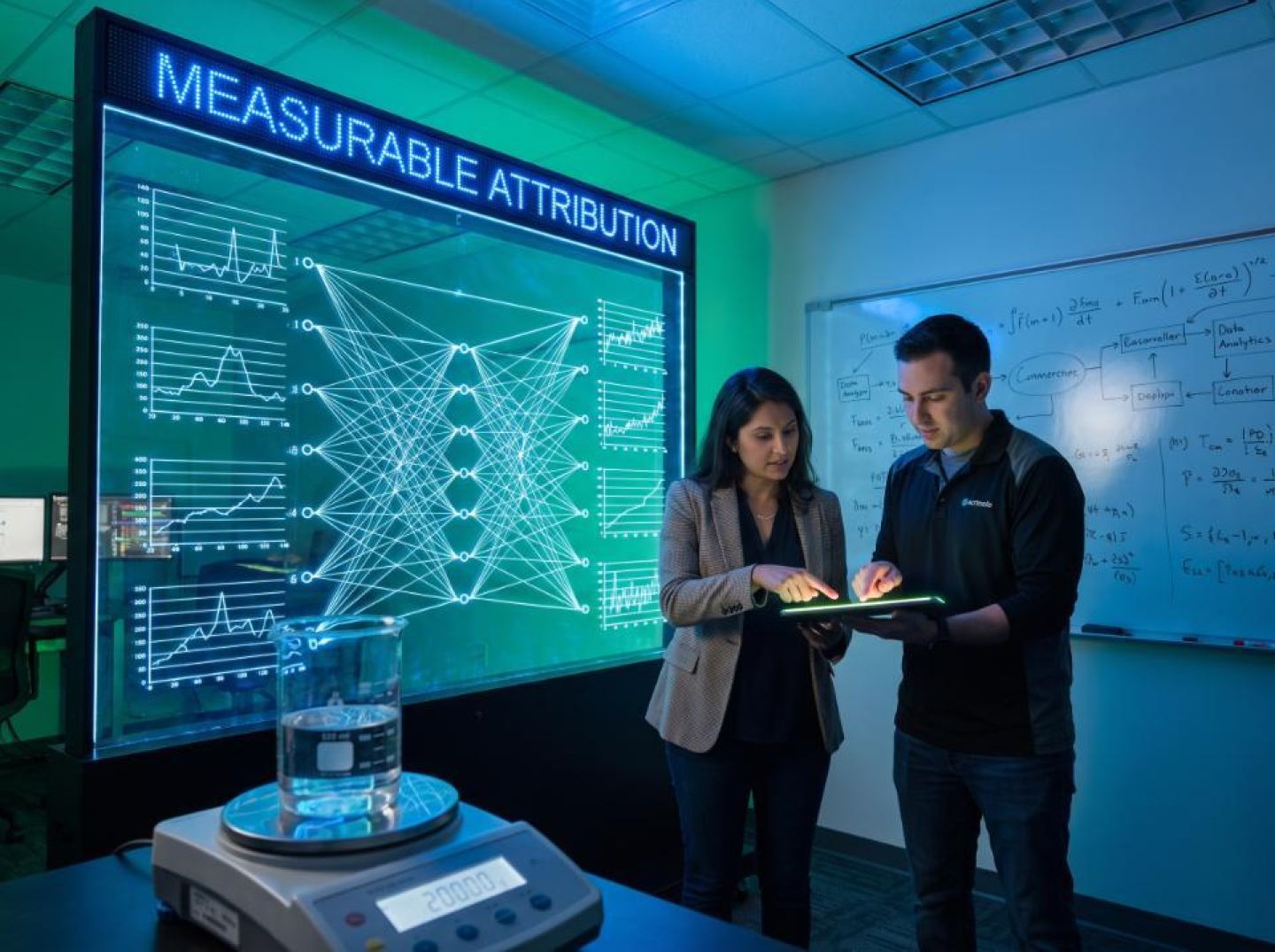
That gap matters because advertisers no longer buy OOH as an isolated awareness blast. National brands expect to see where OOH fits in a customer journey already shaped by search, social, and programmatic. They want to know how a digital spectacular pairs with paid social retargeting, how a truck-side wrap affects branded search volume, how QR codes or vanity URLs convert in different neighborhoods. None of that shows up when a “National Account Executive” is hired primarily for “on-site activations,” “market share,” and “relationships.”
The misalignment becomes even clearer when you compare these roles with the more operations-focused listings sitting in the same roundup of opportunities. A “Director of Operations” or “Graphic Designer/Brand Marketing Specialist – OOH” at a major media owner is expected to manage workflows, assets, and sometimes reporting, but even those descriptions rarely connect the dots to campaign-level testing, attribution frameworks, or integrated media strategy. The whole talent stack is optimized for putting ads in place, not proving what those ads do.
This is where ad intelligence tools change the game without requiring anyone to rewrite their business cards. A Sales Manager is still a Sales Manager; a Business Development Rep is still responsible for outbound and pipeline. But the expectations and skill sets can evolve dramatically if those same people are equipped to:
Instead of only promising more “market share” in Southern Illinois, that sales leader can sit with a CMO and say, “Here’s how brands like yours are using large-format digital to drive mid-funnel consideration, how they measure lift in search and site traffic, and the tests we’ll run to beat their benchmarks.” The role title hasn’t changed, but the value proposition has.
In other words, the problem isn’t that today’s OOH job postings are wrong; they are incomplete. They faithfully reflect a legacy model built on geography, inventory, and relationships. Layer in ad intelligence and you don’t dismantle that model — you upgrade it into something that speaks the language of modern advertisers who live and die by attribution, testing, and full-funnel performance.
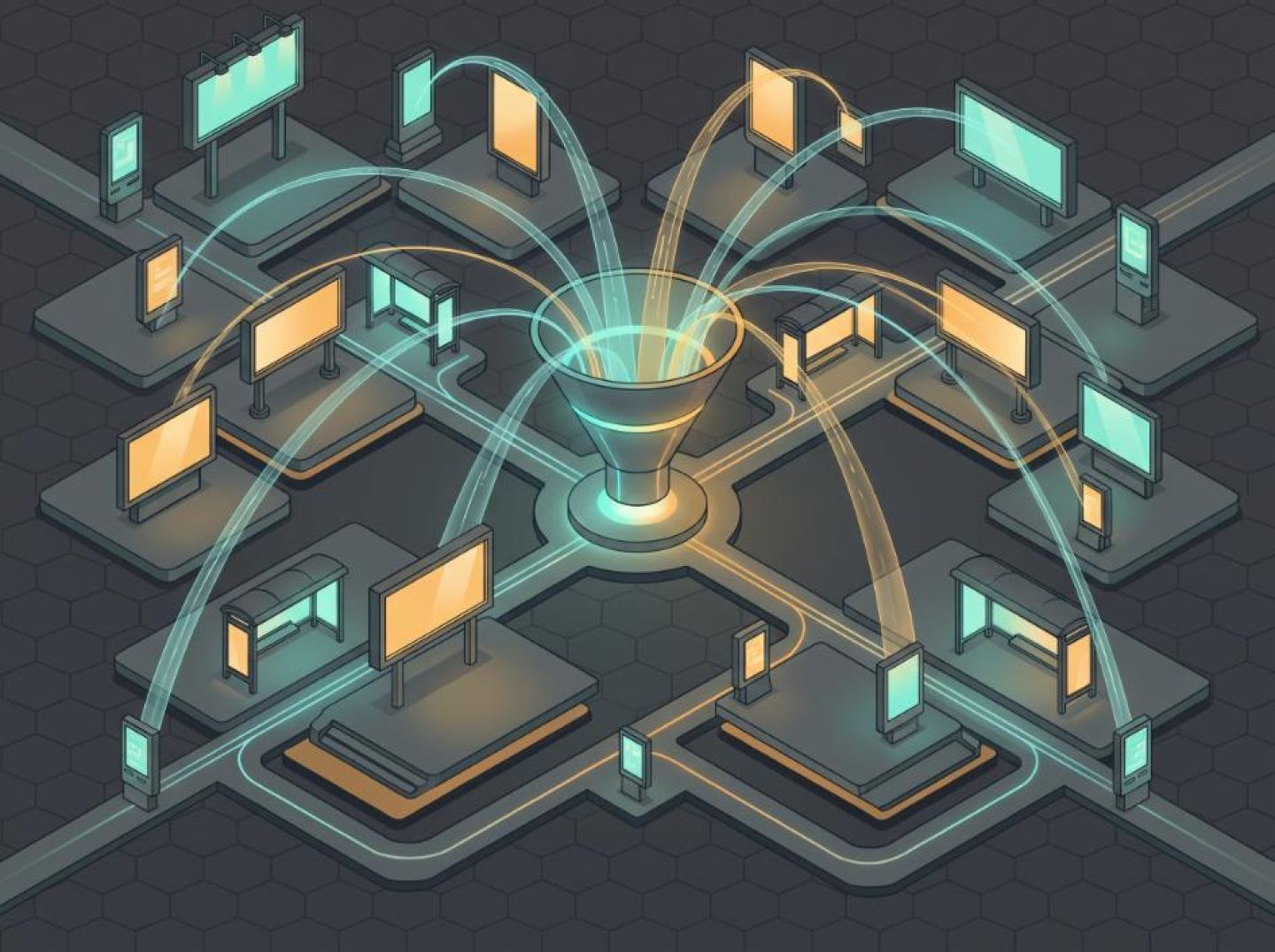
Ad spy platforms turn the messy middle between billboards and browsers into something you can actually see and copy. When an OOH team logs into a tool like Anstrex and filters for Native, Push, Pops, or in‑stream campaigns in a vertical they care about—weight loss, sportsbooks, fintech, home services—they suddenly have a live, searchable catalog of the exact creatives, offers, and funnels that are already scaling online. Instead of guessing what might work on a 14′x48′, they can watch which headlines are winning in Native widgets, which hooks keep reappearing in Push notifications, which landing pages are running for months at a time, and how aggressively those marketers are retargeting people who click. That becomes the R&D lab OOH has never had: a place to see which messages, angles, and conversion paths have already been pressure-tested with millions of impressions and real conversion data before a single vinyl goes up.
This matters because most OOH roles today are still scoped around territory, not test‑and‑learn. Job listings for “Sales Manager – Outdoor Advertising” in Southern Illinois or “Ad Sales Account Executive” in Miami emphasize relationships, coverage, and closing more inventory, not building funnels that an ecommerce or performance marketing team can track and optimize across channels, as recent OOH employment opportunities make clear. Digital performance marketers, by contrast, live inside a constant feedback loop of A/B tests and attribution dashboards. Ad spy tools are effectively a window into that loop. They let OOH reps and ops leaders see which creative and offer combinations are driving scale right now, then reverse‑engineer those insights into outdoor concepts and attribution scaffolding that feel familiar and credible to digital buyers.
Consider a sportsbook that’s blanketing Native and Push with a “Bet $5, Get $200 in Bonus Bets” angle. In Anstrex, an OOH rep can see that the ads with a simple team-vs-team matchup image and that specific dollar framing have been running for 90+ days, while alternative creatives churn out in a week. They can also click through to the landing page, note that the first fold is laser‑focused on the bonus explanation and frictionless signup, and that a retargeting pixel fires on page load. For an OOH proposal, that rep can adapt the same core hook and structure: a billboard headline that mirrors the high‑performing Native copy, a QR code or short URL that routes to the exact proven landing page sequence, and a recommendation that the client retarget all visitors with the same winning creative in display and social. Instead of telling a CMO, “We’ll drive awareness,” they can walk in with: “This specific offer and signup flow is already scaling in Native; here’s how we translate it to your stadium boards and surround it with trackable online remarketing.”
The same approach works in categories that traditionally lean on OOH but rarely connect it to lower‑funnel performance. A weight‑loss brand might see in ad spy data that “doctor-approved” social proof plus clear time‑bound promises dominate long‑running Push campaigns. A fintech app might notice that top‑spending Native campaigns favor “kill your bank fees” or “get paid 2 days early” value props tied to simple, mobile‑first onboarding flows. Those insights guide not just the words on a board, but the entire attribution strategy: align every QR, SMS short code, or vanity URL with the same landing page variants and tracking parameters the brand’s performance team already trusts. The OOH schedule becomes one more high‑reach entry point into a full‑funnel system that is already humming, rather than an isolated top‑of‑funnel bet the digital team can’t see.
For operators and real estate leaders, this spy‑derived visibility can even inform which advertisers to prioritize and how to package inventory. If you see that a particular DTC weight‑loss offer or emerging fintech is scaling aggressively across Native and in‑stream placements, you know they have a performance mindset and a working funnel. Pitching those brands with evidence‑backed OOH concepts—“We’ve mapped your best‑performing hooks and funnels to our downtown digital network and can mirror your online attribution stack”—is a much stronger story than the generic “high-impact billboard and digital display solutions” that many OOH company overviews still rely on. In that sense, ad spy data doesn’t just bridge offline and online performance; it upgrades the OOH seller from territory rep to creative and funnel strategist, armed with proof instead of platitudes.
The most dangerous thing about OOH isn’t CPM, it’s creative lock‑in. Once a message is printed on a 14×48, wrapped on a truck, or baked into a kiosk domination, you’re stuck with it for weeks or months. Meanwhile, the digital side of the house can swap headlines, images, and offers in minutes. That asymmetry—long lead times versus fast-changing consumer behavior—is exactly why every billboard or experiential idea should be “pre‑validated” online before anyone sends a file to production.
Here’s a simple, repeatable workflow for doing that with Anstrex.
First, mine Anstrex for angles that are already winning in the wild. Log in and filter by your vertical (say, weight loss, legal, or home services) and traffic type (Native, Push, Pops, or in‑stream). Sort for ads with long runtimes or heavy spend indicators; those are signals that someone else has already paid to validate the creative. You’re looking for recurring patterns in hooks and formats: “zero‑down,” “no credit check,” “get approved in minutes,” or specific visual tropes like before/after imagery or bold countdown timers. When you benchmark what’s working across dozens or hundreds of live campaigns, you’re no longer brainstorming in a vacuum—you’re reverse‑engineering the market’s current response patterns instead of guessing like a traditional OOH sales rep trying to “sell more metal,” the way many listings on OOH employment boards still implicitly assume.
Second, adapt 3–5 of those angles into digital‑style assets tailored for testing, not perfection. You’re not designing the final spectacular; you’re building fast, scrappy variants. Take one leading emotional hook, one offer‑driven hook, one curiosity or contrarian hook, and one ultra‑simple “brand hammer” execution. For each, create a compact set: a native tile (headline + thumbnail), a mobile‑friendly image for push, and a short in‑stream script if video is in play. Keep the copy as close to OOH reality as possible—seven words or fewer for the core line, minimal supporting text—so performance data reflects how it will behave when a driver has three seconds to process it at 55 mph. This is where involving an in‑house designer or freelancer with OOH chops, like the graphic design roles you see in the industry, pays off; they’ll naturally simplify layouts for distance and distraction.
Third, run short‑burst tests across Native, Push, and in‑stream traffic to pressure‑test those concepts. Set a modest but disciplined budget—enough to get statistically meaningful click‑through and conversion signals, not enough to become an experiment that never ends. Deploy all variants in the same geos and dayparts you’re considering for OOH so you’re sampling roughly similar audiences. Use Anstrex again to sanity‑check placements and publishers; you want to mimic the real mix of news, lifestyle, and entertainment environments where your audience spends time, not just cheap remnant inventory. In a few days, you’ll see which angles punch above their weight: perhaps the blunt value message outperforms the clever brand line, or a stark product photo beats your beautifully art‑directed lifestyle shot.
Fourth, only promote the winners into physical placements and experiential builds. The creative that clears your digital benchmark—highest CTR paired with strongest downstream performance (lead, call, store visit, or sale)—earns the right to become a billboard, truck wrap, or kiosk takeover. Now you can confidently brief vendors like digital spectacular operators, mobile billboard fleets, or lifestyle center networks with a proven concept instead of a hunch, the way companies such as Liquid Outdoor Media routinely package sponsorship and experiential opportunities. You’re not saying, “We think this will work.” You’re saying, “This exact message and visual has already beaten three alternatives in front of real people.”
Finally, codify the loop so every OOH proposal becomes a full‑funnel, test‑and‑scale program. When an agency RFP lands or a direct client asks for a truck fleet or a set of interactive kiosks, you respond with a two‑phase plan: Phase 1, rapid digital validation using Anstrex‑informed concepts; Phase 2, rolling the proven winners into print, digital OOH, and on‑site activations, with creative and placements locked only after the data is in. In a world where many OOH roles are still scoped purely around selling space, as the recurring “Ad Sales Account Executive” and “Billboard Ad Sales” titles on industry job boards make clear, this workflow becomes your competitive edge: every panel you sell is attached to a pre‑validated campaign that already knows how to turn attention into revenue.
A Southern Illinois–based Sales Manager for an outdoor company knows exactly which exits see weekend lake traffic, which commuter arteries jam up at 5:30 p.m., and which small‑town bypass gets ignored—but until now, that tribal knowledge has mostly translated into “this is a great board” rather than “this board is driving 214 incremental leads a month.”
The unlock is treating that hyper‑local placement intel as the starting point of an attribution plan, not the end of a location conversation.
A Real Estate VP or Director at a regional operator already obsesses over which lifestyle centers, grocery‑anchored plazas, and highway interchanges deliver the cleanest sightlines and dwell times. They know the exact panel that catches casino‑bound traffic after Exit 37 or the digital face that dominates the turn‑in to the new healthcare campus. Layering ad‑spy intelligence on top of that—pulling proven funnels, hooks, and value props from tools like Anstrex—lets them design placements as measurement surfaces, not just visibility surfaces.
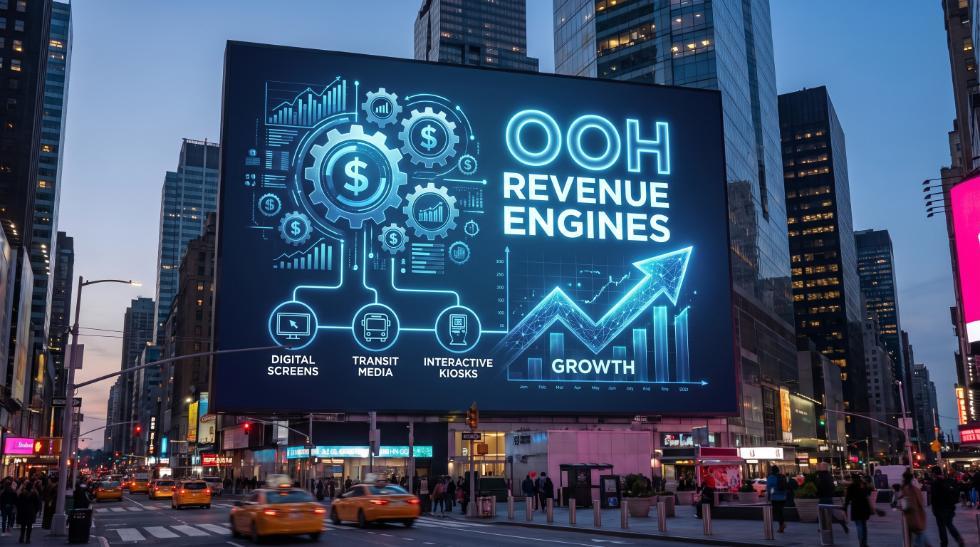
Here’s how those roles turn “good location” into a full‑funnel revenue engine:
They start by mapping each board or street‑level asset to a unique, human‑friendly URL and landing page inspired by the highest‑performing funnels in their Anstrex dashboard. If top native and in‑stream performers in their vertical lean on “instant quote” flows or quiz‑style intros, that same structure becomes the destination for their I‑57 northbound billboard or their suburban lifestyle‑center posters. “GetLoanFast.com/Exit95” or “SolarCheckNow.com/Lake” are no longer vanity URLs; they’re routing tags that tie specific placements to distinct sessions, form fills, and revenue inside analytics.
A Southern Illinois Sales Manager who knows that one digital face overlooks a cluster of auto dealers can run a limited‑time “Dealer Bonus” creative with its own short link and offer code, then watch in real time as direct‑type traffic to that slug and redemptions of that code spike when the loop goes live. That same manager can compare it against a rural‑route bulletin driving people to a “Farm Fleet” variant of the landing page, quickly proving which creative and corridor combination actually moves inventory rather than just earning compliments from clients.
Operations leaders, like a Director of Operations at a multi‑market media group, are positioned to standardize this across the plant. They already track proof of performance, installs, and loop structures; now they can require that every new contract has a corresponding UTM schema, QR code, and localized landing experience mapped back to what Anstrex shows is working in search, native, or push. When creative rotates on a downtown spectacular, its digital twin rotates, too—so they can correlate changes in search volume, direct traffic, and branded queries within the board’s trade area to specific OOH messages.
Real estate teams add another key layer: geofenced audiences built from the exact drive‑paths and lifestyle clusters they curate. Once a Real Estate Associate has flagged the three billboards that own the “soccer mom Saturday” route between the suburbs and the big‑box center, the digital team can draw precise polygons around those approaches. Anyone exposed to those boards is then eligible for retargeted native or social ads that mirror Anstrex‑derived winning creatives, complete with the same offers and landing page logic. Suddenly, a high‑rent face at the entrance to a premium mall becomes the top of a measurable retargeting funnel, not just a prestige buy.
On the front lines, account executives and sales reps can walk into a local business and pitch more than “eyeballs.” A rep in Denver or Dallas can pull up a live dashboard showing that the three boards near a specific exit drove a 19% lift in direct traffic to a campaign URL and a 12% higher conversion rate on an Anstrex‑inspired “instant estimate” page versus the client’s legacy homepage. For a national brand, a Los Angeles‑based national account executive can segment performance by market and even by board, tying placements at particular lifestyle centers to differentiated downstream metrics.
The common pattern: the people who already know which exits matter, which neighborhoods are gentrifying, and which lifestyle centers draw high‑value shoppers stop selling “location, location, location” as an end state. By wiring unique URLs, QR‑driven journeys, offer codes, and geofenced retargeting into that local intelligence—and borrowing proven funnel structures from digital ad‑spy tools—they turn each placement into a traceable node in the funnel, with concrete contributions to search lift, direct traffic, lead volume, and revenue that can be defended in a spreadsheet, not just admired on a drive‑by.
Receive top converting landing pages in your inbox every week from us.
How-To
Discover how competitors turn “great ads” into full-funnel revenue by building an invisible layer of search, native, CTV, social, DOOH, and measurement around their hero creative. Learn how to reverse-engineer these systems using ad intelligence and uncover the signals that reveal how campaigns are actually monetized.
David Kim
7 minOct 6, 2026
How-To
Learn how to turn big brand-building stunts into measurable performance funnels across Native, Push, Pop, and TikTok. This guide breaks down how to repurpose stunt assets, build channel-specific sequences, design story-led landers, and measure their impact on conversions and revenue.
Priya Kapoor
7 minOct 5, 2026
Most Read
Learn how to turn OOH inventory into a measurable performance media machine using digital ad spy data. This guide shows how to borrow proven offers, funnels, and creatives from digital advertising, build hybrid OOH-to-online journeys, and connect physical exposure to measurable revenue.
Dan Smith
7 minOct 4, 2026