7 minOctober 8, 2026

Our spy tools monitor millions of native ads from over 60+ countries and thousands of publishers.
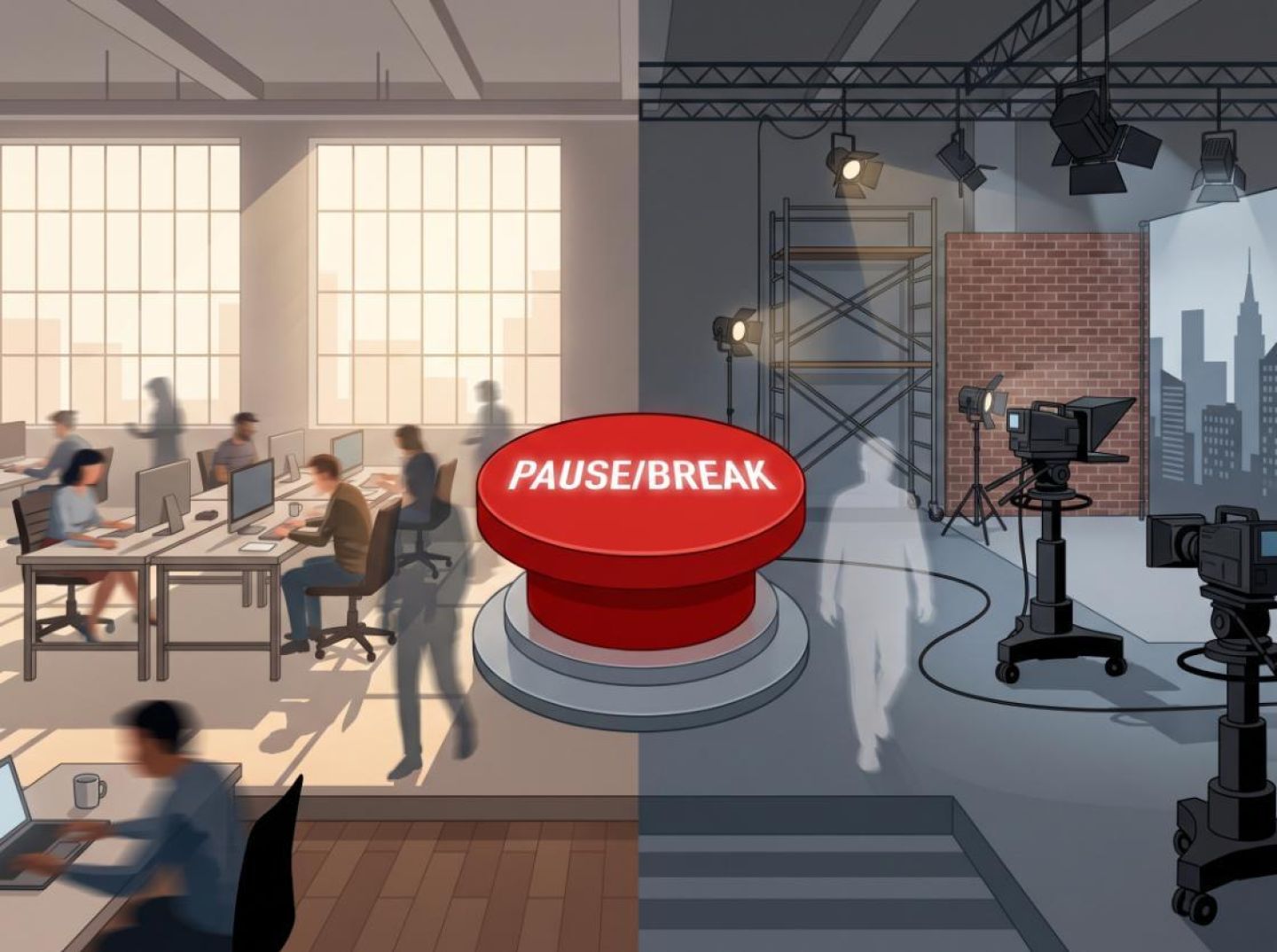
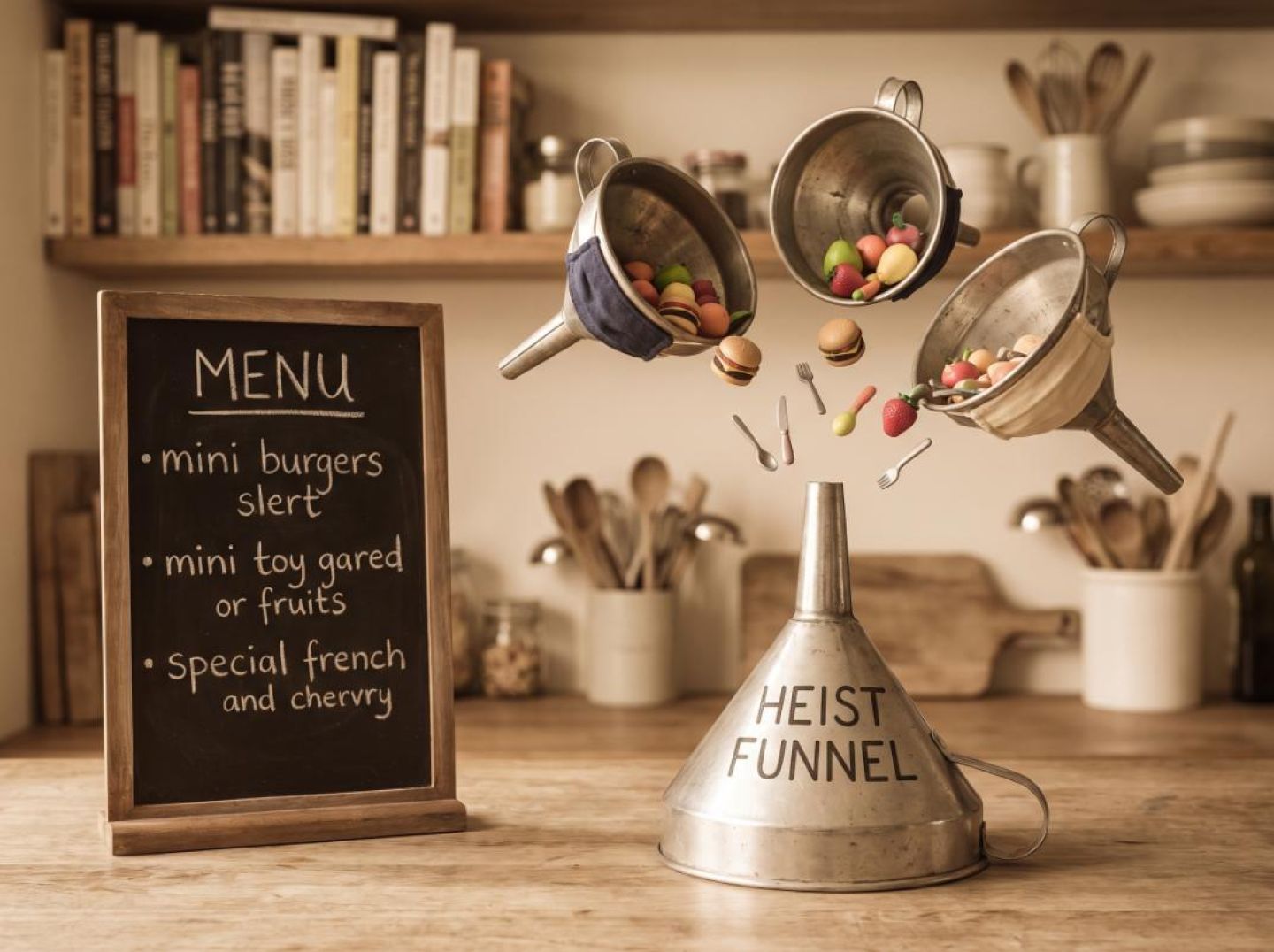
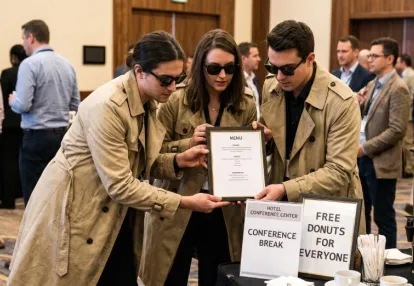
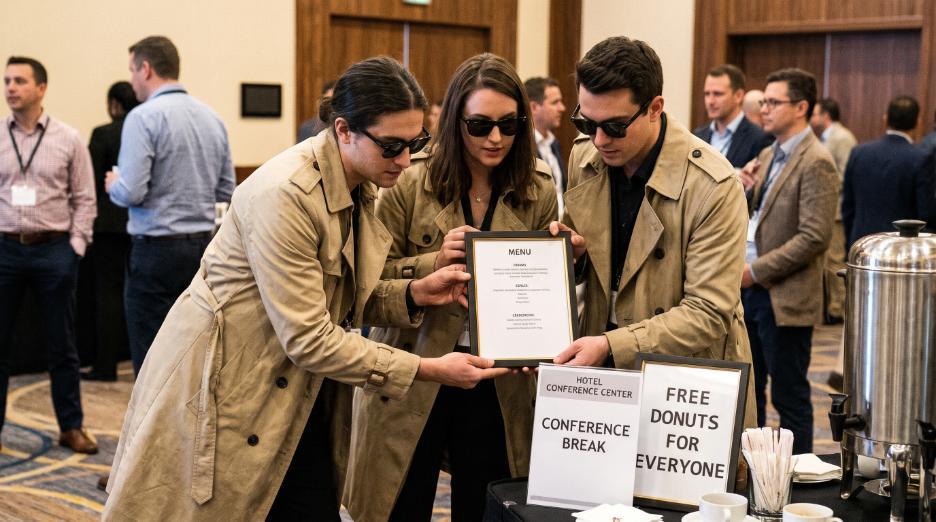
Get StartedKitKat shuts down an entire co‑working space and turns it into a fake “Break Conference.” McDonald’s flies in cult‑favorite items from around the globe for a “World Menu Heist.” The videos rack up millions of views, fans flood the comments, and CMOs nod along at Cannes panels.
And then…nothing you can actually plug into a cold‑traffic funnel.
The dirty secret of big brand stunts is that they’re sold as “brand moments,” not performance systems. You’re shown the sizzle reel, not the wiring diagram. Yet under the hood, these spectacles are running on the same mechanics you use to get a TikTok clicker to a lead form or a Taboola reader to a pre‑sell page—just at a different altitude and with much better PR.
When McDonald’s rolled out its global “World Menu Heist,” it wasn’t just a fun content drop. The campaign was a proof of its new marketing model: fewer, bigger ideas that can be amplified by fans and creators, and built on the brand’s own IP so they’re distinct, ownable, and efficient across markets, as Marketing Dive reported. The results weren’t just vanity metrics; the stunt drove incremental guest counts and sales—performance outcomes dressed in brand‑campaign clothing.
That’s the thread native and performance advertisers miss. We obsess over CTRs and blacklists while big brands engineer emotional spikes that spill into search, social, and retail. When a high‑impact spot lands—like Fox Sports’ “Miracle” World Cup promo, which topped the rankings for intense positive emotional response in tests highlighted by MarTech—viewers don’t just smile and move on. They search, they scroll, they click. The ad wasn’t just “good creative”; it was a demand‑generation event that lit up Google and YouTube with intent.
Now zoom back to your world: native widgets, push bursts, pop traffic, TikTok UGC. The platforms are getting better at closing the loop from spectacle to sale. Shoppable streaming experiments show that when you embed buying into the moment of attention—like the “pause‑to‑shop” formats that delivered a 7x higher pause rate than standard benchmarks in tests covered by Adweek—performance doesn’t fight brand; it rides on its shoulders. TikTok is doing the same thing on the creative side, with its Symphony Creative Studio using behavioral signals and trend data to auto‑generate ad concepts that marketers can then refine and scale, as detailed by.
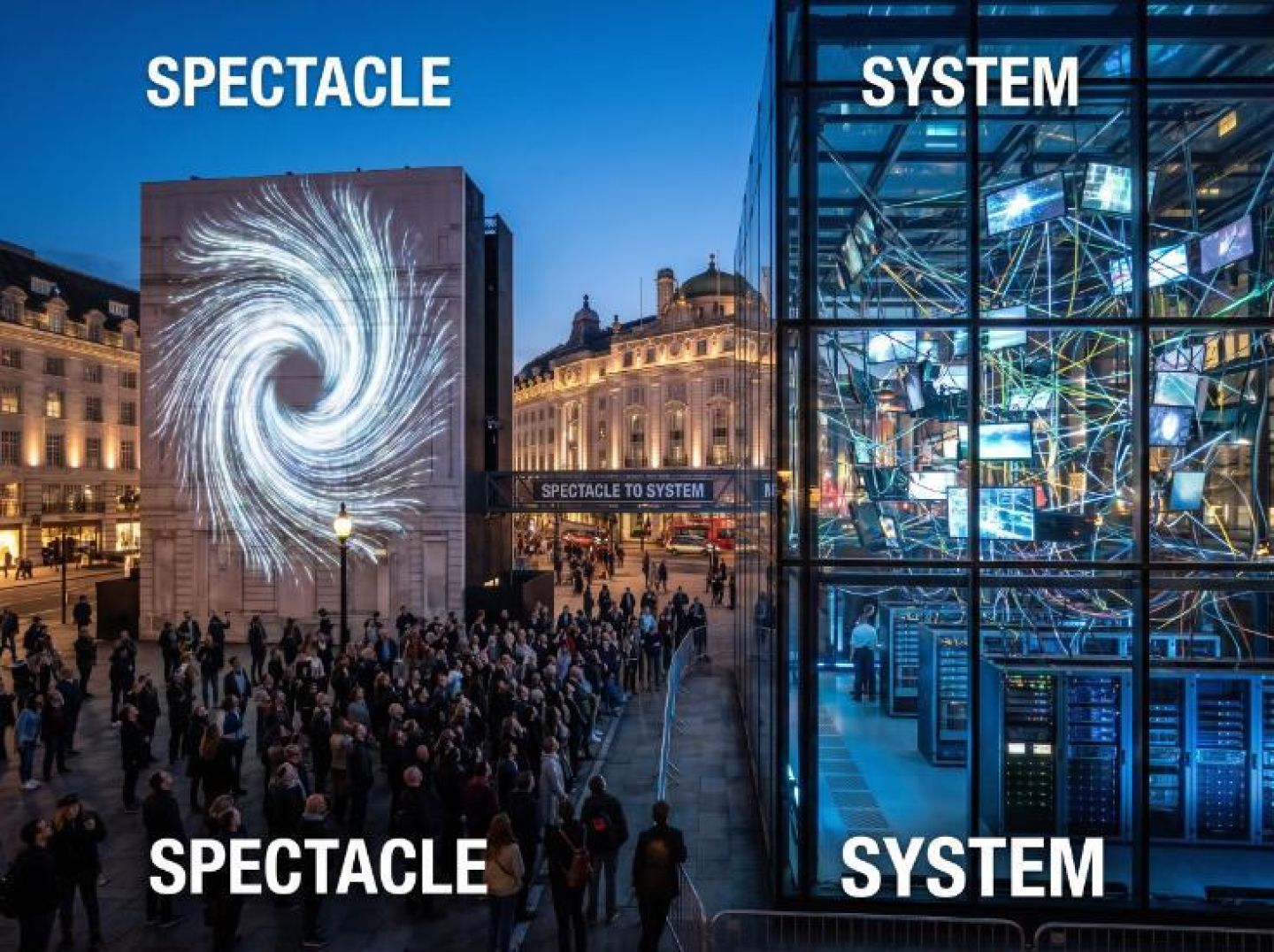
In other words: the line between “stunt” and “system” is disappearing.
This article is about exploiting that collapse.
You’re going to see how to strip a KitKat‑style “Break Conference” down into its psychological building blocks—novelty, social proof, narrative tension, fear of missing out on a limited‑time twist—and then rebuild those same levers inside ad formats you can actually measure: native advertorials, push creatives, pop‑under sequences, and TikTok hooks.
You’ll see how to architect campaigns the way McDonald’s now architects its big swings: as longer‑running, baseline‑building programs that compound over time instead of one‑off promos, following the simplified, “fewer but bigger ideas” calendar described in Marketing Dive’s coverage. You’ll translate that into creative clusters, angles, and landers that can live for months with systematic testing instead of weekly whiplash.
You’ll also see why none of this works if you chase attention in the wrong places. Spectacle at scale demands control—knowing which TikTok contexts are safe for your offer, and which will poison it. Brand‑side tools like SilverPush’s Mirrors, which combines platform filters with hyper‑granular creator and video exclusions to keep TikTok placements both safe and suitable, show how the savviest advertisers treat environment as infrastructure, not an afterthought, as explained on the SilverPush blog. We’ll adapt that mindset to native and push, where “brand safety” often just means “not getting your account killed.”
Most importantly, you’ll learn how to spy on, model, and stress‑test these mechanics in the wild. With competitive intelligence platforms like Anstrex, you can watch how high‑spend advertisers translate big‑idea psychology into granular ad/lander combinations, then iterate your own versions with the same discipline streaming giants bring to their constant A/B testing culture, which Adweek’s analysis of shoppable TV describes as “every time you iterate, you test, you learn, you evolve.”
Big brand stunts are not your enemy. They’re your R&D lab—paid for by someone else’s budget.
This article will show you how to steal the blueprints and rebuild them as cold‑traffic machines.
Big brand stunt campaigns look chaotic from the outside—C‑suite fever dreams that somehow end up on a rooftop in Brooklyn with a crane, a drone swarm, and a hashtag. But underneath the spectacle, the ones that actually work follow a surprisingly consistent system.
They work because they compress several hard‑to‑buy ingredients into a single moment: attention, emotion, social proof, and cultural relevance. And they do it in a way algorithms love.
At the core is “engineered virality.” A good stunt manufactures something people want to talk about: surprise, delight, or shared participation. The same logic sits behind low‑budget flash mobs and street performances that are designed to “captivate the onlookers' attention and create excitement and curiosity for your brand,” as the Brax team explains. When KitKat fakes an entire “Break Conference,” it’s just a more polished version of the same play: interrupt a familiar environment with something absurdly on‑brand, so phones come out and feeds fill up.
Emotion is the multiplier. You don’t get millions of voluntary shares with rational product benefits; you get them with pride, FOMO, outrage, or joy. That’s why even budget‑conscious “viral campaigns on a budget” work best when they “spark strong emotions or relatability,” not when they obsess over formats and CPMs, as Brax’s breakdown of viral trends points out. Big stunts simply push those emotions to a theatrical extreme—turning customer delight into a filmed event instead of a 30‑second UGC clip.
But the real reason stunts endure inside brand budgets isn’t just raw reach. It’s how they plug into fan culture. Stunts are built to tap into existing fandoms or create micro‑fandoms around a brand moment. When McDonald’s pulls in cult‑favorite menu items from around the world, it isn’t just dangling novelty—it’s activating people who already identify as “menu hackers” and fast‑food obsessives. That same dynamic is what makes premium video around tentpole events so powerful: advertisers who show up in those big moments and stay consistent with audience targeting see “54% higher middle‑funnel engagement” than those who just buy the event and bounce, according to NBCU’s analysis of tentpole strategy cited in.
Here’s the catch: performance marketers often ignore or dismiss this entire category because it’s messy to attribute and impossible to A/B test cleanly. When your world is structured around ad sets, audiences, and ROAS dashboards, a one‑day filmed stunt looks like an unjustifiable spike: huge spend, no clear last‑click, and no evergreen creative template you can just duplicate in Ads Manager.
There are three reasons this misalignment persists:
So you end up with two parallel universes: brand teams doing stunts that move culture but don’t plug into acquisition systems, and performance teams optimizing systems that ignore the moments people actually care about.
The opportunity for native advertisers is in the gap. Stunts work because they’re systems disguised as spectacles: they orchestrate attention, emotion, participation, and fandom in a compressed window. Performance marketers ignore them because they haven’t been translated into reusable, measurable components.
The rest of this article is about stealing the system without stealing the waste—lifting the mechanics of big brand stunts and wiring them into campaigns that actually ship leads, subscribers, and sales.
McDonald’s World Menu Heist wasn’t just a clever name and some TikTok‑ready packaging. It was a masterclass in how to turn scarcity, native IP, and an always‑on funnel into one integrated machine.
Let’s start with scarcity. The “heist” mechanic worked because the drops were limited, time‑bound, and geographically constrained. Fans believed they might miss out, which is why the campaign generated not just millions of views but incremental guest counts and sales, as the company detailed when unpacking the World Menu Heist. Scarcity isn’t new to performance marketers, but big brands wrap it in story and ritual: the “one week only,” the “secret” menu, the city‑specific item. The genius here is that the story isn’t separate from the offer; the story is the offer.
Native advertisers can steal that structure without needing a global footprint or a clown. Instead of “10% off for Q4,” think in terms of narrative scarcity:
McDonald’s also quietly solved a problem that plagues most native programs: everything was built on its own intellectual property. No borrowed movie franchises, no seasonal licensing treadmill. The brand has been explicit that campaigns going forward will be anchored in its own IP and run on a simplified calendar with “fewer but bigger ideas,” shifting investment into longer‑running, baseline‑building programs around taste, quality, and value as it explained in its new marketing model. That’s exactly how native advertisers should think about content series, quiz formats, or editorial franchises.
Your “IP” isn’t a mascot; it’s the repeatable story worlds and ad formats you own:
When you own the IP, you can follow McDonald’s lead and run fewer, bigger ideas across more placements, instead of constantly chasing new gimmicks.
The last piece is the always‑on funnel. Menu Heist wasn’t a one‑week fireworks show; it plugged into a media system designed to run continually. McDonald’s is deliberately reducing the boom‑and‑bust cycle that comes from hopping from FIFA to a movie tie‑in to a value menu, and instead using globally scalable ideas that fans and creators can amplify, lowering paid spend while building compounding awareness as it shared in its media network strategy. For native advertisers, that’s the bridge from “stunt” to “system.”
Think of your media plan the way Michael Law and Shivram Vaideeswaran described: not as a linear path, but as a “bowl of spaghetti” where paid, creators, aggregators, and organic all work together to meet people in culture, not just interrupt them, as discussed in their conversation on breaking through a fragmented landscape on Adspeak. In practice, that means:
Finally, “always‑on” can’t mean “always reckless.” The same structural thinking that went into McDonald’s global rollout needs to inform your placements. Advanced contextual tools on TikTok now combine platform‑native filters with creator‑ and video‑level exclusion lists, layered keywords, and pre‑curated blocklists to balance scale with brand suitability, creating content‑aware protection instead of broad, blunt filters as explained in a look at TikTok brand safety from SilverPush. For native advertisers, that kind of architecture is how you run bold “heist” narratives at volume without showing up next to content that undercuts your authority.
The playbook, then, is simple but not easy: engineer real scarcity around offers, build everything on IP you own, and wire that IP into an always‑on, cross‑channel funnel that’s both automated and governed. Menu Heist proves you don’t have to choose between Cannes‑level spectacle and cold‑traffic performance. You can have both, if you start treating your “stunts” as the front door to a system.
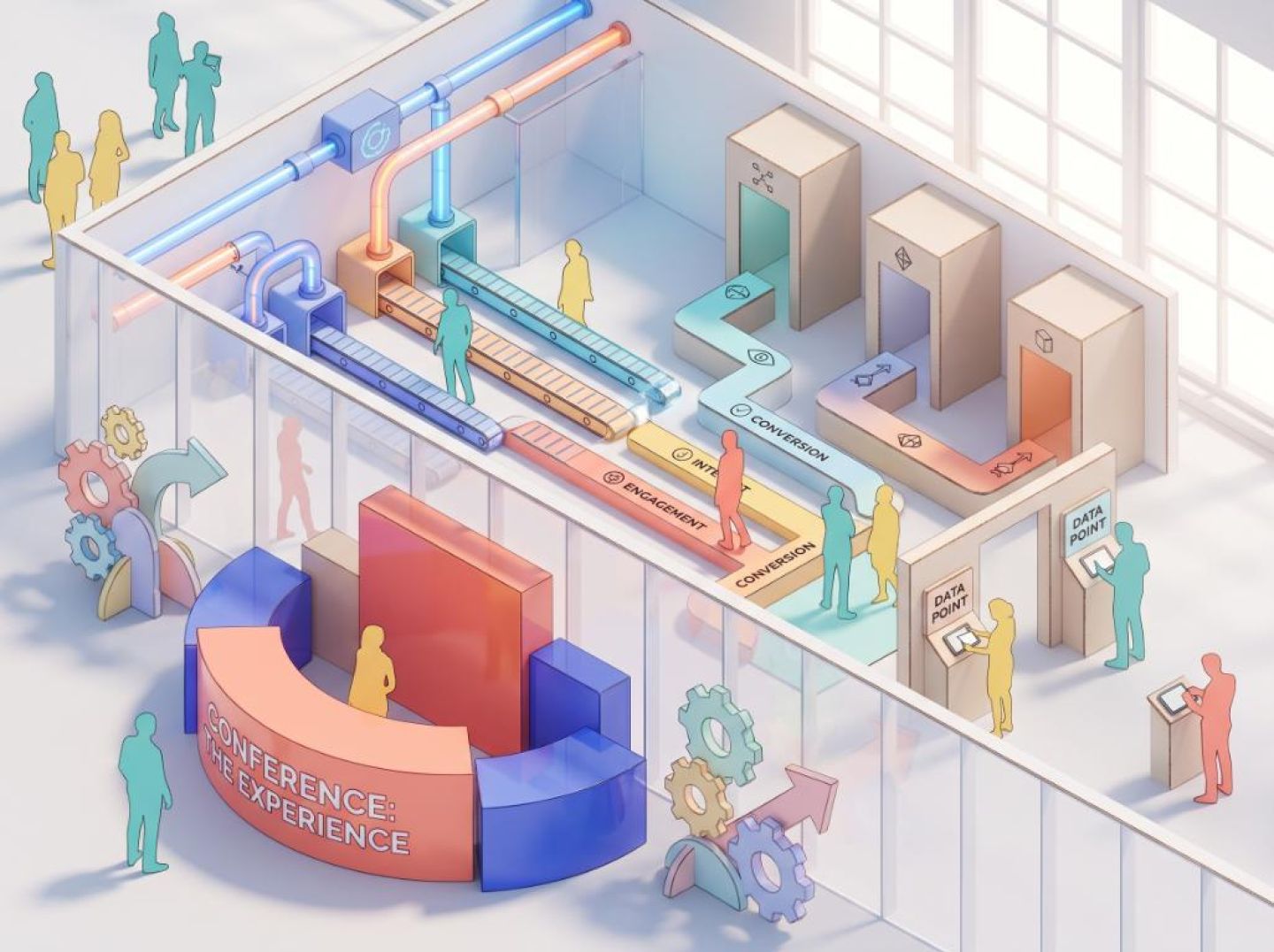
A “Break Conference” looks like an event and behaves like a funnel.
On the surface, it’s just another pop‑up summit: a fake industry conference with a better DJ, a made‑up theme (“Future of Work, But Fun”), maybe a keynote from someone who only barely exists. Underneath, it’s a deliberately engineered sequence designed to do three things at once:
Think of it less as an event and more as a one‑day compression of your demand gen.
The first job of a Break Conference is not logistics; it’s narrative.
The hook has to be strong enough that normal people will fill out a form for something they subconsciously know is slightly ridiculous. That’s where the “fake conference” wrapper beats a generic webinar: it gives you permission to be theatrical in a way B2B prospects find refreshing.
The trick is to anchor the fiction in a real tension your audience feels. The best stunt campaigns use a simple emotional core to power virality; emotionally intense TV spots like Fox Sports’ “Miracle” didn’t just win awards, they generated surges in search interest because viewers wanted more of what they just felt, as MarTech’s breakdown of World Cup creative makes clear. Your Break Conference should do the same for your niche.
Instead of:
“Q4 SaaS Revenue Optimization Summit”
Think:
“Last‑Minute Pipeline Emergency Meeting” or “The ‘We Have No Content Strategy’ Annual”
The more it feels like a satire of real industry pain, the more likely it is to be shared, screenshotted, and screenshared in Slack channels.
In big‑brand stunt land, you never run creative without a capture plan. When a campaign hits, people immediately Google, YouTube, and TikTok their way toward more context; strong TV and video spots are valuable not just because they’re memorable, but because they reliably drive search and site visits you can harvest, as the World Cup case study from MarTech points out.
Treat your Break Conference the same way. Before you tease it:
This is where native advertisers have an unfair advantage: you already know how to make content that looks like it belongs in‑feed. Your Break Conference teaser should feel like “just another story” in the reader’s environment, the same way smart flash mobs or street performances disappear into the city until they suddenly become the thing everyone is filming. Low‑budget stunts still work precisely because they feel organic and context‑native, a point the.
A lot of B2B virtual events still pretend they’re TV. They’re not. They’re TikToks, Shorts, Reels, and LinkedIn clips waiting to happen.
That means you should design the Break Conference format backwards from how you’ll slice and syndicate it:
This is exactly how modern ad creative is built for short‑form platforms: creators start with hooks, modular “middles,” and clear CTAs that can be remixed and tested. AI tools like TikTok’s Symphony now assemble entire videos from briefs and trend data, but they still depend on humans to make sure the scenes, benefits, and story beats feel real, as Social Media Examiner’s breakdown of Symphony Creative Studio emphasizes. Your Break Conference should treat every talk and bit as modular units that will be cut into native ads and sponsored content later.
The fake conference is the stage; your attendees are the content.
If you want the event to become a real lead engine, you can’t just ask for registrations—you have to architect moments where people are compelled to post:
User‑generated content is what turns one‑off stunts into ongoing awareness. Even bootstrapped brands can spark global reach by packaging a simple behavior with clear social payoff; viral challenges like cooking contests or 30‑day fitness sprints work because they are fun, repeatable, and connected to a shared identity, as the engagement‑driven challenges described by Brax demonstrate.
Your job is to design at least one mechanic where “posting about this” feels like the natural thing to do, not a favor to your brand.
A Break Conference isn’t over when the stream ends; that’s just when the lead engine starts doing its real work.
Borrow from how sophisticated advertisers treat post‑launch search and content. When a high‑impact campaign drops, they expect a spike in branded queries, content views, and social chatter—and they prime search ads, YouTube descriptions, and landing pages to capture that demand, a flow that the Fox Sports World Cup campaign made painfully clear to anyone watching.
For your Break Conference, that means:
When you stitch the narrative, the show, the UGC, and the follow‑up together, a Break Conference stops being a one‑day stunt and starts behaving like a native ad campaign with a very loud opening weekend.
Fandom is not a demographic; it’s a behavior pattern. And if you’re running native or TikTok ads, your job isn’t just to “reach” fans — it’s to give them something to do.
Big stunt campaigns like Menu Heist and fake “Break Conferences” work because they don’t treat media as a set of impressions. They treat media as a playing field where people can join the story, remix it, and drag their friends into it. The same energy is available to native advertisers — if you architect for participation instead of passive views.
Fans don’t care about your funnel. They care about the game they’re playing in their heads: “Can I get this drop?” “Can I spot the Easter egg first?” “Can I be early to this thing my friends will later discover?”
McDonald’s new model is built on exactly that mindset: fewer, bigger, longer‑running ideas based on its own IP, designed to be “amplified by fans and creators” so the brand can spend less on pure paid media while still driving incremental visits and sales, as the Menu Heist case study describes. Native advertisers can steal this play by anchoring campaigns around ownable IP — a fictional conference, a recurring “heist” mechanic, a recurring character — that fans recognize and want to spot again across placements.
On TikTok, that means every ad looks like a chapter in a running saga, not a one‑off spot. Instead of “This webinar will teach you X,” it’s “Episode 5 of the Break Conference saga: we tried to book a speaker who doesn’t exist.”
Cult energy doesn’t come from one viral hit. It comes from a system where each asset invites a different kind of participation:
Cult brands don’t reinvent the wheel every time; they run the same engine with new inputs. TikTok’s AI‑powered tools make this surprisingly accessible. The platform’s Symphony Creative Studio uses performance signals and trend data to turn briefs into fully storyboarded video concepts, which marketers can then refine and humanize, as.
For native advertisers, that means you can:
This is where cult energy becomes an always‑on funnel: a small, tight narrative universe (your IP), refreshed constantly with AI‑accelerated creative, distributed across premium and social environments, with search and native placements ready to catch the spillover attention and turn it into leads.
The endgame isn’t just higher CTRs. It’s a cohort of people who feel like they’re “in on” your universe — and who will go out of their way to join the next stunt before you even ask.
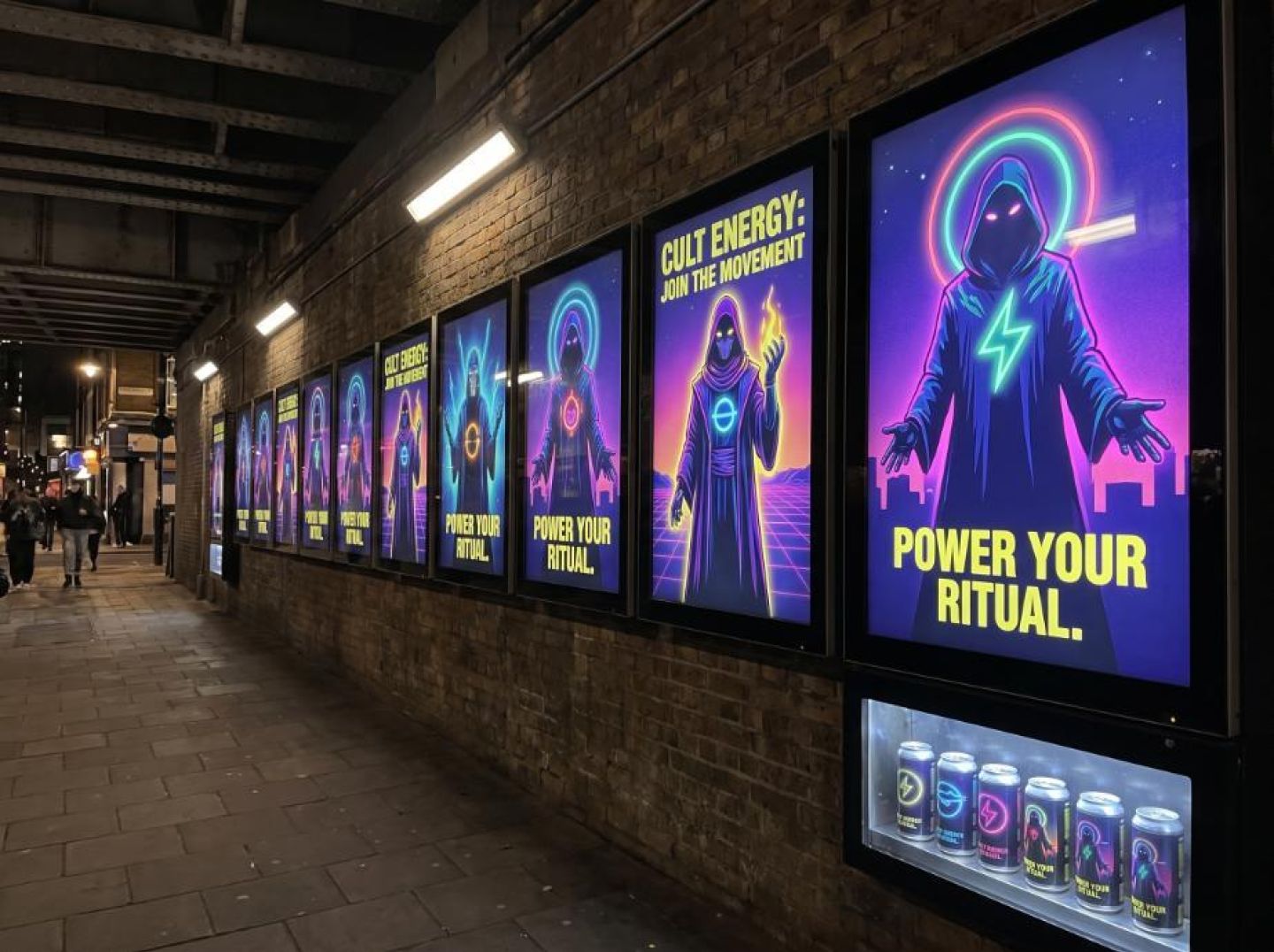
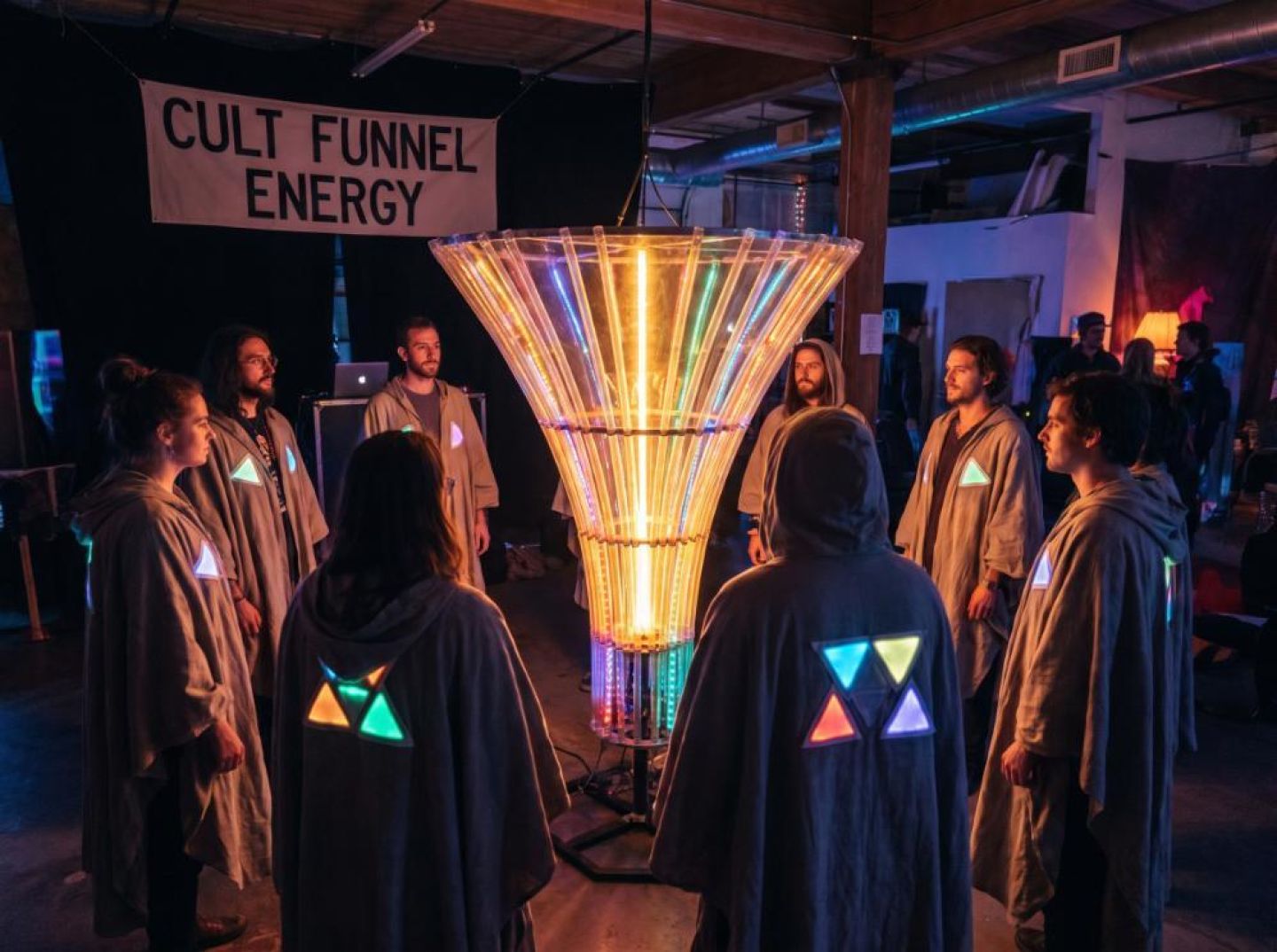
Native and TikTok ads usually get briefed like performance channels: tight targeting, efficient CPCs, clear CTAs. Stunt campaigns like Menu Heist get briefed like cults: create a world, invite people in, then give them rituals to perform. The trick is not choosing one or the other, but wiring “cult energy” directly into your funnel.
At the core is a simple shift: stop treating attention as something you buy and start treating it as something you unlock. When Fox Sports ran its emotionally loaded World Cup promo “Miracle,” the spot didn’t just make people feel good; it triggered an immediate wave of search and YouTube behavior, turning TV airtime into an always‑on demand engine, as MarTech explains. That’s fandom in the wild: you launch one piece of media, and people spontaneously go looking for the rest of the story.
Native and TikTok ads can engineer that same reflex — but you have to design around participation, not passive viewing.
Fandom is fundamentally quest‑driven. Fans hunt for easter eggs, decode clues, and compete to be early. Your native and TikTok units should feel less like announcements and more like the first step in a game.
A few ways to do it:
Most performance setups treat creative, search, and landing pages as separate workstreams. In a stunt‑inspired funnel, every surface is part of the same narrative. That’s exactly why the best TV spots are now evaluated not just on recall but on the downstream searches and content consumption they trigger, a pattern MarTech frames as the connective tissue between video and demand capture.
For native and TikTok, translate that into:
Fandom energy can get weird fast, especially on TikTok’s chaotic “For You” feed. You want people play‑acting your heist or roasting your fake conference — not seeing your ad between conspiracy content or polarizing politics. That’s where stunt thinking has to meet serious controls.
A smart approach is to treat brand safety as infrastructure, not an afterthought. Contextual tools like Silverpush’s Mirrors let you define not just what you won’t appear next to but what kinds of tone, topics, and creators are actually suited to your fictional world, combining platform filters with granular creator‑ and video‑level exclusions across evolving content clusters, as SilverPush describes. That allows you to encourage playful, high‑energy participation without sacrificing suitability or exposing your “cult” concept to environments that would make it look reckless or off‑brand.
The result is a funnel that feels less like an ad sequence and more like a storyline: people discover the stunt, choose a side, perform a role, and only then hit your conversion event. You’re not shouting at a demographic. You’re recruiting co‑conspirators.
Receive top converting landing pages in your inbox every week from us.
Guide
Discover how native advertisers can turn the psychology behind big brand stunts like “Break Conference” and “World Menu Heist” into measurable performance campaigns. Learn how to use scarcity, owned IP, fandom, participation, and cross-channel funnels to build native and TikTok campaigns that generate attention and conversions.
Marcus Chen
7 minOct 8, 2026
Most Read
Learn how to turn sports, snacks, creator trends, and pop culture moments into high-ROI advertising funnels without relying on big budgets. This guide shows how to use Anstrex Native, Instream, and Push intelligence to identify emerging cultural angles, analyze ad duration and gravity, and adapt proven concepts to lower-cost placements.
Rachel Thompson
7 minOct 7, 2026
How-To
Discover how competitors turn “great ads” into full-funnel revenue by building an invisible layer of search, native, CTV, social, DOOH, and measurement around their hero creative. Learn how to reverse-engineer these systems using ad intelligence and uncover the signals that reveal how campaigns are actually monetized.
David Kim
7 minOct 6, 2026