11 minSeptember 29, 2026

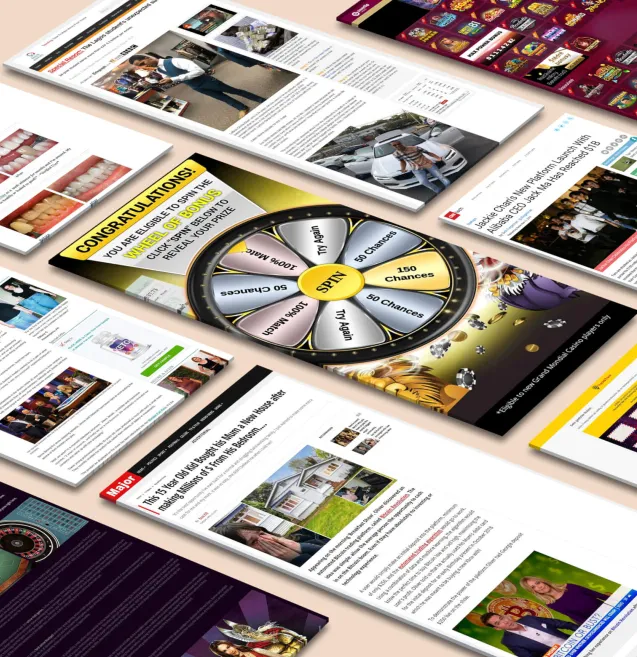
Our spy tools monitor millions of native ads from over 60+ countries and thousands of publishers.
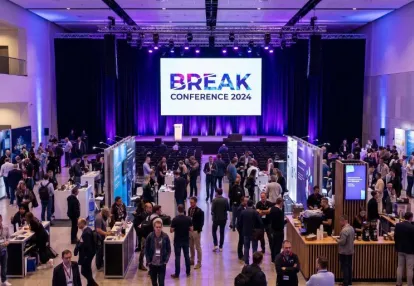
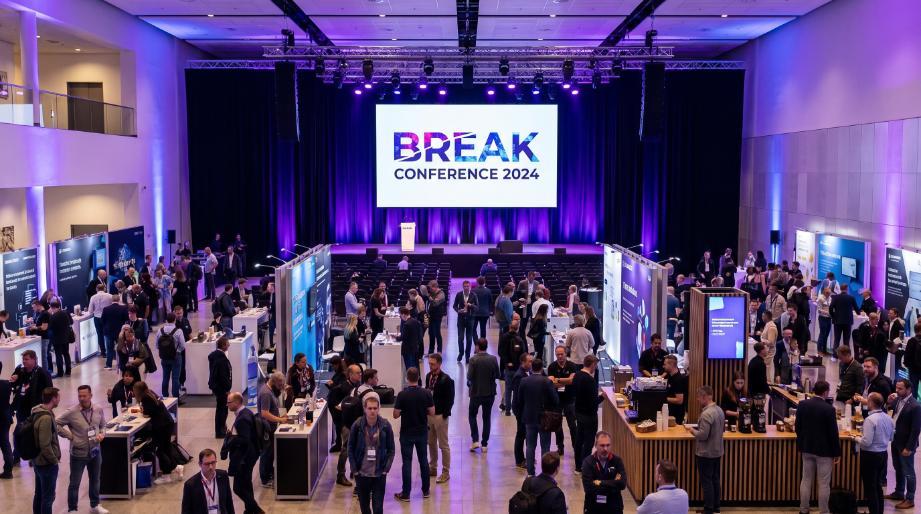
Get StartedOn paper, Pure Leaf’s “Break Conference” looked like a classic brand flex: a sold‑out tennis event headlined by Amanda Anisimova, slow‑motion forehands, and glossy footage of fans sipping iced tea between sets. The kind of thing that racks up impressions, wins awards, and quietly dies in your reporting dashboard as “uplift.”
But this campaign didn’t die there.
Behind the highlight reel, Pure Leaf turned that courtside spectacle into a click‑through engine that could hang with the hungriest performance campaigns. A brand‑first, celebrity‑led moment became the raw material for native ads that stopped thumbs, generated leads, and could be cloned across affiliates, push/pop, and TikTok without losing the story that made it worth watching in the first place.
In other words, they solved the problem performance marketers wrestle with every day: how do you take a single, expensive “moment” and make it pay rent in your media account?
That tension between brand and performance isn’t new. As Adweek’s deep dive into purpose‑driven growth points out, the brands that win have stopped treating “authentic storytelling” and “measurable results” as opposing forces. Texas A&M modernized a 150‑year‑old brand with campaigns that pulled 80 million YouTube views because the creative wasn’t just pretty; it was built from a sharp positioning and a clear growth mandate. Challenger candy brand Joyride didn’t become Target’s #1 candy by accident either—it paired cultural relevance with retail performance proof and real creator partnerships, not just rented influence.
Pure Leaf’s Amanda Anisimova play lives in that same space. It wasn’t just a sponsorship; it was a narrative about taking a break—on and off the court—that could be sliced into dozens of direct‑response angles: “the 30‑second break that resets your day,” “how a pro actually unwinds between sets,” “the mental health micro‑ritual nobody sees on match point.” Each one is a native ad waiting to happen.
And in 2026, those angles matter more than your audience toggles.
As MarTech’s analysis of AI‑driven media buying bluntly puts it, creative has become the new targeting. Performance Max, Advantage+, and TikTok’s automated expansion have pushed audience definition out of your ad set and into your assets. Your hook, thumbnail, and first three seconds of video are now the most important “interest targeting” you have. If your Amanda Anisimova story only works as a 90‑second brand film, you’ve already lost to the marketer who can compress that same emotional arc into a native pre‑sell page, a push notification, and a TikTok UGC‑style clip.
The other shift working in your favor: the path to conversion is no longer a straight line from ad to landing page. According to illumin’s work on mapping conversion paths, people move through a messy middle of CTV, display, retargeting, and social touchpoints before they finally buy. That’s not a problem if your story is built to travel. A courtside “break” moment might first appear as a Connected TV spot, then reappear as a native article teaser, then as a TikTok hook from a creator, and finally as a retargeted quiz advertorial—each touch reinforcing the same emotional promise while nudging the user closer to action.
This is where an ad spy‑driven workflow stops being a “nice‑to‑have” and becomes your operating system. With platforms increasingly automating targeting and even creative production—TikTok’s own Symphony Creative Studio can now spin video ads from a brief—the edge shifts to marketers who can:
The rest of this article will unpack exactly how the Amanda Anisimova campaign pulled that off—and give you a step‑by‑step blueprint to turn your next “brand moment” into a performance engine your CFO will actually care about.
The “Break Conference” matters because it quietly solves a problem performance marketers wrestle with every quarter: how do you turn an expensive “brand moment” into a repeatable, optimizable acquisition engine?
Most branded events get stuck at the top of the funnel. You get a spike in reach, maybe some earned media, and then the performance team is left staring at a lift study and a soft attribution story. Pure Leaf’s play with Amanda Anisimova points to a different model: treat the event not as a one‑off spectacle, but as the master story that powers thousands of measurable, native‑feeling touchpoints.
That shift mirrors the larger evolution in creator and influencer work. A decade ago, creators were a nice‑to‑have bolt‑on to campaigns; now the smartest advertisers treat creator content as a core media strategy. As Jennifer Quigley‑Jones argues in a conversation with AdExchanger, influencer marketing stops being a tactic and starts becoming a strategy when you build systems around it: shared goals, performance feedback loops, and the ability to scale from “a few posts” to hundreds or thousands of creative variations. Think about “Break Conference” that way, and you don’t have an event — you have an upstream content engine for native ads.
Here’s why that matters for performance marketers specifically:
1. It turns zero‑click storytelling into a conversion asset.
The event itself is essentially “zero‑click” content: value delivered in‑stream without demanding anything back. Amanda plays, the crowd reacts, people drink iced tea, and the viewer gets a self‑contained story. This is exactly the kind of “content that stands on its own” that Amanda Natividad popularized as zero‑click marketing — built to earn attention and trust where people already are, not just push them to a landing page.
Most performance teams mentally bucket that into “upper funnel” and move on. The lesson from “Break Conference” is that this kind of native story is also the strongest possible wrapper for your performance units. You don’t abandon the event once the livestream ends; you atomize it into clips, stills, quotes, and micro‑moments that can sit inside paid placements, each with a clear call‑to‑action layered on top.
Instead of asking, “How many people watched?” the performance question becomes, “Which moment from this story, in which context, drives the highest quality click?”
2. It gives you a richer testing matrix than standard product ads.
Traditional native campaigns rotate headlines and thumbnails around essentially the same product promise. The “Break Conference” blueprint is different: each ad variation can be a different angle on the story — Anisimova’s pre‑match ritual, a courtside fan interaction, a humorous “conference break” announcement — all still grounded in the same brand world.
That aligns with how performance teams already think about optimization. As the team behind Brax notes in their breakdown of ad clicks vs. impressions, click performance tells you which creatives actually resonate with specific audiences and stages of the funnel. When your creatives are slices of a richer narrative instead of isolated product shots, every test teaches you something about what kind of story your audience wants more of — not just which color button wins a 2% lift.
Over time, you’re not merely optimizing CTR; you’re refining the narrative itself based on hard data.
3. It bridges brand and performance with shared, story‑level metrics.
Because the “Break Conference” is built to travel across channels, both brand and performance teams can anchor to the same core unit: the story beat. Brand can judge which moments best express positioning; performance can judge which moments pull people down‑funnel.
That’s the kind of alignment creator‑driven campaigns are starting to achieve as marketers and creators “think like each other,” a dynamic AdExchanger highlights as key to maturing creator programs. Instead of brand measuring “buzz” and performance measuring “ROAS” in isolation, you’re all looking at which recurring motifs — pressure, recovery, taking a break, owning your tempo — consistently move people from passive viewing to active clicking.
In other words, “Break Conference” isn’t just a pretty tennis stunt. It’s a template for how to architect big, resonant stories so they can be sliced, tagged, tested, and scaled like any other high‑performing native unit — without losing the human texture that makes them work in the first place.
Most celebrity‑driven campaigns die in the gap between “great moment” and “great story.” The Amanda Anisimova “Break Conference” worked because Pure Leaf didn’t just capture a moment; they treated it as the opening scene of a serial narrative they could retell, re‑edit, and re‑contextualize across native placements.
Performance marketers tend to reverse that order. We design for the click first: instant CTAs, offer‑heavy hooks, product close‑ups in the first three seconds. It works—until it doesn’t, because every unit looks and feels like an ad. Platforms are already signaling that the old playbook is fading. As broad, AI‑driven delivery makes creative “the new targeting,” your narrative is now what qualifies the audience, not the dropdowns in your ad set, as one analysis of automated campaigns on Google, Meta, and TikTok makes clear in its argument that creative has become the strongest signal for who should see your ads (MarTech).
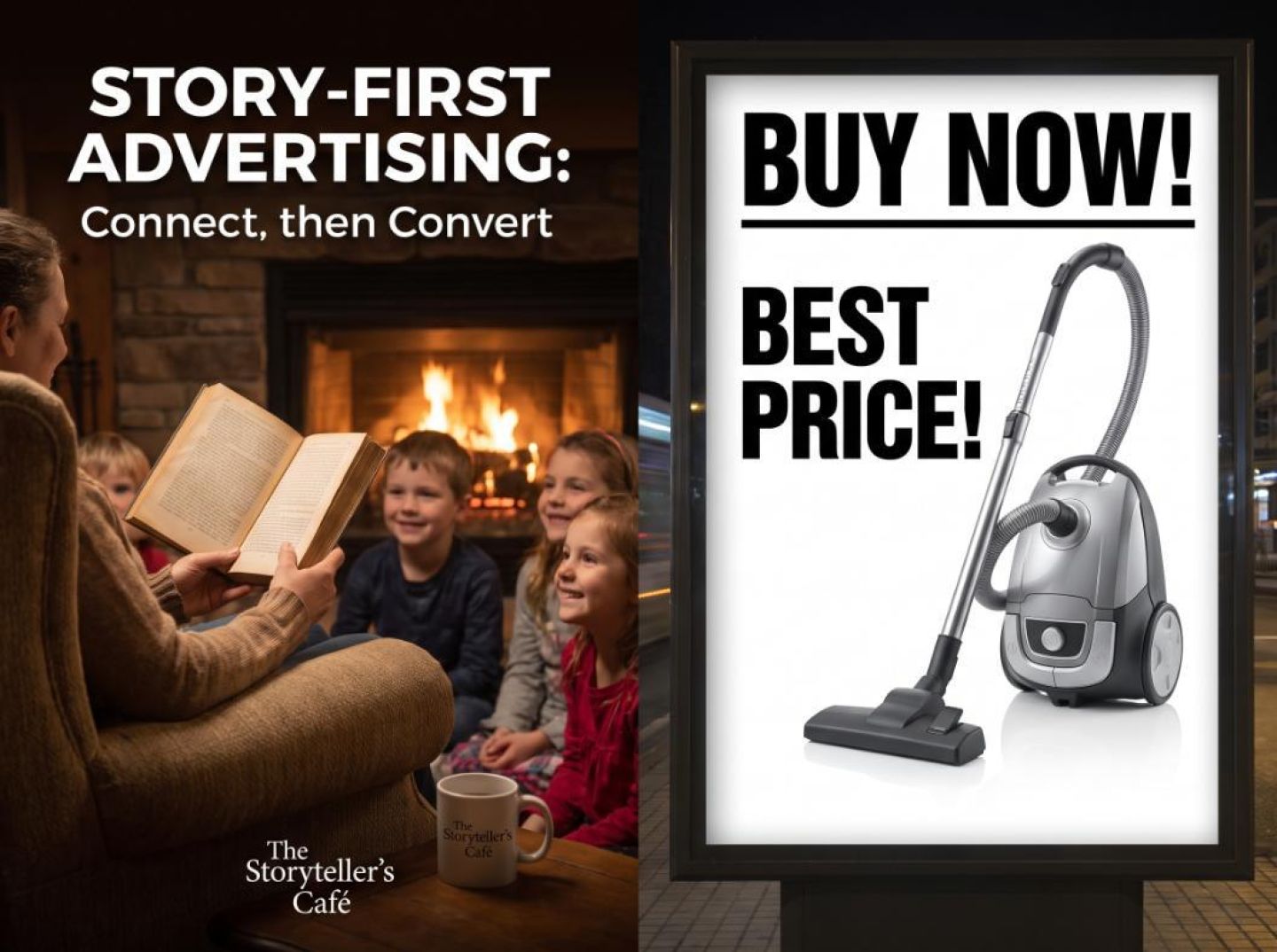
The “Break Conference” flips the script: story‑first, click‑second. The story isn’t “drink this iced tea.” It’s “what does it mean for a young star to take an intentional break in a sport obsessed with grind?” The brand’s right to exist in that narrative comes later. That sequence matters for native.
Native environments reward what feels like editorial or creator content. In feeds where creator‑led videos outperform brand assets by triple‑digit margins, as case studies like Gana Energia’s 632% lift in lead volume from creator‑style TikTok ads demonstrate, audiences are voting for story and relatability over polish and product (HubSpot’s TikTok strategy guide). The “Break Conference” borrows that grammar: it looks less like a commercial and more like a sports documentary with a thesis.
So what does “story‑first, click‑second” actually look like when you translate a courtside moment into native ad narratives that convert?
1. Anchor in a tension, not a tagline.
The emotional engine of the Amanda Anisimova story isn’t “refreshment”; it’s burnout, pressure, and the audacity of stepping away. In a world where consumers roam through what Google has called the “messy middle” of constant exploration and evaluation, that kind of tension is what keeps them watching through multiple touchpoints (illumin’s breakdown of conversion paths). Native ads built from the “Break Conference” can lead with that tension—clips of Amanda talking about doubt, expectations, and rest—long before you mention a bottle.
2. Treat the event as a universe, not a single asset.
The on‑site conference is just your raw material. For native, you’re mining it for arcs:
These arcs become a library of short, platform‑specific stories that can be reassembled by AI or human editors into native variations. As automated systems increasingly help marketers generate video from briefs and trend signals, tools like TikTok’s Symphony Creative Studio show how a single story spine can spawn dozens of ad‑ready cuts that still need human shaping for nuance and authenticity (Social Media Examiner’s look at Symphony). The “Break Conference” gives you the spine; you decide how many episodes you want.
3. Let the celebrity behave like a creator, not a spokesperson.
Audiences don’t want celebrities reading copy; they want them narrating their lives. The Cannes chatter around “joining forces” with creators was less about bolt‑on endorsements and more about integrating them as a core channel in the media mix, where talent speaks in their own voice to discrete communities (Marketing Dive’s Cannes recap). In a native execution of the “Break Conference,” that means:
Each of these can carry subtle visual or verbal cues back to the brand without breaking the narrative spell.
4. Delay the CTA—then make it ruthlessly clear.
“Story‑first” doesn’t mean “story‑only.” As creator‑led lead gen campaigns have shown, the best‑performing units pair authenticity with a sharply defined next step, whether that’s an affiliate link, landing page, or newsletter sign‑up (HubSpot’s guidance on creator briefs). The “Break Conference” narrative might run uninterrupted for 20–25 seconds in a 30‑second native placement, then pivot: “If you’re building your own version of a break, here’s where to start.” The offer is contextualized by the story rather than competing with it.
5. Let algorithms learn from the narrative, not in spite of it.
When creative is your primary qualifying signal, every on‑screen choice helps platforms understand who should see the ad next. Anisimova talking candidly about mental health skews toward audiences interested in wellness and women’s sports; footage of training drills pulls in performance‑obsessed tennis fans. By structuring your native stories as distinct narrative variants rather than cosmetic edits of the same script, you give delivery systems more meaningful patterns to optimize against, which is exactly what broad‑targeting formats need to find high‑intent pockets of users (MarTech’s analysis of creative‑driven targeting).
The lesson for performance marketers: stop asking, “How do I get the celebrity into my creative?” and start asking, “What ongoing story does this moment unlock—and how do I let native formats tell that story so well that the click feels inevitable?”
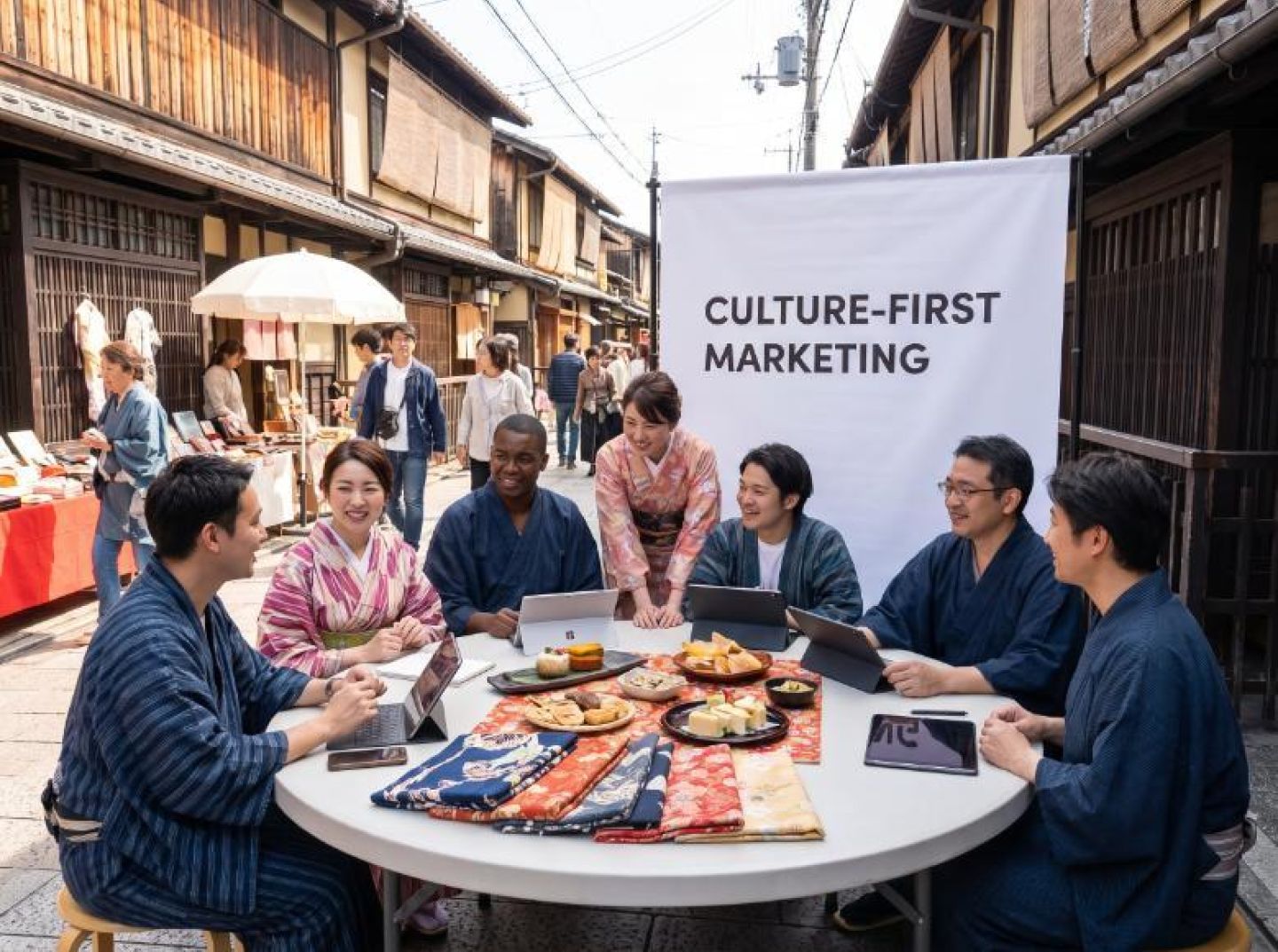
Most event recaps die in a single recap video. The “Break Conference” only works as a performance asset if you treat it as a cultural object you can drop into the places people actually live: sports feeds, creator timelines, tennis subreddits, wellness podcasts, women‑in‑sports newsletters. That means mapping the story to channels based on culture first, ad unit second.
This is what media leaders mean when they say you have to meet people “in culture, not just in media.” In a conversation about fragmented attention, Michael Law of Carat and Shivram Vaideeswaran of Papa John’s lay out four distinct environments where brands need to show up: big paid platforms, creators and influencers, aggregator platforms, and organic social, all working together wherever consumers are engaging with culture, not just content slots sold by the pound, as they explain on Adweek’s Adspeak. The “Break Conference” gives you raw material for all four; your job as a performance marketer is to decide which chapter of the story belongs where.
On creator and influencer channels, “Break” is a values‑driven narrative: a young player choosing boundaries over burnout, and a brand validating that choice. Here, your native units should behave like creator posts first, ads second. Think “day‑in‑the‑life” breakdowns of how Amanda structures recovery, stitched reactions from tennis TikTok, or commentary from mental‑health creators on why “taking a break” is a competitive advantage. The CTA is soft — subscribe, save, follow — because the goal in these feeds is what Papa John’s calls cultural “relevance wherever consumers are engaging,” not a forced march to a landing page, as described on.
On aggregator platforms — think news apps, sports hubs, native ad networks — the same story should feel like editorial context. Your units here work best as “conference in a card”: a short quote from Amanda, a single, resonant visual from the event, and a headline that reads like an article you’d actually click: “The Pro Who Took a Break at Her Peak — and Came Back Stronger.” According to the performance guidance on Brax, mid‑ and lower‑funnel clicks are your signal that the angle is resonating with a defined niche; if remarketing audiences aren’t clicking into these deeper story cuts, you don’t have a channel problem, you have a message–culture mismatch.
Organic and community spaces call for an even more radical shift: you need some slices of the “Break” story that are designed to perform as zero‑click content. When Chartr focused on the r/dataisbeautiful subreddit, they simply posted useful data visualizations with no CTA, building recognition and trust by being genuinely valuable inside that culture, a strategy detailed by Convince & Convert. Do the same with “Break.” On tennis forums, share a carousel of training‑to‑burnout stats capped with Amanda’s quote about stepping away. On LinkedIn, post a thought‑leadership thread about “The ROI of Rest in High‑Performance Teams,” anchored by her story but not asking for a click. Those impressions don’t “underperform”; they pre‑sell the idea so later prospecting and retargeting units convert at a lower cost.
Paid social and native placements remain your workhorses, but they should inherit what you’ve already learned from culture. If your zero‑click content sparks long comment threads around mental health, your prospecting headlines should mirror that language. If your influencer cuts over‑index with a specific demographic, spin those into tailored native sequences with tighter CTAs. As the team at Brax notes, targeted campaigns should treat clicks as a “barometer of resonance” with that niche; you’re not just optimizing creatives, you’re pressure‑testing whether your cultural angle actually lands with each audience.
Finally, glue it all together with a single north‑star metric for the campaign — not “views of the sizzle reel,” but something like “qualified site visitors who consume one full story chapter and join our owned list.” In a world where journeys look more like a “bowl of spaghetti” than a funnel, aligning measurement around that one outcome lets you let each channel play its cultural role, then decide where the “Break” story truly earns its keep, as the Carat and Papa John’s leaders frame it on.
Performance marketers love to talk about “building funnels,” but when you look at the ads winning the auction day after day, what you’re really seeing is something more forensic: they were reverse‑engineered from what’s already working in the wild.
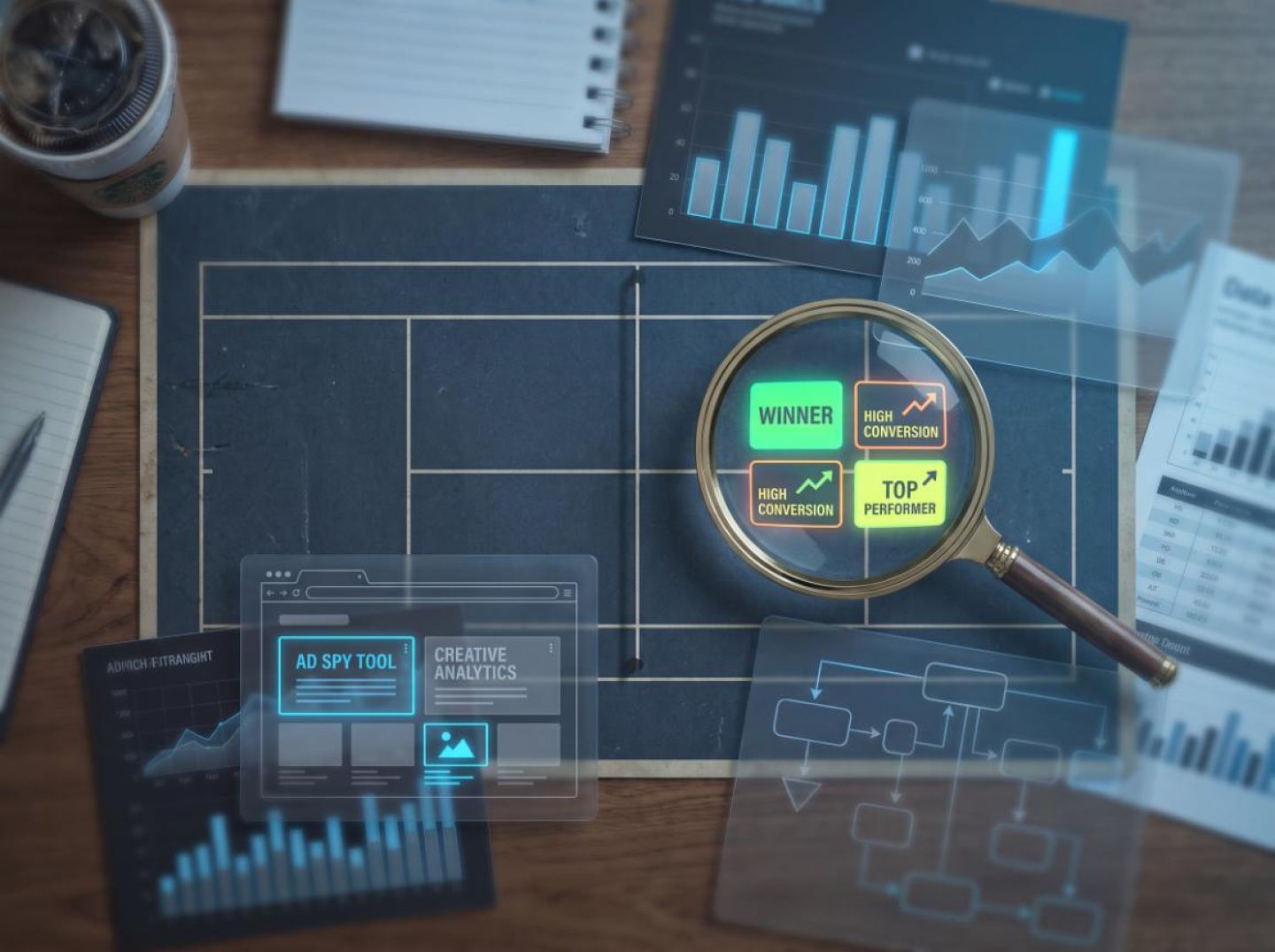
This is where ad spy tools stop being “inspiration boards” and start becoming product design research for your story architecture.
Most teams open a spy tool, sort by impressions, grab a few hooks, and call it a day. The performance shops treating moments like Anisimova’s “Break Conference” as serial stories do something very different: they pull winning native ads apart layer by layer and rebuild their own funnel around the story patterns they find.
Modern ad libraries and competitive‑intelligence platforms let you see far more than headlines. You can scan multi‑frame sequences, observe how brands open, escalate, and resolve tension, and note when a “moment” (like Anisimova walking off court) gets reframed into different promises for different audiences.
This is exactly how sophisticated TikTok buyers are using the platform’s AI stack. As Social Media Examiner explains, marketers can feed TikTok’s AI “skills” with top‑performing ads to model not just the first three‑second hook, but the middle beats and calls‑to‑action that consistently convert. Think of your ad spy tool the same way: less “look at this clever opener,” more “what narrative spine keeps reappearing across winning ads in my category?”
When you scan native placements for Pure Leaf competitors or other sports‑adjacent brands, document:
You’re not copying scripts; you’re inventorying story physics.
Once you see these patterns, resist the urge to shove them into a rigid awareness–consideration–conversion funnel. Consumers don’t move like that anymore. As illumin describes, real conversion paths look more like a pinball machine: a CTV impression, a native article, a social clip, a retargeting unit, then finally a branded search click days later.
Reverse‑engineering your funnel means asking: “If this Break‑style story is the universe, how does a user realistically bounce through pieces of it before they buy?”
Use your spy tool and your own path‑to‑conversion data to pair specific narrative beats with specific touchpoints:
You’re architecting a web of narrative touchpoints that can be entered at any node, not a single heroic video expected to do everything.
With these insights, you can now design backwards from observed success.
Reverse‑engineering the funnel with ad spy tools isn’t about copying what’s winning; it’s about decoding how culture, sequence, and story mechanics are working together — and then rebuilding your own Break‑worthy architecture around the paths your customers are already taking.
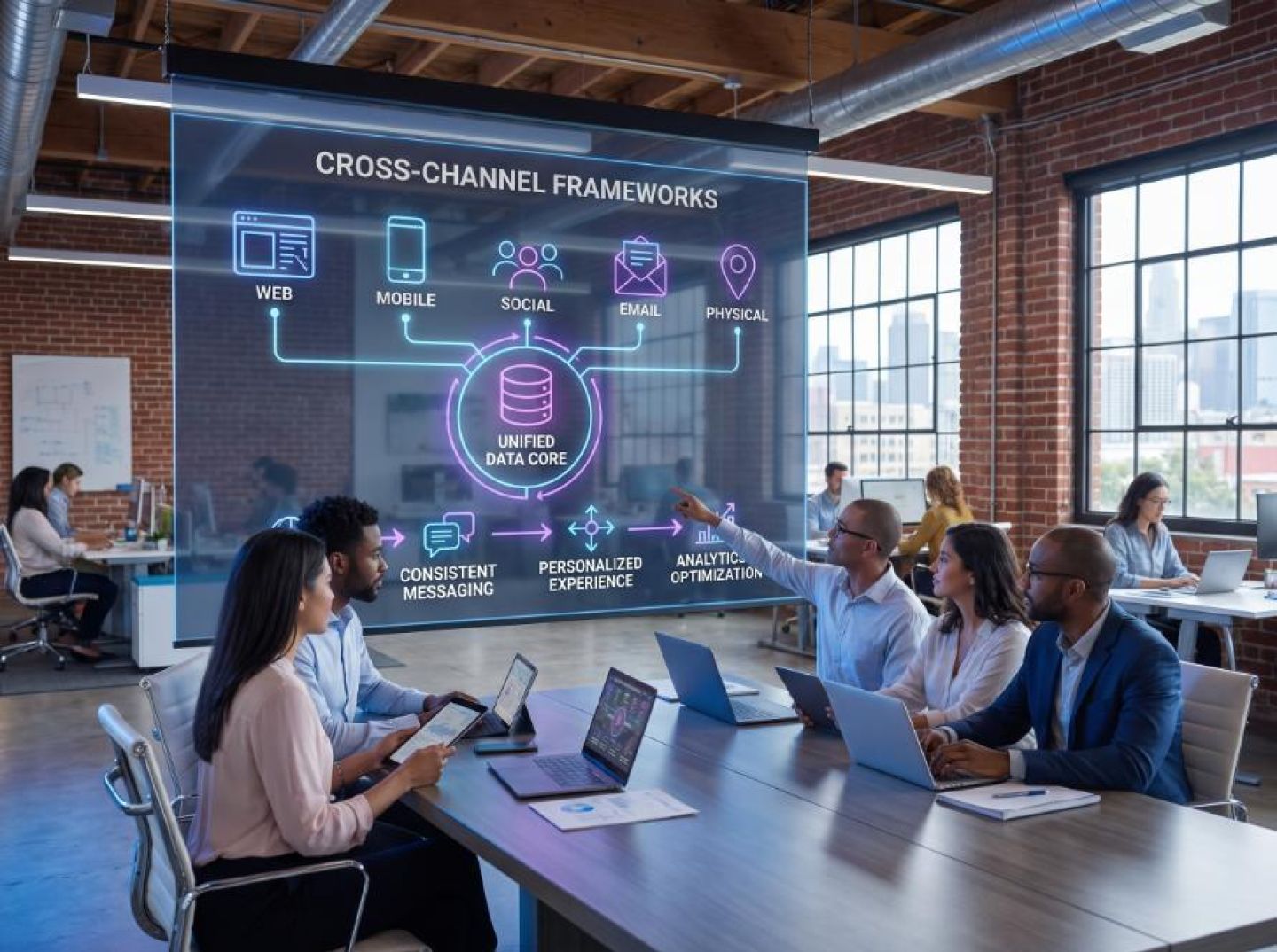
If the “Break Conference” is the narrative engine, channels are just different camera angles on the same match. The job isn’t to rewrite the story for every format; it’s to translate the same emotional beats into structures that affiliate buyers, push/pop arbitrageurs, and TikTok creators can actually ship at scale.
Affiliates don’t want a brand film; they want a money page. Your job is to give them one that still feels like tennis‑culture storytelling, not a generic “Best Offers of 2026” roundup.
Structurally, think:
The page walks through Amanda’s “break” as a turning point: burnout, anxiety, rebuilding routine, and discovering a cleaner, more sustainable approach to performance. Each beat ladders into a shoppable module: sleep, recovery, focus, gut health. You’re giving super‑affiliates room to add comparison tables, coupon widgets, and email capture, but the frame never stops being “Break Conference” as a philosophy.
This is where media and creative collaboration matters. When Michael Law of Carat talks about segmenting strategy across “four distinct channels,” he’s really arguing that the same story should flex into different executional languages without losing its core meaning. For affiliates, that executional language is:
Give your top affiliates a “Break Conference Playbook” folder: article outline, approved Amanda quotes, image sets, and pre‑written CTAs tagged to each product category. You’re not dictating copy; you’re giving them a story architecture that converts.
Push and pop traffic lives on split‑second curiosity. The full Break Conference arc is too nuanced; you need to slice it into raw, high‑contrast moments that can survive on a 30‑character title and a 120‑character description.
Three frameworks work reliably:
2. Transformation Hook
3. Contrarian Hook
Push/pop arbitrage is unforgiving on misaligned pre‑ and post‑click experiences. The teaser has to be a true fragment of the Break Conference story, not a bait‑and‑switch. That’s why you architect landing pages as “narrative continuations”: the first screen restates the push hook in Amanda’s voice, then smoothly transitions into the broader philosophy and product ecosystem.
This aligns with what conversion‑path analysis tools show repeatedly: the first touch earns attention, but multiple, consistent story touches across formats are what drive conversion. A prospect might see a sensational push headline, then a more thoughtful native article, then a retargeting unit with Amanda’s pre‑match routine before finally buying.
On TikTok, Break Conference shouldn’t feel like a campaign; it should feel like a content genre creators can plug into. The pattern is simple:
Here’s the moment I almost broke… and the three rules I follow now so I never go back.
You brief tennis, fitness, and wellness creators exactly as you would an internal creative team: start with the business objective, give them Amanda’s story pillars, and let them translate it natively for their audience. That’s the same discipline TikTok strategist Jorge Havercroft recommends when he says brands must “brief them as you would a creative partner” rather than handing over rigid scripts, a shift that helped campaigns like Gana Energia’s creator‑led work massively outperform brand assets on leads and.
Frameworks you can standardize:
AI‑assisted tools inside TikTok’s creative ecosystem can help you scale this. As TikTok’s Symphony and agentic workflows evolve, marketers can use built‑in “skills” to prototype hooks, storyboards, and CTAs, then layer human nuance—Amanda’s real language, tennis‑specific details, and product proof—on top, following the kind of 70/30 human‑to‑AI refinement approach performance strategists are already testing in other campaigns.
The throughline across all three channels is simple: treat Break Conference as a portable story logic, not a single hero video. Affiliates, push/pop buyers, and TikTok creators are just different positions on the same team, each running their own version of the play that starts at the same place—Amanda on the edge of quitting—and ends with a concrete, trackable action you can buy media against.
Receive top converting landing pages in your inbox every week from us.
Recently Updated
Learn how Pure Leaf’s “Break Conference” transformed a celebrity sports moment into a scalable native advertising story. This guide shows performance marketers how to turn brand storytelling into measurable Native, Push, Pop, Affiliate, and TikTok campaigns using ad spy intelligence and narrative-driven creative.
Marcus Chen
7 minSep 29, 2026
Featured
Explore how creative operators and managing directors are shaping modern media buying by connecting creative strategy, AI, channel allocation, experimentation, and governance. This guide examines how leadership decisions influence Native, In-Stream, Creator, and Push campaigns, as well as the contracts and systems that determine how media teams operate.
Dan Smith
7 minSep 29, 2026
Most Read
Learn how OOH employers can move beyond selling billboard inventory and start monetizing the full funnel impact of every outdoor impression. This guide shows how to connect OOH with Native and TikTok-style funnels using competitive intelligence, creative research, tracking, retargeting, and performance-focused roles.
Rachel Thompson
7 minSep 28, 2026