8 minOctober 2, 2026

Our spy tools monitor millions of native ads from over 60+ countries and thousands of publishers.
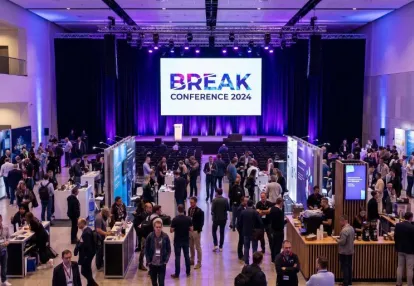
Get StartedFrom the cheap seats of your TikTok feed, Pure Leaf’s Amanda Anisimova “Break Conference” looks like pure stunt marketing: a branded tennis court, a mock press event, microphones, a polished young star announcing a tongue‑in‑cheek “retirement” from bad breaks in life. It feels like something your CMO’s brand agency cooked up for Cannes, not something a performance marketer would ever touch.
Look closer, though, and it’s something else entirely: a blueprint for scroll‑stopping, high‑CTR native, push, and TikTok ads—built on the same mechanics that top performance teams already use, just wearing a fancier tracksuit.
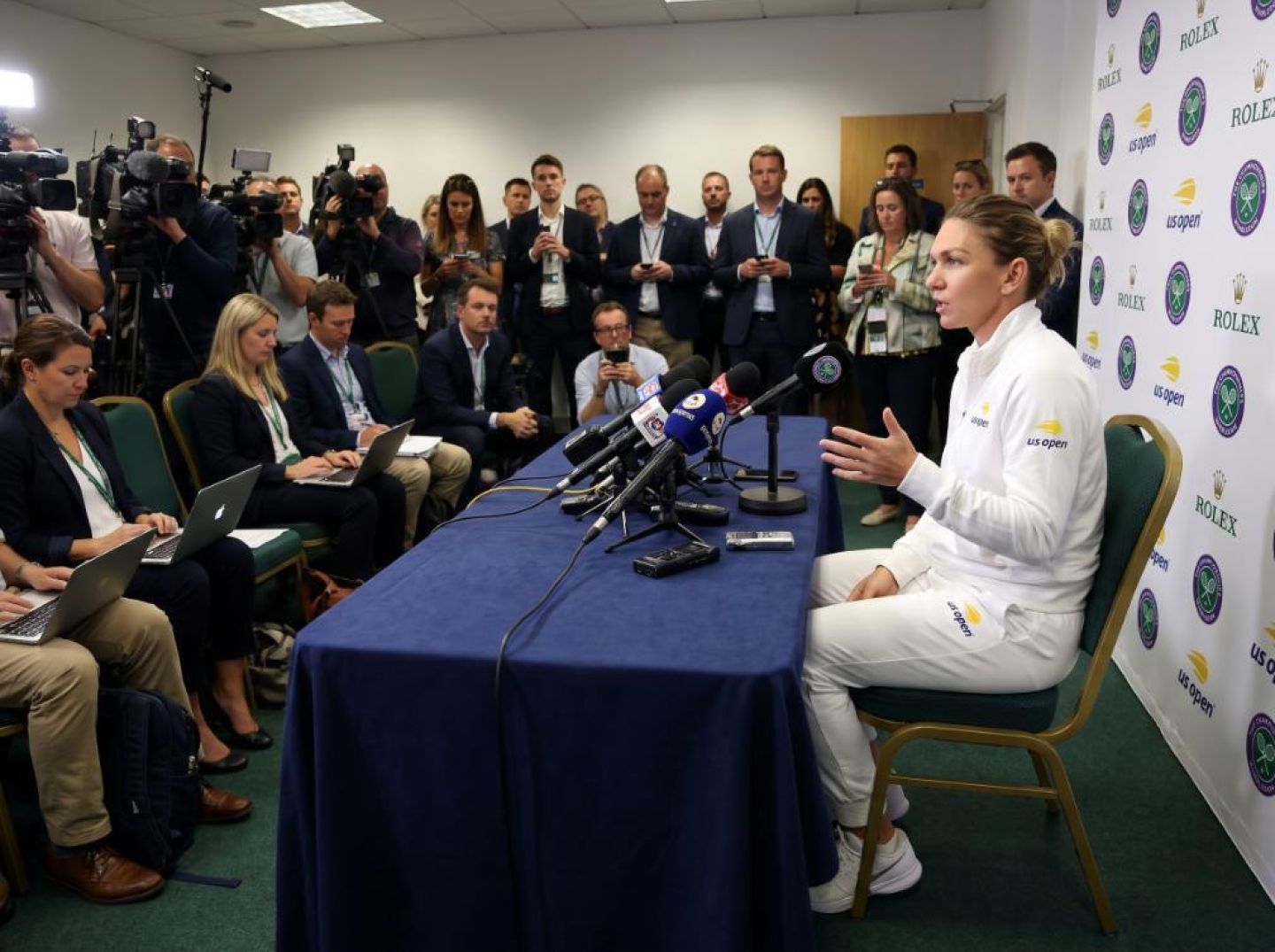
Pure Leaf isn’t just buying attention; it’s meeting people inside culture. The whole “Break Conference” borrows the grammar of a live sports presser—cameras clicking, hushed reporters, an athlete at a podium—and then twists it into a story about taking real breaks in a no‑break culture. That’s exactly the kind of “meet consumers in culture, not just push messages at them” move that marketers like Papa John’s and Carat argue is now essential for cutting through a fragmented media landscape, where brand building and performance are no longer separate lanes but a single, tangled “bowl of spaghetti” media plan.
The brilliance, for performance marketers, is how elegantly this stunt can be broken down into testable ad components:
Those are the same ingredients you’d stress‑test in a TikTok or native headline: the opening 3 seconds, the angle, the emotional promise, the CTA. TikTok practitioners already know that tiny creative shifts—changing an opening hook, swapping a demo for a testimonial—can swing watch time and click‑through dramatically, which is why guides to TikTok performance recommend systematically testing different hooks, visuals, captions, offers, and CTAs to uncover “one opening hook [that] dramatically outperforms another” and then scaling it hard once you find it (as one TikTok advertising playbook explains).
What makes “Break Conference” even more potent as a performance template is how naturally it slots into feeds as zero‑click content. You don’t need to tap through to “get it.” The story is self‑contained, high‑value, and native to the platform: a snackable press‑conference drama that feels like something your For You Page might recommend even if no one paid for distribution. That’s straight out of the zero‑click marketing playbook, where the goal is to deliver content that stands on its own in the stream—like data visualizations posted directly into a subreddit instead of pushing people off‑platform—so you build credibility first and clicks second, earning trust in the exact places your audience already lives (a tactic data‑driven brands are increasingly leaning into).
If you’re a performance marketer, your advantage is not big budgets—it’s speed and precision. You don’t need Pure Leaf’s production spend to steal Pure Leaf’s narrative architecture. You can:
And that’s where tools like Anstrex come in. Instead of guessing what will resonate, you can reverse‑engineer the same storytelling patterns big brands deploy—press‑conference frames, mock announcements, retirement tropes, cultural in‑jokes—by spying on the native ads already winning impressions and clicks in your niche. “Break Conference” isn’t just a cute tennis stunt; it’s a live demo of how to wrap a simple performance objective—get more people to try a tea—inside a cultural story that feels too interesting not to tap.
From there, the job isn’t to admire the brand theater. It’s to dissect it, clone the narrative skeleton, and rebuild it—hook by hook, headline by headline—into short‑form native, push, and TikTok ads engineered to do what your dashboard actually measures: earn the scroll stop, the click‑through, and ultimately, the conversion.
Performance marketers tend to treat brand stunts like aquarium glass: fun to tap on, irrelevant to the numbers you’re actually accountable for. But Amanda Anisimova’s “Break Conference” only looks like a pure-brand play if you ignore how today’s performance channels actually work.
First, attention itself has become a performance constraint. In an algorithmic, fragment‑by‑default media environment, the campaigns that win are the ones that don’t feel like campaigns at all. As two marketing leaders from Papa John’s and Carat noted in an Adweek conversation on fragmented media, brands are increasingly forced to “meet consumers in culture,” not just push messages at them. A fake press conference on a tennis court isn’t just clever; it’s a format that already exists in sports culture, so it glides past ad blindness. On TikTok or YouTube, it looks like “content” first, “ad” second—which is exactly what your CPM and CTR need.
Second, creator‑driven storytelling is no longer a separate “influencer” line item; it’s becoming a core performance channel. At Cannes, marketers described a “joining of forces” between creators, creatives, and brands, with creator spend in the U.S. forecast to hit $44 billion by 2026 according to the Interactive Advertising Bureau. That only happens when the work moves the numbers. The Anisimova stunt is built on the same logic: use a recognizable talent in a native, credible format to reach a very specific niche (tennis and sports fans, Gen Z social video natives) and then ladder that attention into measurable action.
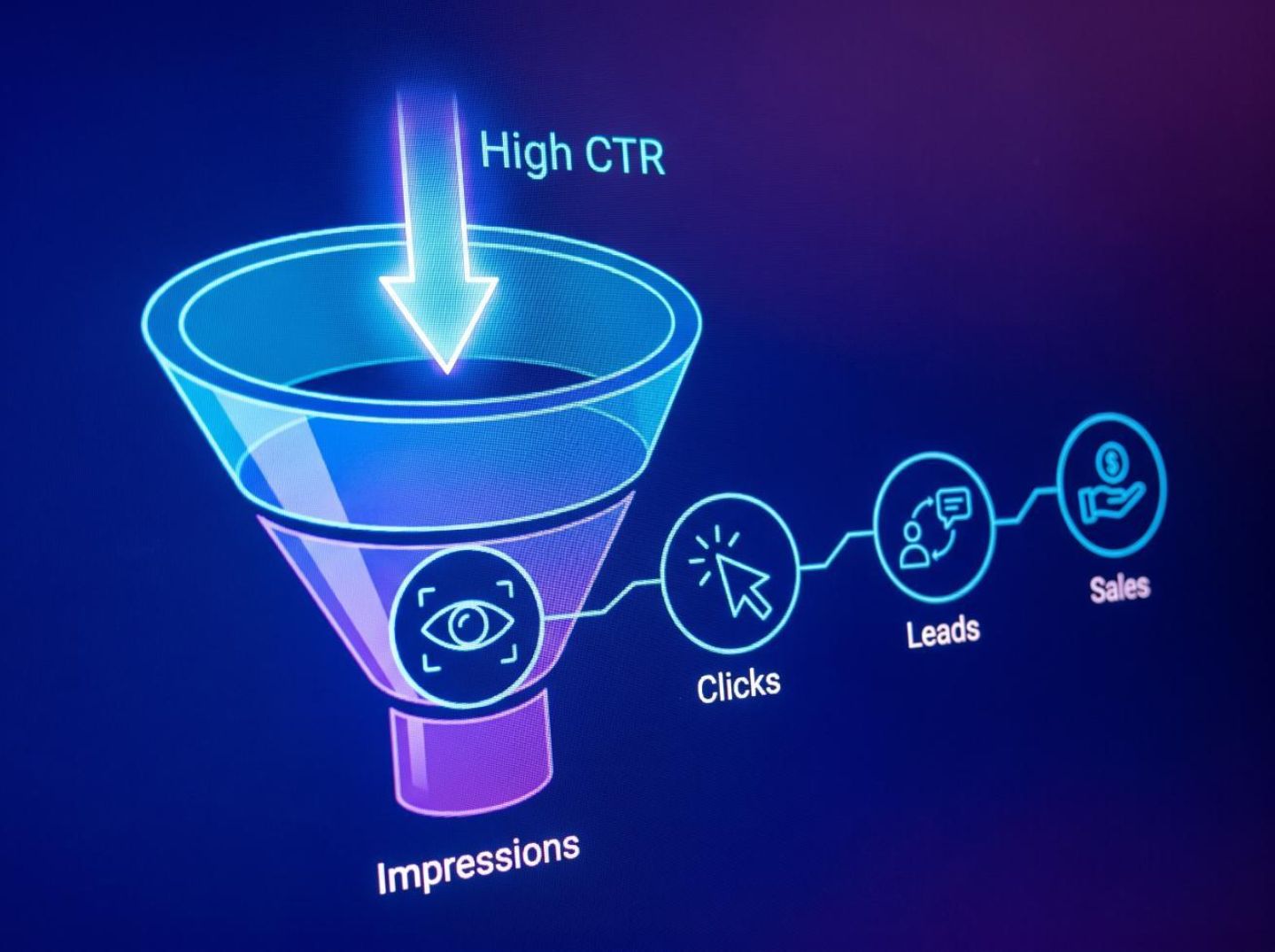
And that’s where performance marketers should lean in: native storytelling isn’t “fluff” if it’s architected for clicks and conversions. On platforms where you’re buying traffic, your job is not simply to interrupt—it’s to create something users would have watched anyway and then make the path from intrigue to click feel inevitable. As the team at Brax points out in their breakdown of ad impressions vs. ad clicks, the ads that drive the most clicks aren’t just visible; they’re compelling enough to get people to act. A faux press conference that builds a mini‑narrative—setup, surprise, emotional turn, reveal—does exactly that. It manufactures curiosity and tension, which are the raw materials of a high click‑through rate.
In other words, the “Break Conference” is a performance asset masquerading as PR. It’s a modular story: you can cut it into short teasers for cold audiences, mid‑length explainers for consideration, and testimonial‑style clips for retargeting. For mid‑ and bottom‑funnel users, those cuts become, in Brax’s words, “headlights in the dark,” signaling whether your angle is actually pushing people from awareness toward purchase. If a press‑conference cutout in your native placements doesn’t get the clicks you expect from cart abandoners or recent site visitors, you’ve learned something concrete about the story’s resonance and can pivot your creative rather than just tweaking bids.
The format also maps neatly onto how high‑performing paid social already works. TikTok best practices emphasize testing multiple versions of the same core idea—different hooks, visuals, captions, and CTAs—to see which variant drives better watch time and click‑through rates. A press‑conference concept gives you a strong, repeatable spine for this kind of experimentation: same setting, same protagonist, different “questions” from reporters, different emotional beats, different product angles. Suddenly, what looked like a one‑off brand spectacle becomes a structured test bed for your native ad units.
Finally, there’s the brand‑performance bridge. Performance teams increasingly operate inside what one media leader described, via Adweek’s “bowl of spaghetti” metaphor, where journeys aren’t linear and every touchpoint has to do double duty. A campaign like “Break Conference” is engineered from day one to serve both brand storytelling and measurable outcomes: it plants a distinctive emotional territory (bad breaks vs. good breaks) that can be retargeted and remixed across native placements, creator collabs, and lower‑funnel units.
If you’re responsible for ROAS, you don’t need more celebrity pressers in your plan. You need to recognize that the mechanics under this one—cultural format, creator integration, native feel, narrative designed for clicks—are exactly the mechanics that separate forgettable native ads from the ones that quietly print revenue.
The “Break Conference” works because it’s built on a simple narrative mechanic: something is about to snap.
Before you ever get to the product, you get timing, tension, and a hook that can be sliced into dozens of native ad units.
In tennis, a “break” isn’t abstract. It’s the precise, high‑stakes moment when a player steals serve and flips the match. The campaign borrows that logic. The “press conference” doesn’t feel like a random stunt; it feels like it’s happening between sets of a larger story.
That’s important for performance marketers distributing this via native. You’re dropping into a user’s scroll “mid‑match” — in the middle of their news feed, a publisher article, or a TikTok session — not on a clean, empty stage. The question is whether your story feels like a natural escalation of what they were already doing.
Native buyers already think this way when they sequence campaigns: define an objective, choose placements and timing, then roll out creatives in waves that respond to behavior, not a calendar. Guides to launching campaigns through native networks emphasize starting with clear goals, staging creative tests, and scheduling around when your audience is most engaged, then continuously iterating as results come in, rather than treating launch as a one‑and‑done event, as one overview of native campaign setup explains.
The Break Conference borrows that logic at the story level. It doesn’t start with, “Here’s our new line of rackets.” It starts with, “I’m calling this press conference because I’ve had enough.” The announcement is timed to feel like a career inflection point, which gives every subsequent ad unit a job: get you to the moment of the break.
For performance teams, that’s your blueprint: time your native ads and content to feel like they’re intercepting a live moment in the customer’s journey — a frustration, a fear, a “something’s got to change” realization — not introducing a generic brand narrative from zero.
Every good press conference has stakes: Will she retire? Switch coaches? Call out the tour?
The Break Conference leans into that ambiguity. When Amanda walks to the mic, you don’t yet know if she’s quitting tennis, quitting something else, or taking a swing at the entire idea of “bad breaks” in life. That unresolved question is the tension that makes you stay through the pre‑roll, keep watching the full clip, or click the native unit to “see what she says.”
Performance marketers are used to engineering tension with offers (“Last chance,” “Only 3 left”). The smarter move in native is narrative tension: an open loop that can only be closed if you engage. Creator‑driven lead gen on TikTok, for instance, performs best when the content feels like an authentic mini‑story with a clear “what happens next” moment, then routes that tension into a concrete action, as one analysis of high‑impact TikTok campaigns points out.
The Break Conference does the same:
The product message is tucked into the payoff, not pasted on top of the thumbnail. That structure travels beautifully into native formats: thumbnails capturing the moment before the announcement, headlines hinting at the decision, and landing pages resolving the tension with the full context and offer.
“Break” is the campaign’s power word. It’s a tennis term, a life metaphor, and a product promise in one syllable. That’s what lets the creative stretch from a polished press conference video down to the most direct‑response native headline.
On the open web, where you’re building thematic campaigns across dozens or hundreds of placements, that kind of flexible hook is gold. Brands like Adidas have used educational creative to introduce a core concept (in their case, “BOOST” technology) and then expanded it into performance‑oriented native ads that drive clicks and sales across premium publishers, with one such effort driving a 50% lift in CTR and measurable revenue, as one case study on native executions highlights. “Boost” was their expandable idea; “Break” serves the same role here.
The Break Conference shows you how to engineer that kind of hook:
This is also where the line between “brand stunt” and “performance asset” dissolves. A strong hook plus a self‑contained story gives you exactly what zero‑click and native strategies need: content that delivers value in‑feed while still driving brand recall and downstream action. Data‑driven marketers who have leaned into “content that stands on its own” as a way to earn attention directly on platforms — rather than always forcing a click — have seen it outperform more traditional paid, as the success of Chartr’s platform‑native storytelling illustrates in a discussion of zero‑click marketing.
You don’t need a tennis star or a film crew to replicate this. You need a single, resonant metaphor that captures the turning point your audience craves — and a willingness to let that tension breathe long enough for people to click.
Celebrity casting looks like a brand indulgence. In performance channels, it’s often the opposite: a ruthless shortcut for targeting.
Amanda Anisimova doesn’t just bring star power to the Break Conference narrative; she brings a pre‑clustered audience. Anyone who pauses on her face in a feed is statistically more likely to be interested in tennis, elite performance, sports culture, or at least aspirational lifestyles. That micro‑second of recognition is doing the same job you’d normally pay the algorithm to do more slowly: separating “might care” from “won’t care.”
In native environments, that matters. When you launch a campaign, you can meticulously dial in context, geo, device, and behavior, or even build lookalike audiences of your best customers, as the Taboola team outlines in their step‑by‑step approach to native targeting. But those levers still need creative that helps the platform decide who will respond. A recognizable face is a giant prior.
The problem: you probably don’t have a Grand Slam contender on speed dial—or the budget to rent one.
The opportunity: you can clone the function of celebrity alignment without the celebrity, by designing your creative and placements so they behave like a familiar face inside the algorithm.
The Break Conference works because Anisimova doesn’t stand for “everyone who likes sports.” She stands for an intense niche: young, high‑potential, slightly underdog‑coded tennis obsessives navigating pressure. That’s a subculture, not a segment.
You can manufacture the same effect by anchoring your creative in a visible micro‑identity:
Creator marketing is already moving this way. As one Expedia executive put it at Cannes, there are “different creators for every part of the business,” which lets you target “a really clear audience” with surgical precision, as Marketing Dive reported. You don’t need a global icon; you need someone who is obviously “of” the subculture your offer serves.
In native, that often means letting your “celebrity” be:
Celebrity alignment works because it feels less like an ad and more like a story someone you care about is telling you. Creator‑led campaigns keep winning for the same reason. When an energy brand in Spain tested TikTok ads built from polished brand assets against videos sourced from creators via TikTok One, the creator content drove a 632% lift in lead volume and cut cost per lead by 64.5%, according to a breakdown on.
The lesson for performance marketers: even if you can’t book a famous athlete, you can:
Then, treat these assets like a celebrity test: put creator‑style units in the same native placements as your polished brand spots and A/B them against each other. As the TikTok advertising guides at WordStream emphasize, testing variations of hooks, visuals, and CTAs is one of the fastest drivers of performance gains; the same principle applies across open‑web native.
Celebrity alignment doesn’t live only in the thumbnail; it also informs how you configure the campaign:
The deeper shift here mirrors what performance‑driven brand builders are doing elsewhere: moving from one‑off influencer deals to long‑term, audience‑native partnerships that tie story directly to sales, a dynamic that recent conversations on Adweek have called out as a hallmark of modern, purpose‑plus‑performance brands.
Anisimova gives the Break Conference a ready‑made audience and an emotional shorthand: “this is about people like her at their limit.” You don’t need a famous forehand to steal that play. You just need a face, a subculture, and a story specific enough that, when it shows up in a feed, the right people feel instantly, almost irrationally, seen—and the algorithm notices.
If you strip the Break Conference down to its bones, the first thing you notice isn’t the script. It’s the packaging. Everything about the Anisimova press moment is engineered to pass a three‑second sniff test: “This looks like news. I should watch.”
Performance marketers usually obsess over copy and targeting; this is the section where you steal a page from the art department.
Native and TikTok ads live in hostile territory. Users are primed to swipe past anything that feels like a banner or a brand asset. That’s why high‑performing native units and TikTok videos lean hard into format mimicry: they visually echo the surrounding environment so your brain files them as “content,” not “ad.”
You can see this in how successful native advertisers structure their creatives. When Adidas pushed BOOST via native placements, they didn’t run giant product shots; they built “informative videos across premium publisher sites,” leaning into the editorial context and video formats those environments already trained users to expect, which helped lift click‑through rate by 50%, as one native advertising guide explains. The asset looked like another piece of sports coverage, not a sidebar promotion.
The Break Conference does the same thing with tennis media. The backdrop, the mic flags, the camera angles, the awkwardly elevated table — every frame screams “post‑match press conference,” so your brain relaxes into a familiar story form before any copy lands.
On native, you don’t have moving backdrops and lav mics, but you do control three things that carry the same “press” signal:
Treat each unit as a small, self‑contained press still: a freeze‑frame of drama that implies a longer story on the other side of the click.
TikTok is even more ruthless about what looks like an ad. The highest‑performing campaigns lean into “native to TikTok” aesthetics — handheld framing, on‑platform text, lo‑fi audio — instead of repurposed brand spots. In fact, when Gana Energia A/B‑tested brand‑produced videos against creator‑led assets, the creator content drove a 632% increase in total leads and cut cost per lead by 64.5%, according to a breakdown of TikTok lead‑gen best practices. The main difference? The winning ads looked like every other TikTok in the feed.
To make a Break‑style “press moment” work on TikTok, you mimic TikTok’s version of a press event:
Then, apply disciplined variation and testing. TikTok’s own performance guidance emphasizes iterating hooks, visuals, and CTAs one at a time to identify which openings and angles spike watch time and click‑through, encouraging advertisers to test multiple creative variations and double down on winners. With a press‑moment concept, that might mean testing:
You’re not guessing which vibe feels like news; you’re watching the numbers that tell you which executions users treat as “content worth staying for” versus “ad to swipe.”
“Press moment” storytelling isn’t just about drama; it’s a visual delivery system that gets you past the ad filter. If you can make your native thumbnails and TikTok hooks look like something a journalist or creator would publish — and then iteratively test which specific visual cues actually drive clicks and leads — you turn format mimicry into a performance lever, not just a design choice.
If the Anisimova “press conference” is brand theater, the job of performance marketing is to quietly install exits that lead from the theater into a funnel.
The mistake most teams make is trying to drag people out of the story too early. The whole point of a press‑style native or TikTok ad is to act like what Rand Fishkin and Amanda Natividad would call a “zero‑click” asset: something that delivers so much value in‑feed that the user doesn’t need to go anywhere else for it to feel complete. In their discussion of zero‑click marketing, Convince & Convert highlight how Chartr simply posted charts into Reddit with no calls to action and still built demand. The Break Conference moment works the same way: you could watch just that “press” snippet and feel like you’ve consumed a full story.
But for performance marketers, zero‑click is the top of a deliberately engineered funnel, not the whole strategy.
Think of it as a two‑layer architecture:
Success criteria here are watch time, saves, comments, and shares, not clicks. Like the Chartr example from Convince & Convert, you’re trying to win the internal algorithm first by being the best content in the feed, not the loudest CTA.
In a Break‑style campaign, that might look like:
The story answers why this matters; the CTA clarifies what you do next.
From here, you turn that theater into a high‑CTR environment by tightening each stage of the journey.
Don’t send everyone to the same generic landing page. The ad’s narrative should dictate the “chapter two” they land in.
If the clip focuses on pressure and mental resilience, the click‑through should lead to:
Native platforms are built for this. When you set up campaigns on Taboola‑style placements, the workflow described on the Voluum native guide — choosing an objective, adding branding text, uploading a thumbnail, headline, CTA, and URL — is your opportunity to make each narrative variant land on a matching experience, not a one‑size‑fits‑all homepage.
Performance marketers usually try to pre‑qualify via targeting. In a Break scenario, the on‑screen narrative is the richest qualification filter you have. Anyone who:
has self‑selected as someone primed for a deeper offer about performance, coaching, or a conference pass.
Platforms make it easy to turn that attention into high‑intent audiences. TikTok’s own recommendations in the HubSpot piece on creator‑led TikTok campaigns emphasize testing creator content head‑to‑head with brand assets and then scaling whichever wins. You can do the same with your Anisimova narrative variations: build a real “creative supply,” let the best‑performing storylines emerge, and retarget only those who engaged with them.
A high‑CTR click is a continuation of the scene, not a hard cut.
Concretely, that means:
Once the core story and exits exist, treat the whole sequence as a media product:
When done right, the Amanda Anisimova press moment stops being a one‑off stunt. It becomes the top scene in a performance funnel where the “zero‑click” story wins attention, and every optional click after that feels like a natural, high‑intent continuation — driving CTR and conversions without ever breaking the spell of the story.
Receive top converting landing pages in your inbox every week from us.
Guide
Learn how Pure Leaf’s Amanda Anisimova “Break Conference” can be reverse-engineered into a performance marketing framework for Native, Push, and TikTok advertising. This guide breaks down cultural storytelling, narrative hooks, celebrity-style targeting, format mimicry, and zero-click content to build high-CTR funnels that move audiences toward conversion.
Dan Smith
7 minOct 2, 2026
Recently Updated
Learn how Pure Leaf’s “Break Conference” transformed a celebrity sports moment into a scalable native advertising story. This guide shows performance marketers how to turn brand storytelling into measurable Native, Push, Pop, Affiliate, and TikTok campaigns using ad spy intelligence and narrative-driven creative.
Marcus Chen
7 minSep 29, 2026
Featured
Explore how creative operators and managing directors are shaping modern media buying by connecting creative strategy, AI, channel allocation, experimentation, and governance. This guide examines how leadership decisions influence Native, In-Stream, Creator, and Push campaigns, as well as the contracts and systems that determine how media teams operate.
Dan Smith
7 minSep 29, 2026