
10 minAugust 7, 2026

Our spy tools monitor millions of native ads from over 60+ countries and thousands of publishers.
Get StartedEvery four years, the World Cup floods the global attention market with something digital advertisers spend billions trying to manufacture: sustained, emotionally charged engagement at a scale no other event can match. The 2026 tournament, spread across North America for the first time, isn't just a sporting spectacle — it's a performance marketing gold rush hiding in plain sight, and the smartest affiliates and media buyers are already staking their claims.
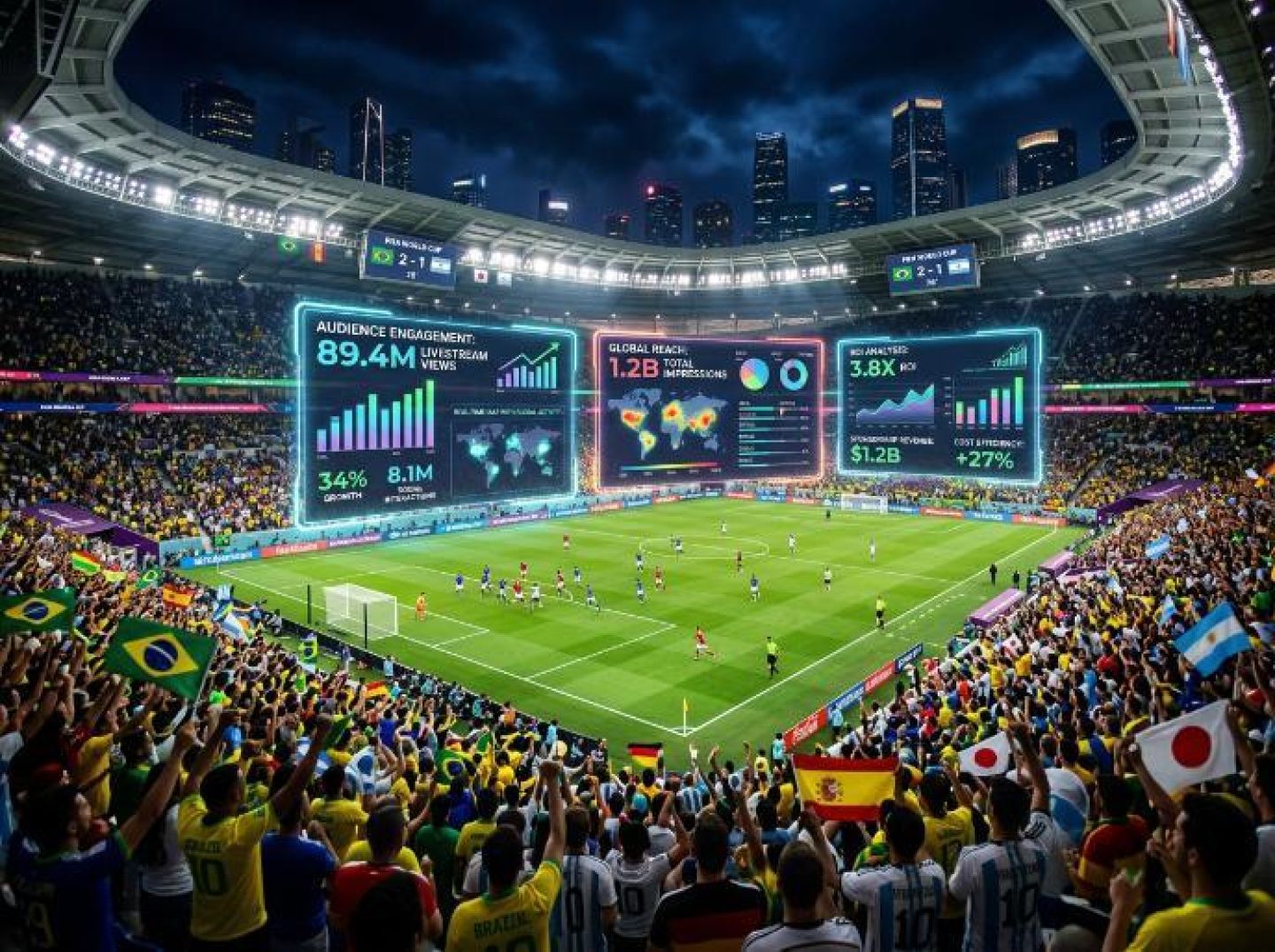
Here's what the mainstream marketing press won't tell you: the biggest opportunity isn't inside the stadiums or on the jerseys. According to illumin's analysis of the 2026 tournament, a staggering 80% of fan engagement happens beyond stadium walls. While an estimated 1.43 million fans will pass through turnstiles across host cities, over 5.7 million more will experience the World Cup in fan zones, bars, transit hubs, and living rooms — eyes glued to second screens, scrolling feeds, consuming content at a rate that dwarfs any ordinary media cycle. That 80% represents an ocean of impressions flowing through exactly the channels where native ads, push notifications, and content recommendation widgets thrive.
And here's the kicker: the traditional digital playbook is faltering at precisely the moment all of this attention is up for grabs. As Gartner's Nicole Greene argues in Marketing Dive, consumers have become remarkably adept at avoiding, skipping, blocking, and ignoring conventional digital ads. Marketing budgets remain heavily skewed toward programmatic display and personalized targeting, but Greene notes that "precision has improved, but impact has not kept pace." AI-fueled personalization, she warns, often makes the experience worse — messaging that feels repetitive or disconnected from context erodes trust and drives disengagement. The result is a widening chasm between where big brands pour their money and where attention actually lives.
This is the gap that performance marketers can exploit. While Fortune 500 sponsors fight over logo placement and negotiate eight-figure sponsorship packages, a parallel economy of native advertisers, affiliate marketers, and media buyers is quietly capitalizing on the same emotional intensity — but through content networks, publisher sites, and social feeds where audiences are already leaning in. The World Cup concentrates attention around emotion, ritual, and shared cultural moments in ways that Greene describes as "increasingly difficult to replicate" in the fragmented digital landscape. Those conditions are tailor-made for native formats that mirror editorial content and feel like a natural extension of the browsing experience rather than an interruption.
Consider the sheer scale of the opportunity. The tournament runs for over a month — 104 matches across 16 venues in three countries — generating daily content cycles of previews, match reactions, controversy, celebration, and heartbreak. Each cycle creates fresh waves of search queries, social sharing, and content consumption. Fans aren't just watching games; they're reading predictions, streaming highlights, debating VAR calls, and shopping for gear. Every one of those micro-moments is a touchpoint where a well-placed native ad for a betting offer, a streaming VPN, a sports merchandise deal, or a fantasy league app can convert at rates that would make a standard display campaign weep.
The framing matters: this isn't about sponsoring the event. It's about riding the wave of cultural attention through the native channels that official sponsors and their agencies routinely overlook. As illumin puts it, the real challenge is turning "fleeting match-day attention into a connected, measurable media ecosystem." The brands — and the affiliates — who figure that out won't just survive the tournament. They'll cash in from the first whistle to the final one.
The gap between advertisers who win during the World Cup and those who waste budget chasing it comes down to one thing: speed of insight. Big brands like Degree and Adidas plan their tentpole campaigns months in advance, locking in media buys and building elaborate creative runways. But for performance marketers and affiliates, the real opportunity isn't in the pre-planned — it's in the reactive. And reactive only works when you can see what's already working, right now, across the networks where your ads will actually run.
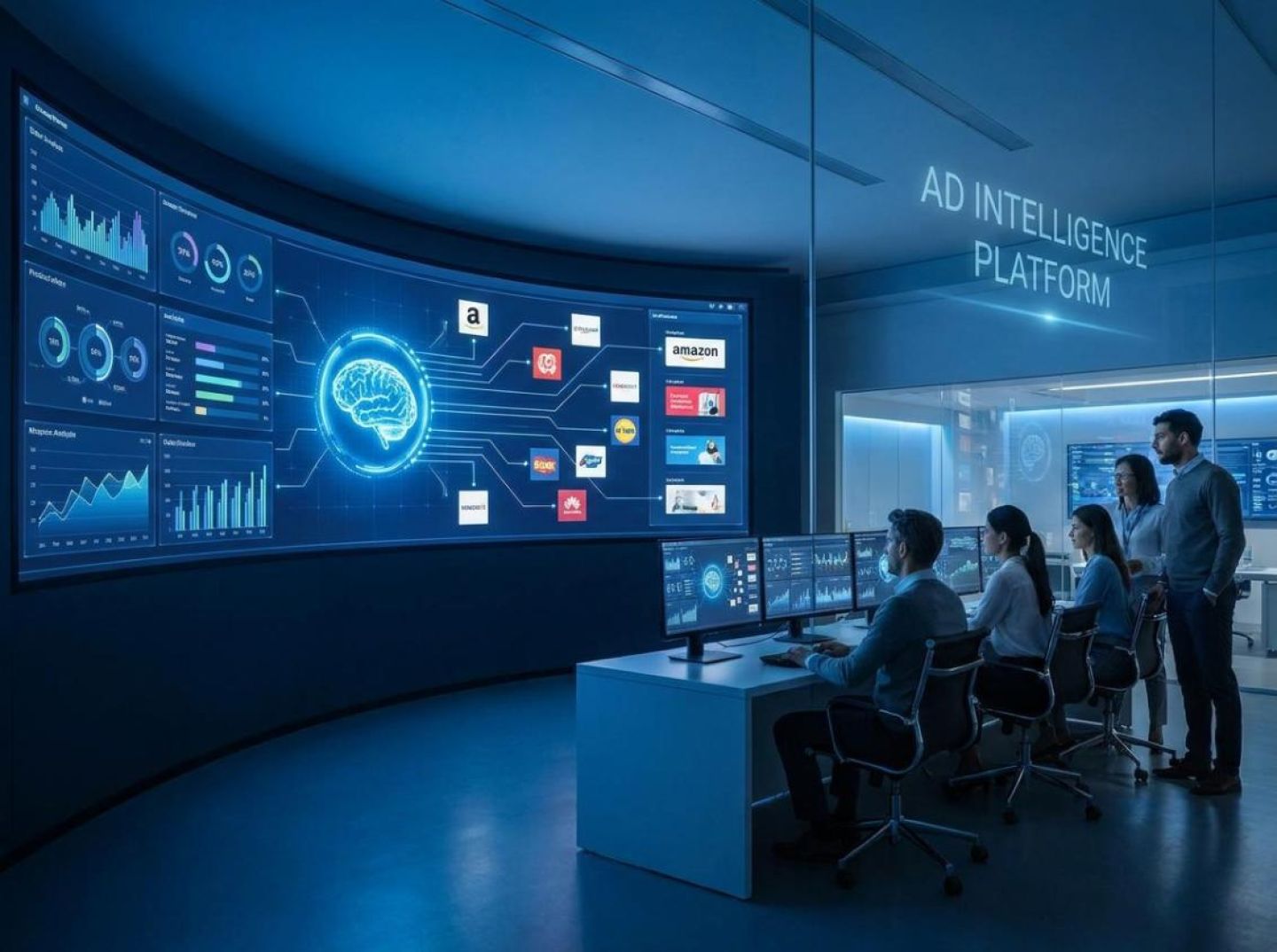
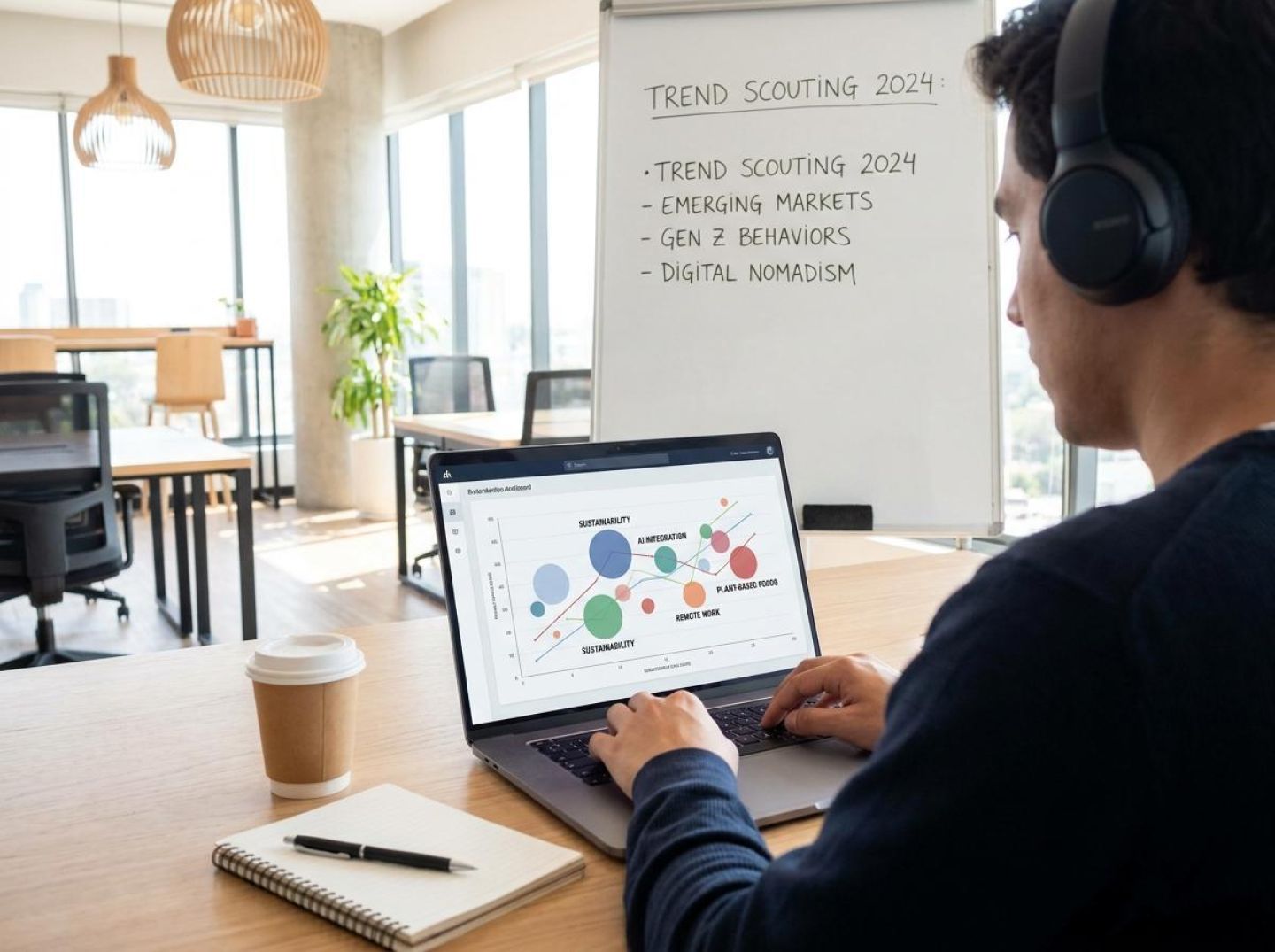
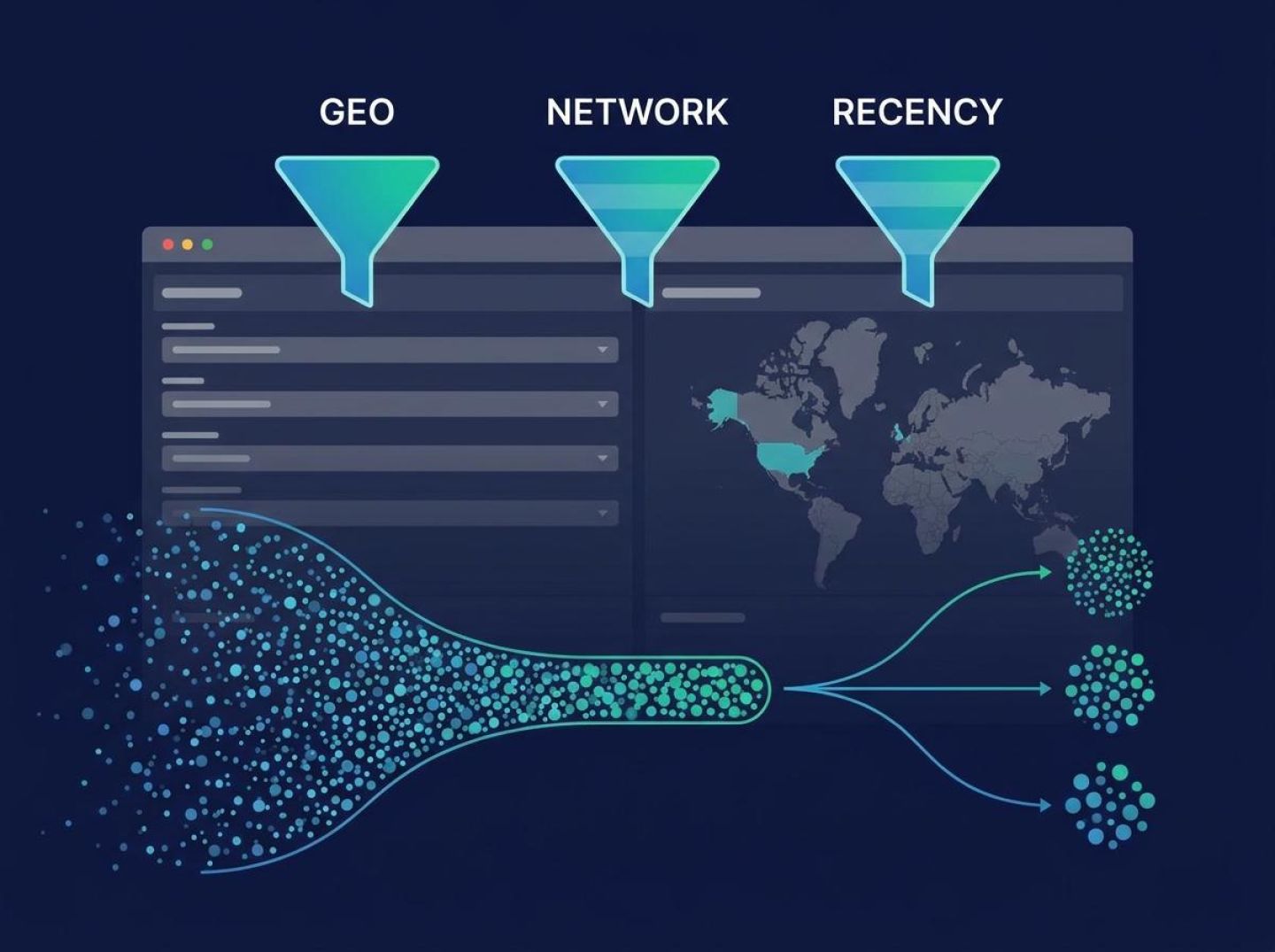
This is where ad intelligence tools become a genuine unfair advantage. Platforms like Anstrex let performance marketers monitor exactly which competitors, affiliates, and opportunistic advertisers are running World Cup–themed creatives across native and push networks in real time. Instead of guessing which angles might resonate — Should I lean into patriotism? Betting odds? Watch party culture? — you can filter by keyword, GEO, network, and date range to see which creatives are already gaining traction, which landing pages they point to, and how long they've been running. During a normal week, that intelligence is useful. During the World Cup, it's essential, because the emotional landscape shifts with every match, every upset, every penalty shootout.
Consider the data behind that volatility. When MarTech analyzed the most emotionally engaging World Cup ads released before the tournament, Fox Sports' "Miracle" promo topped the field with 56.1% intense positive emotional responses — well above the 48.7% industry norm. That kind of emotional spike doesn't stay contained in a TV spot. It generates immediate downstream behavior: searches, clicks, social sharing, and content consumption. For performance marketers running native ads, every one of those surges represents a narrow window to intercept intent with the right creative at the right moment. But the window shifts constantly — what works during a Brazil group-stage match evaporates by the time the quarterfinals arrive.
The hyper-local dimension makes this even more complex. As OOH Today has argued, the World Cup isn't really a global event — it's "hyper-local at scale", with fan behavior varying dramatically by geography. A Brazil match watched in Miami's Little Havana activates entirely different emotional triggers, purchasing patterns, and media consumption habits than an England match watched in a Manhattan pub. That's not a theoretical distinction — it has direct implications for which native ad creatives convert and which ones get scrolled past. An ad featuring American flag imagery and English-language copy might crush it in Dallas during a USMNT match but fall completely flat in a Spanish-language feed targeting Los Angeles during a Mexico game.
This is precisely why filtering spy data by country, language, and timing isn't optional — it's the core competency. When you can see that a competitor's World Cup betting landing page is pulling volume specifically in the UK during England matches, or that a merchandise affiliate is scaling a particular creative only in Portuguese-speaking GEOs during Brazil fixtures, you're no longer hypothesizing about what might work. You're reverse-engineering what is working, then adapting it for your own campaigns before the momentum fades.
The brands spending millions on pre-planned media buys can't pivot this fast. Their campaigns are locked in, their creative is finalized, and their measurement cycles operate in weeks, not hours. Performance marketers operating with ad intelligence tools occupy the opposite end of the spectrum — lean, reactive, and informed by real-time competitive data. During a six-week tournament where the emotional and cultural terrain shifts after every ninety minutes of play, that agility isn't just convenient. It's the entire edge.
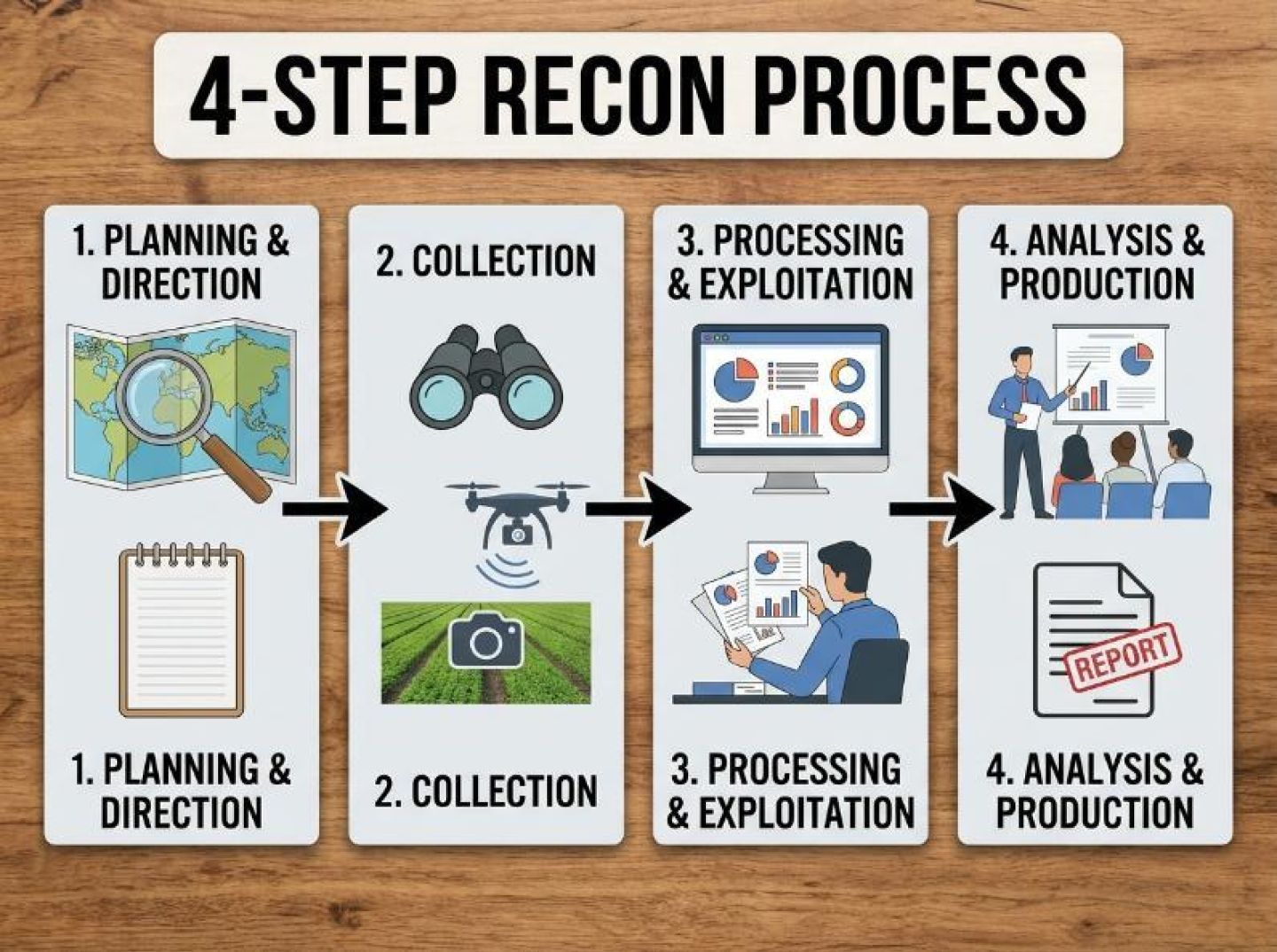
The best competitive intelligence isn't just about finding ads — it's about understanding when in the emotional arc of a live event those ads are designed to hit. That timing distinction is what separates a useful spy session in Anstrex from a genuinely strategic one. Here's how to run the process in four steps, structured around the reality that World Cup campaigns aren't static — they shift dramatically depending on where fans are in the tournament cycle.
Step 1: Pre-Match Recon — Mine the Hype Window
As illumin's fan engagement framework lays out, the pre-match phase is where fans are researching, discussing, and preparing — and it's a marketer's golden window to capture early intent. In Anstrex Native, start by filtering for keywords like "World Cup," "FIFA 2026," "soccer betting," "watch live," and team-specific terms ("USMNT," "Mexico national team"). Set your date range to the two weeks before kickoff. Sort by gravity or strength to surface campaigns that are scaling, not just testing. What you're looking for here are awareness-stage angles: prediction quizzes, streaming app installs, sportsbook sign-up offers, and merch promotions. Pay close attention to the landing pages — pre-match campaigns tend to lean heavily on list-building and app downloads, because the advertiser is banking on re-engagement once the tournament begins.
Step 2: Match Day Capture — Track Emotional-Peak Creatives in Real Time
This is where the volume explodes. During active match days, toggle your Anstrex filters to the last 24–48 hours and sort by "newest first" to catch campaigns launching in real time. The emotional tenor shifts hard here — expect urgency-driven copy ("Watch NOW," "Live odds updating"), reactive creatives referencing specific match outcomes, and push notification campaigns in Anstrex Push that ride the dopamine spike of a dramatic goal or upset. Cross-reference what you find with the broader media landscape: Fox One's campaign is explicitly built around the insight that most weekday matches fall during U.S. working hours, which means mobile-first native ads targeting office-bound fans represent a massive opportunity pocket. Look for affiliates mimicking that angle.
Step 3: Post-Match Follow-Up — Find the Long-Tail Winners
After each round of matches, filter Anstrex by campaigns with the longest run durations and strongest gravity scores. These are the survivors — the ads that proved profitable enough to keep running after the initial frenzy faded. Post-match campaigns often pivot toward recap content, highlight reels, "what you missed" angles, and merchandise tied to breakout stars. This phase is where you find the most transferable templates, because post-match creatives have been pressure-tested by real spend.
Step 4: The Meta Layer — Reverse-Engineer the Full Funnel
Now zoom out. Take the top five to ten campaigns you've flagged across all three stages and click through to their landing pages. Document every element: the offer structure, the call-to-action placement, the retargeting pixels firing, the upsell flows. Use Anstrex's advertiser view to see what else each competitor is running — often the World Cup campaign is just the top-of-funnel entry point feeding a much larger evergreen operation. The goal of this final step isn't to copy a single ad; it's to reconstruct the strategic architecture behind why a competitor chose this angle, on this network, at this moment in the tournament timeline. That architecture is what you steal — the ads themselves are just the evidence it left behind.
Before you open Anstrex and start browsing, you need a keyword map — a structured list of search terms organized by vertical so you can surface the campaigns that matter instead of drowning in noise. The World Cup generates demand across at least five distinct verticals simultaneously, and the keyword clusters that unlock each one are surprisingly different.
Team and player names are the broadest entry point, but they map to different verticals depending on context. Searching for "Christian Pulisic" will pull native ads from sportsbooks running prop-bet angles, from merchandise sellers pushing replica jerseys, and from streaming services promoting match access — all at once. That's useful for a wide sweep, but you'll refine faster if you pair player names with vertical-specific modifiers. Try "Pulisic odds," "Pulisic jersey," or "Pulisic highlights stream" to isolate the campaigns running in betting, ecommerce, and streaming respectively. Since brands like Degree have been running ads featuring Pulisic since early April, these names have been active in ad networks for months — meaning Anstrex will have deep creative histories to analyze, not just fresh launches.
Betting terms form the highest-volume cluster during any major tournament. Search for "World Cup odds," "match predictions," "accumulator tips," "live betting," and specific market terms like "both teams to score" or "correct score." These keywords almost exclusively surface sportsbook and tipster campaigns. Pay close attention to geo-targeting here: campaigns running in regulated markets like the US or UK will use very different compliance language and landing page structures than those targeting LATAM or Southeast Asia. The creative variations across regions can tell you as much about what's working as the ad copy itself.
Streaming and VPN terms spike every four years because broadcast rights are fragmented by country. Keywords like "watch World Cup free," "World Cup live stream," "unblock [broadcaster name]," and specific network terms — think "Telemundo stream" or "Fox Sports online" — will surface a mix of legitimate streaming offers and VPN affiliate campaigns. This vertical is time-sensitive in a way that others aren't: as MarTech has documented, high-impact World Cup broadcasts generate immediate search demand, and the advertisers who capture that demand are the ones already running when the whistle blows, not the ones who launch the next morning.
Fantasy sports and prediction game terms constitute a smaller but high-intent cluster. Search for "World Cup fantasy," "predict and win," "World Cup bracket," and "pick'em contest." These campaigns typically run on a cost-per-lead basis, making them excellent models to study for landing page optimization and email capture flows.
Merchandise terms are the ecommerce play. Keywords like "World Cup jersey," "national team scarf," "football boots sale," and "World Cup memorabilia" surface direct-to-consumer and dropshipping campaigns. Filter by recency in Anstrex to separate evergreen merchandise sellers from opportunistic operators who spin up campaigns only during tournament windows — the latter group tends to move faster on creative trends and is often more aggressive with advertorial-style landing pages.
The real power of this keyword map isn't just finding ads — it's understanding the demand architecture underneath the tournament. Each cluster represents a different consumer intent, a different conversion model, and a different timing curve. Betting terms peak around match days. Streaming terms surge during broadcast windows. Merchandise terms build steadily as team loyalty deepens through knockout rounds. When you layer this keyword taxonomy over Anstrex's date filters, you stop browsing campaigns at random and start reading the competitive landscape like a bracket — knowing exactly where the money is flowing, and when it's about to shift.
Once you've built your keyword map and started pulling campaigns, the raw volume of results can be overwhelming — especially for an event generating more than $10 billion in global ad spend. The key to transforming that firehose into actionable intelligence is filtering ruthlessly by geography, ad network, and date range. Each of these filters doesn't just narrow results — it exposes entirely different creative universes that you'd otherwise miss.
Start with geography, and be more precise than you think you need to be. The United States, Mexico, and Canada are the three host nations, but treating them as a single market is a critical mistake. A native ad promoting a streaming VPN workaround in Mexico City looks nothing like a sports betting advertorial targeting fans in New Jersey, and neither resembles a merchandise play aimed at the Salvadoran diaspora in Houston. When you filter Anstrex by individual countries — and ideally by city-level targeting where the platform allows — you'll see how advertisers tailor everything from imagery to offer structure to regulatory language based on where their audience sits. This mirrors a broader principle that the smartest World Cup marketers already understand: as illumin has documented, 80% of fan engagement happens outside stadium walls, in transit hubs, sports bars, and community gathering spots scattered across host cities. Advertisers running native campaigns know this too, and their geo-targeting reflects hyperlocal intent — a sportsbook pushing odds on the USMNT in Chicago runs different creative than one targeting Mexican national team fans in Guadalajara, even if the underlying product is identical.
Don't stop at host nations. Filter for diaspora-heavy markets like the UK, Germany, Brazil, Argentina, and Nigeria. These geos surface campaigns targeting passionate but geographically displaced fan bases — often with unique angles around international streaming access, cultural merchandise, or community watch-party promotions that you won't find in host-country results.
Next, layer on ad network filters. Different networks skew toward different verticals and compliance environments. Taboola and Outbrain placements tend to surface higher-quality editorial-style advertorials — think longform pieces about "the best ways to watch every World Cup match" or player-profile listicles that funnel into affiliate streaming offers. Meanwhile, smaller native networks may host more aggressive betting and fantasy sports creatives with bolder claims and shorter landing pages. Filtering by network lets you benchmark creative norms within each ecosystem and identify which networks your competitors are spending on most heavily.
The most strategically valuable filter, though, is recency — specifically, the distinction between sorting by "running longest" and sorting by "newest." Campaigns that have been running for weeks or months are proven performers; advertisers don't keep spending on creatives that don't convert. These long-runners reveal the headlines, images, and landing page structures that have survived real-world optimization. When Degree began running Christian Pulisic ads in early April — months before kickoff — it demonstrated the power of a long runway, and you'll find native advertisers applying the same logic. Sort by longest-running and you'll discover the evergreen angles that work throughout the tournament cycle: "How to Watch" guides, betting bonus comparisons, and player-focused merchandise roundups that advertisers launched early and continue to ride.
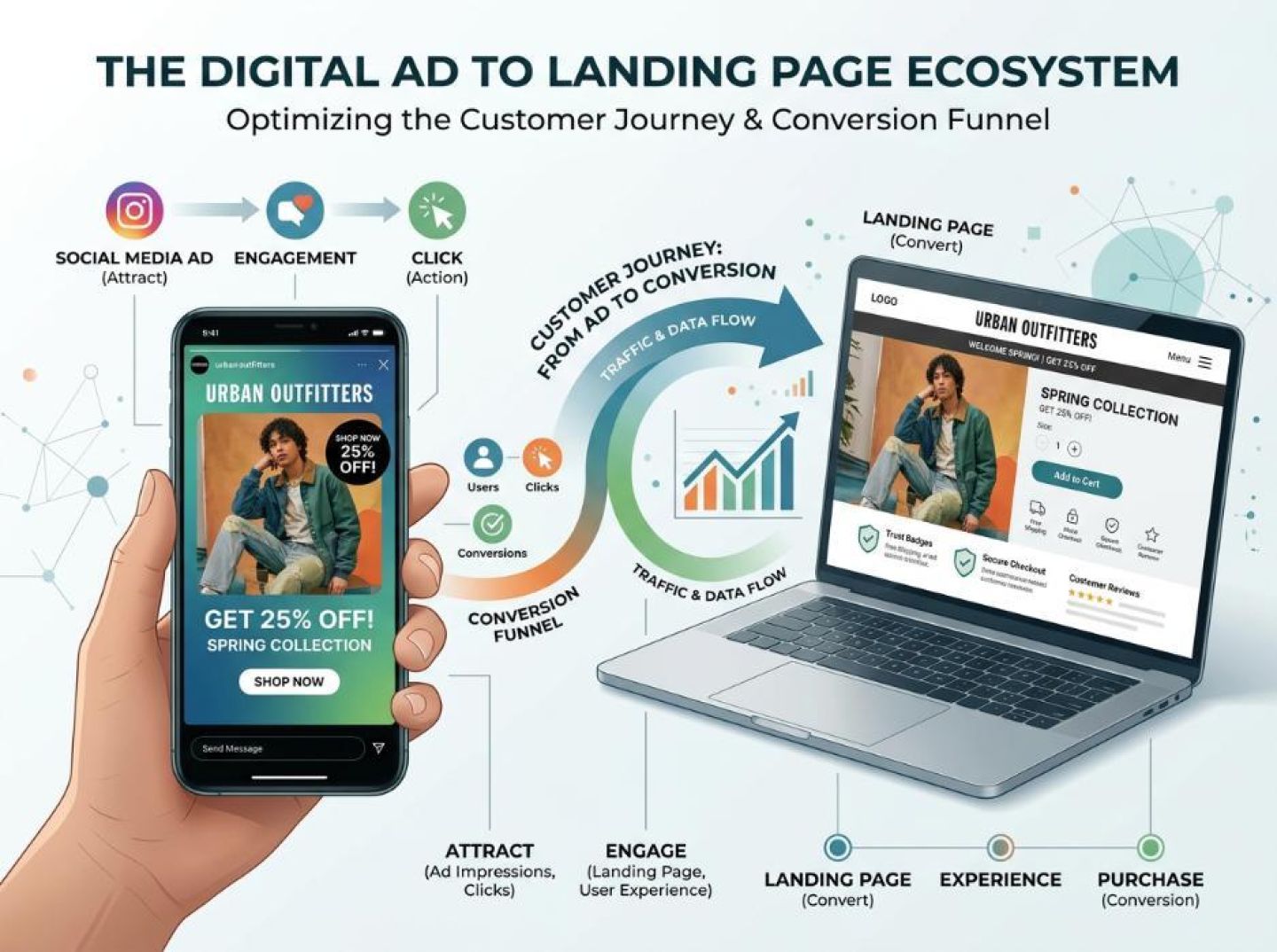
Pulling a competitor's native ad out of a spy tool is only half the job. The real intelligence lives on the other side of the click — the landing page where attention is converted into action. Every ad you flag during your competitive sweep should be clicked through, screenshotted, and reverse-engineered as a creative-plus-destination pair, because the ad and the page it leads to are a single persuasion system. Analyzing one without the other is like scouting a striker's movement without watching what happens when the ball arrives at their feet.
Start by categorizing the funnel structure behind each landing page. During a tournament of this scale, you'll encounter a handful of repeating archetypes. Listicles — "7 Gear Upgrades Every Match-Day Host Needs" — are the workhorse of native advertising because they disguise a sales pitch as editorial content. Quiz funnels ("Which World Cup Legend Matches Your Play Style?") collect zero-party data while building engagement. Direct offer pages skip the foreplay entirely, pushing a discount code tied to a match result or group-stage deadline. And pre-sell pages, often styled as news articles or fan blogs, warm the reader emotionally before handing them off to a checkout. Track which format each competitor uses and, more importantly, which format they keep running the longest — because longevity in a spy tool almost always signals profitability.
Next, dissect the emotional trigger powering each pairing. The World Cup compresses an extraordinary range of human emotion into a few weeks, and the smartest advertisers match their creative to a specific feeling rather than the event in general. Research from DAIVID measuring emotional intensity across this year's campaigns illustrates the point vividly: Fox Sports' "Miracle" promo generated intense positive emotional responses in 56.1% of viewers, outperforming an industry norm of 48.7%, precisely because it leaned into the specific trigger of belief against impossible odds — not generic soccer excitement. When you see a native ad pairing that invokes national pride ("Show the world your colors"), FOMO ("Only available during the group stage"), underdog narrative, or tribal rivalry, note the trigger explicitly in your swipe file. Patterns will emerge by vertical: betting advertisers lean heavily on rivalry and FOMO, while consumer packaged goods brands tend to anchor on communal joy and shared moments.
Pay special attention to how competitors bridge the tone between ad and landing page. A jarring shift — say, a playful meme-style ad that drops you onto a sterile product page — signals a weak funnel you can outperform. The strongest pairings maintain what Unilever's integrated brand team describes as content that is authentic, native to social, and meaningful, a philosophy that applies just as forcefully to native advertising landing pages. If the ad promises an insider fan experience, the landing page should look and feel like one — complete with match imagery, dynamic countdown timers, and language that mirrors the emotional register of the click-bait headline.
Finally, document the conversion mechanics. Is the page collecting an email before revealing content? Offering a time-limited bundle? Redirecting to an app install? Screenshot every element — headline, hero image, CTA button copy, trust badges, social proof widgets — and catalog them by competitor, GEO, and funnel type. Over the course of even a single group-stage week, this exercise will hand you a library of tested persuasion frameworks you can adapt, improve, and deploy while the tournament is still underway and attention is at its peak.
Receive top converting landing pages in your inbox every week from us.
Guide
Award-winning ads can inspire powerful performance creative, but they need to be rebuilt for the way algorithms, feeds, and users behave across Native and TikTok. This guide shows how to reverse-engineer high-profile creative into scalable hooks, angles, formats, and AI-driven testing systems that can improve performance.
Elena Morales
7 minSep 19, 2026
In-Depth
Discover how city-level ad intelligence can help marketers build campaigns that feel local while scaling globally. Learn how to use Anstrex to uncover geographic, language, creative, and funnel patterns across Native, TikTok, Push, and Pops, then turn those insights into repeatable localized campaigns.
Elena Morales
7 minSep 16, 2026
Most Read
Demand generation is shifting from marketing automation alone toward real-time market intelligence and proven creative signals. This guide shows how to use native, push, pop, and TikTok ad intelligence to uncover winning hooks, turn them into demand gen IP, and connect those insights across ads, email, landing pages, and the full customer journey.
Elena Morales
7 minSep 13, 2026





)