11 minAugust 24, 2026

Our spy tools monitor millions of TikTok ads from over 55+ countries. Biggest TikTok Ad Library in E-commerce and Mobile Apps!
Try It FREEThe numbers make the opportunity impossible to ignore. TikTok now reaches more than 1.9 billion monthly active users globally, with the average user spending over 90 minutes per day scrolling through an endless stream of algorithmically curated content. That's not just attention — it's immersion at a scale no other social platform can match. And the commercial intent is real: research from TikTok Marketing Science shows that users are 1.5 times more likely to purchase a product they discover on TikTok than on competing platforms, with discovery and conversion frequently collapsing into a single session. Layer on global ad revenue growing at 43 percent year over year and engagement rates eight times higher than Instagram, and you have what looks like the most compelling advertising environment of the decade.
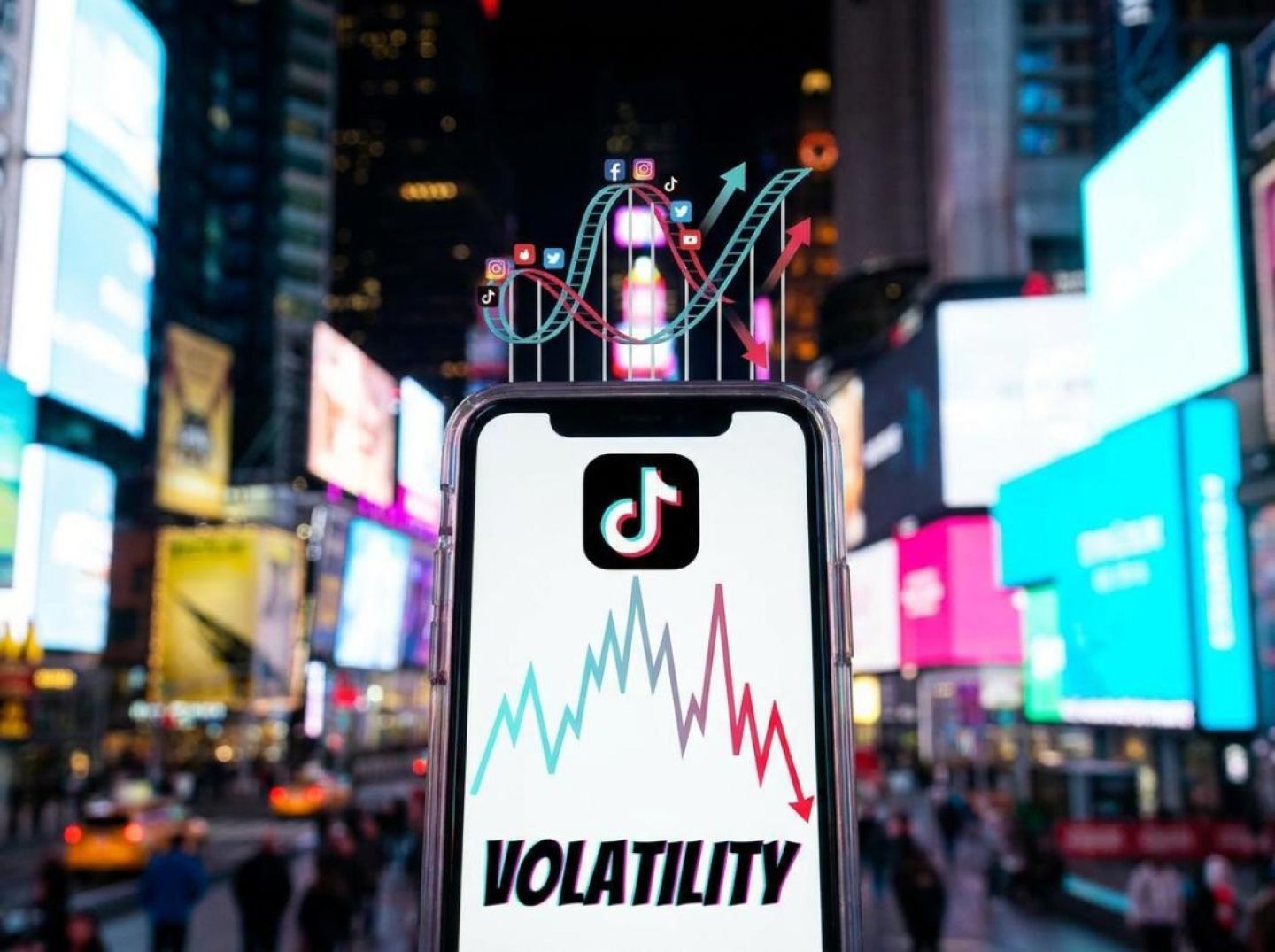
But here's the part most playbooks gloss over: TikTok's extraordinary reach is inseparable from its extraordinary volatility. The same algorithmic engine that can catapult an unknown creator's video to ten million views overnight can also surface your ad next to a polarizing political rant, a misinformation thread, or a trending challenge that veers into territory completely misaligned with your brand values. And it all happens fast — Silverpush's analysis of 80-plus TikTok campaigns across nine APAC markets found that trends typically peak within 48 to 72 hours. The same compressed timeline applies to risk. By the time an unsafe narrative crosses a volume threshold in your social listening dashboard, the exposure has already occurred.
This is the structural difference that most marketers underestimate. TikTok is not a faster version of Instagram. It's a fundamentally different animal. On Meta or YouTube, your content lives within the gravitational pull of follower graphs, subscription lists, and search intent. On TikTok, content is algorithmically surfaced based on engagement signals, meaning the algorithm rewards content quality over account size and a brand's carefully placed ad competes for attention in the same feed as creator-driven narratives that shift by the hour. Creator ecosystems are constantly in flux. Emerging narratives can gain millions of impressions before moderation systems fully contextualize them. The risks are layered — sensitive content categories, adult themes, misinformation, and rapidly evolving cultural debates all coexist in a feed that makes no editorial distinction between entertainment and controversy.
This is what makes TikTok's chaos structural rather than incidental. Traditional brand safety models — keyword blocklists, static inventory tiers, category exclusions — were built for ecosystems that move at a manageable pace. TikTok moves at cultural velocity. A video discussing current events might fall under a benign news category but carry deeply polarizing sentiment. A trending sound might seem innocuous until you realize the context it's being remixed into. Safety decisions on this platform are rarely binary; they are contextual, and context changes by the hour.
So the marketers who win on TikTok aren't necessarily the ones who jump on every trend the moment it surfaces. They're the ones who develop the intelligence infrastructure to read the signal through the noise — to distinguish between a trend that's worth riding and one that's about to become a brand safety incident. That distinction, as we'll see, requires a fundamentally different approach to competitive intelligence, creative strategy, and risk assessment than anything the Meta-YouTube era prepared us for.
Not all virality is created equal. The critical skill for TikTok advertisers in 2026 isn't trend-spotting — it's trend classification. Before you spend a single dollar riding a wave, you need a framework for determining whether that wave will carry your brand forward or drag it underwater. Here's the taxonomy every performance marketer should internalize.
Type 1: Flash Spikes. These are the volcanic eruptions of TikTok — sudden, massive surges in volume tied to controversy, personal drama, tragedy, or outrage. A creator's public meltdown goes viral. A product gets linked to a health scare. A political flashpoint ignites overnight. The view counts are staggering, and reactive marketers see opportunity in the sheer volume. But flash spikes are toxic for advertisers precisely because the context surrounding them is unstable and often harmful. As reporting from the BBC revealed, TikTok's own recommendation engine has historically pushed borderline content into feeds to maximize engagement, meaning the most explosive trends are often the ones most saturated with problematic material. Brand safety decisions here aren't binary — they require contextual judgment about risk patterns, not just keyword blocklists. If a trend's velocity comes from shock rather than genuine interest, the association will cost you more in brand equity than it could ever return in clicks.
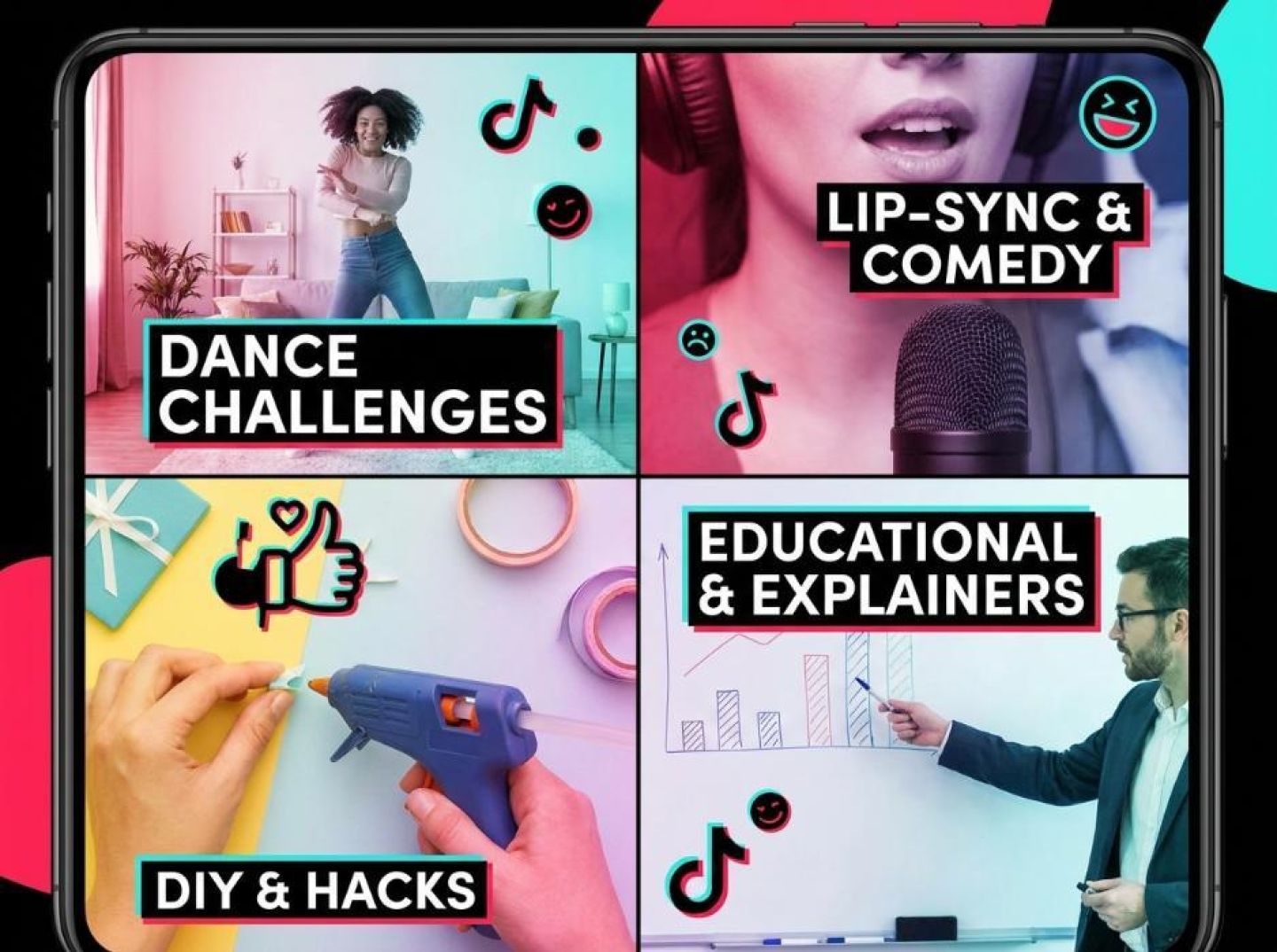
Type 2: Cultural Waves. These are the shifts that actually matter for sustained creative strategy. A new aesthetic takes hold — soft lighting and ASMR unboxings, or a specific sound that becomes shorthand for a mood or lifestyle. A format catches on: split-screen duets comparing expectations versus reality, or "get ready with me" videos that subtly integrate products. Cultural waves build over weeks or months rather than hours. They reflect genuine behavioral shifts in how people communicate, style themselves, or discover products. Because these waves have staying power, they give you time to develop creative that feels native rather than reactive. And nativity matters enormously on TikTok, where in-feed ads are designed to look really similar to organic content — meaning your paid creative needs to match the language, pacing, and format conventions of whatever cultural wave it's riding.
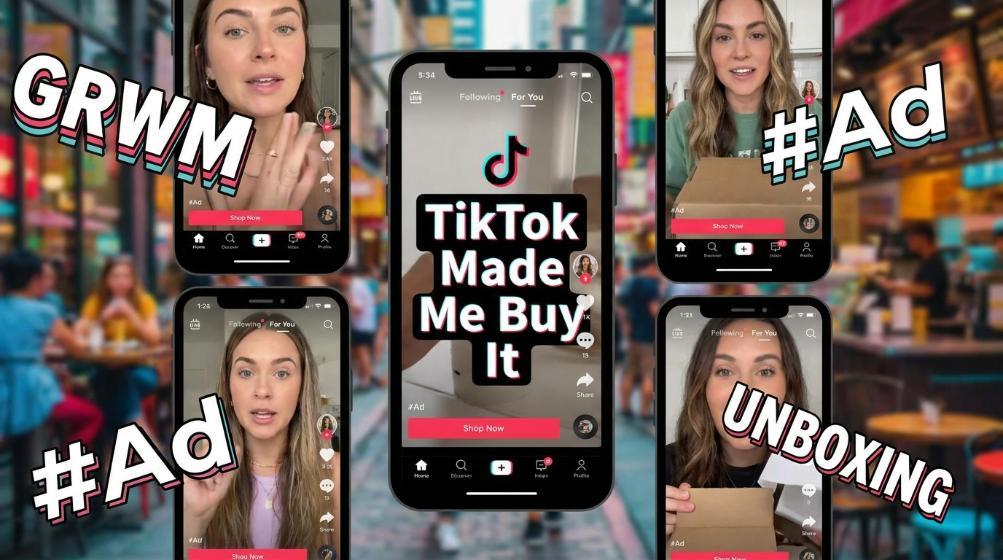
Type 3: Commerce Signals. This is where trend intelligence becomes directly actionable for performance marketers. Commerce signals are trends where discovery intent and purchase behavior are already fused — "TikTok made me buy it" moments that show up not just in organic posts but in paid creative patterns across the platform. When you see multiple advertisers running variations of the same product angle, using similar hooks, and sustaining spend over days or weeks, that's a commerce signal. It tells you that real money is flowing because real conversions are happening. These signals are visible only when you look beyond organic trending pages and examine what's actually running as paid creative — which is precisely what ad intelligence tools are built to reveal.
The trap most advertisers fall into is predictable: they pile into Type 1 because it's the loudest, burn budget on content that either ages poorly or gets flagged, and completely miss the Types 2 and 3 trends quietly generating revenue for more disciplined competitors. Flash spikes reward speed. Cultural waves and commerce signals reward pattern recognition. The difference between a TikTok ad strategy that compounds over time and one that lurches from crisis to crisis comes down to which type of trend you're willing to chase — and which you're disciplined enough to ignore.
Most marketers think they're tracking TikTok trends. What they're actually tracking is the echo — the residual signal that lingers after the moment has already passed. Social listening tools and organic trend trackers have become default instruments in every digital marketer's toolkit, but they carry a structural flaw that few acknowledge: they measure volume after spikes, not during the acceleration phase that matters. As SilverPush's analysis of over 80 TikTok campaigns across APAC markets found, trends typically peak within 48 to 72 hours, meaning that by the time a topic crosses a volume threshold significant enough to register on most monitoring dashboards, the exposure window has already closed. You're not surfing the wave — you're photographing the foam it left behind.
This lag problem is compounded by an even deeper issue: organic trend data can't distinguish between engagement driven by genuine purchase intent and engagement driven by controversy, morbid curiosity, or ironic participation. A sound clip that racks up 200 million views might be fueling mockery, not desire. A hashtag challenge with staggering completion rates might be powered by a demographic that has zero overlap with your buyer persona. Volume and velocity are not proxies for commercial viability — yet social listening tools treat them as if they are.
There's also the survivability question. An organic trend that thrives in the chaotic, unpaid environment of the For You Page may collapse entirely when placed inside a paid context. As MarTech has reported, platforms like TikTok are increasingly using creative itself as a targeting signal, which means the ad auction evaluates content differently than the organic algorithm does. A trend that performs organically because it's provocative or polarizing may actively repel the algorithm in a paid placement, where conversion signals — not just engagement signals — determine distribution. What gets watched is not what gets bought, and social listening tools have no mechanism for separating the two.
This is where the concept of ad-level trend intelligence becomes essential. Instead of asking "what are people watching?", the smarter question is "what are marketers paying to scale — and for how long?" This means tracking real paid creatives running across TikTok: which products competitors are pushing, how long specific ad creatives survive before being rotated out, what hooks and formats are being tested, and what landing pages those ads connect to. The longevity of a paid creative is a far more reliable signal than the spike of an organic trend, because ad spend is self-correcting — marketers kill what doesn't convert.
Consider the stakes: Neil Patel's analysis shows that TikTok Shop generated $15.82 billion in U.S. sales, with 25 percent of buyers discovering products specifically through ads. That means a quarter of all purchase journeys on the platform begin inside the ad ecosystem, not the organic feed. If you're only monitoring what's trending organically, you're blind to the channel where a massive share of actual commerce originates.
Tools like Anstrex Instream exist precisely to fill this gap. Rather than scraping hashtag volumes or tracking audio adoption curves, Anstrex Instream lets you monitor live ad creatives running across TikTok — including run times, viral product data, creative formats, and the landing page strategies behind them. You're no longer guessing which trends might translate into paid performance; you're observing what's already surviving the ad auction in real time. This is the difference between reactive trend-chasing and deliberate competitive intelligence. Organic virality tells you what people are watching. Ad intelligence tells you what's actually converting — and that distinction is where profitable TikTok strategy begins.
TikTok is waging a quiet war against the very technology it's simultaneously selling to advertisers, and the contradiction reveals something critical about where ad creative strategy is heading in 2026.
The numbers tell the story bluntly. TikTok has now labelled more than 3 billion AI-generated videos using Content Credentials, creator disclosures, and watermarking technology — and it joined the C2PA Steering Committee to push industry-wide transparency standards even further. These aren't token gestures. The platform is actively deploying enhanced detection systems to combat AI-generated spam and investing in educational resources to help users identify synthetic content on sight. For advertisers who've been scaling campaigns with AI-generated avatars, synthetic voiceovers, and machine-produced creative variants, this should feel like a tremor under their feet.
The motivation isn't altruistic. As Billo CEO Donatas Smailys put it, "Platforms don't spend money fighting content that works. They fight content that makes people scroll past, and feeds full of AI videos are doing exactly that." His argument cuts through the PR framing: TikTok is treating AI-generated content the same way it treats spam because the engagement data demands it. Lower watch times, higher scroll-past rates, and weaker conversion signals from synthetic creative all erode TikTok's ad revenue model. When users disengage, ad inventory becomes less valuable — and TikTok can see that deterioration in real time across billions of impressions.
The regulatory environment is reinforcing this shift. New York now requires disclosure of synthetic performers in advertisements, with penalties for noncompliance, and Smailys predicts more states will follow. But as he warned, the legal risk is secondary to the trust damage: "Once your audience feels tricked, no disclosure label wins them back."
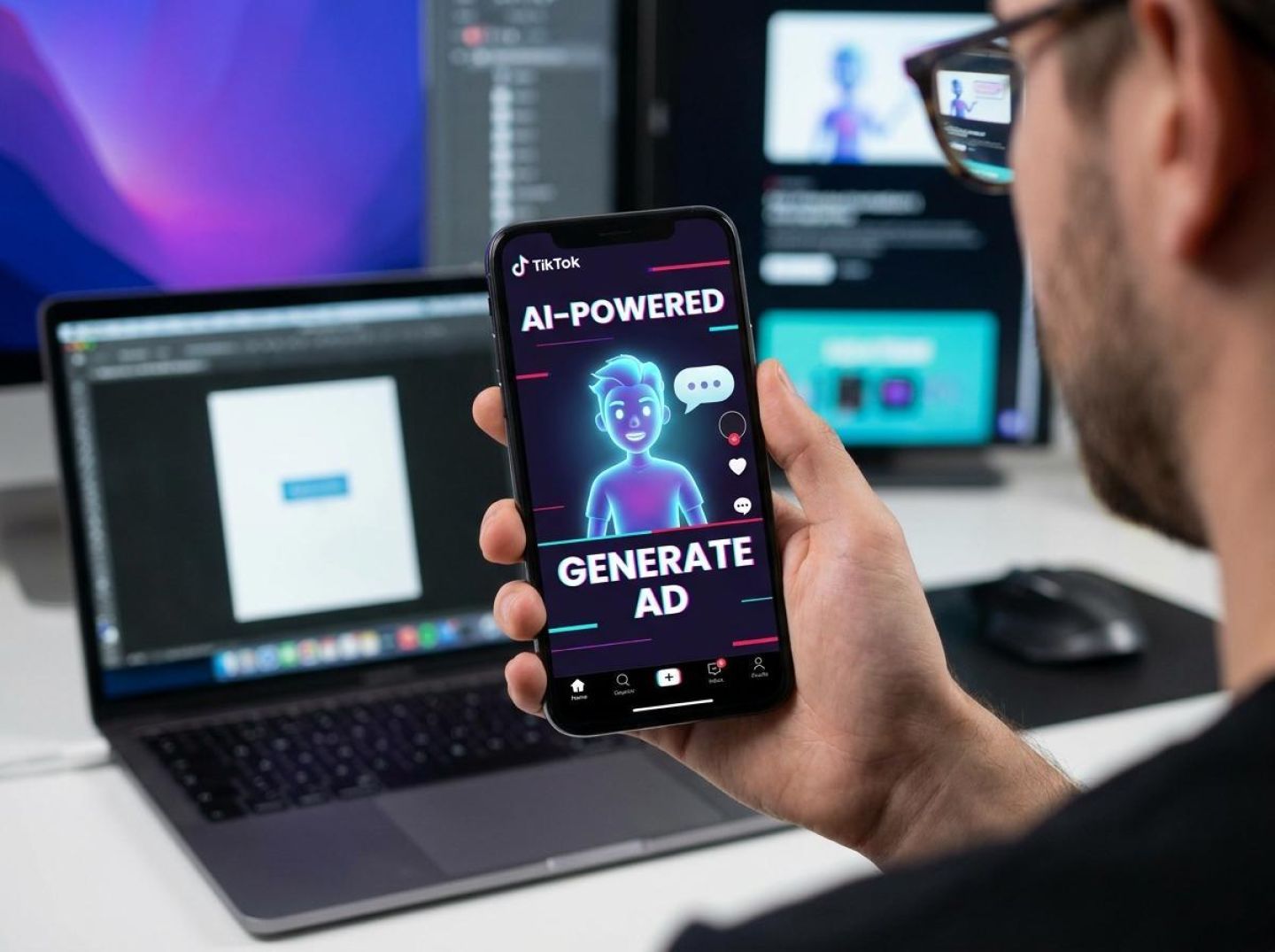
Here's where the contradiction gets interesting. While TikTok is cracking down on AI content in the organic feed, it's actively building AI-powered tools for advertisers through its Symphony suite. As Social Media Examiner reported, Symphony now includes daily video generations — fresh, auto-generated ad variations customized for your brand based on past creative activity. The system is designed to automatically cycle out underperformers and scale winners, essentially functioning as an always-on creative optimization engine. TikTok even plans to assess viewer reception of auto-generated content through in-feed pop-ups, creating a real-time feedback loop between synthetic creation and authentic audience response.
The resolution to this apparent contradiction is nuance, and it matters enormously for your competitive intelligence workflow. TikTok doesn't want to eliminate AI from advertising — it wants AI to assist human-driven creative rather than replace it. Symphony tools generate variations and optimize rotation, but the foundational content still needs to carry authenticity signals: real faces, genuine reactions, unpolished production quality that mirrors organic UGC. The platform is drawing a line between AI as a creative accelerant and AI as a creative substitute.
For performance marketers running competitive analysis, this distinction changes what you should be looking for when you spy on competitors' ads. It's no longer enough to identify trending hooks or copy structures — you need to assess whether winning creatives are deploying authentic UGC-style formats or leaning on synthetic production that TikTok's algorithm is increasingly penalizing. Anstrex Instream enables this kind of visual analysis at scale, letting you compare competitor ad creative across format, production style, and authenticity signals so you can identify the patterns that are actually winning in TikTok's current algorithmic environment. When the platform itself is punishing synthetic content, knowing how your competitors are producing their ads is just as important as knowing what they're saying.
Most marketers still treat brand safety as a cost center — a compliance obligation that protects against downside but never contributes to growth. That framing is not just outdated; it's strategically negligent. In 2026, the brands extracting the most value from TikTok's chaotic content ecosystem are the ones that have quietly turned safety infrastructure into a competitive moat, one that improves targeting precision, protects creative investment, and ultimately drives better unit economics on every dollar spent.
The logic is straightforward once you abandon the old mental model. When your ads consistently appear in contextually appropriate environments, you're not just avoiding embarrassment — you're stacking the algorithmic deck in your favor. As platforms like TikTok increasingly use creative as a targeting signal, the environment surrounding your ad becomes part of the signal itself. An ad for a premium skincare brand placed next to a thoughtful dermatology creator sends a radically different contextual cue to the algorithm than the same ad adjacent to a polarizing political rant. Both might technically fall within the same audience segment. Only one drives the association you actually want.
This is where the competitive advantage materializes. Brands that invest in layered, dynamic safety frameworks aren't just filtering out harmful adjacencies — they're actively curating the contextual neighborhoods where their ads live. That curation feeds better engagement signals back to TikTok's recommendation engine, which in turn serves future impressions to higher-quality audiences. It becomes a compounding loop: better context produces better engagement, which trains the algorithm to find better placements, which further improves performance.
The alternative — relying on broad inventory tiers and static keyword exclusions — is a race to mediocrity. As SilverPush's analysis of campaigns across nine APAC markets demonstrated, TikTok trends typically peak within 48 to 72 hours, and the same compressed timeline applies to risk. A keyword blocklist built on Monday is already outdated by Wednesday. A category-level exclusion that blocks all news content to avoid political adjacency also eliminates high-performing cultural commentary that could drive genuine discovery. The blunt instruments don't just fail to protect you — they actively shrink your addressable inventory and inflate your cost per result.
Meanwhile, the reputational stakes keep escalating. BBC investigations revealed that as TikTok tried to improve its algorithm to gain market share, engineers observed increasing volumes of borderline content being surfaced — problematic posts that weren't technically illegal but eroded user trust. The same dynamic played out at Meta, where internal research showed Reels carried significantly higher prevalence of bullying, harassment, and hate speech than the main Instagram feed. Brands that park their ads in these environments without contextual guardrails aren't just risking adjacency to a single bad video. They're systematically training algorithms to associate their creative with lower-quality content clusters.
The reframe, then, is this: brand safety is not a filter you apply at the end of campaign setup. It is upstream infrastructure that shapes targeting quality, creative efficiency, and long-term brand equity simultaneously. The brands that understand this are not spending more on safety — they're spending more intelligently, and the performance gap between them and their competitors who still treat safety as a checkbox is widening every quarter. In TikTok's volatile environment, the ability to move fast without getting burned is not luck. It is architecture.
Receive top converting landing pages in your inbox every week from us.
How-To
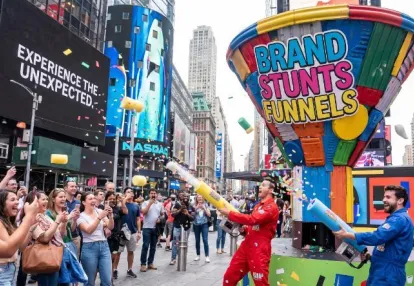
Learn how to turn big brand-building stunts into measurable performance funnels across Native, Push, Pop, and TikTok. This guide breaks down how to repurpose stunt assets, build channel-specific sequences, design story-led landers, and measure their impact on conversions and revenue.
Priya Kapoor
7 minOct 5, 2026
Most Read
Discover how OOH teams can use Native, Push, and TikTok ad intelligence to move beyond location-first planning and build smarter, audience-driven campaigns. This guide shows how to translate digital creative, targeting, and performance signals into OOH ideas, test them in the physical world, and feed the results back into digital campaigns.
David Kim
7 minOct 4, 2026
Most Read
Learn how OOH employers can move beyond selling billboard inventory and start monetizing the full funnel impact of every outdoor impression. This guide shows how to connect OOH with Native and TikTok-style funnels using competitive intelligence, creative research, tracking, retargeting, and performance-focused roles.
Rachel Thompson
7 minSep 28, 2026