7 minAugust 15, 2026

Our spy tools monitor millions of native ads from over 60+ countries and thousands of publishers.
Get StartedWhen Samsung unveiled "A Brand New Fold For a Brand New Day" ahead of Spider-Man: Brand New Day's projected $180–$190 million U.S. opening, it was easy to mistake the campaign for pure spectacle — a mega-brand buying its way into a mega-franchise. But spectacle is the surface. Underneath, Samsung and its co-marketing partners made a handful of precise structural choices that any advertiser, at any budget, can study and reverse-engineer.
The relatable proxy. Neither Samsung nor Liquid I.V. built their ads around Spider-Man alone. Both campaigns leaned on Jacob Batalon reprising his role as Ned Leeds — Peter Parker's nerdy, thoroughly human best friend. Ned is the audience stand-in: the person who scrolls a phone, walks down a hot city block, and remains blissfully unaware of the chaos around him. As Adweek detailed, the Samsung spot opens with Ned casually checking the Spidey Tracker while Spider-Man swings by in the background. The superhero is the spectacle; Ned is the emotional entry point. This is a framework, not a luxury: every brand has access to a "Ned," a character whose ordinariness makes the product benefit feel achievable rather than aspirational.
The frustration-to-resolution arc. Samsung's narrative doesn't start with the Galaxy Z Fold 8 looking heroic. It starts with Spider-Man surrounded by a pile of cracked smartphones — devices that couldn't withstand his acts of perilous derring-do. Only then does he use a "Fabricator" to build the foldable phone that finally keeps up with his life. The emotional mechanic is universal: name a pain point the audience already feels, let frustration build, then resolve it with the product. A DTC skincare brand can run the same arc in a fifteen-second TikTok without a single licensing fee.
Borrowed credibility through real footage. Samsung's director, Marvel production design alum Kasra Farahani, spliced actual moments from the upcoming movie into the commercial, blurring the line between advertisement and entertainment. For viewers, the film's credibility transfers to the product. Small advertisers can't license Marvel footage, but the principle — embedding your message inside content the audience already trusts — scales down to UGC testimonials, podcast integrations, and co-created clips with niche creators whose audiences treat them with the same loyalty fans extend to a franchise.
Interactive extensions that sustain attention. The Spidey Tracker wasn't a one-off gimmick. Samsung launched the interactive fan experience in June, weeks before the ad campaign broke, building a community space where fans could submit real-world Spider-Man sightings and track emerging villains. It turned passive viewers into participants. Meanwhile, Liquid I.V. layered on co-branded product SKUs and an upcoming fan experience, extending the campaign's surface area well beyond a single spot. These are participation loops — mechanisms that invite the audience to contribute — and they cost creativity, not necessarily capital.
The ingenuity narrative. Samsung CMO Keena Grigsby framed the partnership around Spider-Man's core identity: "ingenuity, resilience, and seeing possibilities where others don't," as she told Adweek. That language isn't accidental. It yokes the brand's values to a character archetype the audience already admires, creating a values-level bond rather than a feature-level pitch.
Strip away the Marvel IP, the Times Square CGI takeover, and the celebrity cameos, and what remains is a compact set of emotional mechanics: a relatable proxy, a frustration-to-resolution arc, borrowed credibility, participatory extensions, and a shared-values narrative. These are frameworks, not fireworks — and they work just as well with a spreadsheet of first-party data as they do with a Spider-Man suit.
Big brands don't chase cultural tentpoles for nostalgia or novelty. They chase them for math. When a film is tracking for a U.S. opening between $180 million and $190 million, it represents something rare in a fragmented media landscape: a guaranteed concentration of mass attention, scheduled weeks in advance, with a built-in emotional payload. Samsung's bet on Spider-Man: Brand New Day is a textbook example of attention arbitrage — attaching a product narrative to a cultural event whose audience size, demographic profile, and emotional temperature are all knowable before a single dollar of media is spent. The logic is sound: why manufacture attention from scratch when you can borrow it from a story millions of people are already eager to consume?
But here's what that logic obscures: the very mechanics that make tentpole campaigns so powerful also make them legible. Samsung's rollout didn't arrive unannounced on premiere night. It began with a Spidey Tracker web experience launched in June, followed by creative assets featuring recognizable cast members and footage spliced directly from the film. Co-branded products, fan experiences, and in-movie appearances were all telegraphed through press releases and trade coverage well before the July 31 opening. Every element of the campaign's emotional framework — the humor, the gadget frustration, the nerdy-best-friend relatability — was visible to anyone paying attention. And that visibility is the crack in the moat.
Cultural tentpole campaigns don't just capture attention; they condition it. By the time Samsung's commercial hits a screen, the audience has already been primed with specific emotional cues: the thrill of superhero spectacle, the warmth of Peter Parker's apartment, the comic relief of Ned Leeds fumbling through a New York summer. Those emotional triggers don't belong to Samsung. They belong to the cultural moment itself, and they radiate outward into every adjacent media channel — social feeds, search queries, YouTube recommendations, streaming ad breaks — creating a surplus of topical attention that no single brand can monopolize.
This is where smaller advertisers hold an underappreciated advantage. They don't need to license a Marvel character or hire a Marvel production design alum to direct their spot. They need to recognize the emotional territory a tentpole campaign has opened and move into it quickly with relevant, well-targeted creative. A direct-to-consumer phone accessories brand running CTV ads themed around summer frustrations with fragile phones doesn't need Spider-Man's likeness — it just needs to be present in the same emotional airspace, at the same moment, in front of the same audience segments.
And the infrastructure for doing exactly that is increasingly within reach. As On Device Research CEO Jonathan Hill has argued, CTV is becoming a channel where smaller advertisers can move brand metrics almost as a byproduct of performance campaigns. "CTV is great at moving consideration, which is actually the biggest driver of a brand's future growth," Hill observed, adding that this capability is "going to be more accessible to more advertisers, which is a great thing." The implication is significant: the same brand-building mechanics that once required a Samsung-sized budget are now available to advertisers spending a fraction of that — provided they know when and where to deploy them.
The window between a tentpole campaign's public launch and the event itself is, in effect, prime real estate for performance advertisers who move fast. Big brands pay to create the cultural moment. Smaller advertisers can pay far less to draft behind it — riding the same emotional currents, reaching the same primed audiences, and converting the surplus attention that the tentpole generates but cannot fully absorb. The moat is real, but it's thinner than it looks, and it leaks in exactly the places where speed, data, and creative agility matter most.
Samsung has a co-marketing deal with Sony Pictures, a director who worked on Thor and Captain Marvel, and Jacob Batalon reprising his role as Ned Leeds in a custom spot woven into the Spider-Man narrative. You don't have any of that. What you do have is something Samsung's media team would quietly envy: the ability to watch every native ad, push notification, landing page, and creative variation that their campaign — and every fast-follower competitor's campaign — spawns across the open web, in near real time, without spending a dollar on licensing fees.
That's what native and push ad spy tools provide. Think of them as a competitive intelligence layer that sits on top of the entire programmatic ecosystem, indexing creative assets, ad copy patterns, targeting signals, and landing page structures as they go live. When Samsung's Spider-Man campaign triggers a wave of electronics advertisers pivoting to superhero-themed hooks, or when a mid-tier gadget brand tests a "durability" angle riffing on the Fold 8's storyline, these tools surface the pattern before it saturates. You see the headline frameworks that are scaling, the emotional registers that are earning clicks, and the format choices — carousel versus single image, video versus static, push versus in-page native — that the market is rewarding in real time.
The strategic value here isn't espionage for its own sake. It's speed of pattern recognition. Cultural moments decay fast; the window between a tentpole's opening weekend buzz and audience fatigue is measured in days, not quarters. If you can identify which creative angles are proliferating across native networks within the first forty-eight hours — say, "unbreakable tech" narratives inspired by Spider-Man's on-screen phone abuse — you can adapt those emotional frames for direct-response campaigns while the cultural context is still warm. You don't need the IP. You need the insight.
This is where the gap between brand advertising and performance advertising starts to collapse. As On Device's research demonstrates, CTV and video ads are "incredibly good at moving those really hard metrics" like consideration, and the company has launched APIs that link survey responses directly to ad impressions, enabling granular insights into which creatives actually shift brand perception. For smaller advertisers without brand budgets, that same principle applies in reverse through spy tools: you don't need to run the brand campaign yourself if you can study which creative frameworks are moving the needle for others and channel those learnings into your own performance funnels.
The practical workflow looks like this. You monitor spy tool dashboards for surges in specific ad categories — electronics, entertainment tie-ins, seasonal drops — and filter for the creatives that are sustaining spend over multiple days, a reliable proxy for performance. You catalog the hooks (fear of missing out, aspirational identity, social proof, durability claims) and map them against the landing pages they drive to. Then you build your own variations, tailored to your product and audience, deploying them through native and push channels where CPMs are a fraction of what Samsung pays for programmatic home screen placements on its own connected TVs.
The data advantage isn't budget. It's the discipline to watch the entire creative ecosystem as a living signal — and the speed to act on what it tells you before the cultural moment fades and the next tentpole takes its place.
Strip away the superhero suit and what Samsung actually built is a frustration-to-resolution arc dressed in spandex. Spider-Man grows frustrated with a pile of cracked smartphones that can't survive his lifestyle, then uses a "Fabricator" to build a device that finally keeps up with him. That's it. The emotional skeleton is ancient: a person has a problem that won't go away, gets creative, and finds a product that solves it. The Galaxy Z Fold 8 isn't sold on specs — it's sold as the endpoint of a hero's genuine annoyance. Spider-Man is the delivery vehicle. The frustration-to-resolution trigger is the payload.
Liquid I.V. runs a different emotional circuit entirely. In its spot, Ned strolls obliviously through New York while Spider-Man saves him from masked thugs and falling construction tools, only to arrive at a corner store drenched in sweat and reach for the product. The emotional trigger here is humor layered over social belonging — we laugh because Ned is hilariously unaware of the chaos around him, and we feel included in the fandom's in-joke. The hydration powder isn't positioned through clinical benefit claims; it's the punchline that resolves a relatable, physical discomfort. Two different brands, two entirely different emotional architectures, both borrowing the same IP.
Here's the practical framework for extracting and redeploying these triggers without a Marvel budget:
Step one: Identify the core trigger. Watch the ad with the sound off and the branding stripped. What emotion does the protagonist feel before the product appears? For Samsung, it's frustration with fragility. For Liquid I.V., it's oblivious exhaustion met with relief. As Samsung's CMO Keena Grigsby explained, Spider-Man represents ingenuity, resilience, and seeing possibilities where others don't — but those are brand values mapped onto an emotional arc any advertiser can replicate.
Step two: Find the format it's winning in. Use the spy tools covered in Section 3 to search for ads in your vertical running similar emotional triggers. If frustration-to-resolution is dominating native ad clicks for phone accessories right now, that's your signal. If humor-driven obliviousness is outperforming straightforward benefit claims in supplement ads on TikTok, you've found your format-trigger pairing.
Step three: Adapt the narrative for your product and audience. A DTC phone case brand doesn't need Spider-Man smashing screens. It needs a twelve-second video of a real person's phone tumbling off a bicycle handlebar, bouncing off concrete, and surviving — followed by a cut to the case with a line like "Your phone survives your life, not just your commute." That's the same frustration-to-resolution arc, stripped of licensed IP, deliverable as a native headline, a push notification, or a short-form video hook. A hydration brand competing with Liquid I.V. could run a split-screen native ad — one frame showing someone blissfully unaware of the heat, the other showing them finally drinking — and capture the same obliviousness-to-relief beat without a single superhero.
Step four: Test at low spend. Run three to five creative variants carrying different emotional payloads at fifty to a hundred dollars each. Kill the losers within forty-eight hours, scale the winners into lookalike audiences, and iterate. Samsung's ad works not because it features behind-the-scenes commentary from a director who worked on Thor and Captain Marvel, but because the underlying emotional logic is airtight. Your job is to steal the logic and build a cheaper vehicle to carry it.
You don't need Marvel's IP budget to run a collapsed-funnel campaign. You need a process. Here's the five-step playbook that turns big-brand cultural moments into your performance advantage.
Step 1: Monitor the launch calendar. Big-brand campaign moments don't appear out of nowhere. Samsung's Spider-Man activation was telegraphed weeks in advance — first through the Spidey Tracker web experience launched in June, then through Samsung Galaxy Unpacked on July 22, and finally through the film's July 31 premiere. Use competitive intelligence tools — SpyFu, Pathmatics, Adbeat, or even simple Google Alerts on brand-plus-IP keyword pairs — to track when major advertisers are seeding creative across native, push, and programmatic display channels. The cultural window is predictable if you're paying attention.
Step 2: Isolate the emotional frameworks that are gaining traction. As we established in the previous section, Samsung's campaign ultimately sells a frustration-to-resolution arc. Liquid I.V.'s parallel Spider-Man spot runs a different emotional lane — oblivious comfort amid hidden danger, resolved by a refreshing product moment. When a tentpole event generates multiple brand campaigns, you'll typically find two or three emotional patterns repeated across advertisers. Catalog them. Those frameworks are your creative blueprints.
Step 3: Build lightweight creative variations. You don't need a director who worked on Thor and Captain Marvel to execute a frustration-to-resolution arc. You need a fifteen-second vertical video, a UGC-style testimonial, or a static carousel that mirrors the same emotional cadence with your own product as the payoff. Produce three to five variations per emotional framework — enough to test hooks, but lean enough to launch within days rather than months.
Step 4: Deploy across programmatic channels with tight retargeting sequences. This is where the playing field has genuinely leveled. Samsung itself now serves programmatic home screen ads on its connected TVs, high-attention inventory that any advertiser can access through the same demand-side platforms used for standard display. Meanwhile, Korean skincare brand Sulwhasoo — a name most American consumers have never encountered — recently demonstrated a collapsed-funnel strategy on CTV that paired streaming ads with mobile retargeting via QR codes and shoppable elements, driving awareness and purchase intent simultaneously on a fraction of a mega-brand's budget. If Sulwhasoo can execute CTV-to-mobile retargeting with shoppable creative, so can you. Layer your lightweight variations into a sequence: a six-second CTV bumper for awareness, a mid-roll native ad for consideration, and a mobile retargeting unit with a direct purchase path for conversion.
Step 5: Measure at the creative level and iterate inside the cultural window. Cultural moments decay fast. The conversation around a blockbuster premiere peaks within roughly ten to fourteen days, which means your optimization cycles need to be measured in hours, not weeks. As VideoWeek has reported, CTV is increasingly proving its ability to move consideration metrics — "the biggest driver of a brand's future growth" — and new APIs now allow advertisers to link survey responses directly to ad impressions for granular creative-level feedback. Kill underperformers on day two. Shift budget to the emotional framework that's converting. By the time the big brand's agency schedules its post-campaign debrief, you've already completed three optimization cycles and banked the learnings for the next cultural wave.
The Sulwhasoo case is the proof of concept: a relatively unknown brand running full-funnel CTV, retargeting on mobile, and driving measurable purchases — all without a single superhero in sight.
Receive top converting landing pages in your inbox every week from us.
Recently Updated
Learn how Pure Leaf’s “Break Conference” transformed a celebrity sports moment into a scalable native advertising story. This guide shows performance marketers how to turn brand storytelling into measurable Native, Push, Pop, Affiliate, and TikTok campaigns using ad spy intelligence and narrative-driven creative.
Marcus Chen
7 minSep 29, 2026
Featured
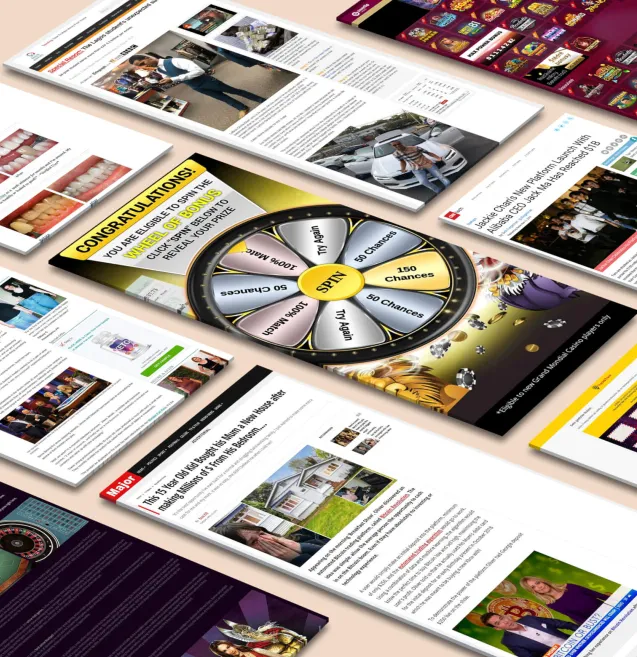
Explore how creative operators and managing directors are shaping modern media buying by connecting creative strategy, AI, channel allocation, experimentation, and governance. This guide examines how leadership decisions influence Native, In-Stream, Creator, and Push campaigns, as well as the contracts and systems that determine how media teams operate.
Dan Smith
7 minSep 29, 2026
Most Read
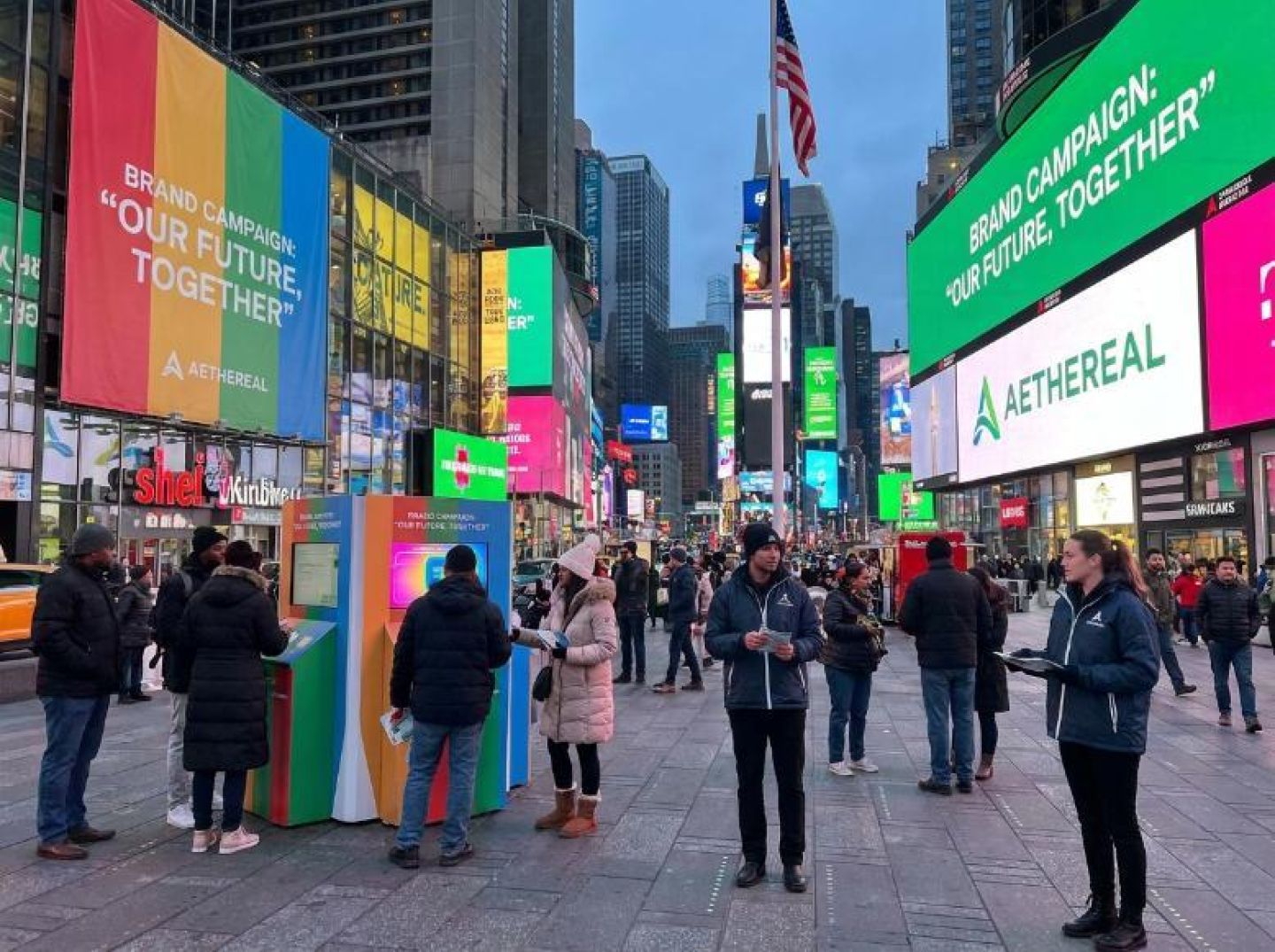
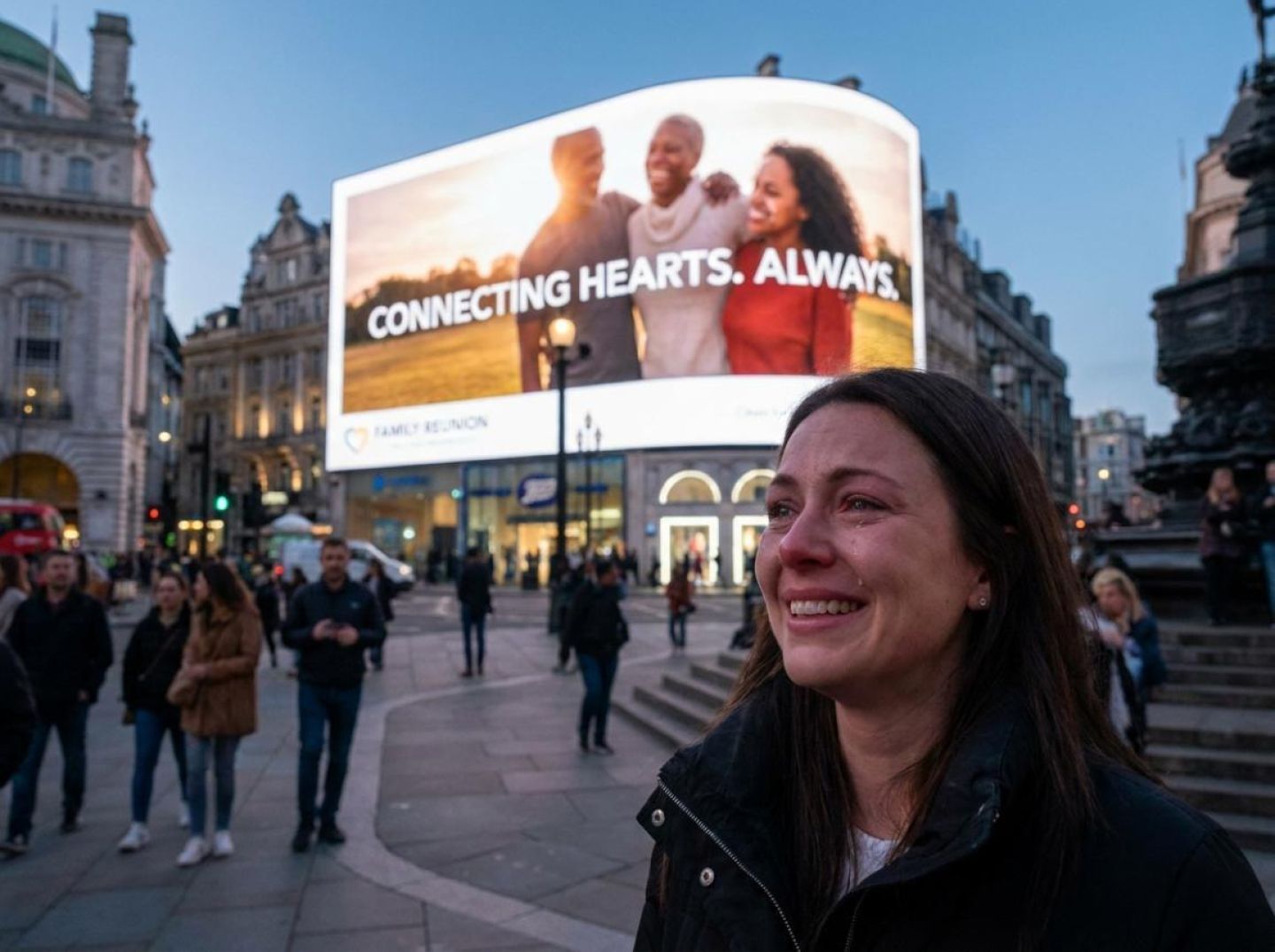
Learn how OOH employers can move beyond selling billboard inventory and start monetizing the full funnel impact of every outdoor impression. This guide shows how to connect OOH with Native and TikTok-style funnels using competitive intelligence, creative research, tracking, retargeting, and performance-focused roles.
Rachel Thompson
7 minSep 28, 2026