
Our spy tools monitor millions of push notification ads from over 90+ countries and thousands of publishers.
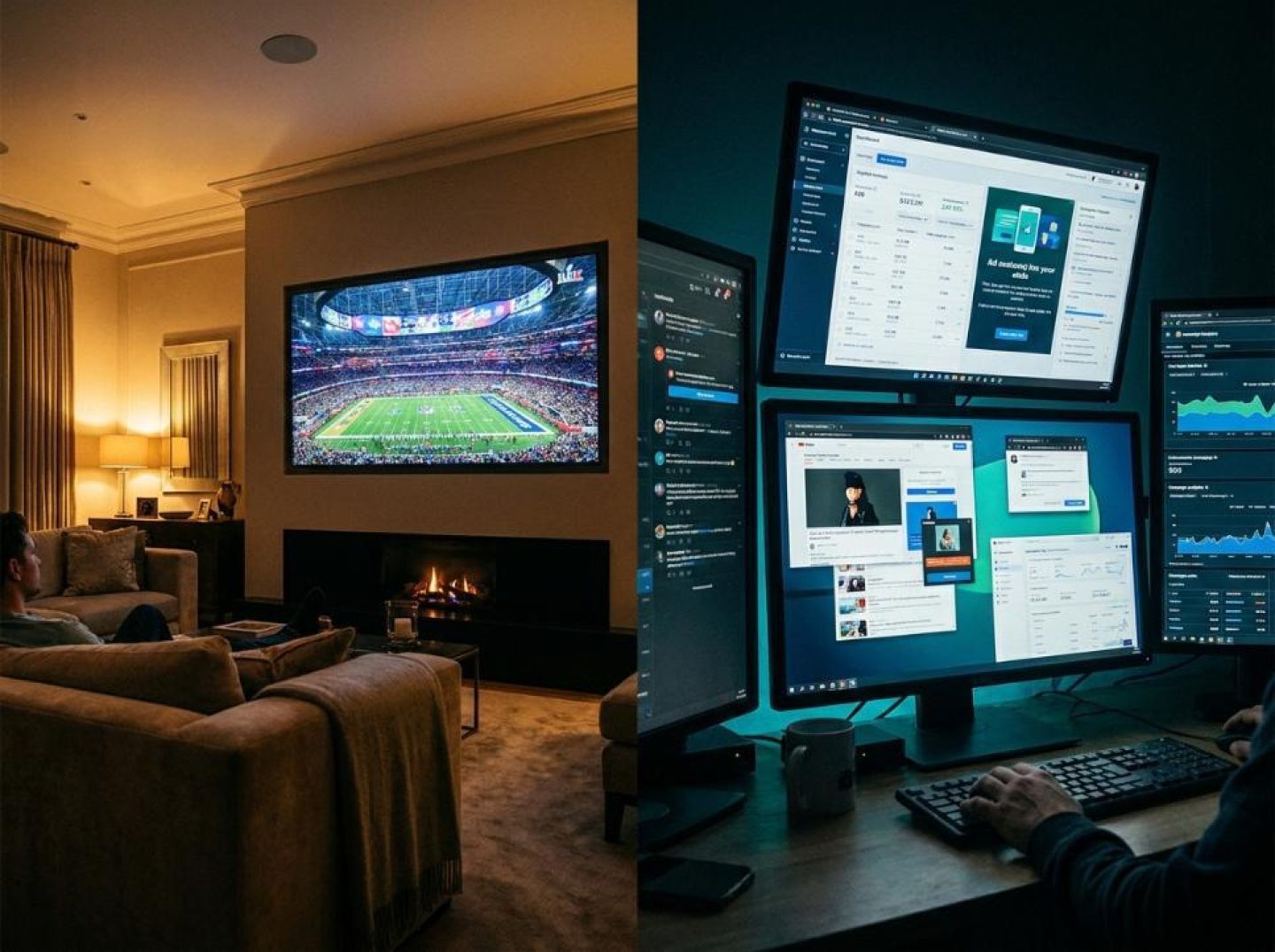
Get StartedEvery four years, the World Cup triggers the most spectacular advertising arms race on the planet — and this cycle is no exception. During last week's upfront presentations, the sitcoms and hour-long dramas that once dominated the stage felt like afterthoughts in presentations increasingly dominated by sports. NBCU's Telemundo is planning 700 hours of FIFA World Cup programming. Fox will broadcast a record 70 matches on network television, 40 of them in primetime. Netflix and Amazon are elbowing in. The message from every major media company is the same: live sports, and this World Cup in particular, is the last unassailable fortress of mass-reach advertising.
Layer on top of that the creator economy — brands building influencer content hubs, athlete-fronted social campaigns, and TikTok war rooms — plus out-of-home activations in host cities. As one industry strategist framed it for OOH Today, the brands that win the World Cup won't be chasing the broadest reach but rather activating against "thousands of fragmented, high-intent moments happening simultaneously across cities, neighborhoods, and communities." The upfronts, the creator deals, the digital out-of-home buys — this is the World Cup ad war that trade publications analyze in breathless detail.
But there is a second World Cup ad war, one that runs in parallel and at enormous scale, yet receives almost no press coverage at all.
Underneath the glossy brand-awareness layer sits a vast performance advertising ecosystem powered by push notification networks, pop traffic exchanges, in-app placements, and native ad platforms. These channels don't compete for Super Bowl-style awareness. They compete for clicks, conversions, and immediate ROI. While a CPG giant negotiates an eight-figure upfront commitment for thirty-second World Cup spots, thousands of performance marketers are launching campaigns that ride the same surge in screen time — targeting the same fans on the same devices, often within seconds of the same match moments — through ad formats that most CMOs couldn't name and most journalists never see.
The volumes are staggering. Push and pop networks process billions of impressions daily, and major sporting events create predictable traffic spikes that affiliates and media buyers plan around months in advance. Verticals like sports betting, VPN offers, streaming deals, mobile games, and e-commerce flash sales flood these channels whenever a global audience is glued to screens. Because the measurement expectations around premium TV are shifting from awareness-only to measurable business impact, the gap between what brand advertisers and performance marketers actually optimize for is narrowing — even if their methods remain worlds apart.
This shadow ecosystem is where Anstrex users operate. It's where competitive intelligence on push creatives, pop landing pages, and native ad angles translates directly into campaign profitability. And during a World Cup, the intelligence advantage compounds: creative fatigue accelerates, bid floors shift by the hour, and the affiliates who spot winning angles first capture disproportionate volume before the copycats arrive.
The mainstream narrative will tell you the World Cup ad war is fought on stadium jumbotrons and streaming pre-rolls. The reality is that it's also fought — aggressively, constantly, and profitably — in the push notifications lighting up lock screens, the pop-unders loading behind match-day browsers, and the in-app interstitials between score-check refreshes. That second war deserves the same strategic scrutiny. This article is your scouting report.
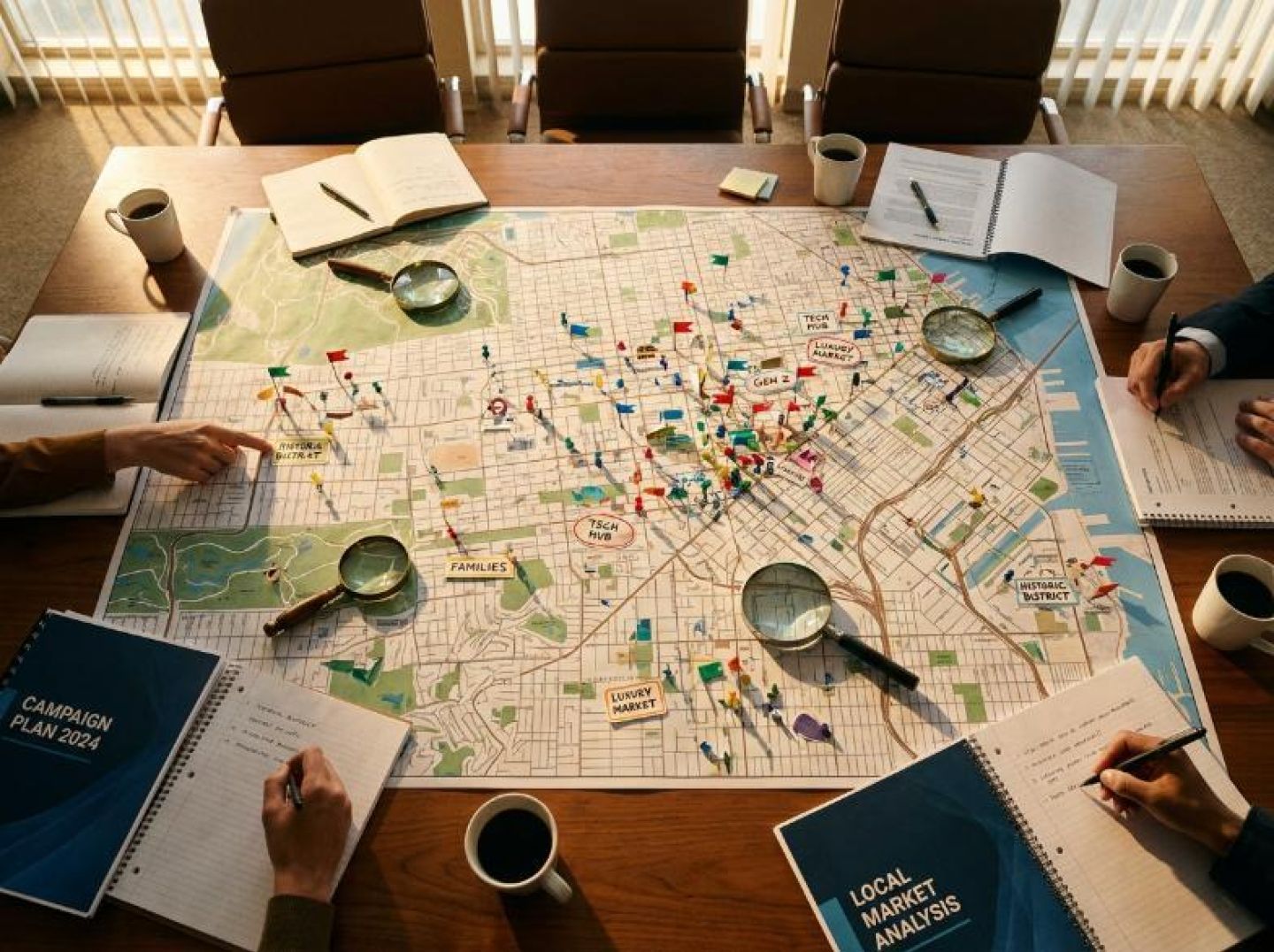
One of the sharpest strategic frameworks to emerge ahead of the 2026 tournament comes not from a digital ad network but from the out-of-home industry. As AdOmni COO Luba Giglia argues, the World Cup is best understood not as a single global event but as thousands of fragmented, high-intent moments happening simultaneously across cities, neighborhoods, and communities. A Brazil match in Miami produces an entirely different emotional and cultural atmosphere than a Mexico match in Los Angeles or an England match in New York. The strongest campaigns, Giglia contends, recognize that fandom is concentrated, not evenly distributed — and that culture is more predictive than demographics when planning around live moments.
It's a compelling insight. But here's what the OOH strategists pitching this framework to brand advertisers may not fully appreciate: hyper-local at scale is already the default operating model for affiliate marketers running push and pop campaigns. They don't need to pitch it as a novel concept — they live inside it every day.
Consider the practical mechanics. A media buyer on a push notification network can build a campaign segment targeting Portuguese-speaking mobile users within a fifty-mile radius of Miami, schedule it to fire ninety minutes before a Brazil group-stage match, and attach a localized Bet365 or sports-streaming offer with creative written in Brazilian Portuguese. That's hyper-local at scale without needing a single billboard, a single screen rental contract, or a six-figure minimum spend. The entire setup takes minutes in a campaign dashboard, not weeks of negotiation with venue operators.
Digital out-of-home can approximate this kind of targeting — activating screens near watch parties, rotating creative by neighborhood — but it's fundamentally constrained by physical inventory. There are only so many digital billboards in Little Havana. Push and pop ads face no such constraint. They ride on the device the fan is already holding, whether that fan is sitting in a packed bar on Calle Ocho, streaming the match alone in a Brickell apartment, or watching on a projector in a suburban backyard. The addressable surface is the phone itself, and the targeting stack — geo, language, OS, time of day, day of week — can be layered with a granularity that physical media simply cannot replicate.
This matters enormously when you consider that the 2026 World Cup will unfold across three countries and multiple time zones, with Fox alone broadcasting a record 70 matches on network television, 40 of them in primetime. Each of those 104 total fixtures creates a discrete window of heightened intent — a moment when a specific diaspora community in a specific metro area is paying attention, emotionally charged, and primed to act. For Anstrex users scouting push and pop campaigns, this translates into a concrete workflow: map the match schedule, identify the dominant diaspora populations in each host city and beyond, build geo-plus-language targeting combos for each fixture, and pre-schedule campaigns to go live during the window when attention — and conversion potential — peaks.
The practical recipe looks something like this. For a US-based campaign around a Colombia vs. Senegal match, you'd target Spanish-speaking users in the New York and New Jersey metros — home to one of the largest Colombian diaspora communities in the country — with push creatives timed to deploy sixty to ninety minutes before kickoff. You'd run a parallel campaign targeting French-speaking users in the same region for the Senegalese side. Each segment gets its own creative, its own landing page language, and its own bid strategy. The result is a campaign architecture that mirrors exactly what OOH strategists describe as activating against cultural affinity, community behavior, and real-time moments — except it's executed programmatically, measured down to the click, and optimized within hours rather than post-campaign.
The brand-side insight is real. The performance-side advantage is that you can act on it faster, cheaper, and with far more precision.
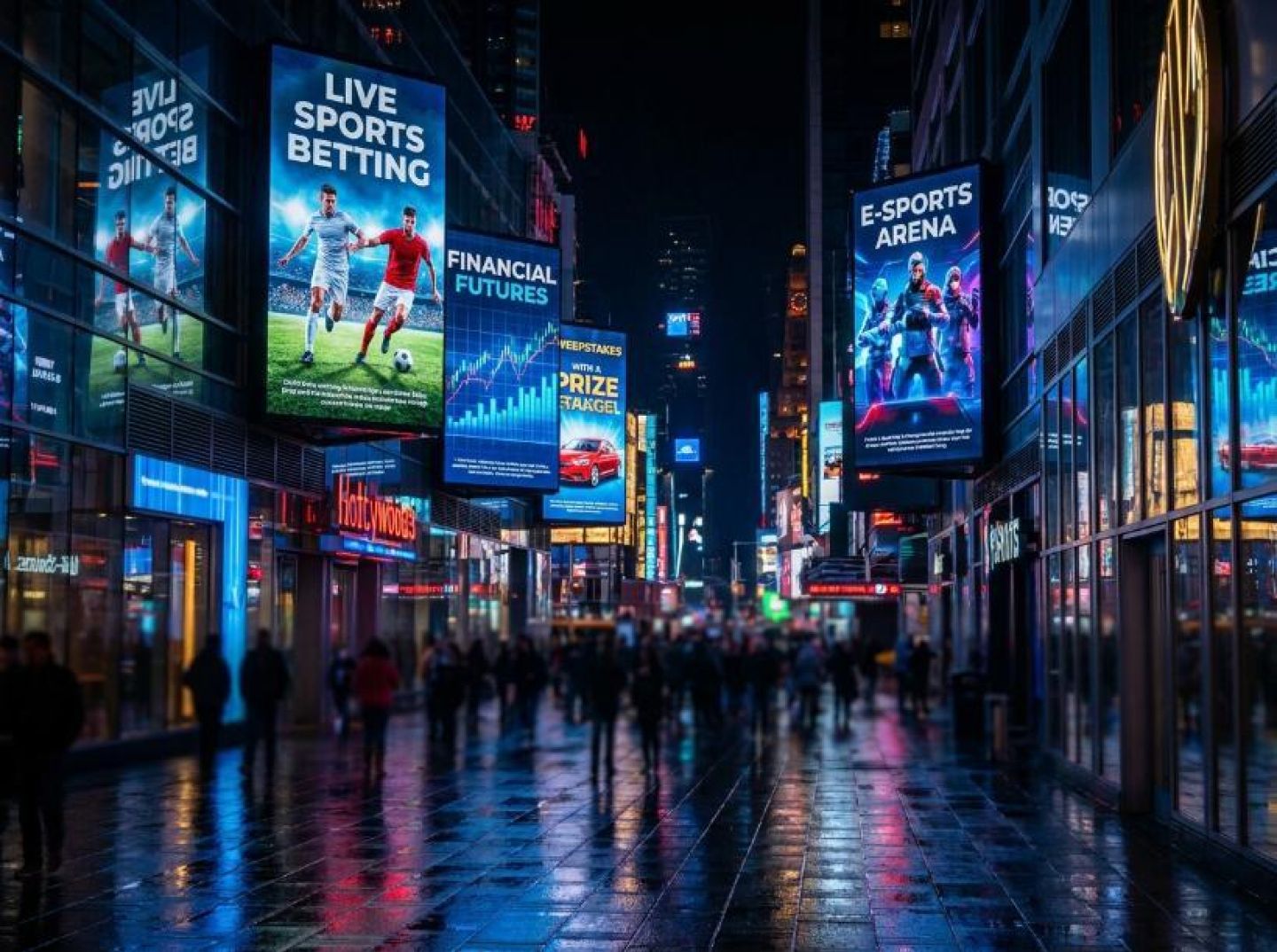
The same live-sports frenzy that is driving record upfront TV deals dominated by athletics programming is simultaneously flooding push and pop networks with traffic — but the verticals monetizing that traffic are ones mainstream publications won't touch. While networks like NBCUniversal and Fox trumpet their World Cup inventory to blue-chip advertisers, a parallel ad war is raging across notification trays, pop-under windows, and native widgets. Three verticals consistently dominate this shadow marketplace during major tournaments: sports betting, crypto, and sweepstakes.
Sports betting is the undisputed king of push notification traffic during the World Cup. The typical offer funnel is blunt and effective: a push creative featuring a national flag emoji, a player's name, and a line like "Brazil vs. Argentina — Get $200 Free Bet Now" drives users to a pre-lander that mimics a sports-news article, complete with fabricated expert predictions, before redirecting to a sportsbook registration page. Creatives are hyper-specific to the day's match schedule, and top affiliates swap them out within hours of a final whistle. The urgency is baked into the format — push notifications are, by design, time-sensitive — so match-day copy practically writes itself. What separates profitable campaigns from mediocre ones is the willingness to treat the tournament the way OOH Today describes: as a live activation requiring coordinated, real-time adaptation as the tournament unfolds. An offer promoting odds on a group-stage match between South Korea and Uruguay becomes worthless the moment the match ends. Affiliates who pre-build creative sets for every possible knockout-round matchup — and deploy them the second brackets are confirmed — eat the margins of everyone still scrambling to update their campaigns the next morning.
Crypto trading platforms ride the same emotional wave with a different mechanic. Instead of a straightforward bet, these offers frame participation as prediction games — "Call the final score and win 0.5 BTC" — funneling users into deposit funnels for offshore exchanges. Pop-under campaigns are particularly common here because the landing pages are longer and more educational, walking users through a pseudo-tutorial before asking for a first deposit. The creative patterns lean on excitement and FOMO: countdown timers, animated coin graphics, and headlines that blur the line between tournament anticipation and financial opportunity.
Sweepstakes campaigns take the broadest approach of the three, using World Cup branding as pure lead-generation bait. The offers are familiar — win official jerseys, match tickets, or a "VIP fan experience" — and the landing pages are typically single-field email captures or short surveys. What makes sweepstakes evergreen during tournaments is the low friction; even casual fans who would never open a sportsbook account will happily enter their email for a chance at a free jersey. As the Voluum blog notes, affiliates should be updating creatives and headlines frequently because users exposed to the same imagery repeatedly develop banner blindness, a problem compounded during events that saturate every channel with similar visual language. Smart sweepstakes operators rotate their prize imagery — switching from group-stage merch bundles to semifinal-specific ticket packages — mirroring the tournament's narrative arc.
Across all three verticals, the operational principle is identical: the World Cup is not a single campaign window but a sequence of escalating micro-moments, each demanding fresh creative, updated copy, and offers matched to the emotional temperature of the bracket. Anstrex users should be monitoring competitive intelligence across all three verticals daily, tracking which creatives spike around specific matchups and which angles fade as fan attention concentrates on fewer surviving teams. The affiliates who treat this tournament as a living, breathing operation — not a set-and-forget media buy — will capture a disproportionate share of the traffic that mainstream advertisers are too cautious to pursue.
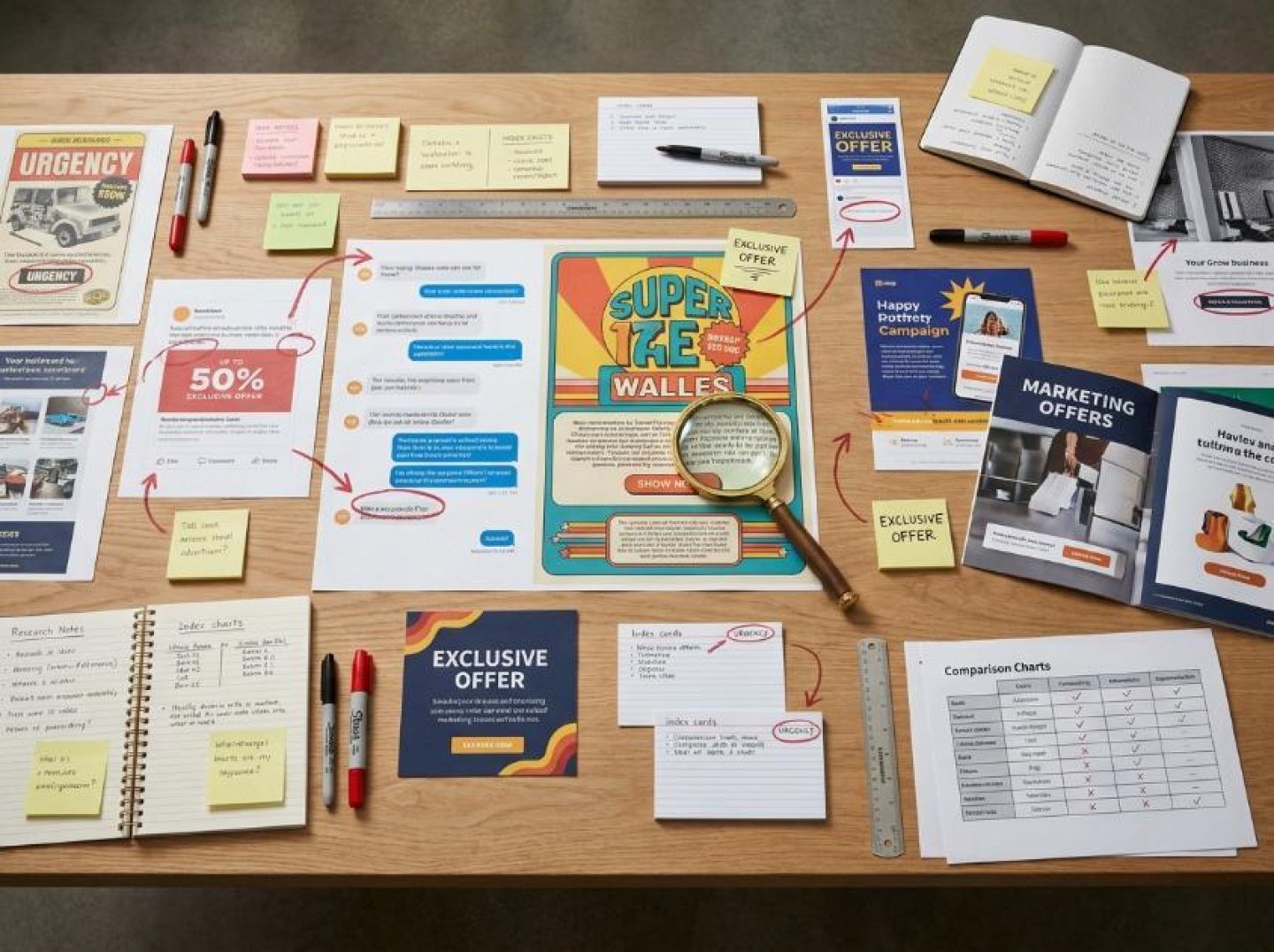
Open Anstrex's push ad database during any major international football tournament and a visual language emerges almost immediately — one that looks nothing like the sleek, brand-safe campaigns running on Instagram or connected TV, yet follows its own ruthlessly effective logic. The winning creatives share a handful of recurring elements: a national flag emoji in the headline, a live or upcoming scoreline ("🇧🇷 vs 🇩🇪 — 2:1"), a countdown to kickoff, and a call-to-action that reads less like an invitation and more like a deadline. "Claim your bonus before the whistle." "Only 3 minutes left to lock in your prediction." These ads are not designed to inspire brand affinity or earn social shares. They exist to convert a spike of match-day emotion into a click, and then a deposit, a sign-up, or a spin.
The creative philosophy is an inversion of what the world's biggest advertisers are doing with the same event. Unilever, the tournament's official sponsor, is activating its largest sports partnership ever with a strategy its VP of integrated brand experience describes as showing up in ways that are authentic, native to social, and meaningful — a real-time "Locker Room" content hub on TikTok and YouTube, plus in-person "House of Fresh" experiences in host cities designed to encourage social sharing. Over thirty-five brands, a fleet of influencers, carefully curated creator content — the machinery is enormous and the goal is sentiment: build brand desire and cultural relevance.
Performance advertisers in push and pop channels have no such luxury. Their creative real estate is a 90-character headline, a thumbnail the size of a postage stamp, and roughly two seconds of a user's attention. So they strip every creative decision down to its emotional core. The patterns that consistently outperform in Anstrex data during sporting events cluster around a few principles:
Urgency anchored to a real clock. Countdown language tied to an actual match time ("Kickoff in 47 min — lock your pick") outperforms generic urgency ("Limited time offer!") because it leverages a deadline the user already feels.
National identity as shorthand. Flag emojis, team crests, and localized hero imagery — a star striker's face cropped tight — do the work of an entire brand campaign in a single visual. This aligns with the insight from out-of-home strategists that culture is more predictive than demographics when targeting during a global tournament. A Brazilian user seeing 🇧🇷 in a push notification responds to tribal identity, not a demographic bucket.
Score-based dynamic copy. Ads that reference a live or recent result ("Argentina just scored — cash out now?") simulate the feel of a sports alert, collapsing the distance between editorial content and advertisement. The best-performing variants mimic notification UX from sports apps.
"Fan reward" framing. Rather than selling a product, the CTA frames the offer as something the user has earned by being a fan: "Your matchday bonus is ready," "Reward for loyal supporters." This softens the commercial ask and wraps it in communal identity.
Contrast with polished creative. Where brand advertisers optimize for what Voluum's own guidance calls original and compelling headlines that stand apart from competitors, push and pop winners often deliberately look like system notifications or news alerts — raw, undesigned, urgent.
Here's a practical checklist for Anstrex users preparing World Cup push or pop campaigns: lead with a flag emoji and team name; reference a specific match, not the tournament generically; tie the CTA to a real-world clock; frame the offer as a reward, not a sale; split-test notification-style creatives against polished banner-style ones; and rotate aggressively — creative fatigue during a month-long tournament is brutally fast.
Both sides of the advertising spectrum — Unilever's experiential pop-ups and a solo media buyer's push notification — are ultimately exploiting the same insight: cultural identity and match-specific emotion dramatically outperform generic sports messaging. The difference is merely which metric each side optimizes for. Brand advertisers chase long-term desire. Performance advertisers chase the click that happens right now, in the sixty seconds after a goal changes everything.
The World Cup's schedule is not a single moment — it's a rolling, unpredictable narrative stretched across weeks, and that structural reality punishes anyone who treats it like a fixed media buy. As OOH Today warns, brands cannot rely on static planning frameworks built months in advance because attention evolves as storylines shift, teams advance, and audience momentum changes. That warning is aimed at big-budget brand advertisers running digital out-of-home placements, but the underlying principle applies universally — and it's precisely where push and pop campaign operators hold a devastating structural advantage.
Consider what happens when a heavily favored team gets knocked out in the group stage. A brand that pre-bought DOOH inventory in that country's key cities, or locked in TV spots during matches that no longer carry the same emotional weight, is stuck. The creative was approved six weeks ago, the placements are contractually fixed, and the internal approval chain to pivot messaging runs through brand, legal, and agency teams. OOH Today explicitly acknowledges this, noting that the brands that win will operate less like traditional campaign teams and more like live activation teams, prepared to respond as cultural momentum shifts market by market. What the article frames as aspirational for brand advertisers is simply the default operating mode for any competent affiliate running push or pop traffic.
The mechanics are straightforward but powerful. A push notification campaign can be paused, cloned, re-targeted to a different geography, and relaunched with updated creative in under an hour. When Mexico advances from the group stage and the host-city energy in Mexico City spikes, an affiliate running betting or streaming offers doesn't need a meeting — they shift budget, adjust dayparting to align with the next match window, raise bids on Mexican mobile traffic, and swap in a creative with the right flag emoji and scoreline reference. When a European team exits, the campaigns targeting that country's traffic get killed immediately, and the freed budget flows to wherever the next wave of emotional intensity is building.
This is particularly relevant in light of how major brand advertisers are structuring their World Cup activations. Even Unilever's social-first approach, which represents the cutting edge of big-brand agility with its real-time "Locker Room" content hub and fleet of influencers, still requires coordination across dozens of brands, platform-specific content production, and compliance review before anything goes live. It's faster than a television buy, certainly, but it's not faster than a solo operator with Anstrex open in one tab and a traffic source dashboard in the other.
The practical framework for Anstrex users should mirror the tournament's own structure. During the group stage, run wide — target multiple geos where participating nations have passionate fanbases, test high volumes of creative variations, and keep bids moderate while you gather data on which combinations of offer, geo, and creative angle convert. As knockout rounds begin, narrow aggressively. Kill underperforming geos tied to eliminated teams, concentrate budget on nations still alive, and increase bids to compete for the shrinking but increasingly engaged audience. By the quarterfinals and beyond, you should be running a handful of highly optimized campaigns with proven creatives, surgical geo-targeting, and dayparting windows that align precisely with match kickoff times and the 90-minute post-match emotional window when fans are most responsive.
The brands that pre-bought their World Cup media in the upfronts are watching their placements run whether or not the context still makes sense. Performance marketers in push and pop channels are watching the scoreboard — and adjusting before the final whistle blows.
Receive top converting landing pages in your inbox every week from us.
Guide
Discover how big-brand cultural stunts, exclusive offers, and “world menu heists” can inspire more effective pop, push, and native ad campaigns. Learn how to use scarcity, localized creative, visual pattern interrupts, and interactive experiences to capture attention, increase engagement, and build scalable direct-response funnels.
Rachel Thompson
7 minOct 9, 2026
How-To
Learn how to turn big brand-building stunts into measurable performance funnels across Native, Push, Pop, and TikTok. This guide breaks down how to repurpose stunt assets, build channel-specific sequences, design story-led landers, and measure their impact on conversions and revenue.
Priya Kapoor
7 minOct 5, 2026
Recently Updated
Learn how to turn award-winning brand campaigns into scalable Push, Pop, Native, TikTok, and dropship performance campaigns. This guide shows how to spy on proven funnels, extract the psychology behind successful creative, adapt big-brand concepts into direct-response angles, and use AI to produce high-velocity variations that can be judged by ROAS and CPA.
Liam O’Connor
7 minOct 3, 2026