6 minOctober 7, 2026

Our spy tools monitor millions of native ads from over 60+ countries and thousands of publishers.
Get StartedPerformance marketers don’t actually have a reach problem anymore. They have an attention problem.
Impressions are cheap and practically infinite across CTV, YouTube and social. What’s scarce is the moment when someone actually cares about what’s on the screen. That’s why building funnels around cultural moments—live sports, pop culture “micro-tents,” creator-driven trends—quietly outperforms throwing more money at always-on media.
Start with live sports, the clearest illustration of this shift. Major events like the World Cup concentrate emotion, ritual and shared context in a way that fragmented digital feeds rarely do. As Nicole Greene argues in a guest piece for Gartner’s marketing practice, the World Cup doesn’t just deliver reach; it rewires the attention equation by gathering audiences in a shared environment where brands can participate in the experience rather than interrupt it and where sponsorship is judged on whether it fuels fan engagement and cultural participation, not just logo impressions and GRPs, as.
That “experience over exposure” logic is exactly what performance marketers need. When you align your funnel to moments people are already invested in—kickoff, halftime, post‑game highlights, second‑screen chatter—you’re no longer paying to manufacture attention. You’re paying to harvest it.
The objection, of course, is budget: “Sure, cultural moments are powerful, but those are brand dollars.” That’s becoming outdated on two fronts.
First, the inventory isn’t as scarce—or as inefficient—as it looks from the outside. Live sports account for roughly a third of all ad-supported TV watch time, but fragmentation across broadcast, cable, CTV, YouTube and league-owned platforms makes it feel scarce if you buy in silos. When you unify planning across those surfaces, what appears limited from a single network’s POV turns into a broad, flexible canvas where you can orchestrate frequency, creative sequencing and incremental reach, as a unified-video analysis of live sports stress tests argues on AdExchanger. Once you stop treating “the game” as one monolithic buy and start thinking in terms of overlapping windows of attention—pre‑game build-up, live action, highlights, creator commentary—you can build high-ROI funnels without paying top dollar for every placement.
Second, measurement has finally caught up. Live sports was historically parked in the “brand” bucket because attribution was fuzzy. That’s changing fast. More sophisticated MMM and incrementality frameworks built on geo and time-based signals are making it possible to treat live sports as a performance channel, not just a sponsorship line item, by tying specific games and regions to sales and lift outcomes, as a CTV-focused piece on AdExchanger details. When you can see which fixtures drive search spikes, app installs or store traffic within hours—not quarters—sports stops being a one-way expense and starts looking like an optimizable performance engine.
The same mechanics are playing out beyond stadiums. On YouTube, creators have already done the hardest part of marketing: earning trust and sustained attention. The smartest advertisers don’t try to out‑produce that; they build alongside it, using contextual adjacency to show up inside the cultural moments people are actively watching. Unilever’s “Branded Desire at Scale” work, for example, has shown that placing ads against trending content delivers around a 50% ROI lift versus generic reach—driven not by bigger audiences, but by the relevance of riding moments that already matter, as a travel and trends playbook from SilverPush’s blog outlines.
If you zoom out, this is exactly what modern media leaders are optimizing for. In a live conversation at Brandweek, Carat North America’s Michael Law and Papa John’s Shivram Vaideeswaran framed today’s consumer journey not as a neat funnel but a “bowl of spaghetti,” where attention jumps fluidly between TV, creators, aggregators and organic social. Their solution is to architect media across four distinct channels—paid, creator, aggregator, organic—and then give teams a real-time framework to respond to cultural sparks within 24 hours without losing authenticity, as they describe on.
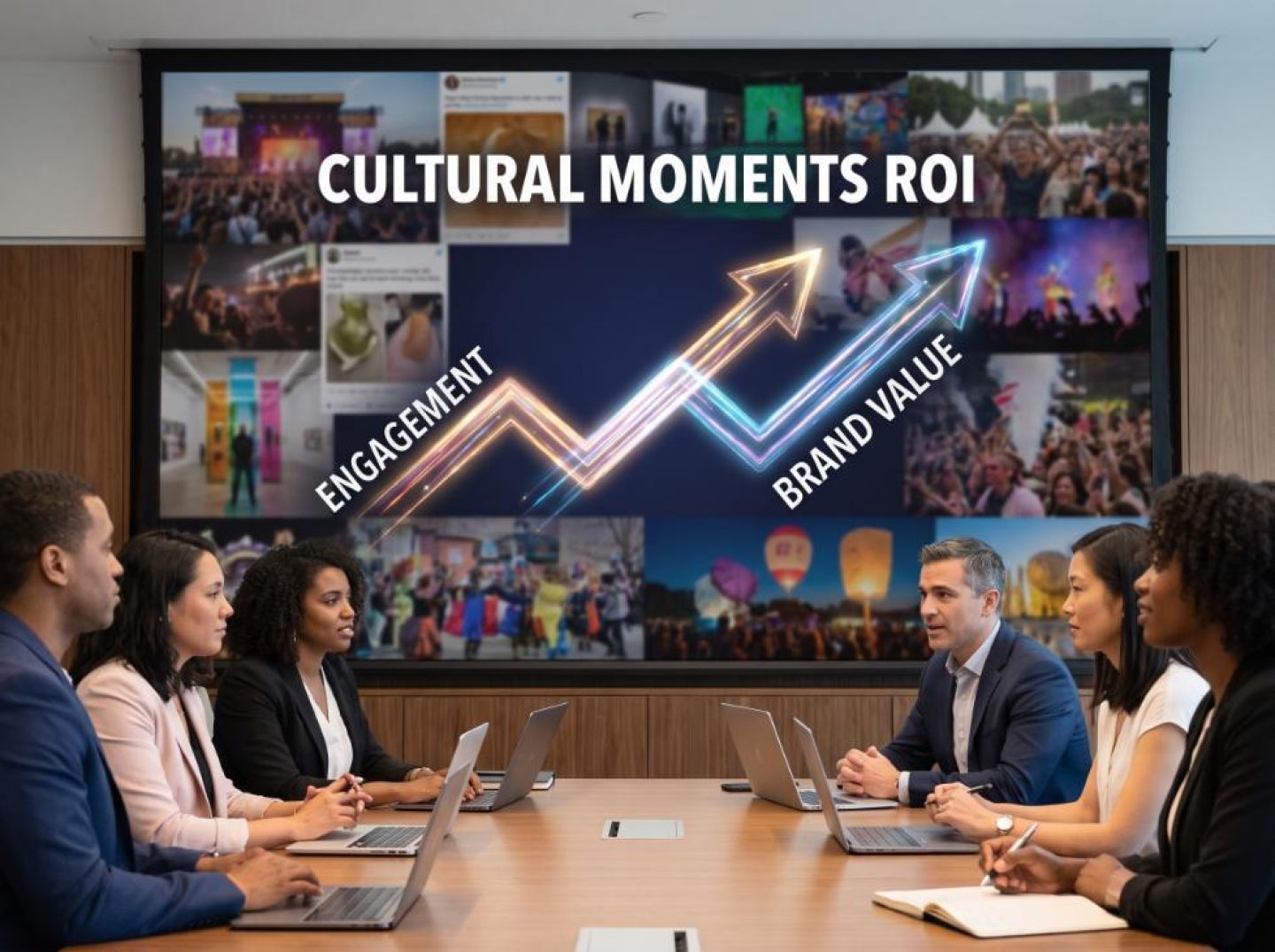
That’s the crux for performance marketers: cultural moments beat big budgets because they solve for attention, not just impression volume. When you:
you end up with something more powerful than a bigger media check: a system that reliably converts pop culture spikes—sports, snacks, creators, memes—into measurable, high-ROI performance.
Scarcity, in modern sports and pop culture media, is less a fixed reality and more an artifact of how we choose to look at inventory.
If you sit inside one sales deck—one network, one streaming platform, one sponsorship package—live sports looks brutally scarce and overpriced. Demand is sky-high, CPMs are stiff, and premium tentpoles like the World Cup or the NFL seem like gated gardens for only the biggest brands. But once you zoom out, the picture changes. As one unified-video analysis pointed out, sports now account for almost a third of all ad-supported TV watch time, spread across broadcast, cable, CTV, OLV and YouTube, with more than 10 distinct ways to watch a single NFL season and an ever-expanding set of leagues and properties that reach fans before, during and after games. In other words, the attention is abundant; it’s the access that’s fragmented.
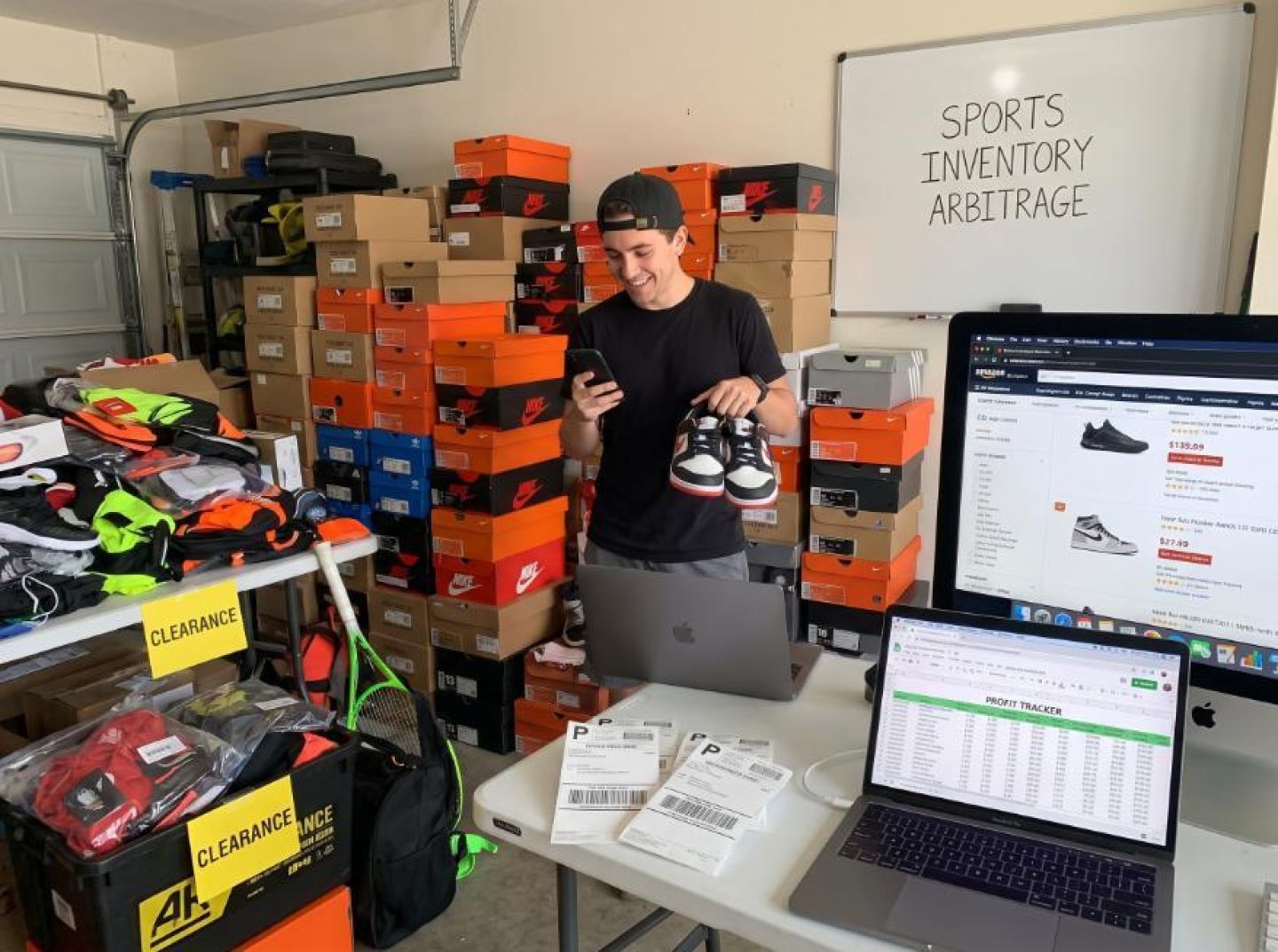
That fragmentation is precisely where arbitrage lives.
The same piece noted that 88% of viewers under 35 use a second screen while watching sports, often shopping, checking stats, or engaging with brands in real time. Every one of those behaviors is an underpriced surface area compared with the headline linear TV spot. While top-of-funnel brands fight over 30 seconds in the broadcast, performance marketers can quietly buy against YouTube highlight compilations, creator reactions, betting content, meme accounts, team podcasts, retail media placements, and shoppable CTV overlays—each one a small slice of “sports inventory” that never shows up in the traditional sponsorship stack.
This is the shift from chasing reach to arbitraging attention.
A similar pattern shows up in pop culture “micro-tents.” Travel marketers, for example, are already learning that it’s far more efficient to show up contextually around the creator who’s walking through Lisbon or vlogging their hotel review than to outbid every competitor on generic travel intent. As one analysis of YouTube travel strategy argued, creators have already done the hard work of earning attention; brands win when they build alongside that attention, using contextual intelligence to connect signals in real time and insert offers into the exact moments when trip-planning intent is forming. The same dynamic applies to sports fans scrolling highlights, beauty fans watching GRWMs before an awards show, or gamers following esports creators: attention is pooled in culture, not in your media plan.
Once you think this way, big-ticket sponsorships look less like the whole game and more like a headline within a much larger attention ecosystem.
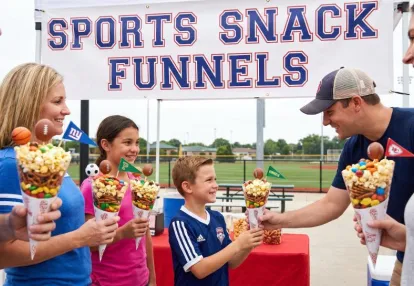
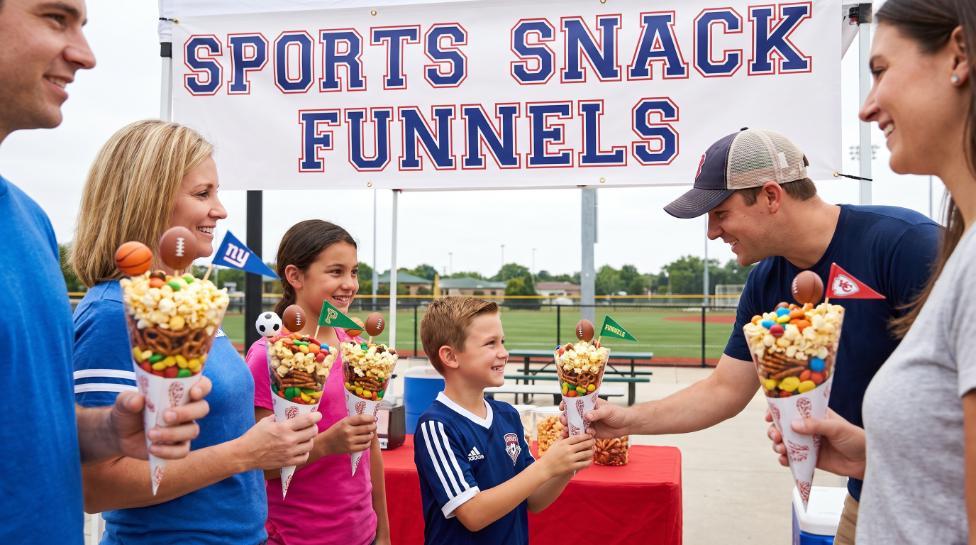
Consider the World Cup. Traditional thinking says the only way to “participate” is through official rights, logo slaps, and pre-game TV. But as one World Cup-focused commentary observed, visibility has become a baseline, not a differentiator; the brands that stand out are the ones that contribute to the experience—fan engagement, local activations, or extensions that stretch the moment across weeks. Snack brands are already doing this. A recent conversation with Mondelēz and Ibotta described live sports as a “critical moment of consumption,” with brands building limited-edition packs, celebrity-led experiences, and in-store merchandising tied to tournaments, then overlaying targeted coupons and incentives through retail media to “close the deal” when fans hit the aisle. The sponsorship isn’t the endpoint; it’s the spark that ignites a performance-driven funnel from screen to shelf.
Sports marketers who treat these moments as fixed, scarce assets tend to overpay for exposure and under-invest in the connective tissue—second-screen content, commerce incentives, contextual targeting—that actually drives ROI. Performance marketers who see the full map of cultural inventory, however, recognize arbitrage opportunities everywhere: the mid-tier creator live-streaming watch parties, the brand-agnostic fan podcast with rabid listeners, the retail partner willing to feature your offer at the exact moment cart values spike during a big game.
The playbook is not “buy more sports” or “chase every pop culture trend.” It’s to stop accepting the illusion of scarcity at face value and start treating sports and culture as layered, overlapping inventories of attention. When you plan across those layers—premium broadcast, creator ecosystems, contextual CTV, retail media, and social reaction content—you stop paying scarcity pricing for reach and start paying smart prices for intent. That’s the core arbitrage opportunity: using cultural moments to buy undervalued slices of attention that big-budget brand campaigns overlook, and then wiring them into high-ROI funnels that convert when the final whistle blows.
Big brands don’t win cultural moments because they have more money. They win because they understand where to sit in the experience and how to make that spot feel like it belongs to them.
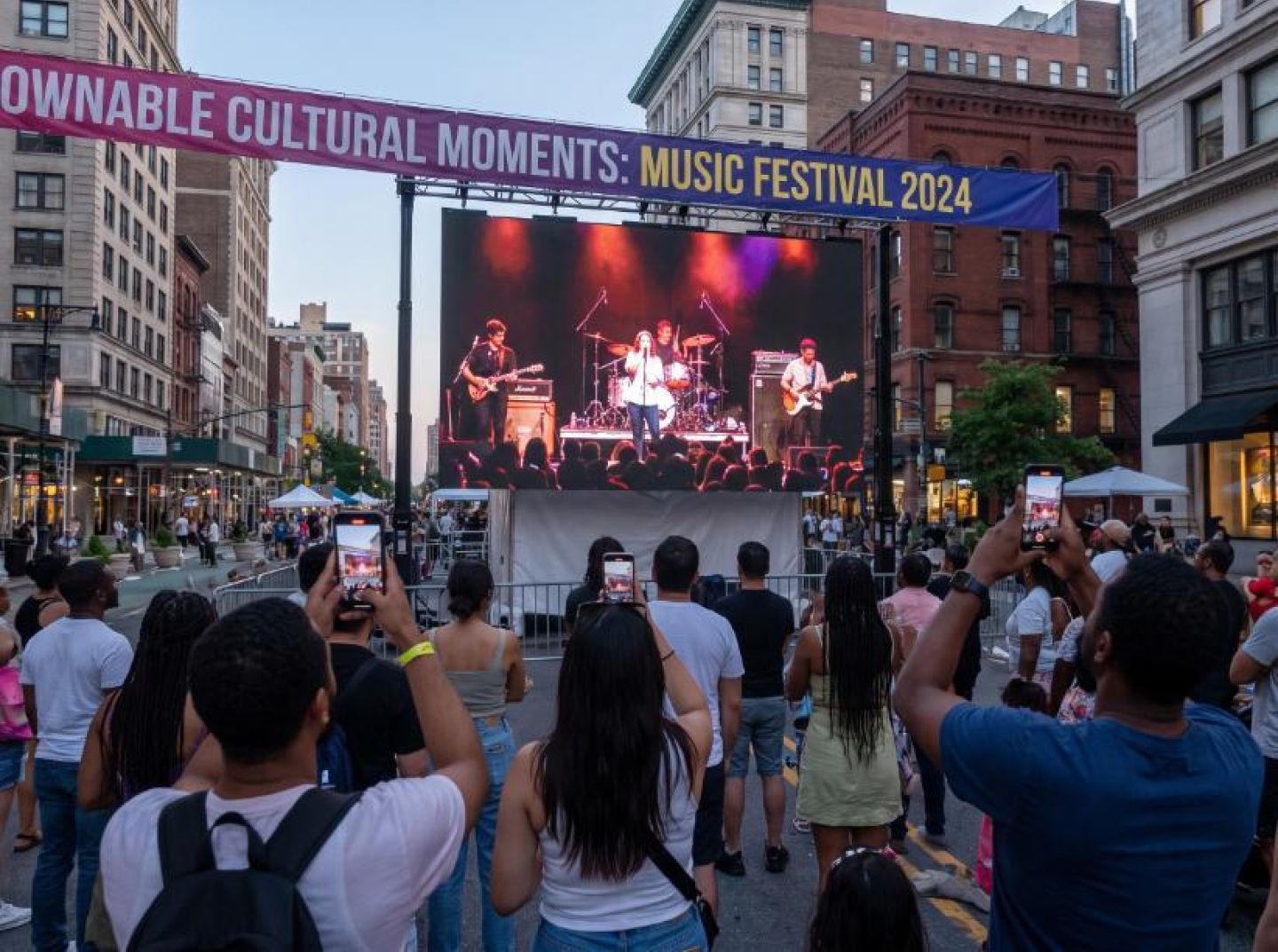
You can steal that playbook without spending like a soda or snacks conglomerate. The trick is contextual adjacency and “ownable moments” — finding the specific slice of a sports or pop culture event where your brand naturally fits, then building a repeatable, high-ROI funnel around it.
Start by zooming out from the thirty-second spot. When Mondelēz talks about the World Cup, they don’t just talk about TV impressions; they talk about “critical moments of consumption” and a “continuous pulse of always being on.” That’s the playbook: they identify when fans are literally holding snacks in their hands, then surround that moment with limited-edition packs, celebrity tie-ins, in-store displays and real purchase incentives layered through partners like Ibotta. The TV buy isn’t the hero; it’s one surface in a small, highly ownable ecosystem that begins in the living room and ends at the shelf.
You can do the same thing on a micro scale by anchoring to adjacent attention, not just the live game or headline show. Live sports already function as a stress test for unified video strategy; nearly a third of ad-supported TV watch time sits in this category, but the audience is fragmented across broadcast, CTV, YouTube and social. As one analysis of sports viewing behavior notes, 88% of viewers under 35 are on a second screen during games — checking stats, shopping, reacting in real time. That second screen is the budget-friendly adjacency: you don’t have to be inside the broadcast if you can be consistently present in the digital behaviors wrapped around it.
Instead of buying the primetime slot, you can “own” the 30 minutes before kickoff on YouTube watch-alongs and creator previews, or the spike of search and highlight viewing in the hour after the final whistle. Contextual intelligence tools already help brands read those signals on the fly. For instance, travel marketers are using YouTube trend data to line up skippable ads and short-form creative against very specific content themes (destination vlogs, itinerary breakdowns, local food reviews) rather than broad demo targets. You can apply the same logic to sports and pop culture: attach your brand not to “NBA fans 18–49” but to “watch party recipe videos during playoffs” or “creator breakdowns of last night’s controversial call.”
That’s contextual adjacency: borrowing the intent and trust that already exists in a moment, instead of trying to manufacture it from scratch. The creator walking viewers through a match preview or red-carpet recap has done the hard work of attention-building. Your job is to be the natural supporting act, not the clumsy interruption.
“Ownable moments” are where this becomes a system instead of a one-off. Big brands design rituals — the special-edition pack for a five-week tournament, or the recurring promotion that reliably shows up whenever a major event hits. Smaller brands can define tighter but repeatable territories: “the underdog comeback snack,” “the halftime stats-and-betting explainer,” “the Monday-morning ‘what really happened’ film-room breakdown.” Once you’ve named that moment, you can show up there every time with coordinated creative across CTV, YouTube, and social, plus a bottom-funnel offer that lives in retail media, coupons or DTC.
Crucially, these funnels don’t have to be measured on awareness alone. Tournament-scale events are increasingly being treated as live labs to connect exposure to action across screens. Guidance for World Cup advertisers has emphasized stitching together CTV, mobile and retail media so that a viewer who sees the brand during a match, searches on their phone and later converts in a shopping environment can be recognized as a single journey, not three unrelated touchpoints, as one programmatic sports framework describes. That unified lens is what turns a scrappy adjacency buy into a defensible ROI story.
You may never “own” the World Cup or the Oscars. You don’t need to. If you can consistently own a narrow but high-intent slice of the experience — the couch, the cart, the second screen, the next-day debrief — you’re effectively running the same playbook as the giants, just with tighter focus and a much better return on every dollar.
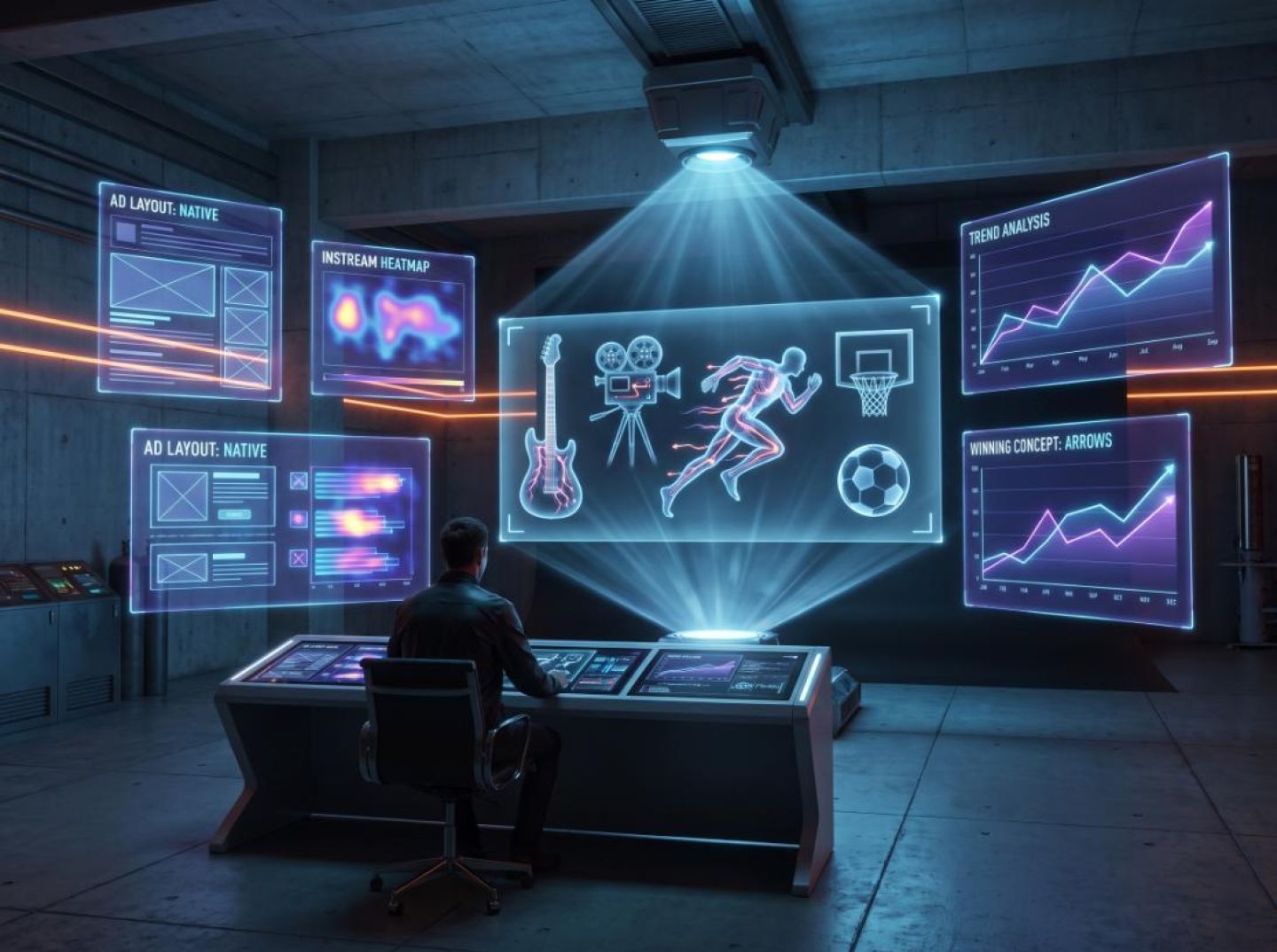
Instead of guessing which pop culture moments might work, you can let the market show you — in real time — by mining native, instream, and push ad data. Tools like Anstrex are essentially x-rays for the performance web: they show you who’s already betting money on a moment, how they’re framing it, and whether they’re still spending.
Think of this as an “angle-mining” workflow, not a “spy on competitors” gimmick. You’re not copying creatives; you’re reverse-engineering cultural demand.
Start by filtering for recency and spend persistence in Anstrex:
When you see multiple advertisers clustering around similar hooks — “clutch snack,” “overtime fuel,” “watch party upgrade,” “couchgate,” “extra innings,” “penalty heartbreak” — that cluster is a live cultural angle, not a copywriting coincidence.
This is the same logic Mondelēz used when it treated the World Cup as a five-week “critical moment of consumption” to stay “always on” with limited-edition packs, on-pack sweeps, and watch-party promotions that turned a sports window into sustained snacking demand, as Justin Parnell explained in an Adweek Sports Summit conversation. The difference is you’re staring at performance creatives instead of retailer displays.
In Anstrex, tag what you see into two layers:
Your goal is to catalog angles that keep resurfacing across different events and verticals — not to memorize how one sportsbook runs a Super Bowl ad.
That’s exactly how Silverpush’s YouTube playbooks think about “moments”: not as single events, but as recurring intent states (planning, researching, booking) that show up across thousands of creator videos. They use contextual signals at scale to find those moments; you can use ad intelligence to do the same in native and push.
Native, instream, and push aren’t interchangeable. The presence of a given angle by format tells you something about the underlying behavior:
The mix shows you not just what to say, but where in the real-world journey to drop your funnel entry points.
Spy tools won’t hand you actual ROAS, but you can triangulate performance:
This is the same “single north star signal” thinking Michael Law and Shivram Vaideeswaran advocated when they described how Carat and Papa John’s respond to cultural moments within 24 hours by giving teams clear strategic guardrails and then watching one primary metric to decide whether to scale, as discussed in their Brandweek conversation. You’re just doing it with observational data instead of your own logs.
Once you’ve mapped angles, you’re ready to build “snack-sized” funnels without a sponsorship budget:
4. Retarget by angle, not by event: After the match, retarget based on the behavior you observed (party host, live bettor, highlight watcher), and reframe into the next cultural window — another game, a new series premiere, a big fight night.
The win is compounding. As you mine more data, you stop treating each tentpole as a one-off buy and start seeing sports and pop culture as a continuous stream of reusable, testable angles — a living creative library you can spin into high-ROI funnels long after the stadium lights go out.
Start by treating Anstrex like a cultural radar, not just an ad spy tool. The goal isn’t to copy creatives; it’s to see which moments in sports and pop culture are already commanding attention and budget so you can draft behind them with your own angle.
In practice, that means getting ruthless with filters.
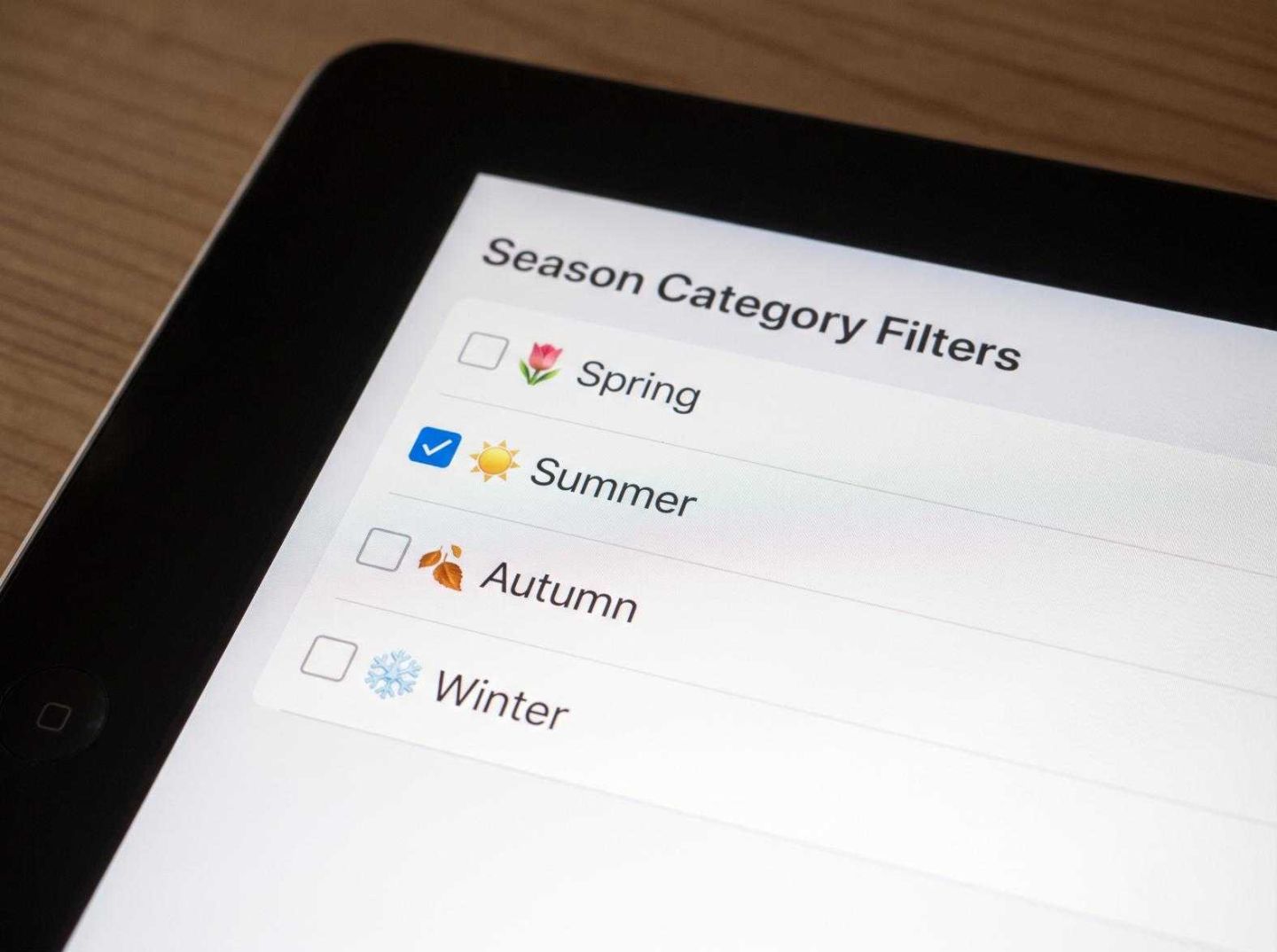
First, lock in the seasonal window before you touch categories. Major sports and pop culture moments are time-bound, and the performance signals you care about live inside those windows. For a “summer of sports” funnel, you might set your date range to May–August of the current or previous year. That aligns you with the same attention spikes driving what one AdExchanger analysis calls the “ultimate stress test” for unified video strategies: weeks where fans are watching live games on TV while scrolling highlights, memes, and betting lines on a second screen.
Once dates are narrowed, move to category and keyword filters. In Anstrex Native/Instream/Push, this is where you translate vague “sports” ideas into specific, ownable moments:
These filters map to the concentrated attention that major tournaments create. As one Marketing Dive World Cup piece noted, events like the World Cup compress emotion, ritual, and shared context in a way fragmented digital channels struggle to match. When you filter Anstrex by those exact tournament names, you’re seeing the ads that are already trying to ride that compression.
Next, layer in lifestyle and product adjacency—the stuff you actually sell or want to be associated with. This is where you move from “we’re near sports” to “we own a slice of the experience”:
Watch how often these food and utility terms show up next to event terms in winning ads. That adjacency is the same principle that global brands are using when they put their messages inside cultural moments on YouTube; for instance, Unilever’s “branded desire at scale” strategy showed materially higher ROI from aligning with trending content rather than just buying broad reach, as one SilverPush travel playbook highlighted.
Finally, add personality and celebrity filters to catch the more emotional angles:
This is especially powerful in instream and push formats, where creators and personalities carry most of the trust. As a Brandweek conversation with Papa John’s and Carat explored, meeting consumers “in culture” through creators and real-time moments can cut through fragmentation more effectively than classic linear planning, because you’re piggybacking on where audiences are already engaged rather than pushing messages into empty space, as Adweek’s coverage of that session made clear.
Put together, your Anstrex filter stack for angle-mining looks something like:
What you’re left with is not a random wall of ads, but a curated feed of proven angles: exactly how other advertisers are stitching together the event, the ritual (watch parties, tailgates, late-night highlights), and the product. Your job isn’t to outspend them in those same placements. It’s to borrow the structure of their angle and adapt it to cheaper inventory and channels your brand can own.
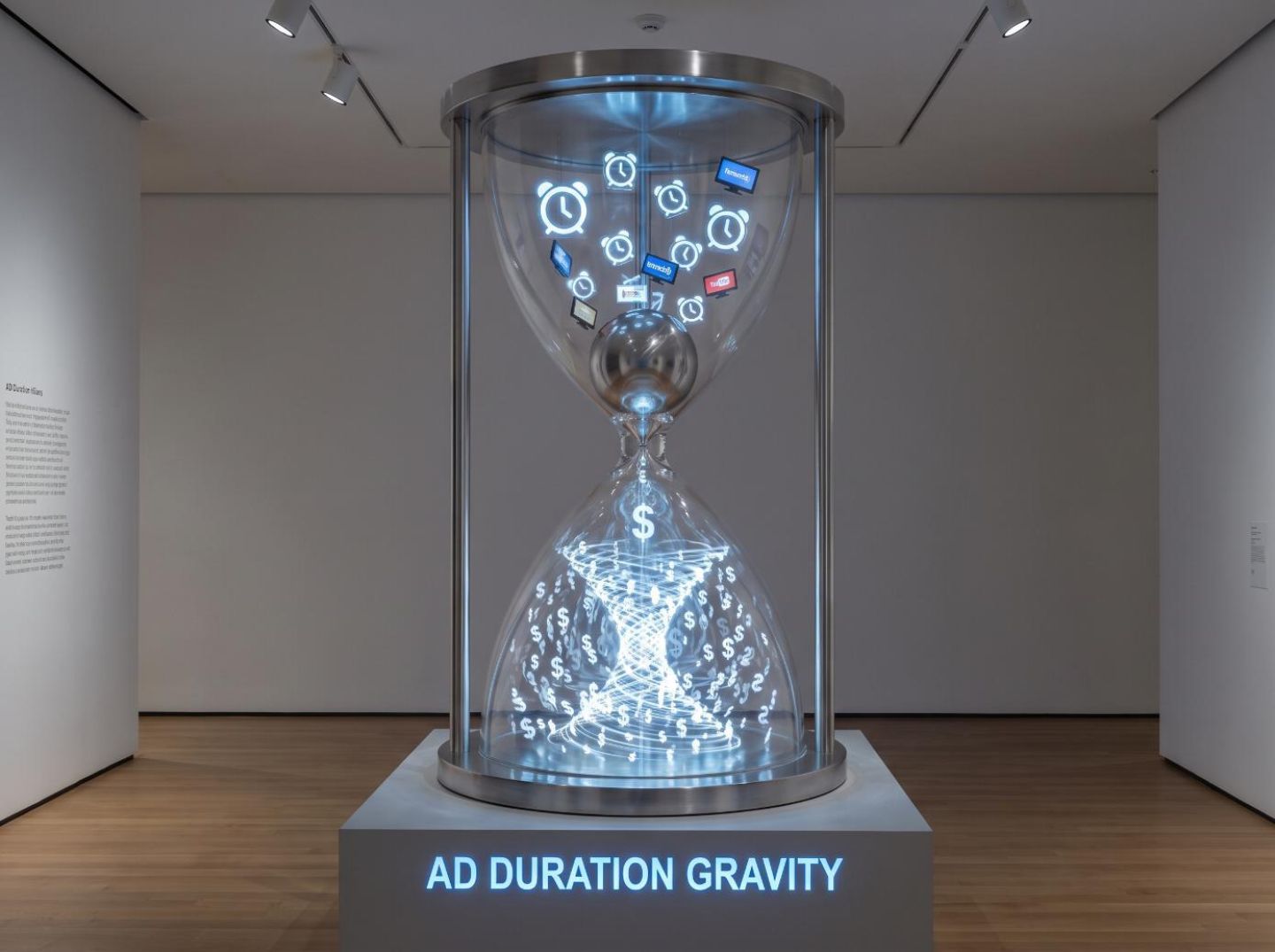
Once you’ve narrowed your moment (World Cup, NFL kickoff, playoffs, Olympics, a celebrity drop), the next job in Anstrex is brutal triage: sort by time in market and ad gravity so you only study creatives that are both working and still climbing, not ones wheezing toward the finish line.
Duration tells you survivorship. In a marketplace where underperformers get paused fast, a native or instream creative that’s been live for 30, 60, 90+ days is almost always riding a positive ROAS curve. That’s especially true around high-CPM moments like live sports, where, as an AdExchanger analysis of unified video pointed out, demand is intense and inventory feels scarce on any single screen. No one leaves bad ads running in that environment. If a spot is still getting budget after multiple match days, someone’s spreadsheets are green.
Ad gravity is your second filter. Different tools label it differently, but the idea is the same: a composite score based on impressions, placements, and momentum. Gravity is a proxy for “how hard is the media buyer leaning on this exact creative right now?” When you sort by gravity within a seasonal window, the top third of ads usually fall into one of three buckets:
Your goal is to live mostly in buckets one and two, and to treat bucket three as historical context, not inspiration. If a “Big Game pizza party” angle has been in-market for 120 days with gravity now half its peak, that tells you something important: audience fatigue is real, and if you chase that exact framing, you’ll enter right as returns flatten.
This is where scarcity and fragmentation work in your favor. Live sports inventory on linear and CTV looks limited and expensive, but as AdExchanger’s live-sports stress test argued, the real picture is “abundant, albeit fragmented” because fans are watching highlights, commentary, and creator content on second and third screens before, during, and after the game. When you see a high-gravity creative that’s still young, the opportunity isn’t to buy the same channels; it’s to clone the logic behind it into cheaper, adjacent attention pockets.
For example:
Finally, watch how duration and gravity interact over time. Check back on the same filters every few days. A creative that moves from low gravity to mid-high while still under two weeks old is screaming for a fast-follower angle. One that’s been flat for 60 days but suddenly spikes again probably just got paired with a promotion or retail push—exactly the pattern Adweek highlighted when Ibotta layered targeted coupons over World Cup snack displays to “close the deal” at the shelf.
In other words, duration tells you which stories the market refuses to kill; ad gravity tells you which ones media buyers are still willing to bet on. Your job in a constrained-budget world is to use both to avoid copying creative and instead draft behind those profitable stories in cheaper contexts, with your own twist on urgency and scarcity.
Receive top converting landing pages in your inbox every week from us.
Guide
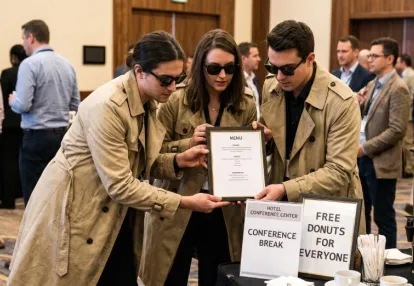
Discover how native advertisers can turn the psychology behind big brand stunts like “Break Conference” and “World Menu Heist” into measurable performance campaigns. Learn how to use scarcity, owned IP, fandom, participation, and cross-channel funnels to build native and TikTok campaigns that generate attention and conversions.
Marcus Chen
7 minOct 8, 2026
Most Read
Learn how to turn sports, snacks, creator trends, and pop culture moments into high-ROI advertising funnels without relying on big budgets. This guide shows how to use Anstrex Native, Instream, and Push intelligence to identify emerging cultural angles, analyze ad duration and gravity, and adapt proven concepts to lower-cost placements.
Rachel Thompson
7 minOct 7, 2026
How-To
Discover how competitors turn “great ads” into full-funnel revenue by building an invisible layer of search, native, CTV, social, DOOH, and measurement around their hero creative. Learn how to reverse-engineer these systems using ad intelligence and uncover the signals that reveal how campaigns are actually monetized.
David Kim
7 minOct 6, 2026