10 minSeptember 27, 2026

Our spy tools monitor millions of push notification ads from over 90+ countries and thousands of publishers.
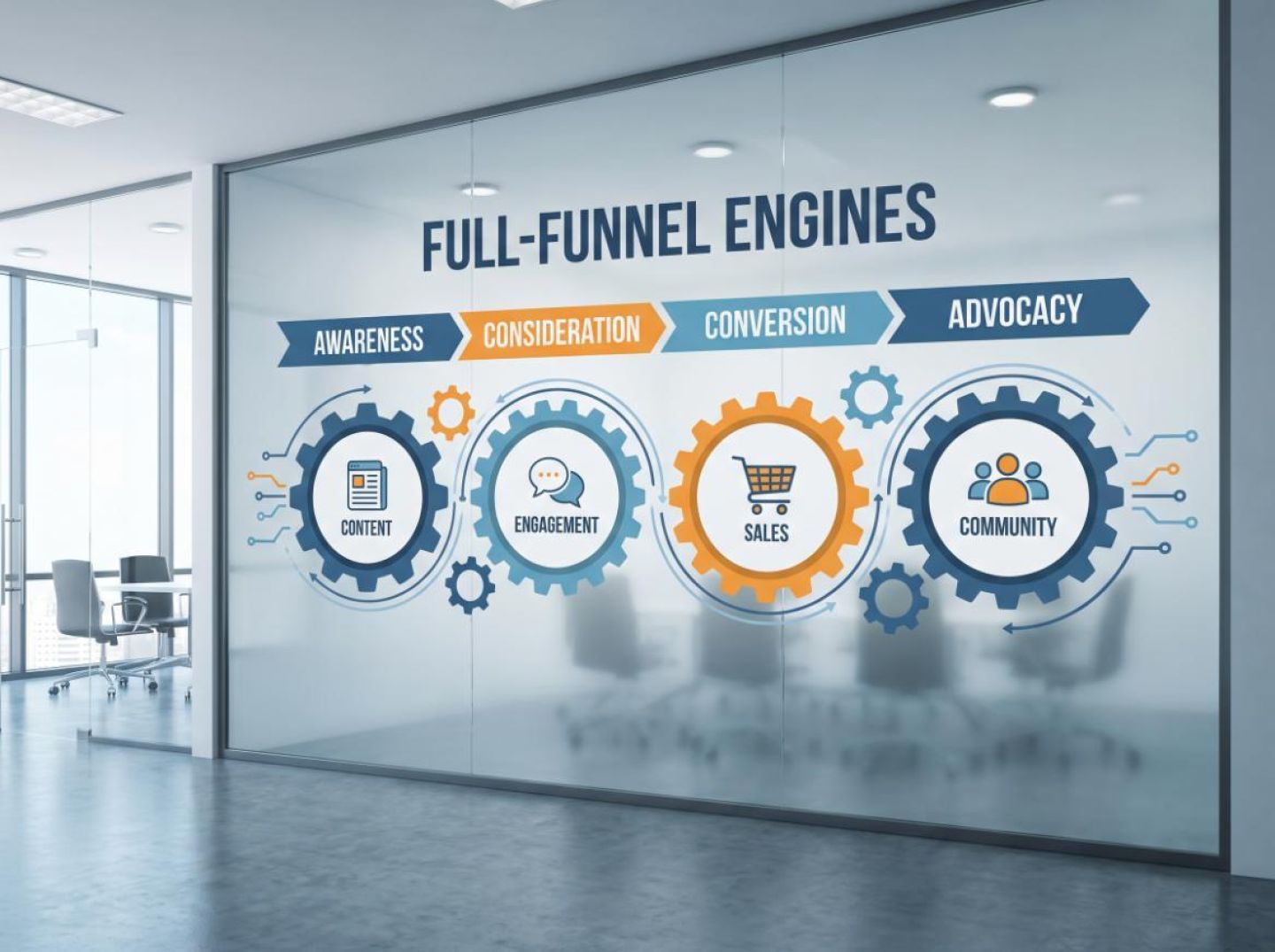
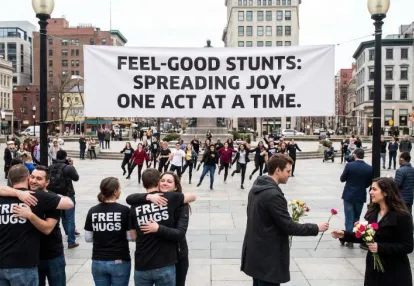
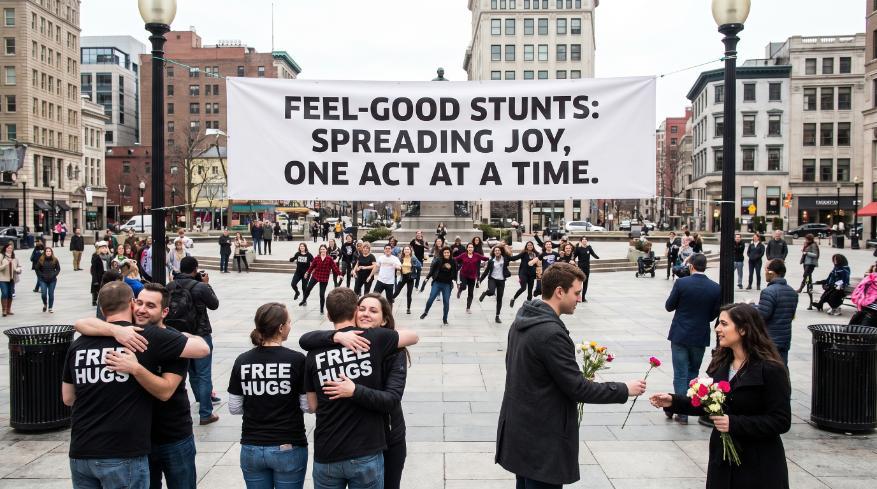
Get StartedFeel-good stunts like Pure Leaf’s “Break Conference” look, on the surface, like pure brand theater: a beautiful set, a clever premise, a lot of earned-media vibes. But the reason brands keep pouring real money into these spectacles is that they secretly function as full-funnel engines, compressing awareness, consideration, and conversion into one integrated system.
The shift starts with abandoning the idea that “reach” is the win. On platforms like TikTok, marketers are learning that mass impressions without a downstream plan are just expensive Anstrex.com/blog/ai-generated-ad-creatives-are-everywhere-heres-how-to-tell-which-ones-are-actually-converting" target="_blank" rel="noreferrer noopener">vanity metrics. TikTok’s own Anny Havercroft argues that impact comes from focusing on readiness, not reach, and treating engagement behaviors as intent signals that can fuel a demand engine, as she explains in a HubSpot Marketing Blog deep dive on TikTok campaigns. Invisalign’s Smile Quiz is a perfect example: the quiz is baked into the ad unit itself, so the top-of-funnel “fun interactive content” is also a mid-funnel qualification step and a bottom-funnel lead form. Nearly a third more people finished the form at a lower cost per lead because “awareness” was architected from the start to slide naturally into action.
This is exactly how a stunt like the Break Conference should be understood. The talkable moment (a conference about taking breaks) is just the container. The real power lies in the invisible choreography underneath: native hooks that feel organic, push mechanics that re-target and nurture those who show interest, and pop tactics that convert when intent is highest. Modern campaigns don’t treat these as separate stages; they collapse them.
CTV and DOOH are undergoing a similar transformation. K-beauty brand Sulwhasoo ran what looked like a classic “upper-funnel” CTV play, but by layering shoppable elements and retargeting, the campaign became a compressed funnel in its own right. Viewers who saw the CTV spot could scan a QR code and land on a microsite where they could browse and buy through their preferred retailer, while exposed households were later retargeted across mobile and desktop with interactive creatives like before-and-after sliders, as detailed in an AdExchanger breakdown of the campaign. Officially, it was an awareness initiative; functionally, it was awareness, education, and acquisition stitched together.
The same collapse is playing out inside social platforms. TikTok’s premium ad formats are designed to blend high production with native storytelling so they feel like something a user would genuinely watch and share, not a jarring interruption. That “this doesn’t look like an ad” quality is what makes them powerful as full-funnel assets: a single execution can attract attention, deliver a narrative, and drive a strong call to action without ever leaving the feed, as performance-focused strategists emphasize in analyses of TikTok’s premium ad push on Neil Patel’s blog. When you add TikTok’s growing lower-funnel tools—lead forms, shop integrations, in-app checkout—the line between a “feel-good” video and a fully measurable pipeline asset gets even blurrier.
AI is accelerating this dynamic. Tools like TikTok’s Symphony Creative Studio can now take a brief and automatically generate multiple video variations tuned to platform-native signals, freeing marketers to focus their human energy on the last mile: sharper benefit claims, stronger calls to action, and better alignment with landing experiences. Social media strategists point out that marketers are already using AI skills to identify which hooks drive the strongest performance, monitor creative fatigue, and systematize learnings across campaigns, turning what used to be one-off “cool moments” into repeatable demand machines, as explored in detail by.
In this context, a stunt like Pure Leaf’s Break Conference isn’t a fluffy side project; it’s a native, push, and pop framework disguised as culture. The key is to design every “feel-good” touchpoint so that if a person raises their hand—by watching longer, scanning a code, swiping, tapping, or opting in—the campaign is ready to catch that signal, nurture it, and turn it into measurable demand.
Behind every “this just made my day” LinkedIn post about the Pure Leaf Break Conference, there’s a very deliberate funnel architecture at work. The stunt only looks like a one-off activation; structurally, it’s a tightly mapped journey that moves people through three overlapping zones: native, push, and pop.
Native is everything that feels like it belongs where it lives. The Break Conference was built to look and behave like culture, not like a CPG campaign. The visual language borrows from real conferences and TED-style talks; the content leans into a social-first hook — the idea that “taking breaks isn’t a sign of weakness” — before it leans into tea. That sequencing mirrors what creator data has been screaming for years: content that leads with product or benefit messaging in the opening seconds tanks performance, with view rates dropping by 44% versus content that leads with a hook and lets the brand arrive as payoff rather than pitch, as one analysis in Search Engine Journal’s report showed.
So the “native” layer of Pure Leaf’s stunt is everything that earns attention on merit: the hero film that feels like a mini-doc about burnout, the behind-the-scenes clips that look like creator content, the TikTok- and Reels-ready cuts that mimic feed-native storytelling. The brand shows up as context — the sponsor that made the Break Conference possible — rather than the star of the show.
From there, push kicks in. Push is where media dollars and algorithms do the heavy lifting. Once the brand has an asset that behaves natively, it can be jammed into premium placements and social distribution without breaking the illusion. Platforms like TikTok have been explicit that their best-performing ads are those that “don’t look like advertising” and instead feel like something a person would naturally make and share, especially within high-production formats, as Neil Patel’s breakdown of TikTok’s premium ads explains. A stunt like the Break Conference is engineered for that intersection: high production value with platform-native storytelling.
Here, you’ll see the same creative atomized and pushed into in-feed social, premium video units, and creator whitelisting. Media teams can map it to upper- and mid-funnel objectives: awareness buys around the hero film, and consideration buys around cutdowns where speakers demonstrate real break rituals — the “proof beats claims” dynamic that creator-led demos outperform declarative messaging on brand favorability and consideration, as described in the creator-emotion research summarized by Search Engine Journal. Push is what turns a clever idea into measurable reach and frequency.
Finally, pop is the moment where all of that goodwill and visibility gets converted into something the CFO recognizes. This is where a lot of feel-good stunts quietly bolt on lower-funnel mechanics: exclusive SKUs or bundles available only during the campaign window, retailer co-ops that feature “Take a Break” endcaps, QR codes and shoppable links seeded in creator content, or loyalty prompts that reward scanning a bottle at the “conference.”
The trick is to avoid confusing the job of each layer. As one critique of misaligned influencer tactics pointed out, millions of views from “aspirational billboard” campaigns sit firmly in the awareness zone and say very little about product consideration or sales, a nuance that MarTech’s analysis of broken influencer strategies underscores. A Break Conference stunt that only chases viral sentiment is just another billboard; a Break Conference with a clean handoff into trial, repeat, and retailer sell-through is a funnel.
When you map Pure Leaf’s move through this lens, the hidden system comes into focus. Native earns attention by respecting the feed. Push amplifies what’s already working, instead of forcing brand-first assets into hostile environments. Pop translates cultural relevance into scans, carts, and cases moved. The stunt is just the surface. The funnel is the product.
TikTok is where Pure Leaf’s “feel-good” theater quietly turns into a working CRM asset.
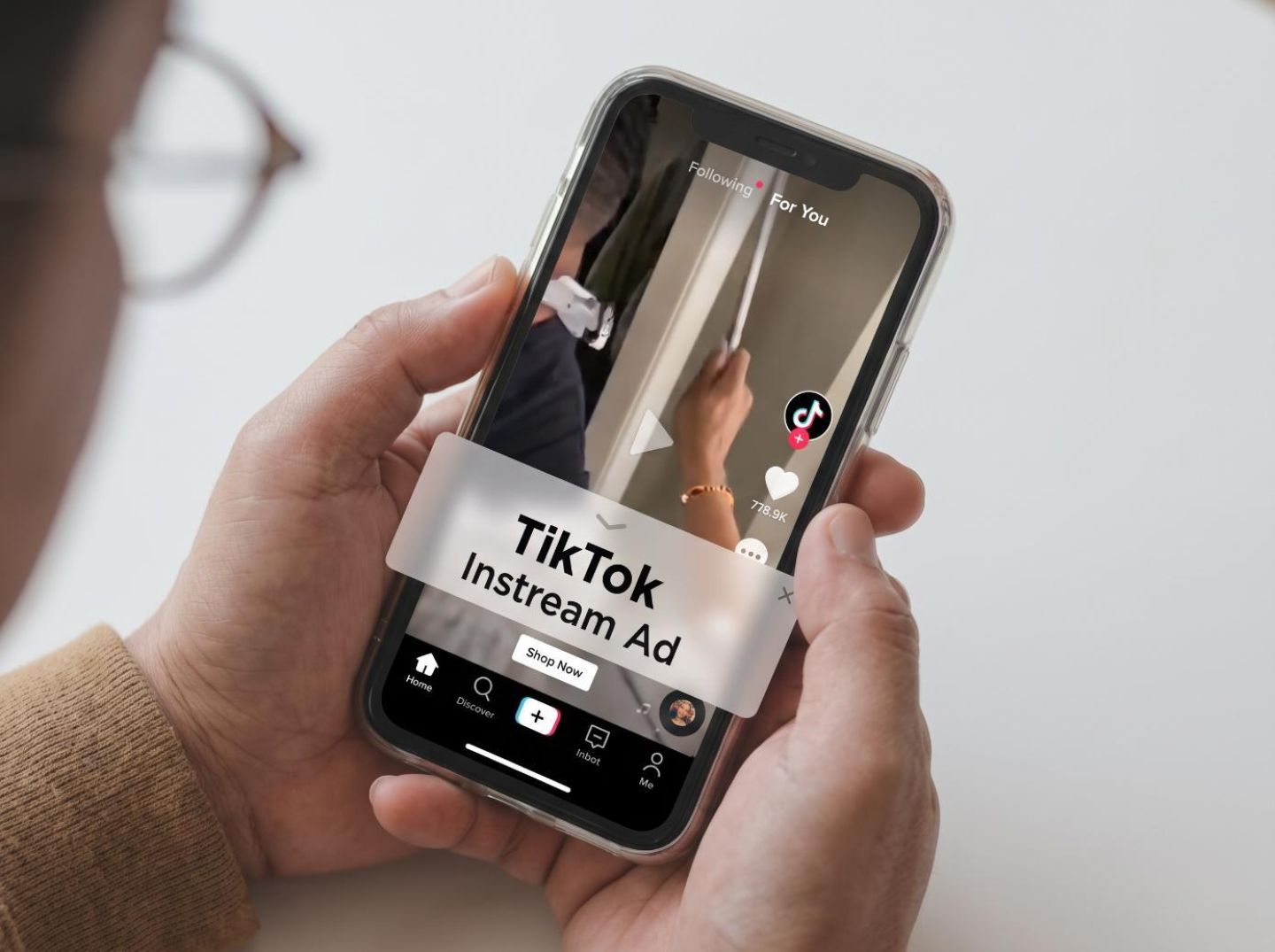
If you look at the Break Conference clips purely as culture content, they’re just snackable moments: the keynote about taking a break, the crowd reactions, the gorgeously lit stage. But the minute those clips run as TikTok Instream — as in-feed ads, TopView, or Sparked creator posts — they shift from “nice” to “necessary.” They become the hinge between native and push: content that still feels organic, but is now wired to capture intent.
TikTok’s own team has been explicit that the platform is not just an awareness playground; it’s a demand engine when you treat it that way. Anny Havercroft, who leads global product marketing communications, points to campaigns like Invisalign’s, which embedded a Smile Quiz directly inside the ad unit so that pre-qualified prospects could self-identify before they ever hit a landing page. That simple “quiz in the ad” move raised completion and cut cost per lead, because the creative wasn’t optimizing for views — it was optimizing for readiness, using TikTok’s interaction signals as a filter rather than chasing raw reach, as she explained in a.
That’s the same job Instream plays for a stunt like Break Conference. The on-site spectacle does the fame work. Instream does the filtering work.
The trick is that those Break Conference Instream assets can’t feel like re-cut TV spots. Creator-led ads consistently outperform brand-first videos because they preserve the “I’m just watching TikTok” illusion while smuggling in a concrete action. In one campaign for Spanish utility Gana Energia, creator content explaining how to manage energy bills beat polished brand explainer videos so thoroughly that the team scaled the creator-led version, ultimately driving a 632% increase in lead volume and slashing cost per lead by 64.5%, according to the same TikTok lead-gen playbook from HubSpot. The winning pattern was simple: a native-feeling story, a clear payoff, and a direct path to do something next.
Pure Leaf’s Instream layer should work the same way. The Break Conference clips that start in the native zone — filmed by attendees, comedians, and wellness creators — get picked up, lightly edited for clarity, and Sparked into paid units. But instead of opening with product shots or benefit statements, they lead with the hook: the absurdity of a “conference about taking a break,” a surprising punchline from a comedian, a micro-confession about burnout. Only once they’ve earned attention does the brand show up as the resolution: “This is why Pure Leaf built an actual conference just to give you permission to step away — and here’s how to claim your own break.”
That structure isn’t just a creative preference; it’s a performance choice. In a large-scale analysis of 5,000 creator-led TikTok and Instagram assets, the agency Billion Dollar Boy found that leading with product or benefit messaging in the first seconds hammered view rates, brand favorability, and consideration, while content that used the brand as a payoff performed dramatically better. Their report on “creator instinct” and emotional drivers, summarized by Search Engine Journal’s coverage of brand message blind spots, quantifies what instinctive creators have known for years: hook first, brand second.
TikTok’s tooling is also making this Instream layer more ruthlessly efficient. With AI systems like Symphony Creative Studio, marketers can generate dozens of Break Conference variations — different hooks, lengths, and CTAs — from a single shoot, then use Agentic Hub skills to spot which openings hold attention and which fatigue fastest, as outlined in Social Media Examiner’s guide to TikTok’s new AI stack. That turns a one-time stage build into a renewable creative feed: the conference is over, but its Instream derivatives keep prospecting for months, constantly refreshed against the same underlying idea.
And crucially, Instream is where Pure Leaf stops measuring “vibes” and starts measuring pipeline. Every swipe, replay, quiz answer, and in-ad form submission is a signal. Instead of blasting a broad awareness campaign and hoping some of that attention eventually trickles down to sales, the brand can collapse the funnel the way K-beauty players have with shoppable CTV and retargeted units, blending upper-funnel storytelling with lower-funnel acquisition in the same flow, as an analysis of Sulwhasoo’s funnel-collapsing approach in AdExchanger’s CTV and DOOH case study makes clear.
In other words, TikTok Instream is the quiet inflection point where Pure Leaf’s “isn’t this wholesome?” moment becomes a spreadsheet row. The Break Conference makes people care; Instream decides which of those people are ready to do something about it — and hands them off to the next stage of the machine.
Influencers are the bridge between “this looks like an ad” and “this looks like my feed.” That bridge is your native layer — and most brands are walking over it without realizing it’s doing the real conversion work.
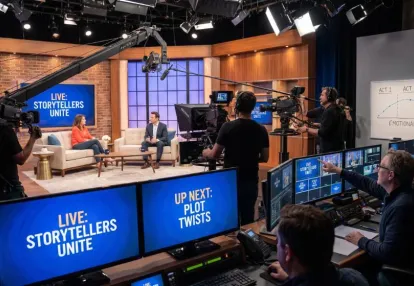
In a stunt like Pure Leaf’s Break Conference, the on-site talent might be a celebrity or marquee speaker, but the real machinery sits with the mid-tier and niche creators documenting it. Their posts are not just “coverage.” They are the first touch in a funnel that feels like culture, not a campaign.
The problem is that most influencer programs are still bought and measured as awareness plays. You see it in campaigns like Poppi’s branded vending machines for 32 influencers, which generated millions of TikTok views but functioned as what academic research calls an “aspirational billboard” — powerful for reach, structurally distant from purchase intent, as analysis of that campaign points out. Views alone tell you almost nothing about whether your native layer is doing anything beyond being admired.
The Break Conference model is sharper. The “in-the-room” creators are there to make native content that fulfills three criteria:
That second point is now quantifiable. In a large-scale study of creator-led assets, creator content that opened with a hook and delayed explicit branding saw view rates, favorability, and consideration significantly outperform assets that led with product or benefit claims, according to a 5,000‑asset analysis of creator campaigns. The same study found that proof — demonstrating real use, real context, real reasoning — beat declarative “this is amazing” messaging by double‑digit margins in both favorability and consideration. In other words: the more your influencer content looks like a living, breathing receipt instead of a slogan, the better it performs.
This is where most “influencer briefs” quietly kill the native layer. They script out the very spontaneity they’re supposedly buying. Yet 44% of consumers believe an influencer should be a longtime user and another 37% say they should have at least used the product before promoting it, according to survey data on influencer credibility. When you over‑direct a creator who actually uses your product, you don’t just flatten their personality; you undercut the trust premium you paid for.
Pure Leaf’s genius move is using the Break Conference as a reality set where those authentic behaviors can happen without being forced. A creator talking about burnout on stage, grabbing Pure Leaf between sessions, or debriefing their “break” on TikTok is performing a role that fits their persona. When those clips later appear as Spark Ads or TikTok Instream units, they still feel like the creator’s feed, not a hijacked commercial. That’s exactly the native, TikTok‑first creative challenge that newer premium formats are built for: high production value that still looks like something a person would naturally post, as TikTok ad strategists have argued.
The real strategic shift is to treat influencers as a targeting and narrative system, not just a reach extension. Pulse-style tools that align media with specific creator communities work because the creator choice itself is a form of pre-qualification; the right micro‑community will outperform a generic blast every time, as advocates of creator‑aligned placement on TikTok explicitly recommend. That’s the native layer doing segmentation for you, in public.
When you structure a stunt like Break Conference around that idea, “influencer marketing” stops being a budget line and becomes the substrate everything else grows out of. Creators generate the believable artifacts. Those artifacts become your instream and TopView units. The performance of those units feeds search, site behavior, and CRM. But none of that works if the first layer — the influencer content itself — doesn’t feel like it belongs where it lives.
If you treat a big-brand stunt like Pure Leaf’s Break Conference as a mysterious black box, you’ll miss the part that actually matters: how it’s wired into a performance funnel. Anstrex is the tool that lets you pry that box open and see every layer — native, push, and pop — the way a media agency would.
Start with what Anstrex is actually good at: structured spying. Its core advantage is not that it shows you “cool ads,” but that it lets you filter, sort, and timeline those ads until a launch pattern appears. Think of it as applying the same “collapse the funnel” mindset that a K‑beauty brand like Sulwhasoo used when it ran CTV that retargeted into shoppable mobile units, blurring brand and performance in one coordinated system, as AdExchanger reported. Anstrex lets you reconstruct that system from the outside in.
Here’s how you’d use it on something like the Break Conference.
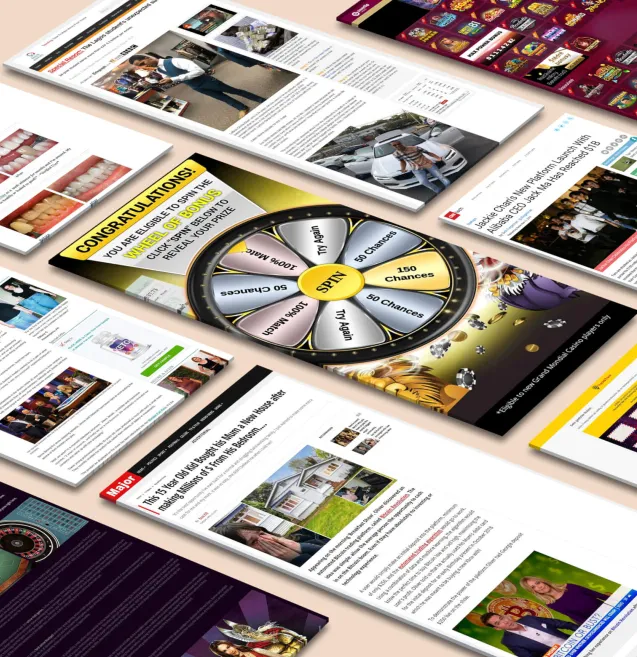
First, map the “pop” layer — the obvious, high-production ads. In Anstrex, search by brand or URL and sort by earliest seen date. You’re looking for the big video units that match the hero clips you saw in social: the keynote, the sweeping crowd shots, the manifesto edit. Log:
This gives you a spine — the moment the campaign started “popping” as real media, not just PR. Note whether these units skew more upper-funnel (broad targeting, awareness placements, generic CTAs) or already include shoppable elements and direct-response hooks, the same way Sulwhasoo went from CTV storytelling to QR-coded microsites with retailer choice in a single campaign flow.
Next, dig down into the “push” layer — the workhorse retargeting and conversion ads that rarely get press. Use Anstrex’s filters to isolate:
These ads are the glue between the spectacle and the sale. They’re where you’ll most often see product demonstration and proof, not just vibes — which tracks with creator-led performance data showing that demonstration and “show, don’t tell” lift brand favorability and consideration more than declarative claims, as Search Engine Journal summarized. Note which assets lean into that structure: hook, demonstration, then brand and CTA as the payoff.
Now comes the fun part: uncovering the “native” layer that makes the whole stunt feel organic. Big brands increasingly run creator-style videos as paid, especially on TikTok and Reels, where the best ads look like regular content rather than traditional spots. TikTok’s own product roadmap is built around this idea — formats like TopView and other premium placements are designed to carry “platform-native storytelling” that still hits performance goals, as Neil Patel’s analysis of TikTok’s premium ad push points out.
In Anstrex, you’ll typically see:
Cross‑reference these creatives against public posts from the same influencers. Often, a “random” Break Conference TikTok on their profile is also running as Spark Ads or whitelisted paid under the brand’s account. The timing tells you everything: if creator-style units start 3–7 days before the hero ads, that’s your seeding window; if they scale after the hero launch, you’re looking at native content being weaponized as retargeting.
To turn this into a repeatable workflow, treat Anstrex like a forensic dashboard:
2. Map creative archetypes. For each layer, document hook style, emotional register, and when the brand shows up in-frame. Compare how closely these patterns match high-performing creator behaviors around hooks and delayed branding that have been quantified in creator-led studies and summarized by.
3. Reverse-engineer the landing system. Use Anstrex’s landing page previews to see whether Break traffic goes to a microsite, a retailer, a DTC shop, or a quiz. This is where you’ll spot “collapsed funnel” tactics — education, proof, and checkout living on the same page — similar to the way Sulwhasoo’s CTV viewers landed on a multi-retailer microsite baked into its ecosystem.
When you’ve done this once, the stunt stops looking mystical. You can see the machine: native assets building trust, push ads doing the math, pop moments creating the social cover. Anstrex just gives you the X-ray so you can rebuild that same three-layer system for your own brand with intent instead of guesswork.
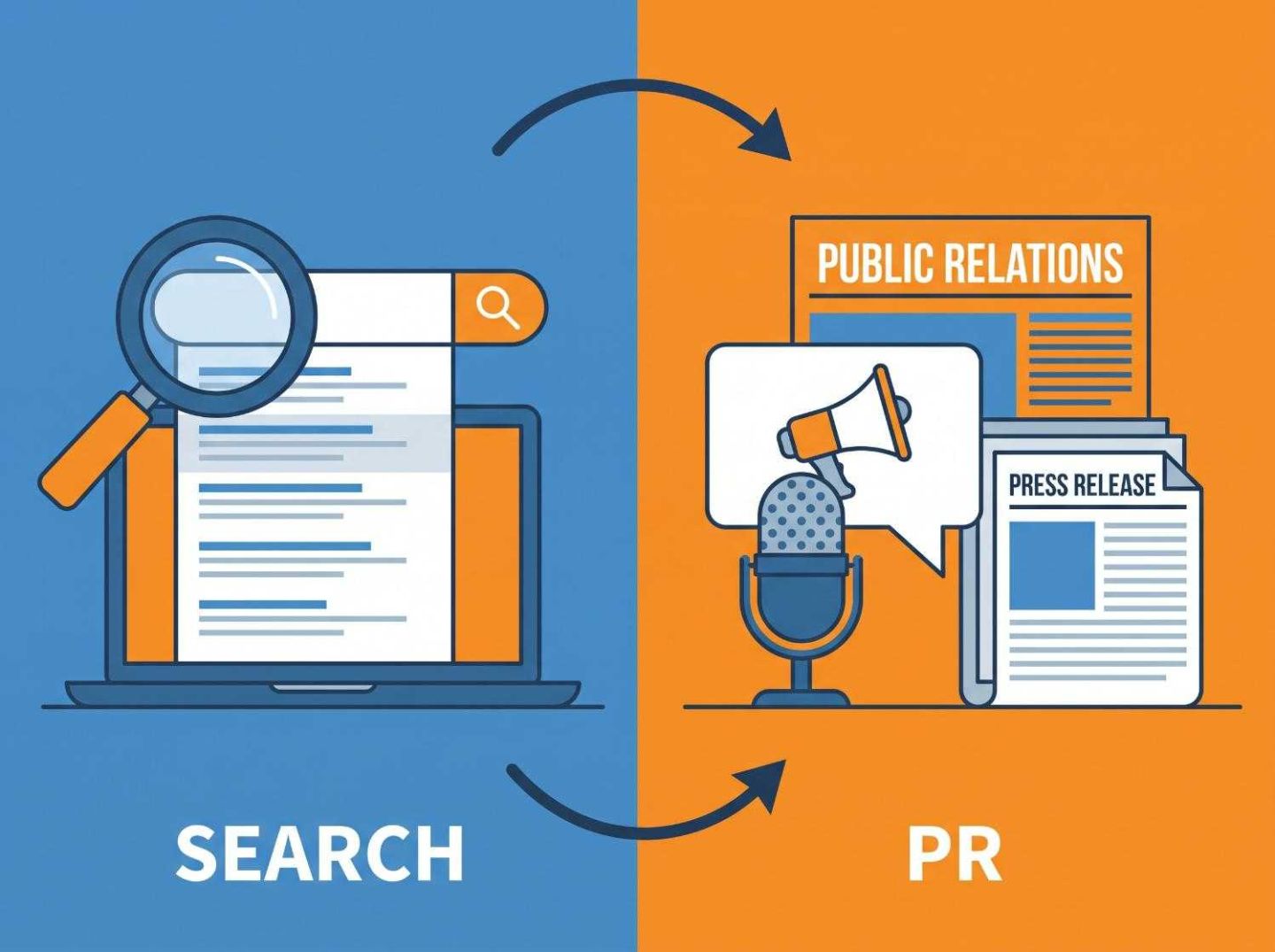
Start by assuming your stunt will work — and then prove it with search.
Before you book talent or design a landing page for a Break Conference–style event, you want to know two things: when people are most primed to care, and which specific phrases they’ll use when they go looking for it. Branded search spikes and PR coverage are how you reverse-engineer both.
MarTech’s framework for integrated video and SEM shows that high-impact creative reliably produces branded and category search lift in the hours and days after it airs. When emotionally resonant video runs on TV, CTV, or social, it triggers a surge in “next-step intent” — people Googling the brand, the tagline, or even quotes from the spot — effectively turning search into the capture layer for curiosity the ad just created, as one analysis of Fox’s “Miracle” spot explains. For a stunt like Break Conference, that lift is your timing signal.
Here’s the practical play:
2. Drop the first PR pebble and watch the water.
When your initial press hits — think exclusive story, embargoed interviews, or a teaser video — monitor both branded search and social hashtag volume within the next 24–72 hours. The MarTech team argues that social mentions and search lift should be tracked together as correlated breakout signals for tentpole creative, not as separate vanity metrics, because together they prove you’ve actually changed behavior, not just impressions.
If your press coverage lands but search barely twitches, you don’t have a stunt problem yet; you have a messaging problem. The headline people see in articles is usually the phrase they later type into Google. That’s your first anchor.
3. Mine press language for your anchors.
Journalists are basically free copytesting at scale. Pull the exact phrases they gravitate toward in headlines and subheads — “virtual break conference,” “saying no at work,” “anti-hustle summit,” etc. — and watch which combinations generate the steepest query spikes after each article goes live.
Those outperforming phrases are your “native anchors”: the language that will later sit inside your in-feed native creative and on your landing pages. As influencer research covered by MarTech notes, misalignment between the message a viewer sees first and the experience they get when they click is one of the fastest ways to kill lower-funnel performance. Anchoring your copy to what people are already searching reduces that friction.
4. Use search data to script the stump speech.
Once you see which queries grow fastest — “Pure Leaf break day,” “how to say no at work,” “sign up Break Conference” — you’re holding a live, prioritized FAQ list. That’s what your stunt’s on-site content should obsess over.
Creator-led campaigns that win, like the Gana Energia case HubSpot highlights, start by aligning creator scripts to a clearly defined business outcome and audience question set, then test that content directly against brand-produced assets. Your search logs are the raw version of that brief: they tell you exactly what your creators should be talking about if you want their “organic-seeming” coverage of the event to match the curiosity that’s already building in search.
5. Lock timing to the curve, not the calendar.
Instead of picking a launch date by committee, let the branded search curve tell you when attention is hot enough to justify your biggest moves. When MarTech describes using YouTube or CTV tests to see which creative variant actually generates the biggest branded-search spike before rolling it out on linear, the underlying principle is simple: you scale when the data says you’ve got a firecracker, not when the media plan says you’re “due.”
Translated for Break Conference–style activity, that means:
6. Feed those anchors into native, push, and pop.
Once your top-performing phrases are clear, they become the spine for every downstream layer:
By starting with search and PR, you’re not guessing at a theme and hoping performance media will catch up. You’re using real-time intent signals to determine when the market is paying attention, which specific language unlocks that attention, and how to carry those anchors through the entire funnel so a feel-good stunt quietly operates like a performance engine.
Receive top converting landing pages in your inbox every week from us.
Must Read
Discover how Pure Leaf’s “Break Conference” can be deconstructed as a full-funnel strategy spanning Native, Push, and Pop advertising. This guide shows how marketers can use creator content, TikTok Instream, Anstrex, search data, and PR signals to turn a feel-good brand stunt into a measurable performance engine.
Priya Kapoor
7 minSep 27, 2026
Must Read
Learn how to transform one powerful brand moment into scalable Native, Push, and Pop funnels instead of relying on a single hero ad. This guide covers modular creative, TikTok funnel thinking, competitive intelligence with Anstrex, cross-channel testing, and a repeatable creative supply chain.
Dan Smith
7 minSep 26, 2026
Editor’s Pick
Learn how OOH professionals can transfer their sales, operations, creative, and experiential skills into performance-driven Native and Push advertising. This guide breaks down how billboard expertise translates into digital media buying, channel orchestration, scroll-stopping creative, funnels, and measurable performance.
Rachel Thompson
7 minSep 26, 2026