12 minJune 21, 2026

Our tools monitor millions of native, push, pop, and TikTok advertising campaigns.
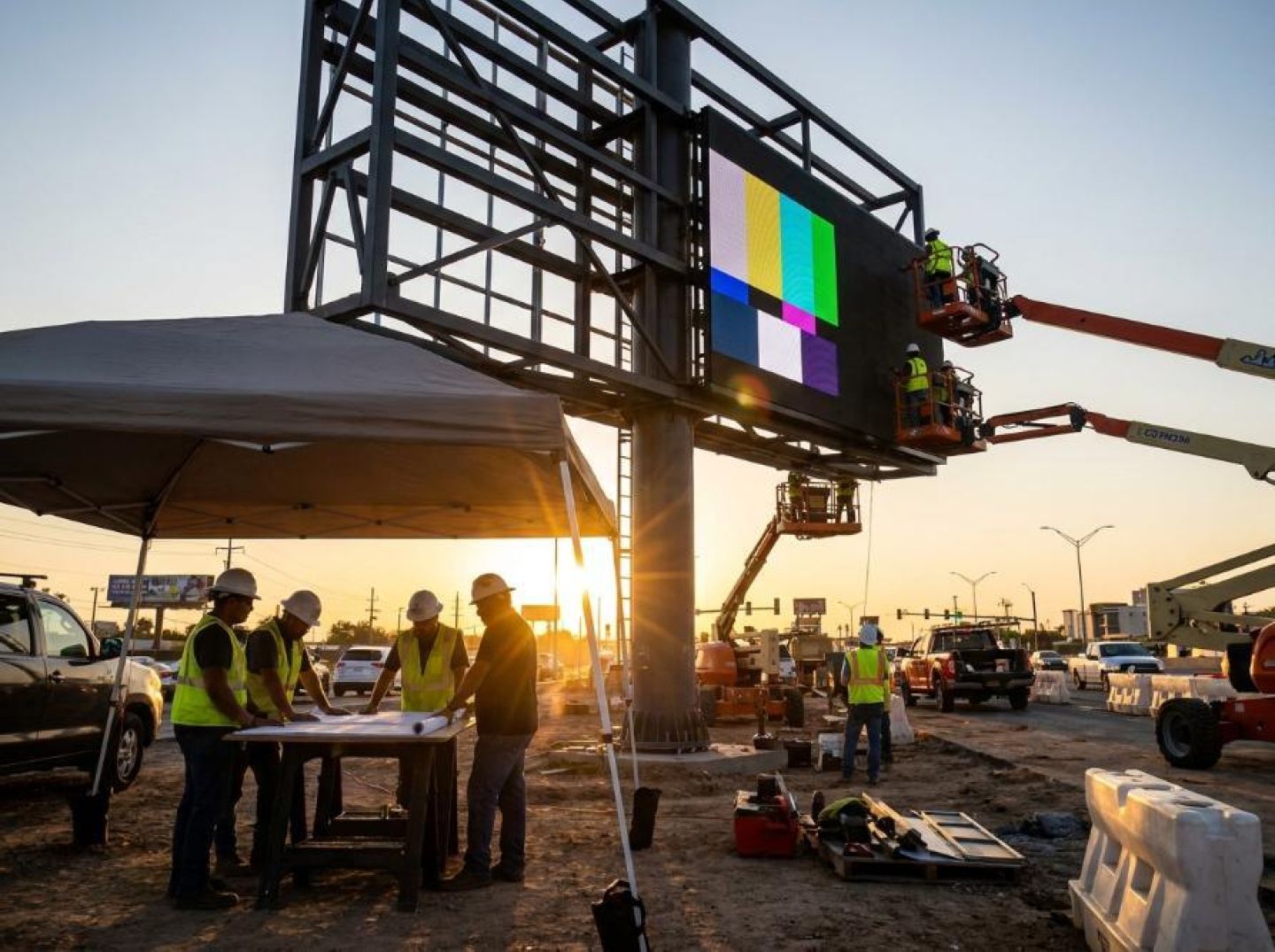
Get StartedIf you want to understand where an industry is headed, don't read its press releases — read its job listings. And right now, the out-of-home advertising industry is hiring like it's building a rocket ship, not maintaining a billboard.
This isn't a cyclical uptick driven by a good quarter or a flashy Super Bowl campaign. OOH is in the middle of a structural transformation, one backed by capital, technology, and — most tellingly — talent acquisition patterns that look almost indistinguishable from those at major digital ad platforms. Programmatic DOOH ad spend is projected to reach $1.35 billion by 2026, growing at more than twenty-two percent year-over-year. That's not billboard money trickling in; that's venture-scale growth in a channel that many digital-first marketers still mentally file under "traditional."
The demand side tells the same story. Research from the OAAA and Winterberry Group found that ninety-eight percent of marketers now view OOH as a core or supporting component of their connected commerce strategies, and eighty-six percent plan to increase their OOH investment over the next two years. These aren't aspirational projections from an industry lobby trying to stay relevant. They are directional indicators of where budget allocation is shifting — and when budgets shift, headcount follows.
Look at who OOH companies are actually recruiting. Data scientists. Programmatic traders. AI and machine learning engineers. Measurement analysts. Attribution modelers. These are the exact roles you'd find on the careers pages of The Trade Desk, Meta, or any demand-side platform worth its valuation. When an industry starts competing for the same talent as adtech, it has crossed a definitional threshold — it is no longer "traditional media" in any meaningful sense. It has become a data-driven performance channel that happens to render its impressions on physical surfaces instead of phone screens.
The infrastructure investment mirrors the hiring. As OOH Today has documented, OOH is undergoing a significant transformation driven by the growth of digital formats, the integration of data, and the increasing use of artificial intelligence to reshape how the medium is planned, deployed, and optimized. The industry is replacing legacy audience measurement systems with modern alternatives that can actually sit alongside digital metrics in a unified planning framework. This is what it looks like when a channel decides to play by digital's rules — not by chasing digital's audience, but by building digital's infrastructure.
For digital advertisers, this matters more than you might think. Hiring patterns are leading indicators. When Google started aggressively recruiting retail media specialists three years ago, it signaled a strategic pivot that took months to materialize in product announcements. When TikTok's job listings surged with search engineering roles, it telegraphed their push into search ads well before any official launch. The same logic applies here. OOH companies hiring AI optimization engineers and real-time measurement specialists is a signal that programmatic outdoor is about to become a serious line item — not an experimental one.
Dismiss these hiring patterns and you're ignoring the same kind of intelligence you'd never overlook if it came from a walled garden. This is your grandfather's billboard business in the same way that Netflix is your grandfather's video rental store — it shares the ancestral DNA, but the organism is fundamentally different. The question isn't whether OOH has crossed into data-driven territory. It already has. The question is whether digital advertisers are paying close enough attention to steal the right lessons from it.
Most marketers treat job listings as HR artifacts — administrative necessities that exist to fill seats. But if you know how to read them, job postings are one of the most underutilized sources of competitive intelligence available. They tell you where money is moving before earnings calls do, which capabilities a company is building before press releases announce them, and which geographies are heating up before the media buyers catch on.
Here's the framework: start with job titles, then map geography, then decode the vertical-specific language buried in the descriptions.
Job titles reveal strategic direction. When an OOH company posts for a programmatic sales director or a data partnerships manager, that's not a backfill — that's a company building infrastructure for a new revenue model. When a retailer posts for a "place-based media" strategist or a "retail media network" product lead, they're signaling that their physical stores are becoming media properties. As OOH Today explored in its analysis of Walmart's evolution, the line between retail media and OOH has blurred to the point where a digital screen inside a grocery store "shares more DNA with OOH than many people may care to admit." When Walmart, Kroger, and Home Depot build out in-store digital screen networks and hire OOH-adjacent talent, they're effectively telling you which retail verticals have enough advertiser demand to justify constructing entirely new physical media properties. That's not a small signal. Building a media network is a capital-intensive bet — nobody does it on a hunch.
Geographic clusters pinpoint spending surges. A cluster of OOH sales roles opening simultaneously in Phoenix or Nashville isn't random staffing. It means media owners are seeing enough advertiser demand in those DMAs to justify dedicated headcount. For digital advertisers, this is gold. If an OOH company is expanding its sales team in a specific market, brands are pouring money into reaching consumers there physically — which almost certainly means that DMA is experiencing outsized consumer spending in the categories those brands represent. You can reverse-engineer the signal: target those same markets with your digital campaigns and ride the same spending wave that prompted the physical media investment.
Vertical language tells you which categories are heating up. When job descriptions start referencing "grocery," "convenience," "home improvement," or "pharmacy" environments, you're watching specific retail verticals attract enough ad dollars to build dedicated media ecosystems. This matters enormously because these retailers aren't guessing. They're sitting on loyalty data, transaction histories, and foot traffic patterns that validate demand before they ever post a single listing. Their hiring decisions are downstream of data you don't have access to — but the listings themselves are public.
This intelligence loop works because OOH investment is a leading indicator, not a lagging one. While programmatic DOOH ad spend is projected to reach $1.35 billion by 2026 and eighty-six percent of marketers plan to increase their OOH budgets over the next two years, the specific where and what category of that spending is encoded in hiring patterns months before it shows up in industry reports.
Digital advertisers who monitor OOH job boards aren't just being nosy — they're building a real-time map of where physical-world consumer attention is concentrated. And in a landscape where crowded feeds, ad blockers, and AI-generated noise have made online attention increasingly expensive, knowing where consumers are spending money in the physical world gives you a targeting advantage that no amount of cookie data ever could.
There's a concept in advertising that most digital marketers have heard of but few have internalized deeply enough to act on: the halo effect. In media planning, it describes the measurable lift that one channel provides to another — the way exposure in one environment primes a consumer to convert in a different one. And when it comes to OOH's halo effect on digital campaigns, the data isn't just suggestive. It's staggering.
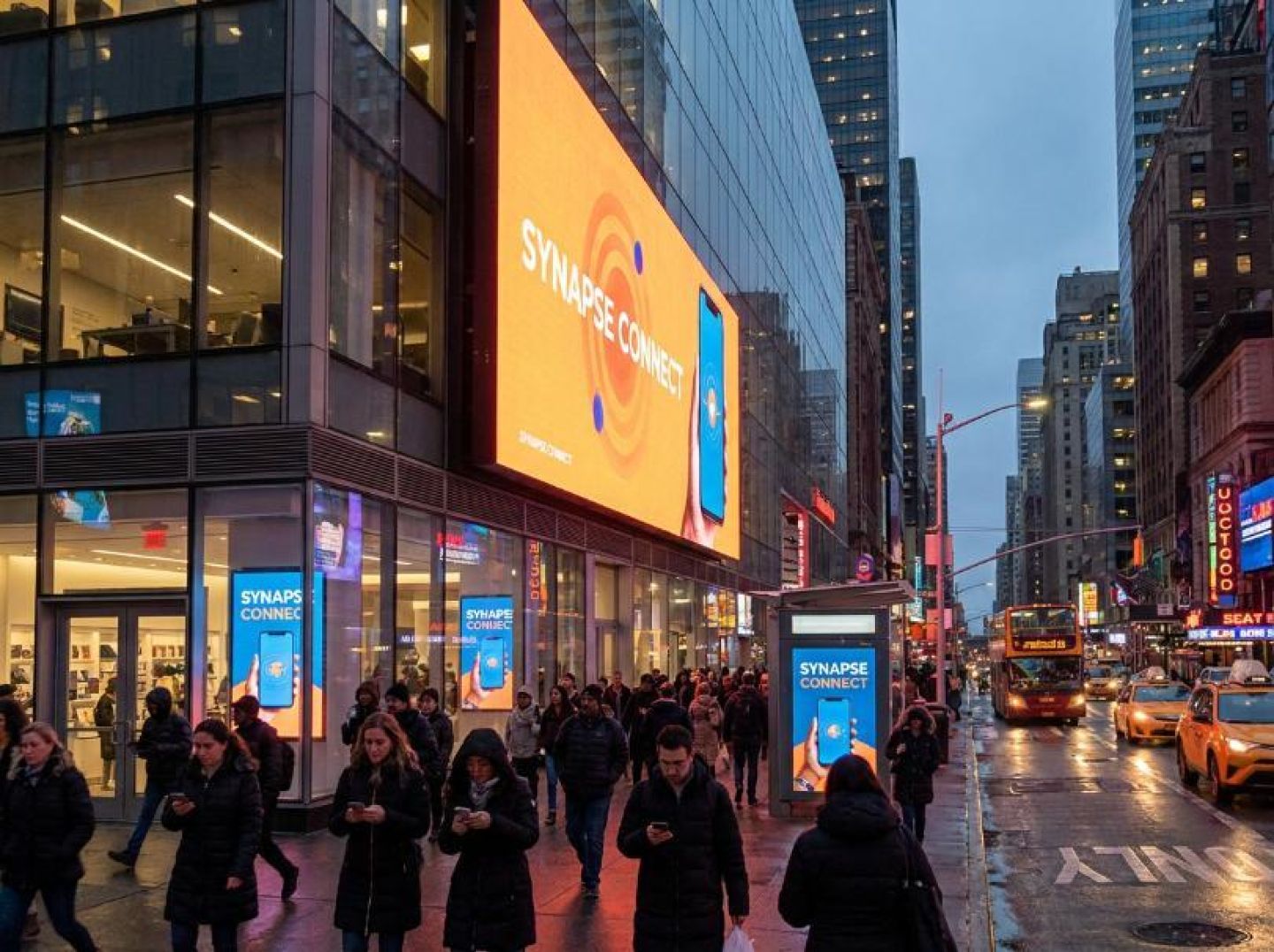
A cross-media attribution study conducted by Kochava examined what happens when consumers encounter OOH advertising and then interact with digital channels. The findings, as AdQuick detailed in their analysis, showed that OOH-to-digital conversion rates climbed six-fold — from 0.24 percent to 1.28 percent — as exposure frequency increased. That's not a marginal improvement. That's the difference between a campaign that barely justifies its spend and one that looks like a breakout success in your attribution dashboard. The mechanism is straightforward: OOH plants the seed of awareness and familiarity in the real world, and digital channels harvest it. A person who has already seen a brand on a transit shelter or a highway digital board is dramatically more likely to click a paid search ad, engage with a social post, or convert on a retargeting impression.
The behavioral data supports this at scale. Eighty percent of consumers report being likely to take action after seeing a creative, visually engaging OOH ad — and nearly half of those consumers specifically search for the advertiser online. Almost a quarter go on to make a purchase. These aren't hypothetical intent signals. They're measured downstream behaviors from people who encountered a brand in physical space and then carried that awareness into their digital lives.
Now connect this to the hiring signal from Section 2. If OOH companies are staffing up aggressively in specific markets — adding sales teams, operations staff, installation crews, programmatic specialists — that's a leading indicator that OOH saturation in those geographies is about to increase. More inventory is coming online. More campaigns are being sold. More consumers in those areas will be exposed to out-of-home creative at higher frequencies. Which means the halo effect is about to intensify in precisely those locations.
For digital advertisers, this creates an asymmetric opportunity. If you're running paid search, social, or display campaigns in a market where OOH investment is surging, you are likely to see lower cost-per-acquisition and higher conversion rates — because OOH is doing the expensive, upstream awareness work that your last-click attribution model will never credit. You're benefiting from a rising tide of brand priming that someone else paid for. Your campaigns didn't get smarter. The audience got warmer.
The irony, as OOH Today has observed, is that after twenty years of asking how OOH can become more like digital, the digital crowd is quietly discovering what out-of-home knew all along — that consumers still live in the real world, and reality-based exposure creates a foundation that purely digital strategies cannot replicate on their own.
Smart digital advertisers should stop treating OOH hiring surges as irrelevant noise from a different industry. Instead, they should treat the OOH hiring map as a free cheat sheet — a geographic guide to markets where their digital campaigns are about to overperform, and where they should be aggressively increasing spend before competitors figure out the same thing. The brands that are already there when the halo effect peaks will capture disproportionate value. The ones who show up late will wonder why their CPAs suddenly climbed when the window closed.
Something fascinating is happening on job boards that most digital advertisers are completely overlooking. Retailers are posting roles that didn't exist two years ago — titles like "in-store media network manager," "place-based programmatic strategist," and "retail media partnerships lead" — and OOH companies are responding with mirror-image listings seeking people who understand shopper data, loyalty programs, and point-of-purchase environments. This isn't just a labor market quirk. It's a convergence signal, and it's broadcasting exactly where the next wave of premium ad inventory will emerge.
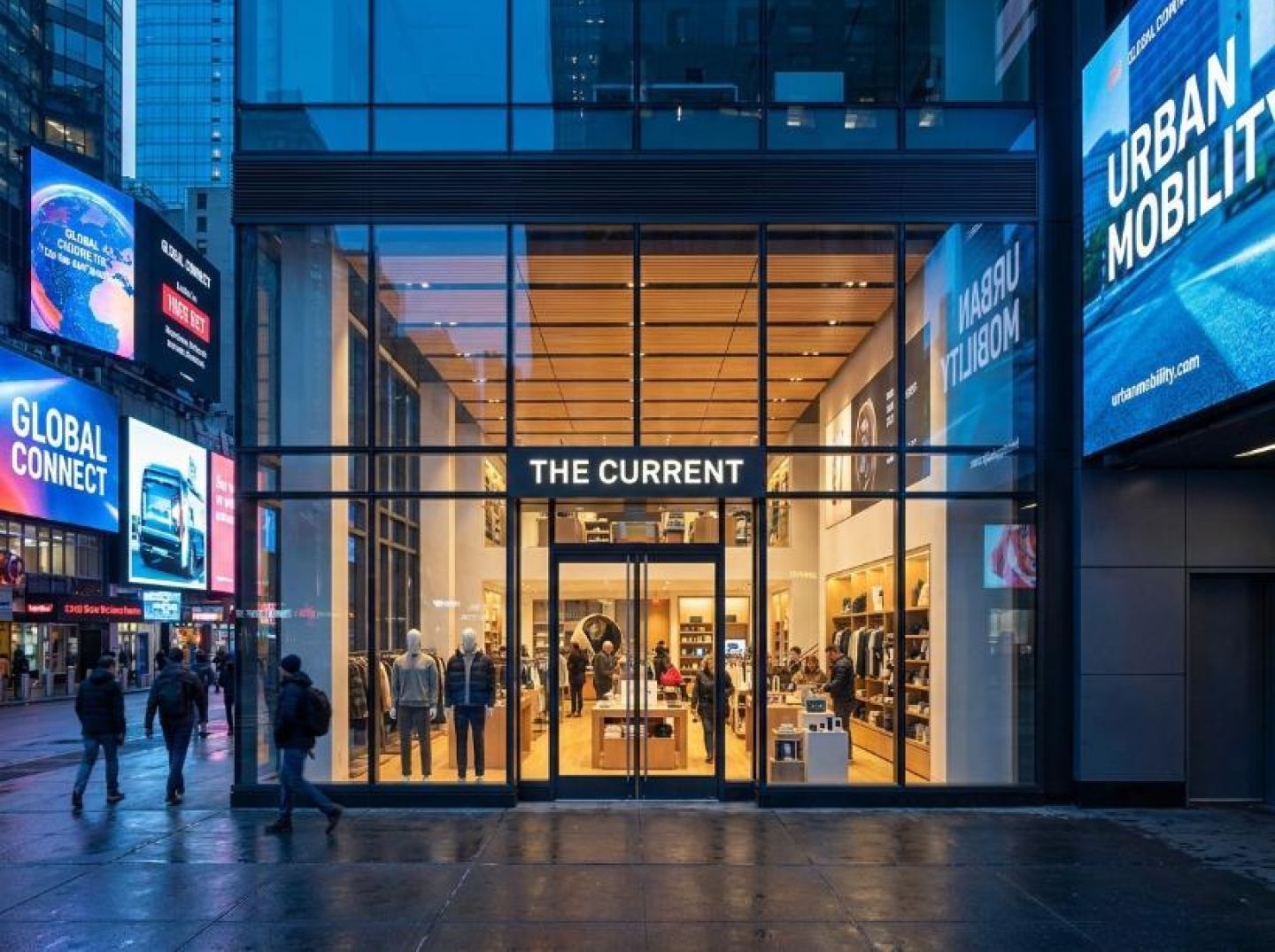
The logic is straightforward once you see it. As OOH Today explored in its analysis of Walmart's evolution, when you combine loyalty data, mobile technology, digital screens, and physical locations, the line between retail media and OOH begins to blur — "the aisles become avenues," the checkout lane becomes Main Street, and the end cap becomes premium inventory. The store itself becomes a media property. That transformation doesn't happen without people, and the people these companies are hiring reveal exactly which physical environments are being monetized as advertising channels.
Think about what this means for a digital advertiser running campaigns across Meta, Google, and programmatic display. When a major grocery chain posts a job for someone to build out its in-store digital screen network, it's essentially publishing demand data. It's telling you that CPG brands are willing to pay for proximity to purchase, that the retailer's first-party shopper data is valuable enough to underwrite an entire media division, and that specific product categories — the ones the retailer highlights in the job description — are attracting disproportionate ad spend. That's intelligence you can act on immediately, even if you never buy a single in-store placement.
The arbitrage opportunity here is enormous, and it's time-sensitive. Right now, many of these retail media networks are still being built. Their programmatic pipes aren't fully connected. Their measurement standards are inconsistent. But the trajectory is unmistakable — ninety-eight percent of marketers now view OOH as a core or supporting component of their connected commerce strategies, and eighty-six percent plan to increase investment over the next two years. That money is flowing toward the exact intersection where physical retail environments function as media channels.
Digital advertisers who monitor these convergence hires gain two distinct advantages. First, they can identify emerging place-based media networks before those networks achieve scale, locking in lower CPMs and preferred placements during the land-grab phase. Second — and this is the insight most people miss — they can reverse-engineer which product categories, store formats, and geographic markets are attracting the most physical-world ad spend, then mirror that targeting intelligence in their digital campaigns. If a home improvement retailer is aggressively hiring to build out an in-store media network focused on kitchen and bath departments, that's a signal about where demand is concentrating. A smart digital advertiser adjusts their search, social, and display campaigns accordingly.
The deeper truth, as OOH Today noted, is that OOH was never really about billboards — it was always about connecting brands with consumers in physical space. By that definition, a digital screen inside a grocery store shares more DNA with a highway billboard than it does with a banner ad. The companies hiring at this convergence point understand that. Digital advertisers who ignore these signals are ceding ground to competitors who will read the job boards, follow the talent, and show up at the intersection of retail media and OOH before it gets priced like the premium channel it's becoming.
Most digital advertisers already have a competitive intelligence stack — Anstrex for monitoring ad creatives, SEMrush or Ahrefs for keyword shifts, maybe even SimilarWeb for traffic patterns. What almost none of them have is a hiring signal layer, and that's a blind spot you can fix in an afternoon. Here's the playbook.
Step 1: Define Your Watch List
You want three tiers of companies. The first tier is the major OOH operators — Lamar Advertising, Clear Channel Outdoor, and Outfront Media — because their hiring patterns reveal where physical ad inventory is expanding and going digital. The second tier is the programmatic OOH platforms. AdQuick, which has positioned itself as a universal adapter transforming OOH advertising through AI-powered optimization and DSP capabilities, is a must-watch, along with Vistar Media and Place Exchange. When these platforms hire, it signals that buy-side demand is accelerating. The third tier — and the one most people miss — is retailers building in-store media networks. As OOH Today observed, a digital screen inside a grocery store shares more DNA with out-of-home than many people care to admit. Track Walmart Connect, Kroger Precision Marketing, Target's Roundel, and Amazon's physical store division.
Step 2: Set Up Automated Job Board Alerts
On LinkedIn, create saved searches filtered by each company on your watch list. On Indeed and Glassdoor, set email alerts. The keywords that matter most: "programmatic," "DOOH," "data science," "measurement," "retail media," "attribution," and "audience insights." Also add geographic filters for specific metro areas — Dallas, Chicago, Los Angeles, Atlanta, New York — because clustering in a particular city tells you where new inventory or campaign demand is being concentrated.
Step 3: Build a Simple Tracking Spreadsheet
You don't need fancy software. A shared Google Sheet with columns for date posted, company, role title, keywords in the description, and location will do. Update it weekly. Within 60 days, patterns will emerge — a sudden cluster of "programmatic sales" roles in the Southeast, a burst of "data science" hires at a retail media network, a platform adding measurement engineers ahead of what's likely a product launch.
Step 4: Cross-Reference With Your Digital Geo-Targeting
This is where it becomes actionable inside Anstrex. When you spot a hiring cluster in a specific city — say, Clear Channel posting three programmatic roles in Phoenix while Kroger simultaneously hires a retail media manager for its Arizona stores — open Anstrex and pull competitive creatives running in that DMA. Look for brands that are already layering digital on top of OOH in that market. Those brands are your leading indicators; the verticals they represent are likely to see rising CPMs and increased competition in that geography within two to three quarters.
Step 5: Watch for Measurement Hiring as a Category Signal
When companies start hiring for measurement and attribution roles, it means they're preparing to prove ROI at scale — and that accelerates budget reallocation. As one industry analysis from OOH Today noted, the gap between what OOH can now deliver and how its performance is understood has become a strategic constraint on growth. A wave of measurement hires signals that constraint is about to break — and when it does, expect budget to shift fast.
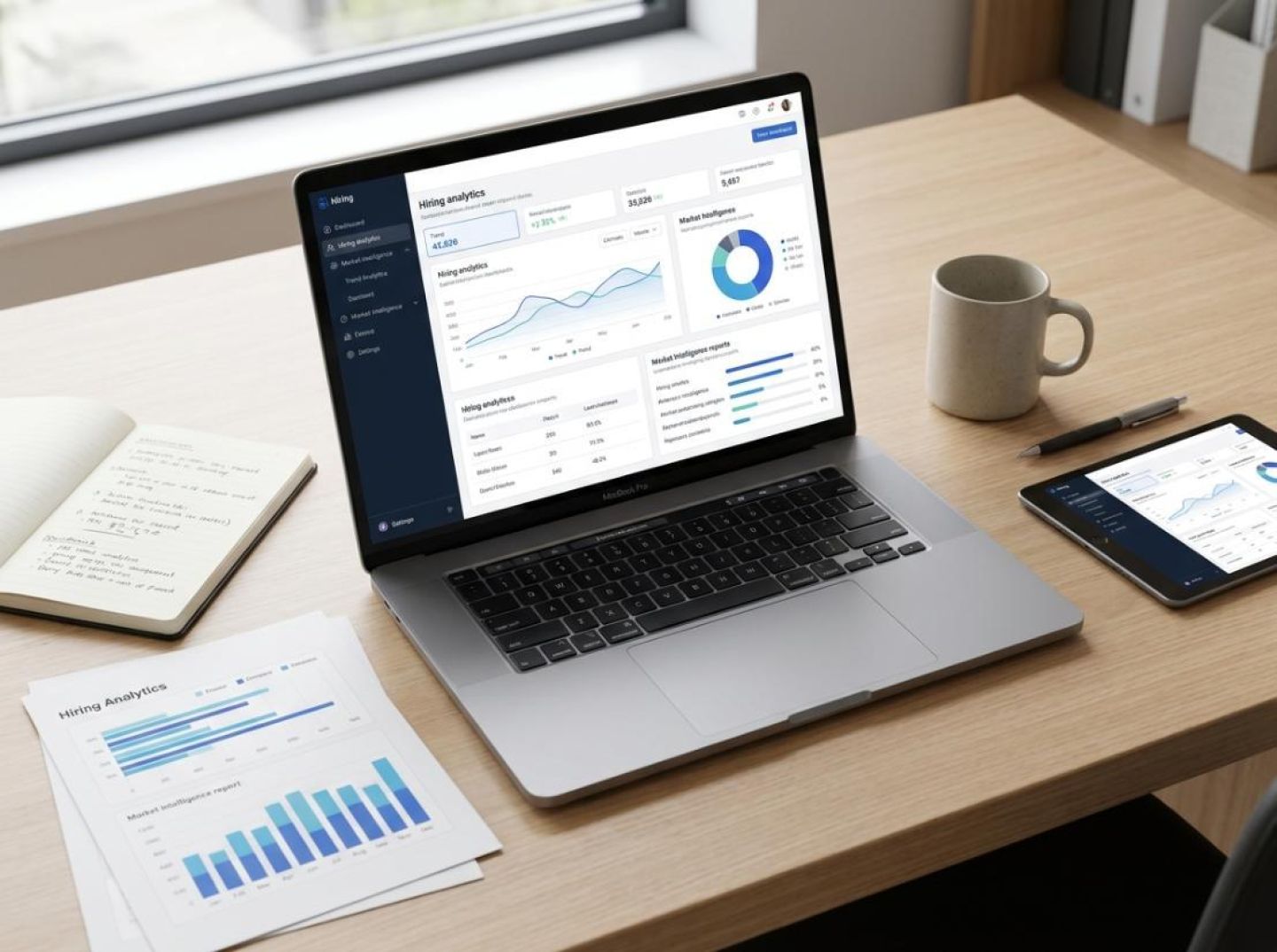
Treat this dashboard as a leading indicator layer that sits alongside your Anstrex creative monitoring, not a replacement for it. Hiring data tells you where the market is heading in six months; ad intelligence tells you what competitors are doing right now. Together, they give you something rare in digital advertising: foresight.
Receive top converting landing pages in your inbox every week from us.
Featured
Testing only inside Google Ads and TikTok can hide platform bias, attribution problems, and misleading performance signals. This guide shows how to combine spy-tool intelligence with controlled experiments across Google, TikTok, Native, Push, and Pops to identify which creative and funnel patterns actually drive incremental results.
Priya Kapoor
7 minSep 18, 2026
Editor’s Pick
Generic AI output is becoming easier to recognize and harder to differentiate in performance marketing. This guide shows how to turn competitor spy data into structured AI inputs, build expert-backed creative workflows, and generate original ads that use market intelligence without copying competitors.
Marcus Chen
7 minSep 18, 2026
Must Read
AI-powered ad platforms can optimize campaigns efficiently while quietly steering budgets toward narrow, platform-defined outcomes. Learn how to use Anstrex as an outside-in audit layer to uncover machine bias, compare real market behavior, and build AI media plans with stronger guardrails, audit loops, and human overrides.
Liam O’Connor
7 minSep 16, 2026