7 minAugust 4, 2025

Our spy tools monitor millions of push notification ads from over 90+ countries and thousands of publishers.
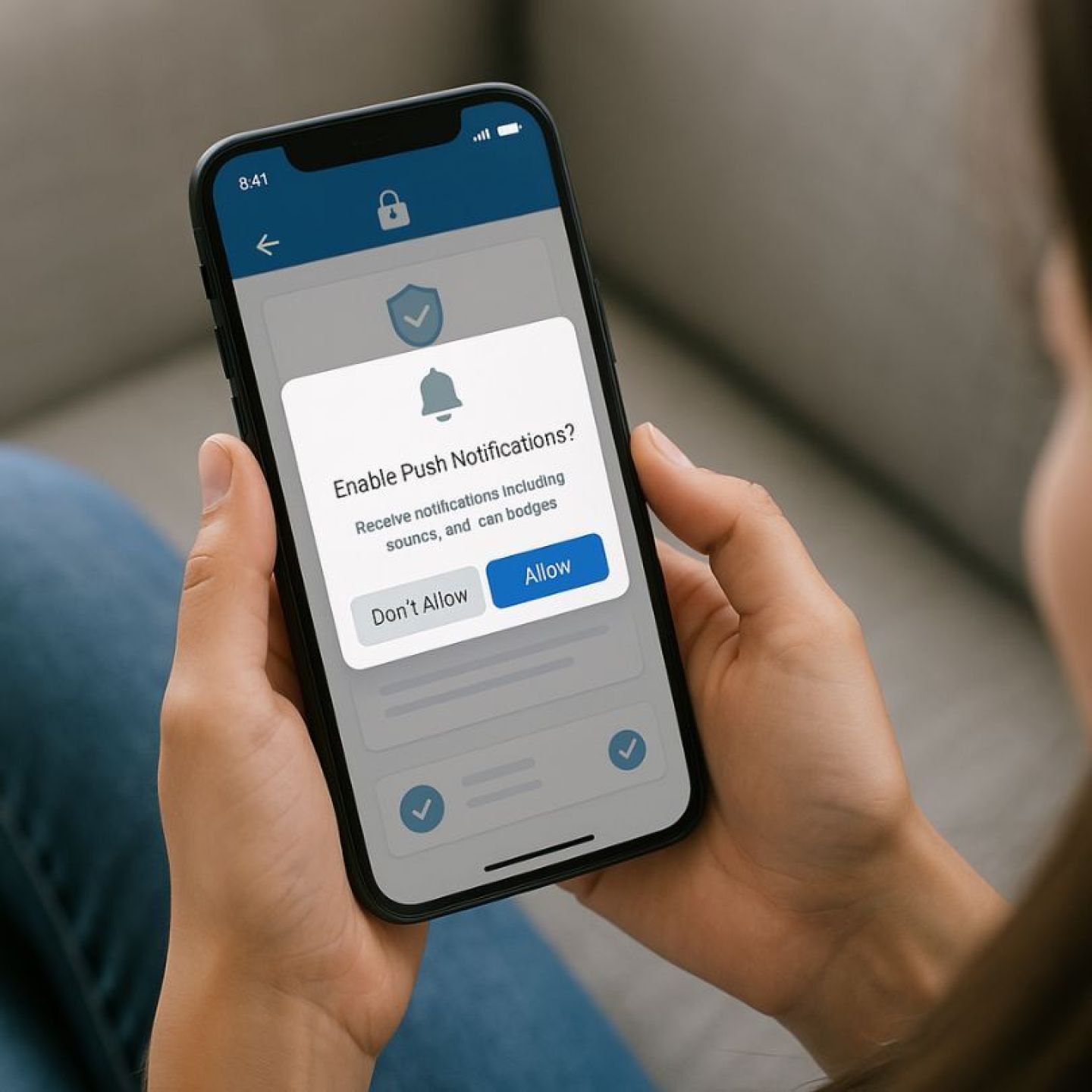
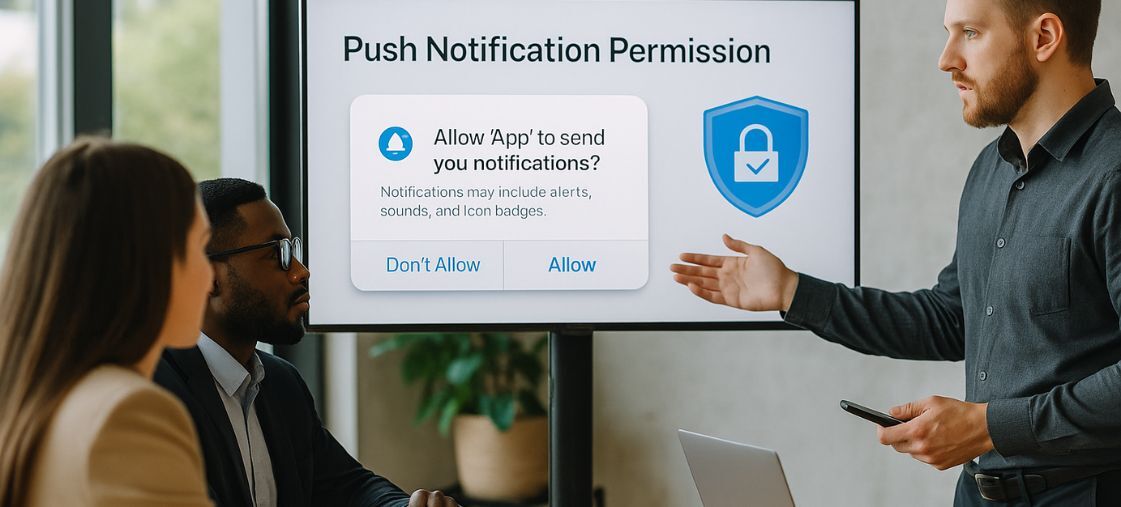
Get StartedIn 2025, push notification consent is at the intersection of user engagement and privacy in the world of mobile apps. These instant alerts have changed the way apps interact with users, providing them with immediate updates, tailored offers, and important information directly on their devices.
However, convincing users to agree to receive push notifications has become more and more challenging. Nowadays, users are bombarded with numerous notification requests every day, which can lead to decision fatigue and increased concerns about privacy. This poses a major problem for app developers and marketers: how can you obtain push notification consent while still respecting user preferences?
This detailed guide addresses the main aspects of push notification consent:
Additionally, Anstrex offers valuable insights on how to excel in push notification advertising by discovering profitable push ads. You'll find practical solutions to increase consent rates while preserving user trust - a crucial balance in today's privacy-aware digital world.
Let's delve into how we can transform your approach to push notifications into a powerful tool for engaging users that they genuinely appreciate.
Furthermore, it's important to recognize that the e-commerce landscape is also undergoing rapid changes. For example, platforms such as TikTok are revolutionizing online shopping with their shoppable video feature. This trend is significantly reshaping the e-commerce industry.
Securing push notification consent presents significant hurdles in today's privacy-conscious digital landscape. Let's dive into the key challenges that impact user acceptance rates:
These challenges directly impact opt-in rates across industries. Gaming apps face a 37% rejection rate, while utility apps experience 45% immediate dismissals. Understanding these barriers helps develop effective strategies for increasing consent rates while maintaining user trust.
The world of push notifications shows clear differences between Android and iOS platforms. In 2025, Android consistently has higher opt-in rates, averaging 81.5%, while iOS lags behind with 43.9%.
The behavior of users on each platform plays a significant role in these differences. Android users are more tolerant of app notifications, with 72% regularly engaging with push alerts. On the other hand, iOS users are more selective, with only 38% actively engaging with notifications.
The design elements specific to each platform also influence these engagement patterns:
These unique characteristics of each platform create different environments for push notification strategies, requiring tailored approaches for Android and iOS operating systems.
Successful push notification opt-in strategies require a delicate balance between user engagement and respect for privacy preferences. Here's how you can optimize your push notification consent rates:
Push notification opt-in rates improve significantly when you combine these strategies with user behavior analysis. Apps implementing these optimization techniques see up to 40% higher consent rates compared to those using standard permission requests.
The gaming industry faces a significant challenge with a 63.5% opt-in rate for notifications, directly impacting revenue streams and player engagement. Game developers struggle to deliver critical updates, special events, and time-sensitive promotions to their player base. Implementing push notification opt-in best practices could help improve these rates and subsequently enhance communication with players.
Key Impact Areas:
Successful gaming companies implement personalized notification systems based on:
eCommerce platforms leverage diverse notification types to maintain customer engagement:
Transaction-Based Notifications: Order confirmations, shipping updates, delivery status changes, payment confirmations
Revenue-Driving Notifications: Abandoned cart reminders, price drop alerts, back-in-stock updates, flash sale announcements
Best Practices for eCommerce Push Notifications:
Personalization Elements: Customer name usage, product recommendations, browse history integration, wishlist item updates
Push notification implementation requires robust technical infrastructure and careful consideration of user privacy. Here's a detailed look at the leading systems:
The technical implementation must prioritize both performance and privacy. Developers should implement proper error handling, maintain secure communication channels, and ensure scalability for growing user bases. These systems offer SDK integration options, making it easier for developers to add push notification capabilities to their applications while maintaining compliance with privacy regulations.
The world of push notifications is constantly evolving, and finding the right balance between engaging users and respecting their privacy is crucial. To succeed in 2025 and beyond, businesses need to focus on:
The future of push notifications lies in smart automation and predictive analytics. Companies that master the balance between personalization and privacy stand to gain significant competitive advantages in user engagement and retention.
"Push notifications are not just about sending messages - they're about creating meaningful connections with users at the right moment."
Ready to enhance your push notification strategy? Start by analyzing your current opt-in rates and implementing these proven techniques. Your users - and your engagement metrics - will thank you.
Stay informed about the latest developments in push notification technology by subscribing to our newsletter.
Receive top converting landing pages in your inbox every week from us.
News
This article explores the largely invisible performance advertising battle that unfolds alongside the FIFA World Cup, where affiliates and media buyers compete through push notifications, pop traffic, and native ads rather than expensive sponsorships and broadcast placements. It explains how major sporting events create predictable traffic surges, cultural micro-moments, and localized audience opportunities that performance marketers can capitalize on with speed and precision. The article also highlights how tools like Anstrex help advertisers track winning push and pop campaigns, identify profitable World Cup angles, and gain a competitive edge during one of the largest advertising events in the world.
Samantha Reed
7 minJun 2, 2026
Trending
This article explores how zero-click search experiences powered by AI Overviews, featured snippets, and answer engines are steadily eroding traditional landing page traffic from organic search. It explains why channels like native advertising and push notifications remain structurally resilient because they generate demand proactively instead of relying on search engines to pass users downstream. The article also highlights how tools like Anstrex help marketers uncover profitable native and push ad angles, identify audience attention patterns, and build traffic acquisition systems independent of increasingly closed AI search ecosystems.
David Kim
7 minMay 28, 2026
Guide
This article explores how AI-generated advertising has shifted the competitive battleground away from simple creative production and toward the quality of the intelligence marketers use to guide AI systems. It explains why advertisers relying solely on automation and mass creative generation are increasingly trapped in cycles of generic messaging, rising acquisition costs, and declining differentiation. The article also highlights how tools like Anstrex help marketers combine AI efficiency with real-world competitive data, uncover profitable campaign structures, and build more strategically differentiated advertising systems.
David Kim
7 minMay 28, 2026