12 minJuly 28, 2026

Our spy tools monitor millions of TikTok ads from over 55+ countries. Biggest TikTok Ad Library in E-commerce and Mobile Apps!
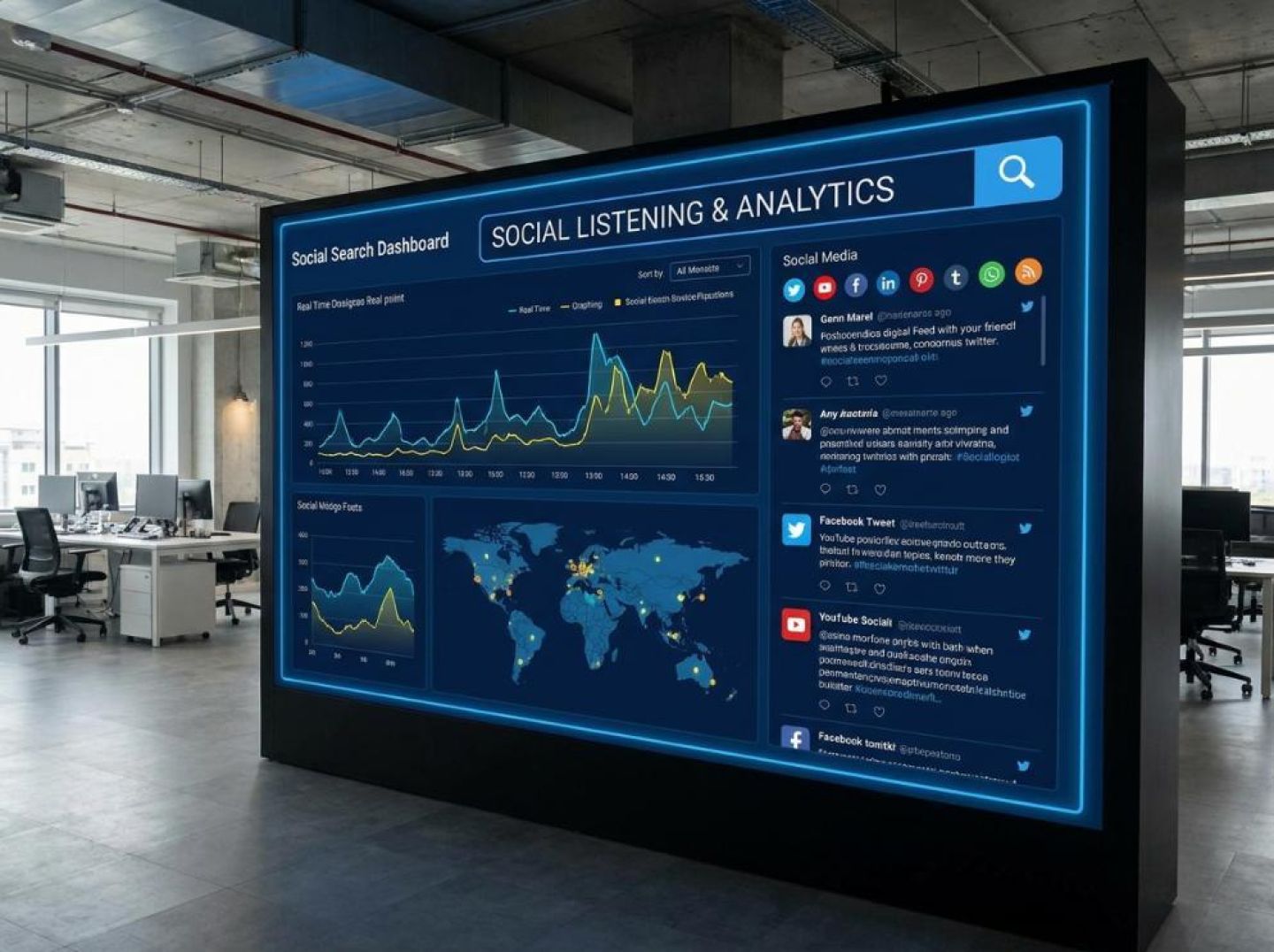
Try It FREEFor years, Google Search Console has been the definitive source of truth for how your website performs in organic search — but it was exactly that: a tool for websites. If your brand's TikTok video went viral and started surfacing in Google Search results, or your Instagram carousel was quietly generating thousands of impressions in Discover, you had absolutely no way to see that data. Platform-native analytics could tell you what happened inside TikTok or Instagram, but the moment that content escaped into Google's ecosystem, it vanished into a measurement black hole. That just changed in a significant way.
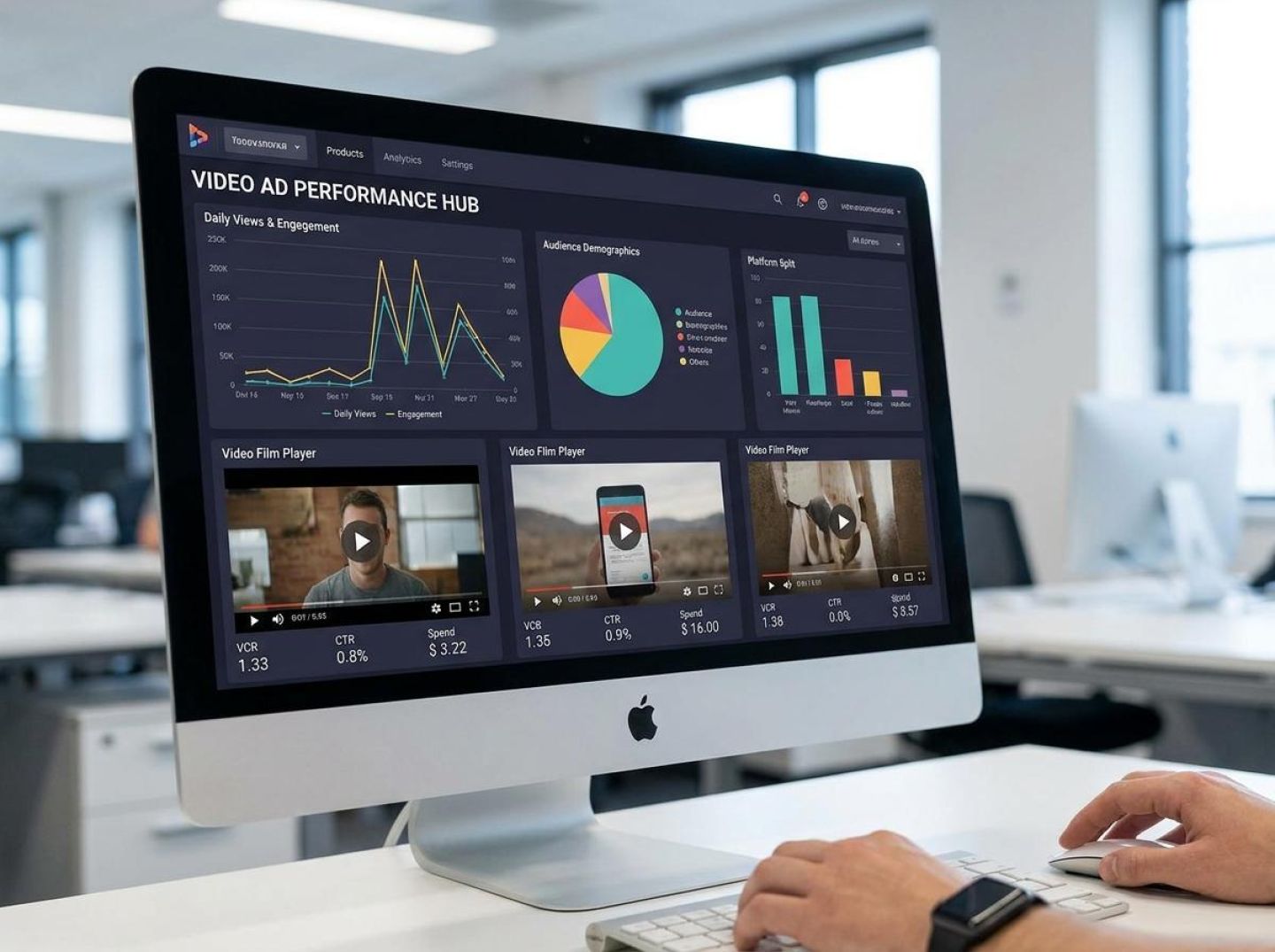
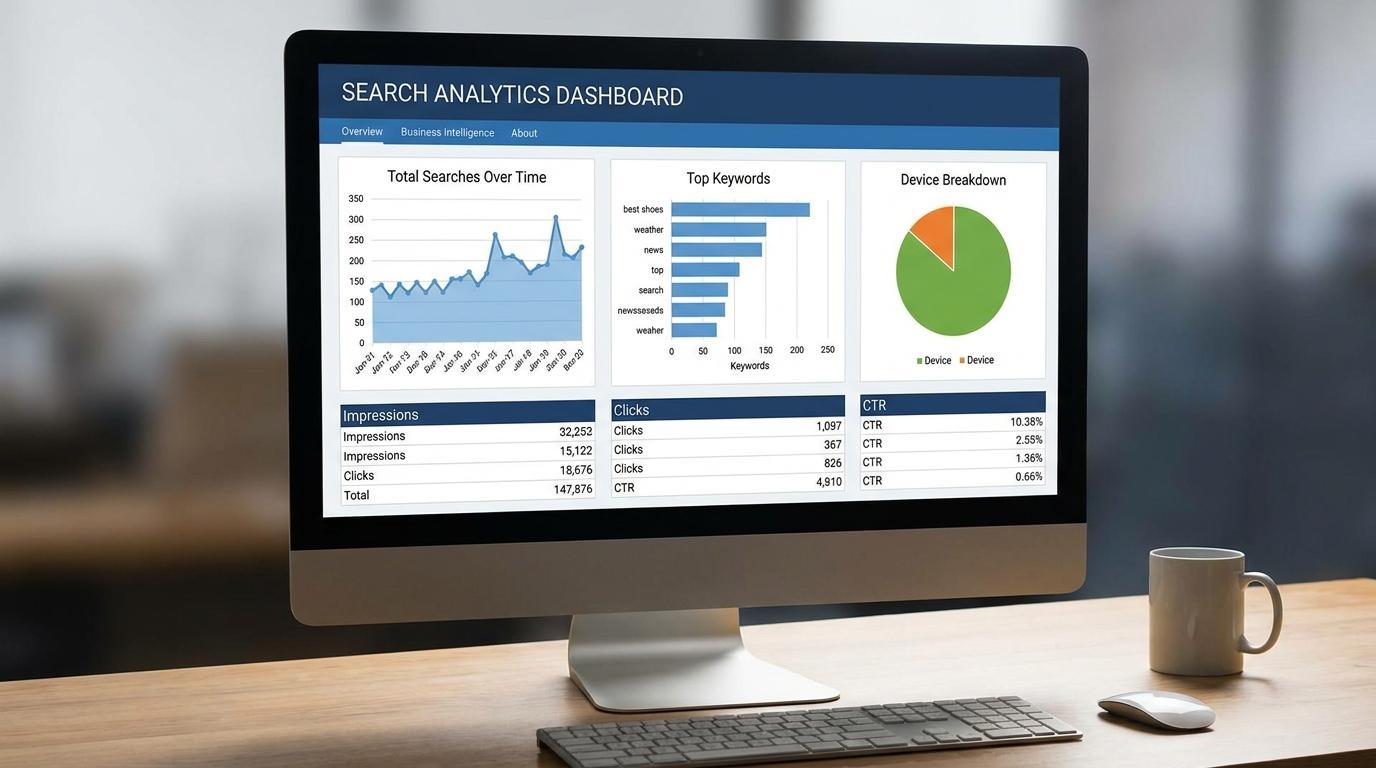
In early July 2026, Google introduced platform properties, a new Search Console property type that lets you connect your Instagram, TikTok, X, and YouTube accounts and see exactly how your social and video content performs in Google Search and Discover. This isn't a watered-down summary dashboard. Each connected account gets a full Performance report showing clicks, impressions, average CTR, and average search position — the same core metrics you'd see for a traditional website property. You can filter by search type, whether Web, Image, Video, or News, and drill down to see which specific posts and queries are driving traffic. You can export the data. As Search Engine Roundtable noted, the ability to verify properties for domain names that technically aren't yours is "pretty interesting" — and that's an understatement.
Beyond the Performance report, each platform property also includes an Insights report that surfaces recent traffic trends, top-performing content, and how users are discovering your account on Google, along with an Achievements section that tracks growth milestones like hitting new click thresholds over rolling 28-day windows. The setup process is straightforward: you select "Add property" in Search Console, choose "Platform property," pick your platform, and authorize the connection. As Search Engine Journal reported, the feature is available even to creators who don't have their own websites, which signals that Google is actively courting a creator audience it has historically ignored in its webmaster tooling.
What makes this genuinely consequential — and not just a nice-to-have reporting upgrade — is that it represents Google explicitly acknowledging something the search industry has debated for years: search discovery is no longer confined to ten blue links pointing at websites. SEO consultant Aleyda Solís captured this shift bluntly in a reaction that drew more than 350 responses, arguing that "your SEO doesn't start and end with Google or your website" and that "search discovery is fragmented."
She's right, and Google just proved it with first-party instrumentation. When Google builds reporting infrastructure around social content performance in its own search results, it's not speculating about a trend — it's codifying one. Your competitors' TikTok videos, Instagram posts, and YouTube Shorts are ranking entities in Google's index, and now there's a measurement framework to prove it.
But here's what most coverage of this announcement has missed: the competitive intelligence implications are enormous. The data Google is surfacing doesn't just tell you how your content performs. It tells you, for the first time, what the underlying search dynamics look like for social and video content in your niche — which queries trigger social results, what CTRs those results command, and where the gaps are. Most brands will use platform properties for vanity metrics. The smart ones will use them as a reconnaissance tool.
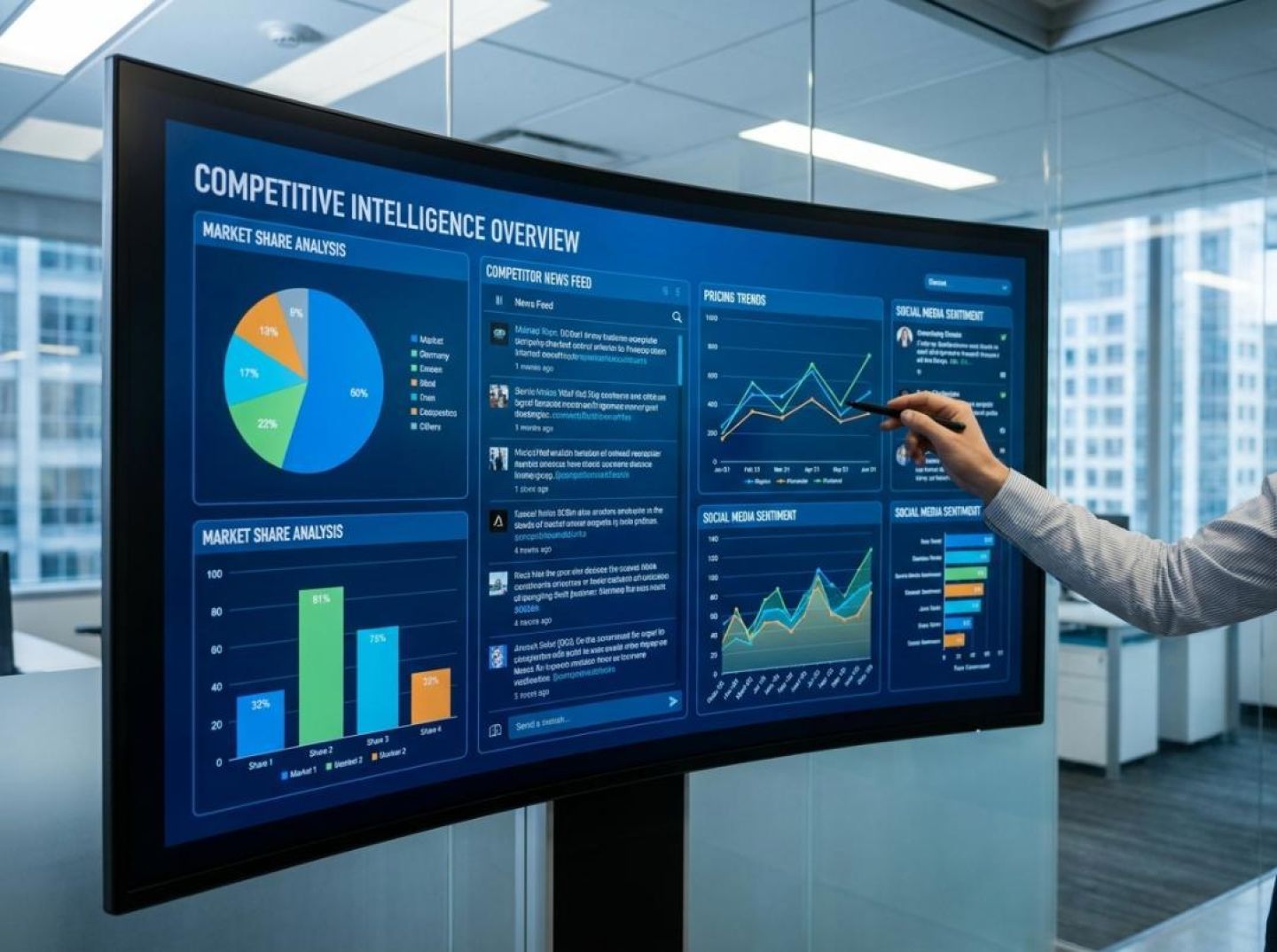
Most of the coverage around Google's new platform properties has centered on a straightforward use case: content creators and brand social teams can now see how their own TikTok videos, YouTube uploads, and Instagram posts perform in Google Search and Discover. That framing is accurate, but it's also dramatically incomplete. The real competitive advantage here isn't in monitoring your own content — it's in what the existence and structure of this data reveals about what your competitors are doing, what's working for them, and where they're gaining organic traction before they scale it with paid spend.
Start with the basics. Once you verify your own platform properties, you gain access to the Performance report, which — as Semrush detailed in its breakdown of the rollout — lets you filter and sort by clicks, impressions, and the specific queries driving traffic to your social and video content. But here's the move most people are missing: the queries surfacing your content are the same SERPs where competitor social content is also appearing. When your TikTok video shows up for a query like "best budget skincare routine" and you notice a competitor's YouTube Short occupying adjacent real estate in the same blended results, you've just identified a content theme and format they're investing in — organically — that Google has deemed relevant enough to rank.
Use the Performance report's filtering capabilities across Web, Image, Video, and News to map which content formats are earning visibility for the queries that matter to your business. If competitor YouTube content is consistently earning impressions for product-comparison queries in your vertical, that tells you something concrete about their content strategy and the messaging angles that are resonating with your shared audience. If their TikTok posts are surfacing in Discover for trending lifestyle topics adjacent to your product category, you're looking at an early signal of creative direction — potentially months before they put paid budget behind those themes.
This is where the reframe matters most for performance advertisers. When you see a competitor's organic social content gaining search traction for queries you're bidding on, you're getting a free preview of the creative concepts and audience hooks that are already proven to generate interest. That's intelligence you can feed directly into your own ad creative testing, keyword strategy, and content planning. You're not reverse-engineering their paid campaigns — you're seeing the organic precursors that often inform them.
Aleyda Solís captured part of this shift when she argued, in a post highlighted by Search Engine Journal, that "SEO doesn't start and end with Google or your website" and that "search discovery is fragmented." She's right, but the implication extends beyond SEO practitioners optimizing their own presence. If search discovery is fragmented, then competitive analysis must be too. The brands that treat platform properties solely as a self-reporting dashboard are leaving the most valuable intelligence on the table: the ability to observe which queries pull competitor social content into Google's surfaces, which formats Google is choosing to rank, and which messaging themes are earning real engagement across blended SERPs.
The practical step is immediate. Verify your accounts now so data begins collecting — Google won't backfill it. Then stop looking only at your own performance. Cross-reference the queries where your social content earns impressions against the SERPs themselves. Note every competitor TikTok, YouTube, or Instagram result appearing alongside yours. Log the formats, the topics, the angles. Over weeks, patterns will emerge — and those patterns are a competitive roadmap that no third-party tool can replicate with the same fidelity, because this data comes directly from Google's own index.
The intelligence you can extract from Search Console's platform properties is genuinely valuable — but it has a hard ceiling. You can see which competitor themes and video formats are earning organic traction in Google Search and Discover, and you can infer creative direction from the queries driving impressions. What you cannot see is whether those same competitors are spending money to amplify the exact same content on TikTok, YouTube, or other short-form video platforms. That blind spot matters, because the difference between a competitor casually posting content and a competitor backing it with paid spend is the difference between a passing experiment and a high-conviction strategic bet.
Google's own competitive tools don't solve this problem. As the Semrush Blog explains, the Auction Insights report only surfaces data for keywords you're already bidding on, and the Ads Transparency Center — while useful for seeing what creative a competitor runs across Google's network — doesn't provide data on keywords, bids, or performance, and is entirely blind to paid activity happening on TikTok or other non-Google video platforms. You can use the Transparency Center to see a competitor's YouTube ads and display creative, but the moment they shift budget to TikTok's in-feed ads or Spark Ads, Google's tools go dark. Given that TikTok's global ad revenue is growing at 43 percent year over year and the platform's algorithm rewards creative quality over account size, the likelihood that your competitors are investing heavily there — and that you're missing it entirely — is high.
This is where a dedicated video ad spy tool like Anstrex Instream becomes essential for closing the loop. The methodology is straightforward: you start with the organic signals from Search Console's platform properties and your own SERP observations. Identify which competitor TikTok videos or YouTube Shorts are appearing in search results, note the brands involved, and catalog the creative themes — specific hooks, product angles, visual styles, and messaging patterns that are earning organic pull. Then you take those brands and themes into Anstrex Instream and cross-reference them against the platform's database of paid video ads.
Anstrex Instream lets you filter by advertiser name, platform, geography, and creative format, which means you can quickly determine whether a competitor whose TikTok content is ranking organically in Google is also running paid campaigns on the same platform with the same creative — or variations of it. You can see the landing pages those ads drive to, the call-to-action structures being used, and in many cases the duration and scale of the campaign. This is the triangulation that transforms Search Console data from interesting into actionable.
When you find the same creative theme showing up in both places — earning organic search visibility in Google and simultaneously being pushed with paid dollars on TikTok — you've identified something more important than a single ad or a single ranking. You've found a competitor's validated content thesis. They've tested it, it's working organically, and they're confident enough to spend money amplifying it. That overlap is the strongest signal you can get about what messaging, product positioning, and creative formats are performing in your market right now.
The strategic advantage of this approach is that very few competitors are connecting these dots themselves. Most brands treat their Search Console data, their TikTok analytics, and their competitive ad research as separate workflows managed by separate teams. By deliberately building a process that starts with organic search signals and ends with paid ad intelligence — spanning Google's ecosystem and the short-form video platforms where ad costs and formats operate on entirely different models — you develop a composite view of competitor strategy that no single tool can provide on its own.
Most competitor analysis frameworks hand you a list of tools and wish you luck. This one gives you a five-step workflow that treats organic visibility data and paid ad intelligence as twin inputs into a single decision matrix — because neither signal alone tells the full story.
Step 1: Set up your own platform properties and map the competitive landscape. Start by connecting your brand's Instagram, TikTok, X, and YouTube accounts as platform properties in Search Console. As Search Engine Journal reported, the setup process is straightforward — open Search Console, navigate to the verification page, select "Add property," choose the platform, and authorize the connection. Once verified, you'll see Performance, Insights, and Achievements reports tailored to your social and video content. But the real value comes next: start noting which competitor video content appears alongside yours in Search and Discover results for the same queries. These co-occurrences are your first map of who's competing for the same thematic territory.
Step 2: Export Performance report data and identify high-value competitor-adjacent queries. The Performance report lets you filter, sort, and export data to see which specific posts and queries drive the most impressions and clicks. Export everything. Then isolate the queries where your content earns impressions but competitor video content is also ranking — especially queries with high impression volume but low click-through rates for your properties. These are the battleground queries where a competitor's creative is siphoning attention.
Step 3: Search those competitor brands in Anstrex Instream. Take the competitor names and thematic clusters you identified in Step 2 and run them through Anstrex Instream. You're looking for active paid TikTok and YouTube ad creatives — the exact videos those competitors are spending money to amplify. Document the creative angles, hooks, calls to action, and landing pages. This is where you shift from inference to evidence.
Step 4: Map organic-traction themes against paid-amplified themes to find convergence zones. Create a simple matrix. On one axis, list the themes earning organic traction in Google Search and Discover (from your GSC export). On the other, list the themes receiving paid amplification (from Anstrex). Where a competitor is both earning organic visibility and actively running paid campaigns on the same theme, you've found a convergence zone — the strongest possible indicator that they're doubling down with conviction and budget. These are not experiments. These are strategic bets, and you should treat them accordingly, either by competing directly with superior creative or by deliberately flanking into adjacent territory they've left undefended.
Step 5: Exploit the divergences. The most actionable intelligence often lives in the mismatches. If a competitor's content is earning significant organic traction in Search but you find no corresponding paid creative in Anstrex, you're likely looking at an early-stage test — content that's performing well enough to surface organically but hasn't yet received budget allocation. This is your window to preempt: build paid campaigns around that same theme before they scale. Conversely, if a competitor is spending heavily on paid amplification for a theme that generates zero organic signal, you're probably seeing a fatigued or underperforming campaign. Given that strong creative on platforms like TikTok can reach audiences far beyond an existing follower base purely on content quality, the absence of organic traction despite paid spend is a meaningful negative signal. Counter-program against these themes with content designed to earn the organic engagement their paid spend couldn't buy.
The entire framework is repeatable on a weekly or biweekly cadence. The competitive landscape shifts fast — but now, for the first time, you have a systematic way to watch it move.
Google gives you puzzle pieces but deliberately withholds the box lid. If you've ever tried to reverse-engineer a competitor's full advertising strategy using only what Google provides natively, you've felt the frustration: every tool answers one question while raising three more. Understanding exactly where those blind spots fall — and why the cross-platform intelligence layer described in earlier sections fills them — is the difference between reactive guesswork and genuine competitive advantage.
Start with Auction Insights, the tool most advertisers reach for first. As Semrush explains in its competitor analysis guide, the Auction Insights report shows how your ads perform relative to other advertisers in the same auctions, surfacing metrics like impression share, overlap rate, and top-of-page rate. That sounds useful until you realize the structural constraint: you only see data for keywords you're already bidding on, and only if your impression share clears a ten-percent threshold. In other words, the tool tells you who is competing with you in territory you've already staked out. It says nothing about the keywords your competitors are targeting that you haven't thought to bid on, and it reveals absolutely nothing about the creative messaging, offers, or angles those competitors are using to win clicks.
The Google Ads Transparency Center fills a sliver of that creative gap, but only a sliver. You can search for any advertiser's domain and see the ads they've run across Google's network — search, display, YouTube, and more. Yet as the same Semrush walkthrough notes, the Transparency Center doesn't provide data on keywords, bids, or performance. You see what a competitor said but have no idea which audiences saw it, what it cost, or whether it worked. Performance Max campaigns compound the problem further because they're keywordless by design; there are no specific search terms triggering a competitor's PMax ad, making traditional keyword-based reverse engineering useless.
Now layer in the cross-platform dimension. A competitor running TikTok ads that drive engagement rates reportedly eight times higher than Instagram is building creative assets and validating messaging hooks far outside Google's line of sight. None of Google's native tools capture that a rival tested three different hook styles on TikTok, identified the one that earned the highest completion rate, and then ported that winning angle into YouTube pre-roll and eventually into Search ad copy. That organic-to-paid pipeline — where social content performs, gets amplified with paid spend, and then migrates to Google surfaces — is invisible if you're only looking at Auction Insights and the Transparency Center.
This is exactly the gap that combining platform properties data in Search Console with a tool like Anstrex Instream was designed to close. Platform properties, as Semrush reported when the feature launched, let you see how social and video content performs within Google Search and Discover — but only for your own verified accounts. You still can't see competitor performance there. Anstrex Instream picks up the other half by exposing the actual in-stream video creatives competitors are running across ad networks, giving you visibility into the messaging, formats, and calls to action that Google's Transparency Center strips of context.
Together, these tools let you reconstruct the full journey: what creative a competitor tested on TikTok, which themes earned enough organic traction to surface in Google Search, and how those themes were translated into paid video and search campaigns. No single Google tool offers that longitudinal view. Google designed its competitive features to keep you informed enough to keep bidding, not informed enough to outmaneuver. Recognizing that distinction — and building your intelligence stack to compensate — is what turns a data gap into a strategic edge.
Receive top converting landing pages in your inbox every week from us.
Must Read
Learn how to build a responsible competitive ad intelligence workflow for an advertising landscape increasingly shaped by AI-generated creatives, disclosure labels, and digital watermarks. Discover how to analyze competitors’ AI usage, identify creative patterns, and develop ethical guardrails that support transparent, compliant, and differentiated campaigns.
Dan Smith
7 minOct 23, 2026
Most Read
Discover how performance marketers can build cross-channel verification journeys that turn skeptical prospects into confident buyers across TikTok, native, push, and pop advertising. Learn how to coordinate creative messaging, reinforce trust at every touchpoint, and measure the hidden influence of fragmented customer journeys using competitive ad intelligence.
Elena Morales
7 minOct 20, 2026
Recently Updated
Discover how creepy out-of-home advertising, TikTok micro-stories, and AI-powered creative tools can turn isolated ads into high-performing serialized campaigns. Learn how to map competitor ad sequences with Anstrex, build story-driven funnels, measure performance across multiple touchpoints, and optimize creative for stronger conversions and ROI.
Samantha Reed
7 minOct 18, 2026