10 миниюня 30, 2026

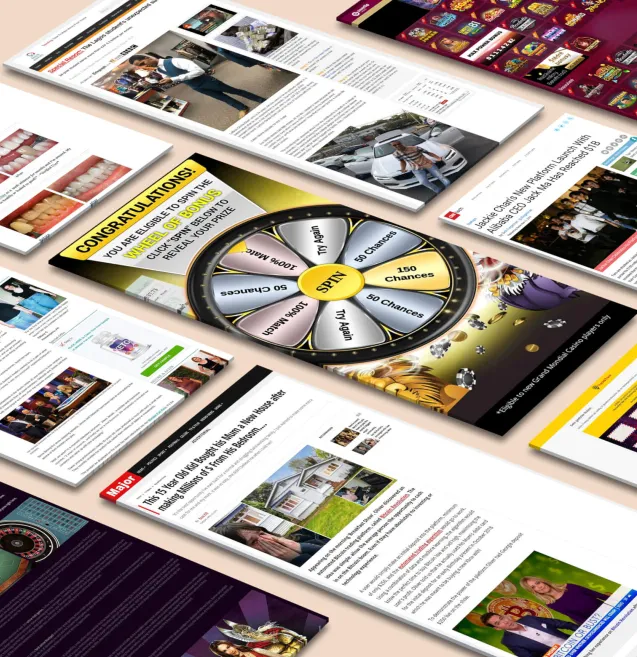
Наши инструменты отслеживают миллионы рекламных кампаний в форматах native, push, pop и TikTok.
НачатьОтдадим должное индустрии удержания: советы на сегодняшний день действительно хороши. Когда Digital Marketer обратился к своим ведущим тренерам с вопросом, как повысить лояльность клиентов на фоне усиливающейся конкуренции, ответы оказались четкими и конкретными — автоматически регистрируйте клиентов в программах лояльности вместо того, чтобы делать это по желанию, используйте ИИ для персонализации каждого взаимодействия, исходя из этапа пути клиента, обеспечивайте особое обслуживание VIP-клиентов, предоставляя привилегии, выгодные обеим сторонам, и публично исправляйте свои ошибки. Это не пустые слова. Такие рекомендации отражают сложившийся подход, ориентированный в первую очередь на опыт взаимодействия, чтобы удерживать клиентов как можно ближе.
Этот свод рекомендаций распространяется далеко за пределы маркетинговых лидеров мнений. Целые отрасли создают с нуля инфраструктуру удержания клиентов. Как отмечается в руководстве Stream Companies по удержанию клиентов на 2026 год, бизнес, который продолжает привлекать клиентов, одновременно теряя существующих, «имеет вращающуюся дверь, выдающую себя за стратегию роста». Их решение — программы лояльности, генерирующие поведенческие данные, активная коммуникация, синхронизированная с этапами жизненного цикла владения продуктом, и команды, обученные передавать ценность на каждом взаимодействии, — отражает зрелое понимание того, что удержание клиентов является измеримой бизнес-стратегией, а не просто инициативой для поднятия настроения.
И все же налицо огромная слепая зона, скрытая на виду.
Каждая из этих стратегий работает внутри вашей собственной экосистемы. Программы лояльности сообщают вам, что покупают клиенты, как часто они посещают и какие услуги используют. Персонализированные серии электронных писем отслеживают открытия, клики и конверсии внутри вашей воронки. Картирование пути с использованием ИИ оптимизирует точки взаимодействия, которые вы контролируете. Все эти данные, несмотря на свою насыщенность, отвечают только на один вопрос: что делают мои клиенты со мной?
Они абсолютно ничего не говорят о том, что ваши клиенты видят от всех остальных.
Представьте это как ситуацию с запертой комнатой. Вы укрепляете дом — усиливаете стены, устанавливаете новые замки, монтируете камеры у каждой двери, — в то время как окно на втором этаже широко открыто. Угроза, от которой вы пытаетесь защититься, — это не просто плохое приветственное письмо или забытое напоминание об услуге. Это ваш конкурент, который прямо сейчас показывает таргетированную рекламу вашим самым ценным клиентам, предлагая им акции, направленные на использование тех самых узких мест в вашем сервисе, которые вы сами пока даже не определили.
Ирония в том, что теоретически разговоры о удержании клиентов уже включают в себя осознание конкурентной среды. Коучи говорят о растущей конкуренции как о контексте своих рекомендаций. Компании понимают, что у сегодняшних покупателей бесконечный выбор и что хорошо продуманная программа лояльности даёт им «осязаемую причину снова и снова выбирать ваш дилерский центр». Однако признание существования альтернатив — это не то же самое, что их мониторинг. Знать, что ваш клиент может уйти — это не то же самое, что знать, что конкурент прямо сейчас тратит реальные деньги, чтобы убедиться, что он действительно уйдёт.
Это различие имеет значение, потому что лояльность, как показали десятилетия исследований, более хрупкая, чем предполагают показатели удовлетворённости. Менее половины клиентов, заявляющих о своей удовлетворённости, фактически совершают повторные покупки, и, как указано в Branding Strategy Insider, при условии, что скорость и доступность — данность, а информация доступна легче, чем когда-либо, «перейти от одного бренда к другому стало проще и быстрее». Ваша программа лояльности может быть безупречной. Ваша персонализация — лучшей в классе. Но ничто из этого не защитит вас от внешней кампании, о существовании которой вы даже не подозреваете.
Стратегии удержания, доминирующие в обсуждениях в 2026 году, необходимы. Однако сами по себе они недостаточны. Чтобы действительно защитить своих лучших клиентов, нужно видеть, что угрожает им извне, — а для этого требуются совершенно иные инструменты.
Современная методология анализа конкурентов является всесторонней — методология Semrush сейчас охватывает три различных аспекта: то, что компании говорят о себе, то, что говорят третьи стороны, и то, что говорят платформы искусственного интеллекта. Это значительное улучшение по сравнению с теми старыми временами, когда достаточно было просто проверить домашнюю страницу конкурента и страницу с ценами. Но существует четвёртый аспект, который находится на виду, но почти ни один из стандартных инструментов конкурентной разведки не индексирует полностью: рекламные кампании в платных объявлениях из сетей push-уведомлений, платформы нативной рекламы и источники всплывающей рекламы, которые нацелены на ваших клиентов, когда они просматривают контентные сайты, читают отзывы или взаимодействуют со статьями на сайтах, смежных с вашей нишей.
Вот как это работает на практике. Конкуренту на рынке добавок, к примеру, не нужно знать ваш список клиентов. Ему достаточно запустить нативную рекламную кампанию, размещённую контекстуально на сайтах с обзорами и страницах сравнения, которые уже посещают ваши клиенты, — таких как "лучшие добавки магния 2026" или "лучшие CRM-инструменты для малого бизнеса". Когда ваш клиент заходит на одну из таких страниц, чтобы подтвердить уже рассматриваемую покупку, рекламная статья конкурента уже находится прямо в ленте контента, неотличимая от редакционных рекомендаций. Вот что такое контекстное размещение, которое выполняет основную работу, и никаких данных от вас для этого не требуется.
Поведенческий таргетинг добавляет ещё один уровень. Сети push-уведомлений позволяют рекламодателям достигать пользователей, которые ранее согласились получать уведомления от издательских сайтов в определённых нишах. Если человек просматривал страницы с обзорами SaaS или сравнивал финансовую информацию, велика вероятность, что он подписался на push-уведомления хотя бы от одного из таких издателей. Теперь конкурент может таргетироваться на эту поведенческую аудиторию — людей, активно изучающих вашу категорию — с помощью push-уведомления, которое поступит прямо на их телефон или компьютер, полностью обходя поисковые системы и ленты в соцсетях.
Затем идет стратегия использования похожей аудитории. Конкуренты используют общедоступные сигналы интереса — тенденции поисковых запросов по ключевым словам, шаблоны взаимодействия с контентом, данные о партнёрском трафике — и создают похожую аудиторию, которая с неудобной точностью отражает ваш профиль покупателя. Эта аудитория массово получает всплывающую рекламу или нативную рекламу. Стоимость тысячи показов в этих сетях составляет лишь часть той суммы, которую берёт Google Ads, где даже хорошо оптимизированные аккаунты вынуждены конкурировать в условиях, когда кампании Performance Max и Demand Gen усилили конкуренцию на всех позициях. Нишевый конкурент с небольшим бюджетом может запустить агрессивные нативные кампании в Taboola, MGID или менее крупных всплывающих сетях и охватить тысячи ваших потенциальных клиентов, которые находятся в воронке продаж, потратив сумму, равную затратам на защиту бренда в поиске за один день.
Пересечение ретаргетинга дополнительно усугубляет проблему. Многие нативные и пуш-сети используют собственные пулы пикселей и сегменты аудитории. Когда ваш клиент посещает целевую страницу конкурента — даже ненадолго, даже случайно — он попадает в воронку ретаргетинга этого конкурента. После этого он будет видеть рекламу на десятках издательских сайтов, что будет подкреплять сообщения конкурента ещё долго после первоначального перехода по ссылке.
Это не теоретический риск. Это типовой сценарий для маркетологов по продвижению, действующих наступательно. Хотя методология конкурентного анализа SEO от Semrush правильно делает акцент на мониторинге присутствия конкурентов вне сайта — в социальных сетях, на тематических платформах и в тредах Reddit, — она останавливается на органических каналах. Платные кампании в каналах push-уведомлений, native и pop-рекламы остаются в слепой зоне, которую традиционные инструменты SEO и контекстной рекламы не предназначены выявлять. Вашему конкуренту не нужно обгонять вас в выдаче Google или перебивать ставки по брендовым запросам. Ему достаточно просто появиться там, где ваш клиент уже обращает внимание, — а эти каналы растут быстрее, чем осознают большинство брендов.
Большинство маркетологов рассматривают конкурентную разведку как наступательное оружие — способ захватить долю рынка, снизить цены или воссоздать воронку продаж конкурента. Такой подход упускает более насущную задачу. Когда исследования неоднократно показывали, что сокращение оттока клиентов всего на 5% может увеличить прибыль на 25% и более, реальная отдача от рекламной разведки заключается не в захвате, а в обороне. Вопрос заключается не в том, какую рекламу мне следует запустить, чтобы переманить их клиентов? А в том, какую рекламу они запускают сейчас, чтобы переманить моих?
Именно здесь в большинстве стратегий удержания возникает критический пробел. Инструменты вроде Semrush отлично подходят для отслеживания конкурентов в платном поиске — их пошаговый процесс документирования того, что говорят конкуренты о себе, что о них говорят третьи стороны и что выявляют платформы искусственного интеллекта, даёт всестороннюю картину поисковой среды. Регулярность, которую они рекомендуют — ежемесячный экспорт таблиц конкурентов, выявление новых участников, отслеживание изменений в месседжах — действительно ценна. Однако реклама в поиске — лишь один из фронтов войны. Каналы, в которых особенно агрессивно происходит перехват клиентов — push-уведомления, сети нативной рекламы и pop-трафик — почти полностью невидимы для традиционных инструментов конкурентного анализа. В данный момент ваши конкуренты могут запускать push-кампании с предложением скидки 40% для бывших покупателей в вашей категории, и вы никогда не узнаете об этом, лишь анализируя поисковую рекламу.
Именно эту проблему и призван решить Anstrex. Тогда как обычные инструменты отслеживают Google Ads и Meta, Anstrex позволяет следить за конкурентами в push-, нативных и pop-сетях — форматах, которые напрямую попадают на экраны, полностью минуя поисковые запросы и перехватывая клиентов в моменты пассивного серфинга. Представьте это как недостающий слой контрразведки в вашей программе удержания.
Практический процесс начинается с настройки постоянного отслеживания конкурентов. В Anstrex вы можете фильтровать по домену рекламодателя, типу объявления, географической направленности и сети, чтобы создать актуальную папку со всеми креативами, которые использует конкурент. Фильтруйте по вашим конкретным географическим рынкам, чтобы точно увидеть, какие предложения попадают в вашу клиентскую базу. Затем анализ становится детальным: какие заголовки они тестируют? Какие эмоциональные триггеры — срочность, эксклюзивность, избегание потерь — встречаются чаще всего? Какую структуру посадочных страниц они используют и какие конкретные ценовые предложения (бесплатные пробные версии, значительные скидки, гарантии возврата денег) они предлагают?
Ключ в том, чтобы систематически фиксировать эти закономерности, а не просто бегло просматривать их раз в жизни. Проводите ежемесячный аудит креативов конкурентов — с такой же периодичностью, которую Semrush рекомендует для анализа конкурентов в поиске — но расширьте его, включив в него эти слабо отслеживаемые каналы. Помечайте каждый креатив по типу предложения, эмоциональному посылу и целевому сегменту. Со временем вы начнёте замечать закономерности: конкурент увеличивает объём пуш-уведомлений перед периодом продления вашего контракта или новый игрок заполняет нативные сети рекламно-информационными материалами в стиле сравнения, нацеленными против вашего бренда.
Когда вы можете видеть эти действия почти в режиме реального времени, ваша команда по удержанию получает нечто бесценнее — способность предотвращать отток, а не реагировать на него. Заметили, что конкурент запускает агрессивную кампанию по возврату клиентов в вашей нише? Ответьте на это проактивным предложением по удержанию для вашей группы риска, пока они вообще не увидят рекламу конкурента. Заметили, что соперник тестирует посадочные страницы, критикующие ваше ценообразование? Проинформируйте свою команду по обслуживанию клиентов, чтобы они подчеркнули ценность продукта в следующем цикле взаимодействия. Как подчеркивали тренеры Digital Marketer, эффективное удержание в 2025 году потребует увеличения числа точек взаимодействия и коммуникаций, адаптированных к реальной стадии пути клиента, а понимание того, с какими рекламными сообщениями конкурентов сталкиваются клиенты — это важный контекст для правильной настройки коммуникаций.
Интерпретируя информационную разведку таким образом, она перестаёт быть просто приёмом для роста и становится защитным рвом. Те бренды, которые отслеживают только собственные панели управления, действуют вслепую. А те, кто отслеживают креативы рекламы конкурентов на каждом канале — особенно на тех каналах, которые традиционные инструменты упускают, — это именно те, кто видит угрозу ещё до того, как отчёт об оттоке подтвердит ущерб.
Не на каждую рекламу конкурента нужно реагировать в режиме экстренной оперативной встречи. Конкуренты постоянно запускают кампании, и большинство из них направлены на охват широкой аудитории и увеличение собственной воронки продаж — а не на целенаправленное отвлечение ваших клиентов. Опасность заключается в том, чтобы не принять шум за сигнал. Однако есть пять конкретных закономерностей в данных разведки рекламы конкурентов, на которые стоит обратить внимание, поскольку каждая из них указывает на то, что ваши текущие клиенты находятся в прицеле у кого-то другого.
Сигнал 1: конкурент начинает делать ставки на ваши брендовые ключевые слова. Это самый очевидный признак, однако многие команды упускают его, поскольку не последовательно отслеживают брендовые запросы. Когда соперник начинает появляться в результатах поиска по названию вашей компании, продукта или даже имени вашего генерального директора, он вовсе не рассчитывает на широкую аудиторию — он отвлекает тех, кто уже знает о вас. Защитной мерой в такой ситуации является немедленное повышение охвата ваших собственных ставок по брендовым запросам, усиление текстов объявлений акцентами на лояльность и внедрение цепочек ретаргетинга, напоминающих вашим текущим клиентам, почему они изначально выбрали вас.
Сигнал 2: в зоне пересечения ключевых слов появляется новый или быстро растущий конкурент. Как рекомендует руководство Semrush по анализу конкурентов в Google Ads, ежемесячный экспорт таблицы ваших конкурентов в платной рекламе и использование крупной языковой модели (LLM) для выявления закономерностей позволяет распознать растущих претендентов до того, как они станут доминирующими. У конкурента, который стремительно увеличивает пересечение по ключевым словам из квартала в квартал, наблюдаются признаки агрессивной экспансии на вашу территорию. В ответ на это необходимо применять меры по удержанию, включающие активный контакт с наиболее ценными клиентами — персональное обращение, эксклюзивное предложение или ранний доступ к новой функции, — всё, что может увеличить издержки перехода к конкуренту до того, как его сообщение достигнет цели.
Сигнал 3: Реклама конкурентов прямо указывает на болевые точки, о которых рассказывали ваши клиенты. Когда текст рекламы соперника повторяет те самые жалобы, которые появляются в ваших тикетах поддержки или опросах NPS, это не совпадение. Они проделали свою работу. Как уточняется в обсуждении Digital Marketer, ведущие стратеги по удержанию клиентов теперь используют ИИ для анализа клиентских болевых точек и создания персонализированного контента, решающего их главные проблемы. Вы должны делать то же самое — но быстрее. Меры защиты включают публичное закрытие контура обратной связи: признайте проблему, сообщите о планах улучшений и покажите прогресс, пока нарратив конкурента не утвердился.
Сигнал 4: Сезонные всплески рекламы, приуроченные к вашим циклам обновления подписок или контрактов. Если конкурент наращивает расходы в период продления подписок ваших клиентов, он нацеливается на момент максимальной уязвимости. Отслеживайте их расходы на рекламу в сравнении с вашим графиком выставления счетов. Защитной мерой станет хорошо синхронизированная кампания приветствия или укрепления лояльности, попадающая в почтовый ящик клиента до того, как реклама конкурента появится в результатах поиска.
Сигнал 5: Реклама конкурентов предлагает стимулы для миграции — бесплатный перенос данных, бонусы за регистрацию или вознаграждения за переход. Это наиболее агрессивный сигнал, поскольку он прямо указывает на то, что целевая аудитория уже использует конкурирующий продукт (ваш). Как только вы заметите такие предложения, активируйте стратегию распознавания VIP-клиентов. Как подчеркивают авторы Digital Marketer, признание своих VIP с помощью значимых привилегий, выгодных обеим сторонам, является одним из самых эффективных инструментов удержания. Предложите вознаграждение за лояльность, которое превзойдёт или будет равноценно предложению конкурента, чтобы оставаться стало выгоднее, чем уходить.
Общим для всех пяти сигналов является скорость. Информация о конкурентах быстро устаревает: закономерность, замеченная в январе, но на которую вы действуете только в марте, уже стоила вам клиентов в феврале. Настройте ежемесячный цикл проверки этих сигналов, закрепите ответственность за них за конкретным сотрудником и заранее подготовьте ответные меры по удержанию, чтобы их можно было внедрить за несколько дней, а не недель.
Когда конкурент запускает кампанию "перейди и сэкономь" — ту, которая прямо называет ваш бренд, проводит сравнение в таблице "побоково" или предлагает привлекательную стартовую скидку, направленную прямо на вашу клиентскую базу, — вы уже имеете дело не с повышением общей узнаваемости. Это целенаправленное вытягивание клиентов. Конкурент изучил ваше ценообразование, нашел уязвимое место и делает ставку на то, что краткосрочное поощрение будет достаточно, чтобы сломать привычку. Вопрос в том, прав ли он.
Часто это так. Не потому что скидка сама по себе неотразима, а потому что у целевого клиента нет активной причины оставаться. Они могут быть удовлетворены в абстрактном смысле — у них нет жалоб, открытых тикетов в поддержку — но, как показали десятилетия исследований Фредерика Райххельда, удовлетворённость является удивительно слабым показателем лояльности. Меньше половины клиентов, называющих себя «удовлетворёнными», на самом деле совершают повторные покупки. Правильно выбранный момент для сравнительной рекламы застаёт этих пассивно удовлетворённых клиентов как раз в самый неподходящий момент: когда их удерживает только инерция, а не привязанность к бренду.
Вы заметите этот сигнал в библиотеках рекламы и инструментах конкурентной разведки, когда увидите креативы с упоминанием вашего бренда (или намёками на него), сравнительные таблицы характеристик или формулировки «отмените свой старый план» в призыве к действию. Некоторые конкуренты показывают такие объявления в платной поисковой рекламе по вашим брендированным запросам; другие транслируют их в виде баннеров в социальных сетях, таргетируясь на аудитории, которые недавно взаимодействовали с вашими ресурсами. В любом случае их намерение очевидно.
Защита — это не контрскидка. Сопоставление стимулов конкурента к переходу запускает войну маржинальности, которую в конечном итоге вы проиграете, и приучает ваших собственных клиентов угрожать переходом к конкуренту при каждом продлении. Вместо этого в тот момент, когда вы обнаружите творческие материалы, основанные на сравнении, запускайте проактивную кампанию укрепления лояльности, которая заставит ваших текущих клиентов чувствовать себя своими, а не просто номером счёта.
Данный подход заимствован из того, что рекомендует консультационная группа Digital Marketer для удержания клиентов на конкурентных рынках: оказывайте клиентам больше услуг, чем ожидают, подробнее информируйте их и поощряйте ваших VIP-клиентов бонусами, несущими реальную взаимную выгоду. Конкретно это означает запуск последовательности действий — в течение нескольких дней после обнаружения рекламных материалов конкурента — которые могут включать ранний доступ к обновлению продукта, неожиданный бонус на премиальную функцию или персональное видео от менеджера аккаунта с подведением итогов уже полученной ценности. Цель состоит в том, чтобы изменить мышление клиента с "Сколько я плачу?" на "Что я потеряю?"
Рассмотрите возможность автоматического включения ценных сегментов в многоуровневую программу лояльности, если вы еще не сделали этого. Руководство Stream Companies по удержанию клиентов на 2026 год подчеркивает, что клиенты, которые знают, что продвигаются к награде — накопленным баллам, разблокированным скидкам, эксклюзивному доступу, — с меньшей вероятностью будут искать альтернативы. Программа также генерирует поведенческие данные, позволяющие выявить, какие клиенты находятся в наибольшей группе риска, еще до того, как реклама конкурента дойдет до них.
Наконец, используйте креатив конкурента как топливо для вашего послания. Если в их рекламе обещано "скидка 50 процентов на первые три месяца", ваша кампания может по-другому представить расчёты: подчеркните скрытые затраты на переход, кривую обучения, необходимость воссоздавать интеграции. Вы не очерняете противника; вы показываете общую стоимость перехода, которую их реклама удобно умалчивает.
Бренды, которые теряют клиентов из-за сравнительной рекламы, почти всегда те, кто видит рекламу, пожимает плечами и полагает, что лояльность удержится сама по себе. Не удержится — если вы не дадите ей за что зацепиться.
Если расходы на рекламу конкурента резко возрастают в вашей нише в те самые недели, когда ваши клиенты принимают решения о продлении подписки или вступают в период юбилея подписки, это не случайность — это продуманная засада. Сезонные всплески в объеме рекламы конкурентов являются одним из самых четких признаков того, что соперник изучил ваш бизнес-цикл и рассчитывает свои расходы так, чтобы перехватить клиентов в момент максимальной уязвимости: в короткий период, когда покупатель размышляет, остаться или уйти.
Выявление этой закономерности требует постоянного мониторинга, а не разового аудита. Как рекомендует блог Semrush, вы должны ежемесячно или ежеквартально экспортировать данные о своих конкурентах в рекламе, сохранять каждый экспорт как отдельную вкладку с датой в одном документе таблицы и затем использовать языковые модели, такие как ChatGPT или Claude, чтобы выявить, какие конкуренты больше всего увеличили охват ключевых слов за промежутки времени. Когда вы совмещаете эти временные данные с вашим графиком продлений, вырисовывается интересная картина: у определённых соперников наблюдается предсказуемый рост доли показов, появление новых ставок на ключевые слова или обновление рекламных текстов, что практически идеально совпадает с вашими биллинговыми циклами. Это не сезонные маркетинговые кампании в традиционном смысле — это организованные кампании перехвата, синхронизированные с вашим графиком.
Опасность усиливается тем, что современные рекламные платформы делают такие всплески более эффективными, чем когда-либо. Согласно анализу эталонных показателей WordStream за 2026 год, кампании на основе искусственного интеллекта, такие как Performance Max и Demand Gen, позволяют рекламодателям появляться во всей экосистеме Google — поиске, сетке, YouTube, Gmail — с помощью одной настройки кампании. Конкурент, активизирующий кампанию Performance Max во время вашего окна продления, может охватить ваших клиентов на всех сенсорах одновременно, заставляя их предложение казаться вездесущим как раз в тот момент, когда лояльность наиболее хрупка.
Особенно это опасно в сферах, основанных на подписке, — SaaS, страхование, телекоммуникации, подписки на готовые блюда, — где даты годового продления предсказуемы, а затраты на смену поставщика в основном психологические. Если конкурент предложит привлекательное предложение в самый подходящий момент, даже довольные клиенты могут быть склонны к переходу к другому поставщику. Как отмечает исследование, представленное на сайте Branding Strategy Insider, подчёркивает этот риск: менее пятидесяти процентов клиентов, заявляющих, что они довольны брендом, на самом деле становятся постоянными покупателями. Одного удовлетворения недостаточно для защиты. Без активного подкрепления реклама конкурентов в нужный момент может воспользоваться разрывом между удовлетворённостью и приверженностью.
Меры защиты просты, но требуют операционной дисциплины: предлагайте стимулы для раннего продления. Не нужно ждать за тридцать дней до окончания срока, чтобы напомнить клиентам об их предстоящем продлении. Напротив, обращайтесь к ним за шестьдесят-девяносто дней с зафиксированной ставкой, эксклюзивным дополнением или скидкой за лояльность, которые представят продление как награду, а не как обычную сделку. Когда вы делаете так, что решение остаться выглядит щедрым и инициативным, вы устраняете окно уязвимости до того, как конкуренты заполнят его шумом.
Сочетайте это со своими собственными методами сбора конкурентной разведки. Определите сезонные рекламные возможности, которые вы можете упустить, отслеживая не только моменты активизации конкурентов, но и ключевые слова и рекламные материалы, которые они используют во время всплесков активности. Если конкурент регулярно делает ставки на запросы «отменить [ваш бренд]» или «[ваш бренд] альтернатива» каждый март, у вас теперь есть предсказательная модель — и стратегия противодействия с помощью рекламы, ориентированной на удержание, цепочек писем и сообщений в приложении, которые приходят первыми.
Бренды, теряющие клиентов из-за сезонного переманивания, почти всегда относятся к вопросу продления подписки как к административной процедуре. Бренды, которые удерживают клиентов, рассматривают это как полноценную кампанию — начавшуюся задолго до того, как любой конкурент получил шанс заявить о себе.
Получайте лучшие конверсионные лендинги каждую неделю на свою почту.
Подробный разбор
Узнайте, почему «отличная реклама» больше не является достаточной в рекламной экономике, ориентированной на ИИ, где креативы всё чаще используются как сигнал таргетинга и входные данные для эффективности. В этом руководстве объясняется, как создать команды креативщиков, одержимых данными, заменить вдохновение на основе ощущений актуальной креативной аналитикой и превратить каждую кампанию в механизм обучения.
Liam O’Connor
7 минсент. 27, 2026
Самое читаемое
Узнайте, почему во многих описаниях вакансий для работы на открытом воздухе до сих пор преобладает мышление 2008 года, ориентированное в первую очередь на опись, и как операторы могут пересмотреть должности, сконцентрировавшись на данных, эффективности и конкурентной разведке. В этом руководстве показано, как представители по продажам, генеральные менеджеры, мобильные команды OOH и маркетологи, ориентированные на эффективность, могут превратить OOH в измеримый канал роста на всех этапах воронки продаж.
Marcus Chen
7 минсент. 27, 2026
Недавно обновлено
Изучите, что показывают классифицированные объявления о вакансиях в сфере наружной рекламы относительно будущего конкурентной рекламной аналитики и почему традиционных навыков продаж может больше не хватать. В данном руководстве показано, как команды по продажам, операциям, монтажу и креативу могут стать узлами сбора данных, которые помогут компаниям в сфере наружной рекламы быстрее выявлять изменения на рынке и активность конкурентов.
Samantha Reed
7 минсент. 26, 2026