11 minAugust 15, 2024

Our spy tools monitor millions of native ads from over 60+ countries and thousands of publishers.
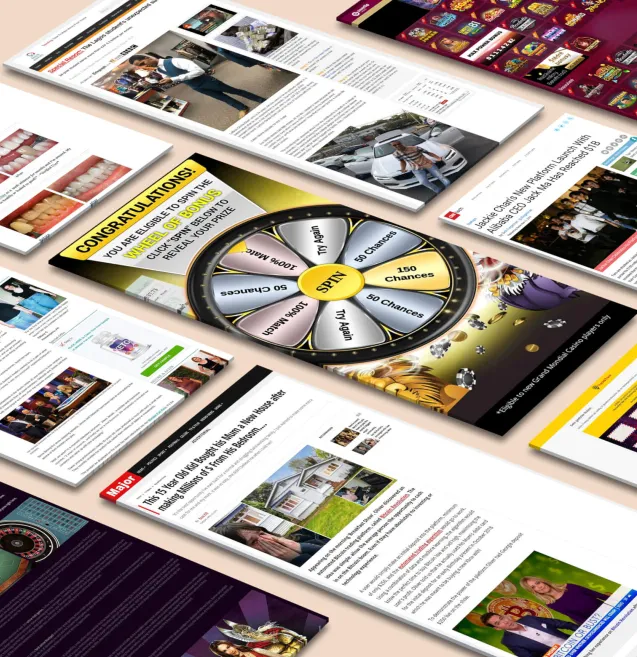
Get StartedNative advertising is a form of paid advertising designed to blend seamlessly with the content of the platform on which it appears. It often resembles news articles, reviews, or entertainment content, making it less intrusive and more engaging for consumers. This approach can significantly increase consumer trust and engagement.
For small businesses, finding affordable strategies to effectively market their products or services is crucial. High-budget marketing campaigns are often out of reach, making cost-effective methods like native advertising highly valuable. Native ads provide a way to reach potential customers without the hefty price tag associated with traditional advertising methods.
This article focuses on cost-effective native advertising methods tailored specifically for small businesses. We will explore various strategies, including:
You will also learn about using search engine advertising and content marketing approaches as affordable native advertising tactics. Dive into best practices to ensure compliance with FTC guidelines and compare native ads with other advertising options from a financial perspective. By the end of this article, you will have a comprehensive understanding of how to implement affordable native advertising strategies to boost your small business's digital marketing efforts.
Native advertising is a form of paid media where the ad experience follows the natural form and function of the user experience in which it is placed. Its primary purpose is to blend seamlessly with the surrounding content, making it less disruptive and more engaging for users.
There are several types of native ads you can leverage:
Native ads differ from traditional advertisements in several key ways:
Understanding these aspects will help you craft effective native advertising campaigns that resonate well with your target audience while maintaining cost efficiency. For instance, you could spy on profitable native ads to build winning advertising campaigns and get more for your advertising spend. Moreover, exploring successful native advertising examples can provide valuable insights into how brands are successfully integrating native ads into editorial content and engaging in a more organic way.
Native advertising excels in creating a seamless experience for users. By blending in with the surrounding content, these ads are less intrusive and more likely to engage consumers. This approach builds consumer trust as the advertisements do not disrupt the user's browsing experience, making them more receptive to the message.
Small businesses often struggle with getting noticed in a crowded market. Native ads can significantly enhance brand awareness by placing your content where your target audience is already consuming information. Whether it's an in-feed ad on social media or branded content on a popular blog, native ads ensure your brand is visible without being pushy.
Traditional advertising methods like TV commercials or print ads can be prohibitively expensive for small businesses. Native ads offer a cost-effective alternative. Platforms like Facebook Ads and Google Ads allow you to set flexible budgets, ensuring you only spend what you can afford while still reaching a broad audience. This makes native advertising an attractive option for small businesses looking to maximize their marketing dollars.
Utilizing these benefits effectively can provide small businesses with a competitive edge, fostering growth and customer loyalty without breaking the bank.
Facebook Ads offer a robust platform for small businesses to reach precise demographics. You can tailor ads based on age, location, interests, and behavior, ensuring your message reaches the right audience. With budget-friendly options such as setting daily spending limits or bidding strategies, you can maximize your ad spend without overshooting your budget.
Instagram Ads are ideal for small and medium-sized enterprises (SMEs) focusing on visual engagement. By creating captivating images or videos, you can attract attention without significant expenditure. Instagram's algorithm supports lower-cost ads that perform well in terms of engagement, making it a cost-effective choice for brand visibility.
LinkedIn Ads provide access to a professional audience, crucial for B2B marketing. While generally considered more expensive, LinkedIn offers options like Sponsored Content and Text Ads that can fit smaller budgets. By carefully targeting industries, job titles, or company sizes, you can ensure your ad spend is directed towards potential leads that matter most to your business.
Google Ads offers a powerful platform for small businesses to engage in cost-effective native advertising. By using targeted keyword bidding strategies, you can ensure your ads appear in relevant search results, capturing the attention of potential customers actively looking for products or services like yours. The key is to choose the right keywords that align with your business goals and budget constraints.
However, it's important to note that with Chrome's privacy changes, the world of digital advertising is changing. This means that while Google Ads is still a powerful tool, understanding these changes will be crucial in optimizing your ad performance.
Cost-per-click (CPC) bidding is essential in managing your advertising spend efficiently. With CPC, you only pay when someone clicks on your ad, making it a cost-effective approach for small businesses. Using tools like Google's Keyword Planner can help in finding high-performing keywords within your budget. By closely monitoring and adjusting your bids, you can maximize your reach without overspending.
Advertorials, a combination of advertisements and editorials, offer a practical solution for small businesses. These pieces of content are crafted to look like regular editorial articles while promoting products or services. This subtlety enhances reader engagement without the typical resistance faced by traditional ads.
Key benefits of advertorials include:
Creating informative content is another cost-effective native advertising strategy. By offering valuable information related to your industry, you can subtly introduce your products or services to potential customers.
Consider these tactics:
Both approaches highlight the potential of content marketing for small businesses to achieve high engagement without high costs. By focusing on value-driven content, you can effectively reach and influence your target audience.
Ensuring transparency is paramount in native advertising. The Federal Trade Commission (FTC) mandates that native ads must be clearly distinguishable from editorial content. For small businesses, this means:
Even with a limited budget, adhering to these guidelines is crucial to avoid misleading consumers and potential penalties.
Understanding ad performance metrics in native advertising campaigns helps you gauge the effectiveness of your efforts. Key metrics include:
Regularly monitoring these metrics ensures that your campaigns remain cost-effective and aligned with your business goals.
Receive top converting landing pages in your inbox every week from us.
Guide
Discover why celebrity endorsements and global intellectual property don’t automatically translate into advertising success. This guide uses ad spy intelligence to explore how audience relevance, placement context, creative testing, and post-click performance help advertisers build high-ROI campaigns without expensive celebrity partnerships.
Elena Morales
7 minOct 9, 2026
Guide
Discover how native advertisers can turn the psychology behind big brand stunts like “Break Conference” and “World Menu Heist” into measurable performance campaigns. Learn how to use scarcity, owned IP, fandom, participation, and cross-channel funnels to build native and TikTok campaigns that generate attention and conversions.
Marcus Chen
7 minOct 8, 2026
Most Read
Learn how to turn sports, snacks, creator trends, and pop culture moments into high-ROI advertising funnels without relying on big budgets. This guide shows how to use Anstrex Native, Instream, and Push intelligence to identify emerging cultural angles, analyze ad duration and gravity, and adapt proven concepts to lower-cost placements.
Rachel Thompson
7 minOct 7, 2026