11 minAugust 23, 2026

Our spy tools monitor millions of native ads from over 60+ countries and thousands of publishers.
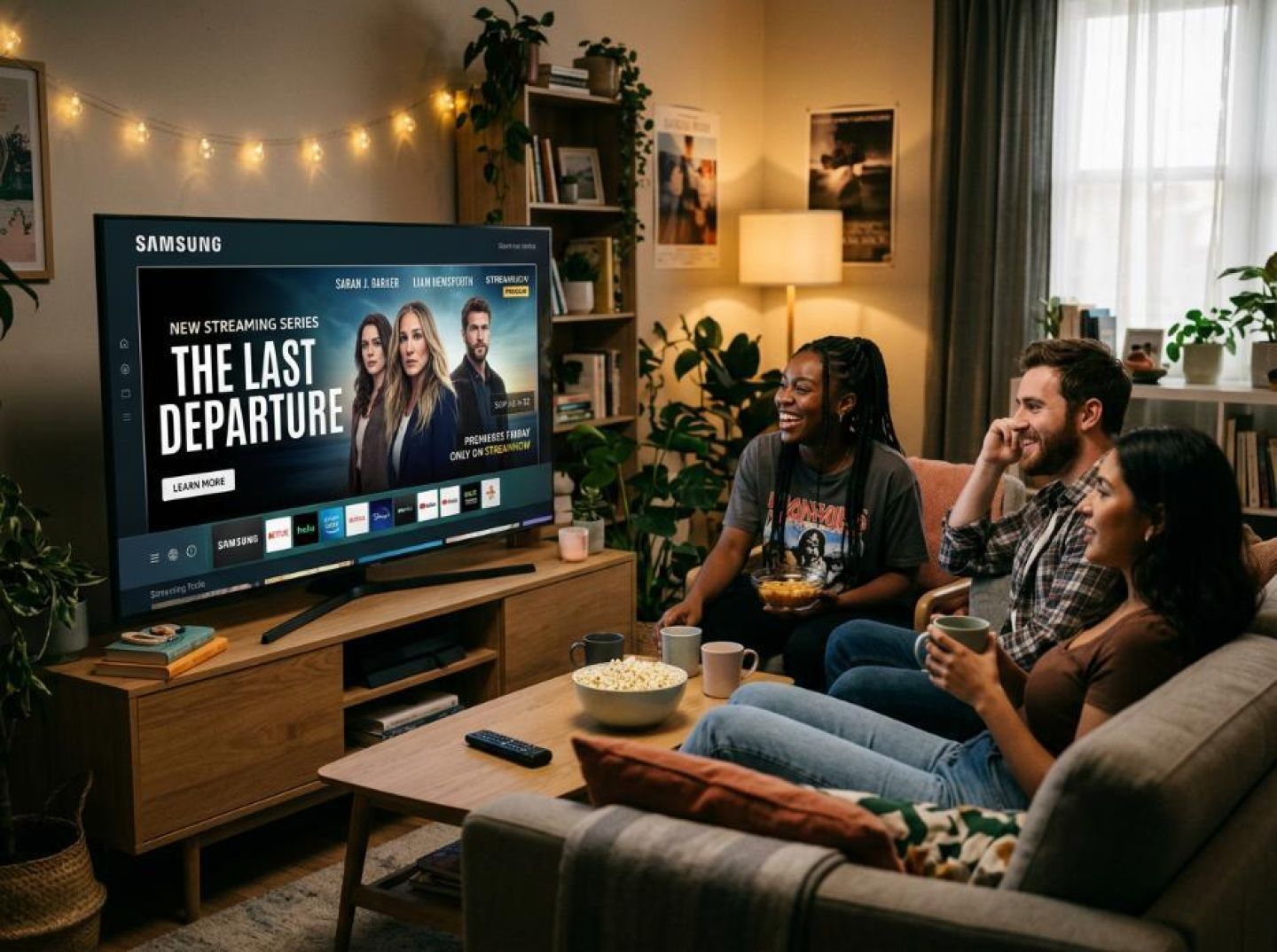
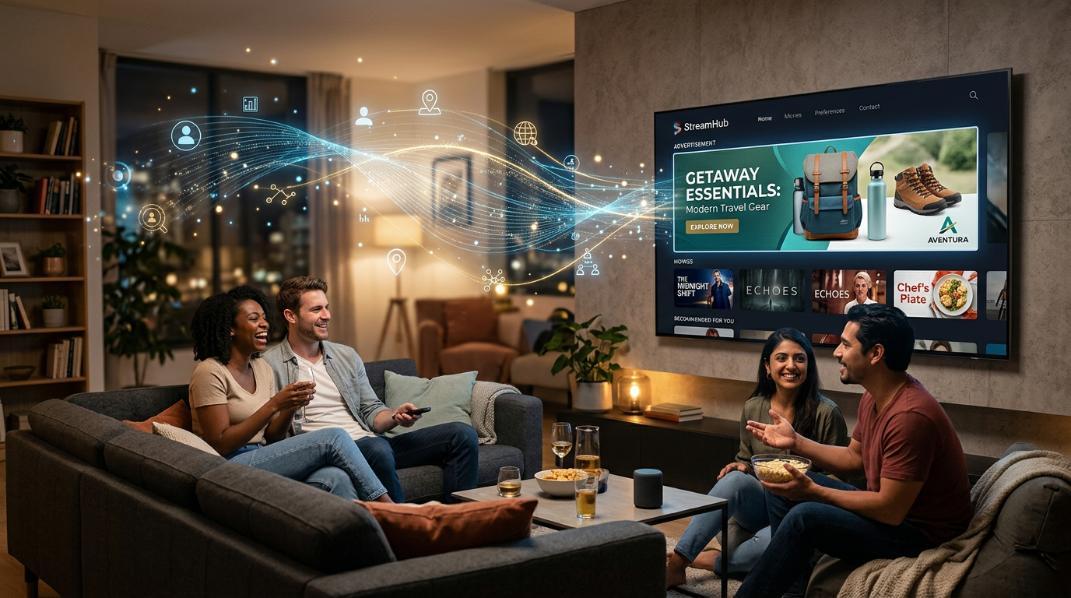
Get StartedIf you work in ad-supported streaming, the numbers look fantastic. Hub Entertainment Research found that 69% of consumers now say they'd willingly watch ads to save money — an 11-point jump since 2021 — while two-thirds indicate they simply don't mind ads as much as they used to. American households are spending an average of $924 a year on recurring entertainment subscriptions, paying 19% more for TV, music, and apps than they did in 2020. Under that kind of financial pressure, the ad-supported tier isn't a compromise. It's a relief valve. "Viewers overall are way more accepting of ads than they've ever been," as Hub senior consultant Mark Loughney told Marketing Dive.
If you sell CTV inventory, pop the champagne. If you sell native advertising, pour something stiffer.
The entire value proposition of native and push advertising was built atop a specific consumer psychology: people resent interruptive ads, so smart brands should meet audiences inside the content they're already consuming. Sponsored articles, in-feed placements, influencer integrations — all of it rests on the premise that traditional ad formats create friction while native formats dissolve it. That premise depended on a tolerance gap: a measurable delta between how much attention and goodwill consumers gave to editorial-adjacent formats versus how much they begrudgingly surrendered to mid-roll spots and pre-roll bumpers. The gap was native advertising's moat.
Now the moat is draining — and the water is flowing toward CTV, not away from it. When consumers actively choose ad-supported tiers and report that they're less likely to skip streaming ads than broadcast ones, the attention arbitrage native advertisers have exploited for a decade starts to compress. It's not that native placements got worse. It's that the thing they were supposed to be better than got more tolerable. That's the more dangerous species of competitive threat — the kind that arrives disguised as someone else's good news.
And the trajectory looks structural, not cyclical. As Loughney put it, "The future is looking a lot more like the past of TV, with the majority of people accepting advertising in the majority of what they watch." Meanwhile, the CTV ecosystem is racing to make those ads even harder to ignore. Advertisers at POSSIBLE this year focused heavily on how AI can support emerging formats like pause ads and creative optimization, while nearly six in ten identified real-time optimization as the most valuable AI capability for streaming campaigns. CTV isn't just winning tolerance; it's investing heavily in formats designed to convert that tolerance into genuine engagement — the exact territory native advertisers once claimed as exclusively their own.
None of this means native is dead. But the comfortable assumption that consumers will always prefer a softer sell over a straightforward ad break is no longer supported by the data. If 69% of viewers are raising their hands and saying yes, show me the ads, just lower my bill, then the psychological contract native advertising was written to exploit has been renegotiated — and nobody at the native table was consulted. The celebration in CTV land is real. The question for everyone else is whether they can hear the alarm underneath the applause.
The qualities that once made native advertising a category apart — contextual relevance, controlled frequency, behavioral alignment — are being systematically reverse-engineered inside the very ad breaks native was supposed to replace. And the engine doing the engineering is AI.
For years, native advertising's pitch was elegantly simple: we don't interrupt, we integrate. While pre-roll and mid-roll spots bludgeoned viewers with the same car insurance ad four times in a single binge session, native placements nestled into content feeds, matched the look and feel of editorial, and respected the audience's attention by earning it rather than hijacking it. That experiential gap was native's moat. AI is now draining it.
The shift is no longer theoretical. As AdExchanger reported from the POSSIBLE conference, the streaming industry has entered "a much more operational phase," with advertisers demanding specifics on how AI improves campaign execution rather than simply nodding along to aspirational keynotes. Creative optimization received particular attention, with advertisers exploring how AI can generate new creative variations from existing assets — tailoring them to perform more effectively across different audiences and environments. When a streaming platform can dynamically adjust the tone, imagery, and messaging of a spot based on who's watching and what they're watching, that ad starts to feel less like an interruption and more like a recommendation. In other words, it starts to feel native.
Consider the emerging format ecosystem. Pause ads — those ambient placements that appear when a viewer hits pause — don't interrupt narrative flow at all. They sit alongside content, activated by user behavior, contextually timed to moments of voluntary disengagement. AI-driven creative optimization means those pause ads can also be dynamically assembled to reflect the viewer's interests, viewing history, or even the genre of the show they've paused. Strip away the label and what you're left with is functionally indistinguishable from what native advertising promised a decade ago: the right message, in the right context, without disrupting the experience.
The numbers reinforce where this is heading. Hub Entertainment Research's data shows that 69% of consumers will accept ads to save money, and two-thirds say they don't mind ads as much as they used to — but that tolerance is contingent on quality. When 89% of viewers support AI that reduces ad repetition and 76% want more relevant ads, they're describing the exact value proposition native advertising has been selling for years. The difference is that CTV can now deliver it at television scale, with measurement infrastructure native channels have never been able to match.
The 58% of advertisers who identified real-time optimization as CTV's most valuable AI capability aren't just expressing a technology preference — they're telegraphing a budget migration. Real-time optimization means campaigns that self-correct mid-flight: adjusting frequency caps so the same viewer isn't hammered with repetitive spots, shifting creative based on performance signals, and aligning ad delivery with content context automatically. Every one of those capabilities attacks a specific pain point that native advertising was originally designed to solve.
This is the uncomfortable reality native advertisers need to confront. CTV isn't just competing for the same budgets — it's absorbing native's core differentiators into an interruptive format that also happens to offer the reach, brand safety, and living-room presence that native placements on editorial sites never could. The moat isn't just shrinking. It's being filled in with someone else's infrastructure.
Here's an uncomfortable truth for native advertisers who think CTV's messiness is their permanent shield: the trust gap protecting your budgets is real, but it's shrinking faster than you think.
The numbers look damning for CTV right now. An IAB report covered by Marketing Dive found that 43% of CTV buyers express somewhat or no confidence in inventory quality, even when using ostensibly trusted buying methods like programmatic guaranteed deals. The skepticism deepens the further you move down the buying sophistication ladder: 55% of respondents showed similarly low confidence in private marketplaces, and over two-thirds said the same about open exchange and real-time bidding. Retail and commerce media networks fare worst of all, with 59% of advertisers showing little or no confidence in their CTV inventory. The culprits are familiar to anyone who's watched digital channels mature — bad actors deploying invalid traffic and advertisers simply not knowing where their ads actually run. As the IAB's Chris Bruderle put it, buyers are asking fundamental questions: where is my ad running, where does the inventory come from, and how much of it is fraudulent?
For native and push advertisers, this trust deficit functions as an indirect moat. When a performance marketer can track every click, measure every conversion, and verify exactly where their content appeared — capabilities that native platforms have spent years perfecting — CTV's opacity looks like an unacceptable risk. Budgets that might otherwise flow toward streaming's massive, engaged audiences stay parked in channels where the attribution chain is clear and the fraud surface is smaller. It's not that native is winning on merit alone; it's that CTV keeps losing on trust.
But moats built on someone else's weakness are borrowed-time advantages, and the clock is already running. Consider how quickly political advertisers — among the most sophisticated and deadline-pressured buyers in the ecosystem — learned to navigate CTV's complexity. As Basis documented in their analysis of political advertising strategy, campaigns now deploy a deliberate mix of programmatic guaranteed deals, PMP strategies, and open-exchange buying to manage both cost and quality across CTV inventory. They learned that exclusive inventory accessible only through select partners offers quality assurances that open exchange cannot, and they built multi-method buying approaches that hedge against both CPM inflation and inventory opacity. If political buyers can crack CTV's trust problem under the pressure of an election cycle, brand and performance buyers will follow — they'll just do it on a slightly longer timeline.
The infrastructure to close the gap is already being built. Verification vendors are expanding into CTV-specific fraud detection. Platforms are investing in transparency tools. And the sheer weight of $29.3 billion in projected U.S. CTV ad spend creates enormous financial incentive for every player in the supply chain to solve these problems. Each incremental improvement in CTV's trust infrastructure removes one more reason for performance budgets to stay in native channels by default rather than by choice.
The strategic implication is stark: native advertisers who are coasting on CTV's immaturity are building on sand. The window during which CTV's trust problems redirect budgets toward native is finite, measurable in years rather than decades. Smart operators should be using this reprieve to construct defensible advantages — proprietary data assets, creative formats that CTV genuinely cannot replicate, attribution methodologies that remain superior even when CTV catches up on verification. Because when the trust gap closes, and it will, the only native advertisers left standing will be the ones who stopped relying on it long ago.
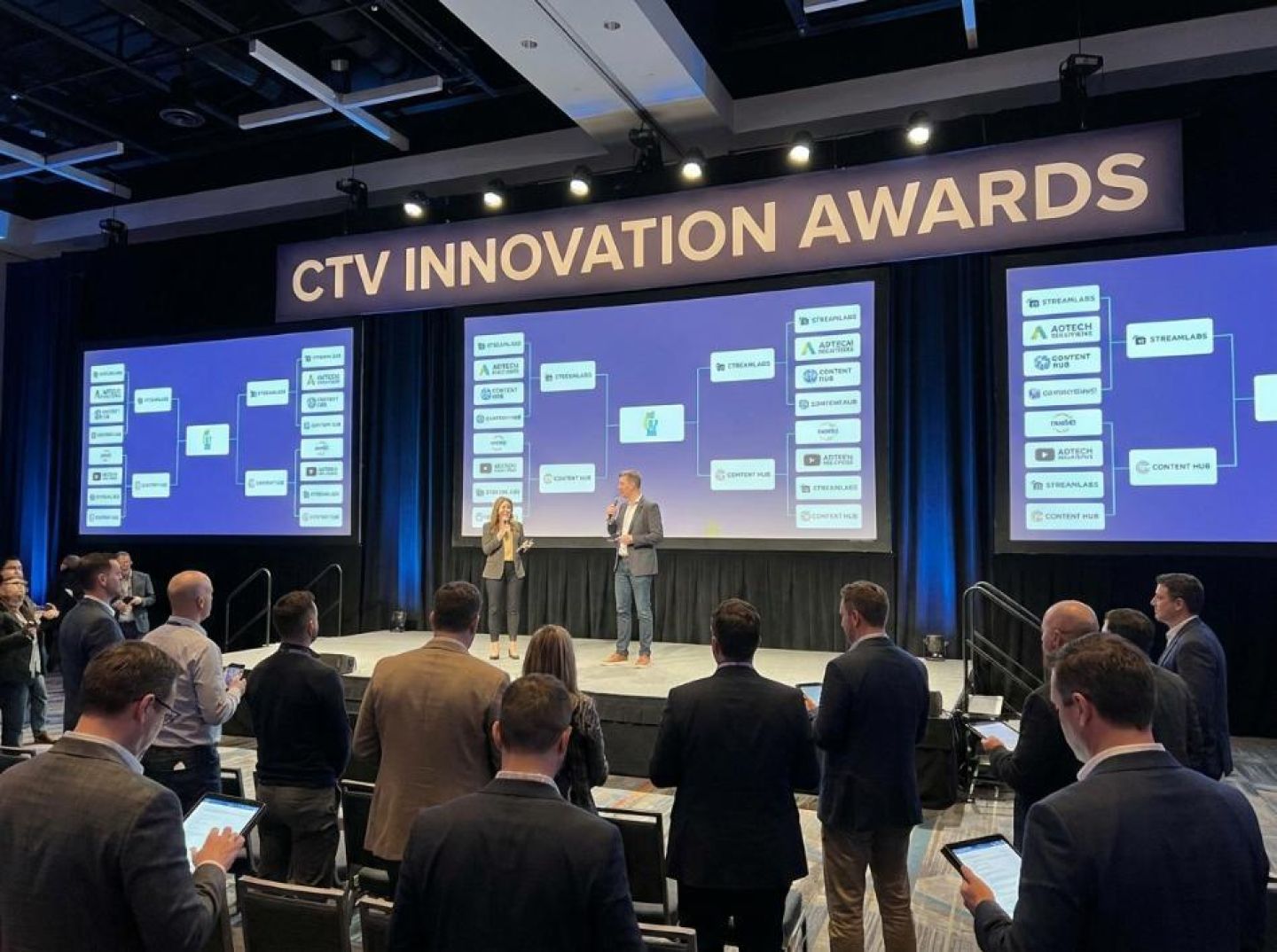
The moment that should have every native advertising executive reaching for their competitive intelligence dashboard didn't happen in a boardroom or an earnings call. It happened at a conference in Miami. Coming back from POSSIBLE, AdExchanger observed that streaming TV has entered "a much more operational phase" — a phrase that sounds mundane until you unpack what it actually means for budget allocation. The conversation at the industry's biggest gatherings is no longer about whether CTV can deliver performance. It's about how marketers optimize execution within it, day by day, impression by impression. That shift from aspiration to operation is the precise inflection point where CTV stops borrowing from linear TV budgets and starts cannibalizing performance budgets — the same budgets that fund native campaigns.
Consider the infrastructure being built. Nearly six in 10 advertisers now identify real-time optimization as the most valuable AI capability for CTV and streaming TV advertising. That's not a branding metric. Real-time optimization — adjusting creative, audience targeting, and bid strategy mid-flight based on live performance signals — is the exact operational backbone that native advertising platforms have spent a decade refining to justify their share of performance budgets. When CTV platforms offer the same capability wrapped around premium video inventory, the advertiser who once needed two separate line items — "CTV for awareness" and "native for performance" — suddenly sees a single buy that promises both.
The convergence goes deeper than optimization. The POSSIBLE conference saw a noticeably larger presence from companies focused on infrastructure, data activation, commerce, and cross-channel measurement alongside traditional streaming players. This omnichannel integration means CTV is no longer a siloed screen buy. It's being wired into the same attribution frameworks, the same incrementality models, and the same commerce data loops that performance marketers use to justify every dollar. When 69% of CTV sellers identify attribution and incrementality as their most important AI capabilities, they aren't competing with linear television for upfront dollars anymore. They're competing with every lower-funnel channel that has ever won budget by proving measurable outcomes — and native sits squarely in that crosshair.
Meanwhile, the demand side is primed. As Marketing Dive reported, 69% of consumers now say they would choose to watch ads if it saves them money, an 11-point increase from 2021. That growing audience acceptance isn't just good news for CTV inventory volume; it validates the entire performance thesis. More accepting viewers mean higher completion rates, which mean stronger attribution signals, which mean more convincing incrementality data — the exact proof points a CFO needs to consolidate spend into fewer, more accountable channels.
AI-powered creative iteration compounds the threat. Advertisers at POSSIBLE showed intense interest in how AI can use existing assets to generate new creative that performs more effectively across audiences and environments. That capability — spinning dozens of creative variants from a single asset, testing them in real time, and scaling the winners — collapses the creative agility advantage that native advertisers have long held over television. When a CTV campaign can test as many creative permutations as a native campaign, with the emotional resonance of full-screen video, the performance argument for splitting budgets between the two channels begins to evaporate.
Native advertisers who aren't running competitive intelligence on the highest-spending CTV campaigns — studying their creative evolution, their targeting sophistication, and especially their measurement claims — are flying blind into a budget reallocation cycle they won't see coming until the RFPs simply stop arriving. The operational maturity of CTV isn't a distant threat. It's a current-quarter reality being built in the same dashboards where your budgets are being reviewed.
If the previous sections made the threat clear, this is where you build the response. The native advertising industry doesn't need a eulogy — it needs a playbook. And that playbook has to be built on four interlocking moves, executed simultaneously, before CTV's operational maturity closes the window entirely.
First, invest in competitive intelligence as if your margins depend on it — because they do. The CTV ecosystem is evolving at a pace that makes quarterly competitive reviews dangerously inadequate. When nearly six in ten advertisers identify real-time optimization as the most valuable AI capability for streaming TV, native advertisers need to be monitoring those capabilities as they roll out, not reading about them after the budgets have shifted. This means building or subscribing to dashboards that track CTV creative formats, targeting innovations, and pricing movements in real time. Every new pause ad unit, every shoppable overlay, every AI-generated creative variation that a streaming platform deploys is a data point about where budgets are migrating. Track it, analyze it, and use it to sharpen your own positioning before a client's media agency does it for you.
Second, double down on the structural advantages CTV still can't replicate. Native advertising's core moat has never been reach or emotional storytelling — CTV will always win there. The moat is intent-driven placement, editorial integration, and click-level attribution at scale. When a user reads an article about retirement planning and encounters a seamlessly integrated recommendation for a financial product, that alignment of content, context, and commercial intent is something a fifteen-second pre-roll on a cooking show simply cannot match. Similarly, native's ability to deliver granular, per-click performance data remains a decisive advantage in a CTV landscape where, as Marketing Dive reported, over two-thirds of advertisers express little or no confidence in open exchange and real-time bidding inventory. Lean into this. Make your attribution story louder, cleaner, and impossible for CFOs to ignore.
Third, stop positioning native as CTV's competitor and start positioning it as CTV's complement. The smartest response to the fluid funnel era — where, as Digitas' Liane Nadeau argued at Cannes Lions, consumers discover, consider, and buy in an instant across platforms that don't respect channel definitions — is to build hybrid strategies proactively. Native excels at capturing demand that CTV generates. A viewer who sees a brand story on Hulu and then searches for more information is precisely the consumer native advertising was designed to intercept. If native advertisers wait to be asked for cross-channel integration, they've already lost. Build the case studies, develop the attribution models, and present the unified pitch before the CTV platforms bundle it themselves.
Fourth, accelerate creative testing velocity. When CTV advertisers begin deploying AI to generate and optimize ad variations at machine speed — and that moment is arriving faster than most native teams appreciate — static native placements tested on monthly cycles will look prehistoric. Native advertisers need to compress their creative iteration loops from weeks to days, testing headlines, images, landing pages, and contextual placements with the same ruthless velocity that performance marketers bring to paid search. The teams that build this muscle now will be the ones still standing when AI-optimized CTV ads start delivering the direct-response metrics that once belonged exclusively to native.
None of these moves are optional. Executed together, they transform native advertising from a channel waiting to be disrupted into a discipline that absorbs the best of what CTV offers while reinforcing the things it cannot. Executed piecemeal — or not at all — they become a postmortem someone writes two years from now.
Receive top converting landing pages in your inbox every week from us.
How-To
Discover how competitors turn “great ads” into full-funnel revenue by building an invisible layer of search, native, CTV, social, DOOH, and measurement around their hero creative. Learn how to reverse-engineer these systems using ad intelligence and uncover the signals that reveal how campaigns are actually monetized.
David Kim
7 minOct 6, 2026
How-To
Learn how to turn big brand-building stunts into measurable performance funnels across Native, Push, Pop, and TikTok. This guide breaks down how to repurpose stunt assets, build channel-specific sequences, design story-led landers, and measure their impact on conversions and revenue.
Priya Kapoor
7 minOct 5, 2026
Most Read
Learn how to turn OOH inventory into a measurable performance media machine using digital ad spy data. This guide shows how to borrow proven offers, funnels, and creatives from digital advertising, build hybrid OOH-to-online journeys, and connect physical exposure to measurable revenue.
Dan Smith
7 minOct 4, 2026