6 minAugust 21, 2026

Our spy tools monitor millions of native ads from over 60+ countries and thousands of publishers.
Get StartedThere's a mantra echoing through every marketing conference keynote, every trade publication trend piece, every agency pitch deck built for a Gen Z brief: authenticity. The word has become so reflexively attached to young consumers that it functions less as a strategy and more as an incantation — say it enough times and the client nods along. As Brax put it in a neat distillation of the consensus view, "No one likes to be sold to, especially Millennials and Gen Z. They value authenticity. They crave realness." It's the kind of statement that feels self-evidently true, which is precisely why it deserves scrutiny — not because it's wrong, but because of what the industry has done with it.
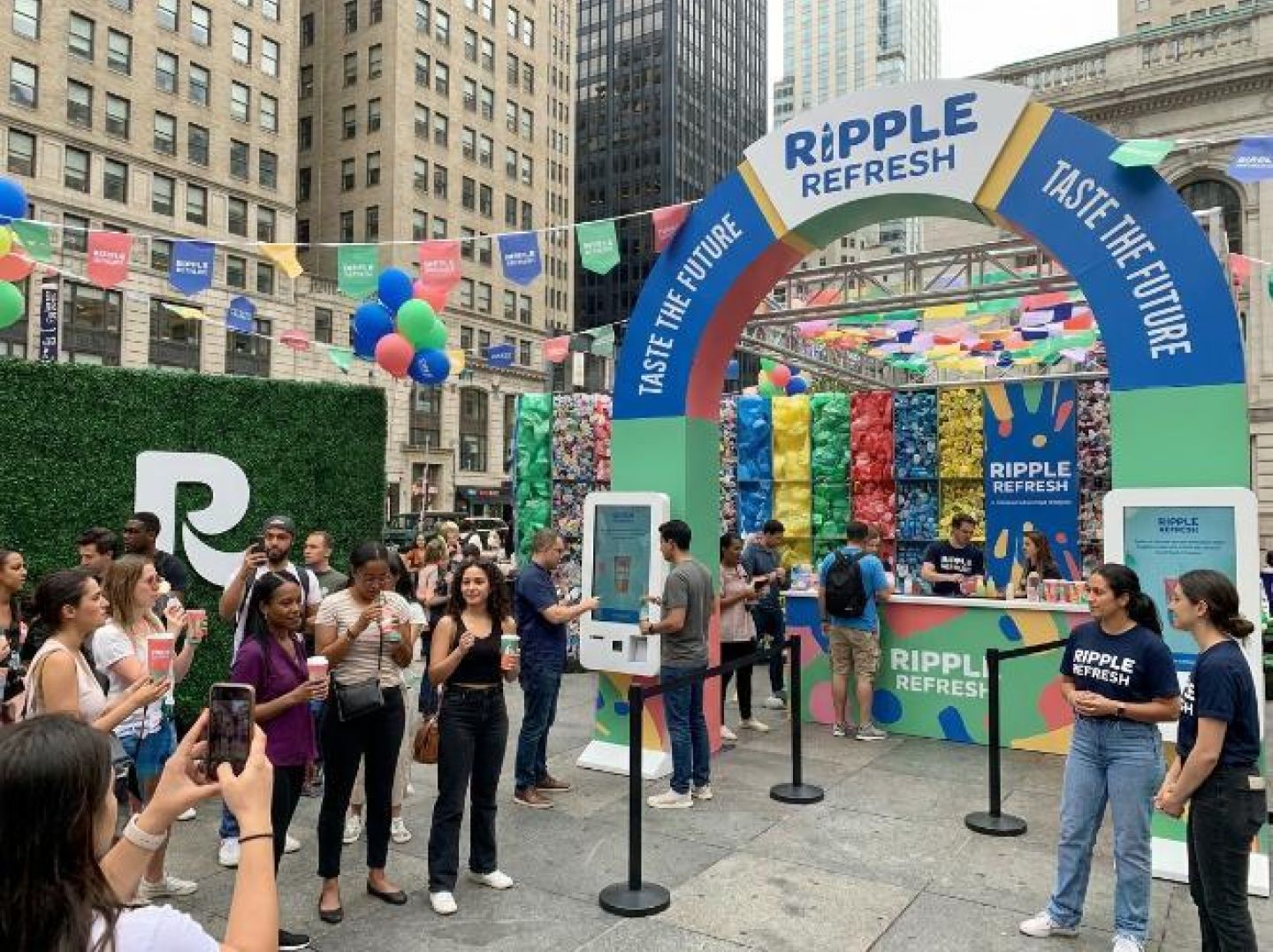
What happened is this: the advertising world took a legitimate consumer insight — young people can smell a hard sell from three swipes away — and reverse-engineered it into a mandate for expensive, physical, community-driven brand experiences. Pop-up activations. Festival sponsorships. Co-created micro-events with hand-picked influencer cohorts. The unspoken logic is that authenticity can only be manufactured (yes, the irony is thick) through presence, through spectacle, through showing up in the real world with enough production value that it feels spontaneous even when the BTS crew is fourteen people deep. Adweek covers the winners. LinkedIn applauds the case studies. And a two-tier system quietly calcifies.
On one side sit the enterprise brands — the Nikes, the Red Bulls, the Glossiers — with the experiential budgets, the agency rosters, and the cultural capital to stage moments that earn organic amplification. On the other side sits everyone else: the performance-driven DTC brand, the mid-market SaaS company, the mobile app developer trying to crack a Gen Z install base. For them, the authenticity playbook as currently written offers nothing actionable. It's a moat dressed up as a mission statement.
But here's the simpler truth hiding behind the buzzword: Gen Z doesn't actually hate advertising. They hate advertising that looks and feels like advertising. The distinction matters enormously, because it reframes the problem from an identity question ("Is your brand authentic enough?") to a format question ("Does your ad respect the environment it appears in?"). That reframing is exactly what native advertising has been quietly answering for years. As Voluum's branding analysis observes, digital users are broadly "averse to explicit promotion," and native ads address that aversion by combining seamlessly with the fabric of the content around them — not by pretending to be something they're not, but by matching the voice, flow, and visual language of the platform they inhabit.
This is a critical distinction. The experiential-authenticity complex asks brands to become culture. Native advertising asks brands to fit within culture — specifically, within the content cultures where their audiences already spend time. Basis noted that the most effective native campaigns abide by one prime differentiator: non-disruption, blending naturally into the editorial habitat in which they live while offering hyper-relevant content that exudes the very authenticity the industry keeps gatekeeping behind six-figure activation budgets.
So when the industry says "Gen Z demands authenticity," what it really means — or should mean — is that Gen Z demands contextual coherence. They want the ad to earn its place in their feed, their reading experience, their content stream. That's not a mandate that requires a warehouse party in Bushwick. It's a design principle. And it's one that any marketer with a native ad platform, a decent headline, and a story worth telling can execute on starting today. The authenticity industrial complex just doesn't want you to know that, because democratizing the insight would collapse the premium.
Most brand strategists treat authenticity as something you say — a values proposition, a founder story, a commitment to transparency embedded in an About page no one reads. But for Gen Z, authenticity isn't evaluated at the brand level first. It's evaluated at the format level. Before a single word of copy registers, before a logo is consciously processed, a piece of content has already been sorted into one of two cognitive categories: this belongs here or this is trying to sell me something. That split-second triage determines everything that follows, and it has almost nothing to do with whether a brand has spent years earning cultural credibility.
This is why native advertising's structural design functions as an authenticity signal more powerful than any brand narrative. As Voluum explains, native advertising's most obvious advantage is that it seamlessly combines with the fabric of the website, looking like another part of its content — which makes it inherently more user-friendly than banner or display ads. That description sounds like a UX observation, but it's actually a psychological one. When content matches the visual hierarchy, typographic conventions, and editorial cadence of its surroundings, it borrows the trust that the platform has already established. The ad doesn't need to independently prove it belongs. The format has already done that work.
Consider what this means for the authenticity equation. The traditional playbook says: build a brand Gen Z believes in, then advertise. The native playbook inverts it: select a format Gen Z doesn't instinctively reject, then tell your story inside that container. The distinction matters enormously at scale. Only a handful of brands can credibly claim deep community ties with young consumers. But any brand — a regional insurance provider, a mid-market SaaS tool, a legacy CPG company — can produce content that blends in and feels genuine because it mirrors organic content consumption patterns rather than interrupting them.
This is the real authenticity play, and it's hiding in plain sight. When Brax argues that native advertising works because it's not about selling but about storytelling, they're describing a format-level behavior, not a brand-level virtue. The storytelling isn't earned through years of community building; it's enabled by a creative wrapper that suppresses the reader's defensive reflexes. Gen Z's ad-aversion isn't ideological — it's procedural. They've developed pattern recognition for content that looks like an ad, and they skip it. Native circumvents that pattern recognition not through deception but through design alignment.
Voluum's guidance to advertisers reinforces this point: native advertisements succeed when they share the same voice and flow as the website they appear on, meaning the ad must adopt the editorial identity of its host environment rather than imposing the brand's own visual language. This is a radical concession for brand marketers accustomed to rigid style guides and logo placement rules. But it's precisely that concession — that willingness to let the format dictate the aesthetic — that makes native content feel like content rather than collateral.
Authenticity, in other words, can be reverse-engineered. You don't need Gen Z to love your brand before they'll engage with your message. You need the message to arrive in a format their scrolling thumbs don't flag as hostile. That's not cynicism — it's media literacy applied in reverse. And it's why format selection, not brand positioning, is becoming the most consequential decision in the Gen Z media plan.
The industry's dominant narrative frames Gen Z's resistance to advertising as an identity-level trait — a generational disposition toward skepticism that can only be addressed through brand-level authenticity plays. The data tells a sharply different story. What looks like ad aversion is actually format sensitivity, and the performance gap between native and interruptive formats is so dramatic that it should reframe how marketers allocate spend entirely.
Start with the click. Native ads produce 8.8 times higher click-through rates than average display ads — not marginally better, not a modest improvement, but a near order-of-magnitude difference in the single metric most tied to active user intent. The explanation isn't mysterious: banner ads interrupt the user flow, while native ads are consumed in a way that mirrors a viewer's usual media behavior. The ad doesn't ask for a different mode of attention. It borrows the attention already in progress.
That behavioral integration matters even more when you look at sharing behavior. Research shows that roughly 32% of people would share a native ad with a friend or family member, compared to just 19% who would do the same with a display ad. Sharing is a particularly telling metric for younger audiences because it represents voluntary amplification — the user has decided that this content is worth attaching their social identity to. No amount of brand manifesto copy can manufacture that decision. The format earns it by not triggering the cognitive defenses that flagged it as advertising in the first place.
The attitudinal data is equally striking. According to IAB research cited by Voluum, around 80% of Millennials view in-feed native ads as a favorable user experience, and more than 58% believe publishers should limit advertising to native formats only. That last figure deserves emphasis — a majority of digitally native consumers actively want the industry to move in this direction. This isn't tolerance. It's preference. And while the data references Millennials, the underlying format sensitivity is even more pronounced among Gen Z users who grew up with ad blockers as default browser hygiene.
Which brings us to native's most structurally underappreciated advantage: it renders ad-blocking behavior irrelevant. Because native units live within the organic content layer — consumed, as AdPushup notes, in a format of the user's choosing that adds to their non-intrusive experience — they pass through the technical and psychological filters that strip display advertising out of the user experience entirely. You cannot block what you cannot distinguish from content.
This is also where the performance data becomes strategically actionable beyond media buying. The 8.8x CTR advantage and the 32% share rate aren't uniform across all native executions. They represent averages — which means specific creative approaches, tonal registers, and visual patterns are dramatically outperforming others within the native format itself. The marketers capturing disproportionate value aren't just running native ads; they're systematically analyzing which native creative signals resonate with ad-averse audiences and iterating accordingly. Competitive intelligence — studying which headlines, imagery styles, and content angles are generating traction across native networks — transforms an anecdotal sense of "what feels authentic" into a replicable, scalable playbook. As Basis observed, the most effective native campaigns blend naturally into the editorial habitat in which they live, offering hyper-relevant content that provides education and entertainment simultaneously. The question isn't whether to go native. It's which specific native patterns your competitors have already validated — and how fast you can decode them.
Authenticity, when you strip away the mystique, is a set of identifiable, repeatable creative signals — not a feeling. The performance marketers consistently winning Gen Z attention on native platforms aren't relying on instinct or cultural consultants. They're running systematic competitive intelligence operations, treating native ad spy tools and creative libraries the way a hedge fund analyst treats SEC filings: as structured data that reveals what's actually working beneath the surface narrative.
Start with headlines. The top-performing native creatives targeting younger audiences almost universally adopt editorial curiosity over promotional urgency. Instead of "Get 40% Off Our New Skincare Line," the winning pattern reads closer to "The Ingredient Dermatologists Wish You'd Stop Ignoring." This distinction matters because the most effective native advertising campaigns, as Basis has documented, always abide by the medium's prime differentiator — non-disruption — blending naturally into the editorial habitat in which they live. When you audit native ad libraries across health, finance, and DTC verticals, you'll notice the headlines that sustain high click-through rates share a specific cadence: a knowledge gap framed as a story the reader stumbled upon, not an offer pushed at them. The syntax mimics what a curious editor would greenlight, not what a media buyer would test.
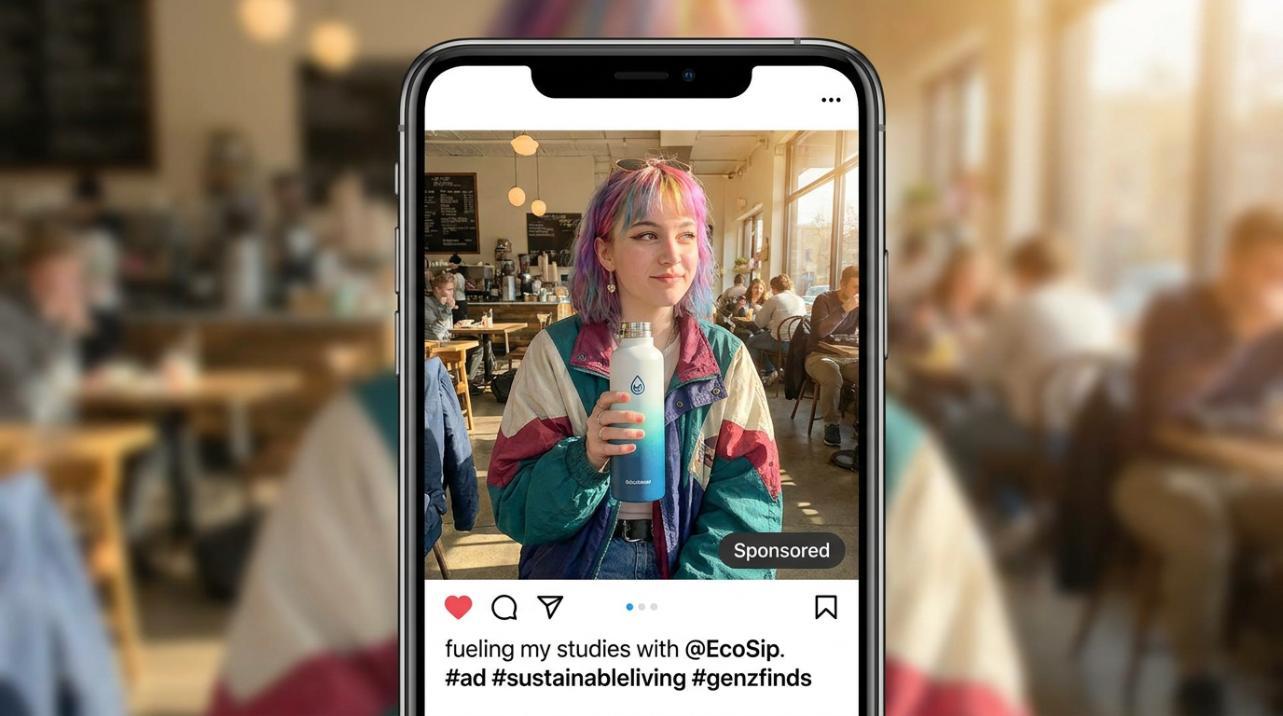
Thumbnail aesthetics follow the same logic. The images winning engagement don't look like stock photography or polished brand shoots. They read as UGC-adjacent — slightly imperfect lighting, a subject caught mid-action, the kind of candid framing you'd scroll past on a friend's Instagram story before realizing it's sponsored. This visual vocabulary signals "content" before it signals "commerce," and it's the single fastest lever to pull when optimizing native creative for ad-averse demographics.
Voice matching between ad copy and publisher context is where most campaigns fail catastrophically. Running the same clever DTC tone on a health news site and a gaming blog guarantees that at least one placement will feel jarringly off. As Voluum has advised, marketers should think not only about the target audience they want to reach but also about the content of the websites where ads are promoted, ensuring the ad and the website's content share the same voice. This means building creative variants segmented by publisher category — matching the measured, explanatory register of a wellness editorial for one placement and the sharper, more conversational energy of a tech blog for another.
Finally, the landing page is where the intelligence operation either pays off or collapses. The highest-converting advertorial pages for Gen Z audiences don't break the editorial experience; they extend it. They open with a narrative hook — a personal anecdote, a surprising statistic, a problem articulated with specificity — and delay the product reveal until the reader is already invested in the story. The format mirrors the kind of longform content that native ads complement rather than interrupt, which is precisely why native ads foster a positive user experience and drive higher engagement rates across verticals from fitness apps to financial tools.
This entire analytical framework — headline cadence, thumbnail aesthetics, voice matching, landing page arc — functions as the performance marketer's substitute for the focus groups and cultural consultancies that enterprise brands commission at six-figure price points. The intelligence is already public, sitting inside every native ad platform's creative feed. The competitive advantage belongs to whoever reads it most carefully and acts on it fastest.
Brand activations are, at their core, theatrical. They require physical infrastructure, venue contracts, staffing, permitting, and the kind of logistical choreography that makes even seasoned event producers sweat. A pop-up in Brooklyn doesn't reach anyone in Phoenix. A festival sponsorship creates a single weekend of impressions that evaporate the moment attendees leave the grounds. And here's the structural problem that no amount of creative ambition can solve: experiential marketing doesn't scale horizontally. You can't duplicate a physical activation across forty markets simultaneously without multiplying your budget by forty. You can't A/B test the placement of a branded photo booth in real time the way you'd swap a headline variant in a content feed. And perhaps most damning for the performance-minded marketer, you can't attribute the downstream revenue impact of someone who walked past your activation, snapped a photo, and maybe — maybe — remembered your brand three weeks later when they were ready to buy.
Native advertising operates on an entirely different infrastructure, one built for exactly the kind of iterative, multi-market, always-on deployment that brand activations structurally cannot deliver. Where an experiential campaign produces a moment, native produces a system — a repeatable mechanism for distributing brand-aligned content across dozens of verticals, audience segments, and device contexts simultaneously. Native ads are inherently device-responsive and shareable via unique URLs, meaning a single piece of creative can flow from a desktop finance publication to a mobile lifestyle feed without requiring platform-specific redesign. That portability isn't a minor operational convenience. It's the difference between a campaign that lives in one city for one weekend and a campaign that runs continuously across every screen your audience touches.
The repostability factor deserves special attention. When a native ad lands well — when it genuinely matches the editorial tone of the environment it appears in — it earns organic amplification that experiential content rarely achieves outside of a handful of viral TikTok moments. Each unique URL becomes a discrete, trackable unit of distribution, allowing performance teams to measure exactly which placements, contexts, and creative variants are driving engagement and conversion. Try running that level of attribution on a branded scavenger hunt.
But the most compelling structural advantage isn't distribution or measurement alone — it's the collapse of the traditional divide between brand and performance objectives. Historically, marketers have been forced to choose: run awareness campaigns that build long-term brand equity but produce fuzzy metrics, or run performance campaigns that drive measurable outcomes but erode brand perception through aggressive, interruptive formats. Native eliminates that forced choice. As Voluum's branding analysis makes clear, defining the objectives of a branding campaign does not mean you have to choose between increasing brand awareness and getting a satisfying performance — you can merge these ambitions into one big strategy. For Gen Z audiences in particular, this convergence is essential, because the formats that feel authentic enough to build trust are the same formats that drive clicks, reads, and installs.
This is also why native works so effectively for categories where trust and discovery intersect. As Brax has documented, native ads foster a positive user experience precisely because they don't intrude on the user's activity but instead complement it, leaving an impression that simultaneously boosts brand perception and drives measurable action. That dual function — awareness and performance unified in a single impression — is something no pop-up shop, no matter how Instagrammable, can replicate at scale.
Brand activations create memories. Native advertising creates infrastructure. And for the performance marketer accountable to both brand lift and bottom-line results, infrastructure wins every time — not because moments don't matter, but because moments that can't be measured, replicated, or scaled are liabilities disguised as strategy.
Receive top converting landing pages in your inbox every week from us.
Most Read
Discover how OOH teams can use Native, Push, and TikTok ad intelligence to move beyond location-first planning and build smarter, audience-driven campaigns. This guide shows how to translate digital creative, targeting, and performance signals into OOH ideas, test them in the physical world, and feed the results back into digital campaigns.
David Kim
7 minOct 4, 2026
Must Read
Learn how to bridge the gap between brand buzz and backend profits by turning high-impact campaigns into scalable, measurable performance funnels. This guide shows how to translate hero concepts into performance narratives, reverse-engineer competitors, and identify creative patterns that can scale across channels.
Elena Morales
7 minOct 3, 2026
Guide
Discover how performance marketers can turn award-worthy creative into scalable Native, Push, and Pop campaigns by separating creative fame from measurable performance. This guide shows how to use Anstrex, AI-driven testing, and modular funnel frameworks to reverse-engineer proven creative structures and scale the ones that actually convert.
Priya Kapoor
7 minOct 3, 2026