8 minOctober 9, 2026

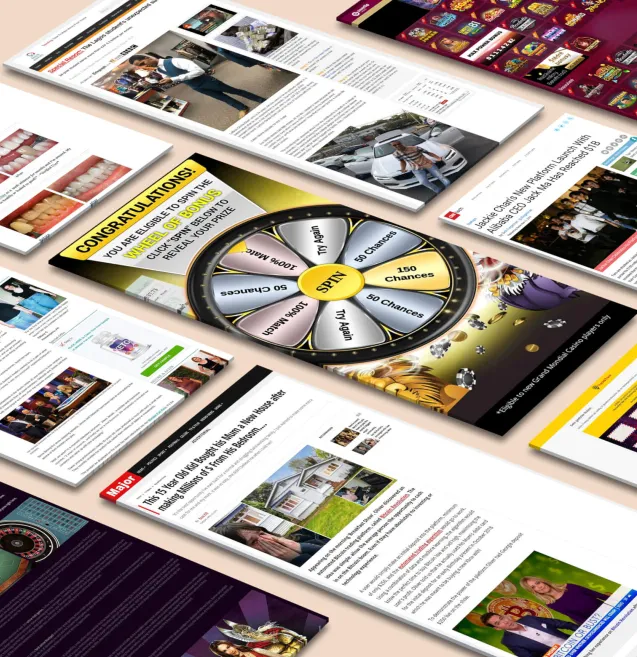
Our spy tools monitor millions of popup and pop-under from over 90+ countries and thousands of publishers.
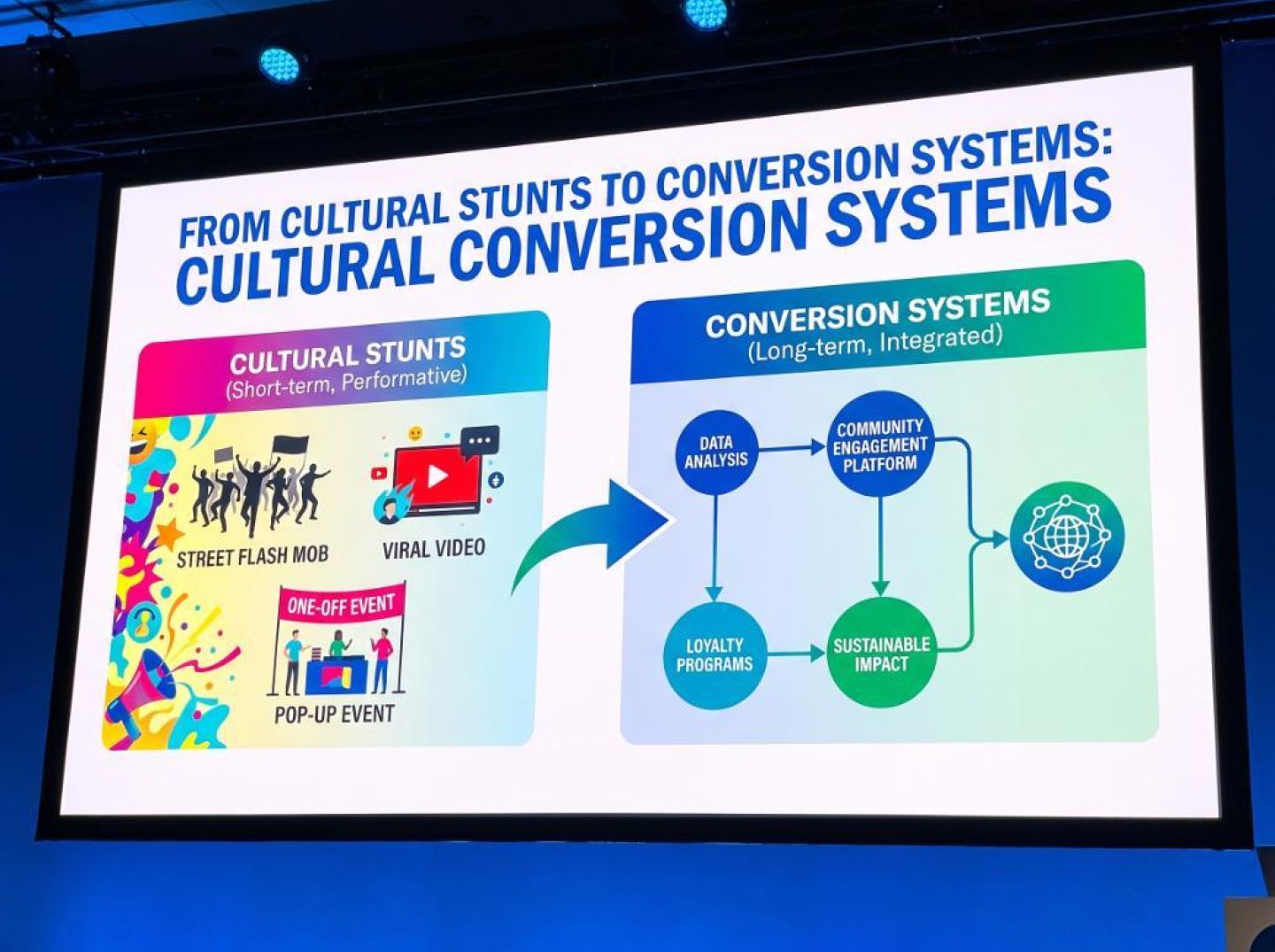
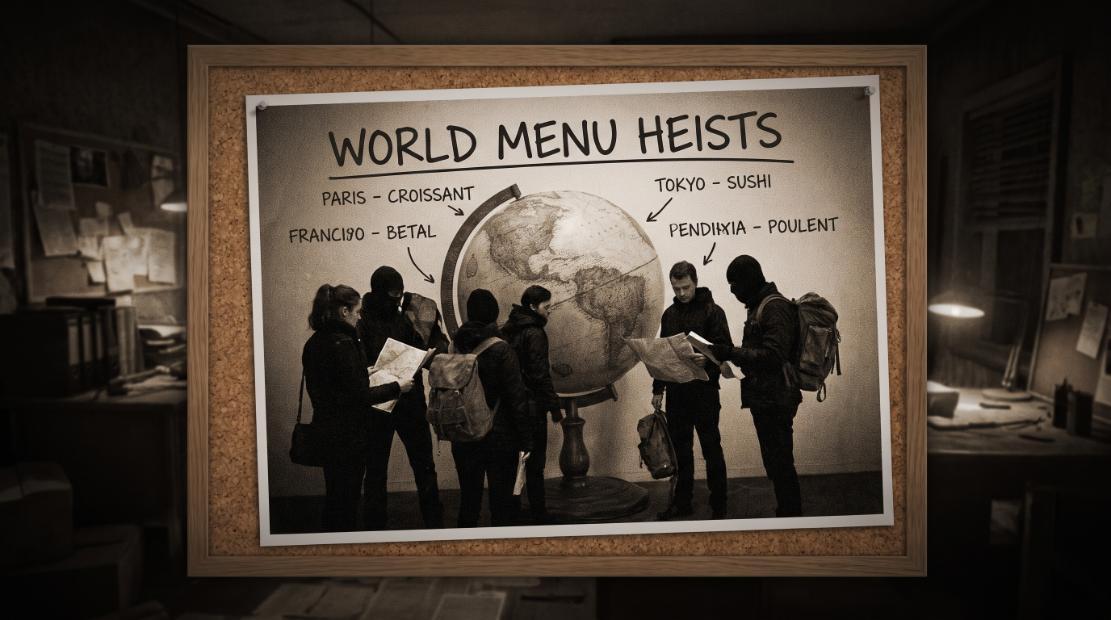
Get StartedDirect-response marketers tend to treat big-brand “world menu heists,” Halloween takeovers, and pop-up spectacles as entertaining but irrelevant—nice for awareness, useless for ROAS. That’s a mistake. Those cultural stunts are actually blueprints for what your acquisition engine will need to look like over the next few years: not just ads, but self‑propelling systems that manufacture attention, social proof, and measurable demand on command.
In a fragmented media landscape where your prospects are binging TikToks, skimming YouTube, scrolling Instagram and being nudged by recommendation engines all at once, simply “buying reach” is a losing strategy. Marketers like Michael Law of Carat and Shivram Vaideeswaran of Papa John’s argue that the only way to reliably break through is to meet people inside the culture they’re already consuming, orchestrating paid, creators, aggregators, and organic into a single, flexible ecosystem that can respond to moments in real time, sometimes in under 24 hours, as described in their conversation on how brands can win attention in a fragmented world. That’s not just a brand play; it’s exactly the kind of nimble infrastructure performance marketers need if they want their ads to keep converting as platforms and algorithms shift.
The same logic powers Fanta’s Halloween strategy. By treating Halloween as a “white space” cultural platform they could own, Fanta turned product design into a storytelling surface, wrapped cans in horror IP, and then let fans run wild on TikTok and beyond—generating more than 7 billion impressions without paid media, as Ibrahim Khan explains in the discussion of Fanta’s Halloween strategy. On the surface, that sounds like a pure brand stunt. Underneath, it’s a performance insight: when you design the experience and the creative so they’re inherently shareable, you outsource your top-of-funnel media spend to the crowd and build an audience that makes your retargeting and offer ads dramatically cheaper and warmer.
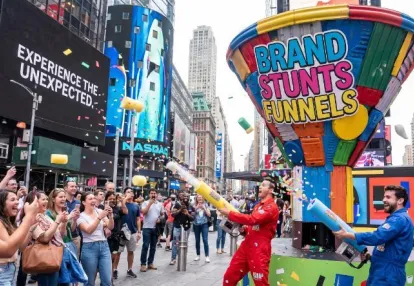
That’s what Gary Vaynerchuk is really pointing at when he says experiential should be built primarily as a driver of shareable social content rather than a siloed “event” line item. By treating pop‑ups and IRL acts of theater as fuel for organic posts and UGC, brands not only stretch their budget; they also feed the discovery engines that are increasingly shaping how people find products in the first place, including the large language models quietly ingesting your videos, as explored in the analysis of how marketers can fuel social discoverability with experiences and evolving discoverability. For direct-response marketers, that means every spectacle, from a “world menu heist” to a bizarre product collab, should be architected as a content factory that drives search, lowers CPMs, and fills retargeting pools, not just a PR headline.
At the same time, performance teams can’t hide behind hyper‑personalized ad tech and pretend they don’t need this kind of cultural gravity. As Erez Levin argues in his critique of the paradox of personalization and AI‑tailored ads, algorithmically cranking out billions of slightly different messages may help squeeze incremental ROAS at the very bottom of the funnel, but it erodes the macro‑cultural signal that gives your brand authority in the first place. Those “black box” systems are excellent at harvesting existing demand; they are terrible at creating it. Your “right person, right time” machinery only works if you’ve already done the slower, messier work of embedding the brand in people’s mental playlists of what’s cool, useful, or status‑enhancing.
Ironically, the most sophisticated direct-response accounts are already inching toward this cultural model, just on a smaller stage. High‑growth ecommerce advertisers manufacture “hits” by constantly testing semi‑professional UGC that looks and feels native to the feed, leaning on micro‑influencers to speak directly to tightly defined avatars, from construction workers with chronic back pain to niche hobbyists, as Sam Brown details in his breakdown of how to blow up an ecommerce business with Facebook ads and UGC hits. That is cultural marketing—just done surgically instead of with Super Bowl budgets.
The opportunity now is to fuse these worlds. The same mindset that lets a global brand turn Halloween or a menu mash‑up into a recurring cultural franchise can help a performance team design campaigns that generate their own organic momentum, creator participation, and algorithmic tailwinds—while still being ruthlessly accountable to a single north‑star metric. When you see “world menu heists” and pop ads not as frivolous stunts but as upstream engines for attention, data, and creative learnings, you stop asking whether they “drive direct sales” and start asking how fast you can plug them into your conversion system.
Every great “world menu heist” pivots on two primal levers: “you’re not supposed to have this” and “you might not be able to get it.” That’s illicit delight plus scarcity. For direct‑response marketers, those aren’t just brand theater—they’re the exact emotional angles you can weaponize in pop, push, and native to make strangers click right now.
Big brands do the heist in public: contraband menu mashups, forbidden flavors, “only in Tokyo” drops suddenly appearing in New York. You’ll do it in feeds, pop‑unders, and pushes—but the human psychology is identical. People want what feels stolen from somewhere else, and they move fastest when it might disappear.
A heist story has a simple arc you can translate straight into performance creative:
Notice how this dovetails with the idea that the most effective out‑of‑home creative does “two jobs at once”: it’s instantly recognizable and impossible to ignore. As the team behind Billboards by Global argues, great billboards turn distinctive brand assets into the idea itself, rather than a logo slapped on at the end, making the message both familiar and disruptive in a three‑second glance, as described in their campaign overview. Your heist‑style pop ads should follow the same rule: the “stolen” thing (recipe, routine, file, hack, code) is the ad.
Pop and push formats excel at micro‑moments and interruptions, not long persuasion. That’s perfect for illicit‑delight angles. Think in “glimpses,” not long copy:
This mirrors the way low‑budget stunts like graffiti walls or flash mobs create a sense that you’ve stumbled onto something unsanctioned. As one growth strategist points out in a breakdown of flash mobs and street performance, people are magnetized to what feels like an unscripted breach of the normal environment—and then they spread it for you. Your “digital flash mob” is the push that appears with a line like, “We weren’t supposed to send this to you, but…”
Instead of generic FOMO, you’re embedding the why of the scarcity in the story—exactly how pop‑up experiences are now being used primarily as content engines. When Gary Vaynerchuk argues that experiential setups should be built as drivers of shareable social moments, not just in‑person impressions, he’s describing a system where the experience itself becomes a limited‑run “asset” people feel compelled to capture, as he explains in an interview on evolving experiential and social strategies. Your push creative should feel like the screenshot‑worthy moment of that heist.
Hyper‑personalized “right ad, right person, right time” logic breaks down when you need a message to travel. As one strategist notes in a critique of AI‑tailored ads, obsessing over 1:1 precision destroys the macro‑cultural signal that gives a brand authority and instead turns it into statistical noise. Heist angles solve the opposite problem: they create a shared story that’s simple enough to spread, but specific enough to feel like a secret.
The payoff for you, the direct‑response marketer, is fourfold:
Treat every pop, interstitial, and push as a tiny heist scene: a stolen asset, a narrow window, and a quiet invitation to grab it before the door slams. The next step is turning that narrative into concrete hooks and templates you can launch by Friday.
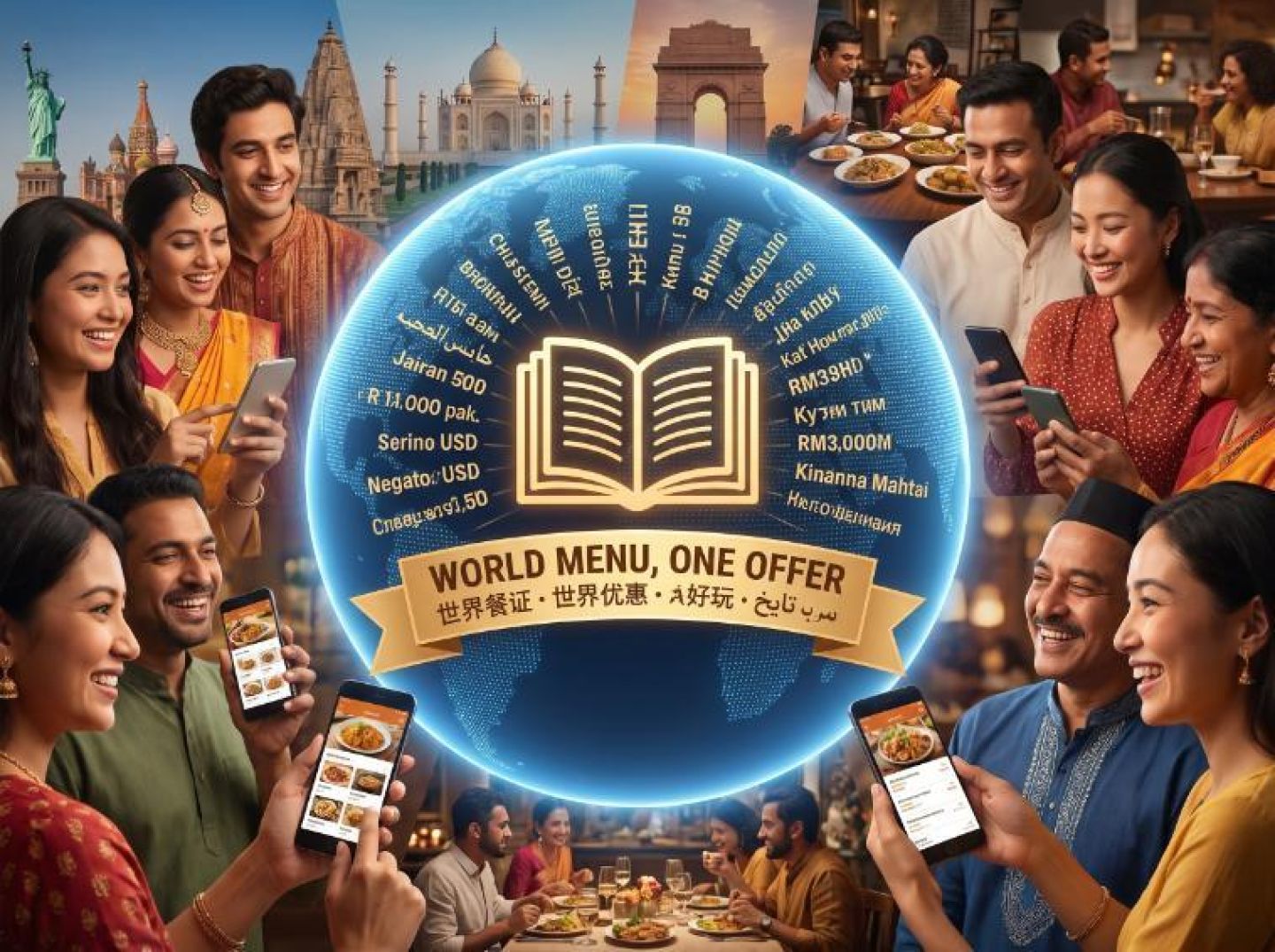
World menu stunts work because they promise the same core fantasy everywhere—then wrap it in local rules. “Yes, you can have the contraband item. But only in this city, only in this way, and only if you’re in on the joke.” That’s exactly the structure you want in native, push, and pop: one scalable offer, sliced into geo‑specific stories that feel made for that audience and impossible to get anywhere else.
The mistake in performance is to treat “localization” as nothing more than swapping in a city name or language variant. That’s just translation. What you want is cultural exclusivity: a single, economically coherent offer that manifests as different cult objects in different regions. This is where big brands have quietly been doing the hard work you can rip off.
Look at how out‑of‑home networks like Global talk about reach and precision. Their “Billboards by Global” platform sells the idea that the best placements “do two jobs at once”—clear branding plus impossible‑to‑ignore creative—while using data tools to “identify audiences, optimize locations and plan billboard campaigns with far greater precision,” as their Global:IQ platform promises. That’s your blueprint: macro-consistent brand plus micro-specific context. For native and push, your “billboard” is the offer itself, and your “location optimization” is how that offer maps to each geo’s culture, slang, seasonality, and status games.
Concretely, that means:
Crucially, localization is not an excuse for infinite personalization chaos. When every impression becomes a snowflake, you lose the shared cultural asset that gives your “world menu” any gravity at all. One media strategist warned that billions of AI‑tailored creatives risk dissolving brand coherence into “statistical noise” and argued that generative tools should be reserved for bottom‑funnel tweaks, not for dismantling a unified message across the full media mix, as this critique of hyper‑personalization in AdExchanger makes clear. Translation: keep the spine of your offer and core emotional hook identical; only localize the costume.
On social and in feeds, that costume should look like it grew out of the culture, not your brand guidelines. Performance practitioners have found that semi‑polished, locally flavored UGC—shot by micro‑creators who already “speak” the native content language of that region or niche—often beats expensive, generic production across the funnel, as documented in this breakdown of high‑performing Facebook and Instagram ad formats. Pair that with geographic exclusivity—“only to subscribers in Manchester this week,” “only for Bay Area riders who tap this push”—and your world menu suddenly feels like a series of urban legends, not a bulk email blast.
The result is a system where every geo sees a different secret door, but they’re all walking into the same room: one core offer, one P&L, multiplied by a lattice of localized myths that make conversion feel like joining a local conspiracy, not responding to an ad.
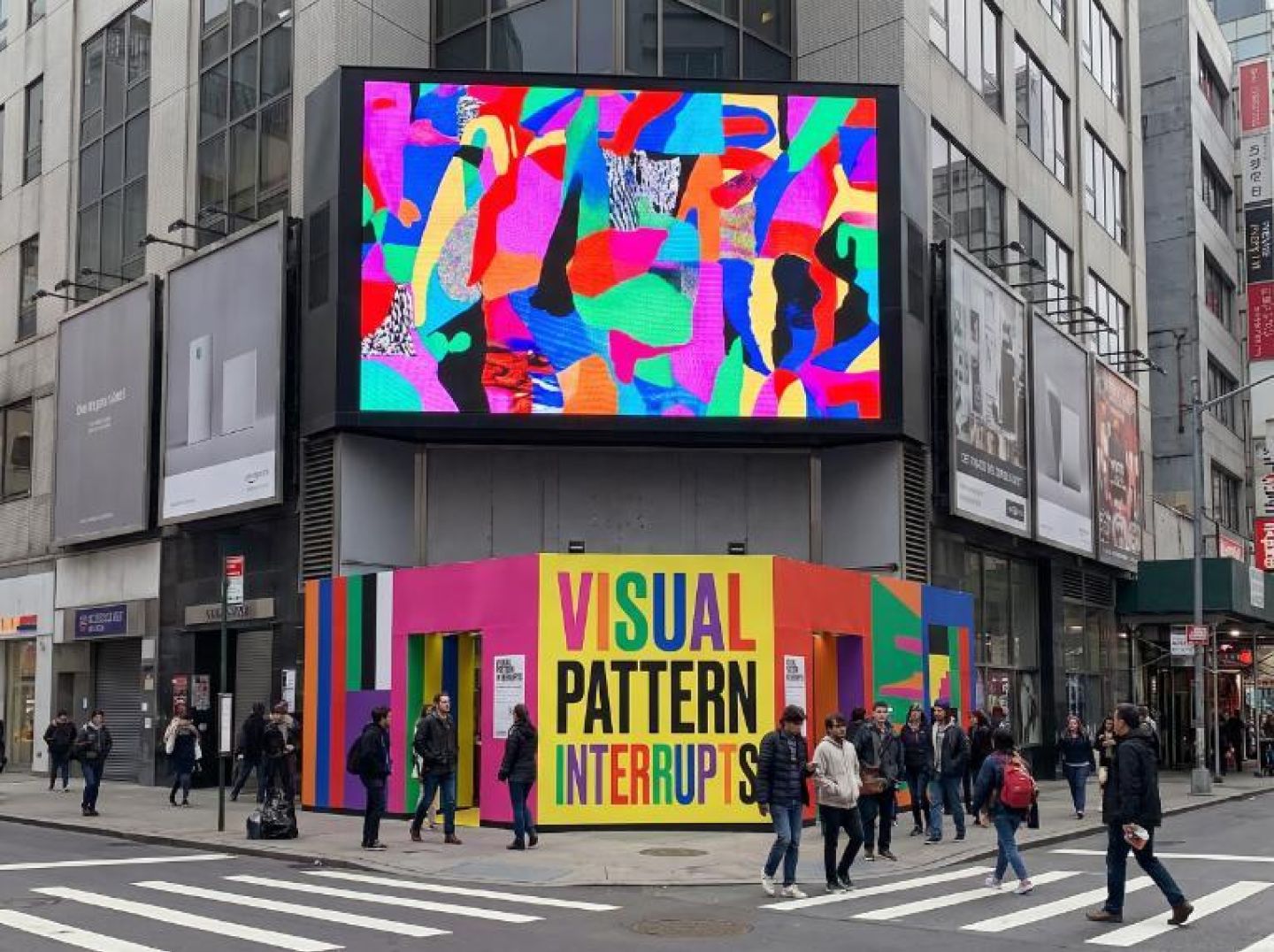
Billboards and pop ads live or die by the half‑second. You don’t get “consideration.” You get a glance, if that. The only way through is to become visually and emotionally “un-missable” on contact—and then pivot that spike of attention straight into a click, lead, or sale.
Big brands have already done the lab work for you.
When Global rolled out its massive outdoor network, it framed the best billboard work as doing two jobs at once: making the brand easy to recognize and impossible to ignore. In other words, the distinctive assets—the arches, the bottle shape, the color block—are the idea, not a logo slapped on at the end, as the “Billboards by Global” launch made clear in its emphasis on creative built specifically for the billboard canvas and designed to be “public, powerful and unforgettable” in a three‑second drive‑by environment for more than 43 million people every fortnight, according to the.
That’s your model for pop and push. Your “distinctive asset” isn’t a global logo; it’s an instantly legible pattern interrupt:
In a pop environment, you have even less time than a billboard. The user isn’t cruising past—they’re trying to get somewhere else, and you’re the obstacle. So your job is to earn just enough curiosity for them to delay their goal by one beat. That means: no dense benefit stacks, no five‑bullet comparison charts, no clever wordplay that needs decoding. Think highway, not homepage.
A clean pattern interrupt has three parts:
If billboards give you the language of blunt-force pattern interrupt, street‑level stunts show you how to inject emotion into that micro‑moment. Low‑budget brands use flash mobs and street performances specifically because a sudden, public break in the script yanks people out of autopilot and into attention, as a guide to guerrilla tactics like flash mobs and graffiti from the performance‑minded Brax team points out. The crowd doesn’t care about the choreography; they care that reality just glitched.
That’s the emotional payload you want to steal, minus the logistics:
The danger is confusing “impossible to ignore” with “hyper‑personalized.” Enterprise advertisers are already discovering that trying to generate billions of micro‑variations destroys the shared cultural signals that give a brand its authority, turning distinctive assets into statistical noise, as one critique of AI‑tailored creative from AdExchanger’s data‑driven column explains. For direct‑response, that’s not just a branding problem; it’s a performance problem. You can’t build fast pattern recognition when every impression is a snowflake.
So the play isn’t “a different pop for every user.” It’s “a small, repeatable set of billboard‑simple pattern interrupts,” each tied to a clear emotional angle—illicit delight, FOMO, geo‑envy—that you can aim at segments and geos. You still localize the story, the contraband, the city. But the way you grab the half‑second stays consistent enough that, over time, your pops start to feel like a recognizable event: the little visual heist that keeps showing up right before someone gets what they’re not supposed to have.
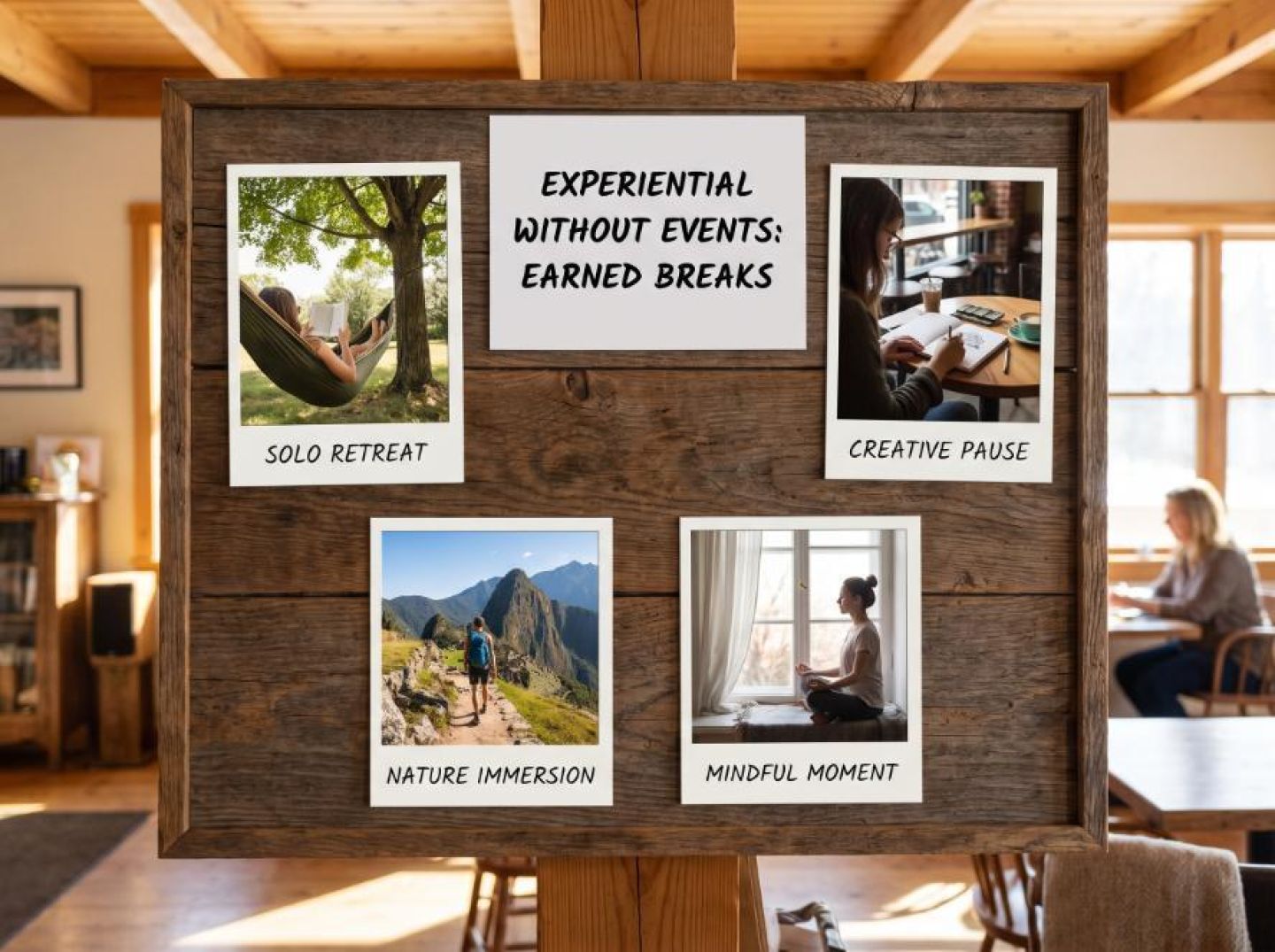
You don’t need a food truck tour, a festival booth, or a Super Bowl stunt to feel “experiential.” In high‑volume funnels—native, push, pop—you can simulate the feeling of getting a break from the feed, of being “in on something,” without ever leaving the screen. The trick is to build what I’ll call earned breaks: tiny, self‑contained moments that feel like events, even though they’re just ads and landing pages doing performance work.
This is where performance marketers can quietly steal from flash mobs and street performances. When the team at EMC used flash mobs to stop people in their tracks, the payoff wasn’t the dance—it was the social content and word of mouth that followed, as the stunt turned into its own shareable story, a point the Brax team highlights in their breakdown of low‑cost viral tactics. Your pop or push ad can play that same role: a jarring pattern interrupt that leads to a “what did I just stumble into?” experience on the page.
In practical terms, that means designing creative that looks less like an offer and more like a cultural moment your user arrived at by accident. Instead of “50% off meal kit,” think “Local Cooks Are Secretly Hacking This ‘Global Menu’ Item—Here’s How to Get In.” The ad is just the entrance. The landing page then behaves like a small, self‑contained event:
You’re manufacturing the feeling of having wandered into a pop‑up—without renting a single square foot.
To keep this from becoming pure gimmick, you need a framework. Brand leaders like Papa John’s have talked about winning by meeting people “in culture,” not just pushing messages into a fragmented media landscape; in one conversation, their marketing lead and Carat’s CEO outlined how nimble teams respond to cultural moments fast while still aligning to a simple, shared strategy for brand and performance together, a tension explored in depth in Adweek’s interview on breaking through fragmentation. That’s your model: you’re not randomly inventing stunts; you’re building repeatable formats that can ride whatever’s already in the zeitgeist.
In a pop environment, that might look like:
Done right, every impression feels like it’s giving the user a little something—entertainment, recognition, a micro‑reward—in exchange for their click. That’s where DIY cred comes in. Instead of polished brand film aesthetics, you lean into semi‑rough, feed‑native formats that look like what your audience already consumes. On social, eCommerce marketers are getting disproportionate returns from semi‑professional UGC: scripted but casual creator videos that look like any other reel, then pivot into a product pitch, a pattern that Social Media Examiner documents in their deep dive on high‑volume creative testing. You can port that exact energy into pop and native: front‑facing “storytime” clips, faux‑behind‑the‑scenes shots of the “secret menu” item, lo‑fi screenshots of text threads about “that thing they’re only doing in our city.”
Underneath the theatrics, though, you still need measurement that respects the bigger picture. When you turn every ad into a uniquely tailored micro‑experience, it’s tempting to chase infinite AI‑generated personalization. But as one strategist argued in a piece on the “measurement mess” created by billions of hyper‑personalized variants, there’s a real danger in chasing 1:1 relevance at the expense of any shared, macro signal; the recommendation is to focus instead on the right messages for the right population over time, not just the right ad for one person in one moment, a warning laid out plainly in.
“Earned breaks” and DIY‑feeling creative are how you make high‑volume funnels feel alive. But the profit comes from treating those moments as recurring formats you can scale, test, and compare across geos and segments—not as one‑off stunts you can’t measure, repeat, or roll into the next “world menu heist.”
Receive top converting landing pages in your inbox every week from us.
Guide
Discover how big-brand cultural stunts, exclusive offers, and “world menu heists” can inspire more effective pop, push, and native ad campaigns. Learn how to use scarcity, localized creative, visual pattern interrupts, and interactive experiences to capture attention, increase engagement, and build scalable direct-response funnels.
Rachel Thompson
7 minOct 9, 2026
How-To
Learn how to turn big brand-building stunts into measurable performance funnels across Native, Push, Pop, and TikTok. This guide breaks down how to repurpose stunt assets, build channel-specific sequences, design story-led landers, and measure their impact on conversions and revenue.
Priya Kapoor
7 minOct 5, 2026
Recently Updated
Learn how to turn award-winning brand campaigns into scalable Push, Pop, Native, TikTok, and dropship performance campaigns. This guide shows how to spy on proven funnels, extract the psychology behind successful creative, adapt big-brand concepts into direct-response angles, and use AI to produce high-velocity variations that can be judged by ROAS and CPA.
Liam O’Connor
7 minOct 3, 2026