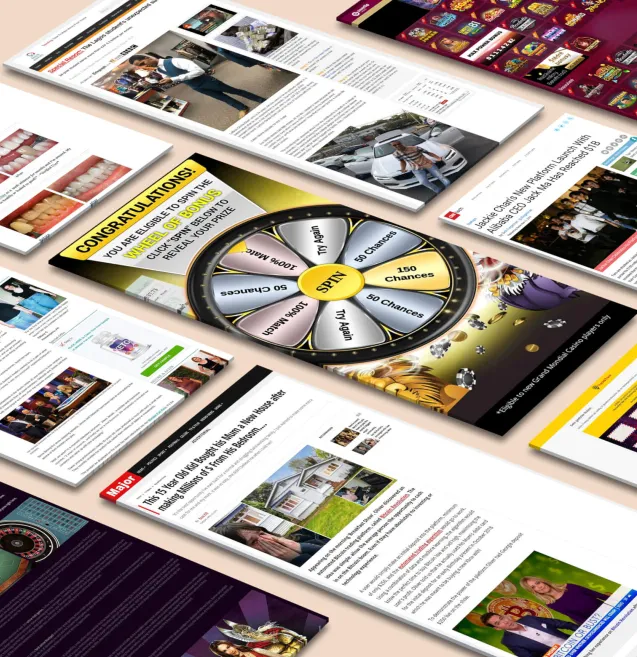

Our spy tools monitor millions of push notification ads from over 90+ countries and thousands of publishers.
Get StartedCelebrity sports ads don’t pay your media bill. Click-through rates, lead volume, AOV, and ROAS do. Yet most of the industry still behaves like the goal is to win Cannes, not the auction.
Every major tournament now triggers the same ritual. A brand drops a “culture-defining” film with a star athlete, trade press hails it as a masterclass in authenticity, and social teams screenshot a handful of viral comments as proof of success. Meanwhile, somewhere inside your dashboard, that same “masterpiece” is limping along at a negative margin while a scrappy, ugly prelander with a B‑list player quietly prints money.
This gap between hype and profitability has only widened as sports have become the default battleground for brand budgets. Live games still deliver absurdly engaged audiences, but as one group of marketing leaders told an audience at Cannes, slapping your logo next to a broadcast moment is no longer enough to move the needle; “presented by X” doesn’t equal success when the business problem isn’t awareness but incremental revenue, as Kraft Heinz’s CMO bluntly put it. The brands that are actually winning are engineering moments that spark fan participation and measurable action—not just sizzle reels.
You can see the same tension in women’s sports, which is having an undeniable moment yet still lacks the hard performance benchmarks media buyers are used to. Agencies like Deep Blue literally had to build a Women’s Sports Index just to help advertisers move beyond vibes and headlines into real-time signals like engagement, brand lift, and purchase intent across creator-led content. When a single WNBA star like Angel Reese outguns the entire league on Instagram followers, fandom is clearly athlete-centric and conversion-friendly—but unless you’re staring at the right data, you’re still guessing.
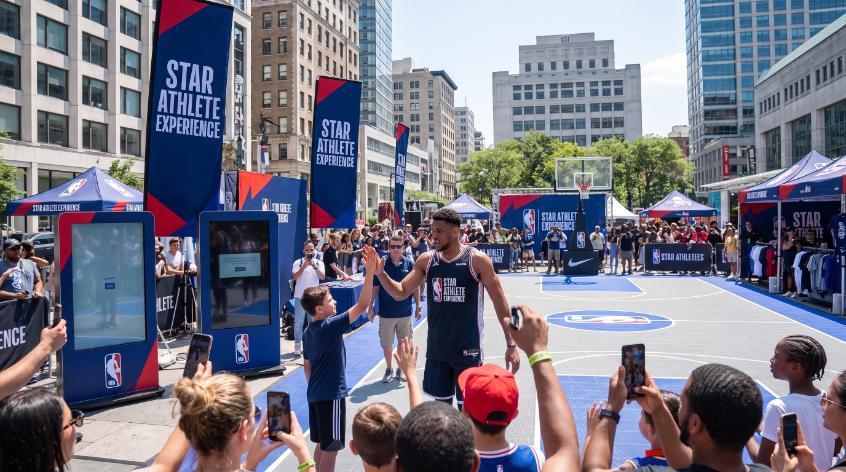
Out-of-home is going through the same reckoning. The smartest OOH shops no longer sell boards as “big canvases” in big moments—they sell deterministic IDs and retargeting pools. As one mobile experiential network recently showed, an LED truck rolling through your target market isn’t just creating impressions; it’s quietly building the first-party audience that fuels your paid social, programmatic, and CRM flows for months afterward by linking exposure to downstream conversion data. The creative may win the photo op, but the value is in the audience file.
In other words, every channel around sports is getting more accountable, more data-saturated, and more arbitrageable. Yet when it comes to celebrity-driven sports activations—the splashiest, most expensive bets on the board—most marketers are still flying blind. They celebrate “breaking the internet” while ignoring whether the click costs pencil out in São Paulo, Delhi, or Warsaw.
This piece is not another ode to “purpose-led” athlete storytelling or “brand bravery.” It’s a teardown.
We’re going to rip open live Anstrex Push and Pops data and dissect the sports‑celebrity creatives that are actually scaling, profitably, across 92 countries. We’ll look at which hooks, offer constructs, funnels, and formats hold margin when your clicks aren’t US‑only and your inventory isn’t premium broadcast but remnant mobile and arbitrage traffic. We’ll compare the shiny big‑brand posture of “memorable moments” with the ruthless simplicity of performance buyers who only care whether a Tom Brady teaser in Malaysia beats a local cricket star in the UAE on EPC and net profit.
Along the way, we’ll cross‑reference what’s working in push and pops against how high‑engagement fanbases behave in channels as varied as creator-led women’s sports ecosystems and real‑time, championship‑driven OOH takeovers that turn city blocks into participation theaters, as one Times Square victory campaign recently demonstrated. The goal is simple: give arbitrage buyers and aggressive brand performance teams a blueprint to clone winning mechanics and media paths—not just the celebrity face or the PR headline.
If you’ve ever watched a viral sports spot “win the internet” while your CAC quietly spiked, this is your scorecard.
Legacy sports advertisers still grade success on goosebumps. The gold standard is the “break conference” moment Adweek loves to spotlight—when a campaign is so emotionally on-point that fans stop what they’re doing, watch together, and light up social feeds in real time. In a recent Cannes Lions panel, marketing leaders told Adweek that sports marketing is now about “memorable moments,” not even basic brand awareness; logos in the outfield or “presented by X” billboards are framed as relics, while emotional authenticity and cultural resonance are the new trophy metrics.
That philosophy is powerful for legacy CPGs and mega-sponsors that already own mindshare. When Kraft Heinz’s CMO tells Adweek that “awareness is not our issue,” he’s voicing a truth about brands with decades of GRP behind them: they can afford to optimize for sentiment, not sales. A World Cup activation that makes fans cry or laugh is declared a win if it “understands the fan experience” and drives chatter. Whether that moment actually moves product this quarter is often a secondary, if not ignored, question.
Performance buyers don’t have that luxury. If you are the person actually inside the auction—whether on paid social, native, or programmatic display—“memorable” is irrelevant unless it also means profitable. You’re not judged on whether a Travis Kelce spot trends on TikTok; you’re judged on whether that sports celebrity creative drives cost-effective clicks, leads, and revenue. For you, the only meaningful version of “did it work?” sounds like: Did this celebrity sports ad generate cheap, qualified traffic and conversions at a sustainable EPC?
That’s where an ROI layer built on real push and pop data changes the conversation. Spy tools like Anstrex don’t care how many brand strategists quoted your Super Bowl spot on LinkedIn. They surface which athlete-driven creatives are actually being scaled in the wild—measured by hard outcomes like click-through rate, conversion rate, and earnings per click. Instead of guessing which “pure leaf”–style, cinematic sports ad might land, you can reverse-engineer the versions affiliates are willing to put serious budget behind because the numbers clear their payout thresholds day after day.
This is the mental shift from panel applause to break-even math. While trade press celebrates “two-way conversations” and fan engagement, performance marketers quietly ask a different question entirely: does this celebrity execution outperform my control? Tools that expose real-world CTR and CVR on athlete-led push notifications or popunder landers give you that answer in a language media buyers actually speak. If a beautifully shot, high-emotion brand film is getting out-clicked 3:1 by a scrappier sports creative built around urgency and social proof, the choice is obvious when you’re the one paying for traffic.
That doesn’t mean abandoning human nuance in favor of blunt-force targeting. The most scalable sports-celeb campaigns tend to marry an emotional hook—the “memorable moment” Adweek celebrates—with sharp, respectful audience intelligence. As MarTech argues in its critique of stadium-style data collection, too many brands treat fans as raw behavioral assets, using sweepstakes and in-venue tech to harvest exhaustive profiles they barely need. The result is a creepy, extractive experience that might fill a CDP, but rarely builds long-term trust or response.
A more sustainable model uses data the way performance pros already think about clicks. When you analyze CTR and conversion patterns the way Brax describes—looking at when and where people engage, on which devices, and with which creatives—you’re not just optimizing media efficiency. You’re also learning when specific sports audiences are most open to a particular offer, and what kind of athlete story makes them want to take the next step. You can tailor your messaging and funnels while still collecting only what you truly need to serve and convert them.
Meanwhile, holding companies like Publicis are racing to bolt hard metrics onto their own sports programs. The new Tekta NIL network, launched with Travis Kelce and 3 Arts Sports, promises advertisers a “unified measurement framework” and faster speed to market, while leaning on fan intelligence and data-driven planning, as Marketing Dive reports. That’s a clear signal: even at the brand level, sports activations are being retooled to answer performance questions, not just win culture points.
In that landscape, push and pop data from tools like Anstrex become the connective tissue between the Adweek-era pursuit of unforgettable sports moments and the performance marketer’s mandate to hit ROAS. They let you keep the athlete star power and the emotional craft—but force every execution to justify itself in CTR, CVR, and EPC, not just in highlight reels and panel quotes.
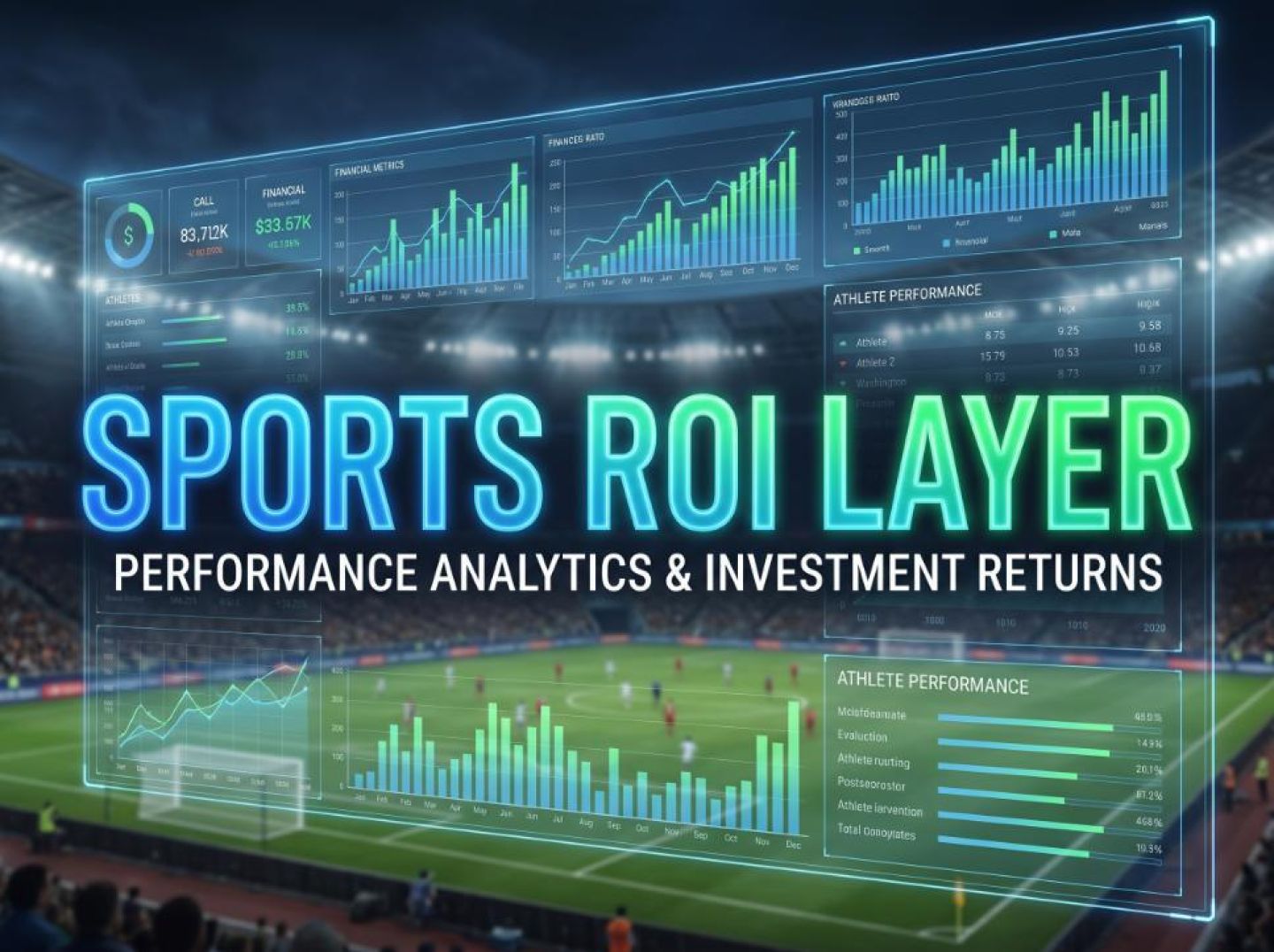
Anstrex Push & Pops turns the chaos of celebrity sports marketing into something performance buyers can actually use: a live scoreboard. Instead of waiting for case studies and award decks, you’re watching thousands of push notifications and popunders run in the wild, each one a tiny test cell showing whether a specific athlete–sport–offer combo is actually moving money.
Think of what Nexxen did by fusing Acxiom’s interest, purchase, and household data into its Nexxen Discovery tool. Brand buyers suddenly get a multi-signal picture of who’s on the other side of the screen: what they watch, what they buy, and what they care about. Anstrex is the arbitrage version of that sophistication. You don’t own the data, but you see what matters most to you: which creatives are being scaled, how long they’re staying live, which geos keep getting re-tested, and, in many cases, the reported CPAs and EPCs associated with those funnels.
Every push or pop is effectively a live A/B test running on someone else’s budget. One set of affiliates is pounding traffic into an F1 driver endorsement for a betting brand across LATAM; another is pushing a star striker into DFS offers across Western Europe; a third is quietly printing with NIL athletes tied to nutrition subs in mid-tier US cities. In a traditional brand world, you’d need a bespoke data stack or a custom index like the Women’s Sports Index that Deep Blue and Mondo Metrics built to benchmark women’s sports fandom in near real time. With Anstrex, you’re piggybacking on the same idea—but for pure direct response.
Instead of asking “Is women’s soccer having a moment?” you’re asking: “In Brazil, do soccer-led creatives for crypto apps consistently outpull MMA-led creatives for the same funnel?” The spy layer shows you where traffic is actually flowing: which geos are saturated with certain athletes, which landers are being iterated, and which translations keep appearing. When a specific F1 channel or MotoGP placement sparks a flurry of related pushes, you see how quickly offers chase that audience, similar to how new sports FAST channels suddenly expand inventory in streaming environments.
The real unlock is segmentation. Push and pop networks expose some of the same “hotspot” dynamics performance marketers are taught to mine in impression and device data. As the Brax team notes, analyzing impressions by device, OS, and timing reveals when and where your audience is most active and profitable, down to specific operating systems and browser types that become signal-rich hotspots. Layer celebrity sports creatives on top of that, and Anstrex becomes your overlay:
The point is not to blindly rip a Travis Kelce spot or a LeBron-themed push. Brand-side players like Publicis are already promising NIL marketers a unified measurement framework, faster time-to-market, and guidance on which athletes to back by folding fan and performance data into structured decisioning. As an arbitrage buyer, Anstrex lets you approximate that same discipline without their war chest.
You’re benchmarking, not fanboying. Is the “F1 driver + tier-2 EU geo + betting CPL” combo beating the “college QB + US South + crypto CPA” combo on a normalized EPC basis? Are Android-heavy funnels with mid-card UFC fighters actually more profitable than glossy iOS-only creatives with global soccer icons once you factor in bid prices and payout tables?
Anstrex Push & Pops is where those questions get answered in real time. Every creative is a datapoint in a global experiment you didn’t have to fund. Your job isn’t to decide which celebrity makes the coolest film—it’s to use the live scoreboard of CPAs, EPCs, geos, verticals, and device patterns to decide which celebrity–sport pairing actually deserves your next dollar of traffic.
Winning celebrity sports creatives don’t scale just because the talent is hot or the script is clever. They scale because they’re sitting on top of fan data that’s specific, deterministic, and alive across channels. If Section 2 was about using Anstrex Push & Pops as a global testing lab for talent–offer combos, this section is about feeding that lab with the right fans so your strongest creatives can actually convert.
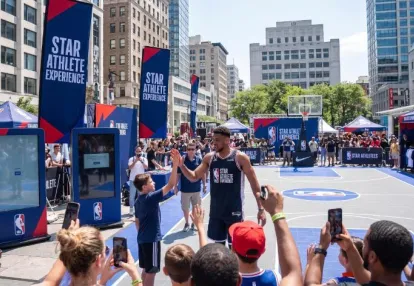
Start on the street, not the feed. Lime Media’s LED billboard trucks don’t just cruise past stadiums for vibes; they quietly manufacture first-party audience graphs as they go. As one case study in out-of-home explained, each truck is essentially a rolling data factory, passively capturing mobile device IDs from fans exposed to the screens and passing those IDs back into the brand’s stack as a verified, behaviorally grounded audience pool. Those exposures are time- and location-locked—outside the arena before tip-off, in fan zones during tailgates, or along bar districts on fight night—so the audience the truck builds “isn’t random, it’s intentional,” which is exactly why every downstream activation gets more efficient when you start from this kind of deterministic seed (OOH Today).
For performance buyers, that’s the bridge between IRL spectacle and digital arbitrage. Once those device IDs hit your stack, you can mirror what out-of-home innovators describe as the next step: pipe the IDs into paid social retargeting, programmatic display, and video, and use them as a seed set for lookalike modeling and CRM matching so that the same humans who craned their necks at your truck outside the stadium are now seeing athlete-led creatives in their push notifications and popunders days later, when they’re actually ready to bet, subscribe, or shop (OOH Today). In practice, that might look like:
Crucially, those athletes and storylines can’t be chosen by vibe alone. As coverage of women’s sports has highlighted, this category is structurally different: fandom is disproportionately athlete-centric and highly social. Fans follow Angel Reese or a One Championship striker the way they follow creators, not the way they follow a league logo. That means sports arbitrage buyers wasting budget on “women’s basketball” as a broad interest are already behind the curve. The smarter play is to target by athlete and by community: Angel Reese TikTok clusters, LSU alumni groups, or geos around bars that stream One Championship cards, reinforced by FAST channels like the dedicated One Championship TV and F1 Channel that have been bundled into CTV inventory packages for brands looking to extend reach into niche but passionate sports audiences (VideoWeek).
This is exactly the kind of “fan intelligence” logic big agencies are operationalizing at the brand level. Publicis’ new Tekta NIL platform was built to tame a fragmented college-athlete market by blending data-driven fan insights with a unified measurement framework, helping brands pick the specific Division I athletes and Power Four programs that will actually move the needle instead of just checking the NIL box. As Tekta’s launch materials make clear, advertisers get guidance on “the right investment opportunities and partnerships,” backed by the same performance-oriented data stack that has helped Publicis outpace its holding-company peers in revenue growth (Marketing Dive).
Performance marketers should steal that playbook outright, then compress it into high-velocity testing loops. Instead of one monolithic “sports” push campaign, you build micro-fandom clusters that resemble Tekta’s athlete selections but are optimized for CTR and CVR:
Within Anstrex Push & Pops, each of these micro-fandom segments becomes its own creative and bidding strategy. You compare their CTR and CVR to broader “sports fan” or “betting interest” buckets, treating Tekta-style fan intelligence as a hypothesis engine. When college-town NIL-led creatives outpull generic NFL talent by 35% on CTR in a specific DMA, or when Angel Reese-driven pushes convert 2x better than generic “WNBA” messaging, you’ve validated the micro-cluster and earned the right to scale budget and spin off variants for adjacent athletes and campuses.
The throughline is simple: celebrity sports activations only “convert like Pure Leaf” when they’re stitched to living, breathing fan graphs. LED trucks and stadium streets give you deterministic entry points; athlete-centric fandom and NIL intelligence tell you which names matter; segmented push and pop campaigns let you measure lift at the cluster level. Combine all three, and your next celebrity spot isn’t just a beautiful moment—it’s a performance engine with receipts.
Dove’s World Cup work is the perfect reminder that sports creative only lands when it feels like it’s actually on the fan’s side. In its widely covered campaign around body confidence, Dove let real players and real anxieties sit at the center of the story, using the tournament as a backdrop rather than a shiny prop. As Adweek’s coverage of the effort emphasized, the brand didn’t default to slow‑motion goals and logo slaps; it focused on a specific emotional truth of women’s football and then connected that truth to a simple, protective role for the product and brand.
Pure Leaf‑style push and pop campaigns chase the exact same authenticity—but they compress it into two lines of copy and a 120‑pixel thumbnail.
Where a brand film has 90 seconds to arc from conflict to catharsis, a push notification has three seconds in a notification tray on a cracked Android screen. You’re not building a universe. You’re building a moment that moves a thumb.
In Anstrex, the high‑ROI sports celebrity push creatives almost always reduce that Dove‑like authenticity to a three‑part pattern:
That first clause is the emotional hook Dove spent a whole film unpacking. For arbitrage, you collapse it into one clean tension that maps to a concrete payoff.
2. Credibility via minimal, clear celebrity context.
The second line names (or strongly implies) the athlete and the product in the same breath:
Notice what’s missing: awards, heritage, CSR platitudes. In the same way Publicis’ new NIL unit is using fan intelligence to engineer “the right investment opportunities and partnerships” around athletes like Travis Kelce to “drive the most impact,” as Marketing Dive reported, performance creatives surface only the piece of the athlete’s story that can plausibly improve a very specific outcome—how the user feels, plays, looks, or saves.
3. >Blunt offer + frictionless next step.
The last element is not implied. It’s written:
For arbitrage, the only “memorable moment” that matters is the one that compels a tap and sets up a path to purchase that feels like a continuation of the notification, not a new chore. That’s why the strongest popunder variants drop fans straight into a pre‑loaded checkout or a single‑screen form—no dead‑end landing pages with moody manifesto copy.
When you look at the Anstrex dashboards through that lens, the winners tend to share a few unmistakable creative signals:
Contrast that with the big brand films you’ll also see referenced around major tournaments: 60–90 seconds of gorgeously lit training montages, crowds in backlit rain, and one closing super of the logo. No price, no product specificity, no CTA beyond a hashtag.
Those films can absolutely move long‑term brand metrics. They can also clean up in awards shows. But in the arbitrage game, they’re dead weight. You can’t buy traffic on the hope that someone who saw a moody hero spot three weeks ago will remember your brand name while scrolling through a cluttered push tray in the third quarter.
Performance arbitrage cares about a different memory hierarchy:
If the answer to any of those is “no,” your beautiful celebrity creative might still be “memorable,” but not in the only way that counts: as a micro‑moment of clarity that earns a click and seamlessly converts that interrupted fan into a paying customer.
Most celebrity sports campaigns don’t die in the feed; they die on the landing page.
Brands pour budget into Pure Leaf–style storytelling, pay a star to deliver the click, and then drop fans onto what is essentially a mini-brand film: long copy, hero videos, dense sweepstakes rules, a dozen form fields “for personalization.” All vibe, no velocity. The result is a leaky funnel that squanders the most expensive traffic you’ll ever buy.
This isn’t just a UX gripe; it’s a data problem. As one critique of event activations at Fanatics Fest observed, many “fun” promos are really data-harvesting machines, with QR codes driving fans to forms demanding full name, email, phone, birth date, gender, city, and stacked marketing permissions—even though, to run a sweepstakes, a brand only needs “a name and one reliable contact method” to notify the winner, as MarTech’s analysis points out. The fan thinks they’re playing a quick game; the marketer is quietly building a dossier.
In performance terms, that’s backwards. The more fields you add and the fuzzier your value exchange, the harder your celebrity has to work just to drag people over a form they don’t fully trust. In push and pops, where attention is already fragile, that friction is fatal.
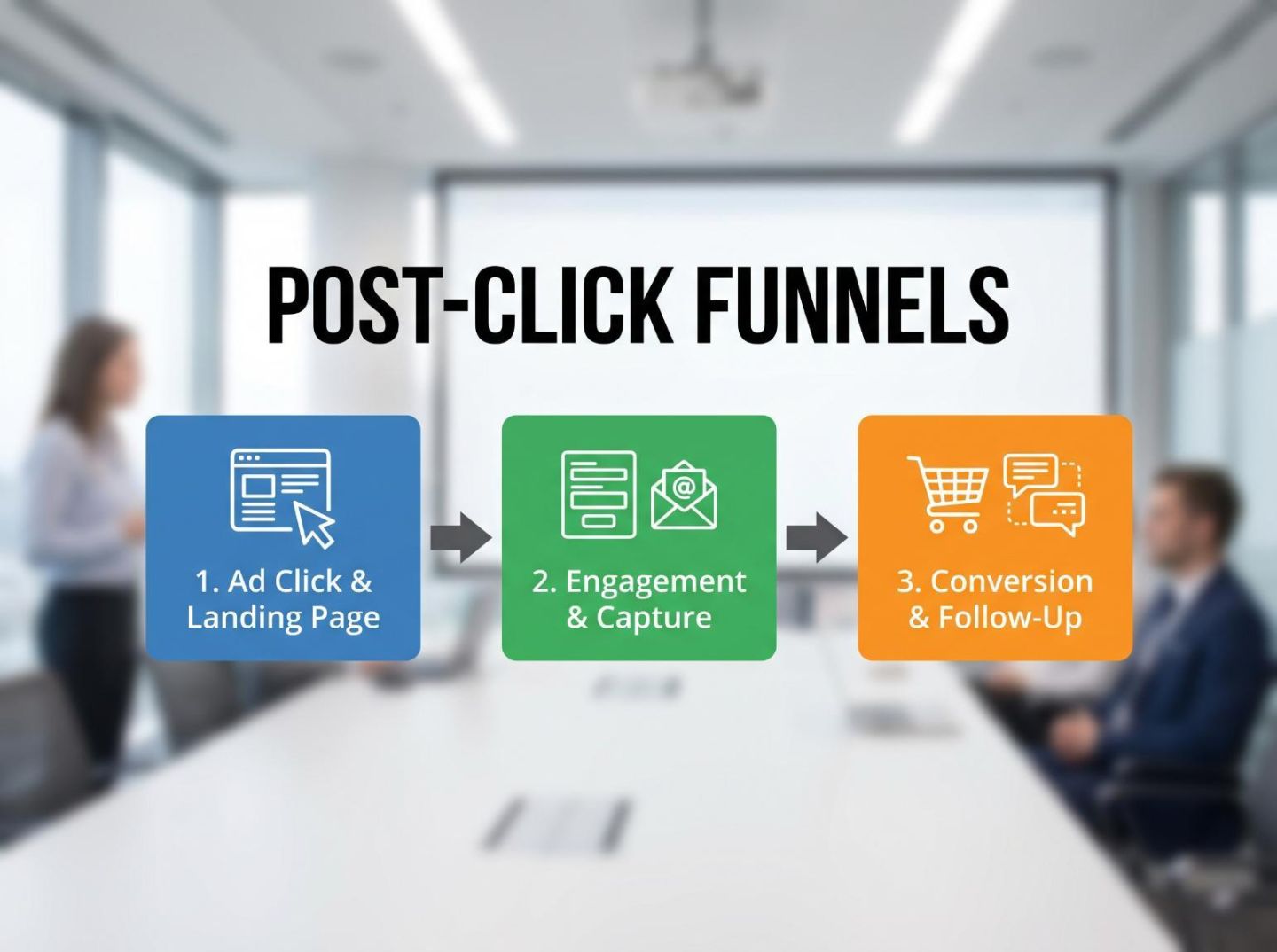
Lean, high-trust funnels solve this. The best post-click playbooks in celebrity sports activations are built on three principles:
Notice that none of this requires you to dial down the celebrity. You’re simply refusing to hide a data agenda behind the athlete’s face. In performance arbitrage, that transparency actually boosts completion rates and long-term engagement.
The second unlock is treating every click like a tagged, trackable fan—not just a session. When OOH Today’s coverage of Lime Media’s LED trucks describes brands ingesting device IDs from physical exposures into CRM systems, then using that to drive retargeting, lookalike modeling, and attribution, they’re outlining a blueprint digital buyers can copy.
In push/pop arbitrage, your “truck” is the creative unit. You should be:
From there, three funnel archetypes consistently convert in celebrity sports activations:
In all three, the Pure Leaf-style magic isn’t just the face or the story—it’s the discipline behind what happens after the click. You’re not running a vanity brand film; you’re operating a tagged, consented, conversion-focused system that turns fleeting hype into deposits, orders, and leads you can actually model against.
Receive top converting landing pages in your inbox every week from us.
Guide
Celebrity sports campaigns can generate enormous attention without necessarily producing profitable traffic, leads, or sales. This guide shows how to mine Anstrex Push and Pop data to identify scalable athlete creatives, build high-intent fan audiences, and connect sports activations to conversion-focused landing pages and funnels.
Priya Kapoor
7 minSep 24, 2026
Featured
Learn how to turn ad-spy data, push/pop campaign insights, and Anstrex intelligence into measurable mobile OOH campaigns. This guide shows how to pre-test winning creatives, optimize routes, connect QR-driven funnels, and build full-funnel attribution for mobile billboards.
Elena Morales
7 minSep 22, 2026
Most Read
Featured ad galleries can reveal creative trends, but without performance metrics they provide little insight into what actually works. This guide shows how to use Anstrex, tracking data, and Brax to reverse-engineer native and display winners and turn their proven angles into measurable Pop and Push campaign blueprints.
Marcus Chen
7 minSep 21, 2026