10 minSeptember 17, 2026

Our spy tools monitor millions of TikTok ads from over 55+ countries. Biggest TikTok Ad Library in E-commerce and Mobile Apps!
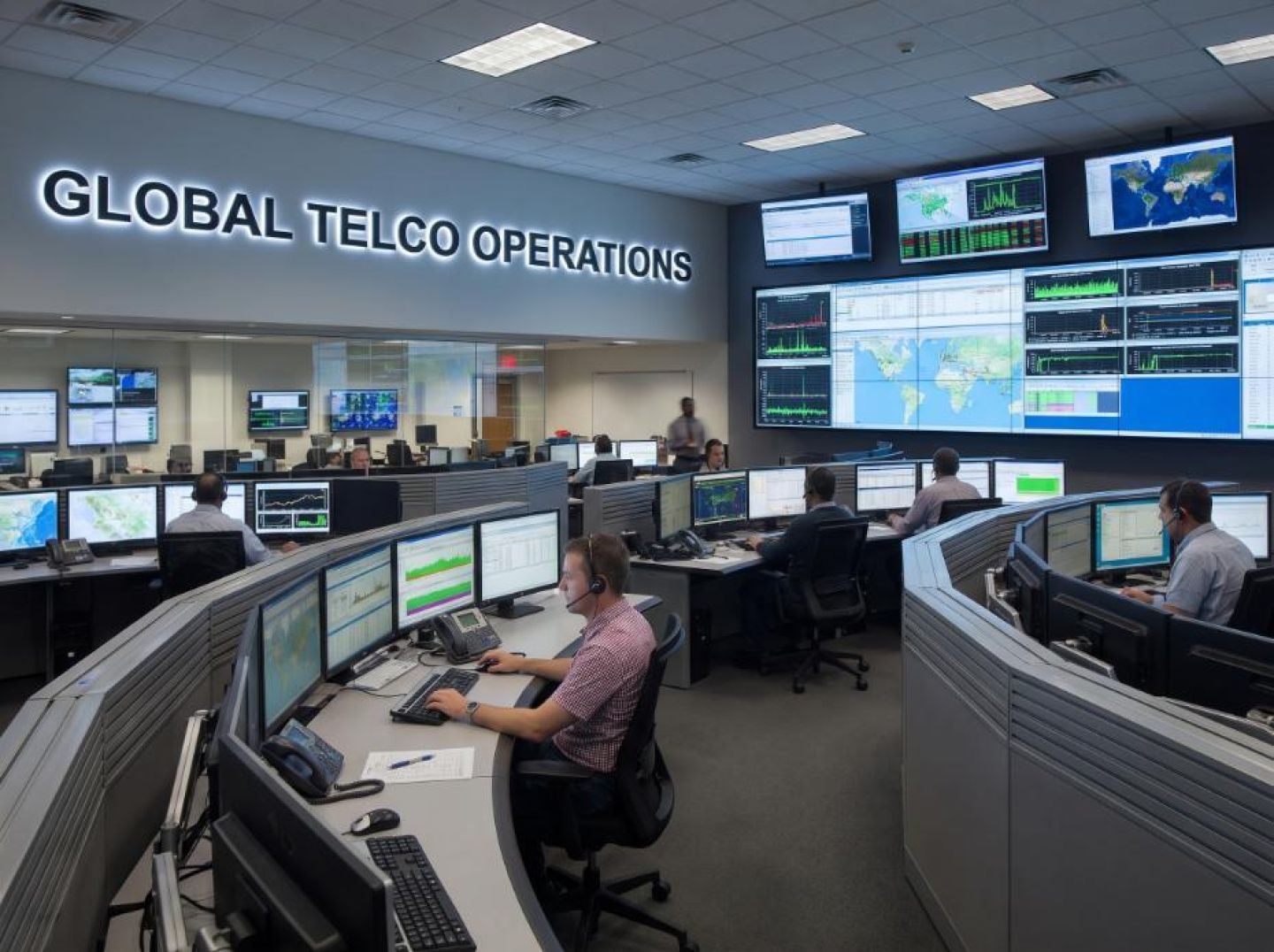
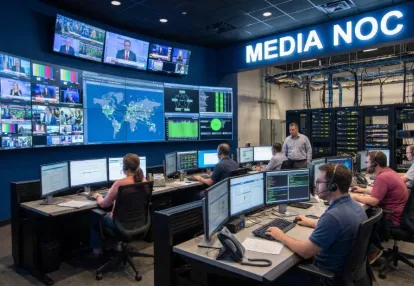
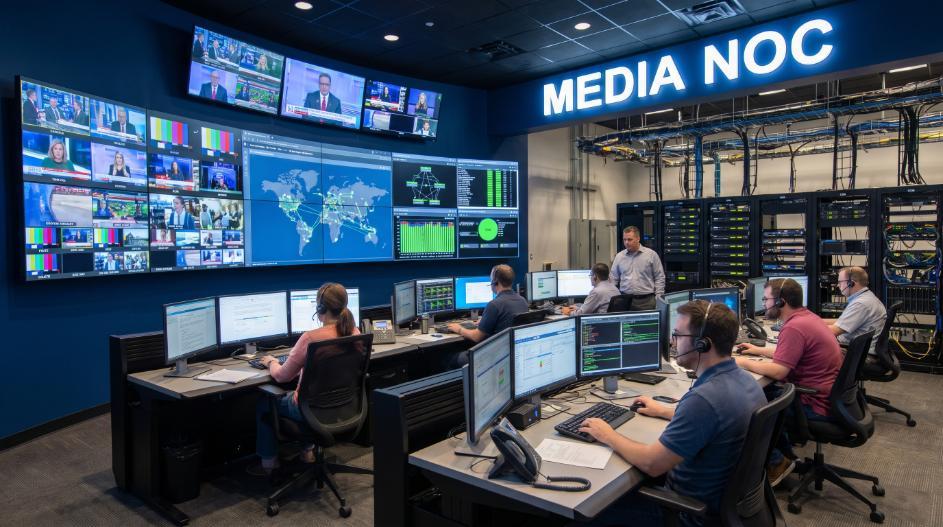
Try It FREETelecom operators learned long ago that you can’t run a resilient network from siloed dashboards. A dropped video call looks like a tiny blip to the radio team, a complaint to customer care, a quiet account in billing, and an unresponsive prospect in marketing. None of those records are decisive on their own. But when you connect them, as one overview of modern telco analytics explains, they reveal a customer who is on the verge of churning. That’s the essence of a Network Operations Center (NOC): a shared operating view where different teams see the same event from different angles and act before minor faults become major incidents.
Media buying today has the same problem telcos had a decade ago. We suffer “dropped funnels” instead of dropped calls. Creative performance lives in one place, ad delivery diagnostics in another, site analytics in a third, and CRM or sales data somewhere else entirely. Your TikTok buyer sees a high click‑through rate. Your lifecycle marketer sees low email engagement. Finance sees rising CAC. The CMO sees a flat revenue curve. Each dashboard is technically “right,” but none of them are complete.
Meanwhile, the volume of signals is exploding. Telcos had to adapt when global 5G subscriptions passed 3 billion and nearly half of all Anstrex.com/blog/native-ads-and-affiliate-dating-offers-case-study-by-trafficstars" target="_blank" rel="noreferrer noopener">mobile traffic moved to 5G, driving a 22% year‑over‑year jump in network load, according to the Ericsson Mobility Report cited in a Clearcode analysis. Media teams face a similar surge: more placements, more formats, more AI‑generated creatives, and more cross‑screen environments than any human can monitor on their own.
Just as telecoms moved beyond “another dashboard” toward unified data models and streaming analytics, media buyers are being dragged toward their own version of a NOC. Platforms are quietly building the pieces. TikTok’s new Symphony Agent can take a campaign from a text brief to finished video assets, drawing on trends, performance signals, and brand guidelines to generate scripts, storyboards, and edits at scale. Within that same ecosystem, marketers can tap pre‑built “skills” that analyze top‑performing ads, deconstruct hooks and calls to action, and even automate tasks like daily performance reports or creative‑fatigue checks, as one marketer described in detail on.
This is where the analogy to traditional NOCs becomes powerful. In a telco, the value doesn’t come from a bigger data lake; it comes from correlating network telemetry, customer interactions, and operational records in one analytics environment, like the shared industry data model Microsoft rolled out for telecom operators. In media buying, the equivalent is connecting platform‑side signals (CPM, CPC, creative performance), site‑side analytics, downstream revenue, and even real‑world attention or out‑of‑home exposure into one operations view.
The platforms are hinting at this convergence. X’s new Ads MCP server lets advertisers feed campaign data into third‑party AI agents like Grok or Claude so they can query performance and make decisions via natural language, a shift that industry coverage describes as a more flexible way to plug ad data into AI workflows. TikTok is pushing campaigns “out of phone” into gyms, taxis, and supermarkets, turning social videos into digital‑out‑of‑home inventory and creating yet another layer of performance data that marketers can sponsor and optimize across screens in real time.
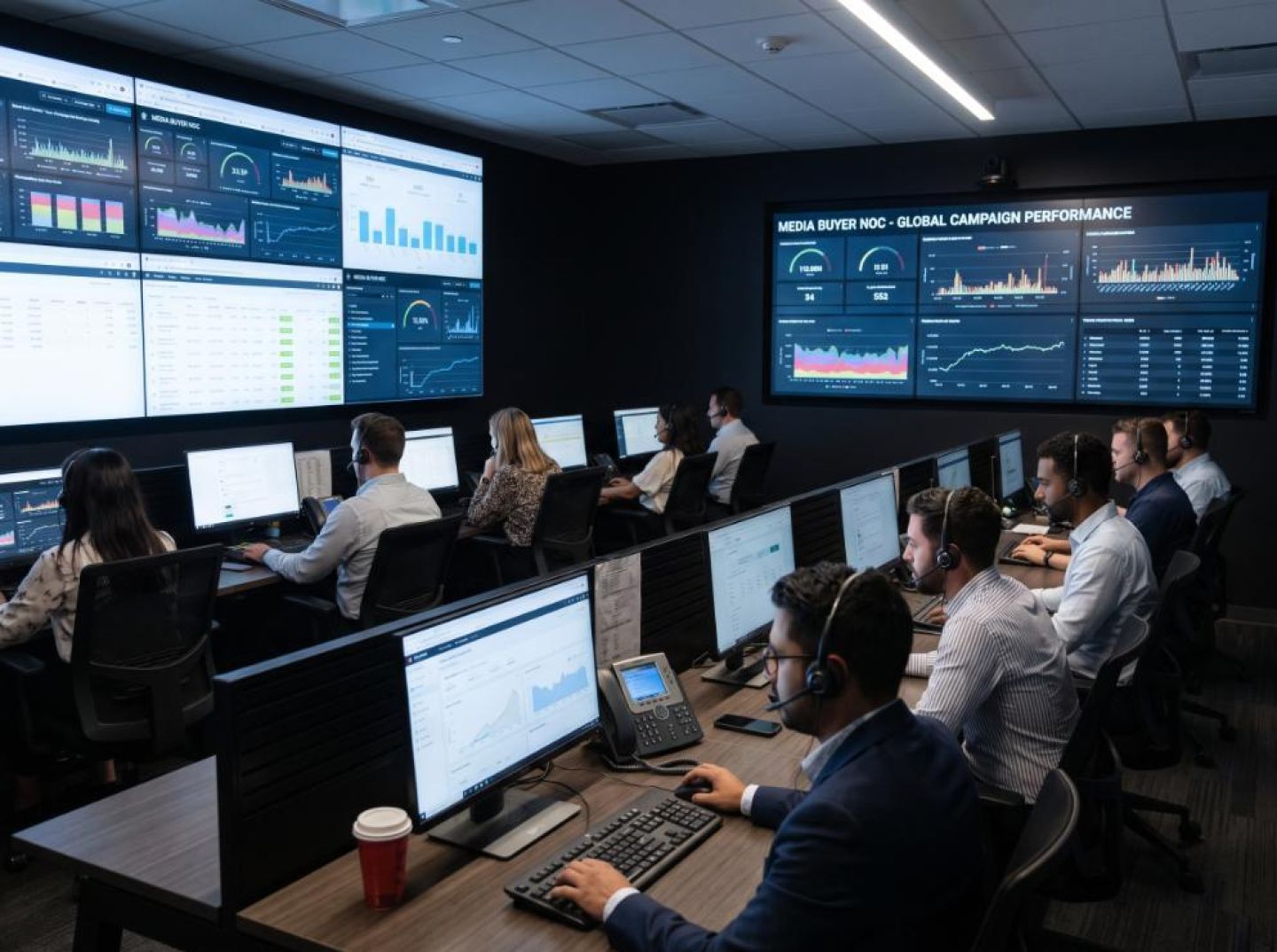
In this environment, running media from individual platform dashboards is like running a mobile network by staring at one cell tower at a time. The work now is to build a media NOC: an operations layer that correlates creative signals, auction dynamics, attention metrics, and business outcomes, and then uses AI not just to generate more ads, but to orchestrate monitoring, diagnosis, and response across the entire funnel.
In a telecom network operations center, the job isn’t “watching charts.” It’s orchestrating a live, always‑on system where thousands of micro‑signals roll up into one clear answer: “Is the network healthy, and what do we do next?” To build a NOC mindset for media buying, it helps to understand how a telco NOC is actually put together—and what each function’s equivalent looks like inside your TikTok and paid social stack.
At the core of a telco NOC is traffic and performance monitoring. Engineers sit in front of wall‑sized maps that show call volumes, latency, error rates, and congestion by region, cell, and route. They’re not looking at one metric; they’re looking at how those metrics move together. The media‑buying equivalent is your cross‑campaign performance layer: blended CAC and ROAS, delivery status, and efficiency by channel, all the way down to ad group and creative. TikTok’s own Ads Manager exposes basic performance views and recommendations, but as the team behind the TikTok guide on how to advertise on TikTok points out, the real leverage comes when you continuously test hooks, offers, and CTAs and watch how those shifts ripple through watch time, click‑through rate, and conversion.
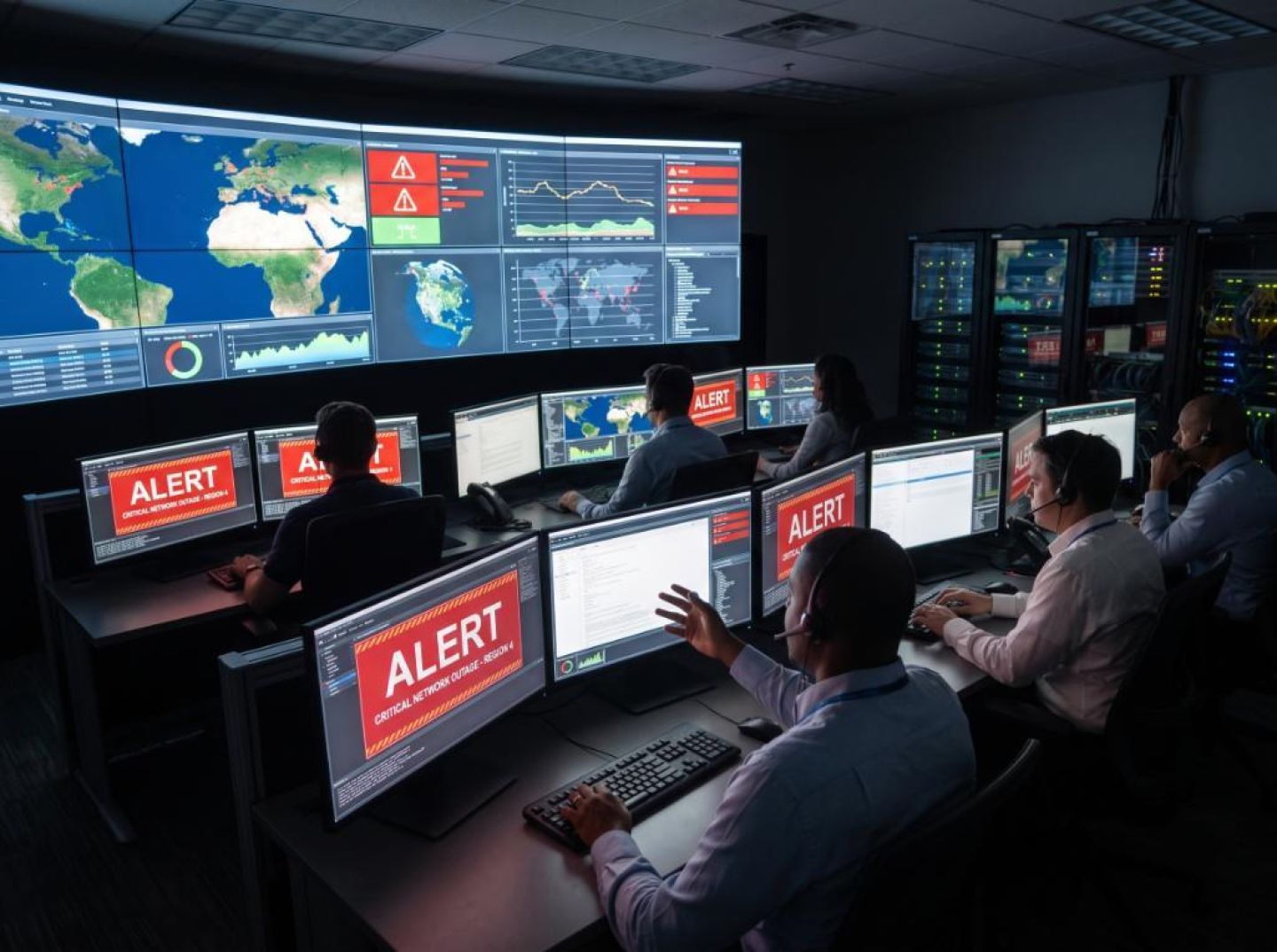
Next in a telco NOC comes event detection and alerting. When a cell tower fails or a transport link degrades, the NOC doesn’t wait for a quarterly report; alarms fire in minutes, often seconds. That’s exactly what most media teams lack. Instead of waiting for weekly performance decks, a media NOC needs thresholds and automatic alerts: “TopView CPM just spiked 30%,” “cost per qualified lead from TikTok instant forms is trending 20% above target,” “Shop conversion rate dropped after the last catalog sync.” Because tools like TikTok’s Smart+ and event‑based optimization depend on clean signals, marketers who establish strong data flows—pixels, conversion APIs, and CRM connections—are the ones who can spot anomalies quickly. The team at HubSpot emphasizes that their native TikTok integration lets campaign‑level insights sync into lifecycle data so you can see, in near real time, when performance against genuinely qualified leads starts to drift.
A telco NOC also has a troubleshooting and root‑cause function. When calls start dropping in one city, NOC engineers don’t just throttle traffic; they trace the issue layer by layer: radio, backhaul, core, billing. In a media context, that same discipline means breaking down problems across inventory, audience, creative, and conversion. If your TikTok cost per acquisition explodes overnight, a media NOC doesn’t simply slash budgets. It checks whether premium formats like TopView or TopReach are over‑delivering, whether audience definitions changed, whether a key piece of creative aged out, or whether downstream signals from your CRM stopped flowing. TikTok’s push into more sophisticated formats—like its sequential Storytelling capability and high‑impact, first‑impression placements such as TopReach—amplifies both the upside and the potential blast radius of a misconfigured campaign. When a premium takeover misfires, a NOC‑style troubleshooting process is the difference between a quick fix and burning a week’s budget in an afternoon.
Capacity and routing management are another telco NOC staple. Networks constantly rebalance where traffic flows: shifting load between towers, rerouting around congested links, pre‑provisioning capacity ahead of big events. Your media NOC should treat budget and impressions the same way. Instead of setting static allocations, you’re dynamically “routing” spend between TikTok, Meta, and other channels—and between different TikTok formats—based on real‑time efficiency. As coverage of TikTok’s maturing commerce stack has highlighted, top‑funnel formats like TopView can make mid‑funnel consideration cheaper by priming demand, while bottom‑funnel catalog ads and TikTok Shop close the loop. A NOC approach doesn’t see these as separate campaigns; it sees one flow of traffic that needs to be balanced so no single hop (awareness, consideration, conversion) gets saturated or starved.
Finally, a telco NOC is a coordination hub. During a major outage, it’s where engineering, customer care, and even PR converge to decide what to do and what to say. In your media organization, the NOC is where performance marketers, brand, creative, and sales meet around shared reality. It’s where creators’ content pipelines are aligned with flighting plans, where CRM owners validate that “high‑quality signals” are actually flowing back into TikTok’s optimization engine, and where decisions about scaling experimental formats like Pulse Mentions or messaging ads are made with the same discipline telcos apply when lighting up new spectrum.
The point isn’t to turn your paid social team into telecom engineers. It’s to borrow the NOC’s operating system: one shared screen of truth, early warning instead of late reporting, and a culture that treats TikTok campaigns, premium takeovers, and creator‑led storytelling as parts of one network you actively run, not a collection of disconnected lines you hope will stay up.
If a telco NOC is the war room, your “media buyer NOC” is the trading floor wired into every signal that matters: what’s running, what’s winning, what’s broken, and what needs to launch next. The mistake most teams make is treating each tool as a destination instead of a sensor. The goal in this section is to flip that: design a stack where Anstrex is the backbone of competitive and creative intelligence, and everything else hangs off it like probes on a fiber ring.
Start from the center: Anstrex as your traffic analytics layer
In a telco NOC, traffic analytics sits at the core, summarizing how bits actually flow through the network. In your media NOC, Anstrex plays that role. It doesn’t just show “what ads are out there.” It tells you:
Practically, that means you use Anstrex as the reference truth for “what’s live in the wild” and wire everything else to either validate, enrich, or act on what you see there.
Creative “routing”: AI‑assisted production tied to spy data
Telco NOCs constantly reroute traffic around congestion. Your NOC needs a similar feedback loop for creative. You’re not guessing new concepts—you’re cloning proven patterns, then routing your own spin on them back into the network.
This is where TikTok’s own AI ecosystem becomes part of the stack. Once Anstrex reveals that a certain hook, structure, or CTA is dominating your category, you feed that pattern into tools like TikTok’s Symphony Creative Studio. As one overview of Symphony explains, the upgraded Symphony Agent can generate scripts, storyboards, and video variations from a brief, using trend data and top‑performing ad signals to accelerate production. Your job is not to accept whatever it spits out; it’s to use Anstrex to define the “winning template” and Symphony to mass‑produce variants.
That same analysis of TikTok’s AI tools notes that campaign management agents can be instructed to automatically surface creatives with the strongest hooks and flag signs of fatigue, then generate fresh variants on demand, turning your NOC into an always‑on creative rerouting engine rather than a manual review queue.
Premium pipes: integrating TikTok high‑impact inventory
In telco, not all links are equal; some routes are premium backbone connections. TikTok is building similar “premium pipes” into its ad stack, and your NOC should treat them as distinct objects in the topology.
TikTok’s new TopView sequencer, for instance, can deliver up to three ads from the same brand within 15 minutes during peak engagement windows, effectively porting TV‑style frequency control into a mobile feed, as one analysis of TikTok’s premium ads push explains. TopReach combines the app‑open placement with the first in‑feed ad, giving you maximum daily reach through a single buy. Your NOC stack needs to track these units separately from standard in‑feed or Spark Ads: different costs, different expectations, different failure modes.
On your dashboard, those premium pipes should have their own tiles: delivery status, creative rotation, and overlap with your lower‑funnel campaigns. When Anstrex shows a competitor suddenly leaning into those formats, that’s the analog of a rival operator lighting up a new fiber route—you don’t necessarily copy them, but you update your map and monitor the knock‑on effects on auction prices, CPM inflation, and creative trends.
Verification and guardrails: media quality as NOC hygiene
No telco NOC would run without alarms for packet loss, jitter, or security events. Your media NOC needs the same hygiene for brand safety and measurement. Verification providers are increasingly embedding themselves directly into social platforms; one recent update noted that DoubleVerify has extended its pre‑bid media quality protection to Meta and TikTok, giving you standardized viewability, fraud, and suitability checks before impressions are even bought.
You don’t treat this as a reporting add‑on. You wire DV (or its peers) into your NOC as a health feed: if brand safety incidents spike on a given audience, creative, or placement type, that’s equivalent to a network alarm. The action path is as clear as a telco playbook: throttle or pause the affected line item, reroute spend to healthier paths, and push the incident (with context) into a daily review log.
AI agents as NOC operators, not overlords
Finally, you need operators—humans and agents—who sit “on top” of this backbone. Platforms like X are already opening advertising APIs and MCP servers so AI tools can query campaigns via natural language, as recent coverage of X’s AI integrations noted. TikTok is doing the same with its Agentic Hub and Symphony Agent. In a mature media NOC, these agents are not black boxes; they’re tireless junior operators:
The architecture principle is simple: Anstrex is your visibility layer, TikTok’s AI and premium formats are your programmable pipes, verification tools are your alarms, and AI agents are your first‑line operators. Wire them together correctly, and you stop “checking dashboards” and start running a live network of media routes that can be optimized, defended, and scaled in real time.
Telco NOCs are built around one idea: the network is guilty until proven innocent. Every alert is treated as a potential outage until the data says otherwise. Your media buying should work the same way. The point of “alerting like a telco” isn’t to stare at dashboards all day; it’s to engineer a small set of high‑signal warnings that tell you when to panic, when to pivot, and when to leave the algorithm alone.
Think in three tiers, just like a telco NOC watching dropped calls and congestion events.
Red alerts: Drop everything.
These are hard failures or runaway spend scenarios. You want tight, automatic triggers here:
Red alerts are for halting spend, pausing creatives, or rolling back changes. If a red alert fires, you don’t keep testing; you go into incident mode.
Yellow alerts: Investigate, don’t overreact.
Yellow alerts are anomalies that might be noise—or early warning:
Yellow alerts should trigger investigation tickets and experiments, not emergency shutdowns.
Green alerts: Signals to scale or double down.
Telco teams don’t just look for failures; they also watch for healthy capacity they can exploit. For media buying, green alerts might be:
Green alerts should be wired to playbooks that push spend or replicate what’s working—without flipping the table.
Borrowing from telco analytics, you’re not chasing every metric; you’re watching a small set of “network health” indicators across three layers:
To avoid “alert fatigue,” tie every alert type to a predefined action:
The result is not more noise; it’s a calmer, more decisive operating rhythm. Your team stops arguing about which metric “really matters” and instead runs from a shared, telco‑style incident playbook: a small set of clear alerts, each with a clear next move.
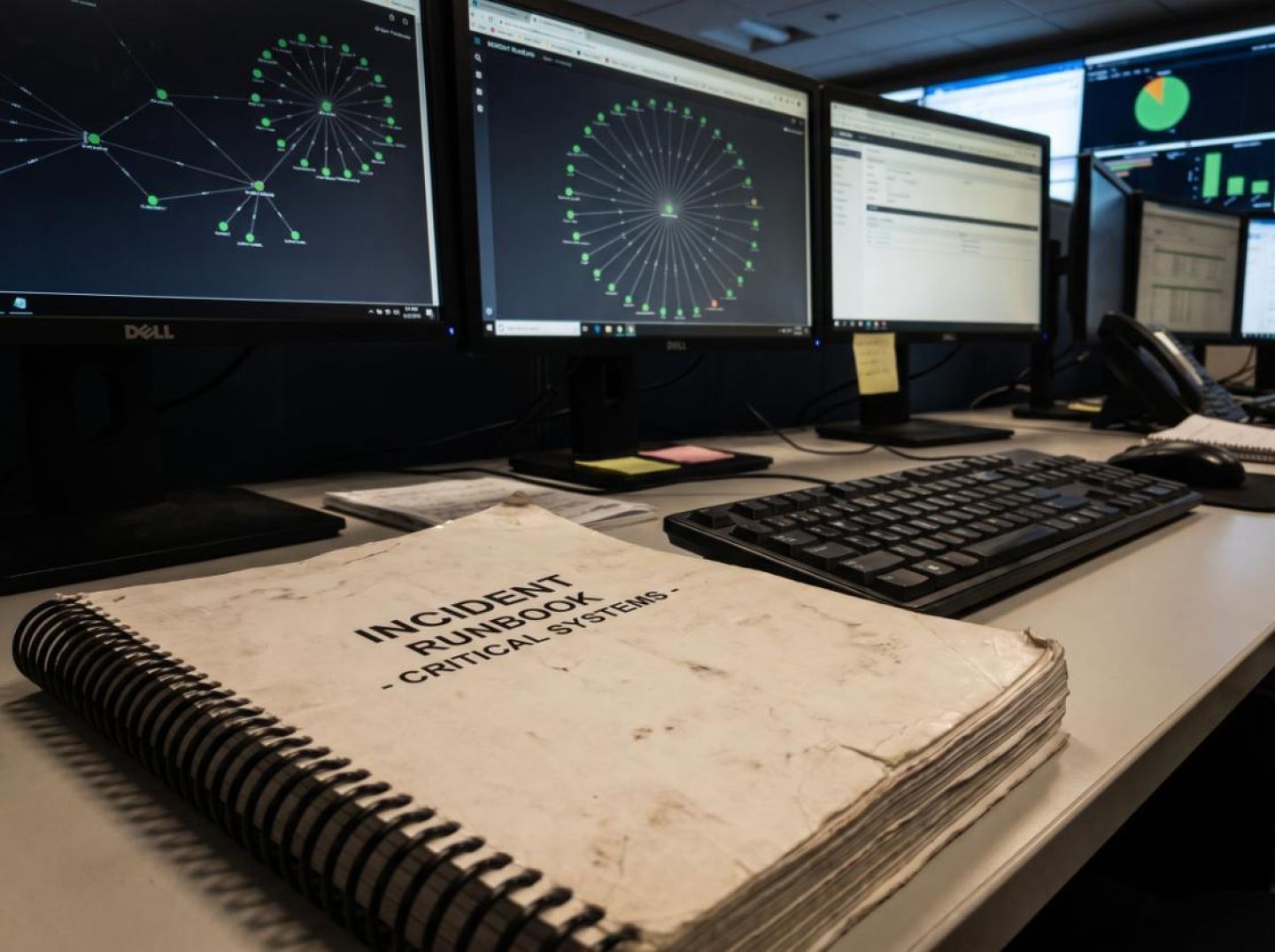
In telco land, outages aren’t handled with vibes and guesswork. They’re handled with runbooks: “If X happens, do Y in Z minutes.” Your media buying NOC needs the same discipline.
Below are incident runbooks tailored to three common operator types—dropshippers, affiliates, and brands. Adapt them, print them, and make them clickable inside your project management tool so nobody is “winging it” when money is burning.
Incident: CPA spikes 30–50% in a day
2. Stabilize spend (15–30 minutes)
3. Check the stack, not just the ad (30–60 minutes)
4. Deploy backup creative (60–120 minutes)
5. Decision rule (same day)
Incident: Sudden drop in conversions at steady click volume
3. Check with the network (45–90 minutes)
4. Contain risk (same day)
5. Runbook rule
Incident: Performance tanks during a major launch or cultural moment
2. Check creative‑fit, not just metrics (30–90 minutes)
3. Triage by funnel stage (same day)
4. Run a 24‑hour recovery loop
The telco mindset is simple: one input rarely explains the full outage. Tie ad signals, site health, and offer quality into shared incident runbooks, and your media NOC stops being a dashboard museum and starts operating like a real-time trading floor.
Receive top converting landing pages in your inbox every week from us.
In-Depth
Learn how to apply the Network Operations Center (NOC) model to modern media buying by connecting creative, delivery, site, CRM, and revenue signals in one operating system. This guide shows how to use Anstrex, AI tools, alerts, guardrails, and incident runbooks to monitor TikTok and paid media performance and respond faster to problems.
David Kim
7 minSep 17, 2026
In-Depth
Discover how city-level ad intelligence can help marketers build campaigns that feel local while scaling globally. Learn how to use Anstrex to uncover geographic, language, creative, and funnel patterns across Native, TikTok, Push, and Pops, then turn those insights into repeatable localized campaigns.
Elena Morales
7 minSep 16, 2026
How-To
Learn how competitor ad data can become a powerful source of AI search intelligence, from winning narratives and entities to proven messaging angles. Discover how to turn Anstrex insights into AI-ready content, original research, and PR assets that strengthen your brand’s visibility in answer engines.
Priya Kapoor
7 minSep 15, 2026